Russia
Moscow Oblast, Russia — Towns & Travel Guide
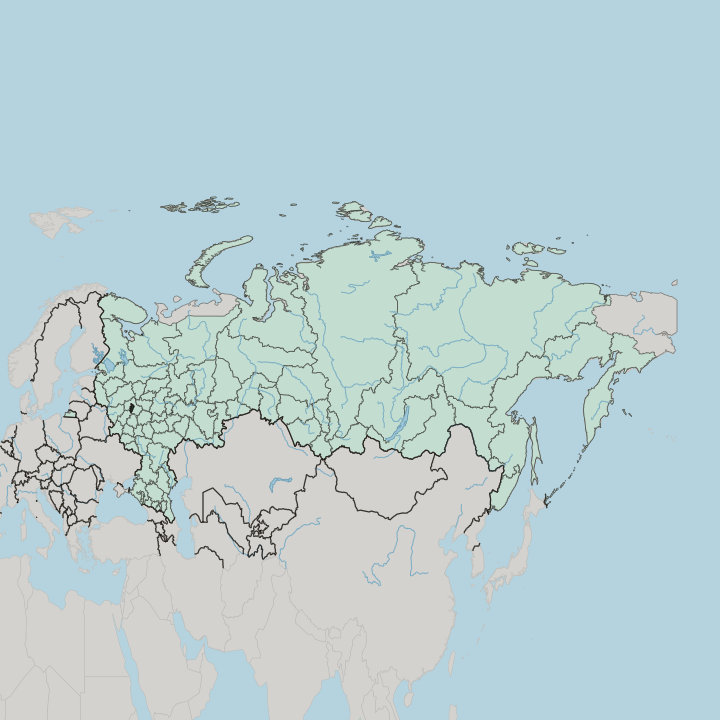
Moscow Oblast is the ring of forest, river and old towns wrapped around the Russian capital, known to Russians as Podmoskovye.
Find your area →


Towns & cities in Moscow Oblast
Pick a town or city — each links to where to stay.
 Russia
Balashikha
Balashikha is the largest city of Moscow Oblast, a mill town of 1830 spread along the Pekhorka River just beyond the Moscow Ring Road.Where to stay →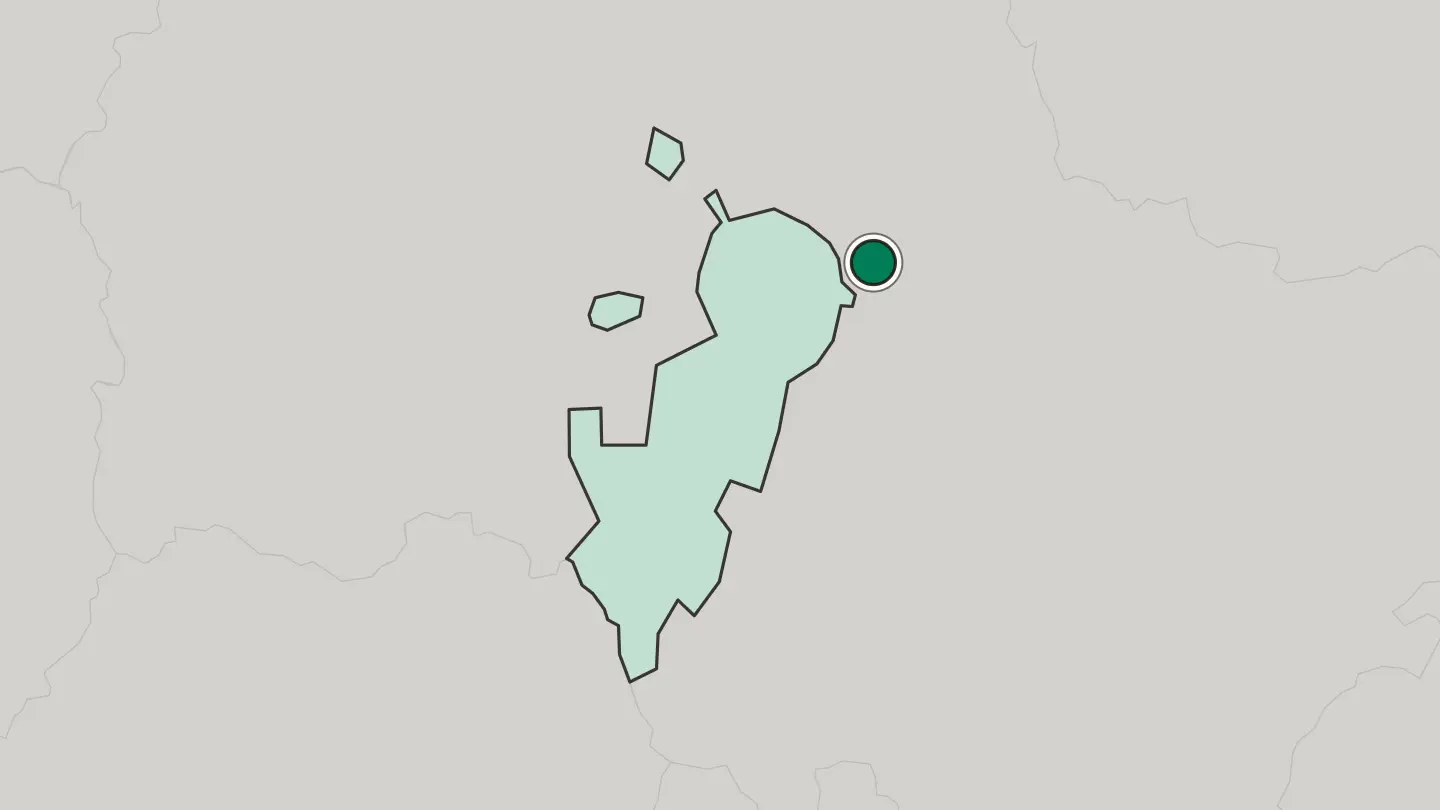
 Russia
Khimki
Khimki stands on the Moscow Canal northwest of central Moscow, an aerospace and shopping town of Moscow Oblast dating from 1851.Where to stay →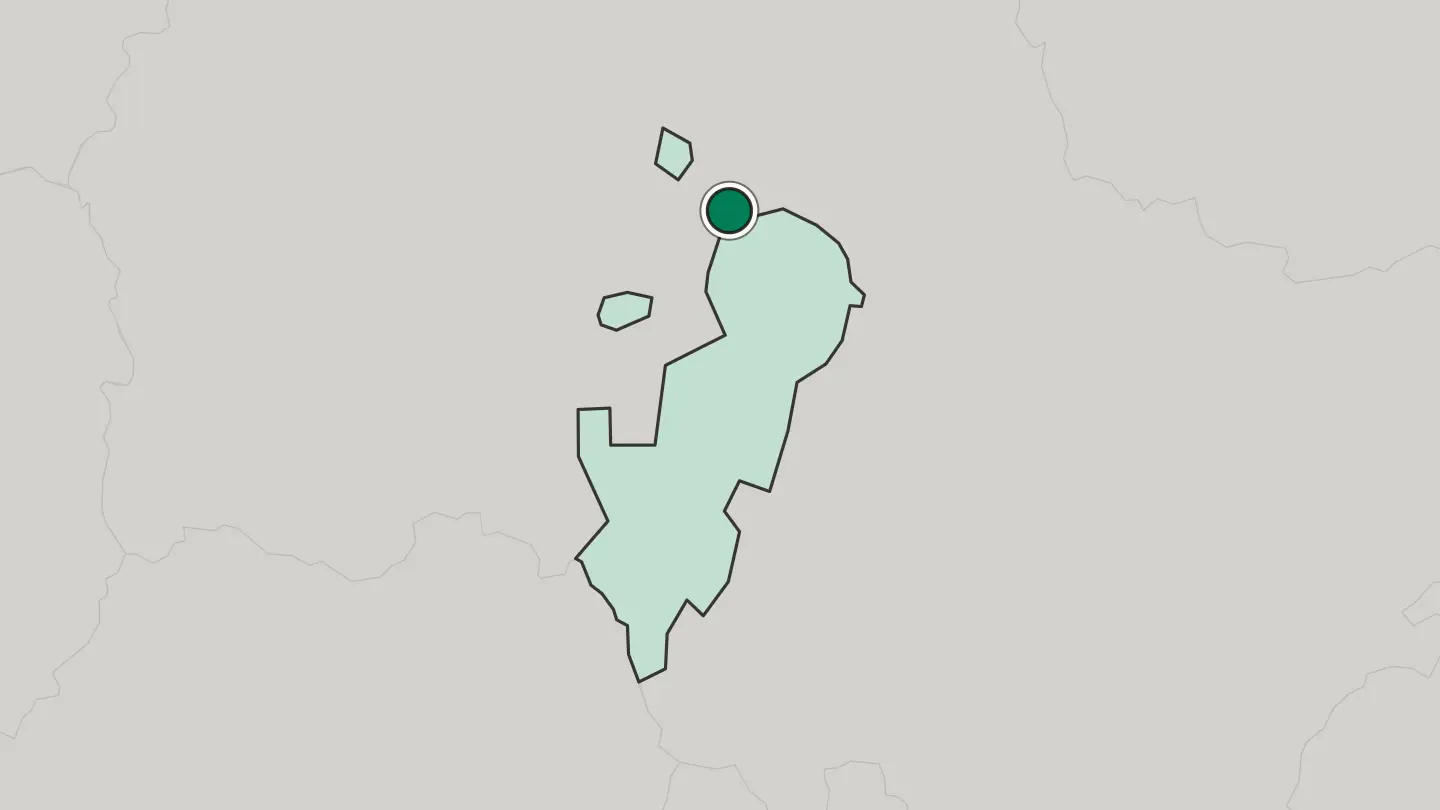 Russia
Podolsk
Podolsk is the industrial second city of Moscow Oblast, built along the Pakhra, with the Dubrovitsy Estate and the Znamenskaya Church on its ground.Where to stay →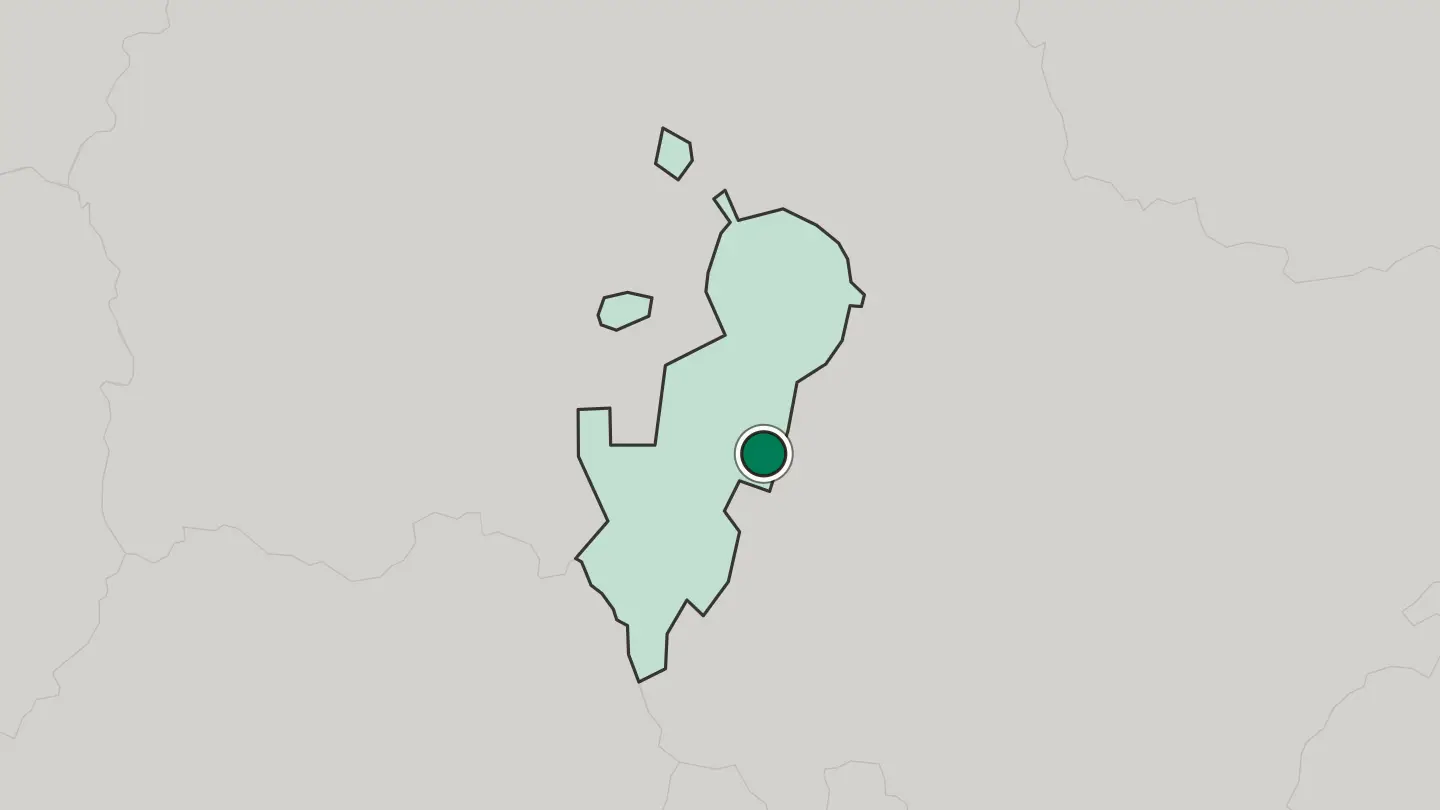
 Russia
Mytishchi
Mytishchi stands on the Yauza River northeast of Moscow, an industrial city whose aqueduct of 1804 first piped water into the capital.Where to stay →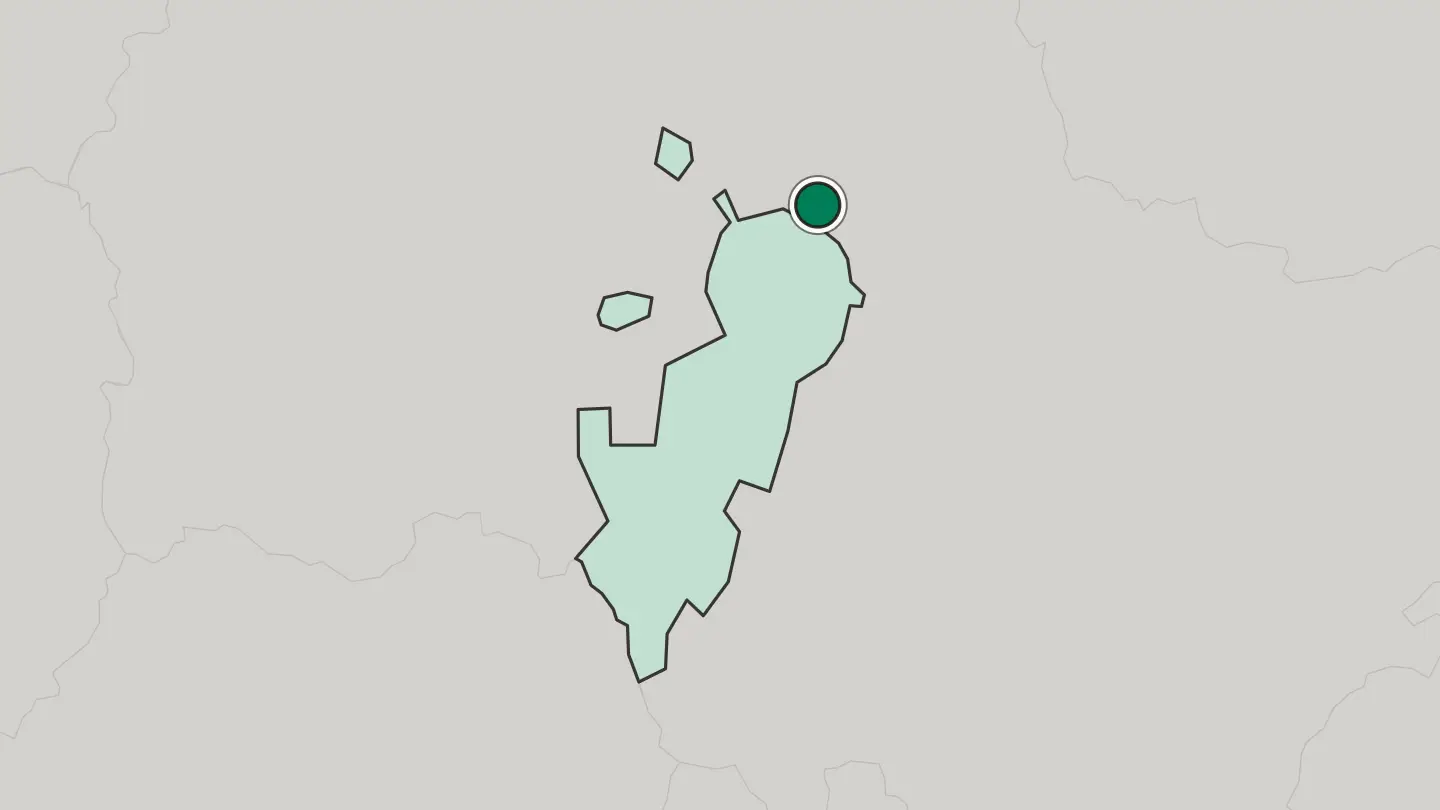
 Russia
Lyubertsy
Lyubertsy, seat of Lyuberetsky District in Moscow Oblast, is a helicopter-engineering city with the Belaya Dacha Estate at its older edge.Where to stay →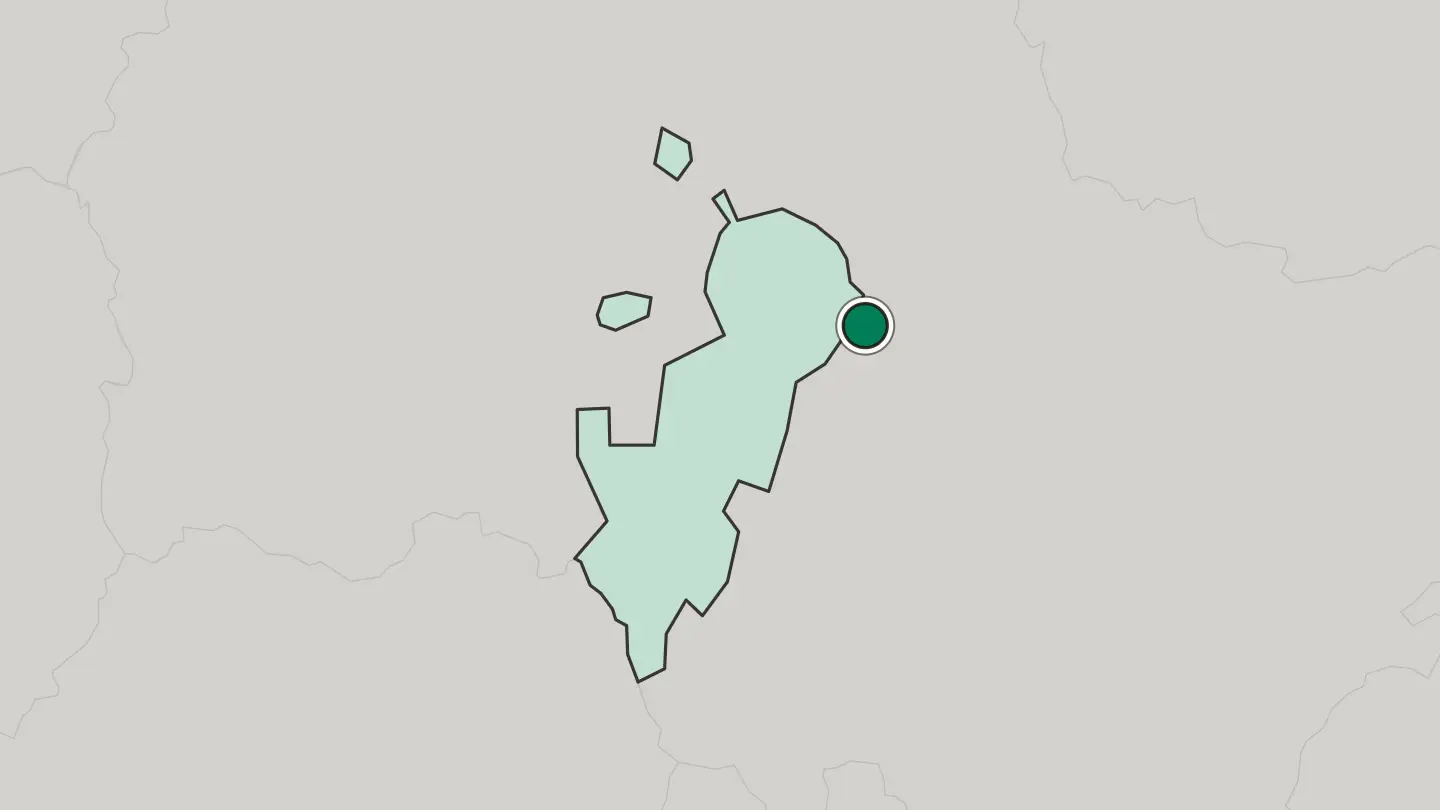
 Russia
Kolomna
Kolomna is an old Russian city southeast of Moscow, where the Moskva River meets the Oka, ringed by a great brick kremlin.Where to stay →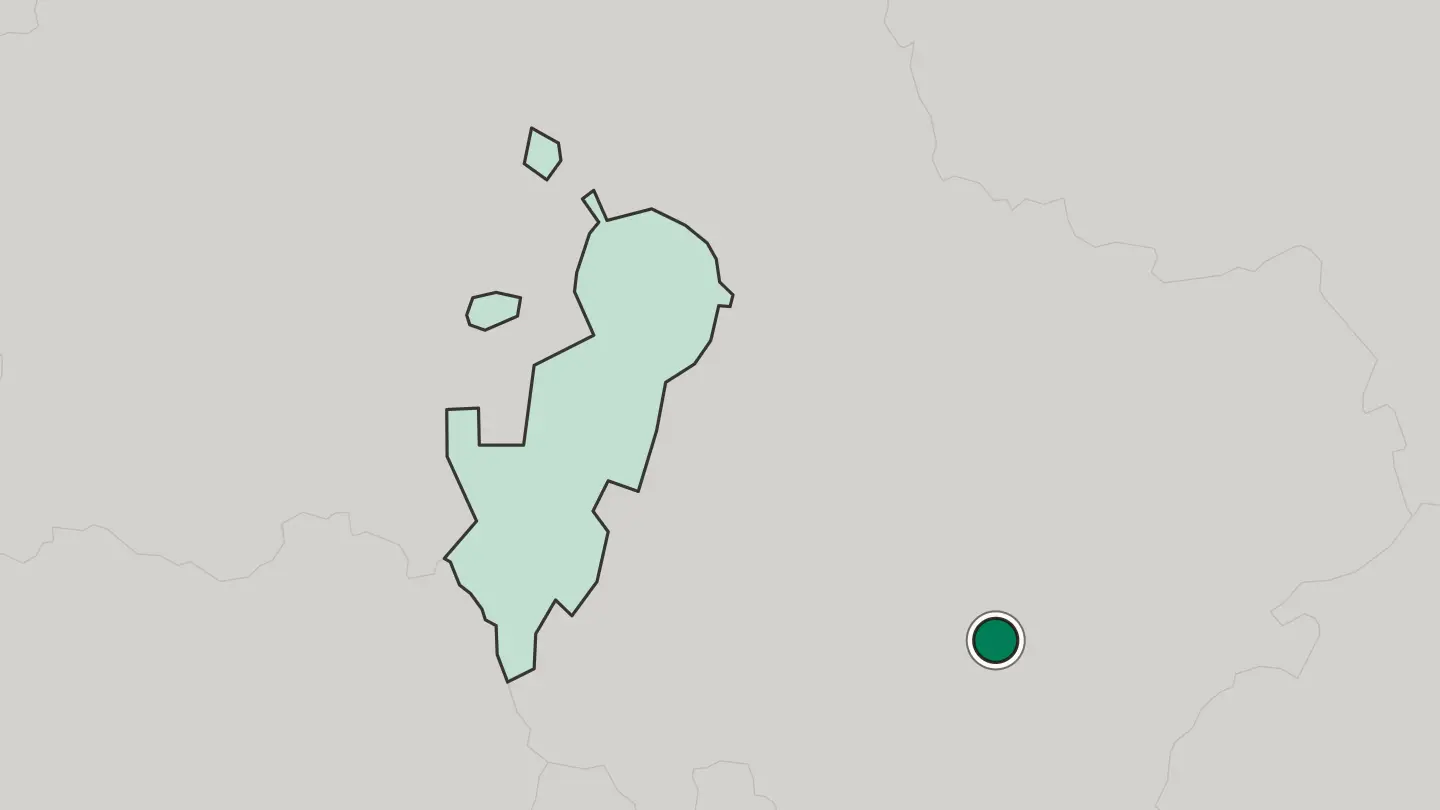 Russia
Elektrostal’
Elektrostal, once Zatishye, is a metallurgical town of Moscow Oblast that dates from 1916 and shares its name with the works at its centre.Where to stay →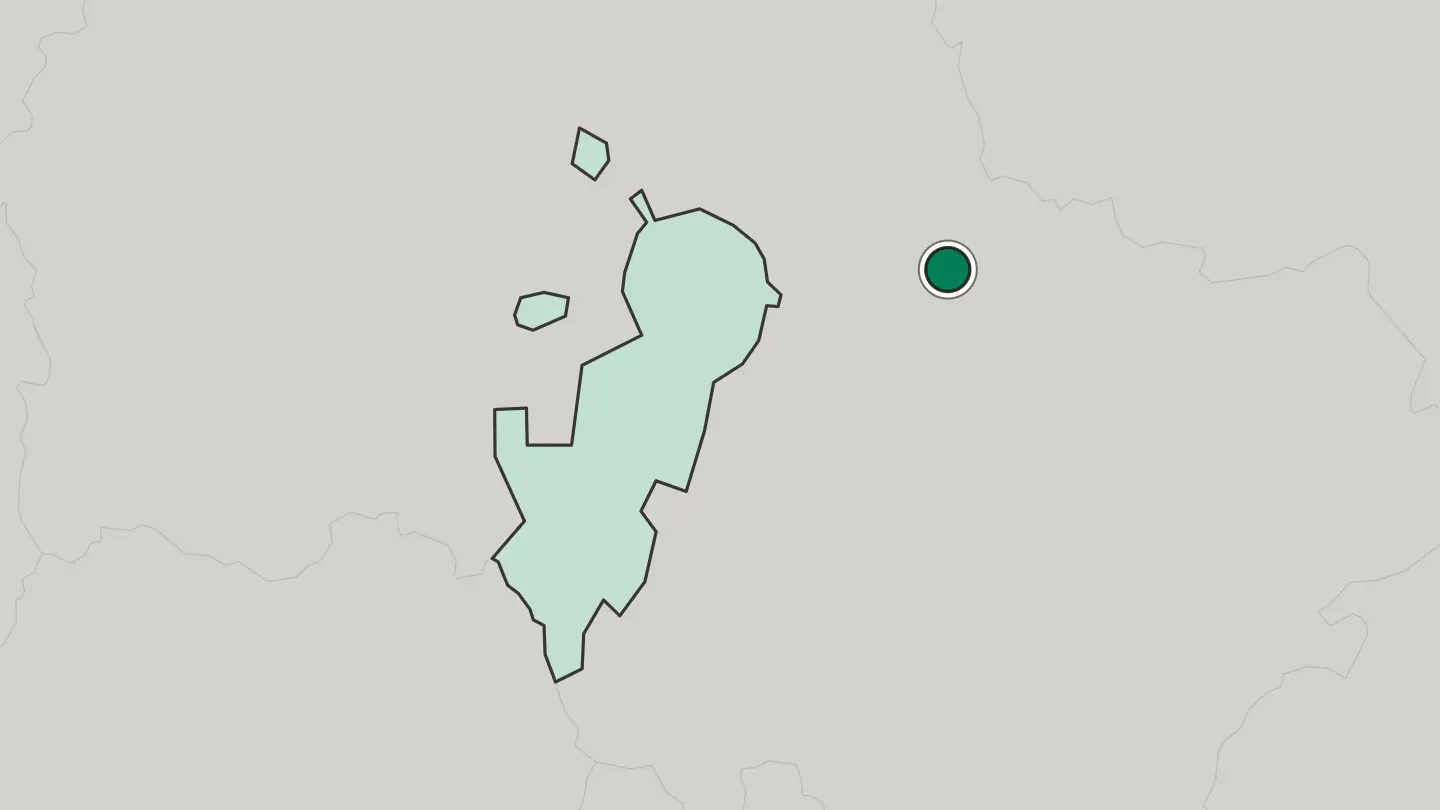
 Russia
Korolev
Korolev is the science city north of Moscow where the Soviet space programme was run, and the RKK Energiya museum keeps the record.Where to stay →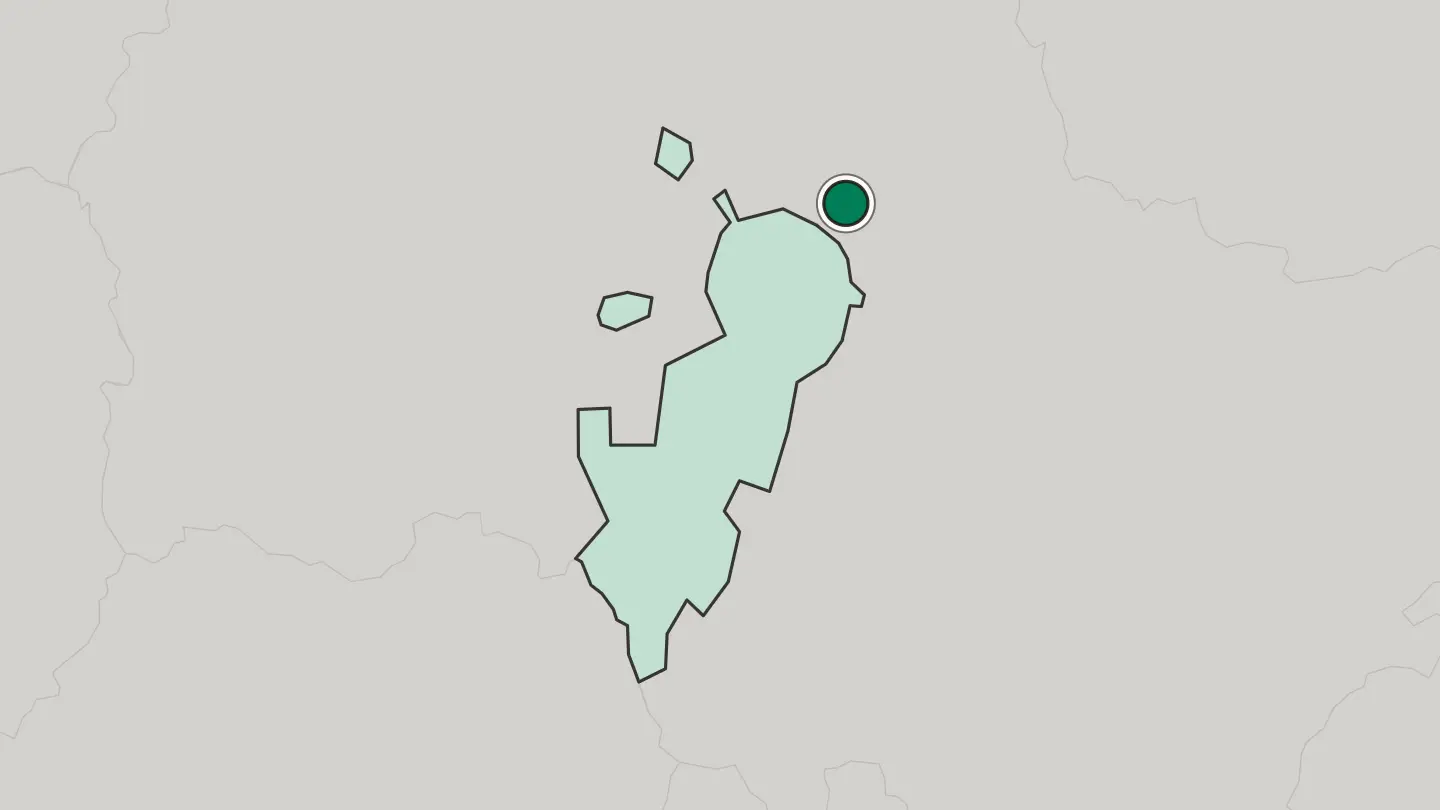
All towns & cities (37)
Russia
Odintsovo
Odintsovo is a compact western suburb of Moscow, with the Izmalkovo estate and house-museums of Korney Chukovsky and Bulat Okudzhava.Where to stay →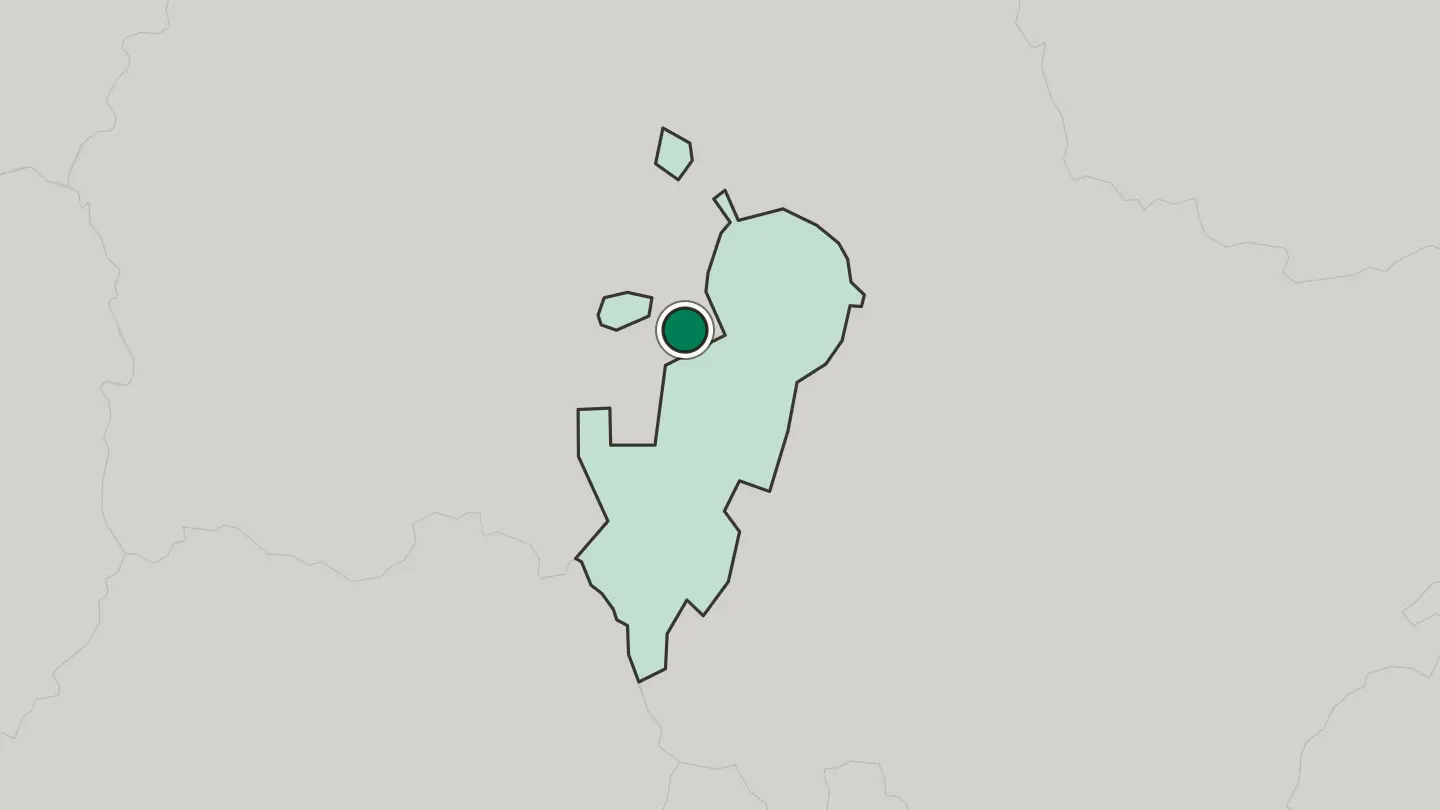
 Russia
Serpukhov
Three monasteries and a kremlin stand over the Oka at Serpukhov, a city of Moscow Oblast south of Moscow.Where to stay →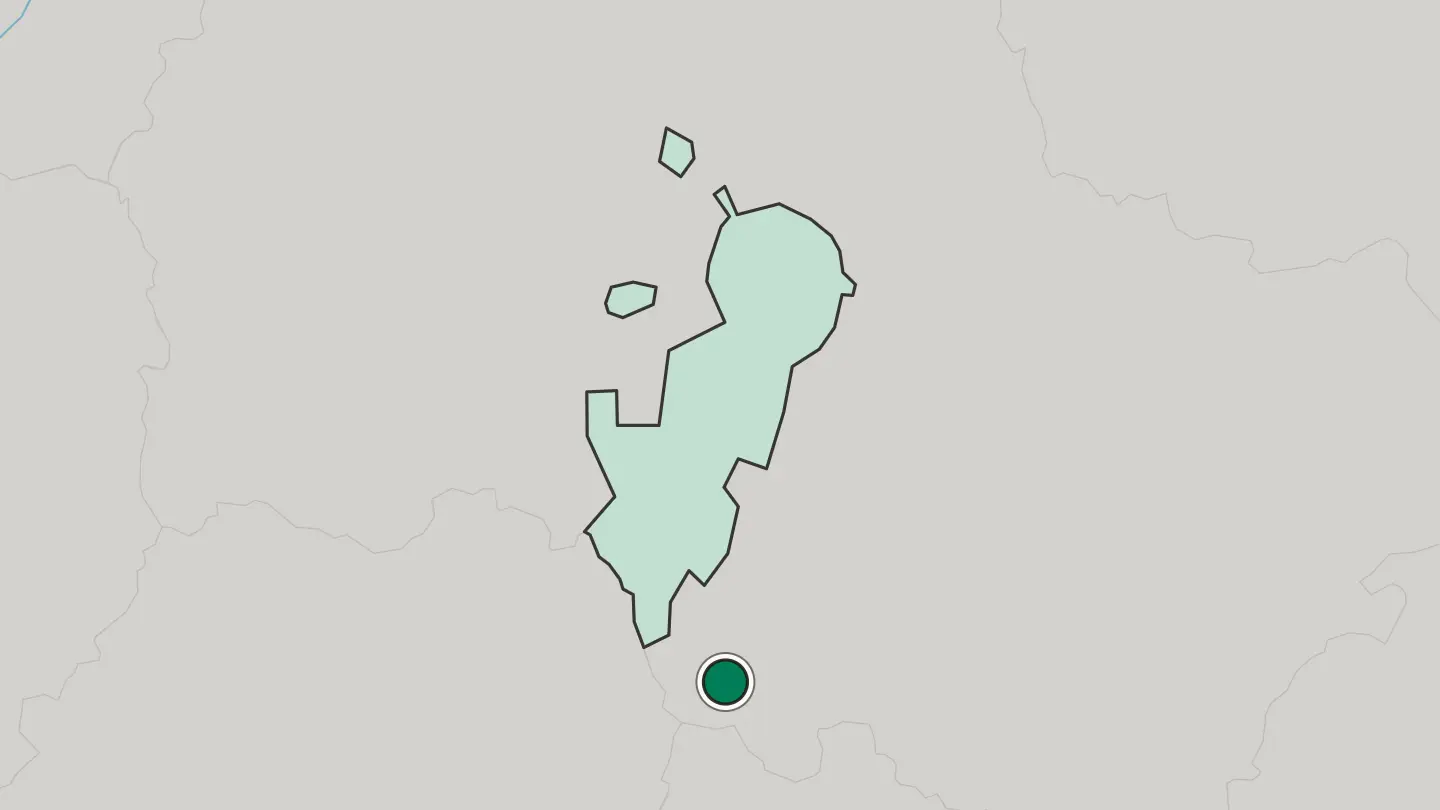
 Russia
Orekhovo-Zuyevo
Orekhovo-Zuyevo was formed in 1917 from three villages on the Klyazma River, a Morozov mill city in the forests east of Moscow.Where to stay →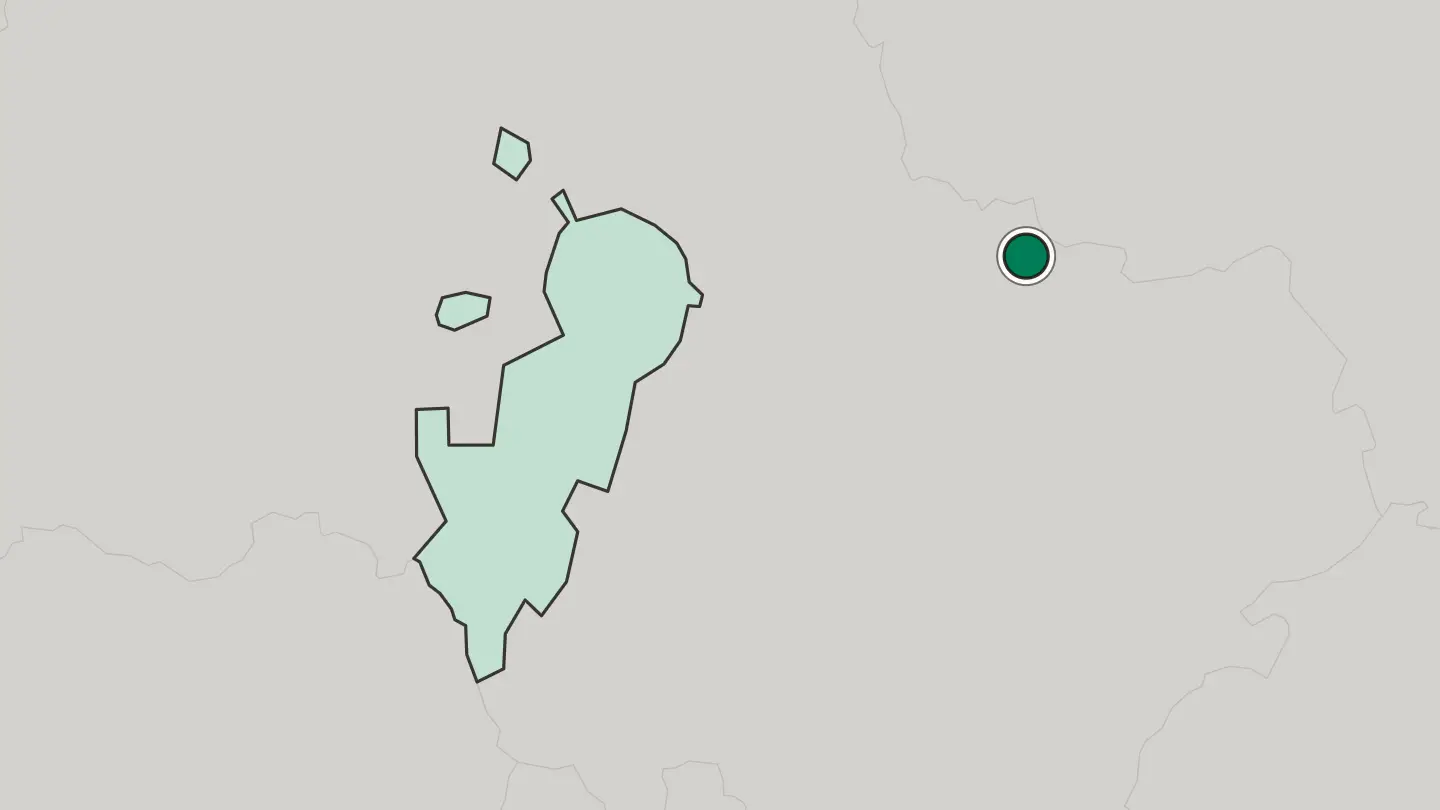
 Russia
Noginsk
Noginsk was Bogorodsk until 1930, a Klyazma River textile city whose Glukhovo factory and first Lenin statue mark its two eras.Where to stay →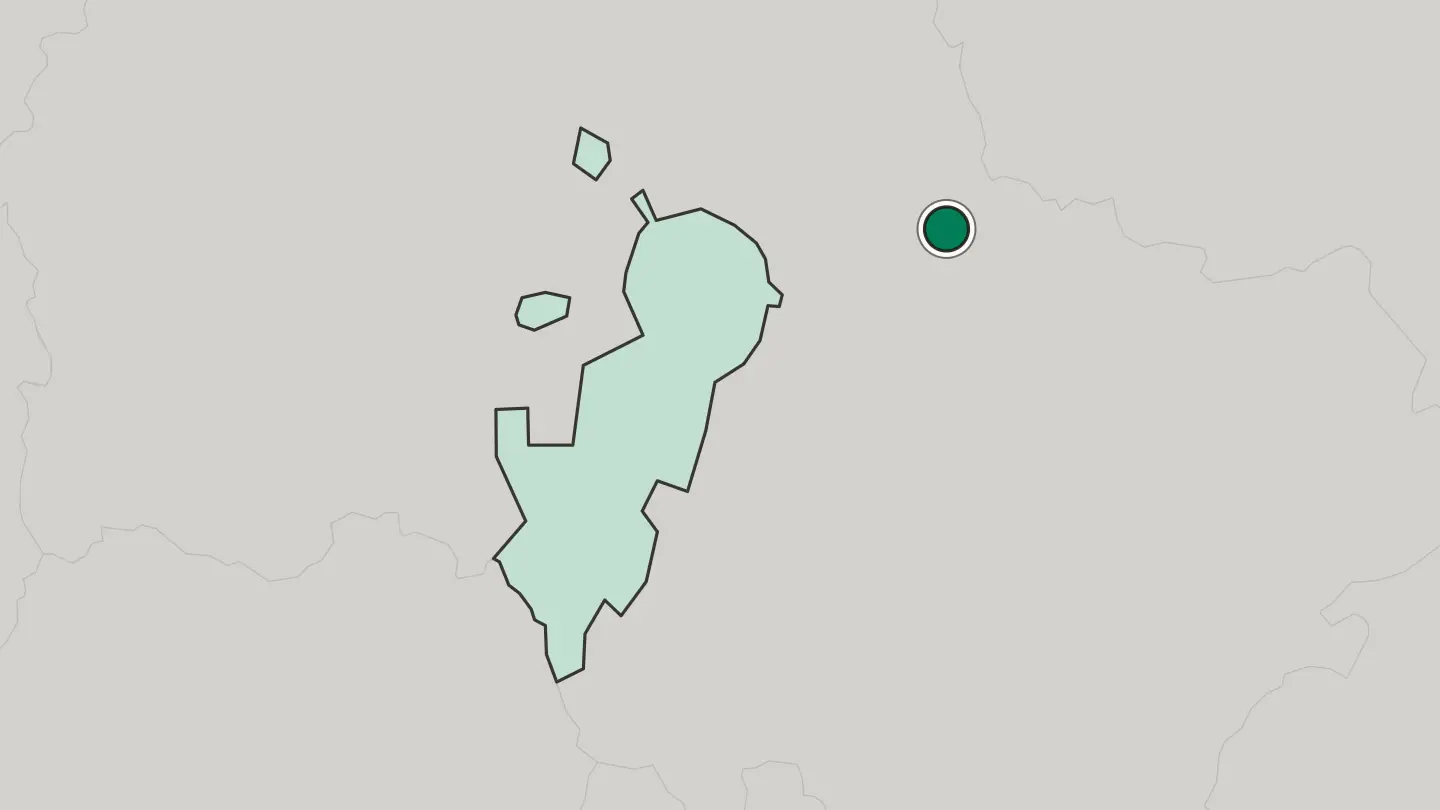
 Russia
Shchyolkovo
Shchyolkovo stands on the Klyazma River north-east of Moscow, a manufactory town dating from 1501 and marked by its Holy Trinity Cathedral.Where to stay →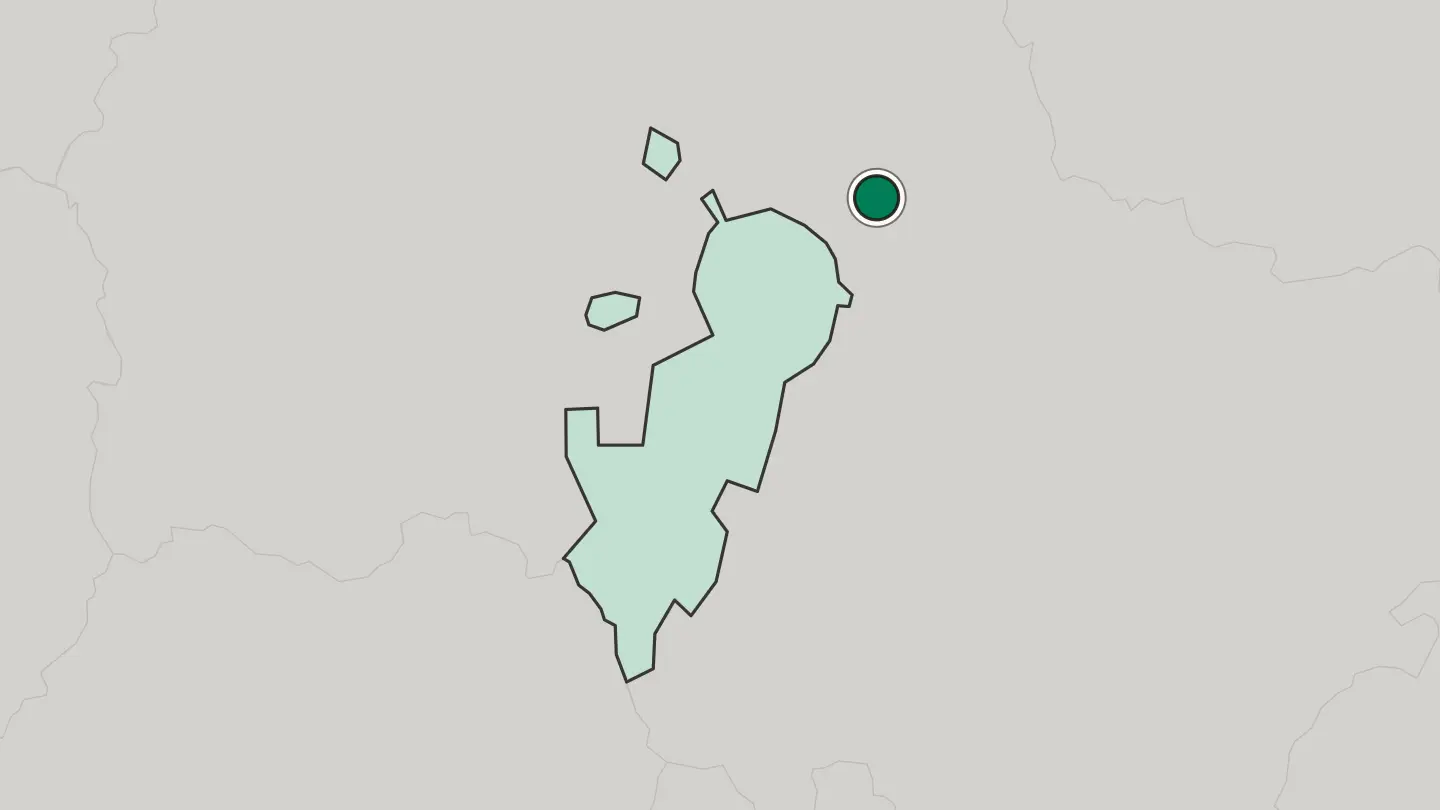
 Russia
Sergiyev Posad
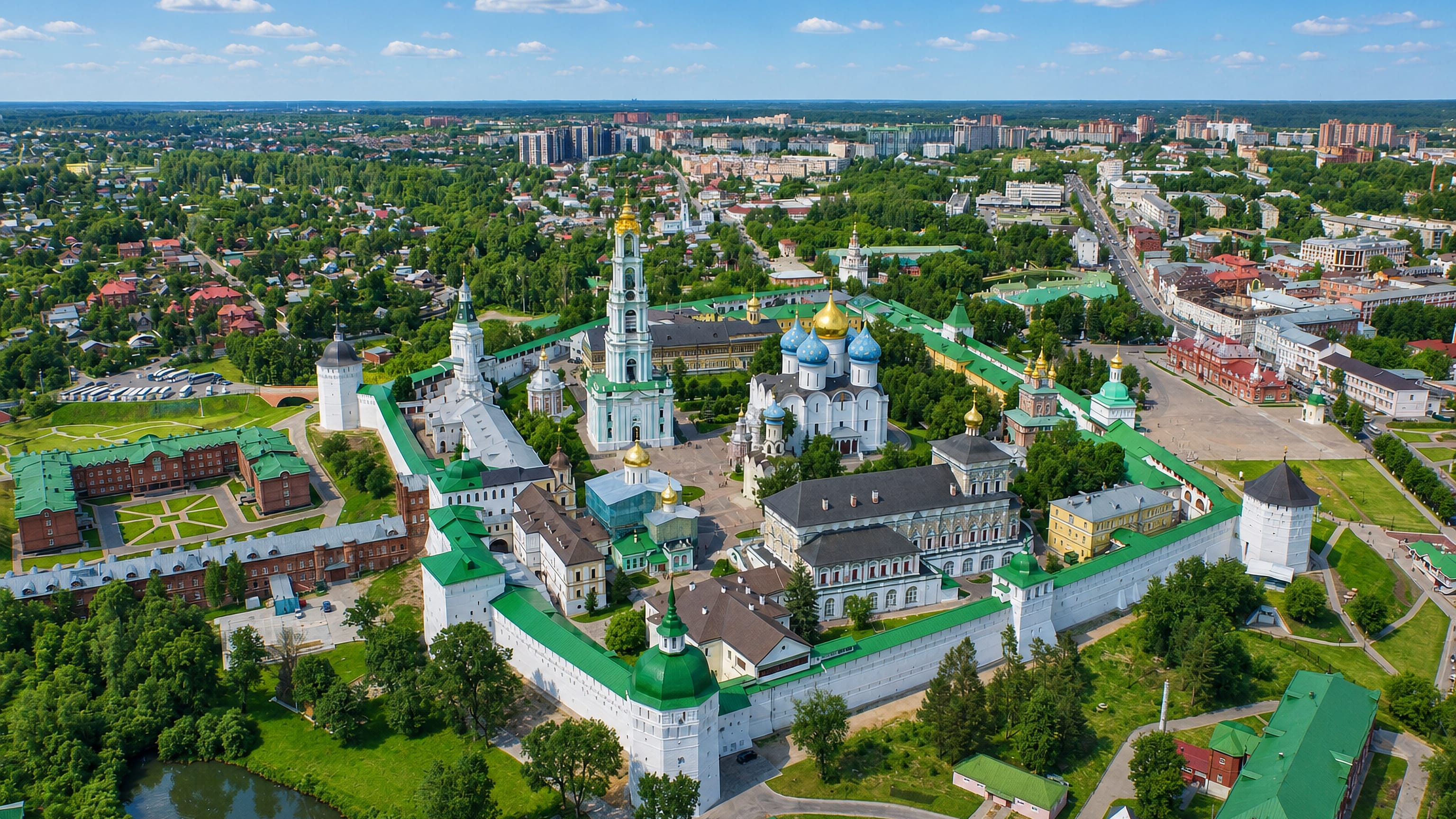
Sergiyev Posad is a town northeast of Moscow, grown around the Trinity Lavra of Saint Sergius, the spiritual heart of the Russian Orthodox Church.Where to stay →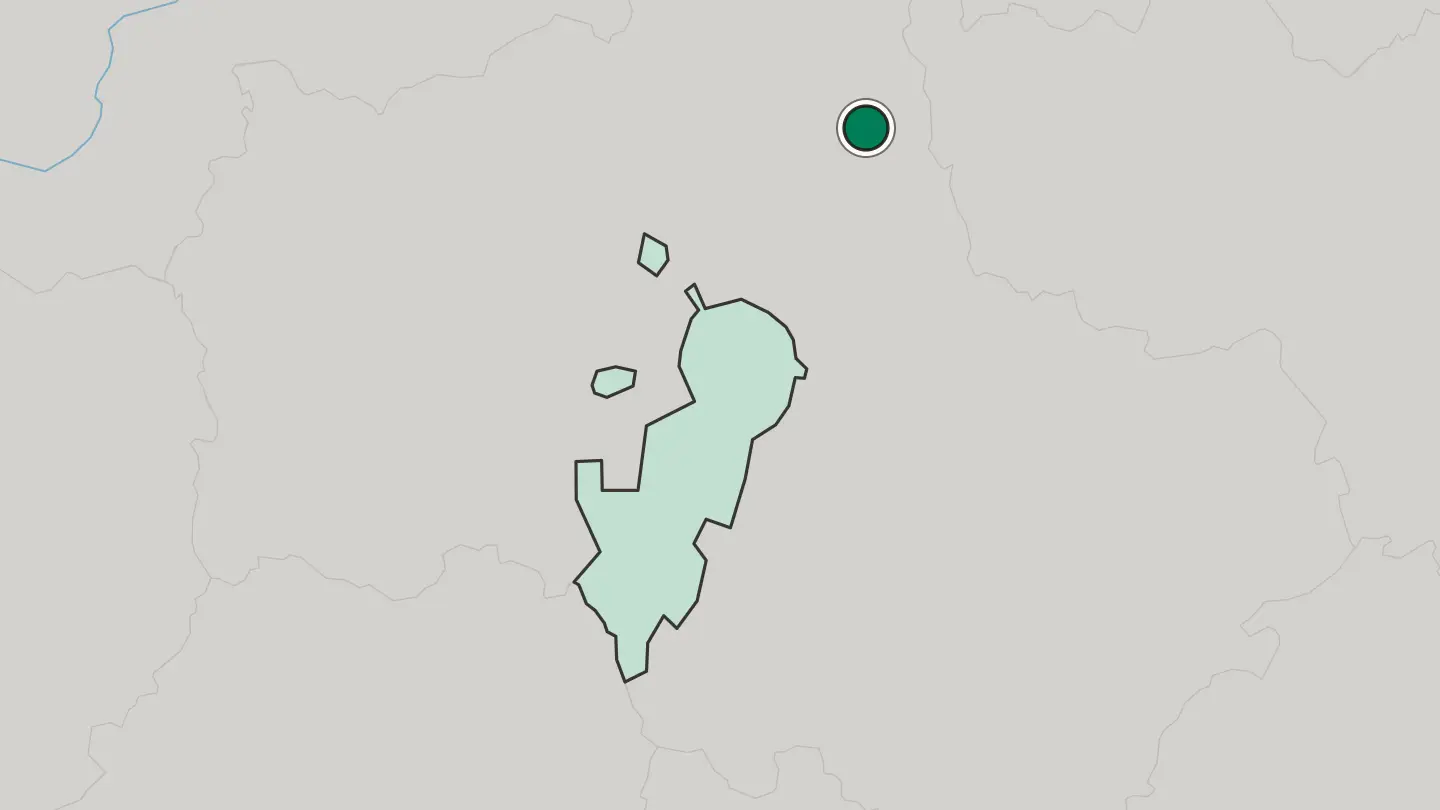
 Russia
Pushkino
Pushkino grew as summer-house country for Moscow, a textile town on the Ucha where the Strukov Dacha and the old water tower still stand.Where to stay →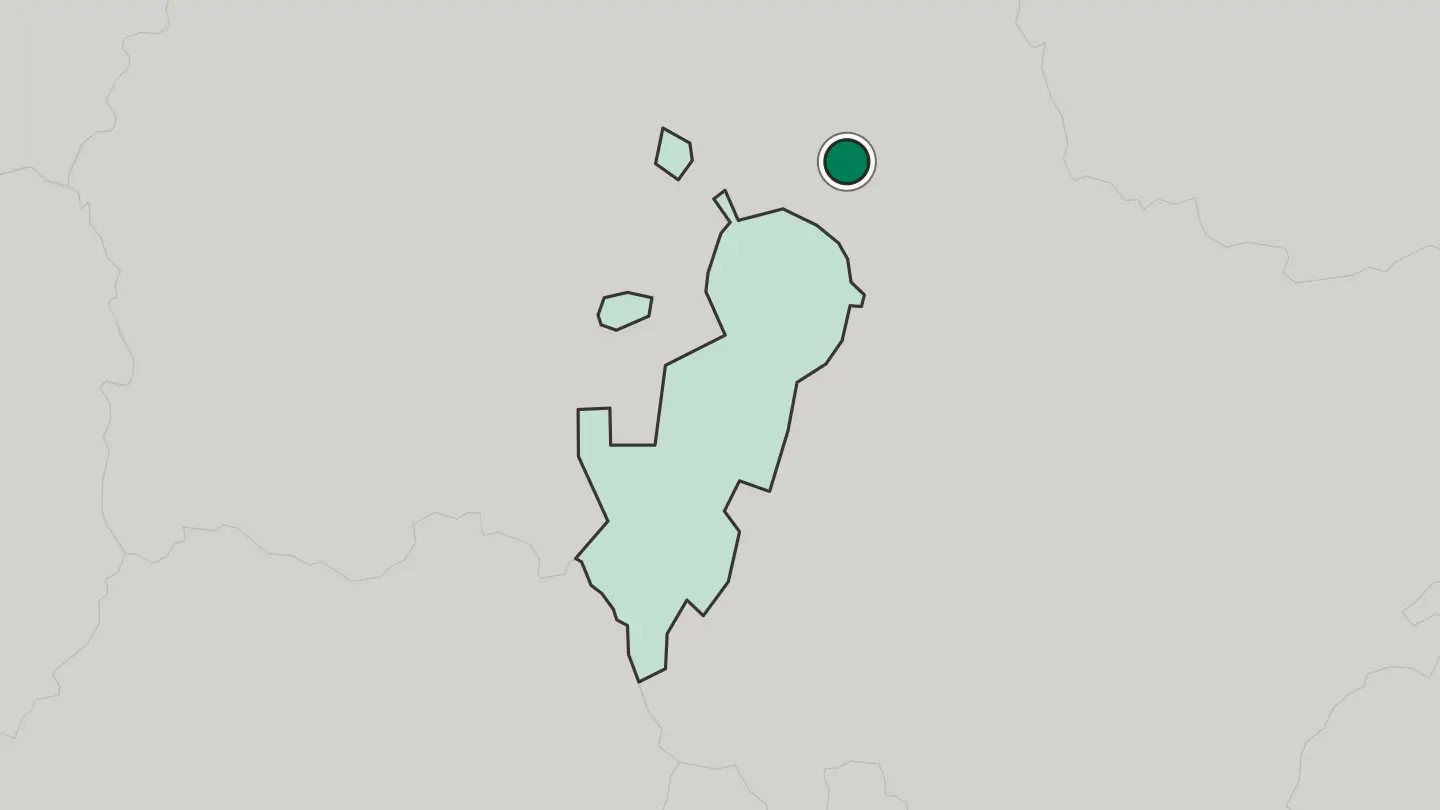
 Russia
Zhukovsky
Zhukovsky stands on the Moskva River southeast of Moscow, constituted as Stakhanovo in 1935 and holding the listed Bykovo hospital pavilions.Where to stay →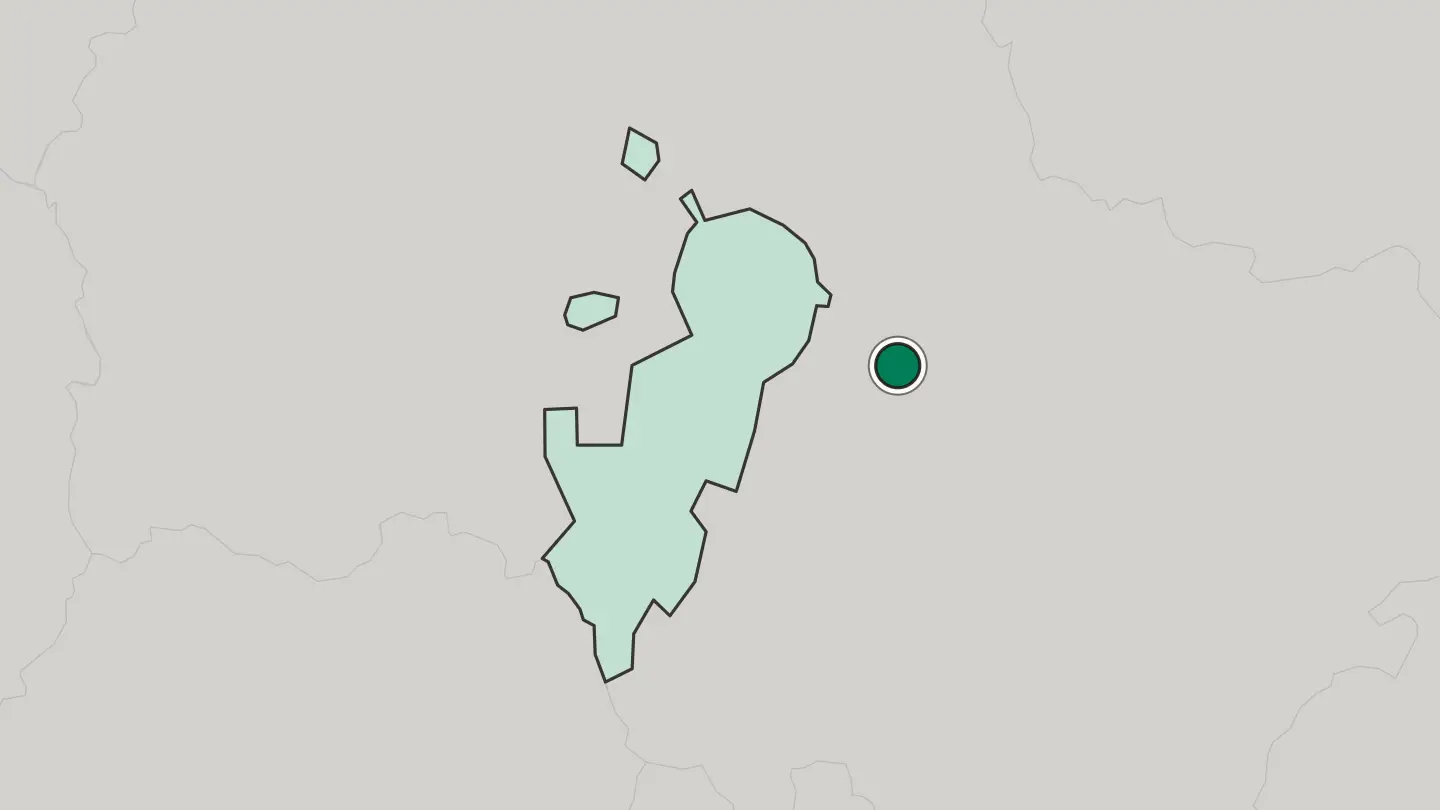
 Russia
Ramenskoye
Ramenskoye is the mill town of Ramensky District in Moscow Oblast, built around the Manufactory in Ramenskoye and the spinning halls it left.Where to stay →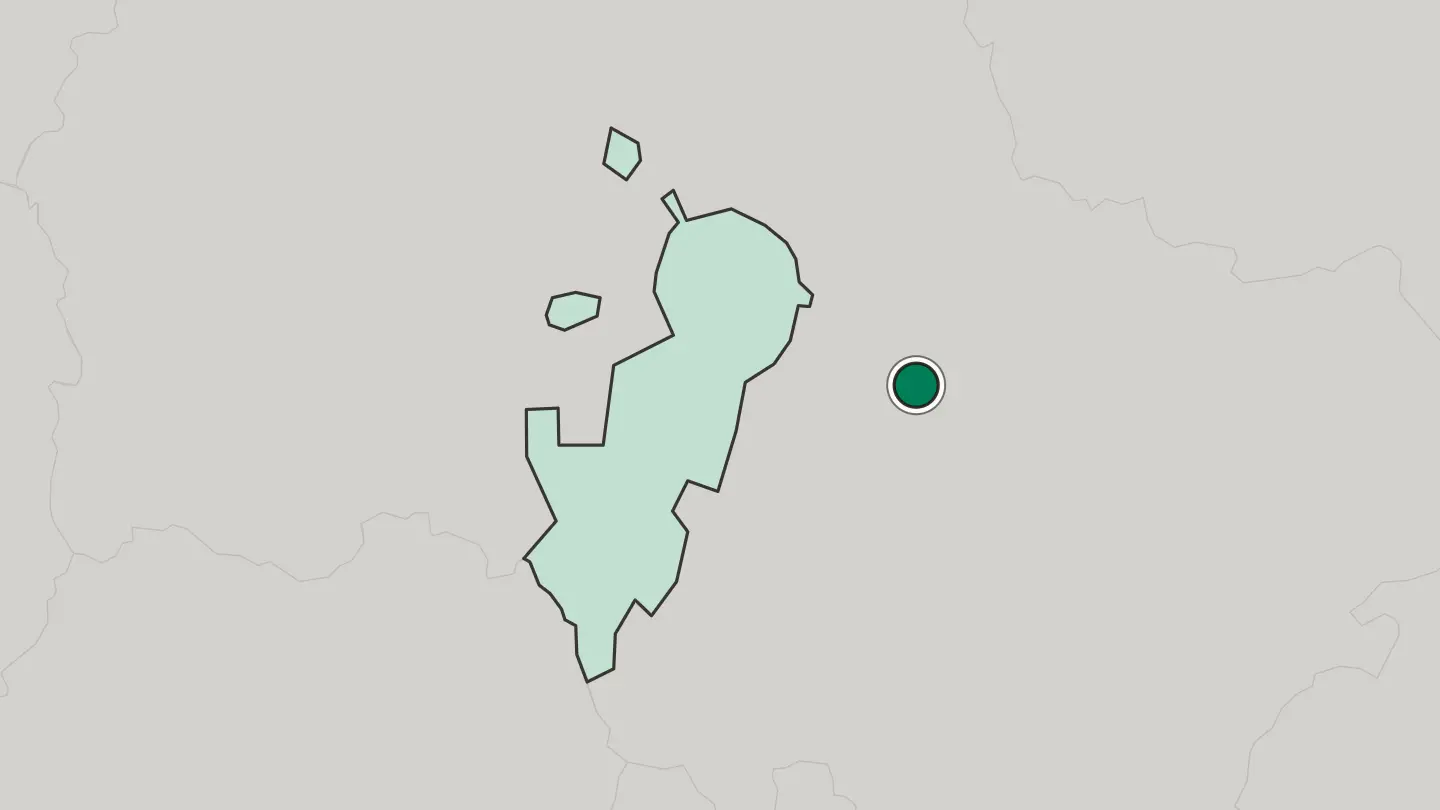
 Russia
Krasnogorsk
Krasnogorsk sits on the Moskva River at the northwestern edge of Moscow, a district centre of Moscow Oblast known for its estates and its golf.Where to stay →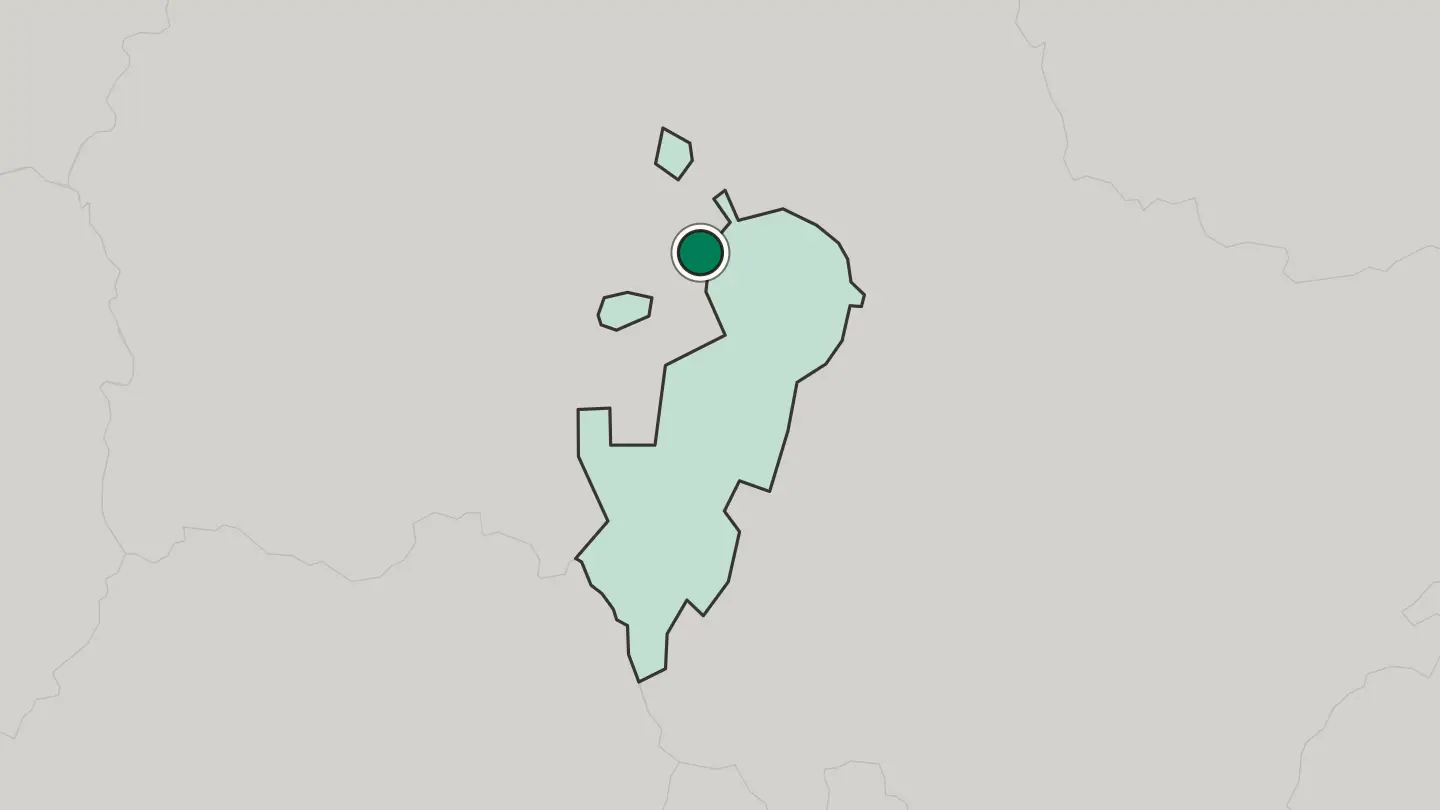 Russia
Yegor’yevsk
Yegor'yevsk stands on the Guslitsa River south-east of Moscow, a town of 1462 whose Khludov manufacture and merchant houses shaped its centre.Where to stay →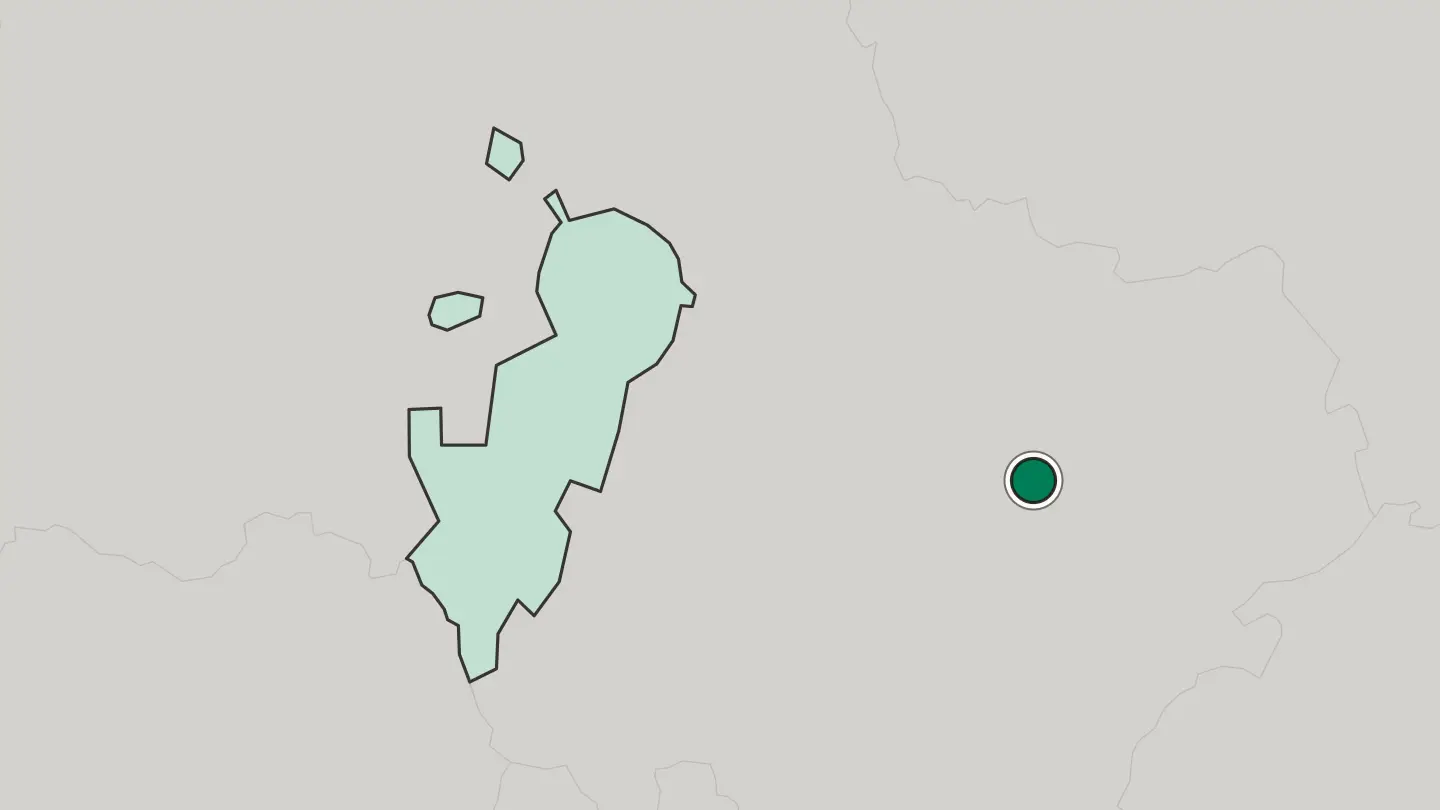
 Russia
Klin
Klin is a small old town north-west of Moscow, best known for the Tchaikovsky State House-Museum in the composer's own home.Where to stay →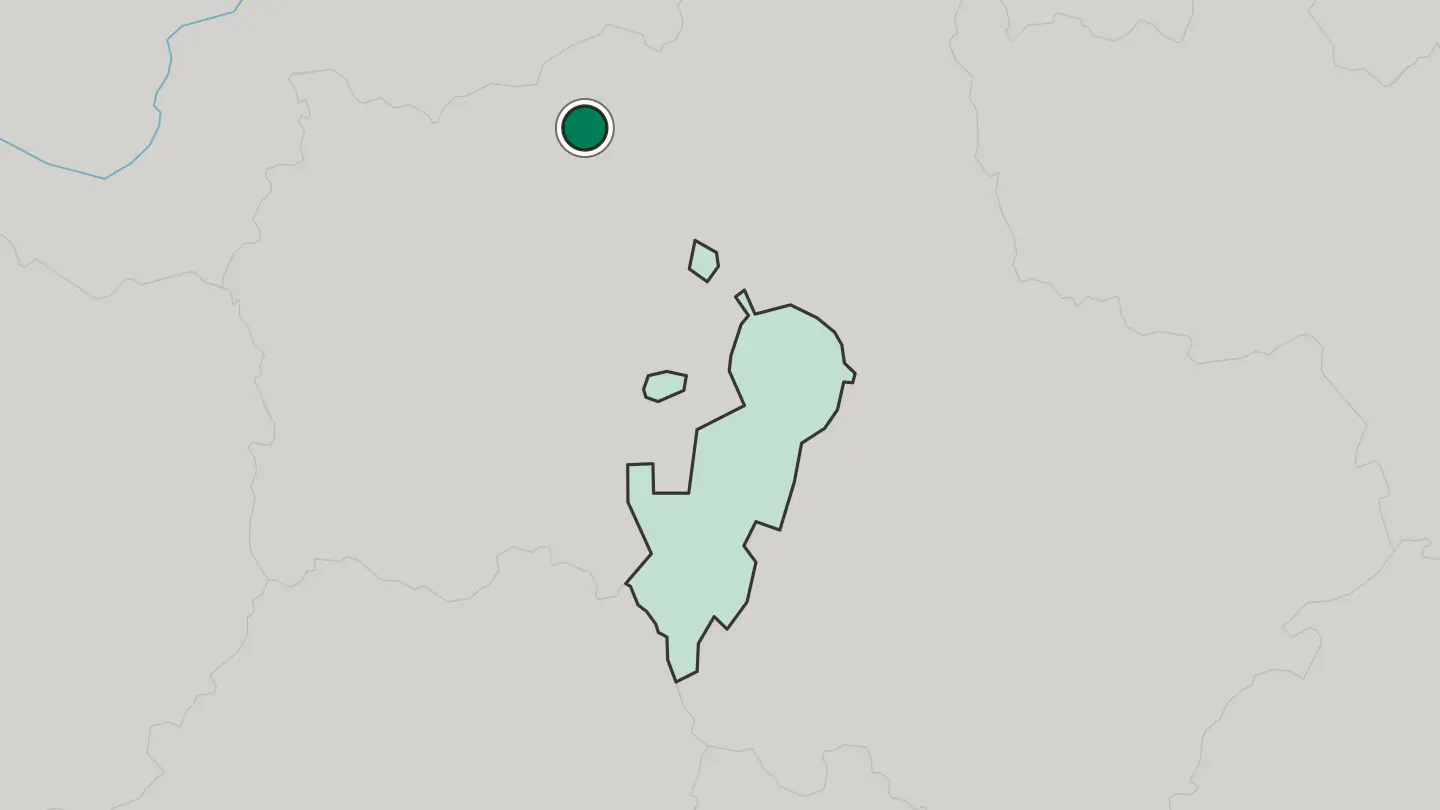
 Russia
Reutov
Small and packed tight east of Moscow, Reutov keeps the Holy Trinity Church and the Vadim Sidur museum inside under nine square kilometres.Where to stay →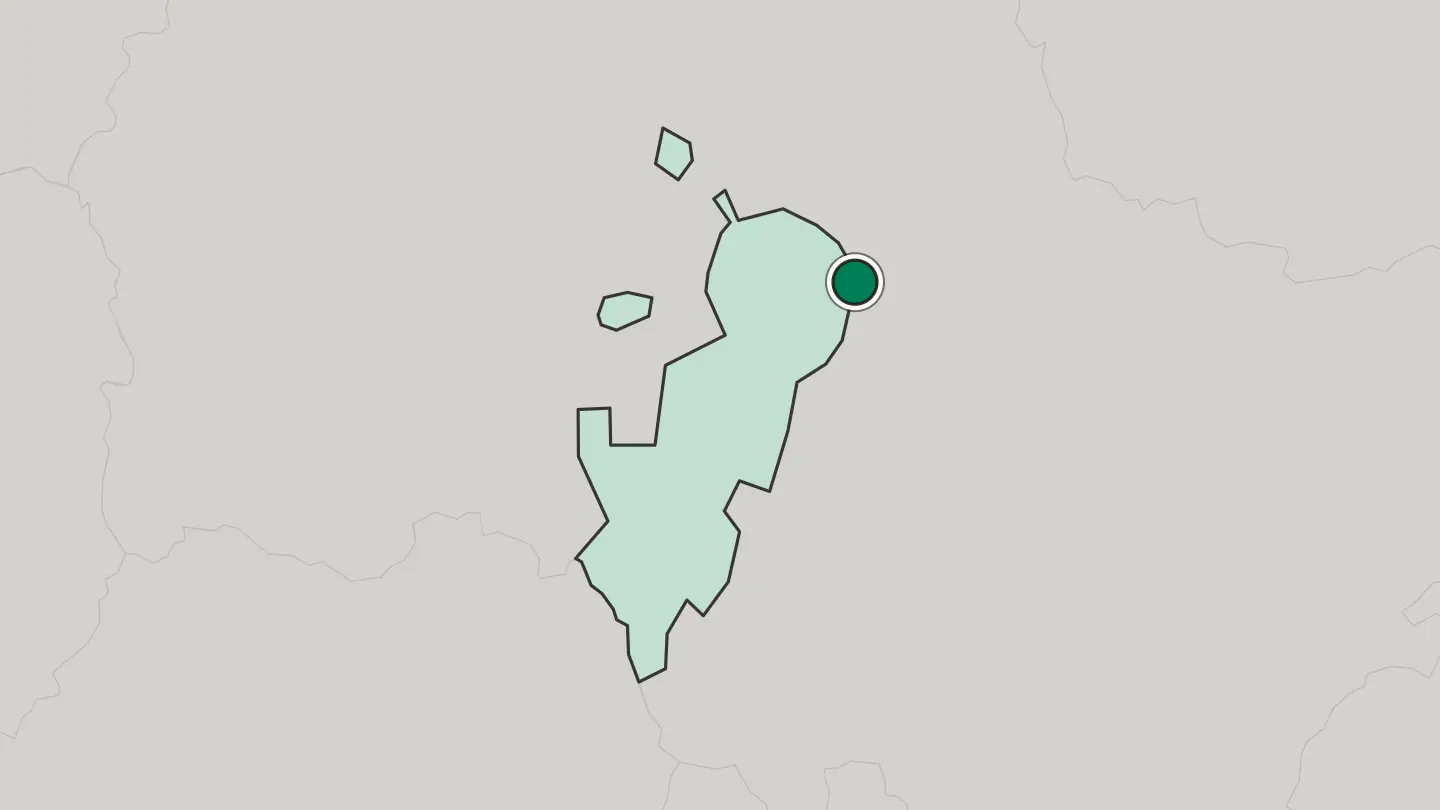
 Russia
Voskresensk
Voskresensk lines the Moskva River south-east of Moscow, an 1862 town whose Krivyakino Estate and Khimik Palace of Culture bracket its two eras.Where to stay →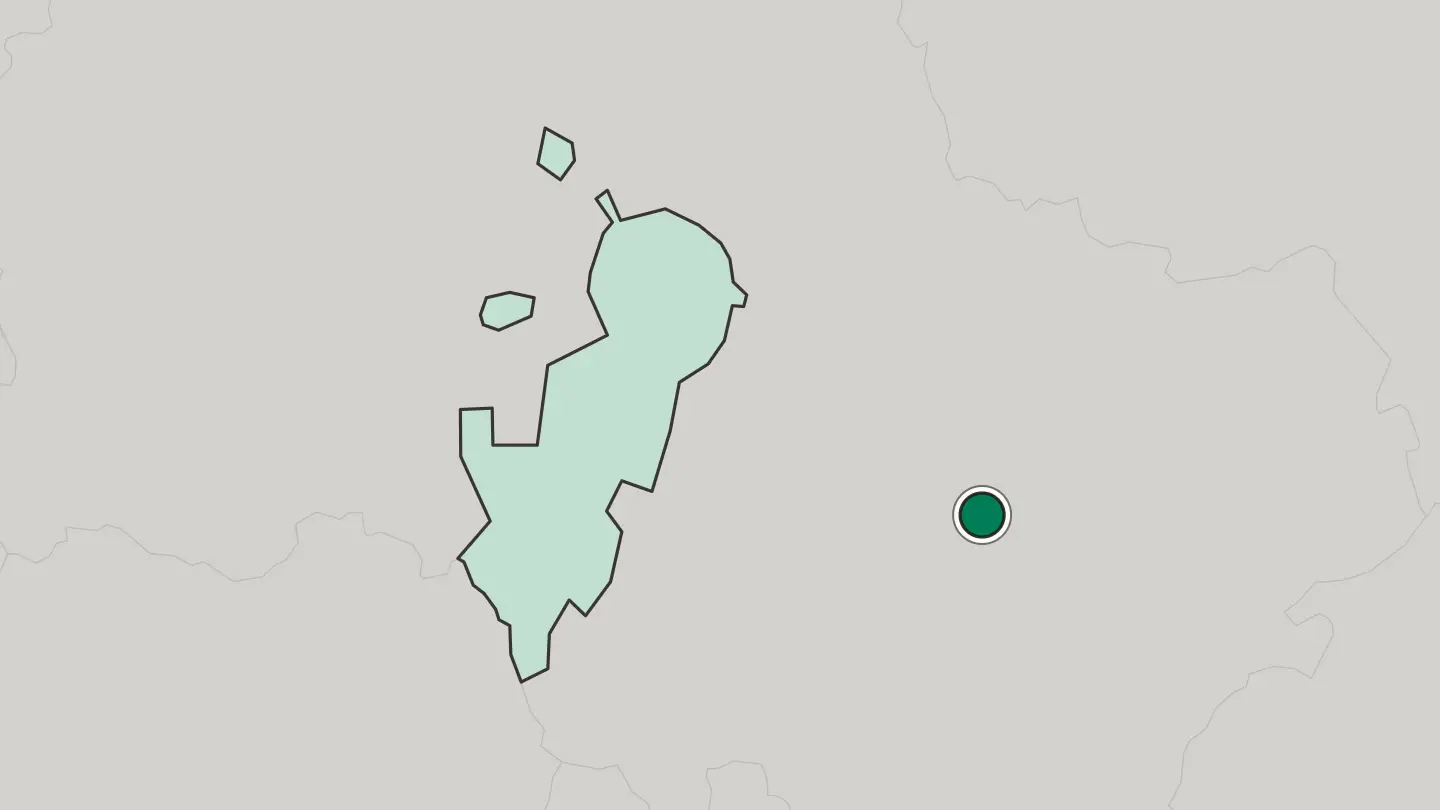
 Russia
Chekhov
Chekhov is the administrative centre of Chekhovsky District in Moscow Oblast, built around the estate grounds of Lopasnya-Zachatevskoe.Where to stay →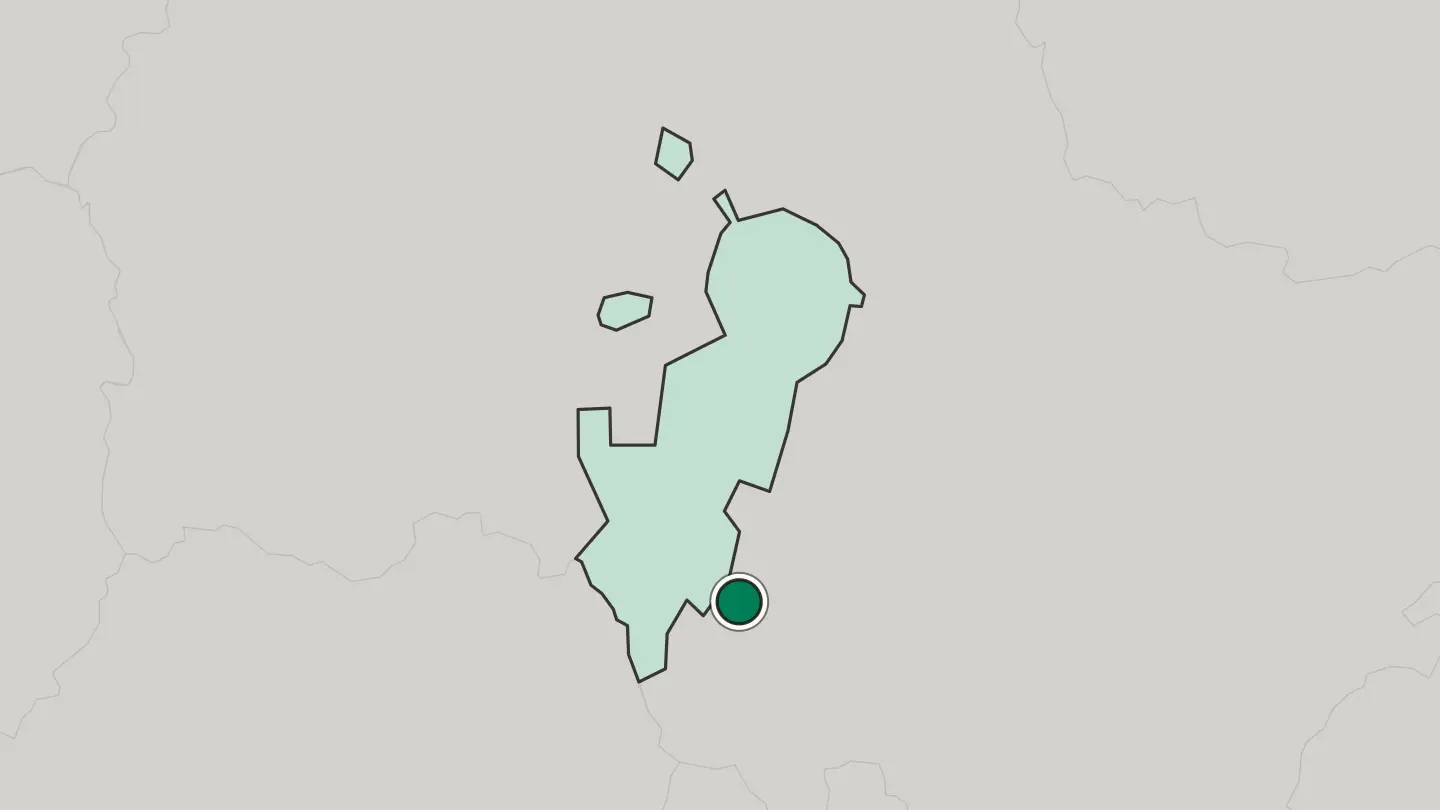
 Russia
Naro-Fominsk
Naro-Fominsk grew from a silk mill on the Nara River, southwest of Moscow, and the factory's brick ranges still set the shape of the town.Where to stay →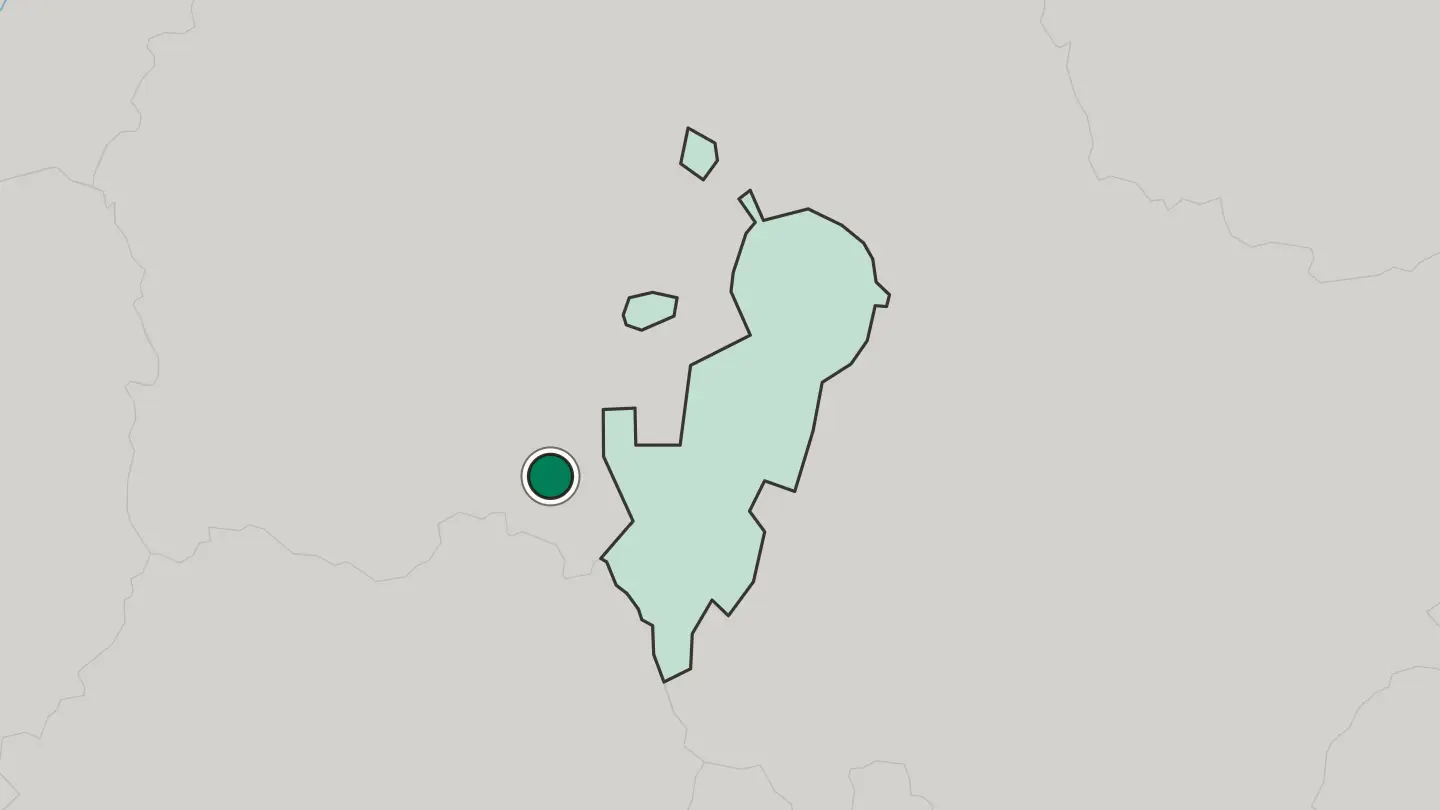
 Russia
Dolgoprudnyy
Dolgoprudnyy, a Moscow Oblast town founded in 1931, is named for a long narrow pond and keeps the Vinogradovo Estate among its streets.Where to stay →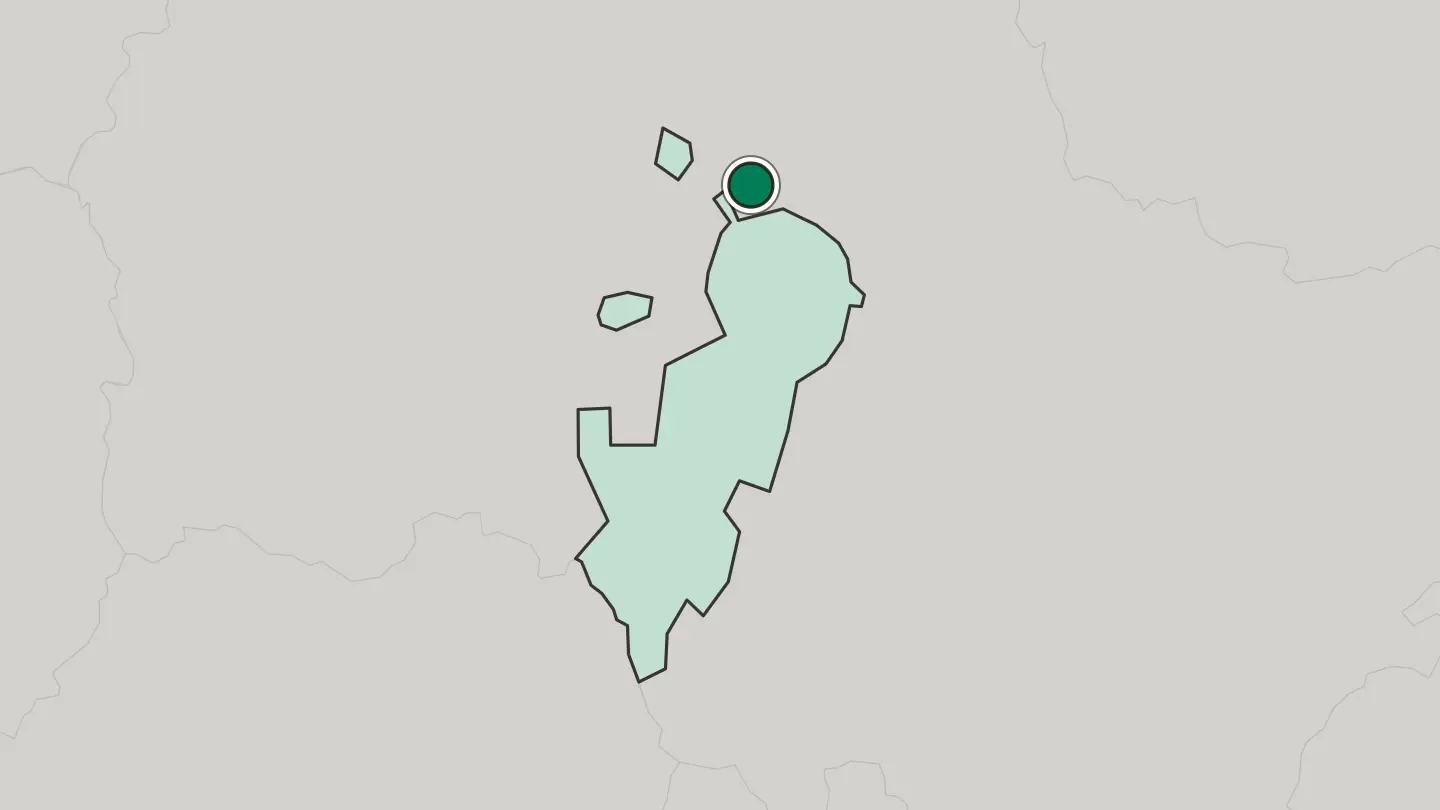
 Russia
Lobnya
Lobnya is a town of Moscow Oblast northwest of Moscow, dating from 1902 and holding the Kiovo-Spasskoye estate at Kiovo.Where to stay →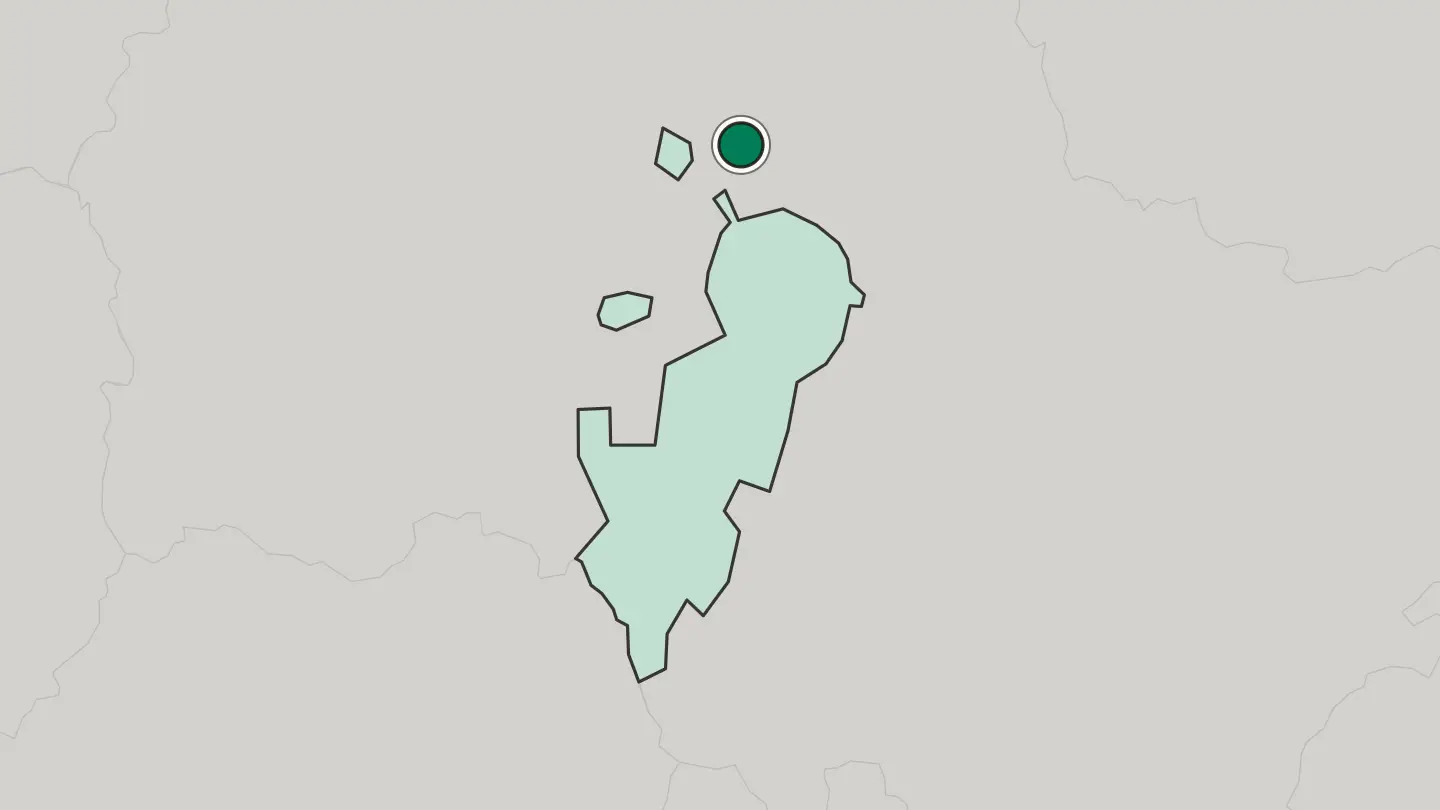
 Russia
Dmitrov
Dmitrov, founded in 1154 north of Moscow, keeps its kremlin, the Church of the Dormition and merchant houses above the Yakhroma River.Where to stay →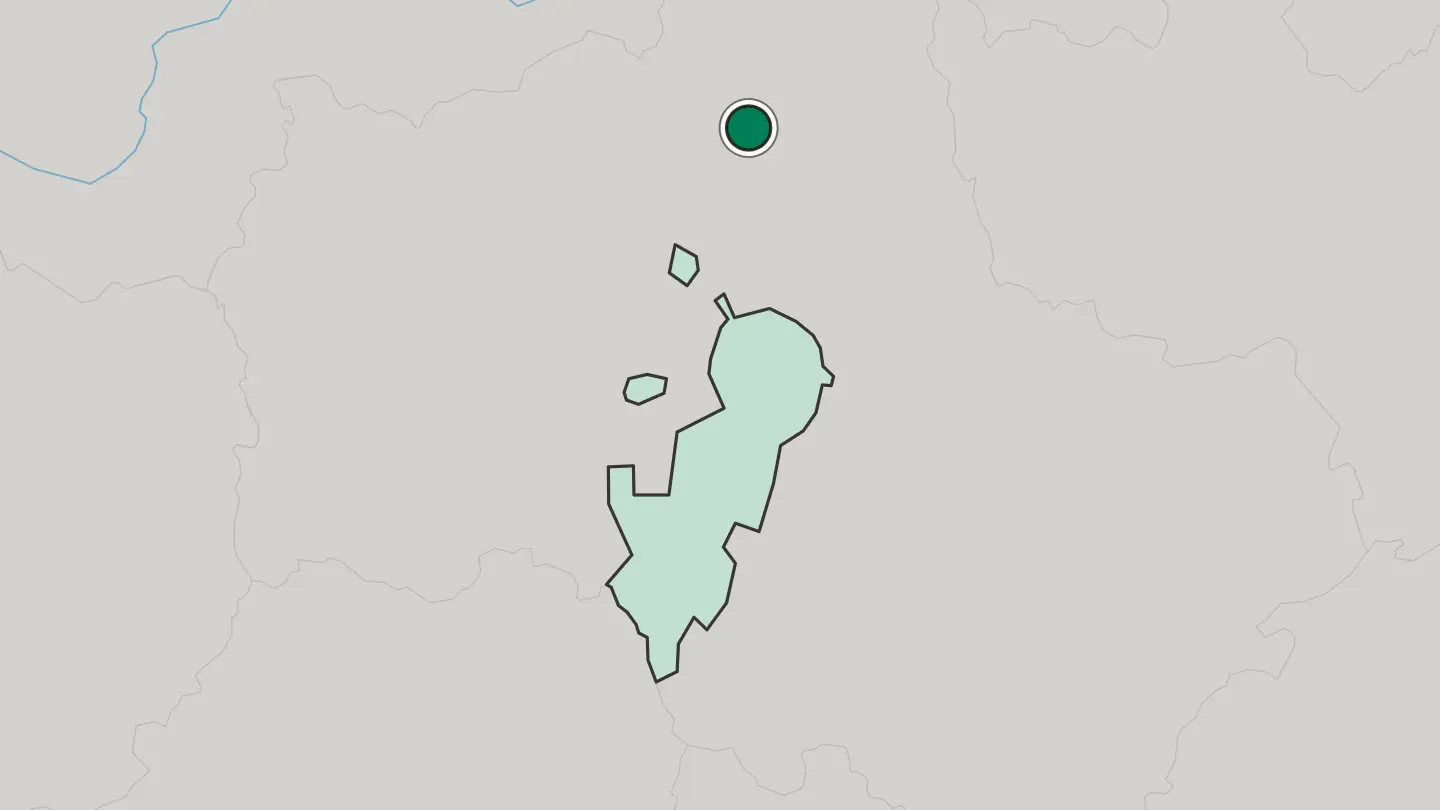
 Russia
Stupino
Stupino stands on the Oka River south of Moscow, a closed town of 1938 whose oldest ground belongs to the Belopesotsky monastery.Where to stay →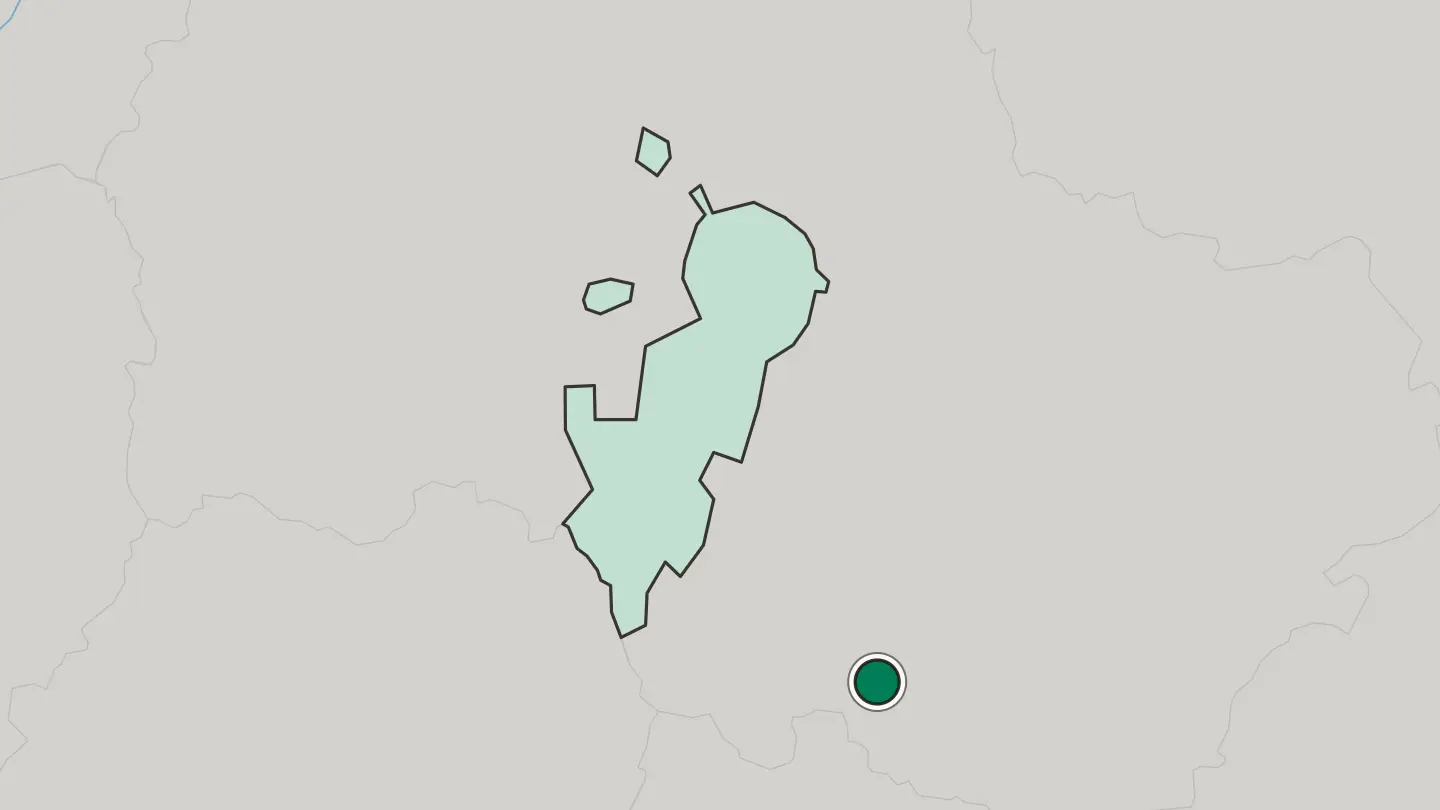
 Russia
Dubna
Dubna is the nuclear-physics naukograd of Moscow Oblast, built on the Volga beside the Moscow Canal and the Ivankovo Hydroelectric Station.Where to stay →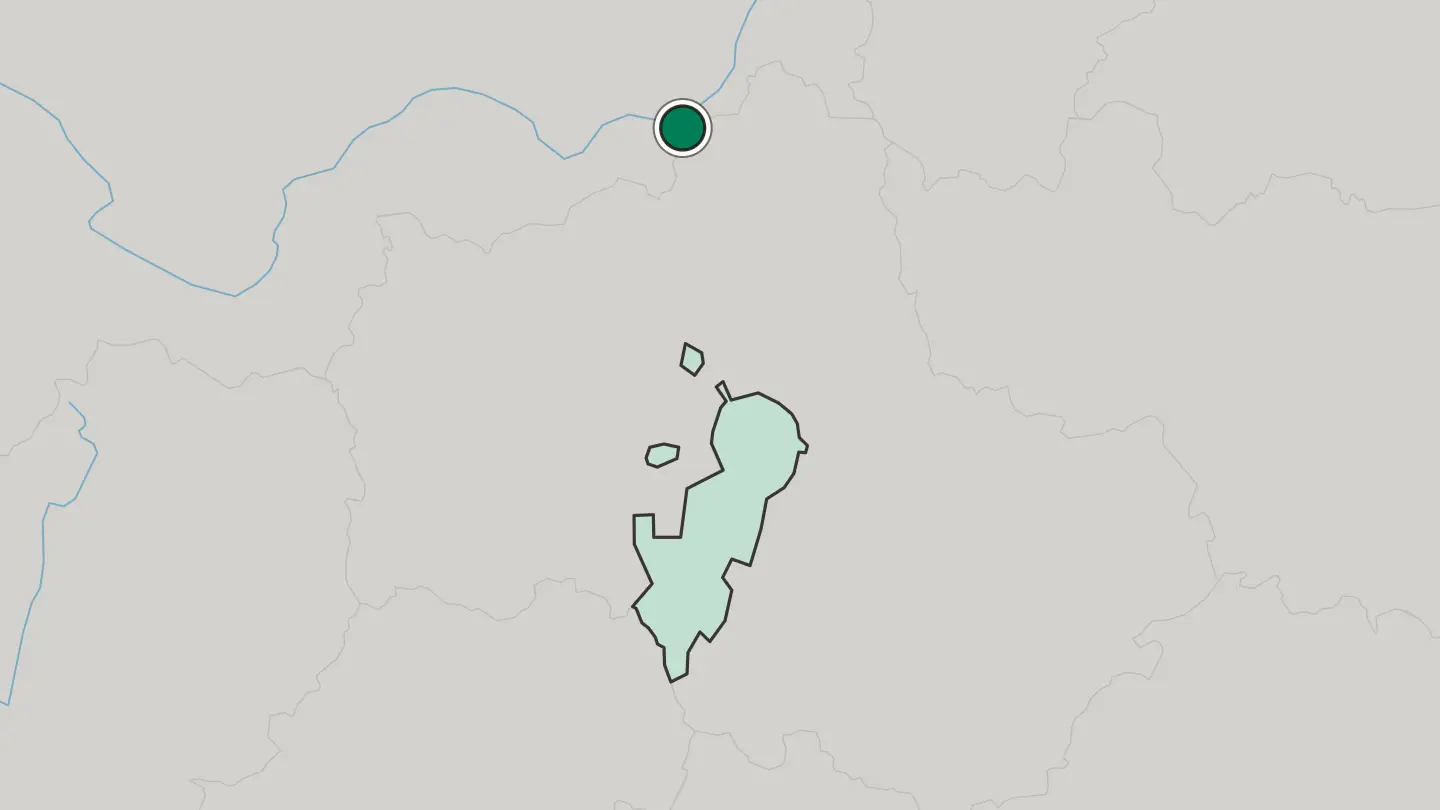
 Russia
Pavlovskiy Posad
Pavlovskiy Posad is a Moscow Oblast shawl town at the confluence of the Klyazma and Vokhna, with merchant houses along its streets.Where to stay →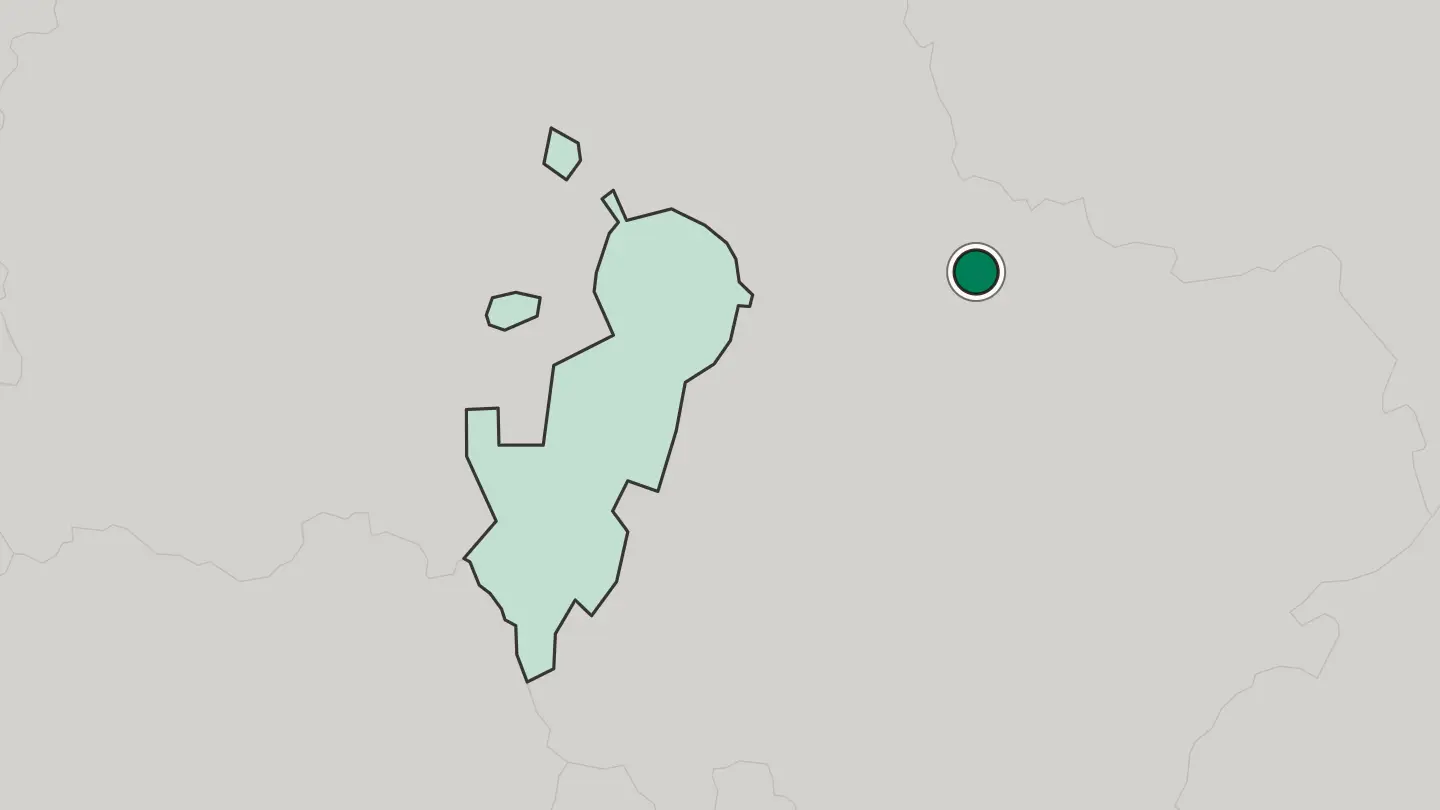 Russia
Solnechnogorsk
Solnechnogorsk sits on Senezh Lake north-west of Moscow, where the highway and railway between the two capitals pass its Travel Palace and water towers.Where to stay →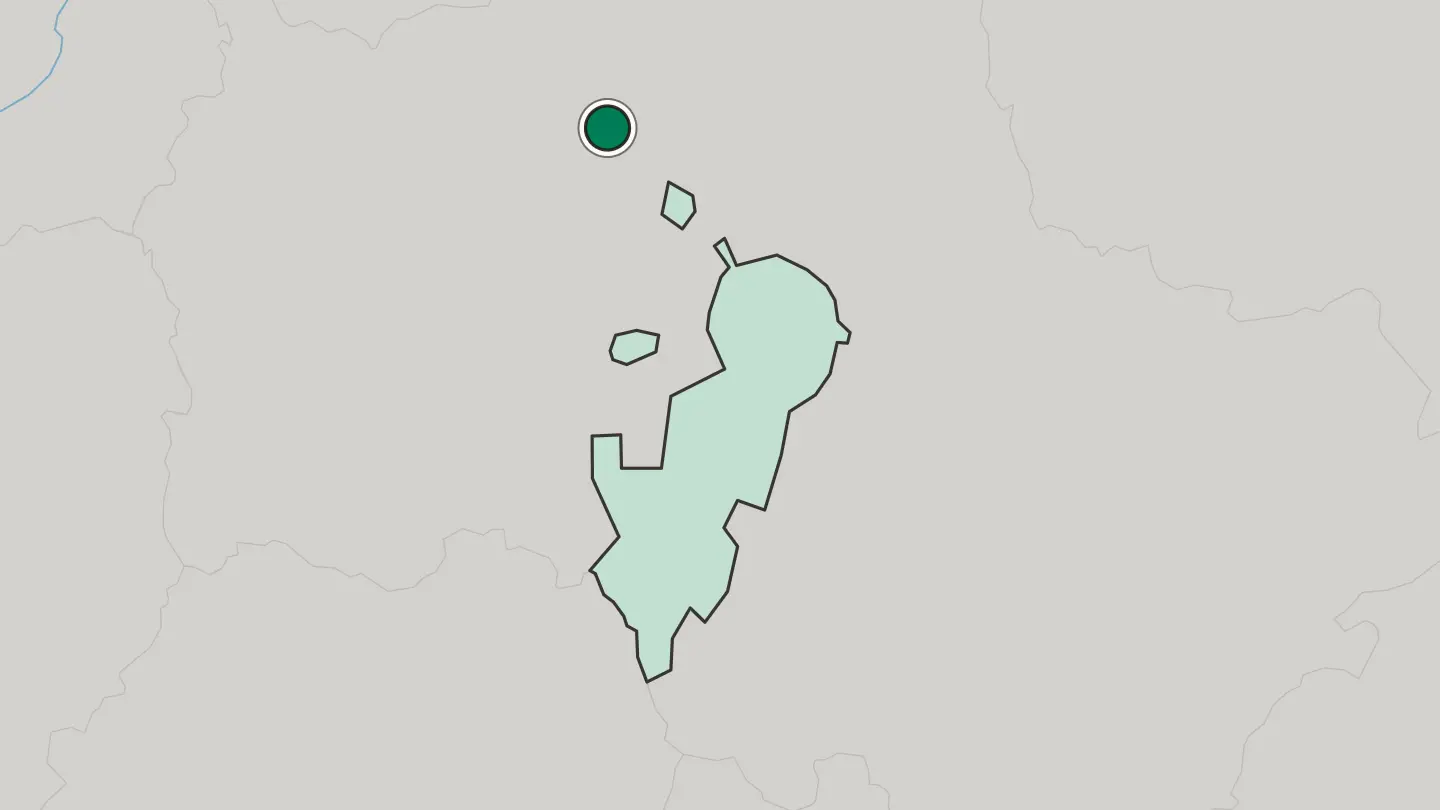 Russia
Klimovsk
Klimovsk is a factory town in Podolsk Urban Okrug, 55 kilometres south of Moscow and 8 kilometres from Podolsk, with a record from 1882.Where to stay →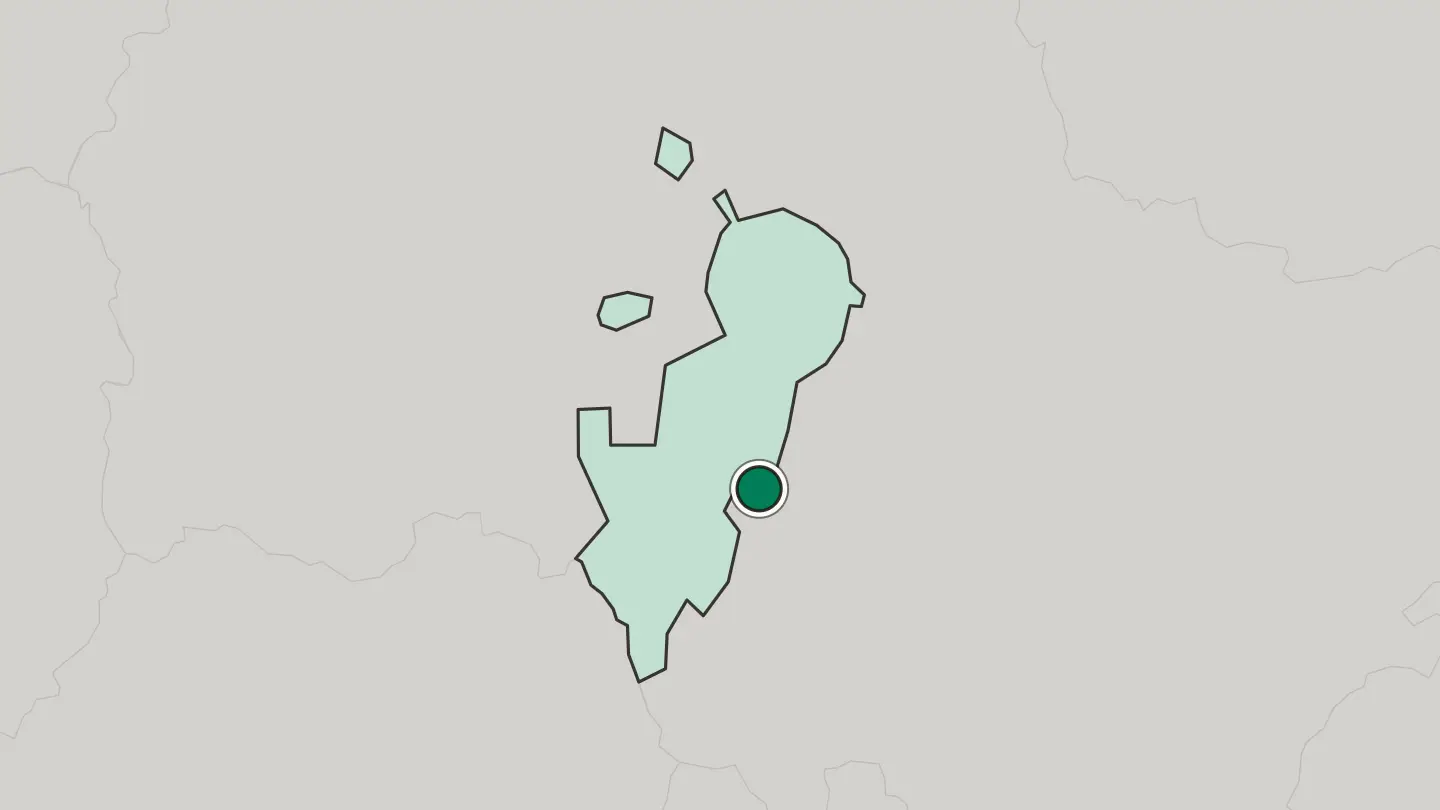
 Russia
Domodedovo
Domodedovo, a Moscow Oblast town founded in 1900, takes in the Konstantinovo estate and the mill buildings that grew beside its railway station.Where to stay →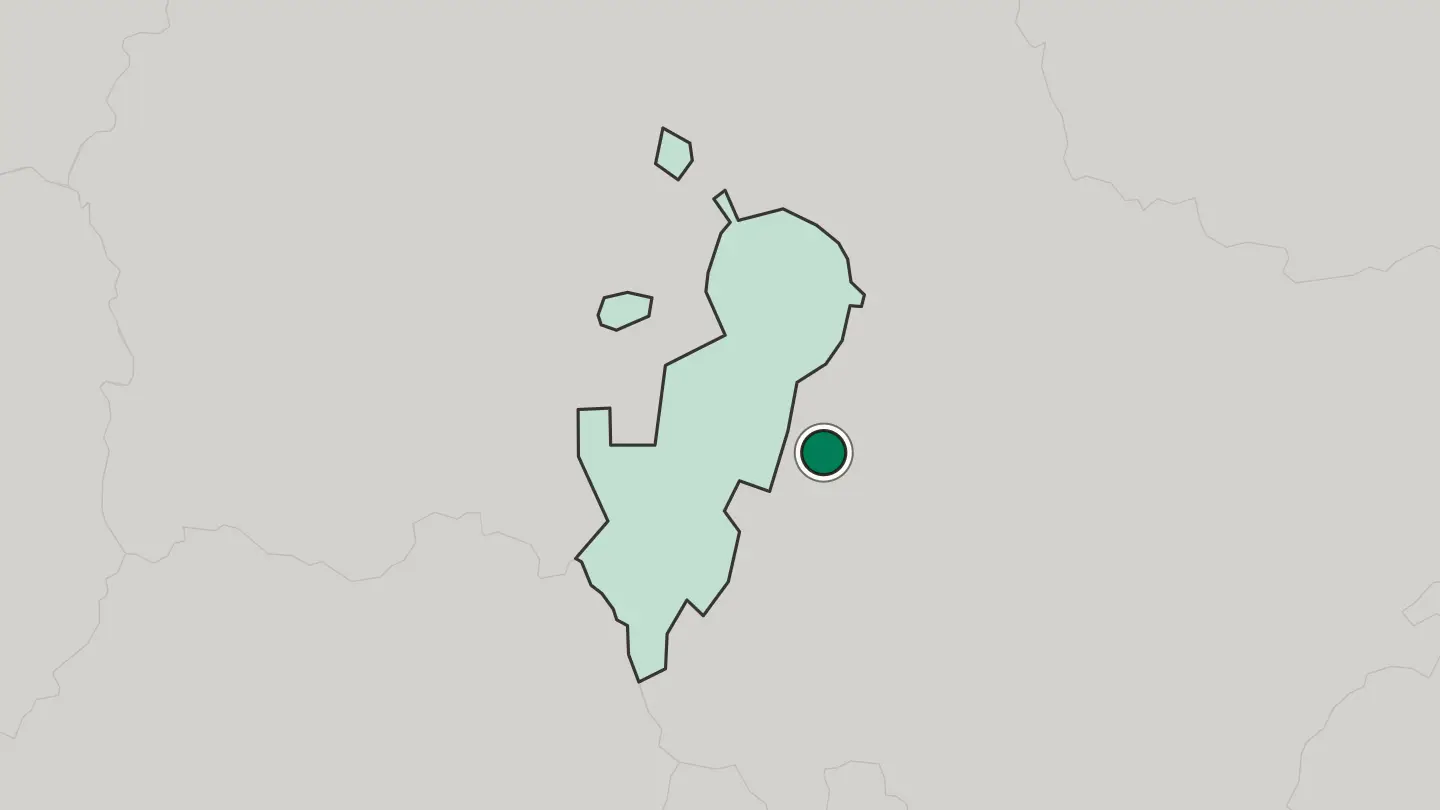
 Russia
Fryazino
Fryazino is a science town in Moscow Oblast, standing on the Lyuboseyevka River 25 kilometres north-east of Moscow, beside the Grebnevo Estate.Where to stay →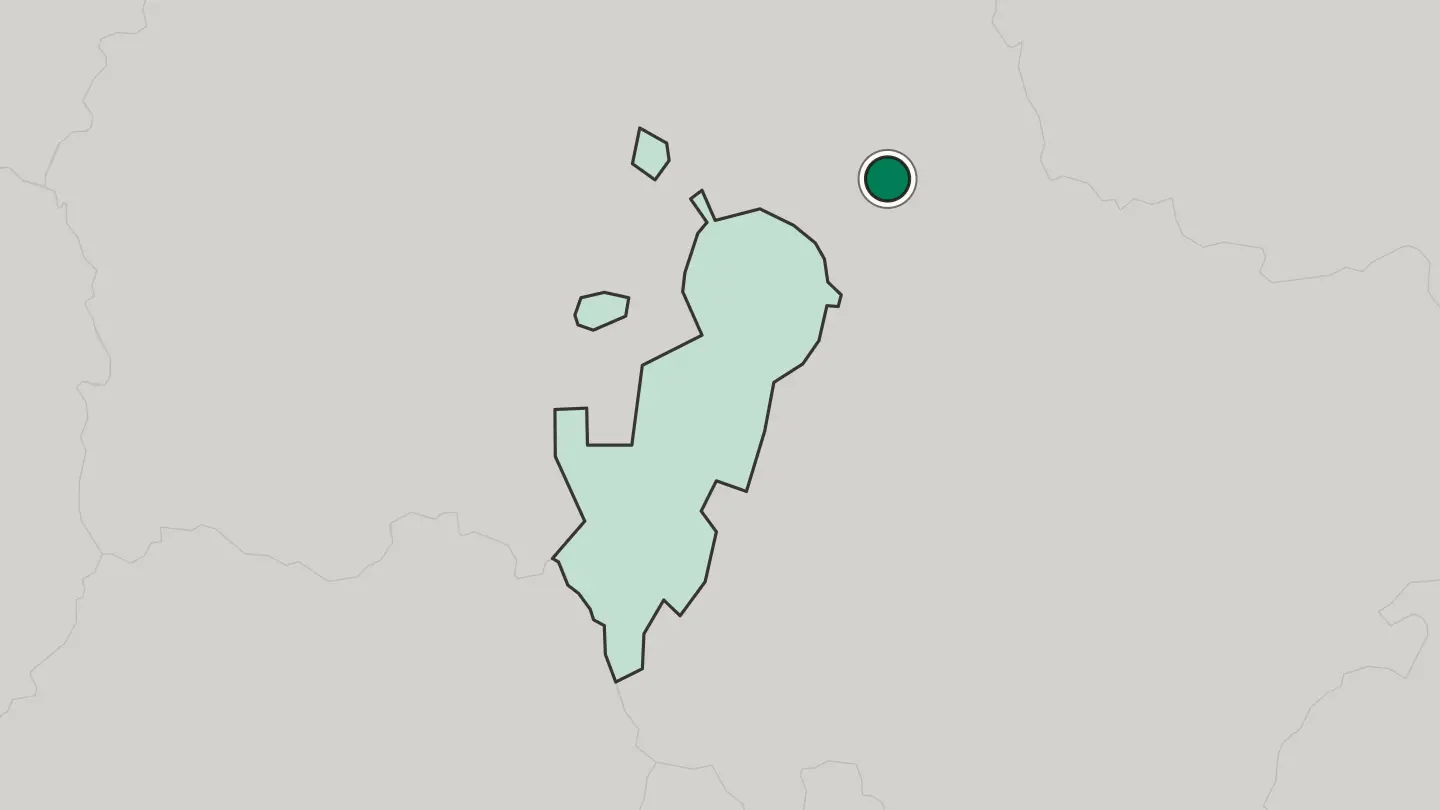
 Russia
Vidnoye
Vidnoye is a 1949 town against the southern limits of Moscow, holding the Svyato-Ekaterininsky Monastery and the Sukhanovo estate in Leninsky District.Where to stay →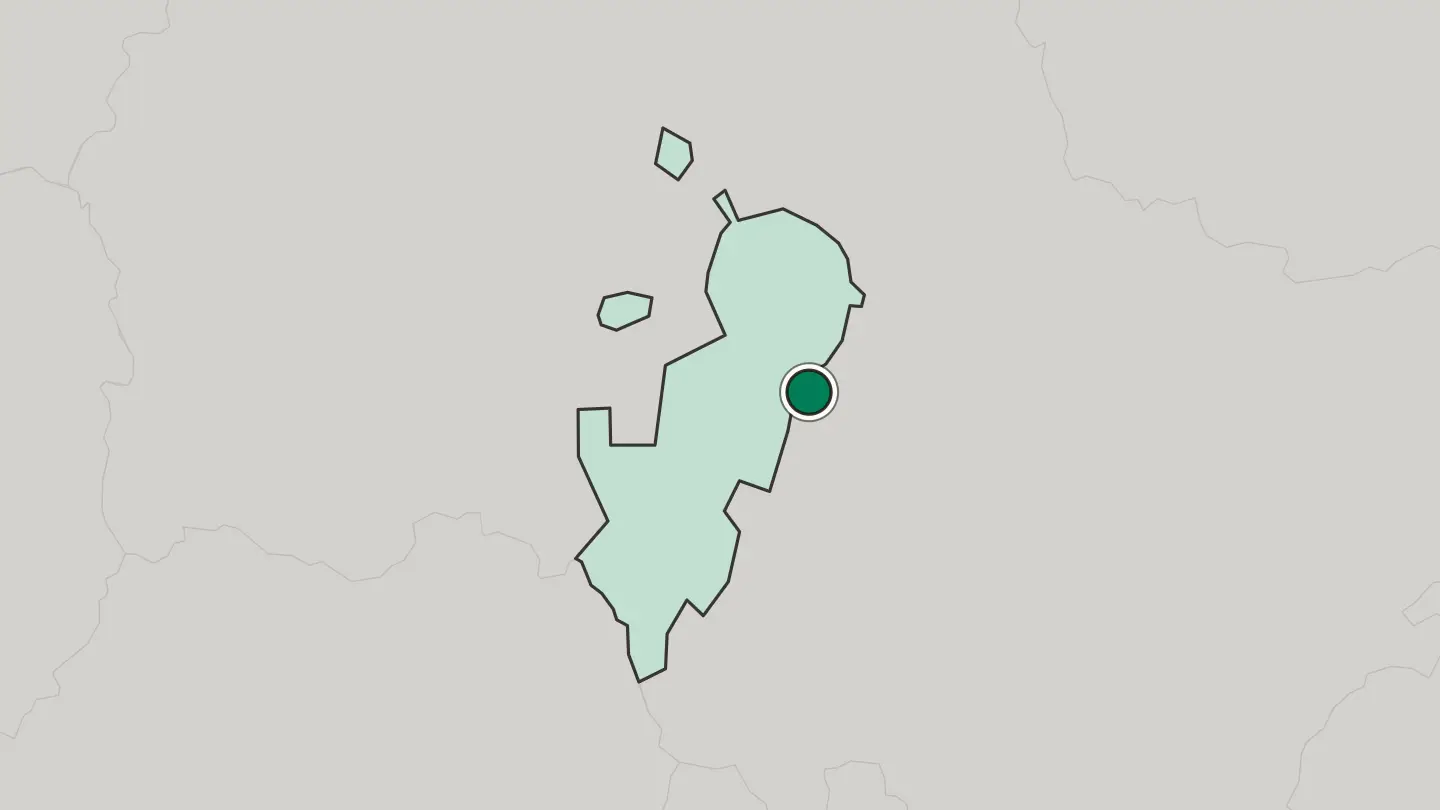 Russia
Ivanteyevka
Ivanteyevka lies on the Ucha River in Moscow Oblast, 20 kilometres north-east of Moscow, around Saint George Church and the old Lyzhin factory village.Where to stay →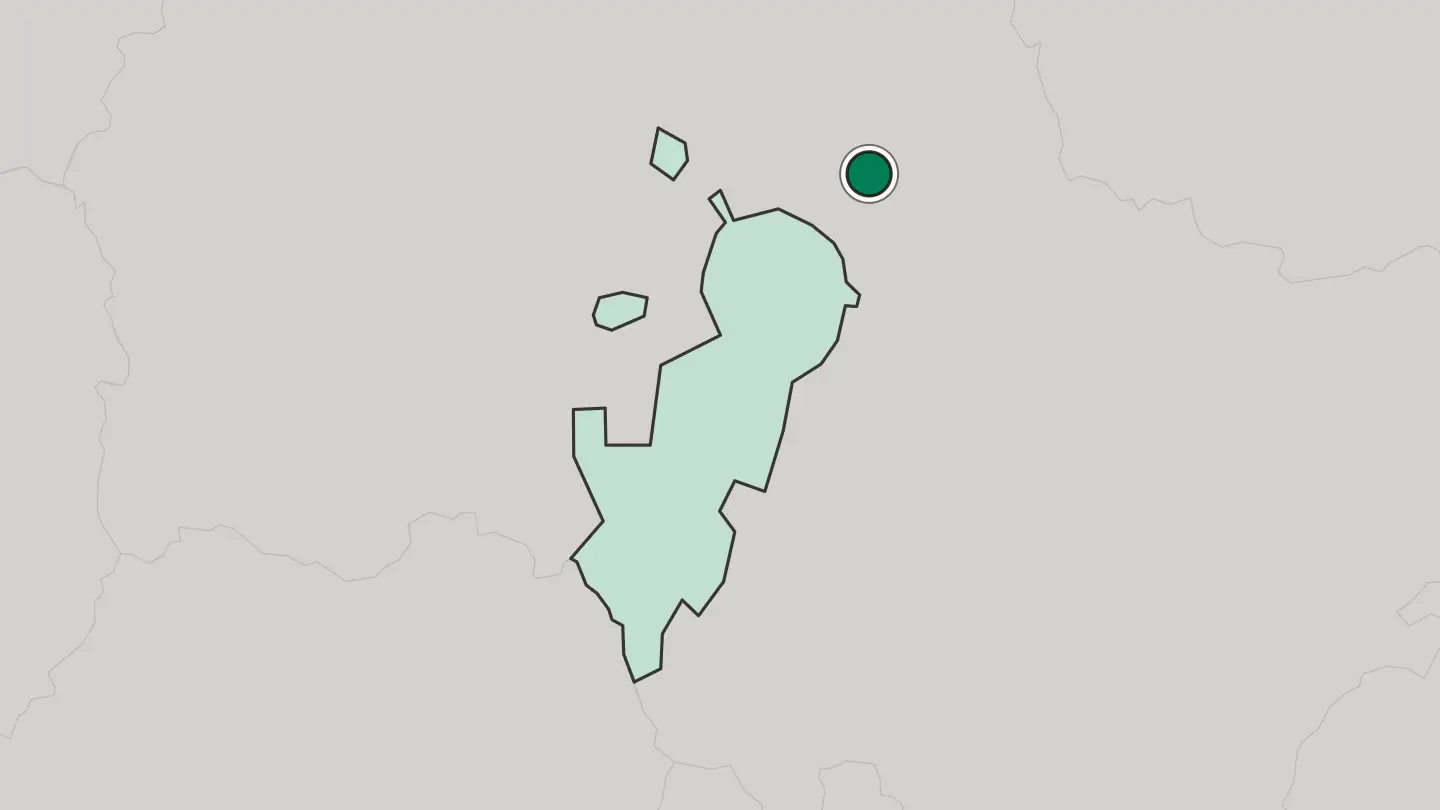
 Russia
Lytkarino
Lytkarino stands on the left bank of the Moskva River in Moscow Oblast, around the Petrovskoye Estate and its park with ponds.Where to stay →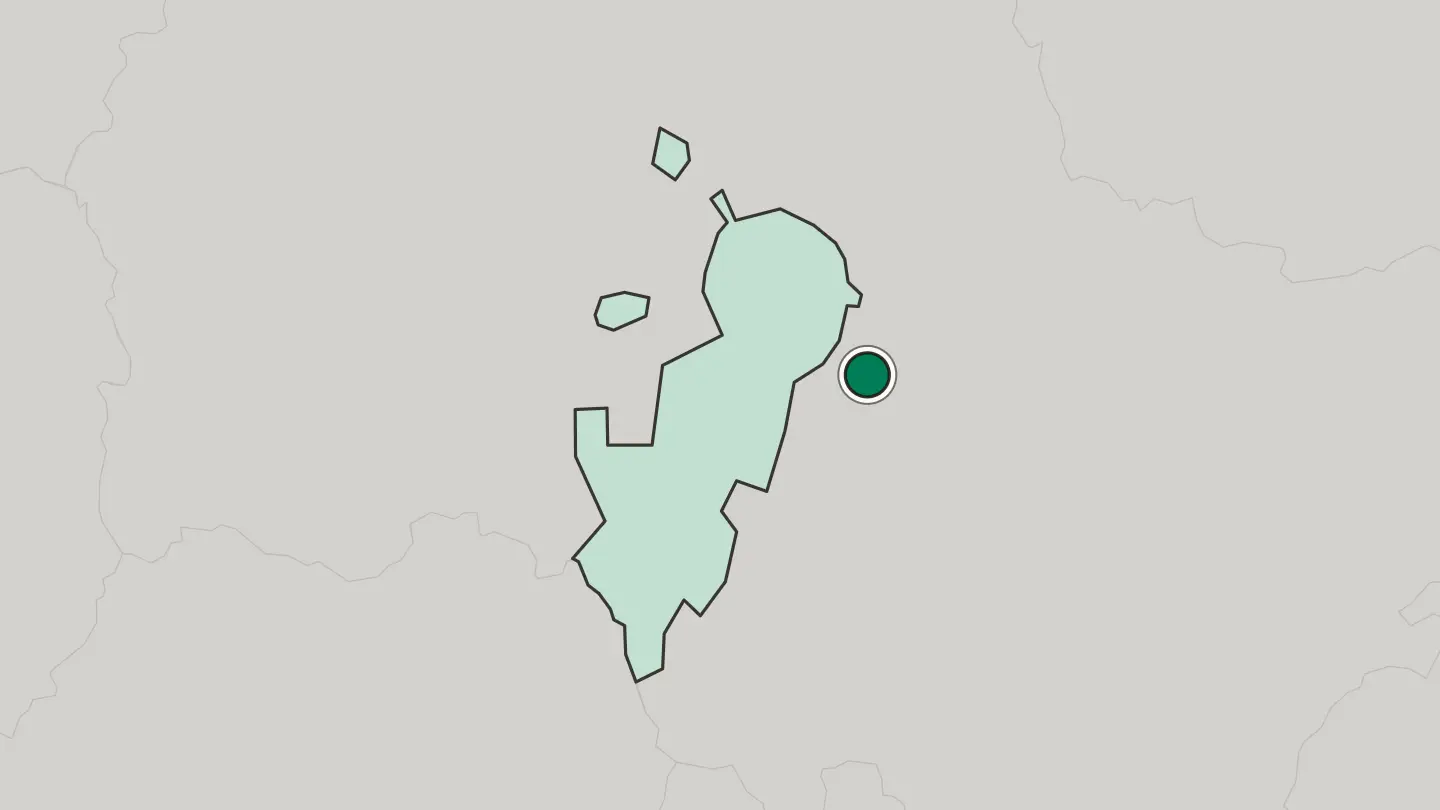
About Moscow Oblast
Podmoskovye is the countryside of the capital.
What is Moscow Oblast known for?
Its fame is monastic. Sergiyev Posad holds the Trinity Lavra of St. Sergius, the mother house of the Russian Orthodox Church and a place of pilgrimage since the fourteenth century, while Istra guards the domes of the New Jerusalem Monastery to the west. Older still are the fortress towns that once shielded Moscow, among them Kolomna and Zvenigorod.
Forest and dacha country fill the space between them.
Where is Moscow Oblast?
Moscow Oblast fills the heart of the East European Plain, wrapped completely around the city of Moscow, which sits at its centre without belonging to it. The land is gently rolling rather than mountainous. Low wooded hills, the Moscow Uplands, rise across the west and north and reach their high ground near the town of Dmitrov, where the plain lifts to a little over three hundred metres.
The east is different. There the ground sinks into the Meshchera Lowlands, a flat expanse of peat bog, pine and standing water that drains slowly toward the Oka. Water orders the whole region.
Every river here belongs to the basin of the Volga, the great artery of European Russia, and the land tilts south and east to feed it. The Moskva River loops through the capital and on across the oblast to meet the Oka near Kolomna, while the Klyazma drains the north-east. Forest covers much of the ground between the towns.
Spruce and pine hold the wetter tracts, oak and birch the drier rises, and that belt of woodland, threaded with rivers and dotted with dachas, is the classic face of Podmoskovye.
What is Moscow Oblast like?
Podmoskovye is where Moscow goes to breathe. For generations the wooded country around the capital has been dacha land, a place of summer cottages, kitchen gardens and pine air, and that habit still shapes how the region feels on a warm weekend. The other current is older and deeper.
This is a heartland of Russian Orthodoxy, and its monasteries are working communities, not museums. The Trinity Lavra of St. Sergius at Sergiyev Posad remains the spiritual centre of the church, drawing pilgrims to the relics of Sergius of Radonezh much as it has for six centuries. Nearby towns carry the same weight of memory.
Kolomna keeps a stone kremlin and a quarter of old churches above the Oka, and Zvenigorod its white cathedral among the hills. Craft belongs to the picture too, from the lacquered miniatures and painted toys long made around Sergiyev Posad. The common language is Russian, the same as in the capital it encircles.
Town and forest sit close together here.
What is the history of Moscow Oblast?
The towns came first. Volokolamsk, Zvenigorod and Dmitrov were founded in the twelfth century, in the same generation as Moscow itself, as the princes of Moscow ringed their capital with fortress towns against attack from every side. Kolomna guarded the Oka approach; Zvenigorod the road from the west.
As Moscow rose to command all of Russia, that defensive ring became its hinterland. The province itself came far later. The oblast as an administrative unit was drawn up only in 1929, long after the towns it gathers had made their history.
What is the climate of Moscow Oblast?
Moscow Oblast has a humid continental climate. Winter rules it. Snow lies deep from late November until the thaw at the end of March, and January days sit well below freezing across the forests and river valleys.
Summers are short but genuinely warm, the season when Podmoskovye fills with dacha weekends and the birch woods turn heavy and green. Rain falls through the year rather than in one wet season. Spring and autumn are brief hinges between the extremes.
How do you get to Moscow Oblast?
You reach Podmoskovye through Moscow. The two main airports serving the capital, Sheremetyevo to the north-west and Domodedovo to the south, both stand on Moscow Oblast soil rather than inside the city itself. From the capital, suburban elektrichka trains fan out along every radius to the region's towns.
The line north-east runs to Sergiyev Posad and its monastery; another carries south-east to Kolomna on the Oka. Roads follow the same spokes out from Moscow.
Good for
More regions in Russia
Updated September 2026