Russia · Moscow Oblast
Where to Stay in Dmitrov, Moscow Oblast
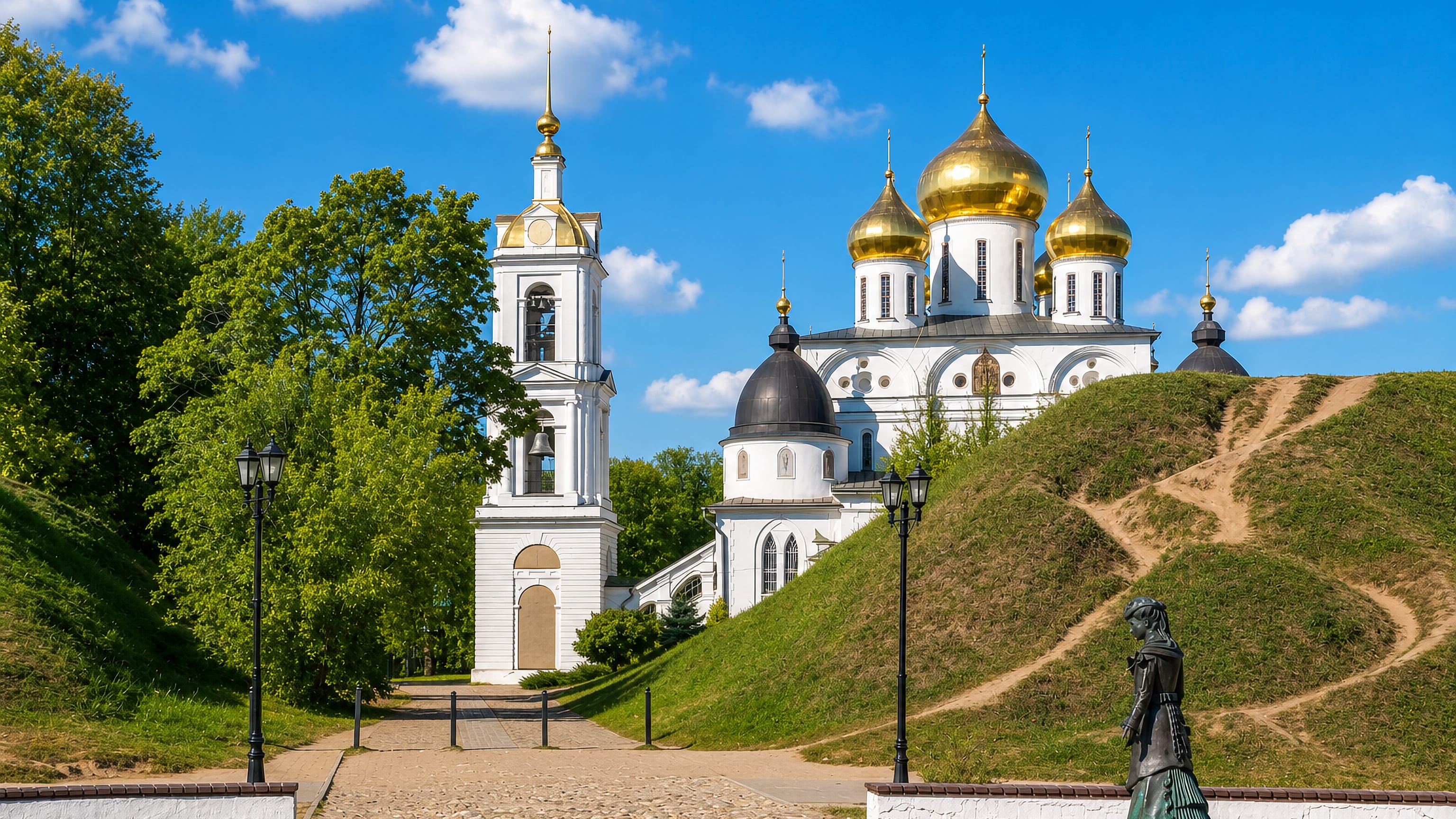
Dmitrov, founded in 1154 north of Moscow, keeps its kremlin, the Church of the Dormition and merchant houses above the Yakhroma River.
Find your area →


Where to stay in Dmitrov
Where visitors usually base themselves, and why.
Most beds sit near the Dmitrov Kremlin. Rooms within a few streets of it put the Church of the Dormition, the Olsufyev House and the Milyutina House inside one unhurried walk, which is what nearly everyone here comes for. Streets there are short.
Almost everything open into the evening sits between the museum-preserve and the Milyutina House, so the walk back is the real convenience of booking on this side. If you want the Church of the Dormition and the merchant frontages on foot rather than by car, stay inside that ring. The Borisoglebsky Monastery marks a quieter band of streets, where the Podlipichye Estate and the Kazan Church sit among ordinary housing and the traffic drops away after dark.
Parking gets easy there. Beds on that side trade the kremlin walk for room to spread out, and for most stays of more than a night that is a fair exchange. The Yakhroma River edges the far side of town.
Out past it, and past the Moscow Canal, the built ground gives way to the farmland of Dmitrovsky District, which means driving in for everything and back out again at night.
Things to do in Dmitrov
Ranked by global recognition; descriptions from Wikidata (CC0).
Museums & Galleries
2- Olsufyev House, Dmitrov Heritage
- Museum-Preserve «Dmitrov Kremlin»
Churches & Religious Sites
8- Church of the Dormition, Dmitrov Heritage
- Troice-Tichvinskaya Church Heritage
- Church of the Presentation of Jesus at the Temple Heritage
- Kazan Church, Dmitrov Heritage
- Church of the Entry of the Theotokos into the Temple, Dmitrov Heritage
Show 3 more →
- Church of Saint Elizabeth Heritage
- Saint Iliya Church Dmitrov Heritage
- Transfiguration Church, Dmitrov Heritage
Castles & Historic Sites
2- Памятник Т-34 (Дмитров) Heritage
- Стела «Город воинской славы» (Дмитров)
Landmarks & Notable Places
8- Borisoglebsky Monastery, Dmitrov Heritage
- Дмитровский кремль Heritage
- Dmitrov Heritage
- Podlipichye Estate Heritage
- Усадьба Толчёновых Heritage
Show 3 more →
- Milyutina House, Dmitrov Heritage
- Присутственные места (Дмитров) Heritage
- Girls school, Dmitrov Heritage
worth knowingacross 4 categories in Dmitrov
About Dmitrov
Dmitrov keeps its kremlin.
What is Dmitrov known for?
The Museum-Preserve «Dmitrov Kremlin» holds the Church of the Dormition at its heart, and the walk from that enclosure over to the Borisoglebsky Monastery takes in most of what brings people to this Moscow Oblast town. Merchant houses line the streets between them. The Olsufyev House, the Milyutina House and the Sukhodaev House survive as a record of the families who built above the Yakhroma River.
Boat traffic still passes on the Moscow Canal.
What are the main landmarks in Dmitrov?
The kremlin is the set piece. Inside it the Church of the Dormition anchors the Museum-Preserve «Dmitrov Kremlin», and the Borisoglebsky Monastery stands within reach of the same walk, with the Kazan Church and the Transfiguration Church filling out the roofline. House museums do the rest.
The Olsufyev House, the Vadbolsky House and the Podlipichye Estate keep the domestic side of the record, and a T-34 on its plinth marks the war years.
What is the history of Dmitrov?
Dmitrov dates from 1154. The town grew around the fortified enclosure that still holds the Church of the Dormition, and that ground is kept now as the Museum-Preserve «Dmitrov Kremlin», the one thing every visitor is sent to see. Churches followed.
The Borisoglebsky Monastery took its place beside the settlement, and the Kazan Church, the Transfiguration Church, the Holy Trinity church and the Church of the Presentation of Jesus at the Temple were added across the growing town. Trade left buildings of its own. The Olsufyev House, the Milyutina House, the Sukhodaev House and the Vadbolsky House still carry the names of the families who owned them, while the Podlipichye Estate stands as the larger version of the same story.
Water changed the town again. The Moscow Canal was cut through the ground beside it, linking Dmitrov to traffic moving north from Moscow, and the years of war that followed left a T-34 on a plinth and a stela naming the town a City of Military Glory. A Chapel of Saint Alexander Nevsky and a Church of Saint Elizabeth also stand among its churches.
The museum-preserve gathers the record of all of it.
Where is Dmitrov?
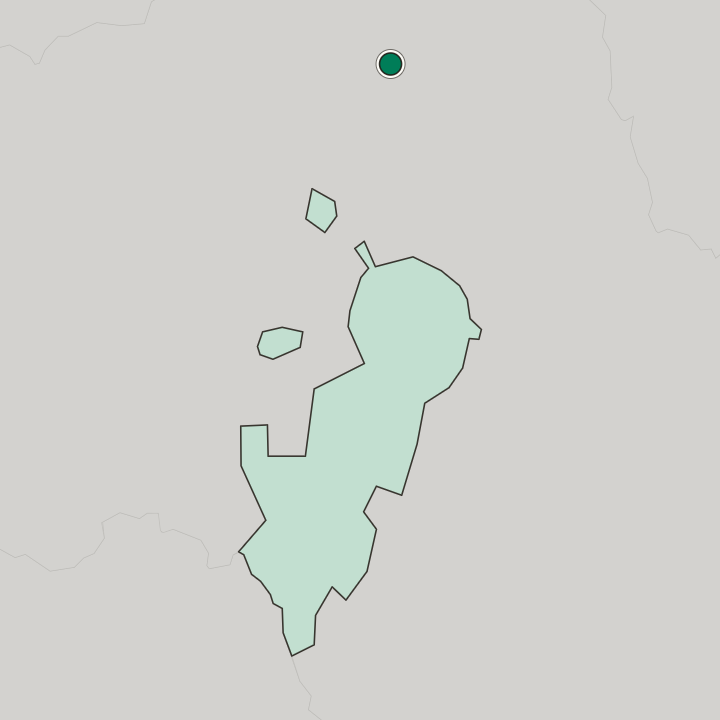
Water shapes the town. The Yakhroma River runs through Dmitrov and the Moscow Canal cuts across the ground beside it, with roughly 26 square kilometres of streets, gardens and river bank making up the built-up area. Ground here never rises far.
Beyond the edge, Dmitrovsky District opens into the farmland and low wooded rises of the Moscow Oblast plain, north of Moscow.
What is the climate of Dmitrov?
Winter sets the tone. Dmitrov lies in the temperate band well inland from any coast, so cold arrives early over the Yakhroma River valley and the thaw comes late, with warm and often thundery summers in between. Snow cover lasts for months.
Nothing in the seasons here is softened by sea air, and the Moscow Oblast plain gives the wind nothing to break against.
How do you get to Dmitrov?
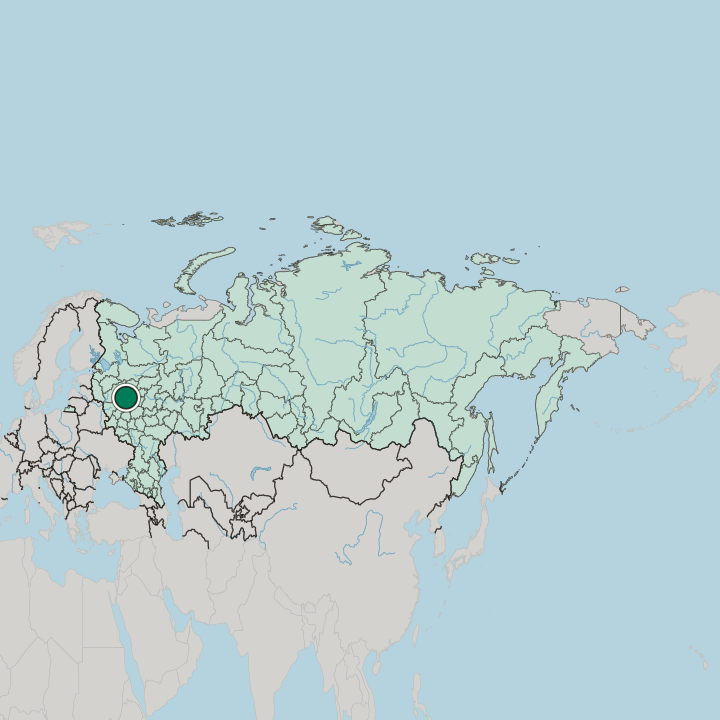
Arrivals come up from Moscow. Dmitrov stands about 65 kilometres north of the capital, close enough for an easy day out and far enough that the town keeps its own weight as the seat of Dmitrovsky District. The Moscow Canal passes the town.
Water traffic uses it, while road traffic funnels in from the south and sets travellers down within a short walk of the Dmitrov Kremlin.
Good for
More cities in Moscow Oblast
Updated October 2026