Russia · Moscow Oblast
Where to Stay in Dubna, Moscow Oblast
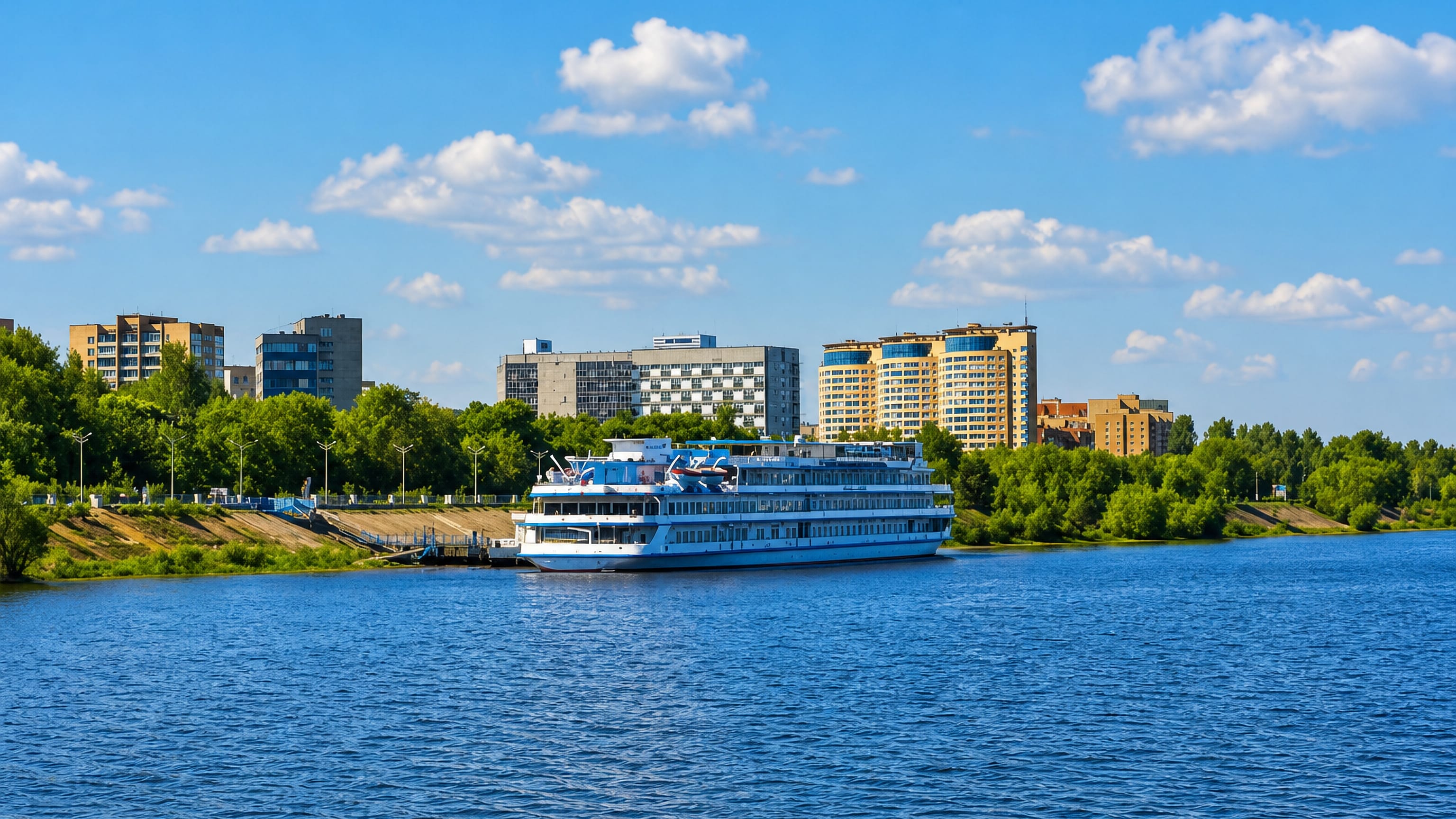
Dubna is the nuclear-physics naukograd of Moscow Oblast, built on the Volga beside the Moscow Canal and the Ivankovo Hydroelectric Station.
Find your area →


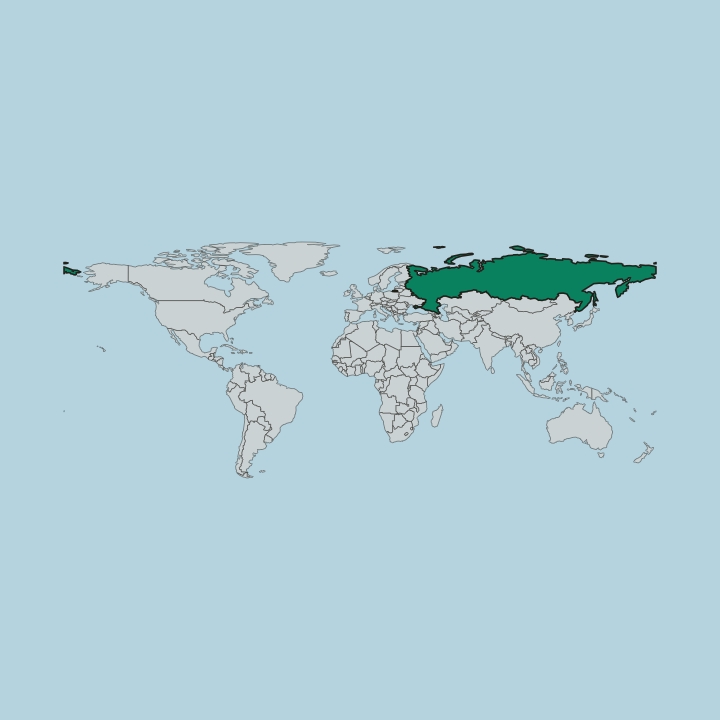
Where to stay in Dubna
Where the beds are, and what that means for the visit.
The Dubna hotel-restaurant sits on the Institute side of town, and rooms in that quarter put the Joint Institute for Nuclear Research and the Science for Peace panel within walking reach. Science people book there. The Monument to Lenin and the Memorial to the Internationalist soldiers stand on the same side of the town.
Conference traffic keeps the beds occupied through term, and anyone arriving without a booking in that season will end up on the far side of the Moscow Canal instead. The canal side is the quieter half. Rooms out there look towards the first lock of the Moscow Canal and the Ivankovo Hydroelectric Station, with the Great Volga Lighthouse marking the water beyond them.
Walking between the two halves takes longer than the map suggests, because the canal cuts the town and the crossings are few, so a car or a local bus saves an hour. The Ilyushin Il-2 stands near the approach road. Tver and Moscow are both close enough that a day visit works without a bed at all, though anyone with business at the Institute or at MKB Raduga will want the night.
Things to do in Dubna
Ranked by global recognition; descriptions from Wikidata (CC0).
Castles & Historic Sites
3- Monument to Lenin in Dubna Heritage
- Мозаичное панно на здании приборостроительного завода «Тензор» Heritage
- Панно «Наука для мира» Heritage
Landmarks & Notable Places
4- Ivankovo Hydroelectric Station Heritage
- Большой Волжский маяк Heritage
- Гостиница-ресторан «Дубна» Heritage
- Шлюз № 1 канала им. Москвы (Дубна) Heritage
worth knowingacross 2 categories in Dubna
About Dubna
What is Dubna known for?
The Joint Institute for Nuclear Research gives the town its standing, an international centre for nuclear physics that made Dubna a naukograd rather than an ordinary district town. MKB Raduga works here too. The satellite communications centre run by the Russian Satellite Communications Company sits alongside it, and the Tenzor instrument plant carries a mosaic panel on its wall.
Water works fill out the rest, with the Moscow Canal, its first lock and the Ivankovo Hydroelectric Station all inside the town.
What are the main landmarks in Dubna?
The Moscow Canal is the largest structure in the town, and its first lock sits beside the Ivankovo Hydroelectric Station on the Volga, which the Great Volga Lighthouse marks a little further out. Two memorials hold the war years, an Ilyushin Il-2 on a plinth and the Memorial to the Internationalist soldiers. The Monument to Lenin keeps its square.
Two painted panels survive from the science era, the Science for Peace panel and the mosaic on the Tenzor works.
What is the history of Dubna?
Water came before the science. The Moscow Canal was cut through this stretch of the Volga and the Ivankovo Hydroelectric Station raised with it, and the first lock of that canal remains in the town. That work on the water left the Great Volga Lighthouse.
The modern town was developed in the middle of the twentieth century, and town status followed in 1956. Physics made the name. The Joint Institute for Nuclear Research was established as an international centre, drawing scientists from many countries, and the town was recognised as a naukograd on the strength of it.
Defence and communications followed, through MKB Raduga and its missile design work and through the satellite communications centre held by the Russian Satellite Communications Company. The Tenzor instrument plant belongs to the same build-out, and its wall carries a mosaic panel from those years, while the Science for Peace panel states the case the Institute made for itself. A Monument to Lenin was raised in the town, and later memorials mark other service: an Ilyushin Il-2 on a plinth and the Memorial to the Internationalist soldiers.
The Dubna hotel-restaurant went up for the visitors the Institute brought.
Where is Dubna?
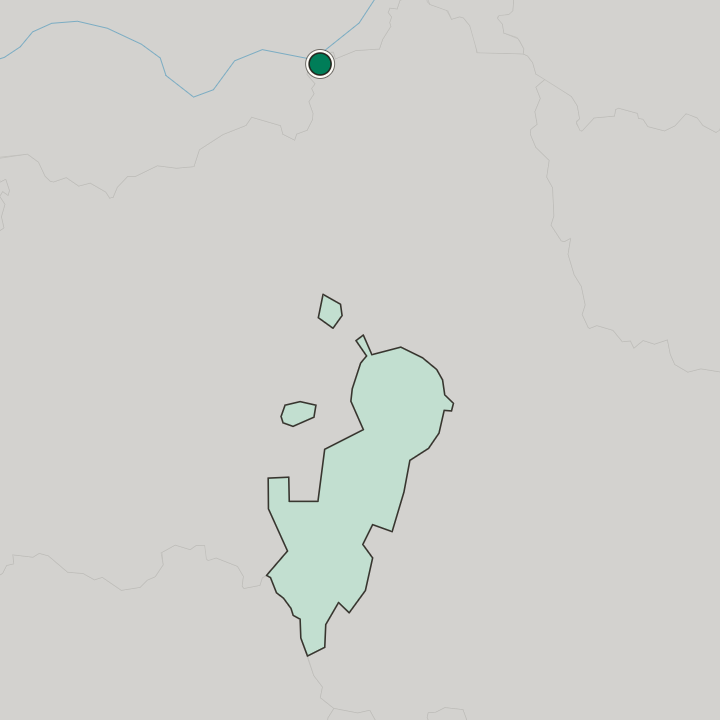
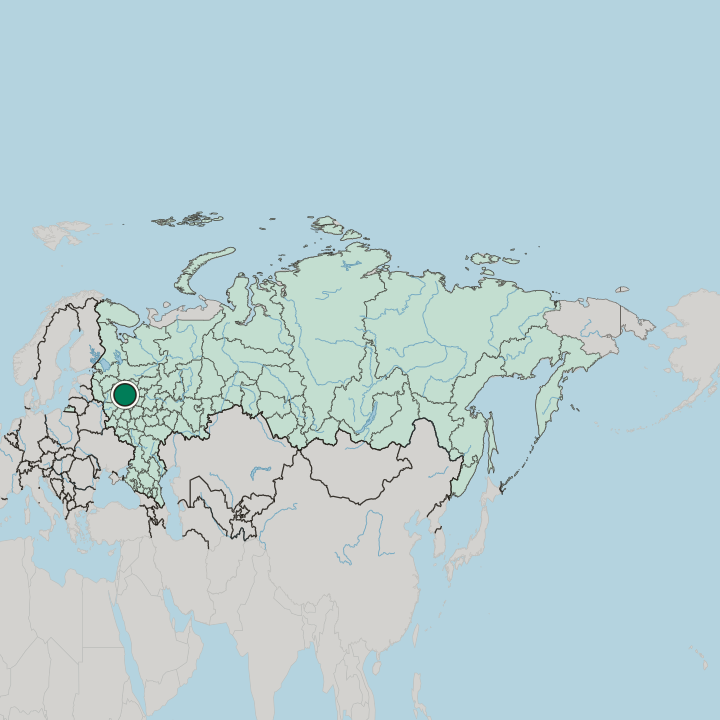
Dubna occupies about 7 square kilometres on the Volga in Moscow Oblast, north of Moscow and east of Tver. The Moscow Canal splits it. Its channel reaches the river beside the Ivankovo Hydroelectric Station, the Great Volga Lighthouse stands out in the water past that point, and the first lock sits on the same reach.
Both banks stay compact.
What is the climate of Dubna?
Winter sets the tone. Inland and far from any sea, the town takes the full swing of a temperate continental year, with long cold months and a short warm season on the Volga. The water is the local variable: the reach beside the Ivankovo Hydroelectric Station and the first lock of the Moscow Canal set what can move and when.
Indoors, the Joint Institute for Nuclear Research keeps its own calendar whatever the season does.
How do you get to Dubna?
Moscow is the usual starting point, since the town lies north of the capital and east of Tver, which makes it a long suburban run rather than a trip into open country. The Moscow Canal is the other way in, and vessels on the Volga pass its first lock and the Ivankovo Hydroelectric Station before the town. The canal also divides the place.
Crossings are few, so getting between the Joint Institute side and the far bank takes local transport or a car rather than a walk.
Good for
More cities in Moscow Oblast
Updated October 2026