Russia · Moscow Oblast
Where to Stay in Pavlovskiy Posad, Moscow Oblast
Pavlovskiy Posad is a Moscow Oblast shawl town at the confluence of the Klyazma and Vokhna, with merchant houses along its streets.
Find your area →


Where to stay in Pavlovskiy Posad
Where visitors usually base themselves, and why.
Most beds sit in the streets between the Cathedral of the Resurrection of Christ and the Vokhna. That is the walking half of the town, where the Shirokov House, the Baranov House and the frontages along Kropotkina Street can all be taken in on one slow morning. Rooms here are plain.
The Museum of history and arts is the fixed point for anyone who came for the shawls, and the Shawl manufactory keeps that trade going inside the same few blocks. Gorodok is the other choice. The Church of the Ascension in Gorodok stands over the older settlement, and a night out there trades the museum walk for quiet streets and a longer approach in the morning.
Beyond those two areas, rooms are scarce. Pilgrims book near the Pokrovsko-Vasilyevsky monastery instead, which keeps its own grounds and its own rhythm well away from the manufactory streets, while the Church of the Theotokos of Kazan gives that side a second reason to walk. Anyone travelling out from Moscow can treat Pavlovskiy Posad as a day in Moscow Oblast rather than an overnight.
Stay if you want merchant frontages and a museum instead of a city.
Things to do in Pavlovskiy Posad
Ranked by global recognition; descriptions from Wikidata (CC0).
Museums & Galleries
3- Дом-музей В. В. Тихонова Heritage
- Shirokov House Heritage
- Museum of history and arts (Pavlovsky Posad) Heritage
Churches & Religious Sites
3- Church of the Ascension in Gorodok Heritage
- Church and school of Saint Nicholas (Pavlovsky Posad) Heritage
- Church of the Theotokos of Kazan (Pavlovsky Posad) Heritage
Landmarks & Notable Places
8- Pokrovsko-Vasilyevsky monastery Heritage
- Cathedral of the Resurrection of Christ Heritage
- French Manufactory in Pavlovsky Posad Heritage
- Silk factory in Pavlovsky Posad Heritage
- Baranov House (Pavlovsky Posad) Heritage
Show 3 more →
- Realschule (Pavlovsky Posad) Heritage
- Leykin House (Pavlovsky Posad) Heritage
- Kudelin factory (Pavlovsky Posad) Heritage
worth knowingacross 3 categories in Pavlovskiy Posad
About Pavlovskiy Posad
Shawls made the name here.
What is Pavlovskiy Posad known for?
The Shawl manufactory and the older French Manufactory put Pavlovskiy Posad on the map of Russian textiles, and printed wool from these works travelled far beyond Moscow Oblast. Silk was woven here too, at the Silk factory and the Kudelin factory. The Museum of history and arts keeps the patterns and the record of the trade.
Faith marks the town as strongly. The Cathedral of the Resurrection of Christ and the Pokrovsko-Vasilyevsky monastery draw visitors who never look at a loom.
What are the main landmarks in Pavlovskiy Posad?
Churches come first here. The Cathedral of the Resurrection of Christ stands at the centre, the Church of the Ascension in Gorodok belongs to the older settlement, and the Pokrovsko-Vasilyevsky monastery keeps its grounds apart from both. Merchant houses fill the rest: the Shirokov House, the Lebedev House, the Leykin House and the Shirin Houses.
The Old fire station and the Realschule survive from the same decades of building. The Museum of history and arts holds the shawls.
What is the history of Pavlovskiy Posad?
The first record dates to 1328. Gorodok holds the older name, and the Church of the Ascension in Gorodok still stands over that ground, generations before any of the works that made the town's later reputation. Weaving came next.
Peasant looms grew into the French Manufactory, the Silk factory and the Kudelin factory, and the villages at the confluence of the Klyazma and Vokhna were drawn together into one town. Shawls followed the silk. Printed wool from the Shawl manufactory carried the name outward, and the merchants who ran the trade built the frontages that still line the streets, among them the Shirokov House, the Baranov House and the Smirnov House on Kropotkina Street.
The Sokolikov House stands at Pervogo Maya Street 101, and the Sikachov House on Karpovskaya Street belongs to the same generation. Money went into more than frontages. The Girls school and the Realschule were raised out of the same prosperity, the Old fire station served the wooden quarters, and the Cathedral of the Resurrection of Christ and the Church of the Theotokos of Kazan took the religious life of a town that had grown fast.
The Pokrovsko-Vasilyevsky monastery carries the monastic side of that record. Pavlovskiy Posad remains the administrative centre of Pavlovo-Posadsky District in Moscow Oblast.
Where is Pavlovskiy Posad?
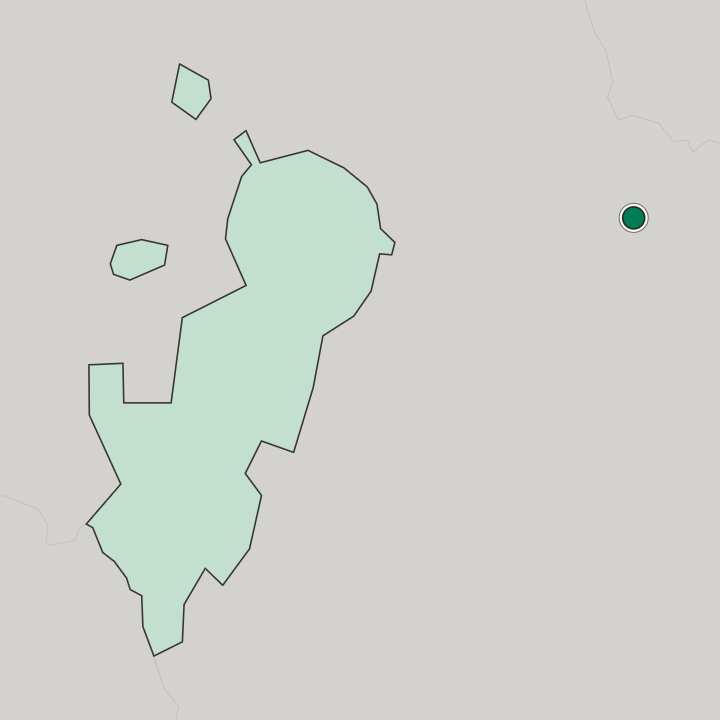
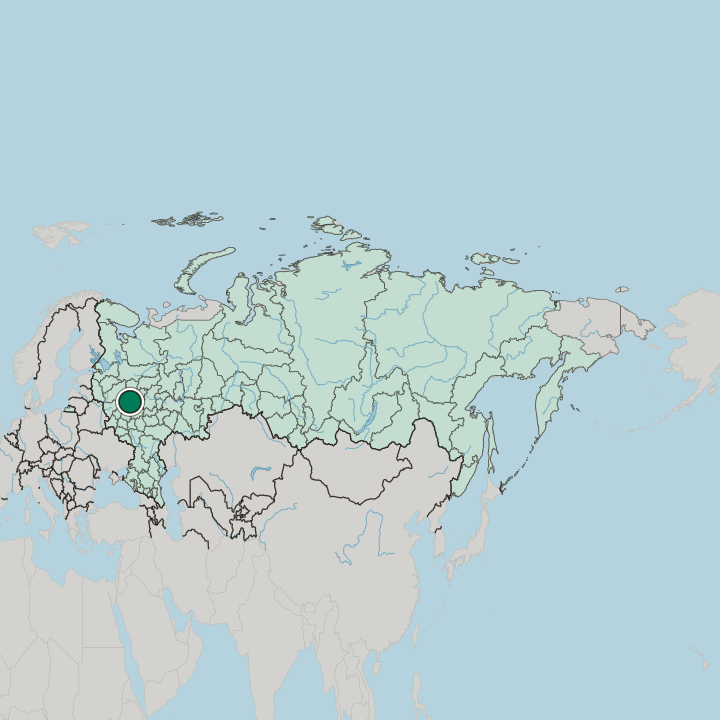
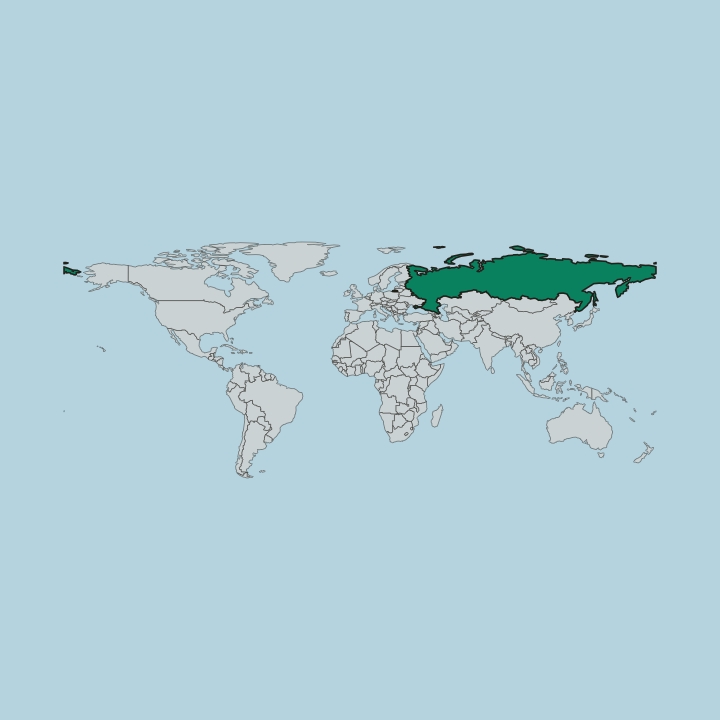
Two rivers set the plan. Pavlovskiy Posad stands at the confluence of the Klyazma and the Vokhna in Moscow Oblast, roughly 68 kilometres out from Moscow, with a built area of about 39 square kilometres on level ground. The two meet inside the town.
Gorodok, named in the Church of the Ascension in Gorodok, belongs to the same settlement, and the streets carrying the merchant houses run between the water and the works. Pavlovo-Posadsky District takes its name from here.
What is the climate of Pavlovskiy Posad?
No sea reaches this ground. Moscow Oblast lies far enough inland that the swing between the seasons is wide, and the Klyazma and the Vokhna freeze hard before snow settles on the streets of merchant houses. Heat comes late here.
The warm months are brief, which is one reason the Museum of history and arts, the Shawl manufactory and the Cathedral of the Resurrection of Christ carry so much of the visiting year.
How do you get to Pavlovskiy Posad?
Moscow is roughly 68 kilometres away. Nearly everyone comes out from the capital, and the run is a suburban one through Moscow Oblast rather than a journey into open country, short enough to be made and undone inside a day. Pavlovskiy Posad itself is compact.
From the centre the Cathedral of the Resurrection of Christ, the Museum of history and arts and the frontages on Kropotkina Street are all within a walk, while the Pokrovsko-Vasilyevsky monastery and the Church of the Ascension in Gorodok sit further out and are worth planning for.
Good for
More cities in Moscow Oblast
Updated October 2026