Russia · Moscow Oblast
Where to Stay in Pushkino, Moscow Oblast
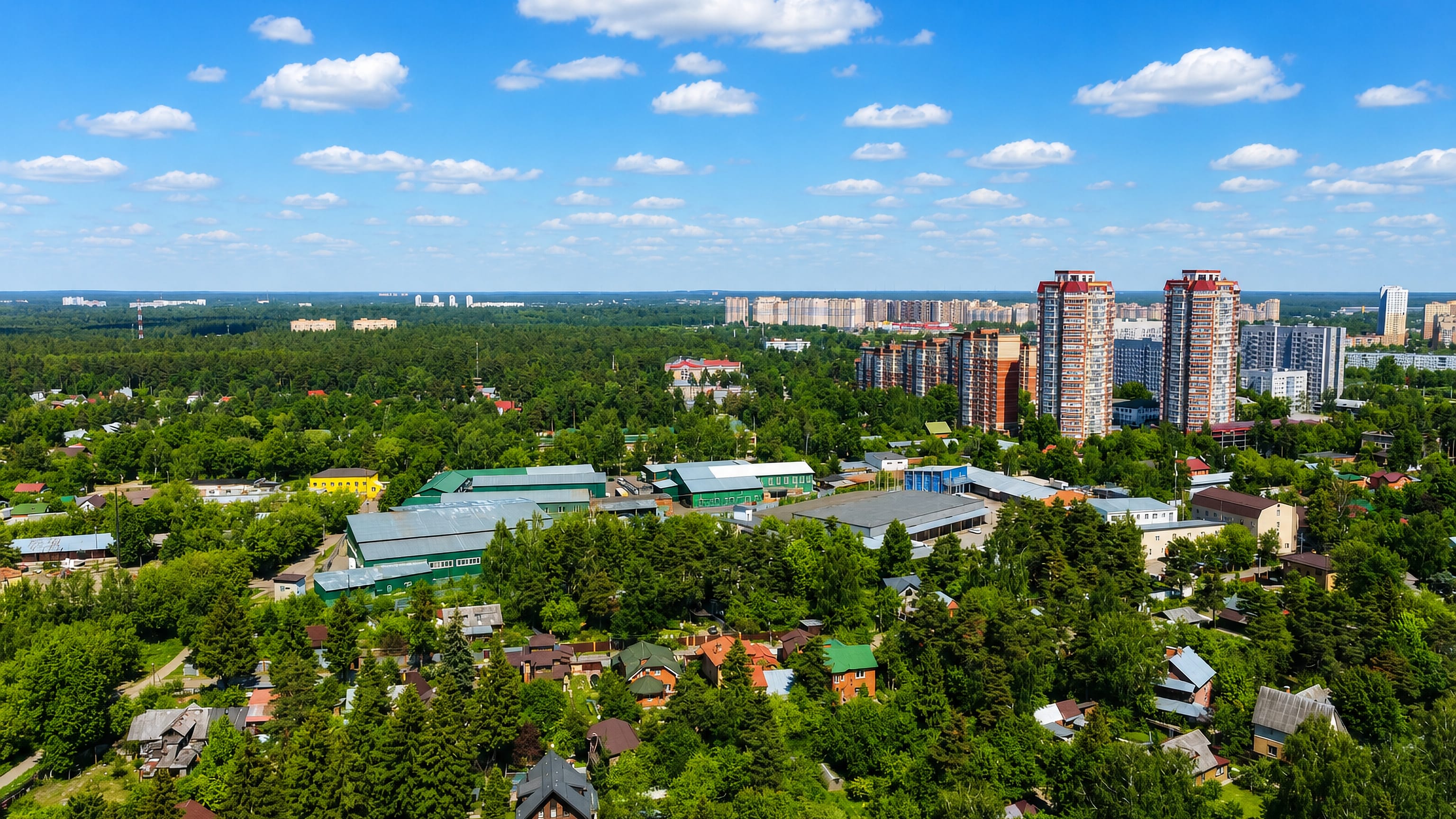
Pushkino grew as summer-house country for Moscow, a textile town on the Ucha where the Strukov Dacha and the old water tower still stand.
Find your area →


Where to stay in Pushkino
Where visitors usually base themselves, and why.
Most rooms sit around the centre. The Local museum, the Art school in Pushkino and the Water tower in Pushkino stand within a few streets of each other, and the Church of the Presentation of Jesus at the Temple gives that quarter its landmark. Rooms are modest.
Anyone here for a single night will find the centre the easiest base, since the Ucha and the Serebryanka meet close by and the walking is flat. The Workers club of the textile factory is part of the same walk. Mamontovka is the quieter choice.
The Yermakov dacha stands there among the trees, and a night on that side keeps the summer-house character that drew people out of Moscow long before the mills did. Rooms on that side are few. The Strukov Dacha marks another pocket of the same kind, wooden and low against the newer blocks, and the Church of St. Nicholas gives walkers a second fixed point.
Pushkinsky District spreads further than the town, so check what an address actually means before booking. Stay if you want dachas and trees rather than a city.
Things to do in Pushkino
Ranked by global recognition; descriptions from Wikidata (CC0).
Museums & Galleries
2- Дача-музей В. В. Маяковского Heritage
- Local museum, Pushkino Heritage
Churches & Religious Sites
4- Church of the Presentation of Jesus at the Temple Heritage
- Боголюбская церковь Heritage
- Church of St. Nicholas at the church of Theotokos of Bogolyubovo Heritage
- Church of St. Nicholas (Pushkino) Heritage
Castles & Historic Sites
2- Памятник Б.К. Домбровскому, первому начальнику милиции Пушкино (Пушкино) Heritage
- Селище Heritage
Landmarks & Notable Places
8- Pushkino Heritage
- Суконная фабрика Дюпюи Heritage
- Water tower in Pushkino Heritage
- Strukov Dacha Heritage
- Yermakov dacha (Mamontovka) Heritage
Show 3 more →
- Workers club of the textile factory, Pushkino Heritage
- Дом, где размещался первый Пушкинский Совет рабочих и солдатских депутатов (Пушкино) Heritage
- Art school in Pushkino Heritage
worth knowingacross 4 categories in Pushkino
About Pushkino
Summer houses came first.
What is Pushkino known for?
Writers and merchants took dachas out here, and the Strukov Dacha and the Yermakov dacha at Mamontovka survive from the years when the woods filled with them each summer. The Local museum keeps the record. Textiles were the other trade, and the Workers club of the textile factory shows what the mill built for the people it employed.
Churches close the picture, among them the Church of the Presentation of Jesus at the Temple and the Church of St. Nicholas.
What are the main landmarks in Pushkino?
Wooden dachas carry this list. The Strukov Dacha and the Yermakov dacha at Mamontovka are the two that people cross town to see, and the Local museum sets them in order. Older ground belongs to the churches.
The Church of the Presentation of Jesus at the Temple, the Church of St. Nicholas and the Church of St. Nicholas at the church of Theotokos of Bogolyubovo are the named ones. The Water tower in Pushkino, the Art school in Pushkino and the Workers club of the textile factory come from the industrial side of the same story.
What is the history of Pushkino?
The record begins in 1499. Pushkino stood as a village at the confluence of the Ucha and the Serebryanka for centuries, close enough to Moscow to be reached in a day and far enough out to stay in the woods. Then came the dachas.
Moscow families took summer houses in the woods here, and the Strukov Dacha and the Yermakov dacha at Mamontovka are what survives of a season that shaped the whole town. Cloth followed the summer trade. A textile factory took root beside the older village, and the Workers club of the textile factory was raised for the people it employed, a building of a different order from the verandas along the river.
Parishes multiplied. The Church of the Presentation of Jesus at the Temple holds the older one, while the two Nicholas churches were added as building spread away from the original centre and the woods were cut back for it. The Water tower in Pushkino and the Art school in Pushkino belong to the same decades, and the Local museum keeps the record.
Pushkino is the administrative centre of Pushkinsky District.
Where is Pushkino?
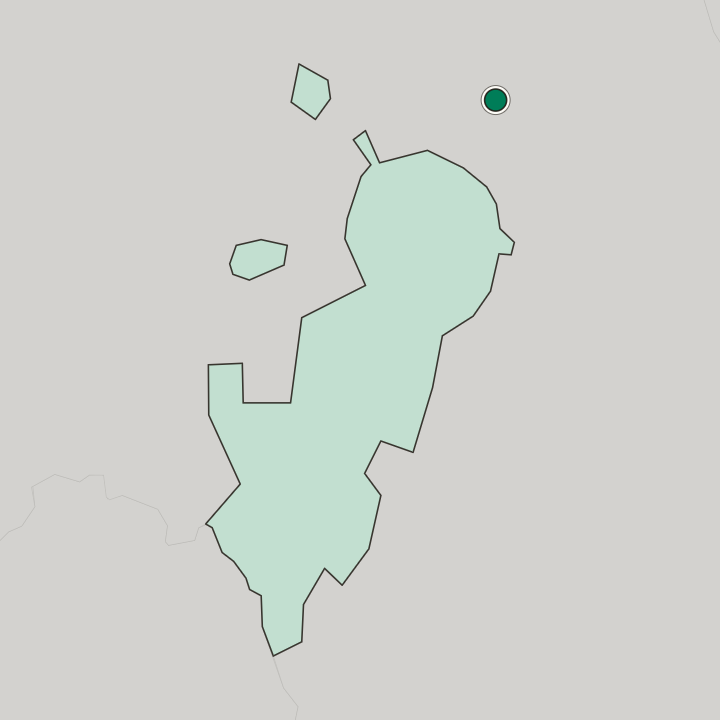
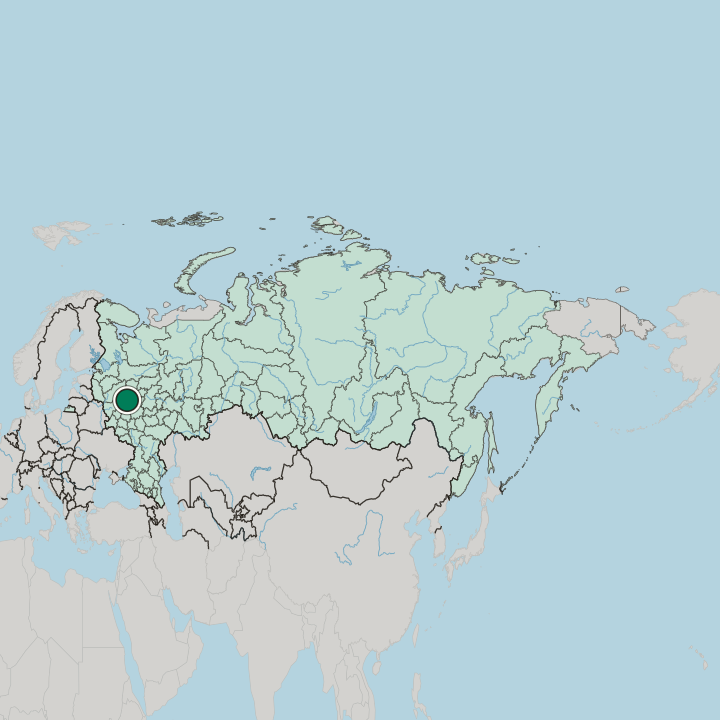
The Ucha and the Serebryanka meet here. Pushkino covers about 60 square kilometres of Moscow Oblast some 30 kilometres northeast of Moscow, spread over low ground where woodland still reaches the edges of the built streets. Mamontovka lies within it.
The ground is flat enough that the two rivers, rather than any hill, give the town whatever shape it has. Pushkinsky District runs out from here into open country.
What is the climate of Pushkino?
The dacha season is short. Winters out here run cold and long, with the Ucha and the Serebryanka locked under ice and the Strukov Dacha shuttered behind its wooden veranda for months. Summer is the reason the town exists.
Moscow families came for the warm weeks, and the Local museum and the Church of the Presentation of Jesus at the Temple carry the visitors who arrive outside them.
How do you get to Pushkino?
Moscow lies 30 kilometres off. Most journeys start there, since Pushkino sits northeast of the capital and the run out is short enough that the town has served as weekend country for generations. Pushkino's core is small and walkable.
The Local museum, the Water tower in Pushkino and the Church of the Presentation of Jesus at the Temple are all close together, while Mamontovka and the Yermakov dacha sit further out and take a separate leg. Pushkinsky District spreads wider still.
Good for
More cities in Moscow Oblast
Updated September 2026