Russia · Moscow Oblast
Where to Stay in Yegor’yevsk, Moscow Oblast
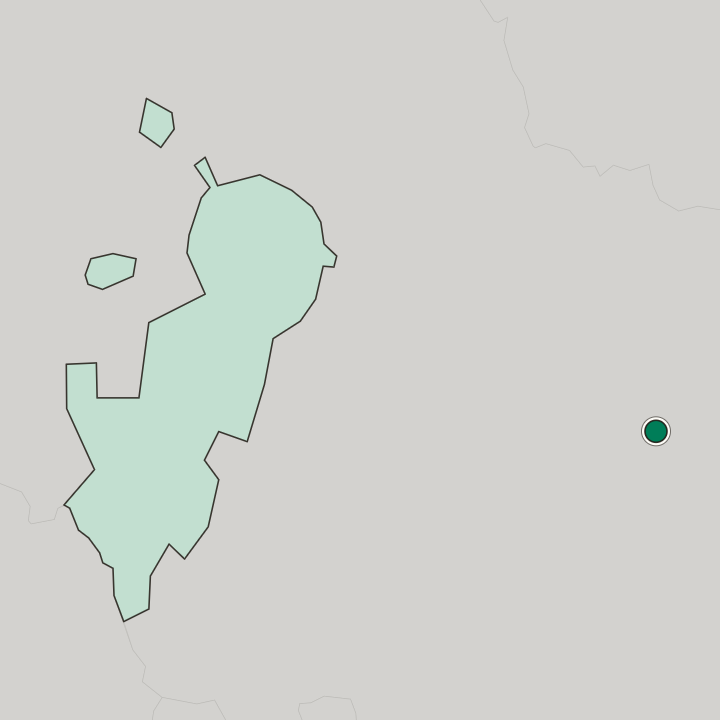
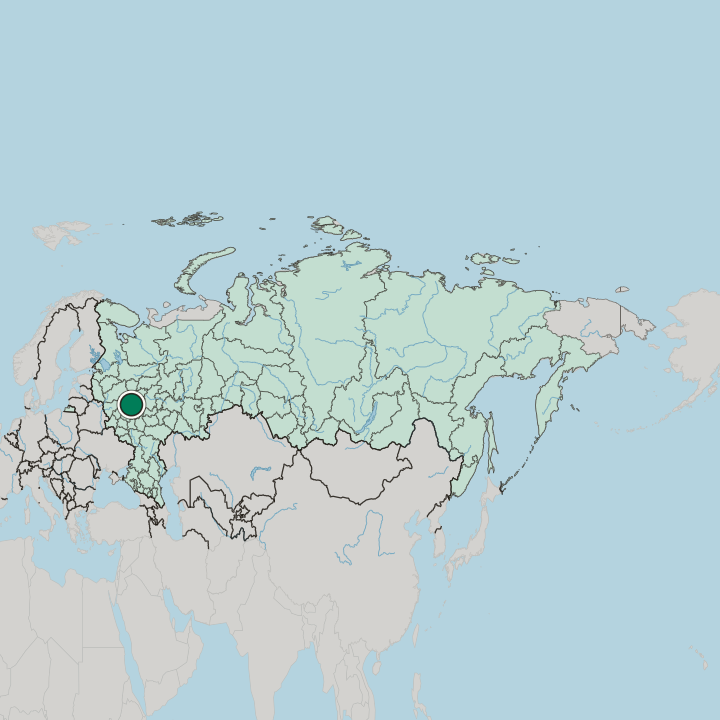
Yegor'yevsk stands on the Guslitsa River south-east of Moscow, a town of 1462 whose Khludov manufacture and merchant houses shaped its centre.
Find your area →


Where to stay in Yegor’yevsk
How the choice of base plays out on the ground.
The centre carries most of the beds. Merchant houses line those streets, the Bardygin house among them, and the Museum of Art and History sits close enough that a first afternoon needs no transport at all. Central Yegor'yevsk is crossed on foot.
Anyone who wants the convent within sight can look for a room on that side instead, where the Trinity Cathedral, the Holy Gates and the fence with its towers make the outlook. The Khludov manufacture end is different again. Mill buildings and the Khludov almshouse set the character there, and the two teachers' houses, the teaching building and the student dormitory of the old school ensemble stand among them behind a fence with two gates.
Rooms are ordinary. Church visits divide neatly between Saint Alexander Nevsky Church, the Church of Saint George and the Church of Alexis, Metropolitan of Moscow, none of them far from the middle of Yegor'yevsk. The Guslitsa River runs at the edge of it all.
Moscow is 114 kilometres off, which is far enough that most visitors take a night rather than turn straight round. Parizskoi Kommuny street 1Б is part of the listed fabric too.
Things to do in Yegor’yevsk
Ranked by global recognition; descriptions from Wikidata (CC0).
Museums & Galleries
1- Museum of Art and History (Yegoryevsk) Heritage
Churches & Religious Sites
4- Saint Alexander Nevsky Church Heritage
- Church of Saint George (Yegoryevsk) Heritage
- Svyato-Troitsky Mariinsky Convent Heritage
- Церковь Алексия, Митрополита Московского (Егорьевск) Heritage
Landmarks & Notable Places
8- Khludov manufacture Heritage
- Parizskoi Kommuny street 1Б Heritage
- Общежитие для студентов (Егорьевск) Heritage
- Дома для преподавателей (два) (Егорьевск) Heritage
- Ограда с двумя воротами (Егорьевск) Heritage
Show 3 more →
- Хозяйственные постройки (четыре) (Егорьевск) Heritage
- Учебный корпус (Егорьевск) Heritage
- Богадельня (Егорьевск) Heritage
worth knowingacross 3 categories in Yegor’yevsk
About Yegor’yevsk
Merchant money is written into the streets.
What is Yegor’yevsk known for?
The Khludov manufacture gave the town its industrial base, and the Bardygin house, the Dudochkin house, the Sobakin house and the Khrenovs' house survive as the residential side of the same wealth. A convent holds the other pole. The Svyato-Troitsky Mariinsky Convent keeps a Trinity Cathedral, cell and abbot's buildings, an almshouse and a fence with gates and towers, and the Museum of Art and History collects what the merchants left.
What are the main landmarks in Yegor’yevsk?
The Svyato-Troitsky Mariinsky Convent is the anchor. Its Trinity Cathedral, cell building, abbot's building and almshouse stand inside a fence with gates and towers. Merchant houses follow.
The Bardygin house, the Dudochkin house, the Sobakin house and the Khrenovs' house are the named frontages, while the Khludov manufacture and the Khludov almshouse carry the industrial record. The Museum of Art and History holds the collections. Three churches complete the list: Saint Alexander Nevsky Church, the Church of Saint George and the Church of Alexis, Metropolitan of Moscow.
What is the history of Yegor’yevsk?
The date given is 1462. For centuries this was a settlement on the Guslitsa River, well south-east of Moscow, and its later shape was set not by princes but by merchant families whose names still sit on the houses. Khludov is the largest of them.
The Khludov manufacture turned the town industrial, and the Khludov almshouse belongs to the same family's account of itself, as does the women's school listed among the older institutions here. Bardygin is the other name. The Bardygin house and the Bardygin club stand in the centre, and the school ensemble of a teaching building, a student dormitory, two teachers' houses and four utility buildings behind a fence with two gates came out of the same civic effort.
Religion kept pace. The Svyato-Troitsky Mariinsky Convent was built with its Trinity Cathedral, cell building, abbot's building and Holy Gates, while Saint Alexander Nevsky Church, the Church of Saint George and the Church of Alexis, Metropolitan of Moscow served the parishes. Yegor'yevsk is the administrative centre of the Yegoryevsk Urban Settlement in Moscow Oblast.
The Museum of Art and History keeps the record of all of it, and the Dudochkin house, the Sobakin house and the Khrenovs' house survive as the domestic side of a merchant century.
Where is Yegor’yevsk?
The Guslitsa River runs by the town. Yegor'yevsk covers about 29 square kilometres south-east of Moscow, far enough out that Moscow Oblast here reads as country rather than suburb. Merchant frontages fill the middle.
The Khludov manufacture, the Svyato-Troitsky Mariinsky Convent and the Museum of Art and History are spread through that centre, and the country beyond the last streets belongs to the Yegoryevsk Urban Settlement.
What is the climate of Yegor’yevsk?
The Guslitsa River ices over when the cold settles, and the walk between the convent and the merchant houses becomes a matter of layers rather than of distance. Winter takes the long half. The Museum of Art and History is the indoor answer, and the churches keep their doors through the same months, which is how most of a January visit gets spent.
Green comes late here.
How do you get to Yegor’yevsk?
Moscow lies 114 kilometres away. The road south-east is how nearly everyone arrives, and that distance is what separates the town from the places sitting against the capital. The Guslitsa River marks the edge.
Once inside, the Svyato-Troitsky Mariinsky Convent, the Khludov manufacture and the Museum of Art and History are within a walk of one another, so a car can be left standing.
Good for
More cities in Moscow Oblast
Updated October 2026