Russia · Volgograd Oblast
Where to Stay in Volgograd, Volgograd Oblast
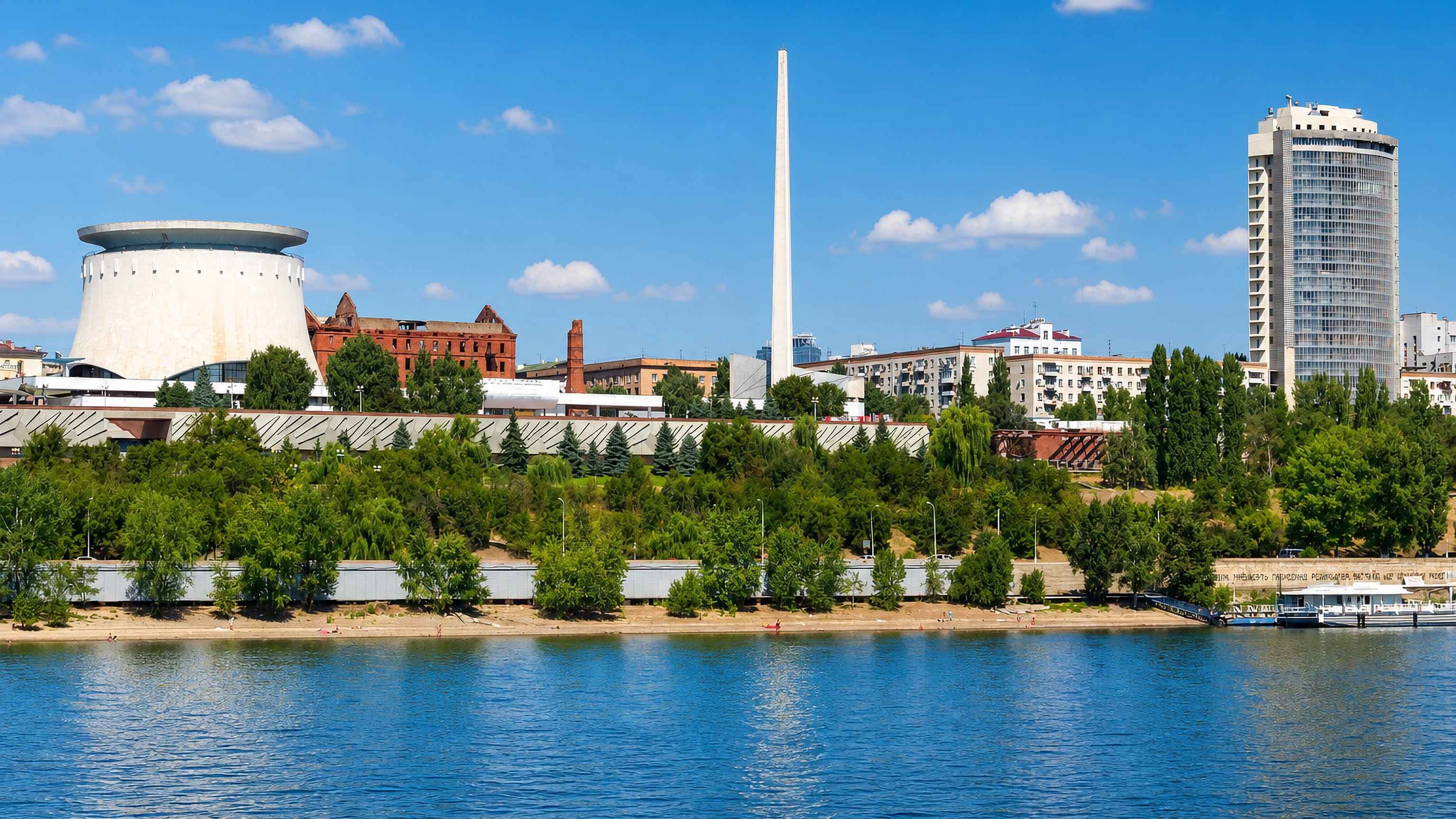
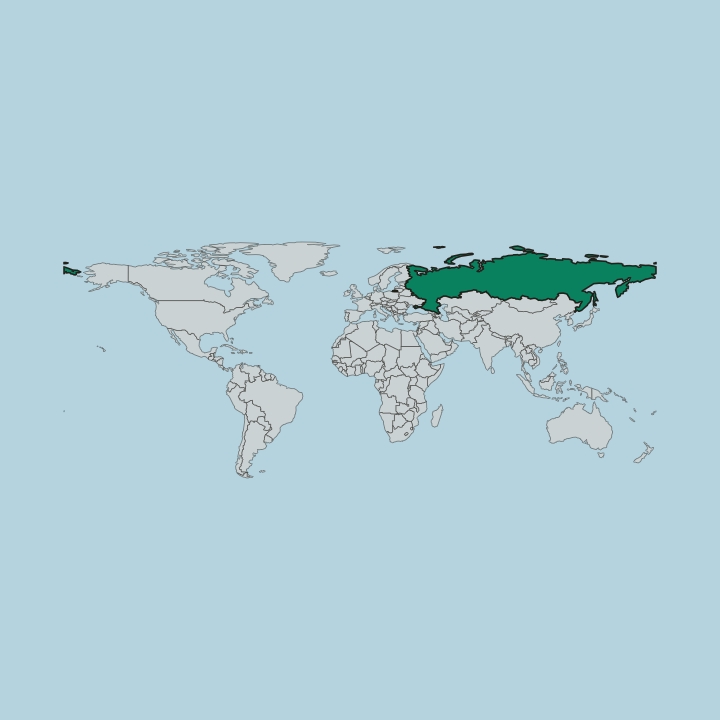
Volgograd stretches along the western bank of the Volga in Volgograd Oblast, the city once called Stalingrad.
Find your area →


Where to stay in Volgograd
Where you base yourself shapes the visit — here's the character of each area.

 VolgogradRussia
Tsentralny District
Tsentralny District is the heart of Volgograd, holding the Square of the Fallen Fighters and the Central embankment on the Volga.Tsentralny District →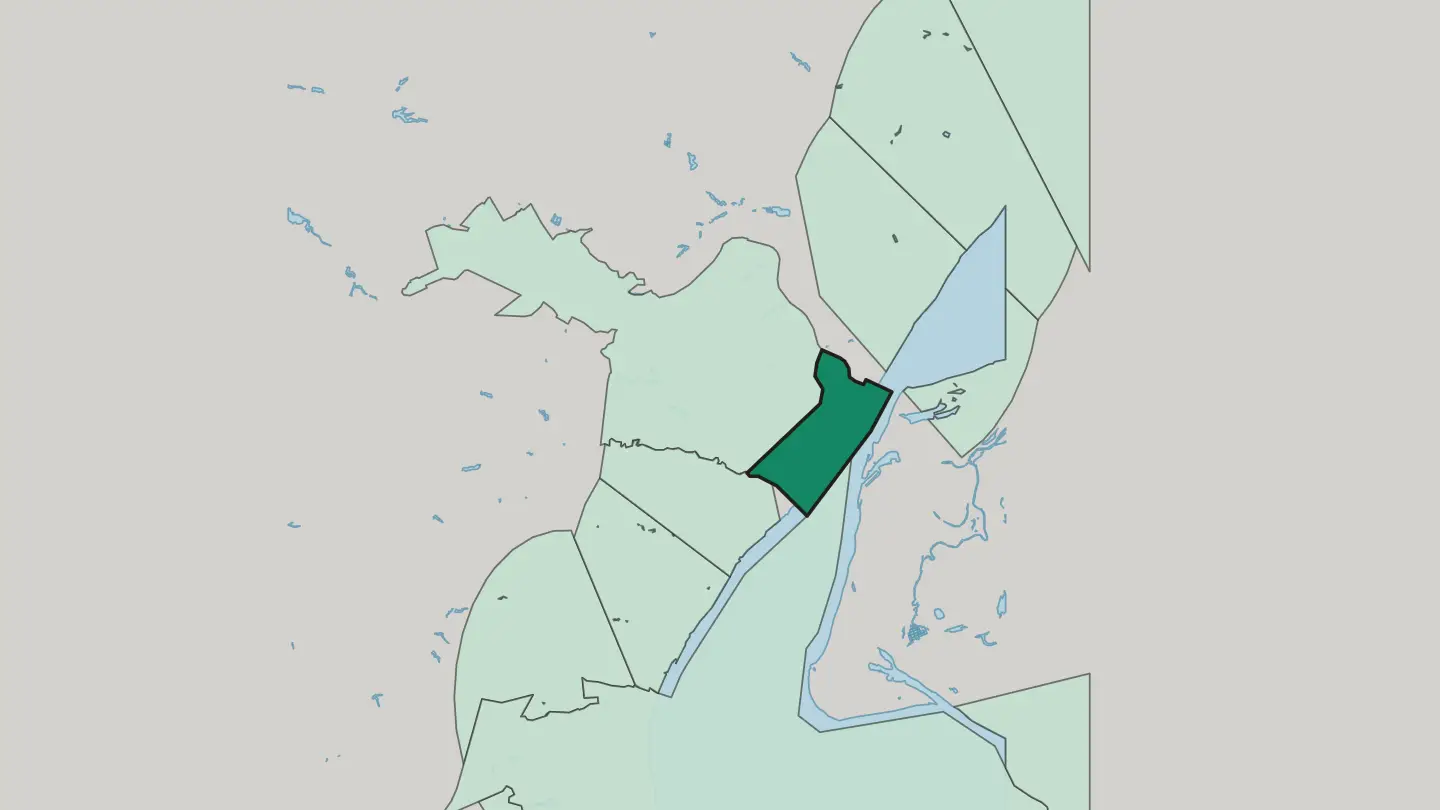
 VolgogradRussia
Voroshilovskiy District
Voroshilovskiy District is a central borough of Volgograd, built around the Railway Station Volgograd II.Voroshilovskiy District →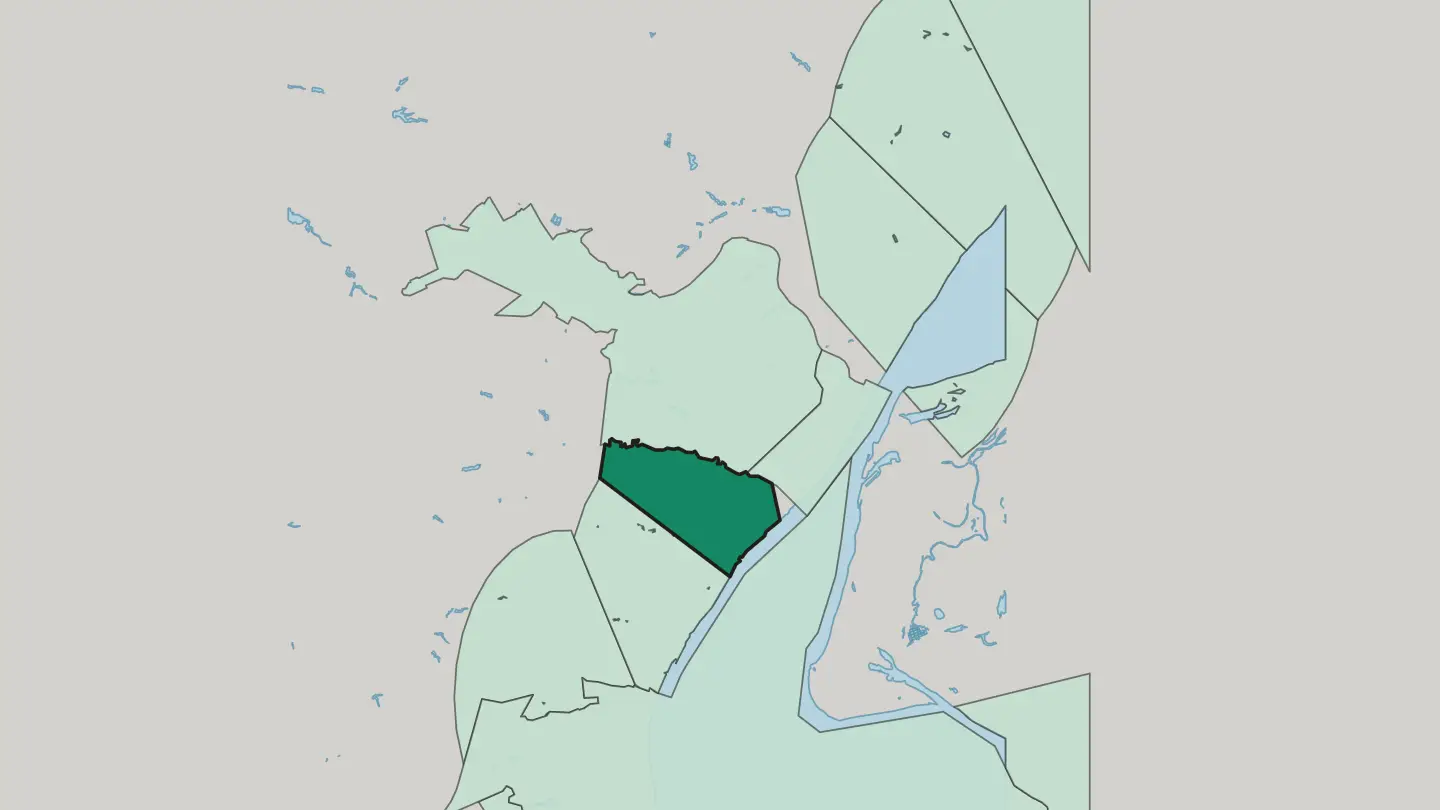
 VolgogradRussia
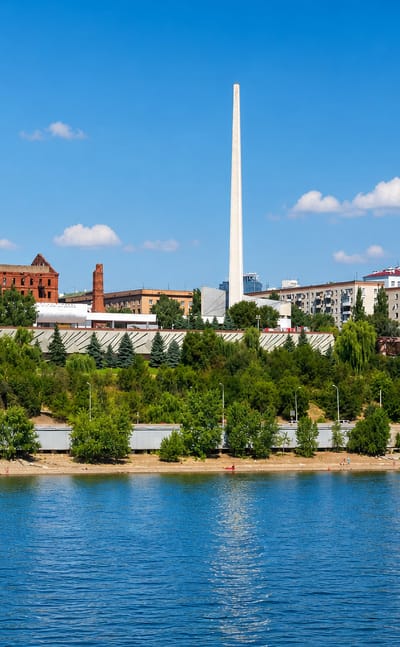
Dzerzhinskiy District
Dzerzhinskiy District is a residential borough of Volgograd, built around the site of the old Stalingrad civil aerodrome.Dzerzhinskiy District →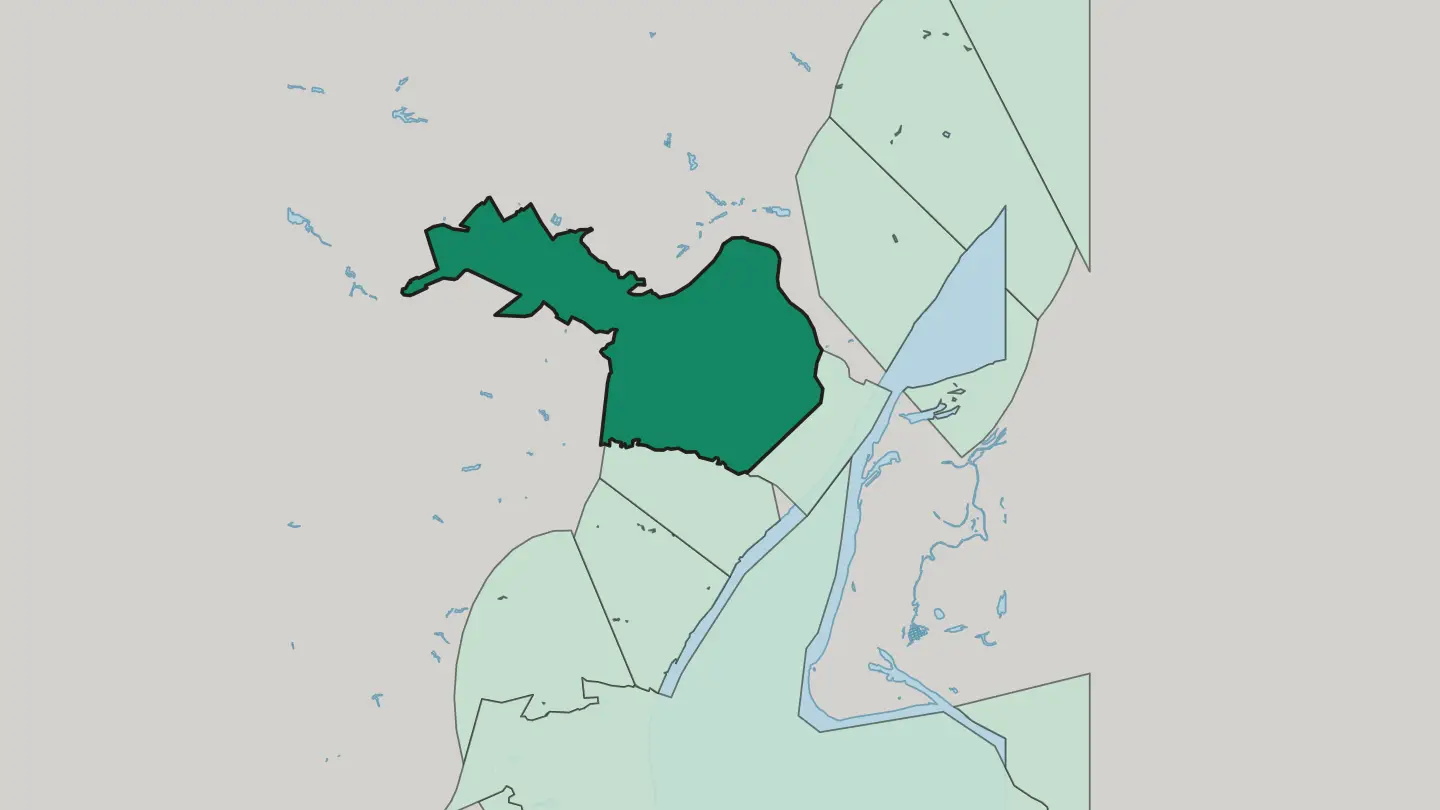 VolgogradRussia
Sovetsky District
Sovetsky District is a railway-built borough of Volgograd, grown around the Yelshanka station and the Maximov Brothers Factory.Sovetsky District →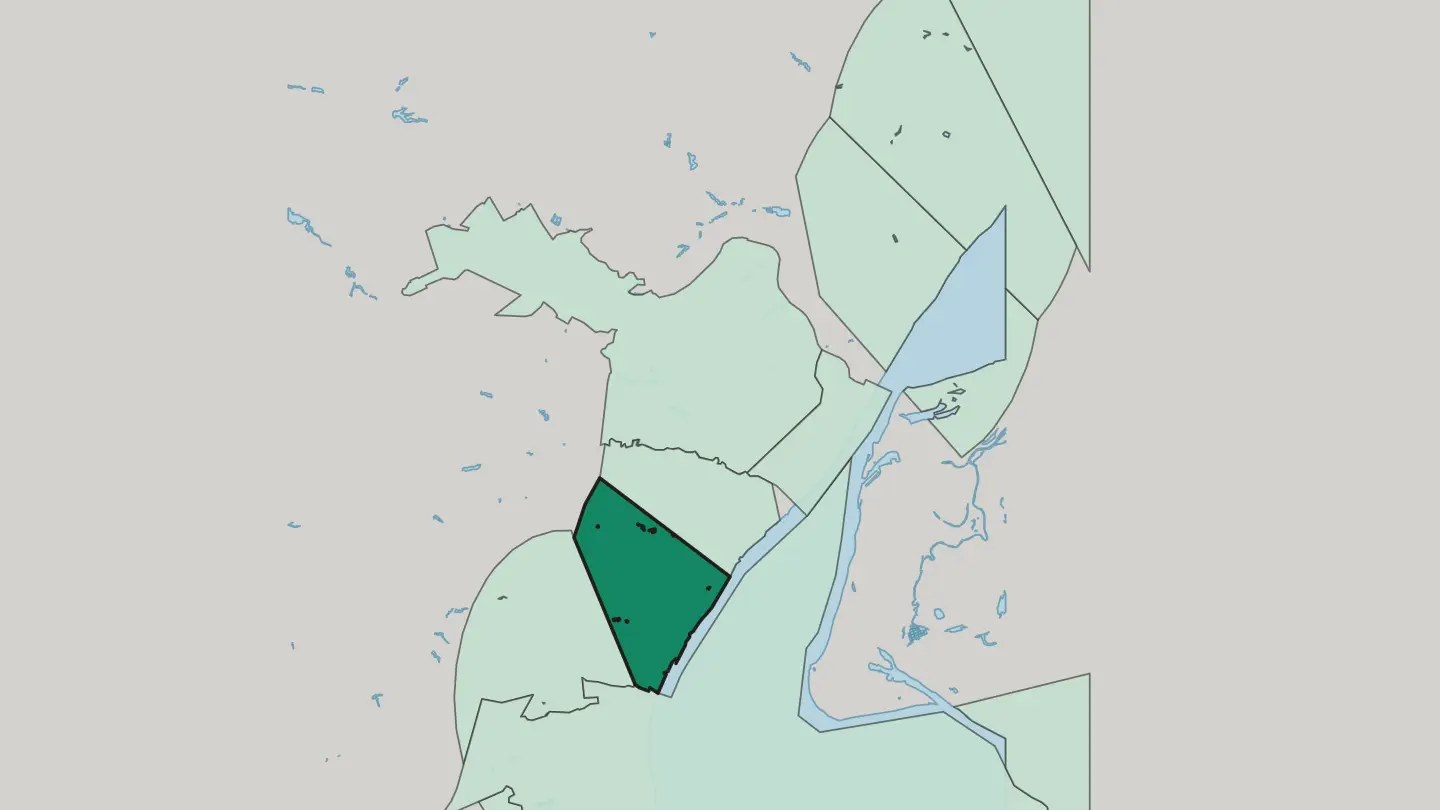
 VolgogradRussia
Krasnooktyabrsky District
Krasnooktyabrsky District is a steelworks quarter of Volgograd, built around the Red October plant and Lenin Prospekt.Krasnooktyabrsky District →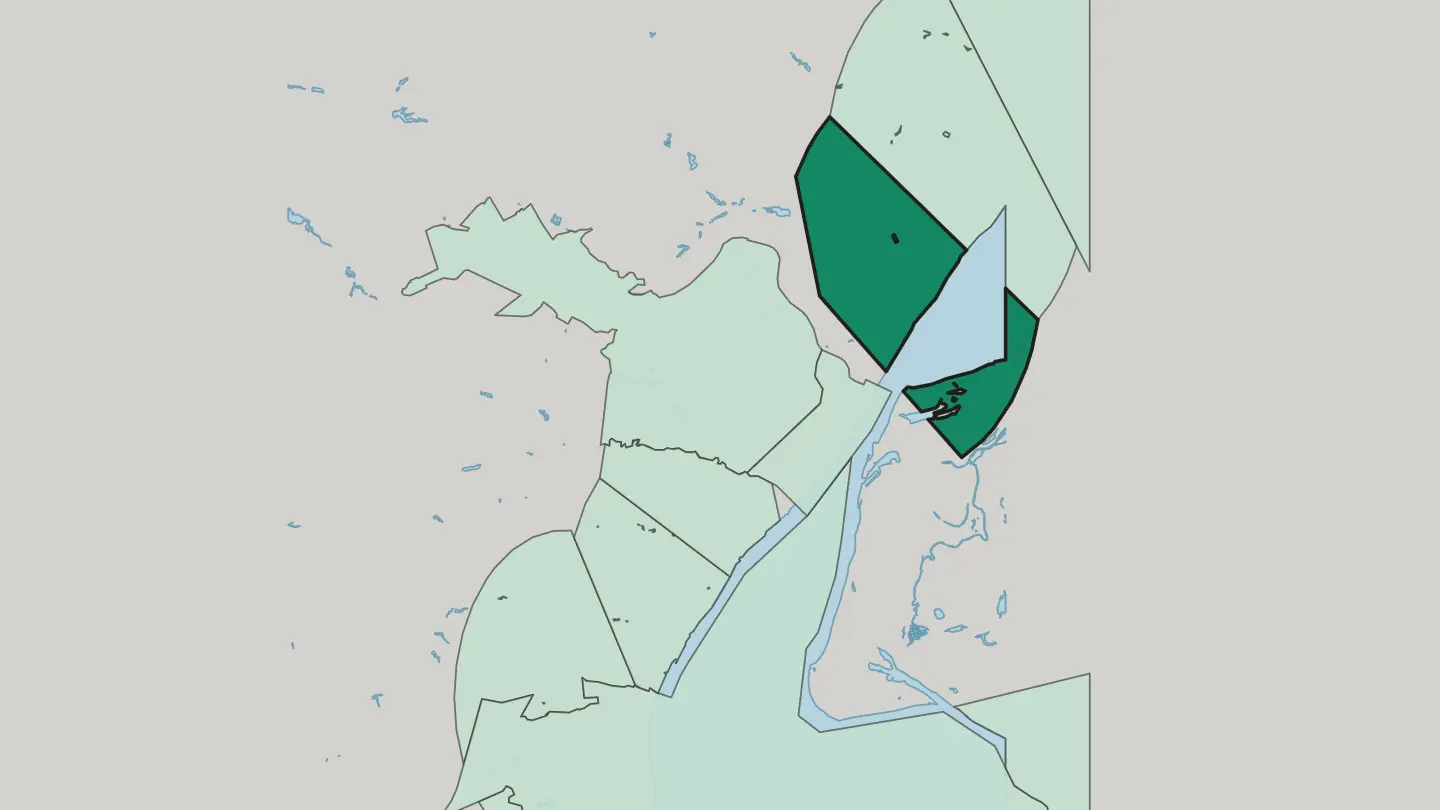
 VolgogradRussia
Gornaya Polyana
Gornaya Polyana (Горная Поляна) is a Kirovsky-district neighbourhood of Volgograd, Russia, below the Lysaya Gora ridge.Gornaya Polyana → VolgogradRussia
Traktorozavodsky District
Traktorozavodsky District (Тракторозаводский район) is the northern industrial borough of Volgograd, Russia, built around the Volgograd Tractor Plant.Traktorozavodsky District → VolgogradRussia
Kirovsky District
Kirovsky District is a district of Volgograd, Russia, with the city's oldest surviving 18th-century church.Kirovsky District →VolgogradRussiaLatoshinka
Latoshinka is a riverside neighbourhood at the northern edge of Volgograd, set above the Volga where the city thins into pines and dachas.Latoshinka →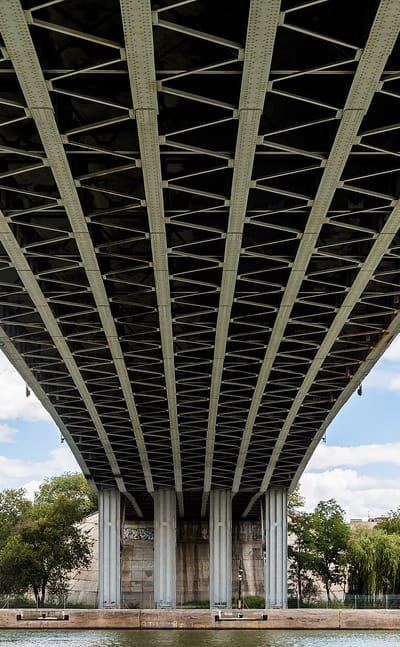 VolgogradRussia
Krasnoarmeysky District
Krasnoarmeysky District is Volgograd's southernmost borough, holding the Old Sarepta quarter and the head of the Volga-Don Canal.Krasnoarmeysky District →Things to do in Volgograd
Ranked by global recognition; descriptions from Wikidata (CC0).
Museums & Galleries
3- Volgograd Panorama Museum Heritage
- Old Sarepta Heritage
- Volgograd Museum of Fine Arts
Churches & Religious Sites
6- Kirche in Sarepta Heritage
- St. Nicholas' Church, Volgograd Heritage
- Svyato-Duhov Monastery in Volgograd Heritage
- Volgograd Synagogue Heritage
- Church of St. Paraskeva Pyatnitsa in Volgograd Heritage
Show 1 more →
- Saint Nikita Church, Volgograd Heritage
Castles & Historic Sites
8- The Motherland Calls Heritage
- Monument to Lenin at the entrance of the Volga-Don canal Heritage
- Monument to Mikhail Panikakha in Volgograd Heritage
- Gasitel Heritage
- Sukhaya Mechetka Heritage
Show 3 more →
- Monument to the 10th NKVD Division in Volgograd Heritage
- BK-13 Heritage
- Monument to Dzerzhinsky in Volgograd Heritage
Stadiums & Sports
2- Monolit Stadium Heritage
- Dinamo Stadium, Volgograd Heritage
Landmarks & Notable Places
8- Volgograd railway station Heritage
- Volgograd Grain Elevator Heritage
- Square of the Fallen Fighters Heritage
- Volgograd Planetarium Heritage
- State New Experimental Theatre Heritage
Show 3 more →
- Volgograd Municipal Institute of Arts Heritage
- Fire tower no.1 of Tsaritsyn Heritage
- The hotel Volgograd Heritage
worth knowingacross 5 categories in Volgograd
About Volgograd
What is Volgograd known for?
Volgograd is known as the city once called Stalingrad, stretched along the western bank of the Volga. The river runs beside it. Scene of the Battle of Stalingrad in the Second World War, one of the bloodiest battles of that war, the city keeps that memory at Mamayev Kurgan above the Volga.
Volgograd is the largest city of Volgograd Oblast.
What are the main landmarks in Volgograd?
Volgograd gathers its landmarks along the western bank of the Volga. The war marks them. Mamayev Kurgan rises over the city as its great memorial, while the Volgograd Panorama Museum and the Square of the Fallen Fighters stand in the centre and the Volgograd Museum of Fine Arts holds its collections nearby.
The Volga runs below.
What is the history of Volgograd?
Volgograd was founded in 1589 as Tsaritsyn, a fortress town on the western bank of the Volga. The river guarded it. It grew along the water as a trading and military post, and in 1925 it was renamed Stalingrad, the name it carried through the decades that followed.
As Tsaritsyn it stood as a frontier fort on the lower river, watching the crossing where trade moved along the Volga. The town rose on the Volga. The Second World War brought the city its hardest chapter.
War came to the Volga. The Battle of Stalingrad was fought here, one of the most important and bloodiest battles of that war, and much of the city was destroyed before it was rebuilt along the river. Mamayev Kurgan stands over it as the great memorial to that battle.
The rebuilt city rose again along the western bank, wider and longer than before, stretched out for miles beside the Volga. In 1961 the city took the name Volgograd, after the river that runs past it. It became the largest city of Volgograd Oblast and one of the great cities of the Volga within the Southern Federal District.
The past still marks the city.
Where is Volgograd?
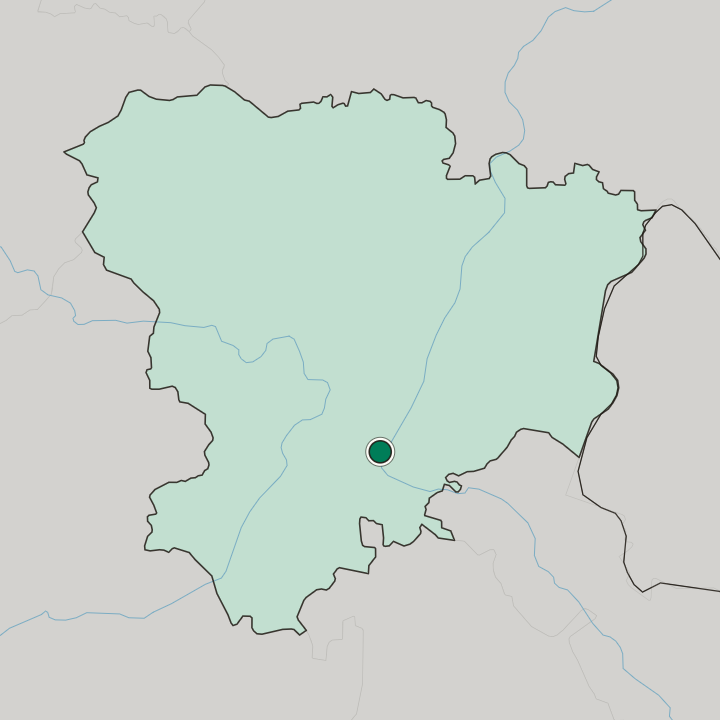
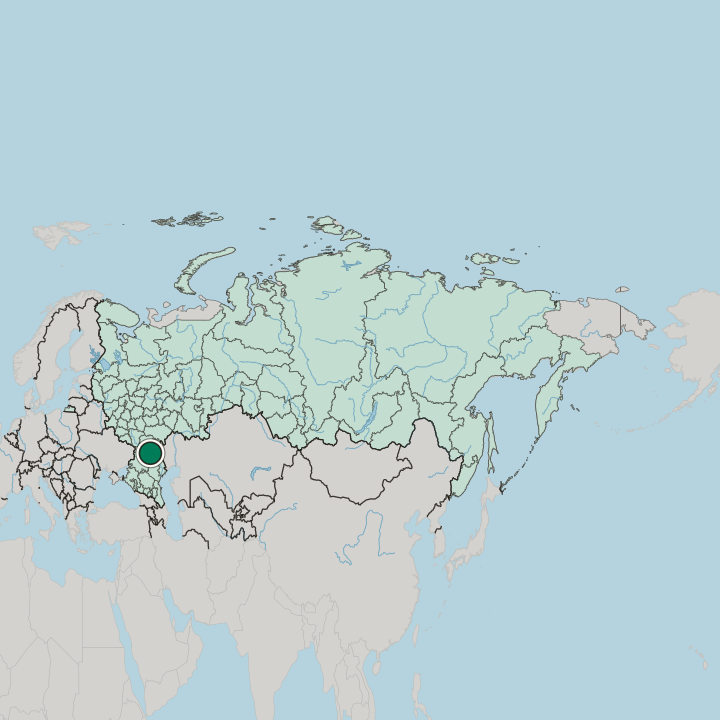
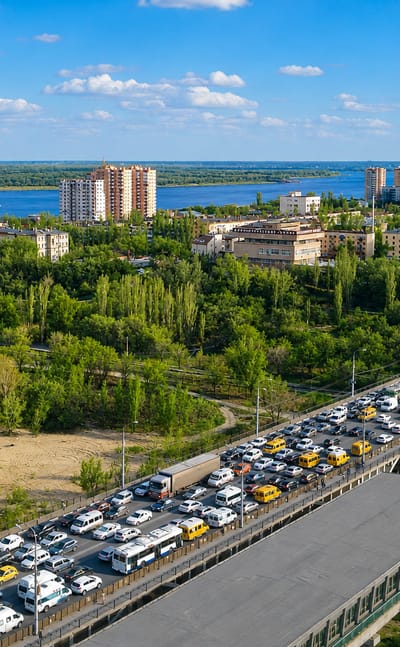
Volgograd lies on the western bank of the Volga in Volgograd Oblast, stretched out along the river in the Lower Volga. The river shapes the city. Volgograd runs for miles down the bank rather than spreading inland, a long, narrow city following the Volga through the Southern Federal District of the Russian Federation.
What is the climate of Volgograd?
Volgograd has a dry continental climate set by its place on the Lower Volga far inland. Summers scorch the city. Winters turn cold and windy along the river, summers run long, hot, and dry over the western bank, and rain stays scarce through much of the year in this inland city on the Volga.
How do you get to Volgograd?
Volgograd is reached by air, by rail, and by river along the Volga. Routes meet on the bank. Flights land at the city's airport, trains run in to the Volgograd railway station, and road and river routes follow the Volga through Volgograd Oblast and out across the wider Russian Federation.
Good for
More cities in Volgograd Oblast
Updated October 2026