Sweden
Södermanland County, Sweden — Towns & Travel Guide
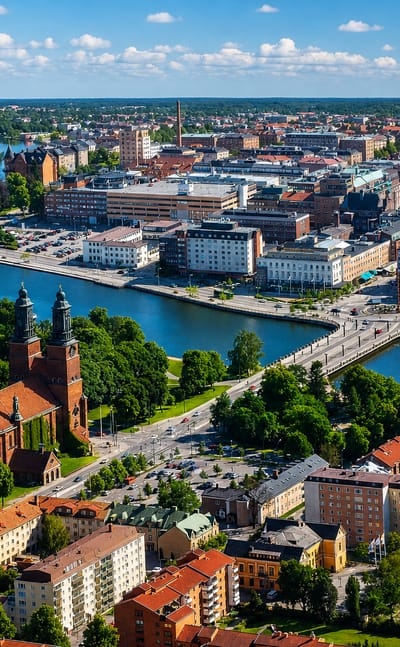
Södermanland County is a region of lakes and manor estates south of Lake Mälaren, with Nyköping as its capital and Eskilstuna its largest city.
Hotel links are affiliate links: booking through them may earn us a commission, at no extra cost to you. It never affects how places are ranked. How this works


Towns & cities in Södermanland County
Pick a town or city — each links to where to stay.
 Sweden
Eskilstuna
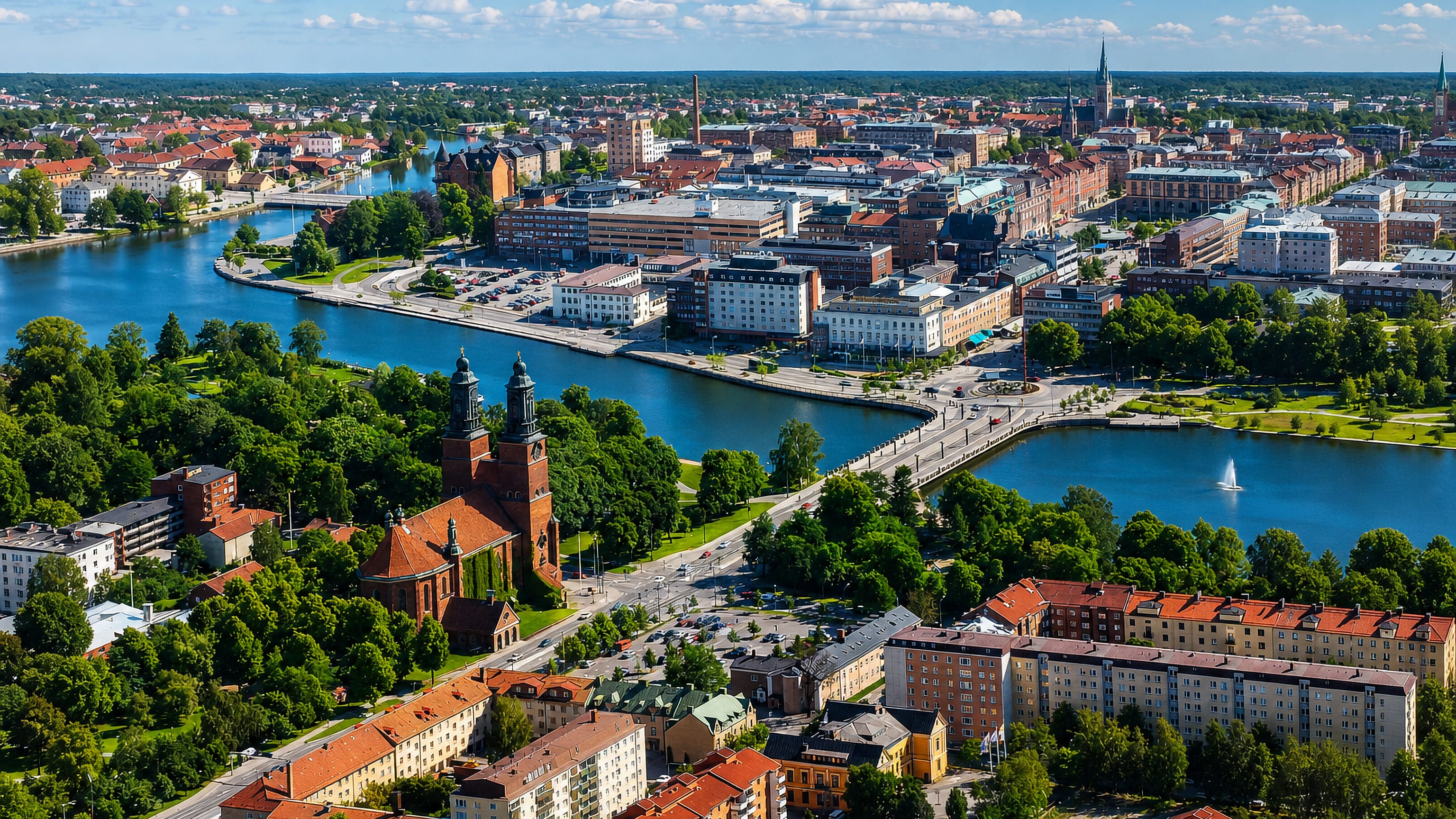
Eskilstuna is an old smithing city in northern Södermanland, set on the Eskilstunaån between Lake Hjälmaren and Lake Mälaren.Where to stay →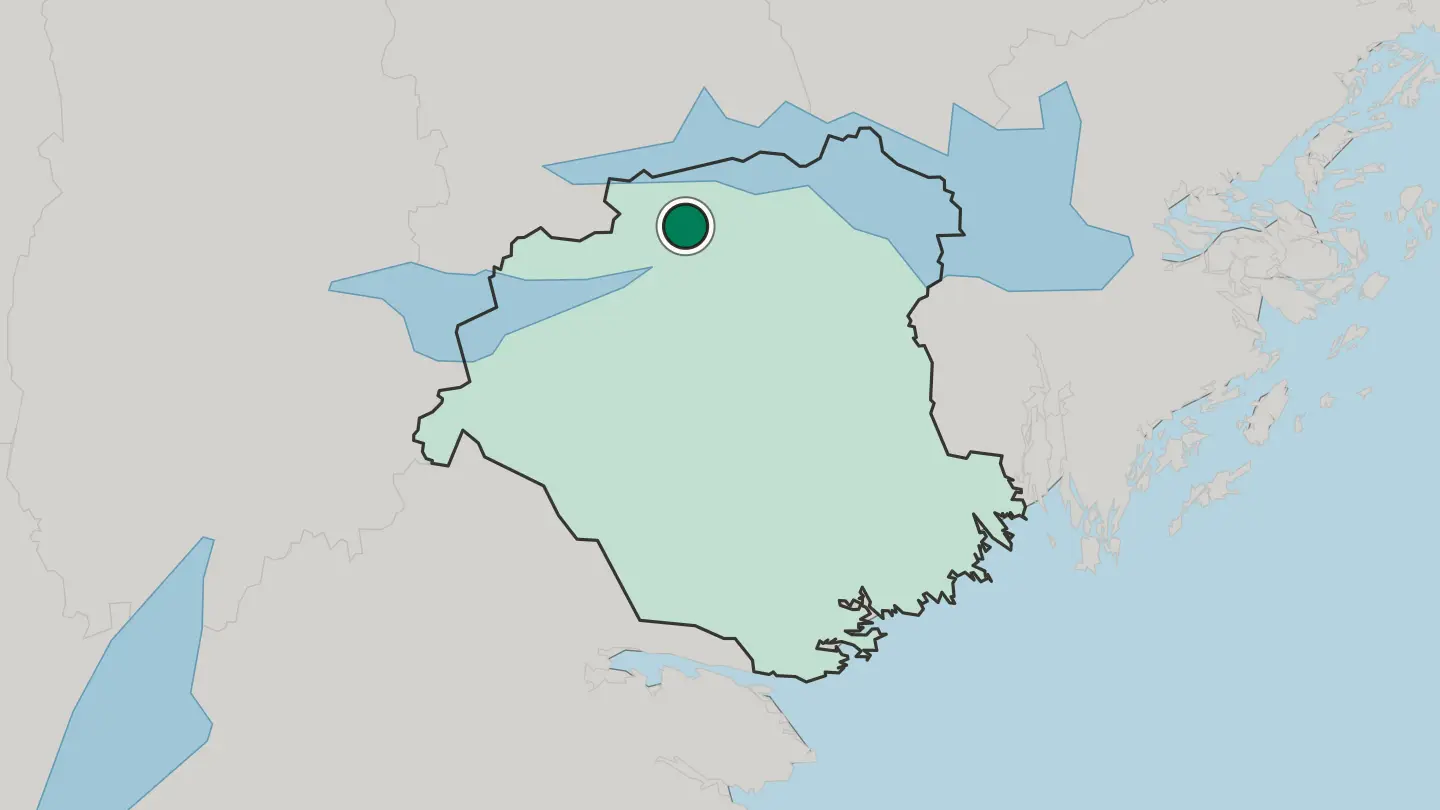
 Sweden
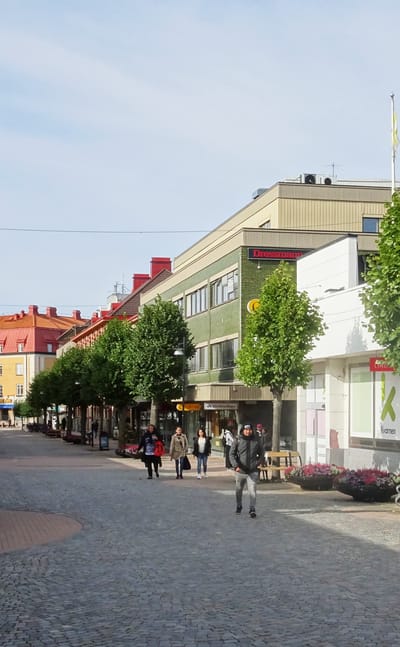
Nyköping
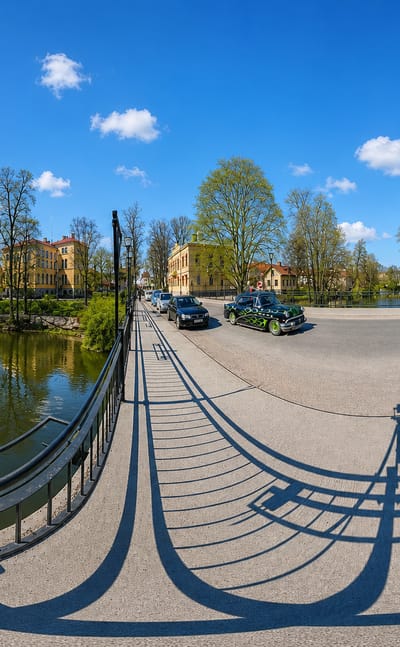
Nyköping is the county seat of Södermanland, on the Baltic coast of eastern Sweden, where the Nyköpingsån reaches the sea below an old royal castle.Where to stay →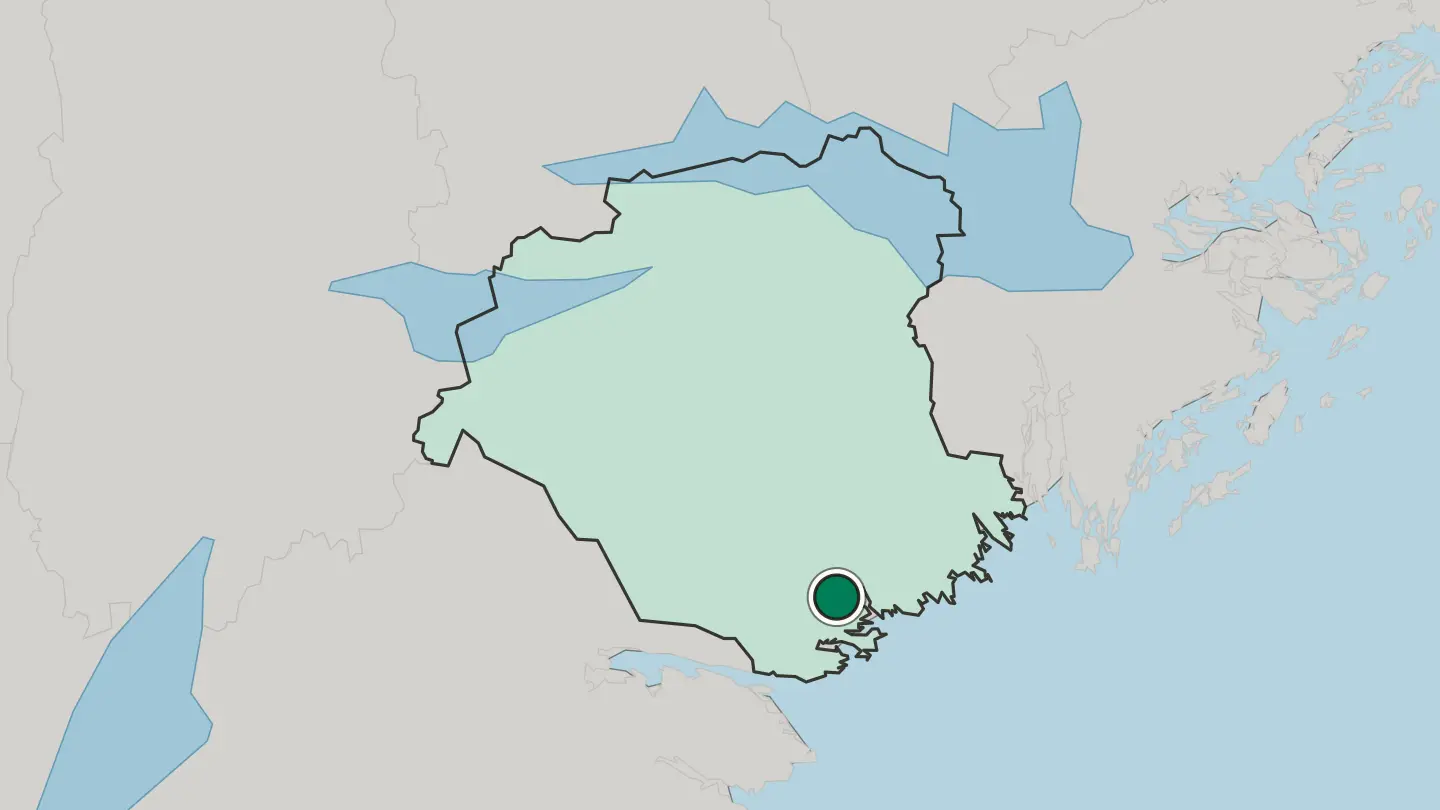
 Sweden
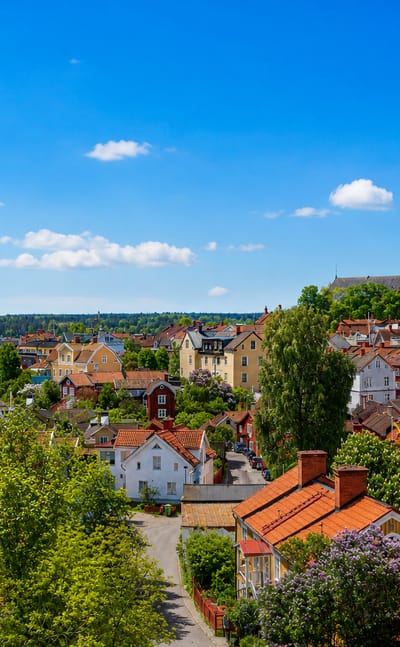
Katrineholm
Katrineholm is a railway town in the north-western part of Södermanland County, in central Sweden, set on the main line between Stockholm and Göteborg.Where to stay →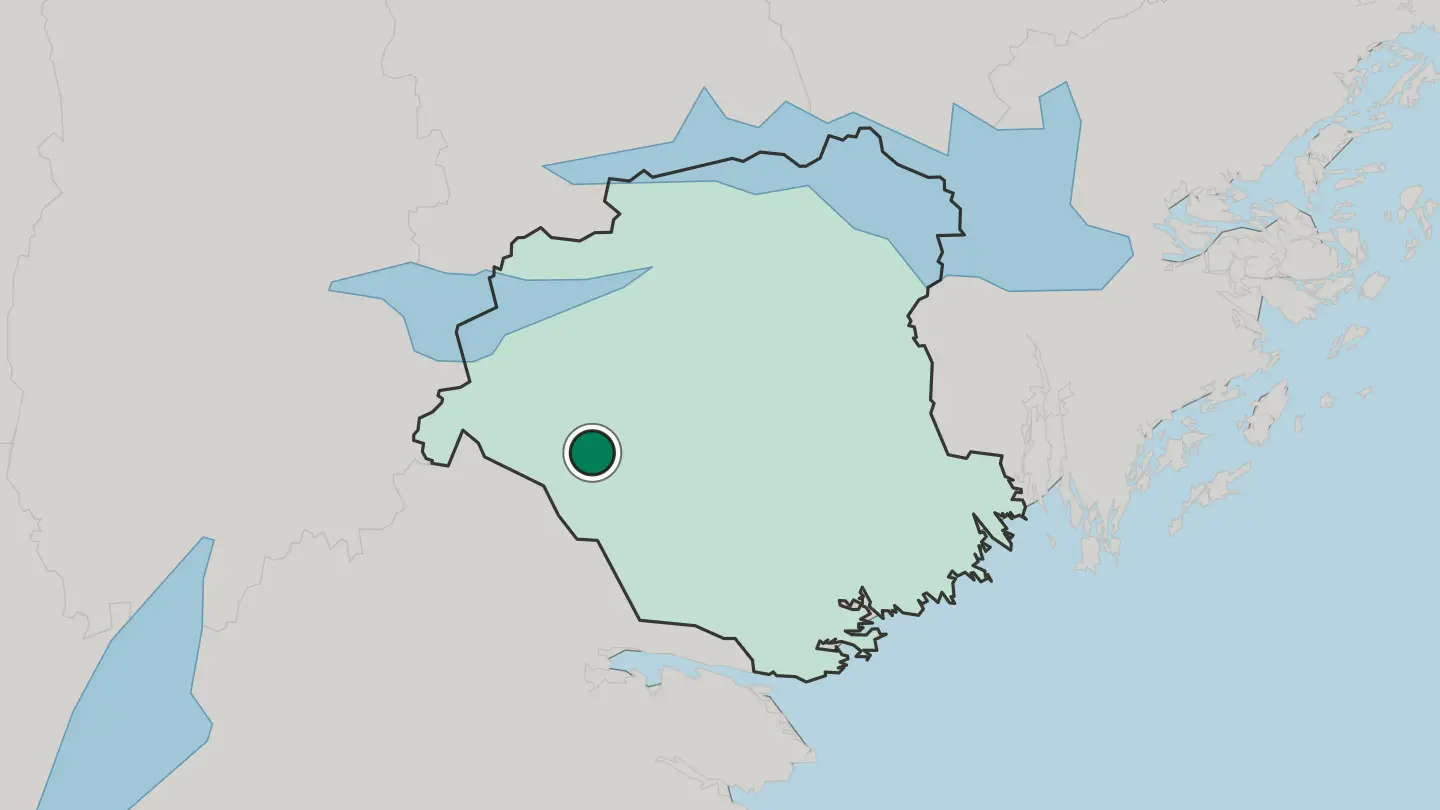
 Sweden
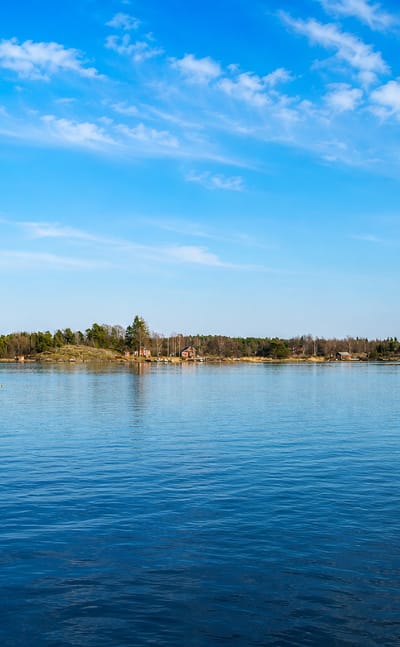
Strängnäs
Strängnäs is a cathedral city on Lake Mälaren, in the north-eastern part of Södermanland County, in eastern Sweden.Where to stay →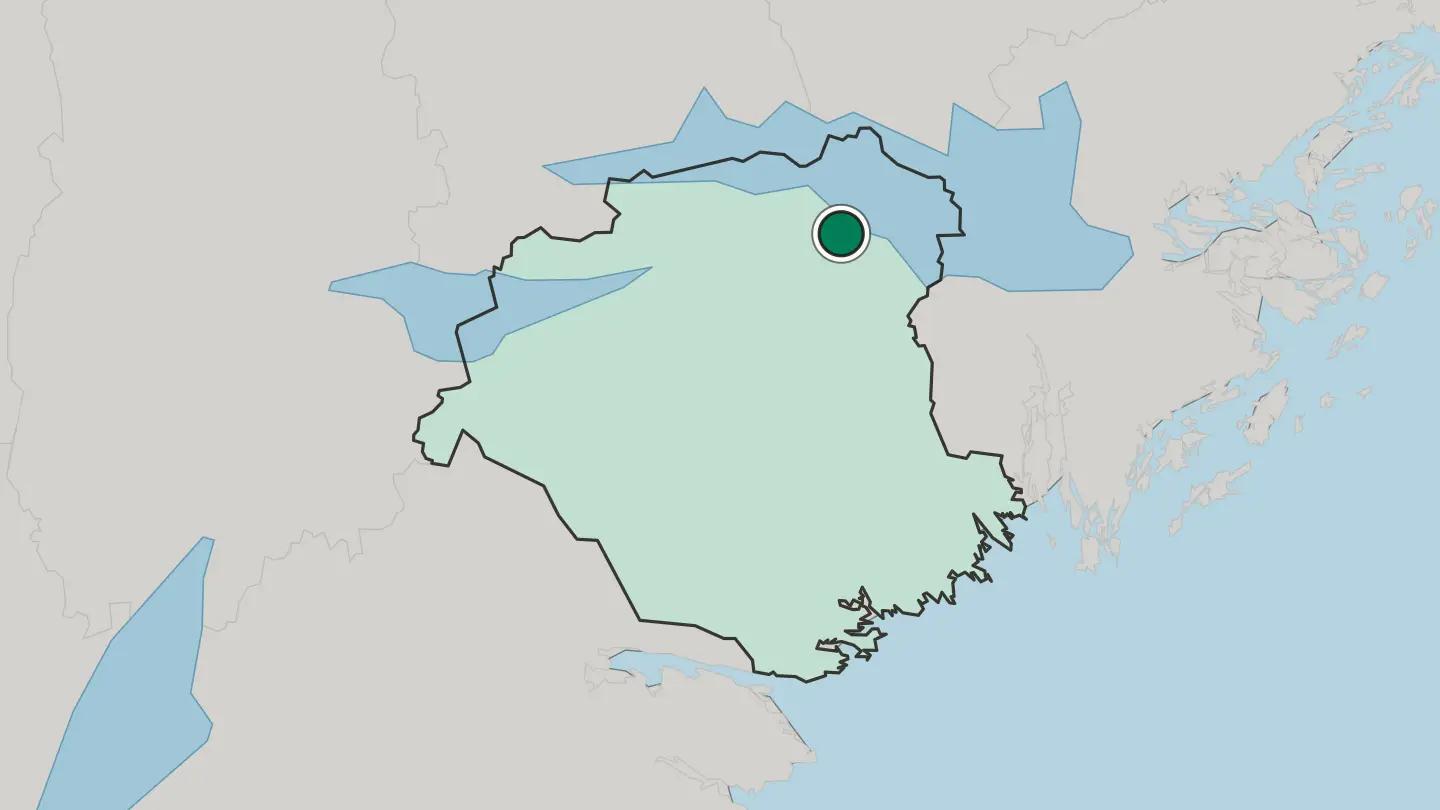
 Sweden
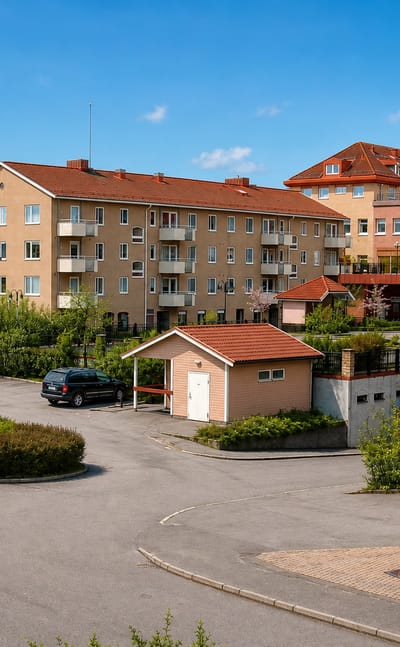
Oxelösund
Oxelösund is a port and steel town on the Baltic coast of Södermanland, in eastern Sweden, at the southern tip of the county.Where to stay →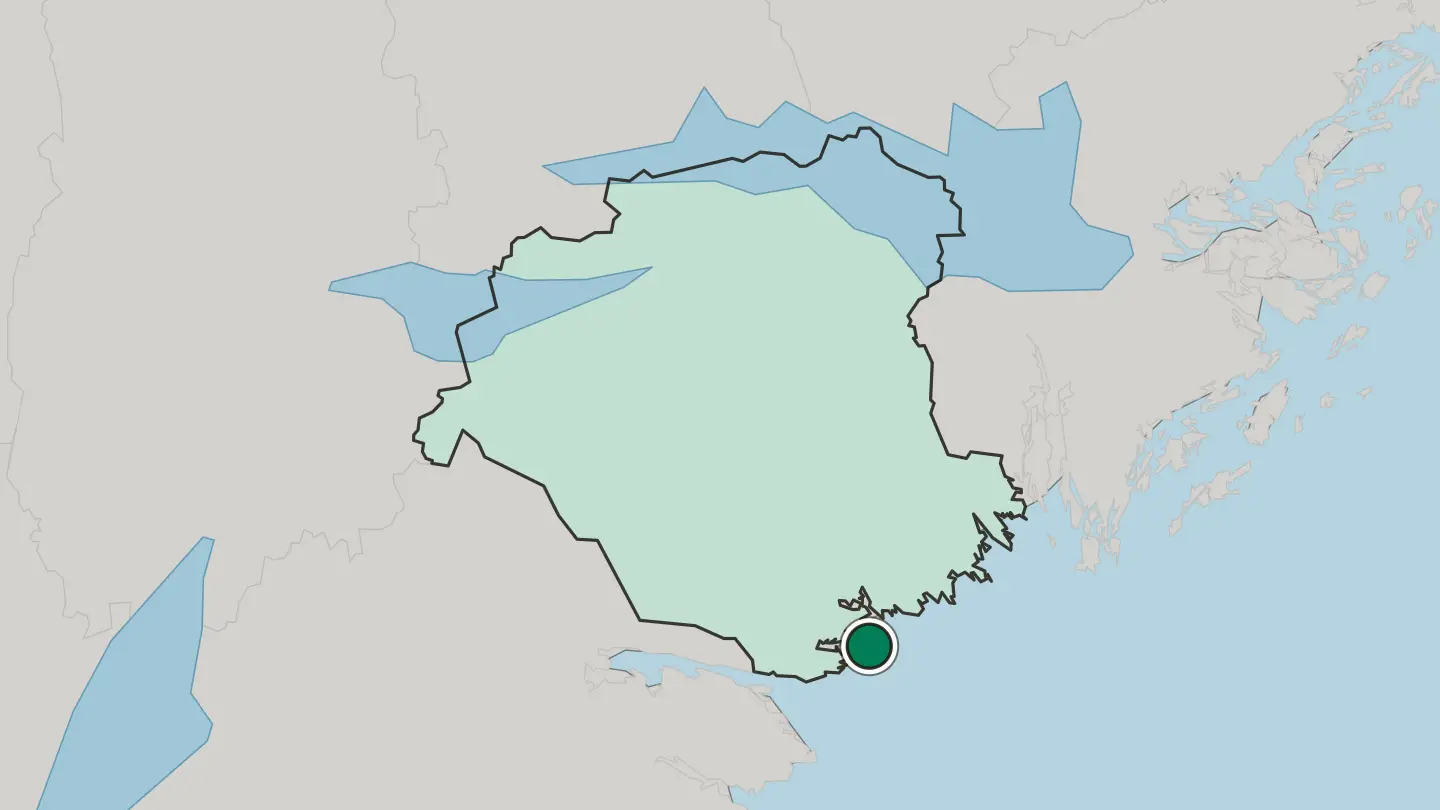
 Sweden
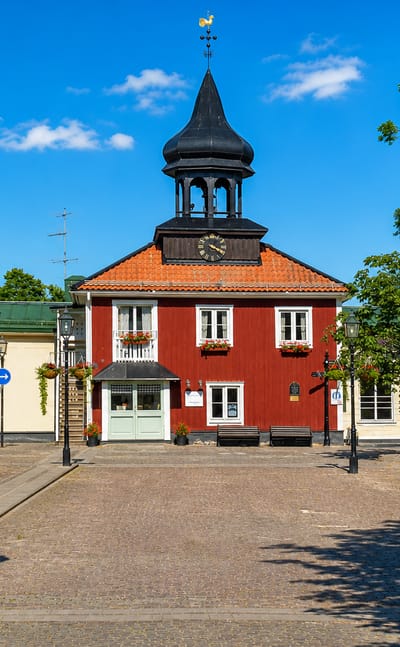
Flen
Flen is a railway town in the north-western part of Södermanland County, in eastern Sweden, where several lines meet on the flat farming country.Where to stay →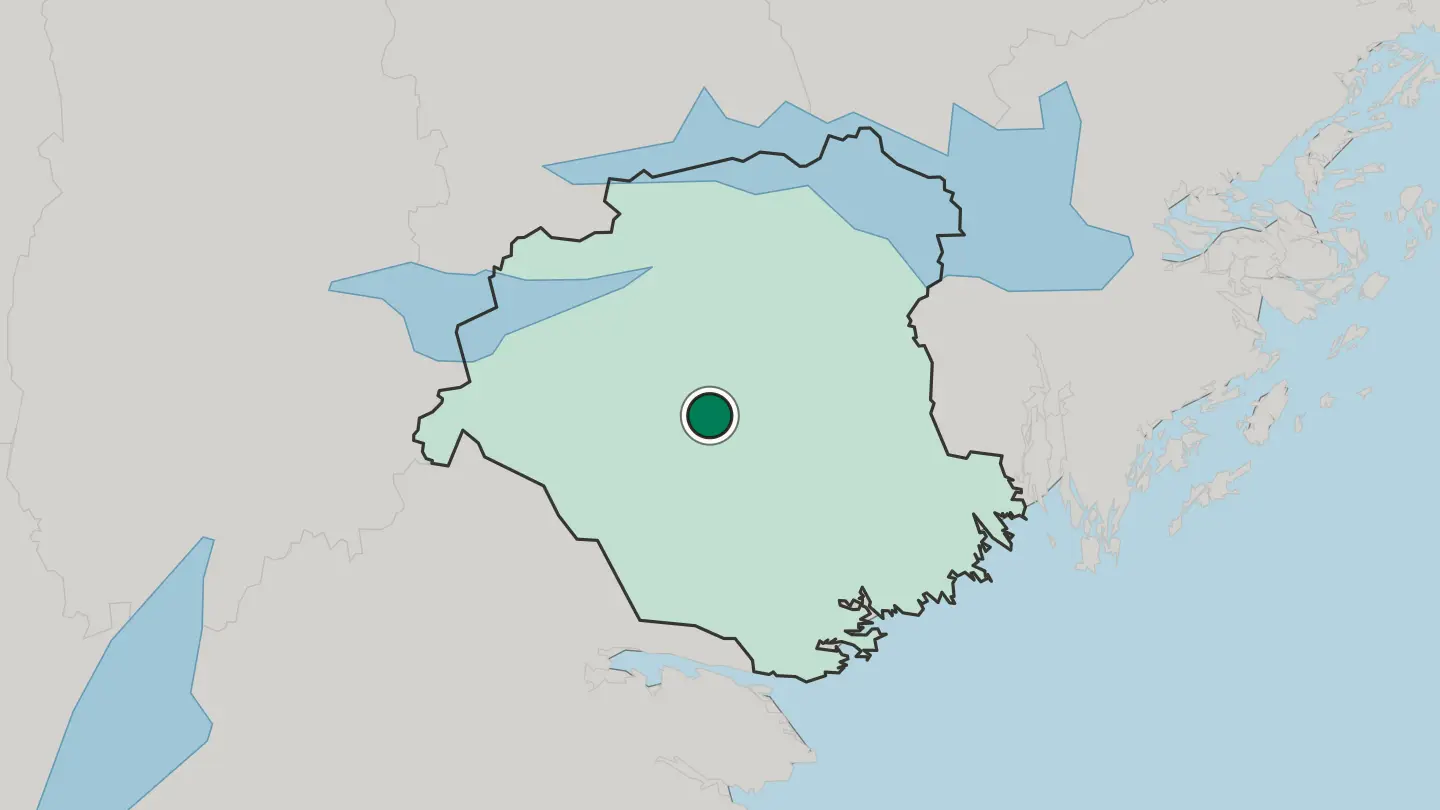
 Sweden
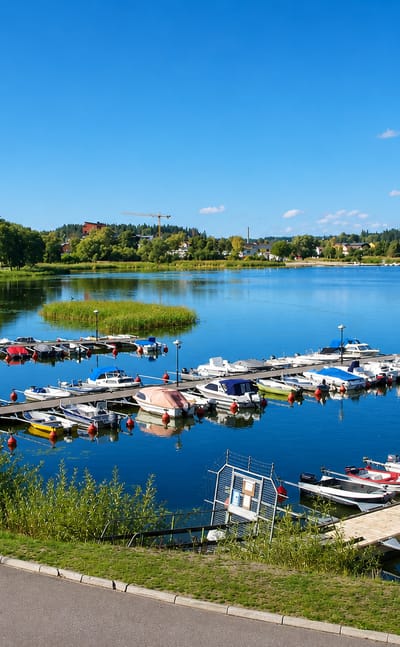
Trosa
Trosa is a small coastal town in north-eastern Södermanland County, on the Baltic shore south of Stockholm.Where to stay →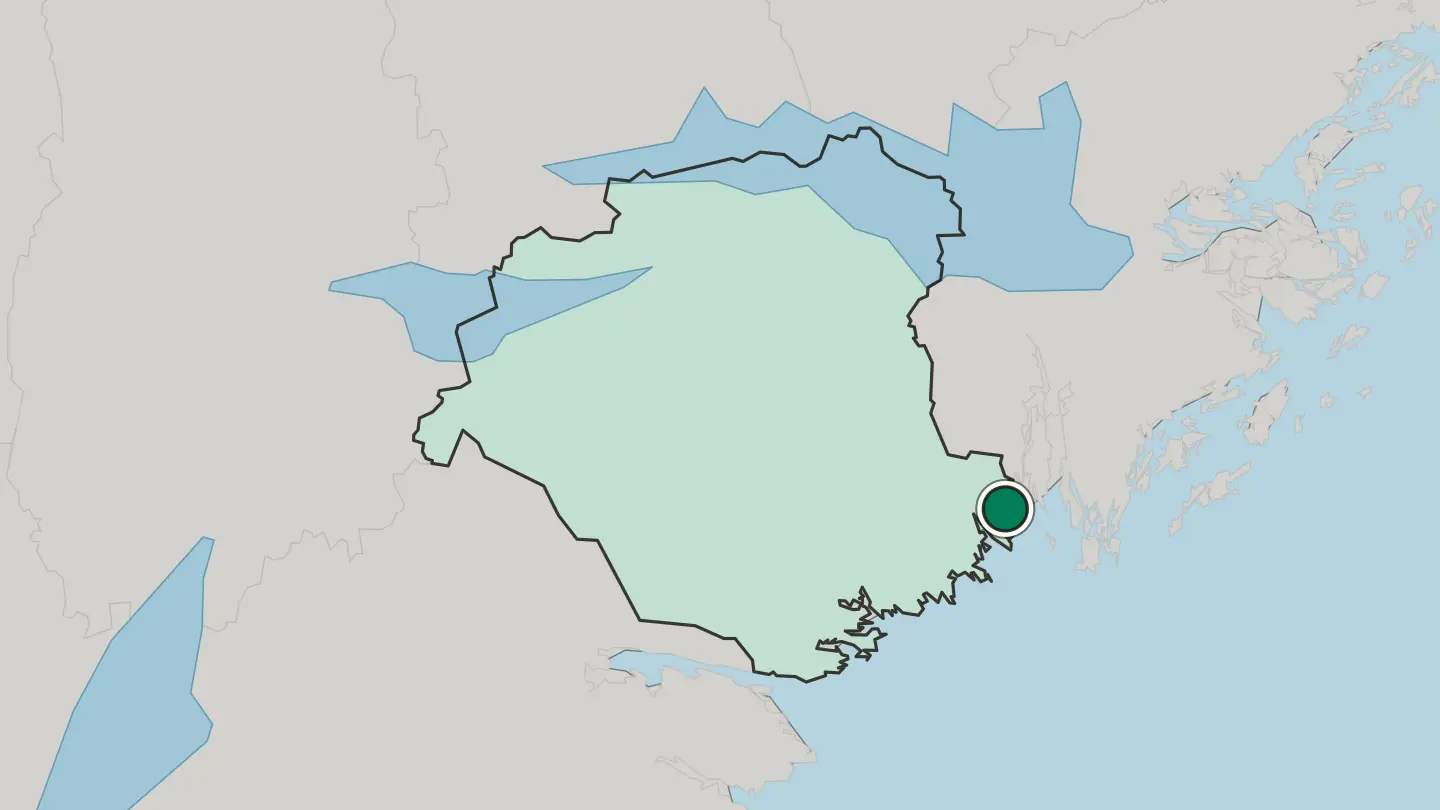
 Sweden
Gnesta
Gnesta is a small town in the north-eastern part of Södermanland County, in eastern Sweden, set among lakes and forest near the Stockholm railway.Where to stay →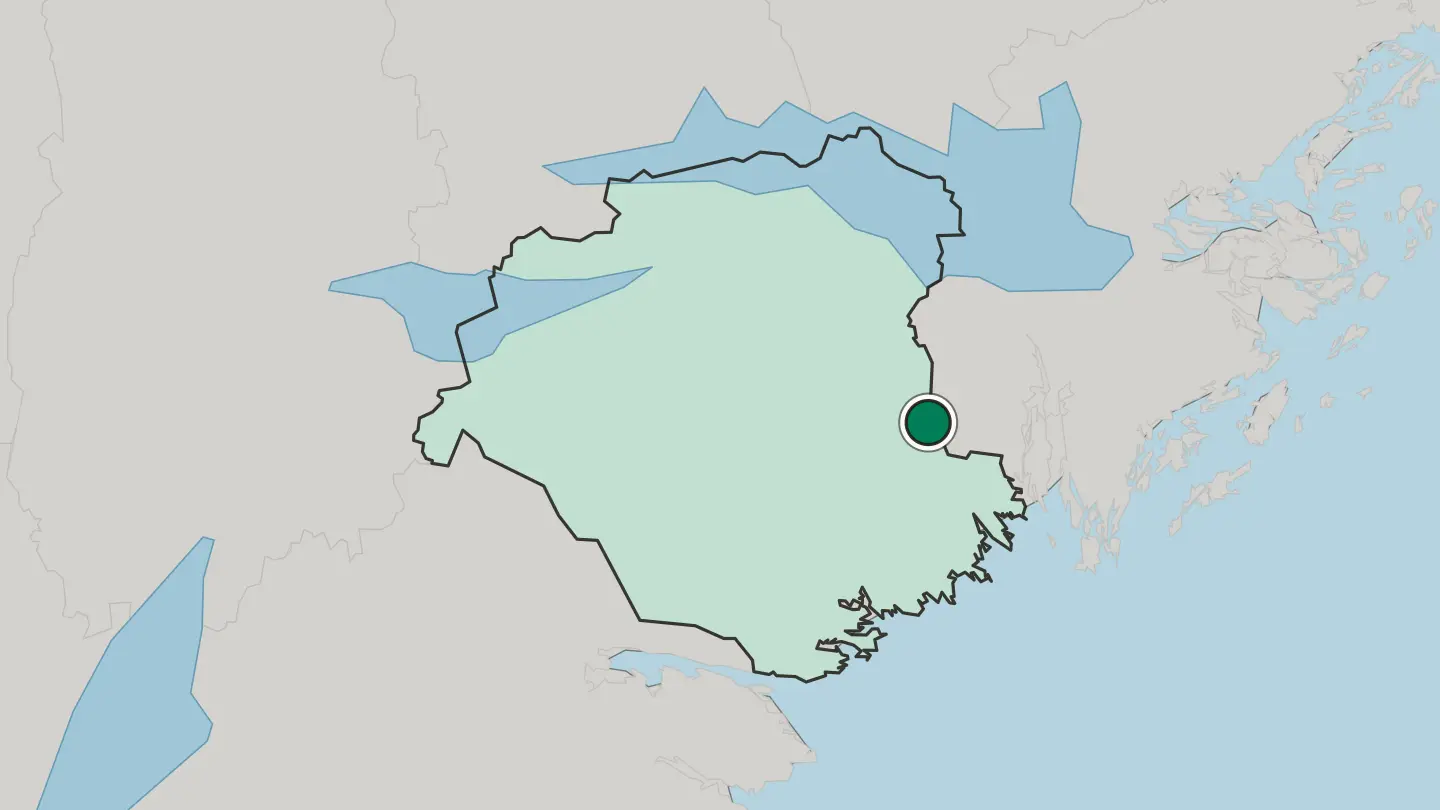
All towns & cities (9)
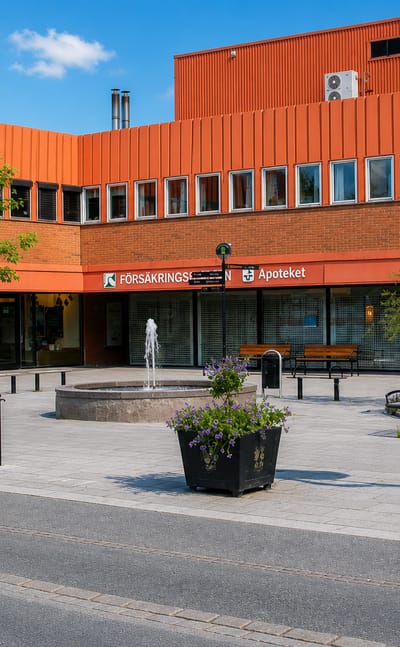 Sweden
Vingåker
Vingåker is a small town in north-western Södermanland County, the seat of its municipality on the plain west of Katrineholm.Where to stay →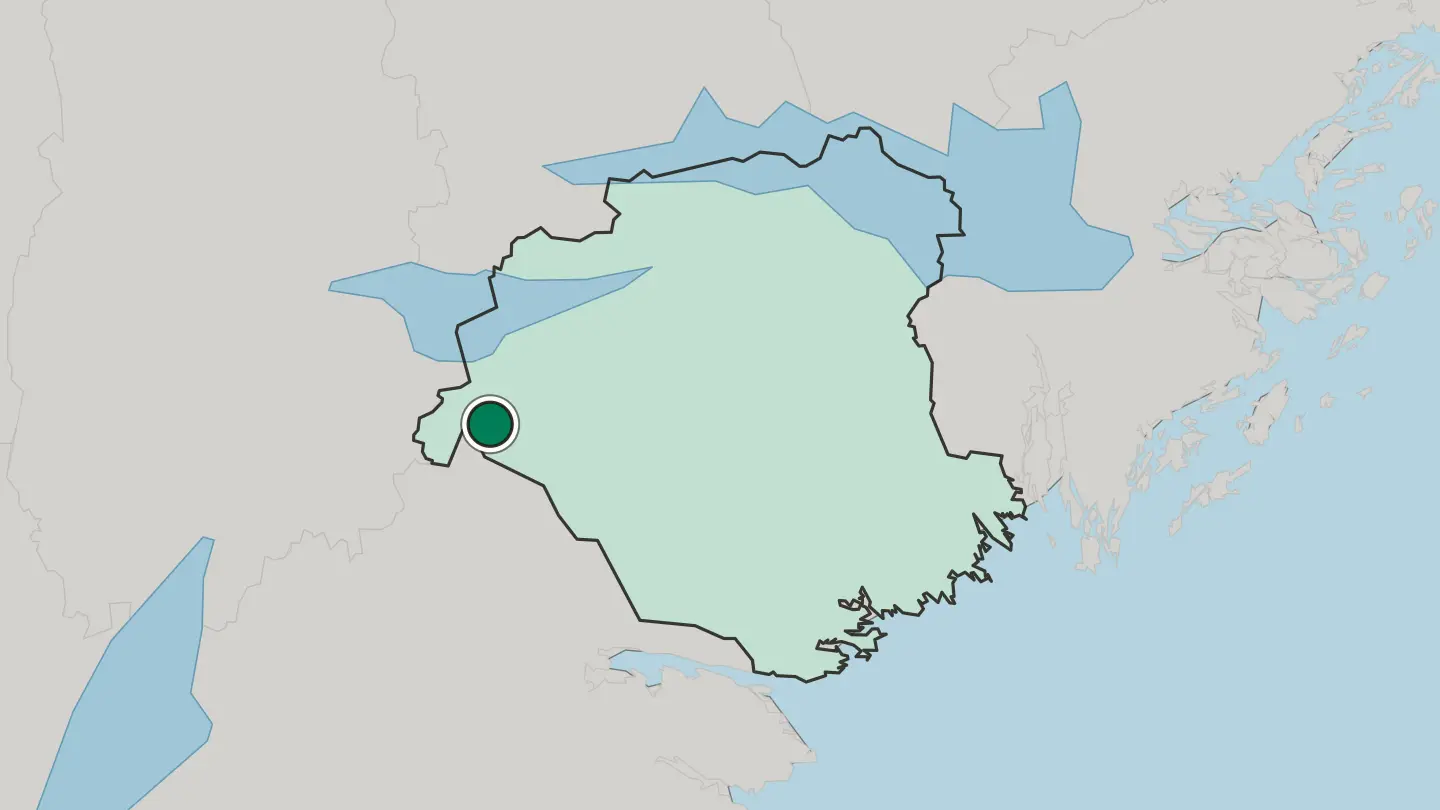
Hotel links are affiliate links: booking through them may earn us a commission, at no extra cost to you. It never affects how places are ranked. How this works
About Södermanland County
Södermanland is known for its castles and water.
What is Södermanland County known for?
The county wraps the southern shore of Lake Mälaren with grand estates, the cathedral town of Strängnäs, and the royal castle of Gripsholm at Mariefred, while the Baltic coast frays into a wide archipelago of skerries and bays. Eskilstuna grew on metalwork. Kolmården holds a famous wildlife park.
People know it for manor houses, lakes, and an easy reach from the capital.
Where is Södermanland County?
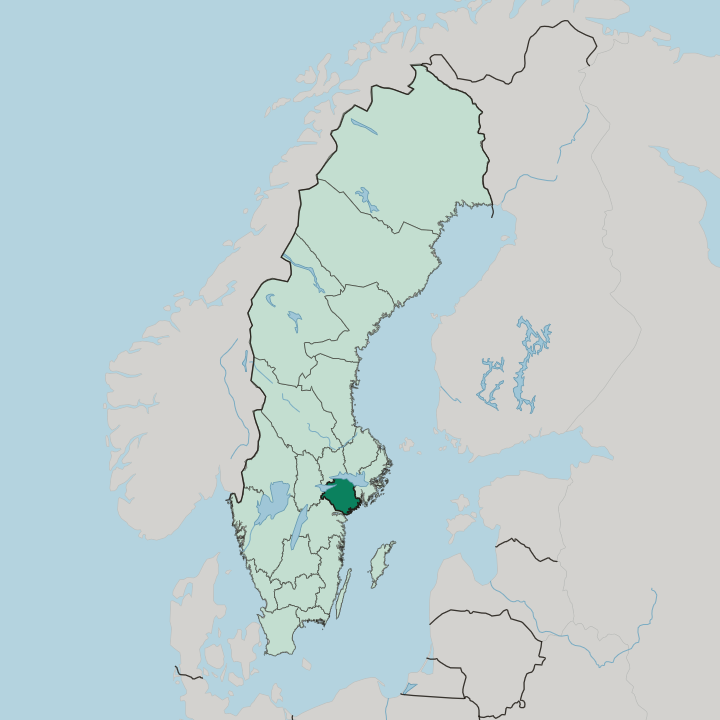
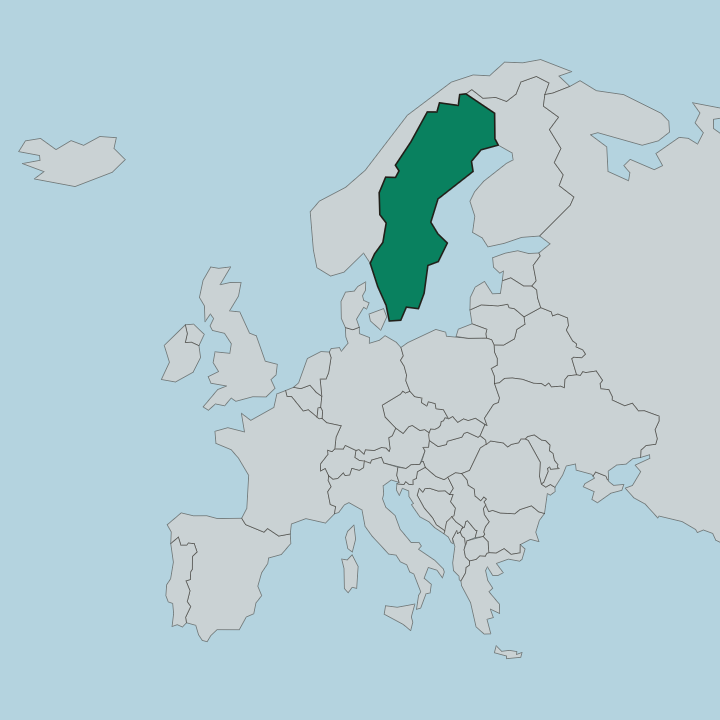
Södermanland lies in eastern Sweden, a county of low hills, lakes, and forest set between the great Lake Mälaren in the north and the Baltic in the south-east. The land rolls in a soft patchwork of farm fields, woods, and water, dropping to a long and broken coast where the southern reaches of the Stockholm archipelago scatter into skerries, sounds, and quiet bays along the shore. Mälaren washes its northern edge.
Hjälmaren spreads in the west. The two great lakes frame the county, with the river at Eskilstuna linking them, and a network of smaller lakes and valleys filling the rolling country in between. The province sits just south-west of Stockholm, an easy reach from the capital by road and rail.
Its coast is wide and sheltered. Estates, manor parks, and old market towns dot the lakeshores and the inland valleys across the gentle land.
What is Södermanland County like?
Södermanland is a land of manors and old churches. The fertile country around Lake Mälaren drew the crown and the nobility for centuries, and the result is one of the richest concentrations of castles, manor estates, and great parks in Sweden, set among medieval churches and rune stones. Strängnäs holds an old cathedral.
The past lies close to the surface here. The county also carries a strong craft and industrial tradition, above all at Eskilstuna, long known as a town of smiths and steel. Folk customs, lake fishing, and the rhythm of the farming year shape the country districts, while the coastal towns like Trosa keep their old wooden charm.
Gripsholm Castle guards a fine art collection. Manor gardens, archipelago life, and a calendar of summer fairs and festivals carry the culture forward across the gentle, water-laced province.
What is the history of Södermanland County?
Södermanland is old farming and noble country. Rune stones and medieval churches mark a land settled deep in the Viking age, and the fertile shores of Lake Mälaren later drew the crown and the great noble families to build their castles and estates. The county was formed in the seventeenth century.
Eskilstuna rose as a town of smiths and ironwork, while Nyköping, with its riverside castle, served as a royal seat and the scene of a famous medieval banquet and betrayal. Manors, churches, and old towns carry that long story still.
What is the climate of Södermanland County?
Södermanland has a mild temperate climate for Sweden. Winters are cold but not severe, softened by the surrounding lakes and the nearness of the Baltic, with snow that comes and goes through the darker months rather than lying deep all season. Summers run warm and bright.
The lakeshores, the coast, and the archipelago draw people out to swim and sail through the long, light days of high summer across the gentle country. Spring and autumn are changeable, with rain off the Baltic.
How do you get to Södermanland County?
Södermanland is easy to reach. Fast trains and main roads run south-west from Stockholm to Eskilstuna, Nyköping, and the lake towns through the day, and Stockholm Skavsta airport near Nyköping brings flights into the heart of the county. Stockholm's main airports lie just to the north too.
Trains stop at the lakeside towns. Good roads and the Baltic ferries reach the coast and the archipelago.
Common questions
What is the best area to stay in Södermanland County?
Eskilstuna: first-time visitors and transport. Nyköping: the coast and the county seat. Mälaren and the estates: manor and castle stays.
Good for
More regions in Sweden
Updated September 2026