Sweden · Södermanland County
Where to Stay in Vingåker, Södermanland County
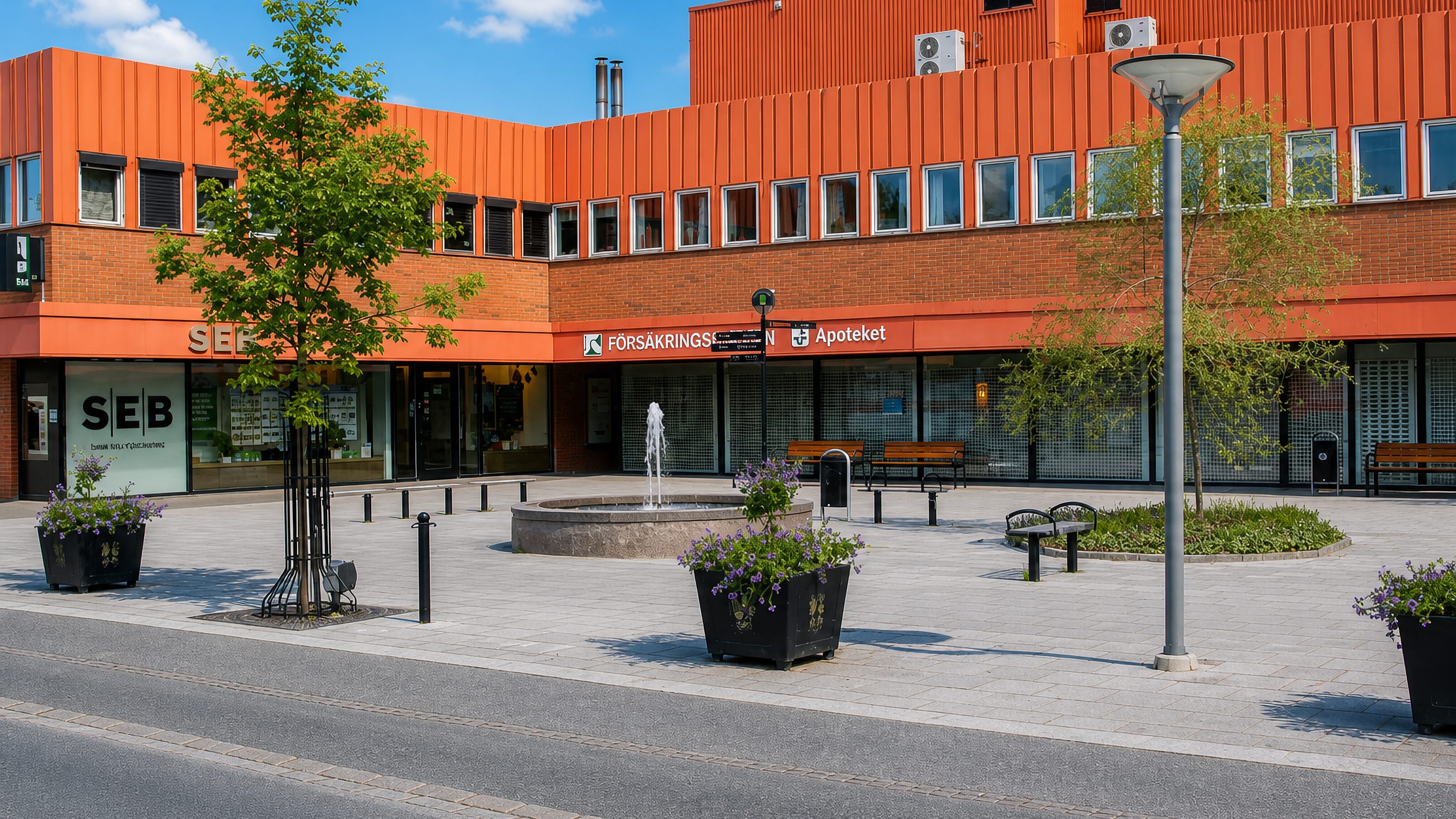
Vingåker is a small town in north-western Södermanland County, the seat of its municipality on the plain west of Katrineholm.
Hotel links are affiliate links: booking through them may earn us a commission, at no extra cost to you. It never affects how places are ranked. How this works


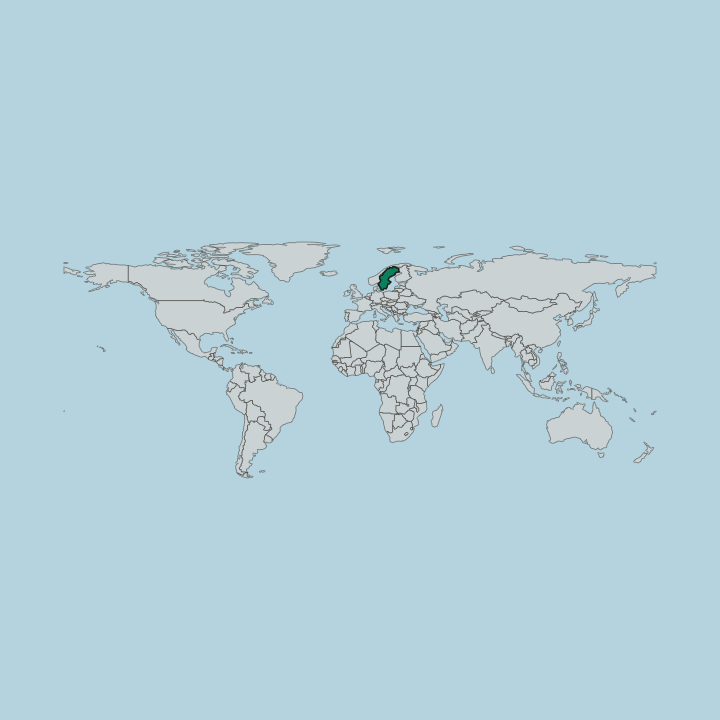
Where to stay in Vingåker
Where the beds are, and what that means for the visit.
Most visitors stay in or near the town centre, where a small stock of hotels, inns, and guesthouses sits within easy reach of the railway station, the church, and the factory outlet that draws shoppers from across the wider region through the year. The centre suits travellers who want a quiet base on the Södermanland plain with services and trains close at hand. The stock of beds in town is small.
Demand rises around outlet weekends and the warm-season festivals, when the small supply of beds in town fills and visitors spill over to Katrineholm and the surrounding country for somewhere to sleep. Out in the parish, farm stays, cabins, and holiday cottages open near the lakes and woods for those touring by car or seeking the calm of the countryside. Book ahead for busy weekends.
The town's small size and its pull as a shopping and folk-craft destination together press hard on rooms whenever an event fills the calendar.
Find hotels in Vingåker
Direct booking searches for these neighbourhoods.
Town centre
hotels and inns near the station, church, and factory outlet. Beds are limited here, so book early.Find hotels in Town centremotorists wanting calm countrysideLakes and countryside
farm stays and cottages among the woods and farmland of the parishFind hotels in Lakes and countrysideHotel links are affiliate links: booking through them may earn us a commission, at no extra cost to you. It never affects how places are ranked. How this works
About Vingåker
Vingåker is known for cloth.
What is Vingåker known for?
The district gave its name to the Vingåkersdräkten, one of Sweden's best-known folk costumes, whose black and red wool was woven and worn across the surrounding parishes long before it became a national emblem. The town is small and rural. Many visitors come for the large factory outlet on its edge, a draw for shoppers from across the wider region, while the old country church and the manor of Sävstaholm anchor the parish in its farming past.
What are the main landmarks in Vingåker?
Västra Vingåkers kyrka stands at the heart of the parish, the old stone country church around which the district grew. Nearby rises Sävstaholms slott. The manor, a former noble seat set in parkland, served for many years as a school and now houses an art collection and gathering rooms open to visitors, while the surrounding gardens, the lakeshore, and the woods of the parish frame it.
The folk costume of the district, the Vingåkersdräkten, remains the town's most famous emblem and is shown at local craft and heritage events.
What is the history of Vingåker?
Farming shaped the parish. Vingåker grew on the western plain of Södermanland as a country district of scattered farms gathered around its stone church, and through the medieval and early modern centuries the surrounding land fed and clothed itself, weaving the black and red wool that would give the celebrated Vingåkersdräkten its name and carry the parish's reputation far beyond its fields. The manor of Sävstaholm rose among the nobility's estates.
The railway changed the town. When the line between Stockholm and the west was driven across the plain in the nineteenth century, a station settlement grew beside the tracks, drawing trade, workshops, and people away from the older church village to a new centre that became the heart of the modern municipality. Industry and shopping followed in time.
The factory outlet on the edge of town later turned Vingåker into a destination for shoppers from across the region, while its folk costume and its old church kept the parish tied to a rural past.
Where is Vingåker?
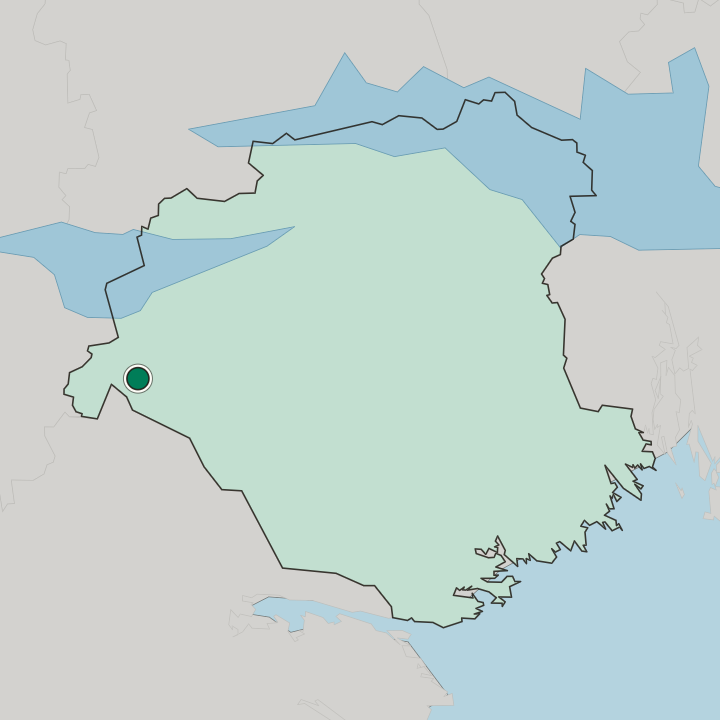
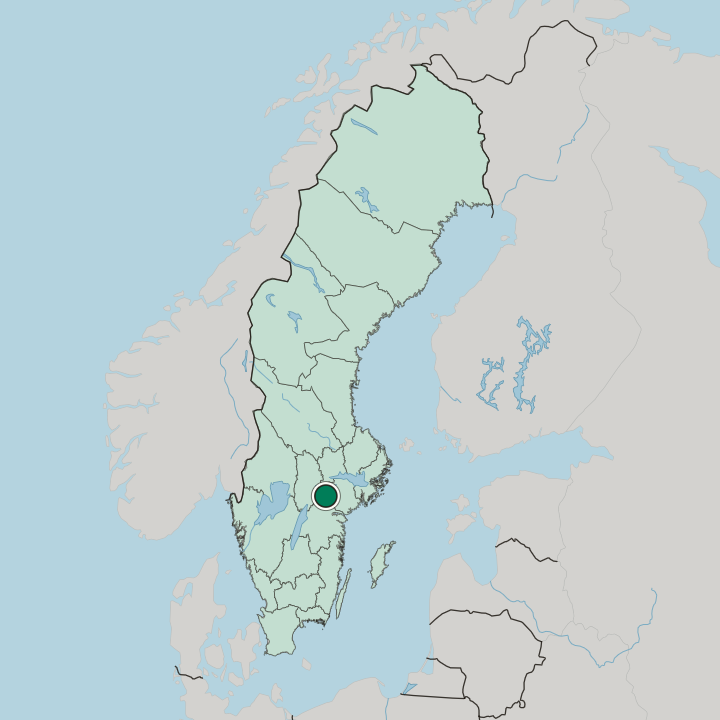
Vingåker lies in the north-western part of Södermanland County, on the farming plain where the open fields of the district meet the lakes and woods toward the border with Närke. The town sits among the farmland. Around it spread cultivated land, mixed forest, and several lakes, with Katrineholm a short way to the east and the larger waters and ridges of central Sweden rising beyond the parish to the north and west.
The setting is low, green, and agricultural.
What is the climate of Vingåker?
Vingåker sits inland in central Sweden and keeps a temperate climate. Winters are cold, with frost and snow lying over the plain through the dark months and the surrounding lakes often freezing across the depth of the season far from the moderating reach of the open sea. The warm season around Vingåker stays gentle and verdant.
The long northern days warm the fields and the lakeshores below Sävstaholms slott, drawing walkers and bathers across the brightest weeks, while spring and autumn bring the changeable, often grey weather of the central Swedish interior. Showers reach the plain in every season.
How do you get to Vingåker?
Vingåker sits on the main railway between Stockholm and the west, with trains stopping in the town through the day. Drivers reach it by the regional roads that cross the Södermanland plain from Katrineholm and Örebro. The rail link is easiest.
Katrineholm, a short distance east, serves as the nearest larger hub for connections, while the airports around Stockholm to the east and Örebro to the west act as the main gateways for visitors coming from further afield.
Common questions
What is the best area to stay in Vingåker?
Town centre: shoppers and rail travellers. Lakes and countryside: motorists wanting calm countryside.
Good for
More cities in Södermanland County
Updated September 2026