Sweden · Södermanland County
Where to Stay in Trosa, Södermanland County
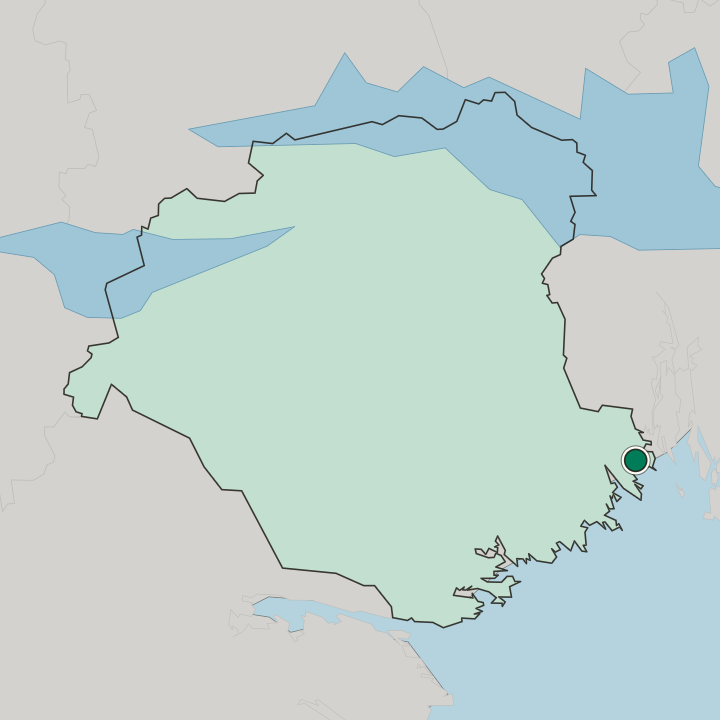
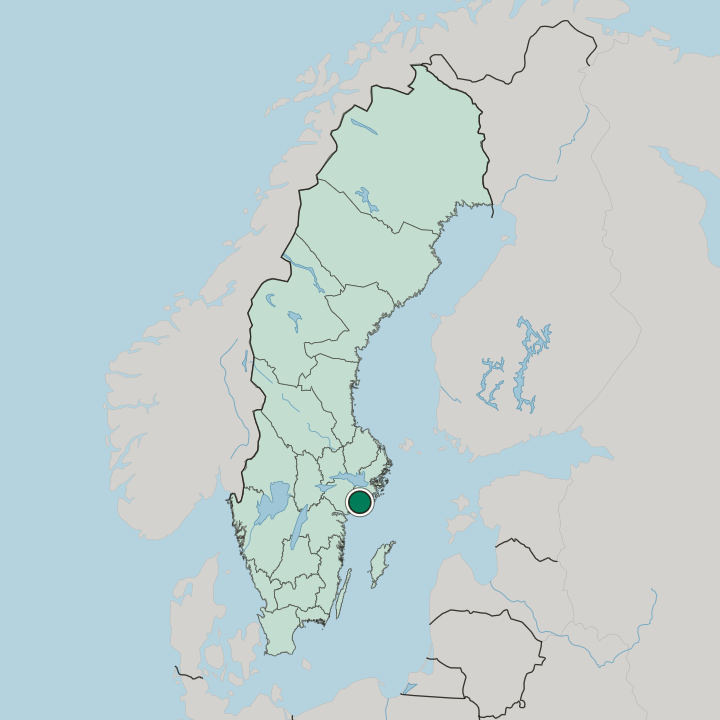
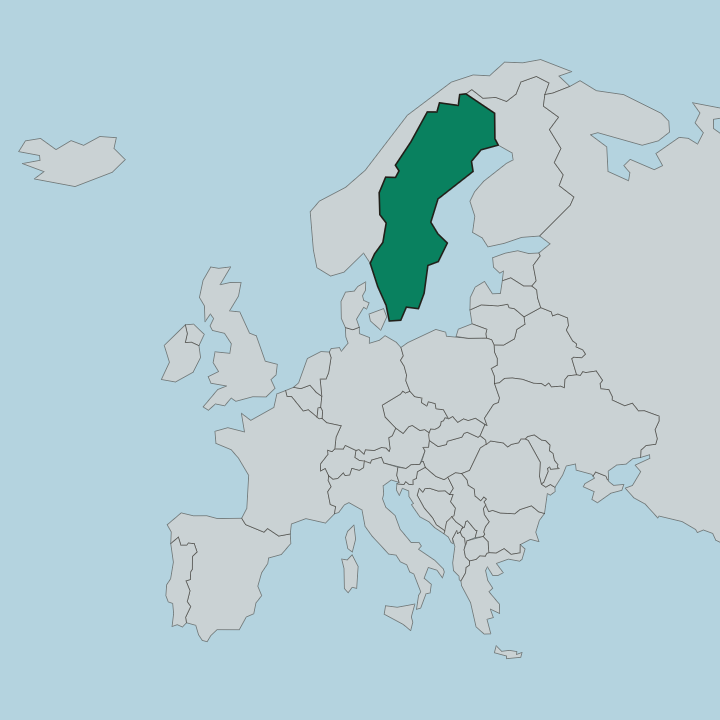
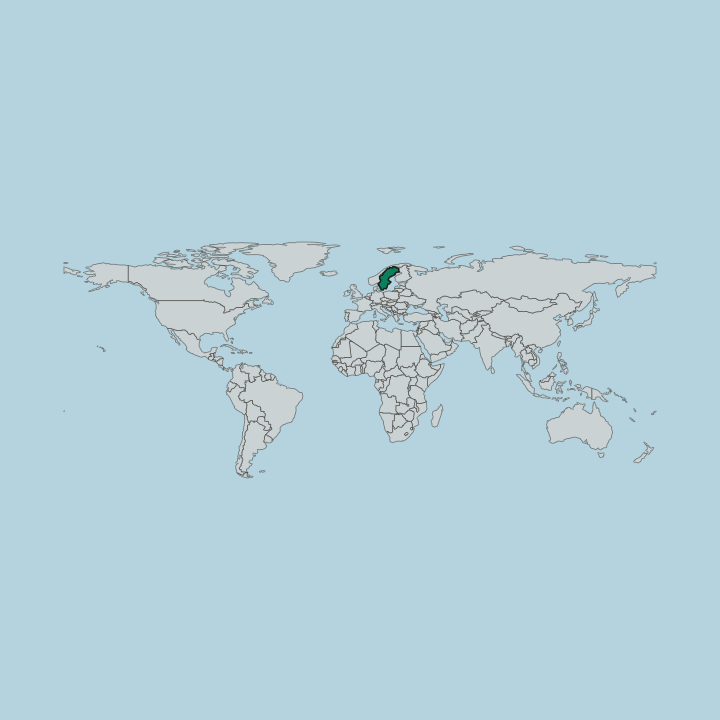
Trosa is a small coastal town in north-eastern Södermanland County, on the Baltic shore south of Stockholm.
Hotel links are affiliate links: booking through them may earn us a commission, at no extra cost to you. It never affects how places are ranked. How this works


Where to stay in Trosa
The practical side of choosing where to sleep.
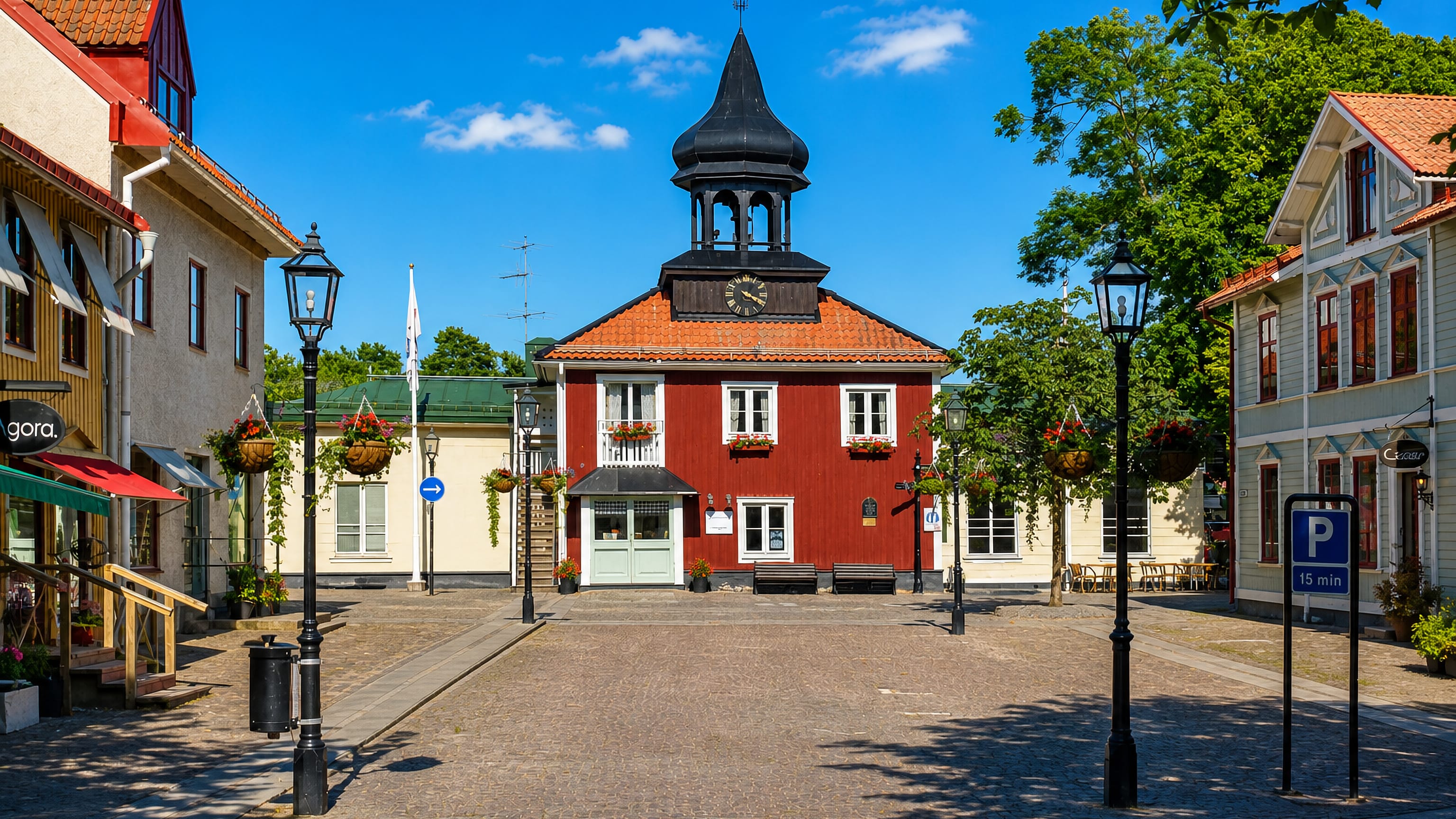
Most visitors stay in the old town, where small hotels, inns, and guesthouses sit among the red wooden cottages along the Trosaån within an easy walk of the harbour, the church, and the cafés that line the water. The centre suits travellers who want a quiet seaside base close to everything on foot. The room stock is small.
Demand climbs sharply in summer, when sailors, weekenders, and families from Stockholm fill the small stock of rooms and the harbourside spa hotel runs near capacity through the warmest weeks of the year. Out along the coast and on the islands nearby, campsites, cabins, and holiday cottages open through the warm season for those who want the water and the skerries close at hand. Book ahead for the summer weeks.
The short summer and the town's small size together press hard on rooms whenever the weather turns fine.
Find hotels in Trosa
Direct booking searches for these neighbourhoods.
Old town and harbour
small hotels and inns among the riverside cottages near the water. Lodging is scarce in this area; reserve in advance.Find hotels in Old town and harboursummer families and sailorsCoast and islands
campsites and cottages by the skerries and the open shore. Rooms are few around here — worth securing early.Find hotels in Coast and islandsHotel links are affiliate links: booking through them may earn us a commission, at no extra cost to you. It never affects how places are ranked. How this works
About Trosa
Trosa is a summer resort town.
What is Trosa known for?
Swedes have long called it the end of the world, a nickname earned by its quiet position where the Trosaån slips between low wooden houses and out to the Baltic at the very edge of the coast. The town is small and old. Red-painted cottages line the river, sailing boats fill the little harbour through the warm months, and visitors come from Stockholm for the calm, the water, and the eighteenth-century church above the lanes.
What are the main landmarks in Trosa?
Trosa stads kyrka stands above the old town, the white wooden church raised in the early eighteenth century after fire swept the earlier settlement. The river and harbour are sights in themselves. Red cottages, the old town hall, and the small Hedenstedts taktegelmuseum, a museum of roof tiles set in a former works, fill out the centre, while the wooden footbridges over the Trosaån and the boats moored along the quays draw photographers through the season.
The skerries lie just offshore.
What is the history of Trosa?
The town is old. Trosa grew on the Baltic coast at the mouth of the Trosaån as a small trading and fishing place, and through the medieval and early modern centuries it served the surrounding country of Södermanland as a market harbour, shipping farm goods and fish along the sheltered inner coast toward Stockholm and the wider sea. Fire later forced a rebuilding of the centre.
The present church rose from those ashes. Trosa stads kyrka was raised in the early eighteenth century, and the low wooden town that grew around it survived where many Swedish towns lost their old quarters to later fires and rebuilding. The modern age brought leisure.
As Stockholm spread and rail and road drew nearer, Trosa turned from a working harbour into a summer resort, its red cottages and quiet river drawing weekenders, sailors, and second-home owners to a town that had kept the shape and calm of an older Sweden.
Where is Trosa?
Trosa lies in the north-eastern part of Södermanland County, on the Baltic coast where the Trosaån reaches the sea through a fringe of low islands and skerries. The town sits along the river. Around it spread farmland, pine woods, and the sheltered inner waters of the archipelago, while the open Baltic lies beyond the nearest islands to the east and Stockholm rises along the coast to the north.
The setting is low, watery, and quiet.
What is the climate of Trosa?
Trosa has a temperate climate softened by the sea. Winters are cold but rarely extreme, with the nearby Baltic easing the sharpest frosts that grip the inland districts further from the coast through the dark half of the year. Summers turn mild and luminous.
The long northern dusk and the warm sheltered water make the harbour and beaches the heart of the season, and the town draws its biggest crowds across the brightest weeks of high summer. Sea breezes are common along the shore.
How do you get to Trosa?
Most visitors come to Trosa by road. Buses and cars come down from the E4 motorway that runs between Stockholm and the south, turning off toward the coast for the short final stretch to the town. The drive from Stockholm is easy.
The nearest railway station lies inland at Vagnhärad, a few kilometres away, with trains on the line between Stockholm and Nyköping, while Stockholm's airports to the north serve as the main gateways for visitors arriving from further afield.
Common questions
What is the best area to stay in Trosa?
Old town and harbour: couples and weekenders. Coast and islands: summer families and sailors.
Good for
More cities in Södermanland County
Updated September 2026