Sweden · Södermanland County
Where to Stay in Nyköping, Södermanland County
Nyköping is the county seat of Södermanland, on the Baltic coast of eastern Sweden, where the Nyköpingsån reaches the sea below an old royal castle.
Hotel links are affiliate links: booking through them may earn us a commission, at no extra cost to you. It never affects how places are ranked. How this works


Where to stay in Nyköping
How the choice of base plays out on the ground.
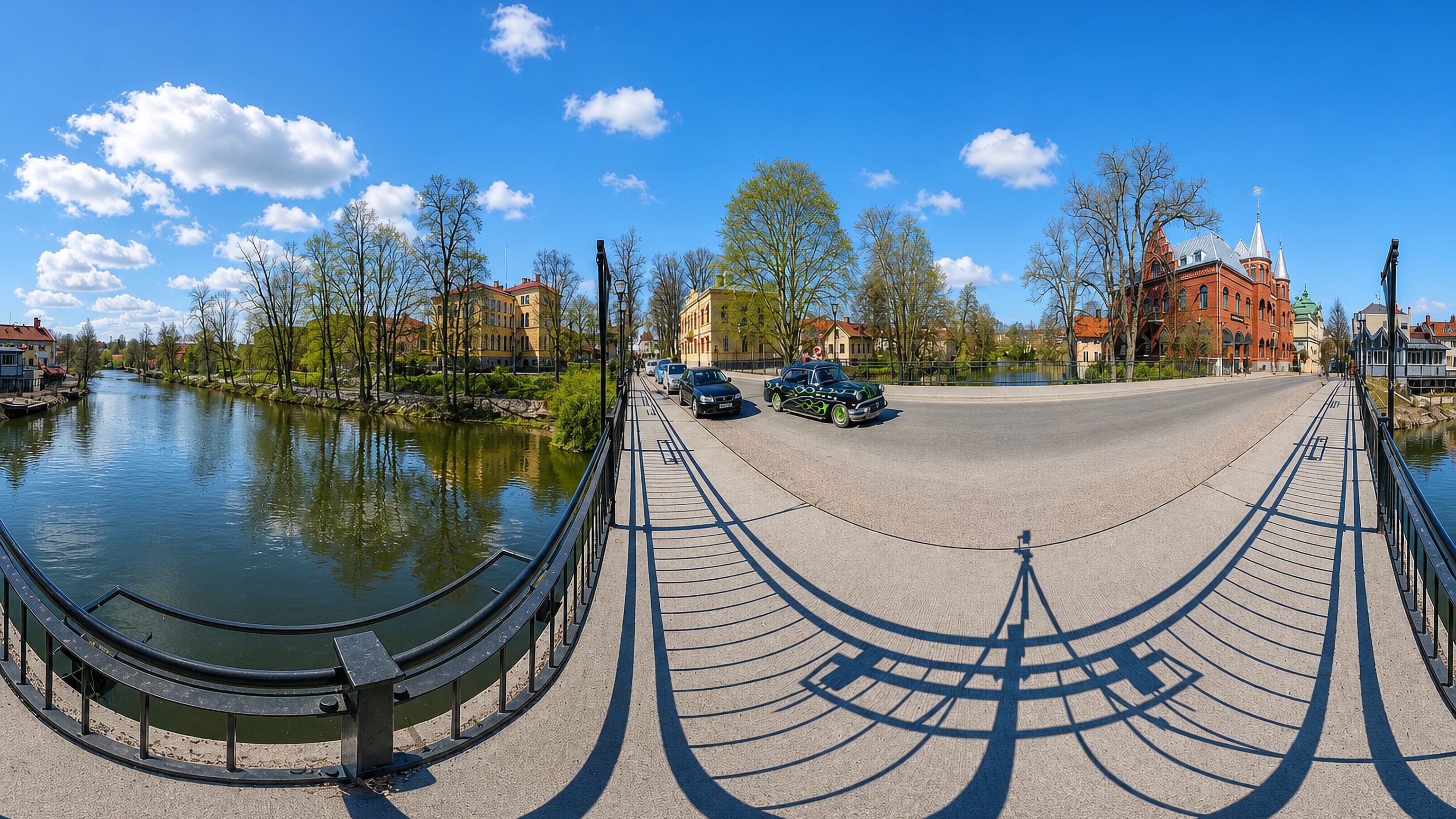
Most visitors stay in the old town centre, the streets that gather around the river and the castle where the shops, the restaurants, and the main hotels all sit within an easy walk of the water. It suits anyone who wants to wander the historic quarter on foot, with the ruins of Nyköpingshus and the river quays only minutes from the door. The centre is compact and walkable.
Rooms here fill in summer, when the coast and the castle draw weekend crowds, so book ahead for July dates well in advance. Down by the river mouth and the marina, waterside hotels and apartments give you views over the boats and quick access to the Baltic shore, a fine base for sailors and families. Out toward the airport and the main roads, larger hotels suit travellers with an early flight or a car.
Choose the old town for the history. Pick the harbour for the water, and you wake to masts, gulls, and the open sea light of the Södermanland coast.
Find hotels in Nyköping
Direct booking searches for these neighbourhoods.
Old town centre
castle, shops and hotels within an easy walk. Rooms are few around here — worth securing early.Find hotels in Old town centresailors and familiesHarbour and river mouth
waterside rooms with views over the marina. Rooms are few around here — worth securing early.Find hotels in Harbour and river mouthflyers and driversAirport and roadside
larger hotels near Skavsta and the main roadsFind hotels in Airport and roadsideHotel links are affiliate links: booking through them may earn us a commission, at no extra cost to you. It never affects how places are ranked. How this works
Things to do in Nyköping
Ranked by global recognition; descriptions from Wikidata (CC0).
Museums & Galleries
3- Museet Aktersnurran, Kulturhuset Slottsvakten working life museum
- Stadsvakten Nyköpings Kulturarvsmuseum
- Södra Sörmlands industrihistoriska förening, Kulturhuset Slottsvakten
Churches & Religious Sites
3- Sankt Nicolai kyrka Heritage
- Alla Helgona kyrka Heritage
- Sankta Katarina kyrka Heritage
Castles & Historic Sites
3- Nyköping Castle Heritage medieval castle
- Kilakastalen Heritage
- Släbro archaeological site
Stadiums & Sports
2- Rosvalla Nyköping Eventcenter event arena
- Folkungavallen
worth knowingacross 4 categories in Nyköping
About Nyköping
What is Nyköping known for?
Nyköping is known for its castle and its near-millennium of history. The ruins of Nyköpingshus stand above the river at the heart of town, the stage of the infamous Nyköping Banquet of 1317, when a king's brothers were starved to death in its dungeon. The story still defines the place.
Many travellers also pass through on their way to Stockholm-Skavsta Airport just outside town, while the river mouth, the old quarter, and the nearby Baltic coast draw visitors to linger longer than a layover.
What are the main landmarks in Nyköping?
Nyköpingshus dominates the town, its surviving tower and walls rising above the river where a royal castle has stood since the Middle Ages. Sankt Nicolai kyrka and Alla Helgona kyrka anchor the old streets nearby, their towers marking the medieval core. The river itself is a landmark.
The Nyköpingsån runs straight through the centre to the sea, lined by old quays and mills, while out in the district the round tower of Kilakastalen and the rock carvings at Släbro reach back into a deeper, older past.
What is the history of Nyköping?
Nyköping is one of Sweden's older towns. It was chartered in the twelfth century, its name first recorded around 1187, and the castle on the river quickly made it a seat of royal power on the eastern coast. Kings held court here.
The town reached its grim place in the national memory in 1317, when at the Nyköping Banquet King Birger had his two brothers thrown into the castle dungeon and left to starve, a betrayal still taught in every Swedish schoolroom. Fire and war shaped the centuries that followed. The town burned more than once and was rebuilt around its river and harbour, growing as a port and a market for the surrounding farmland of Södermanland.
The castle fell into ruin. Made the seat of the county, Nyköping settled into its long role as the administrative and trading heart of the province, a coastal town carrying nearly a thousand years of history along the banks of the Nyköpingsån.
Where is Nyköping?
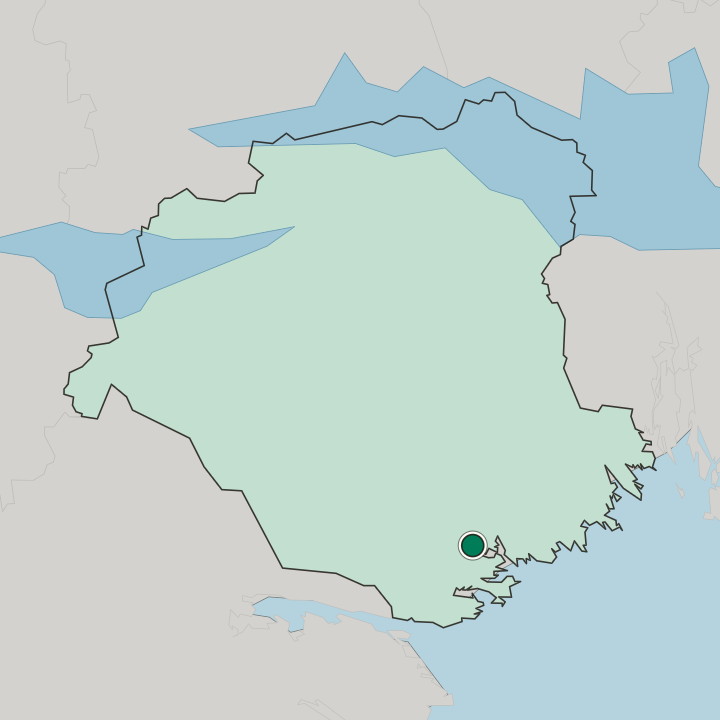
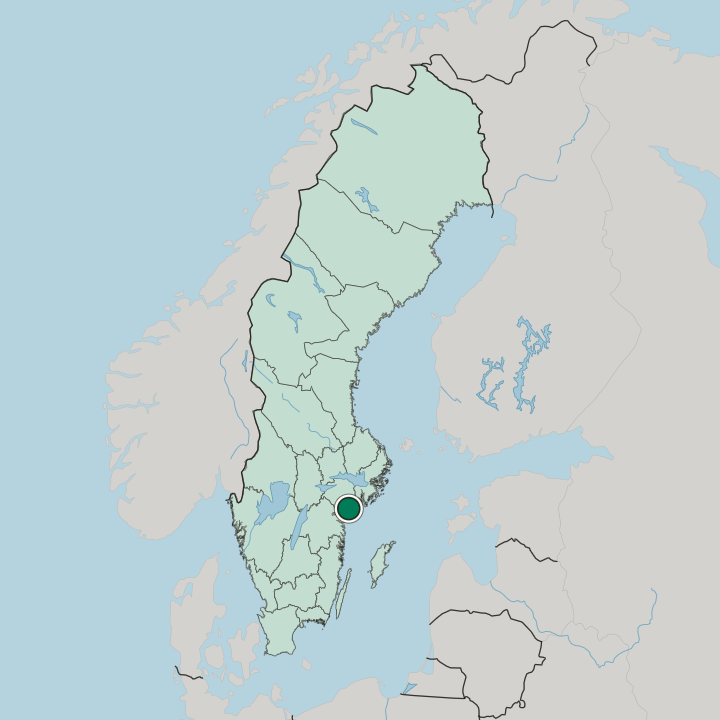
Nyköping lies in the southern part of Södermanland County, on the Baltic coast of eastern Sweden, where the Nyköpingsån flows out through the town into a sheltered bay. Wooded shores and a scatter of islands break up the coastline, and gently rolling farmland spreads inland behind the harbour toward the lakes of the interior. The sea shapes the town.
Bays, skerries, and low wooded islands lie scattered along the shore, and the sheltered archipelago that fringes this stretch of the Baltic draws boats out from the harbour through the summer. Stockholm sits to the north-east, along the coast.
What is the climate of Nyköping?
Nyköping has a temperate climate, tempered a little by its position on the Baltic coast. Winters are cold and often snowy, though the nearby sea softens the hardest frosts, and ice can form in the sheltered bays during the longest, stillest weeks of midwinter. Summers along the Baltic stay mild and bright.
The coast draws people to the water. Autumn arrives gently, with mist over the river mouth and storms rolling in off the sea before the first hard frosts.
How do you get to Nyköping?
Nyköping is easy to reach by air, road, and rail. Stockholm-Skavsta Airport sits just outside town, one of the main low-cost gateways into the country, with buses running from the terminal straight to the centre. Trains and long-distance buses link the town to Stockholm and the south.
Drivers reach it on the main coastal motorway. The old quays and the harbour lie a short walk from the station in the heart of the town.
Common questions
What is the best area to stay in Nyköping?
Old town centre: first-timers drawn to Nyköpingshus. Harbour and river mouth: sailors and families. Airport and roadside: flyers and drivers.
Good for
More cities in Södermanland County
Updated October 2026