Sweden · Södermanland County
Where to Stay in Oxelösund, Södermanland County
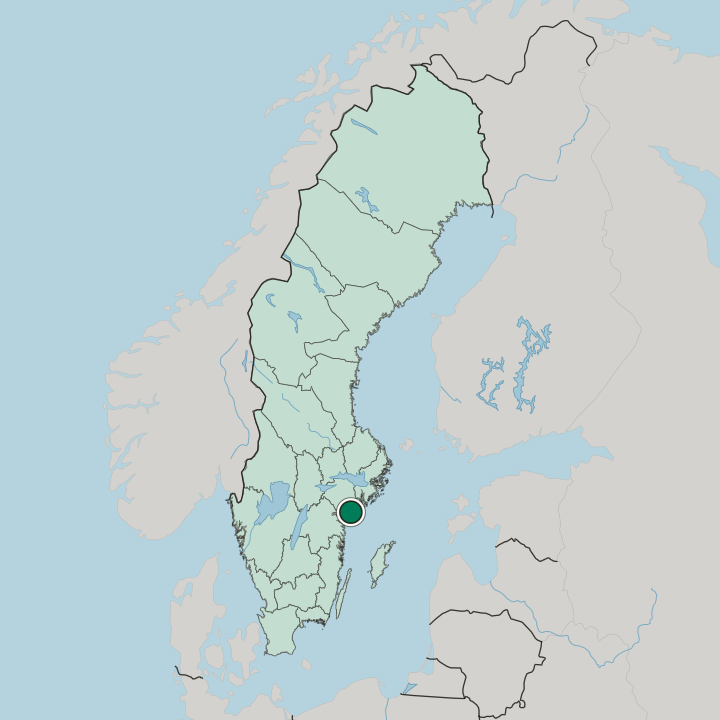
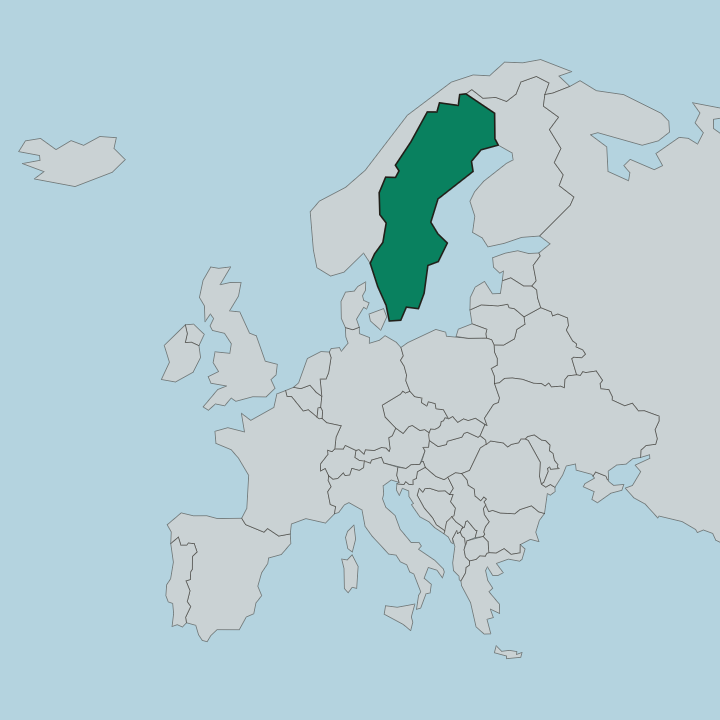
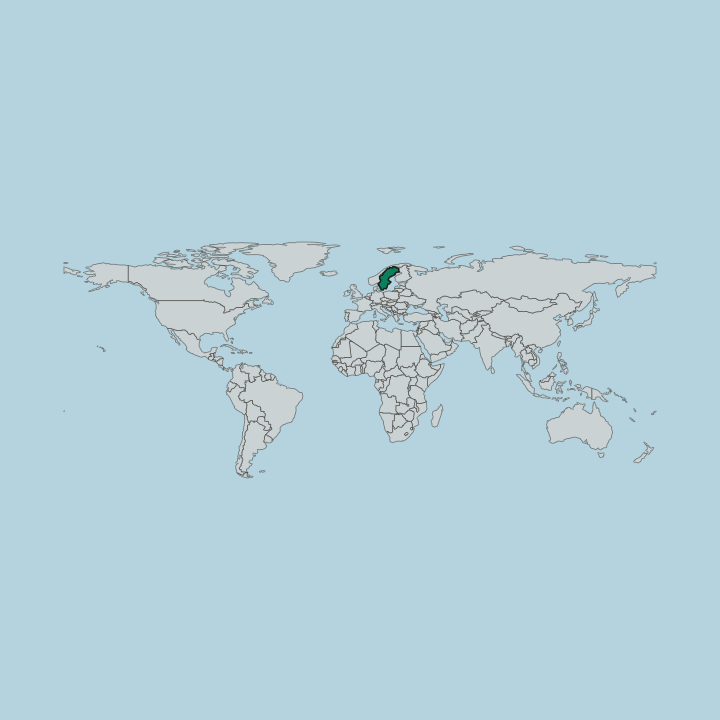
Oxelösund is a port and steel town on the Baltic coast of Södermanland, in eastern Sweden, at the southern tip of the county.
Hotel links are affiliate links: booking through them may earn us a commission, at no extra cost to you. It never affects how places are ranked. How this works


Where to stay in Oxelösund
Where visitors usually base themselves, and why.
Most visitors stay near the town centre, the streets gathered behind the harbour where the shops, the bus stand, and a small choice of beds sit within an easy walk of the quays. It suits anyone who wants to reach the port, the church, and the coastal paths on foot without a car. Oxelösund's core is small enough to cross on foot.
Beds are limited here, so book ahead in summer, when the headlands and the bathing spots draw weekend visitors and the handful of rooms in the small town fill quickly. Out along the rocky coast toward Femöre, guesthouses and self-catering cabins put you among the granite headlands and pine within a short walk of the sea, a calm base for walkers and families who want the open Baltic at the door. The shore is the real draw.
Choose the centre for the harbour. Pick the coast for the quiet, and you wake to gulls, salt air, and the long views over the skerries that ring this stretch of the Södermanland shore.
Find hotels in Oxelösund
Direct booking searches for these neighbourhoods.
Town centre
harbour, shops and bus stand within an easy walk. Rooms are few around here — worth securing early.Find hotels in Town centrewalkers and familiesFemöre coast
cabins among the headlands near the sea. Lodging is scarce in this area; reserve in advance.Find hotels in Femöre coastthose who want the working port at handHarbour edge
rooms close to the quays and the coastal paths. Lodging is scarce in this area; reserve in advance.Find hotels in Harbour edgeHotel links are affiliate links: booking through them may earn us a commission, at no extra cost to you. It never affects how places are ranked. How this works
Things to do in Oxelösund
Ranked by global recognition; descriptions from Wikidata (CC0).
Museums & Galleries
3- Femöre Coastal Artillery Battery coastal artillery fort and museum, was part of a series of similar facilities built in the 1960's and 1970's as a defence against potential attacks from the Soviet Union.
- Skärgårdsmuseet Oxelösund working life museum
- Föreningen Sörmlands veteranjärnväg
Churches & Religious Sites
2- Saint Botvid Church Heritage Church of Sweden church building
- Sjömanskyrkan
worth knowingacross 2 categories in Oxelösund
About Oxelösund
Oxelösund is known for its harbour and its steel.
What is Oxelösund known for?
The deep, ice-free port and the great steelworks beside it have shaped the town for generations, drawing ships and workers to this exposed corner of the coast. Industry meets open sea here. Beyond the works, the rocky shore, the lighthouse at Femörehuvud, and the old coastal fort give the town a wilder side, where walkers follow the granite headlands out toward the Baltic and the islands of the archipelago beyond.
What are the main landmarks in Oxelösund?
Sankt Botvids kyrka is the great modern landmark of Oxelösund, a striking church of the twentieth century that rises near the centre of town. Down by the water, the Sjömanskyrkan and the old coastal fort at Femörefortet speak to the town's long ties to the sea and to its defence. The harbour itself dominates the view.
Cranes, quays, and the bulk of the steelworks line the shore, while the lighthouse and the granite headlands of Femöre give the town its wilder, open edge against the Baltic.
What is the history of Oxelösund?
Oxelösund is a town built by the sea and by steel. For centuries this was a quiet fishing and farming shore at the edge of Södermanland, but everything changed when a railway was driven down to the coast in the nineteenth century to reach a deep, ice-free harbour. The port made the town.
Around the new quays grew a community of dockers, sailors, and railwaymen, and the small coastal settlement quickly took shape as a working port for the export trade. Steel sealed its future. A great ironworks rose beside the harbour, drawing workers from across the country and binding the town's fortunes to iron, coal, and the ships that carried them.
The works became the heart of the place. Made the seat of its own municipality, Oxelösund settled into its role as one of Sweden's industrial ports, a town of harbour cranes and headlands at the southern edge of Södermanland.
Where is Oxelösund?
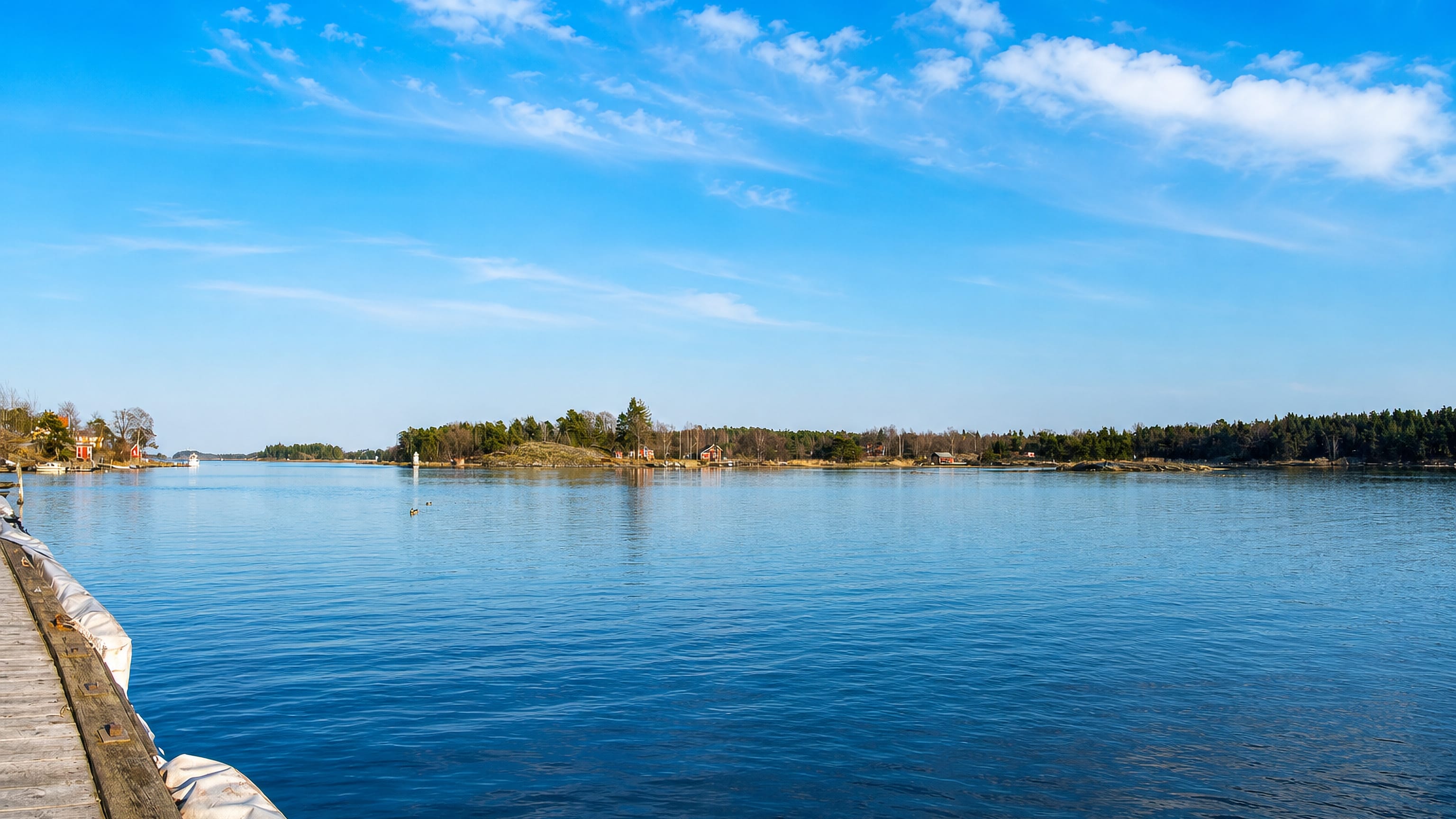
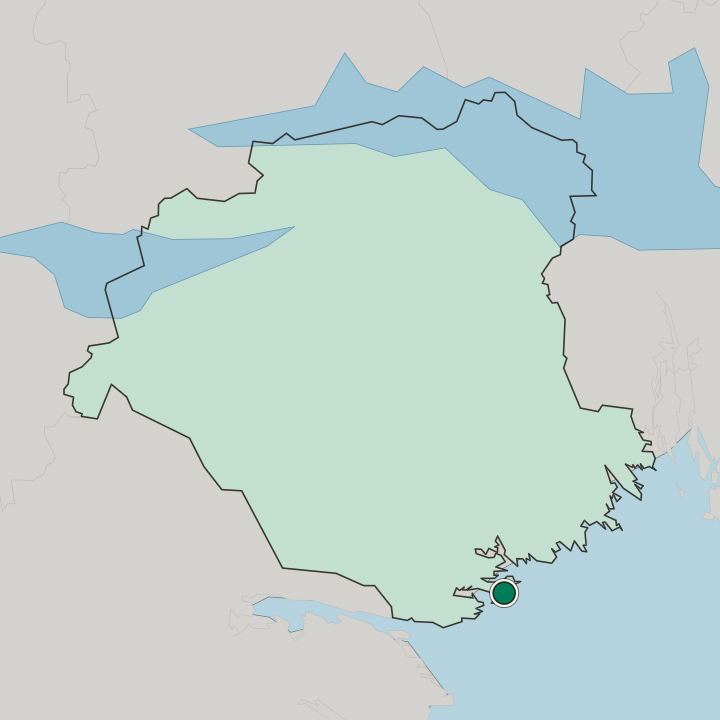
Oxelösund lies in the south-eastern part of Södermanland County, on the Baltic coast of eastern Sweden, on a peninsula of granite headlands jutting into the sea. Rocky shores, low pine woods, and a scatter of skerries make up the coastline, and the deep natural harbour that gave the town its purpose opens straight onto the open Baltic. The Baltic surrounds the town on every side.
Headlands and bays ring the town. Nyköping sits just to the north along the coast.
What is the climate of Oxelösund?
Oxelösund has a temperate climate, strongly tempered by its exposed position on the Baltic. Winters are cold but milder than inland, and the harbour stays largely ice-free even when the sheltered bays of the county freeze over during the longest, stillest weeks of midwinter. Summers are mild and breezy.
The sea air keeps the headlands cool. Autumn brings storms off the open water, salt spray on the rocks, and grey seas before the first hard frosts.
How do you get to Oxelösund?
Oxelösund sits at the end of a railway branch from Nyköping, and trains run down to the coast through the day, making rail a simple way to arrive. Local buses link the town to Nyköping and the wider district. Drivers reach it on the coastal roads at the southern edge of the county.
Stockholm-Skavsta Airport lies a short drive away. The harbour and the coastal paths begin within a few minutes of the town centre.
Common questions
What is the best area to stay in Oxelösund?
Town centre: first-timers without a car. Femöre coast: walkers and families. Harbour edge: those who want the working port at hand.
Good for
More cities in Södermanland County
Updated October 2026