Sweden · Södermanland County
Where to Stay in Strängnäs, Södermanland County
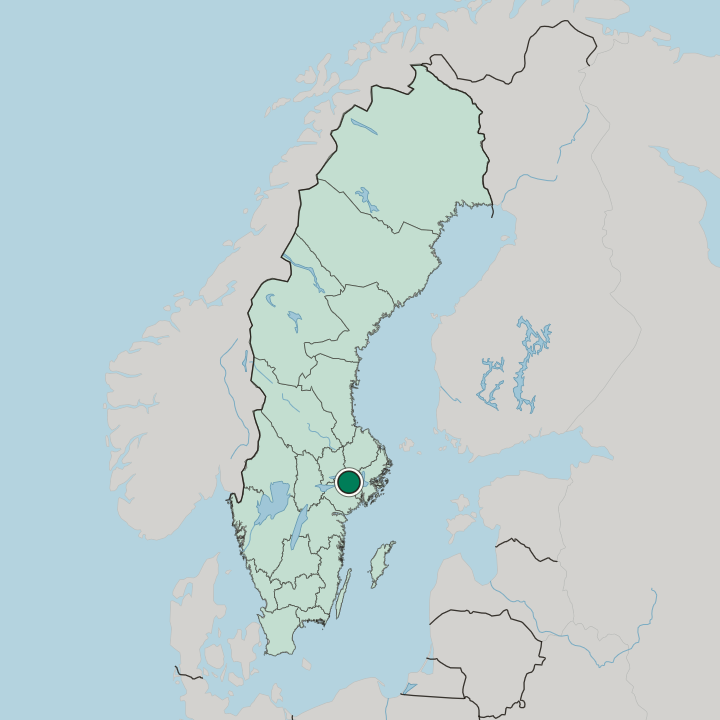
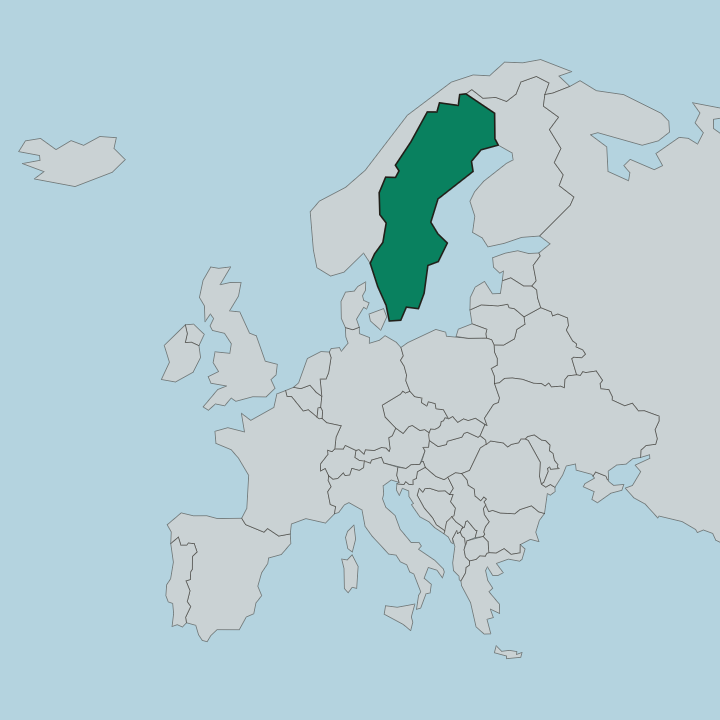
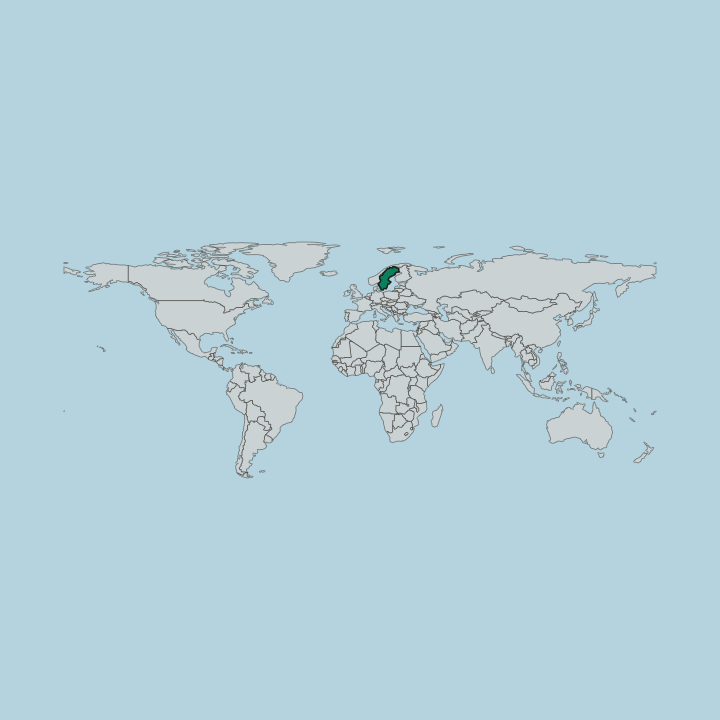
Strängnäs is a cathedral city on Lake Mälaren, in the north-eastern part of Södermanland County, in eastern Sweden.
Hotel links are affiliate links: booking through them may earn us a commission, at no extra cost to you. It never affects how places are ranked. How this works


Where to stay in Strängnäs
The practical side of choosing where to sleep.
Most visitors stay in the old town centre, the lanes that climb from the harbour to the cathedral where the shops, the cafés, and the main beds all sit within an easy walk of the water and the great church. It suits anyone who wants to wander the historic streets and the lakeshore on foot. The centre is small and walkable.
Rooms here fill in summer, when boats and day-trippers come up the lake from Stockholm, so book ahead for the warm-weather weekends well in advance. Down by the harbour and along the shore of Mälaren, waterside hotels and guesthouses give you views over the boats and quick access to the lake, a fine base for sailors and families. Out toward the surrounding farmland, guesthouses and self-catering cabins put you in the open country within a short drive of the centre.
Choose the old town for the cathedral. Pick the shore for the water, and you wake to masts, reeds, and the broad calm light of Mälaren on a still summer morning.
Find hotels in Strängnäs
Direct booking searches for these neighbourhoods.
Old town centre
cathedral, shops and cafés within an easy walk. Few places to stay nearby — book ahead.Find hotels in Old town centresailors and familiesHarbour and lakeshore
waterside rooms with views over Mälaren. Few places to stay nearby — book ahead.Find hotels in Harbour and lakeshoredrivers seeking quietCountryside
self-catering cabins within a short drive of townFind hotels in CountrysideHotel links are affiliate links: booking through them may earn us a commission, at no extra cost to you. It never affects how places are ranked. How this works
About Strängnäs
Strängnäs is known above all for its cathedral.
What is Strängnäs known for?
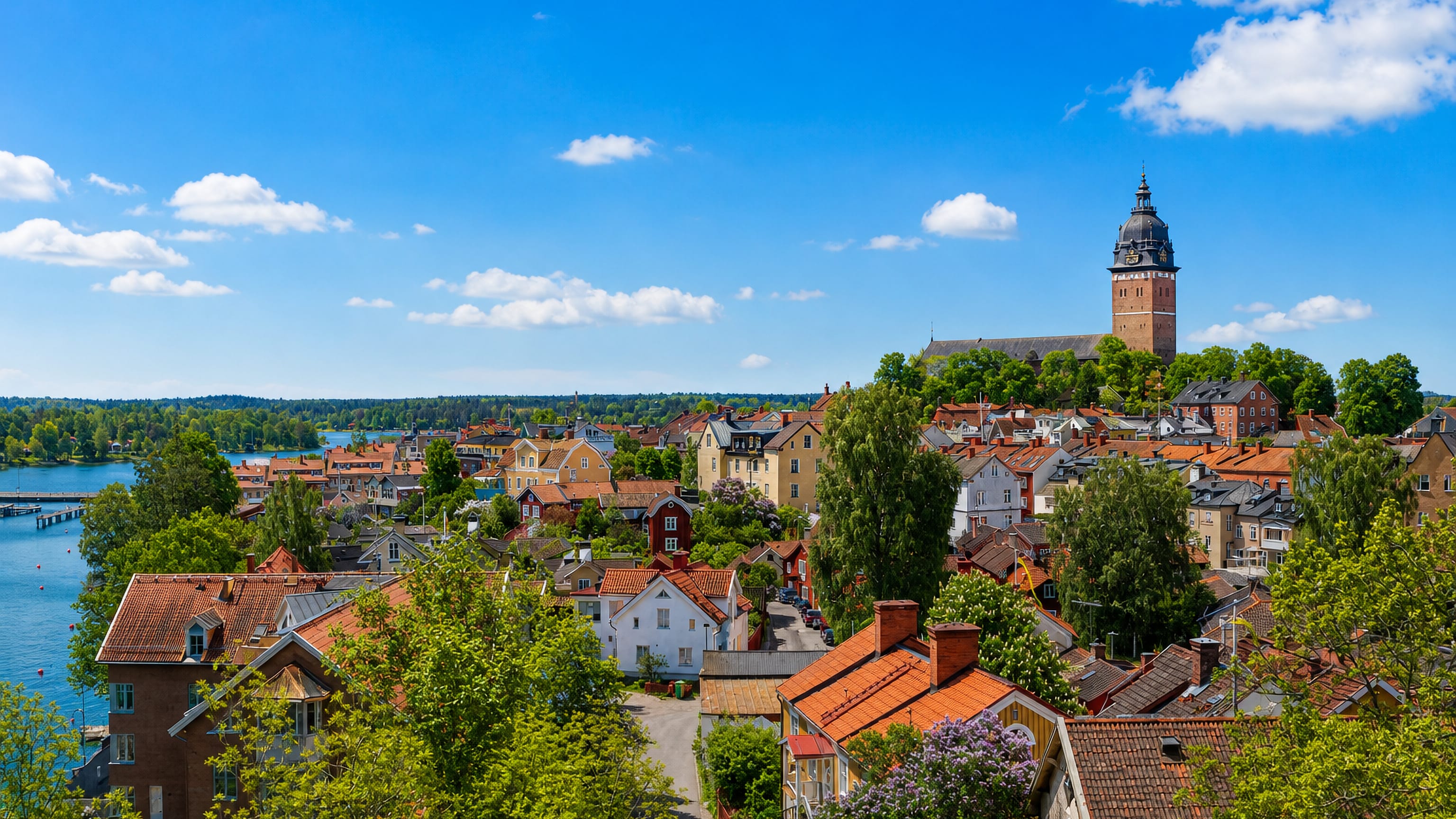
The great brick church on the ridge above Lake Mälaren has been a seat of bishops since the Middle Ages, and it was here in 1523 that Gustav Vasa was elected King of Sweden, a moment at the very founding of the modern nation. The town wears its history lightly. Low wooden houses, cobbled lanes, and gardens run down to the lakeshore, and the windmill on the hill above the old streets has become a quiet emblem of the place.
What are the main landmarks in Strängnäs?
Strängnäs domkyrka crowns the town, a vast medieval brick cathedral whose tower can be seen far out across Lake Mälaren. Beside it stand the old buildings of the Strängnäs konvent, the former monastery that recalls the town's long life as a church seat. The windmill on the hill is a smaller, well-loved marker.
It stands above the streets. The harbour, the cobbled lanes, and the wooden houses that run down to the water complete the picture, while the lake itself, dotted with boats and islands, frames the whole town.
What is the history of Strängnäs?
Strängnäs is one of the oldest church towns in Sweden. A bishop's seat was established here in the Middle Ages, and the great brick cathedral on the ridge above Mälaren grew into a centre of learning and faith for the whole province. The town gathered around the church.
Clergy, scholars, and craftsmen settled on the slopes between the cathedral and the lake, and Strängnäs became a place of books, printing, and the early Swedish Reformation. Its greatest hour came in 1523. In the cathedral that summer Gustav Vasa was elected King of Sweden, the act that broke the old union and set the modern kingdom on its course, an event still bound up with the town's name.
Later centuries were quieter. The episcopal town settled into a calm life of church, school, and lake trade, keeping its medieval core of cobbled lanes and wooden houses largely intact through the years that followed.
Where is Strängnäs?
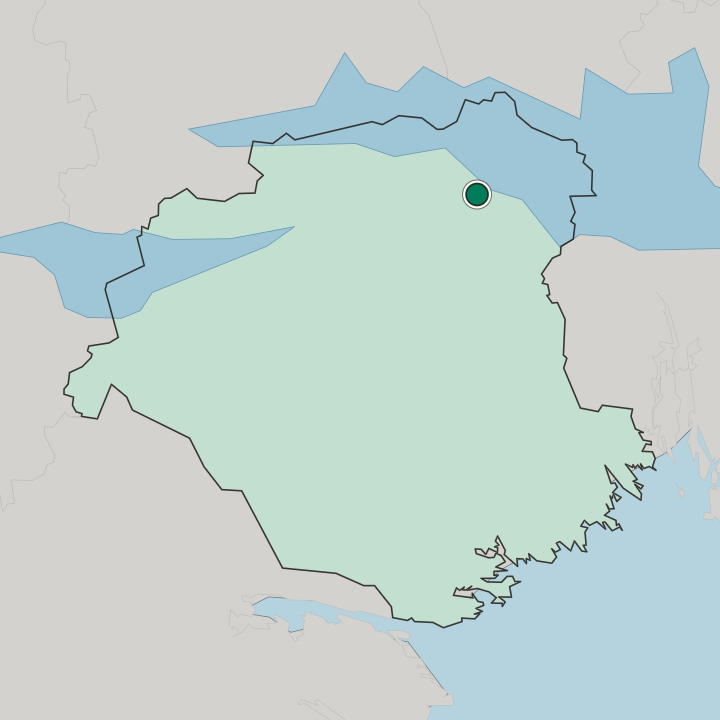
Strängnäs lies in the north-eastern part of Södermanland County, in eastern Sweden, on the southern shore of Lake Mälaren. The town rises on a low ridge above the water, with bays, inlets, and wooded islands breaking up the lakeshore, while gently rolling farmland spreads inland behind the cathedral toward the heart of the province. The lake shapes everything here.
Bays, inlets, and wooded islands run far out from the shore, and the broad sheet of Mälaren that opens before the town carries boats up toward Stockholm through the long days of summer. Stockholm sits to the east, up the lake.
What is the climate of Strängnäs?
Strängnäs has a temperate climate, softened a little by the broad waters of Lake Mälaren. Winters are cold and often snowy, and the sheltered bays of the lake freeze over in the coldest weeks, drawing skaters out onto the ice when the still, clear weather of midwinter settles in. The warm season is gentle and full of light.
The lake draws boats and bathers. Autumn comes gently, with mist over the water and the woods turning gold before the first hard frosts arrive.
How do you get to Strängnäs?
Strängnäs sits on the railway between Stockholm and Eskilstuna, and frequent trains make the capital an easy ride, so most visitors arrive by rail. The station stands a short walk from the cathedral and the harbour. Buses serve the district.
Drivers reach it on the motorway that runs along the southern shore of Mälaren, an easy hour or so from the centre of the capital. In summer, passenger boats also call here on their way up the lake from Stockholm.
Common questions
What is the best area to stay in Strängnäs?
Old town centre: first-timers and history lovers. Harbour and lakeshore: sailors and families. Countryside: drivers seeking quiet.
Good for
More cities in Södermanland County
Updated September 2026