Ukraine · Sebastopol City
Where to Stay in Sevastopol, Sebastopol City
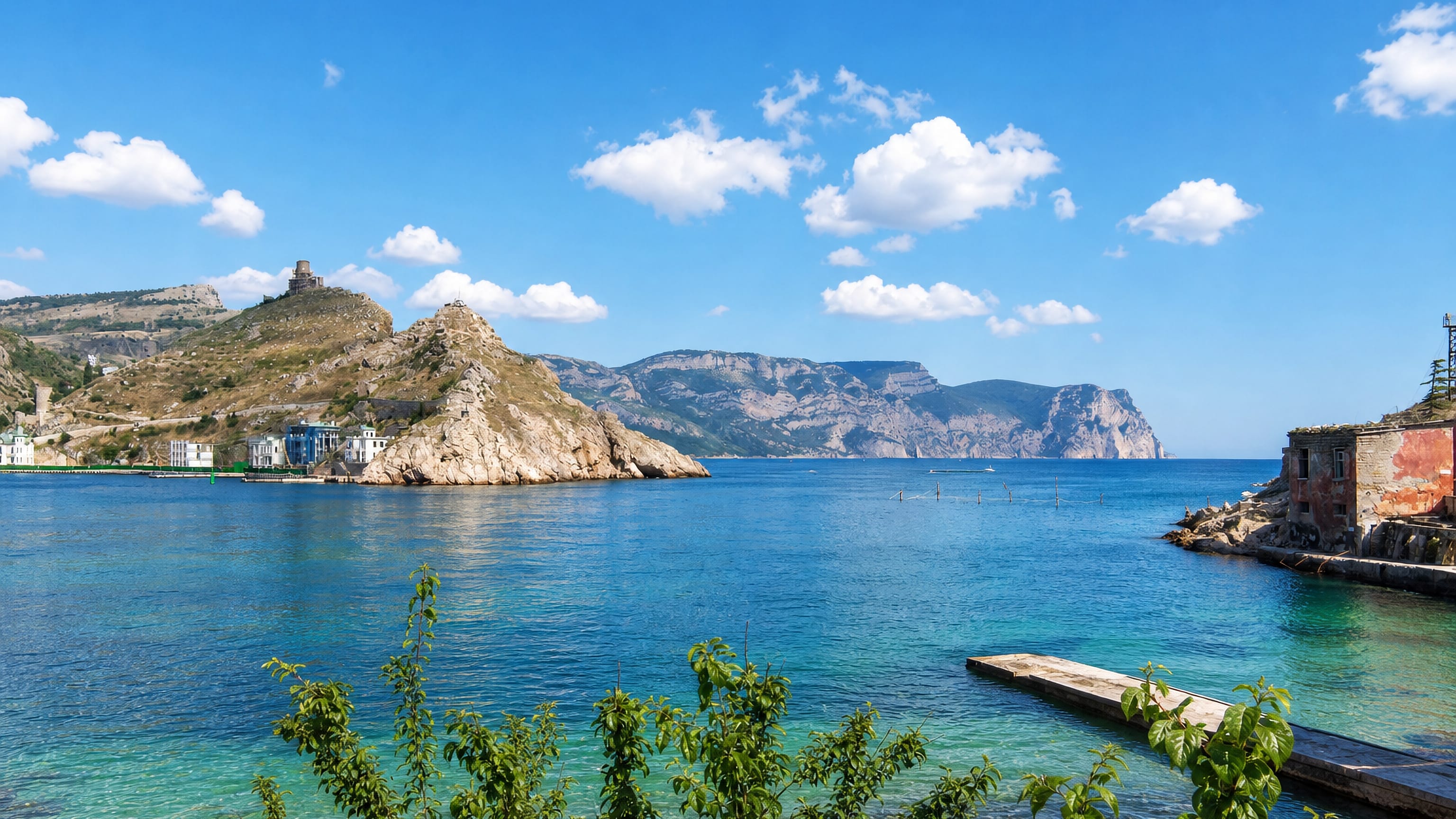
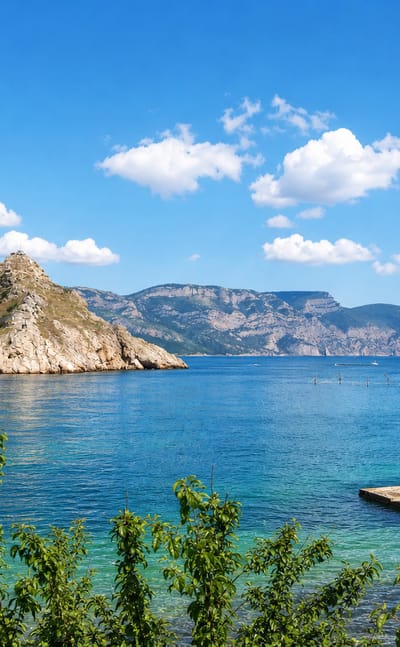
Sheltered harbours cut deep into the Black Sea coast at Sevastopol, a port city in Crimea known for the ancient ruins of Chersonesus and its naval history.
Find your area →


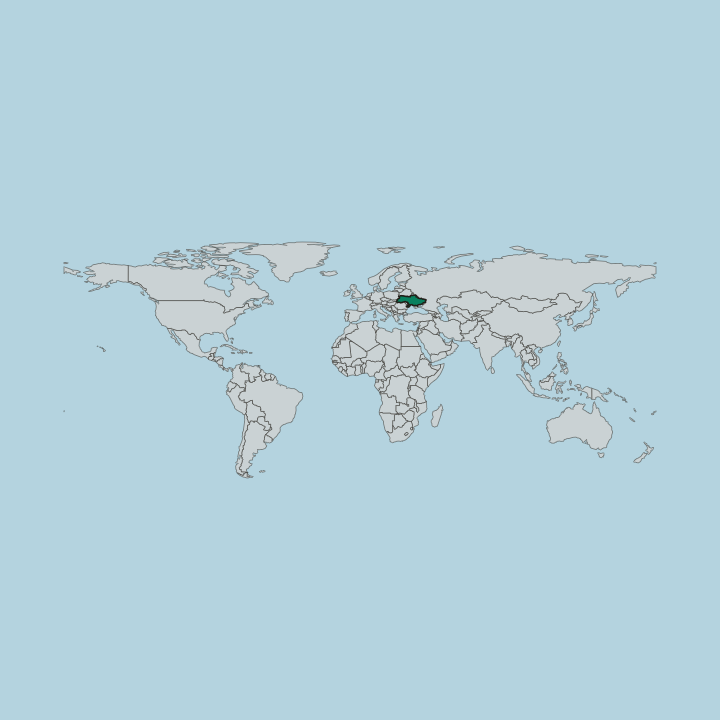
Where to stay in Sevastopol
Where you base yourself shapes the visit — here's the character of each area.
 SevastopolUkraine
Central hill
Central hill is the historic core of Sevastopol, the rise inside the city's central street ring, crowned by St. Vladimir's Cathedral.Where to stay →SevastopolUkraineGagarin Raion
Gagarin Raion is the western district of Sevastopol, where working bays, beaches and fishing quays line the Black Sea shore.Where to stay →SevastopolUkraineLeninsky District
Leninsky District is the central district of Sevastopol, high ground above the harbour where St. Vladimir's Cathedral and Історичний бульвар stand.Where to stay →SevastopolUkraineUchkuevka
Uchkuevka is a historic settlement on the west shore of Crimea, now a locality on the north side of Sevastopol, with a park and a beach of the same name.Where to stay →SevastopolUkraineNakhimov Raion
Nakhimov Raion covers the northern, north-eastern and eastern parts of Sevastopol, taking in both the Korabelna side and the Northern side of the city.Where to stay →SevastopolUkraineBalaklava Raion
Balaklava Raion is Sevastopol's largest district, rural as much as urban, centred on the satellite town of Balaklava.Where to stay →Things to do in Sevastopol
Ranked by global recognition; descriptions from Wikidata (CC0).
Museums & Galleries
3- Siege of Sevastopol Heritage
- Museum of Russian Black sea Navy in Sevastopol Heritage
- Museum Mikhailovskaya battery
Churches & Religious Sites
5- St. Vladimir's Cathedral Heritage
- Cathedral of Intercession of the Theotokos Heritage
- Catholic Church of St. Clement in Sevastopol Heritage
- Church of All Saints Heritage
- Храм на склепіннях Heritage
Castles & Historic Sites
8- Chersonesus Heritage
- Sunken Ships Monument Heritage
- Obelisk Hero City Sevastopol Heritage
- Cembalo Heritage
- Memorial sign in honor of the 200th anniversary of the founding of Sevastopol Heritage
Show 3 more →
- Memorial wall of World War II in Sevastopol Heritage
- Kornilov monument in Sevastopol Heritage
- Monument to Eduard Totleben in Sevastopol Heritage
Landmarks & Notable Places
3- Історичний бульвар Heritage
- Taurian Stairs Heritage
- Lazarev Barracks Heritage
worth knowingacross 4 categories in Sevastopol
About Sevastopol
What is Sevastopol known for?
Sevastopol is known for Chersonesus, the ancient Greek colony whose stone foundations still line the Black Sea shore, and for a long naval past written across the harbour. The Sunken Ships Monument rises from the water off the seafront, recalling the Siege of Sevastopol, while St. Vladimir's Cathedral crowns the ridge above the bay. Deep harbours mark the setting.
Ruins and monuments carry its layered memory.
What are the main landmarks in Sevastopol?
The main landmarks in Sevastopol run from ancient ruins to naval memory along the Black Sea shore. Chersonesus preserves the stone streets of a Greek colony, with St. Vladimir's Cathedral standing above them, and off the seafront the Sunken Ships Monument marks the Siege of Sevastopol that shaped the city. The Museum of Russian Black Sea Navy and the Mikhail Kroshitsky Sevastopol Art Museum hold the collections.
Historic Boulevard climbs the ridge overhead.
What is the history of Sevastopol?
Sevastopol stands on ground first settled in antiquity, where the Greek colony of Chersonesus rose above the Black Sea. Its stone streets and defensive walls, now the Chersonesus ruins, made this one of the oldest continuously remembered sites on the Crimean coast. Centuries of trade and empire passed over the bays before the modern city took shape.
The port was founded in 1783. It grew as a naval base on the deep harbours of Sevastopol Bay, and the fleets stationed there tied the city's fortunes to the sea. The Siege of Sevastopol during the Crimean War left the deepest mark, commemorated by the Sunken Ships Monument off the front and the Kornilov monument on the heights.
Later conflict scarred it again. The layered defences and memorials still frame the waterfront.
Where is Sevastopol?
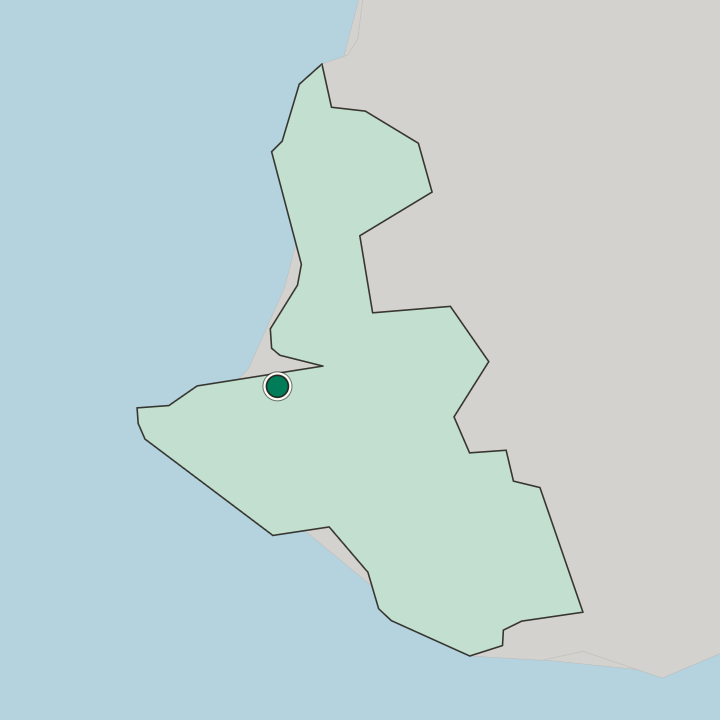
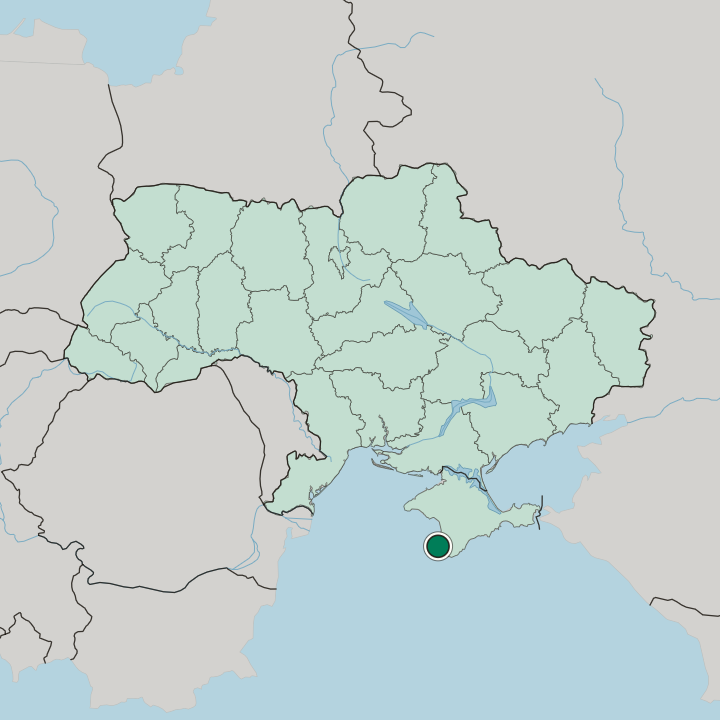
Sevastopol lies on the southwestern coast of Crimea, where a chain of deep inlets meets the Black Sea. Sevastopol Bay cuts far inland, giving the sheltered harbours that shape the city, and ridges rise from the water on either side of the bays to hem the town against the shore. The sea sets the plan.
Rocky headlands and the open coast define the edge of the Crimean peninsula here.
What is the climate of Sevastopol?
Sevastopol has a mild coastal climate tempered by the Black Sea. Summers along the Crimean shore run warm and dry. Winters stay cool rather than harsh, with the sea holding off the sharpest cold that reaches the inland steppe.
Spring comes early to the bays. The maritime setting softens the seasons through the year.
How do you get to Sevastopol?
Sevastopol sits at the end of road and rail routes crossing the Crimean peninsula to the Black Sea. The deep harbours of Sevastopol Bay have long made it a port of call, and roads climb over the surrounding ridges to reach the seafront and the ruins of Chersonesus above the coast. Ferries and rail meet the water.
The bay has drawn traffic to this shore for centuries.
Good for
Updated October 2026