Ukraine
Sebastopol City, Ukraine — Towns & Travel Guide
Sevastopol is a port city at the south-western tip of Crimea, wrapped around one of the Black Sea's great natural harbours.
About Sebastopol City


Towns & cities in Sebastopol City
One town here has its own guide — it links to where to stay.
 Ukraine
Sevastopol
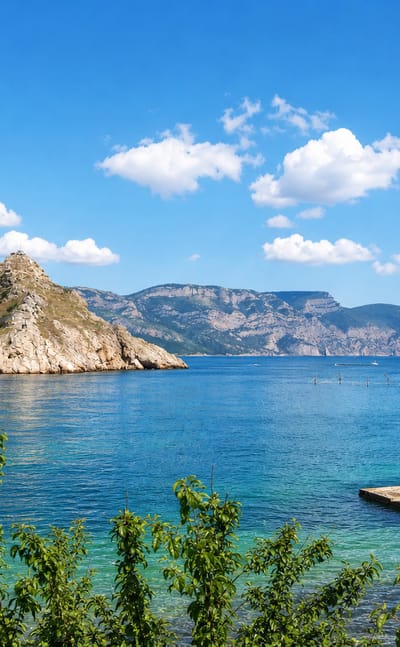
Sheltered harbours cut deep into the Black Sea coast at Sevastopol, a port city in Crimea known for the ancient ruins of Chersonesus and its naval history.Where to stay →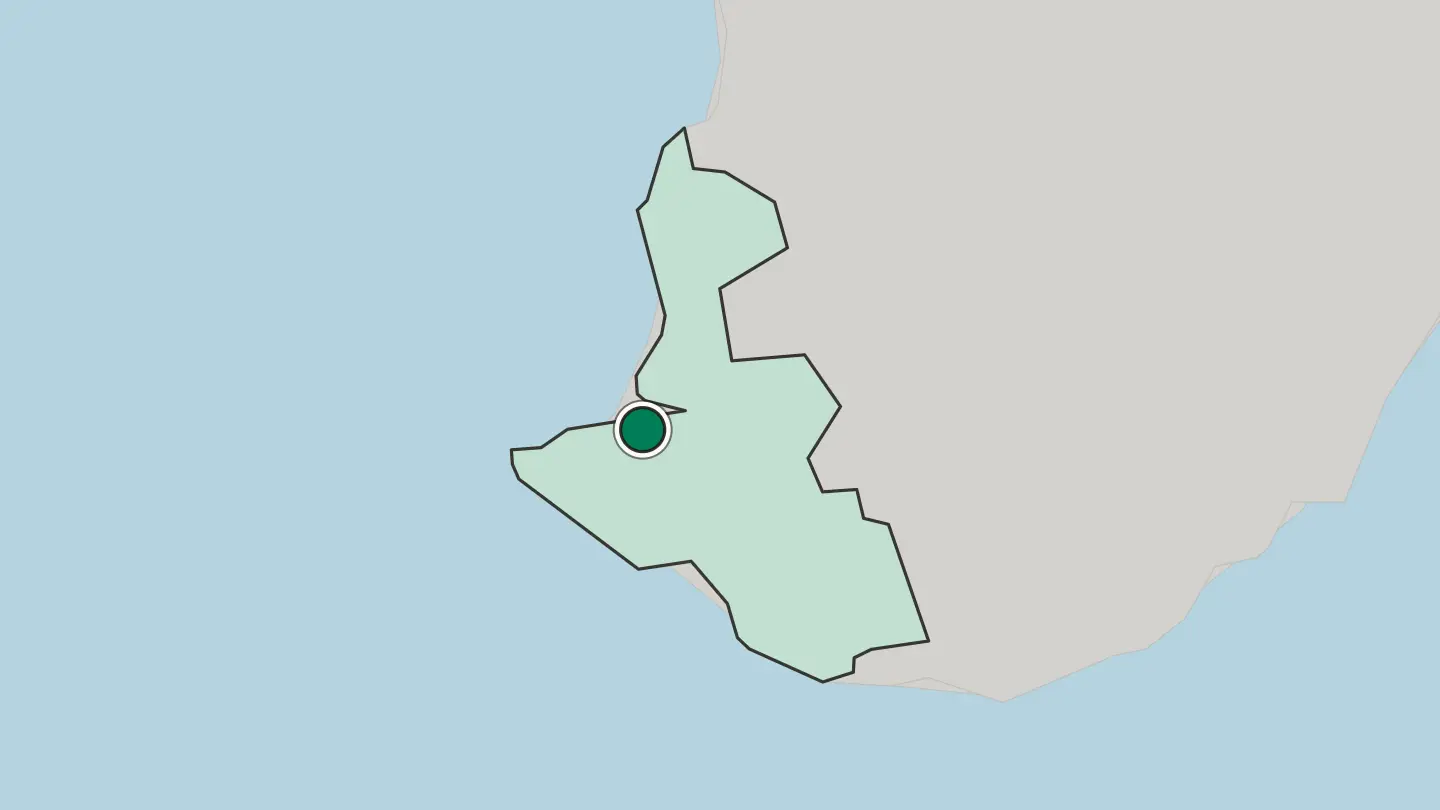
About Sebastopol City
What is Sebastopol City known for?
Sevastopol is Crimea's great harbour city. It grew up around the deep, sheltered inlet where the Chorna River meets the Black Sea, a natural anchorage that has drawn navies since Catherine the Great ordered a fortress built here. The ruins of Tauric Chersonesus, a Greek colony founded on this shore in the fifth century BC, lie inside the modern city and carry a UNESCO listing.
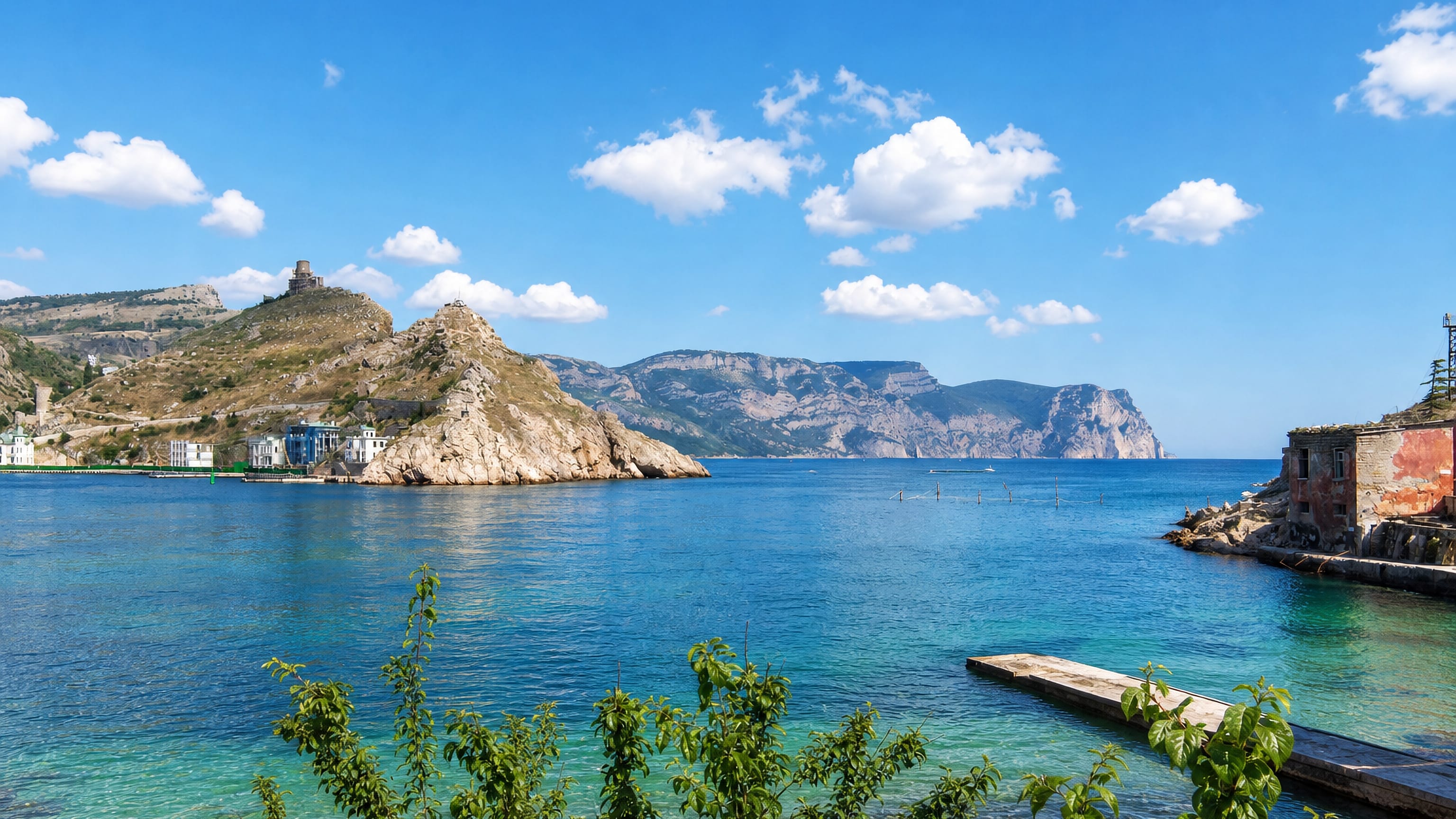
South-east along the coast, the narrow fjord of Balaklava hides behind its cliffs. Sea and stone define the place.
Where is Sebastopol City?
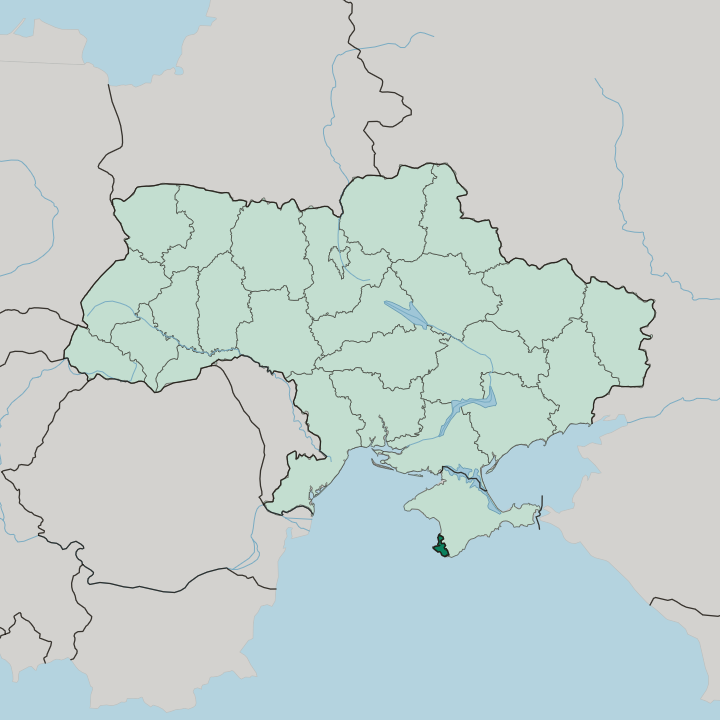
Sevastopol occupies the south-western corner of the Crimean peninsula, a rocky headland known as the Heraclean Peninsula that juts into the Black Sea. The city faces the open water on three sides. Its heart is a ria, a drowned river valley flooded by the sea, cut deep enough to shelter the largest ships and fed at its head by the Chorna River flowing down from the hills.
That long inlet, and the smaller bays branching off it, gave Sevastopol its reason to exist. Behind the coast the land climbs. All three ranges of the Crimean Mountains reach into the region, the Balaklava Highlands to the south, the Mekenziev heights inland, and the Kara-Tau upland further north.
Cape Fiolent breaks the south-western shore with cliffs of volcanic rock, and beyond it the fjord of Balaklava cuts back into the coast. To the north-east, at the head of the main inlet where the Chorna reaches the sea, stands the small town of Inkerman with its white limestone quarries and cave monastery. The rest of Crimea spreads east and north across the peninsula, and beyond the water lies the wider Black Sea.
This is the far south-western edge of the peninsula, and the land runs out into the sea on almost every side.
What is Sebastopol City like?
Sevastopol wears its naval past openly. The city was rebuilt in pale limestone after the destruction of two great sieges, and its centre of colonnaded streets and monuments reads as one long memorial to the sailors who defended it. Everyday speech here is Russian, the language of most of the population, while Ukrainian stands as the state language across the wider country.
Memory is everywhere. Panorama halls and cliff-top batteries recall the Crimean War, and a former secret submarine base tunnelled into the rock at Balaklava now opens to visitors as a cold-war museum. The past is not only military.
On the shore of Tauric Chersonesus stand the columns of a Greek colony older than the city by more than two thousand years, and its basilica is tied to the baptism of Vladimir the Great. People come to swim as much as to remember. In summer they take boats out to the coves below Cape Fiolent, eat Black Sea fish along the waterfronts, and drink the wines pressed from vineyards on the surrounding hills.
Sea and history sit side by side.
What is the history of Sebastopol City?
The story of this shore begins with the Greeks, who founded Tauric Chersonesus on the coast around the fifth century BC. Sevastopol itself is far younger. It was laid out in 1783 as a base for a new fleet on the peninsula, and named the following year on the order of Catherine the Great after the empire annexed Crimea.
Two sieges then scarred it beyond any other memory. The Anglo-French armies of the Crimean War battered it through the winter of 1854, and a second, longer siege came in the Second World War. Each time the city was rebuilt from its own rubble.
What is the climate of Sebastopol City?
Sevastopol has a mild coastal climate, warmed and steadied by the Black Sea that wraps around it. The Sevastopol summer turns hot and dry. In July and August the days sit around the high twenties, and the sea stays warm enough for swimming well into the autumn.
Winters are cool rather than cold, hovering a few degrees above freezing, with the ranges of the Crimean Mountains inland sheltering the coast from the worst of the weather off the steppe. The south-eastern shore, around Cape Fiolent, tips into a drier subtropical Mediterranean pattern all its own.
How do you get to Sebastopol City?
Sevastopol sits at the far south-western end of the peninsula. Reaching it means crossing Crimea overland, along the roads and the single rail line that thread in from the north and east and pass Inkerman at the head of the main inlet. The last stretch goes by boat.
Ferries cross the harbour between its shores, and buses run out along the coast to Balaklava in about twenty minutes.
Good for
More regions in Ukraine
Updated September 2026