United States · California
Where to Stay in Pasadena, California
Craftsman bungalows shade the streets of Pasadena, a city in the San Gabriel Valley of California, known for The Huntington and the Norton Simon Museum.
Hotel links are affiliate links: booking through them may earn us a commission, at no extra cost to you. It never affects how places are ranked. How this works


Where to stay in Pasadena
How the choice of base plays out on the ground.
Pasadena divides into a few clear bases across the San Gabriel Valley floor. Old Pasadena, the original commercial district, gathers the brick storefronts, restaurants, and evening crowds, and it makes the liveliest base if you want to walk to dinner and the theatres. The civic core just east, around the domed City Hall, keeps the grand public buildings and the Pasadena Museum of History close, best if you prefer stately streets over bar noise.
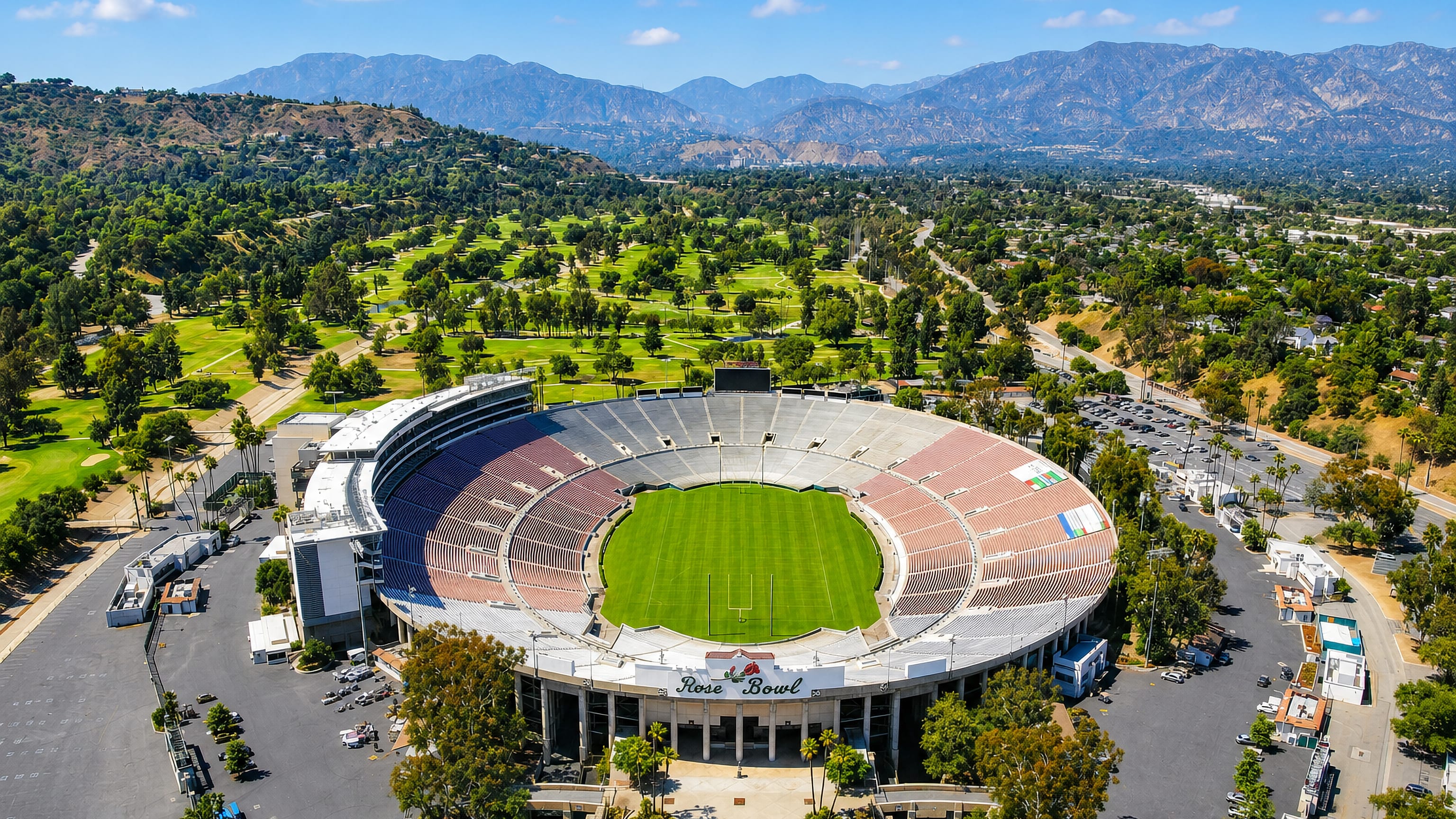
The southern neighbourhoods, laced with Craftsman bungalows near The Huntington Library, Art Museum, and Botanical Gardens, suit travellers who want gardens and quiet residential avenues. Families often choose the streets near Kidspace Children's Museum and the Rose Bowl arena, where the pace slows and green space opens up. Beds gather in and around Old Pasadena.
Rooms thin in the residential quarters, so book those early. Almost every base sits within reach of the light-rail line, which keeps Los Angeles close.
Find hotels in Pasadena
Direct booking searches for these neighbourhoods.
Old Pasadena
The original commercial district's brick storefronts, restaurants, and theatres within a short walk.Find hotels in Old Pasadenagrand public buildings and calmCivic core
Stately streets around the domed City Hall and the Pasadena Museum of History.Find hotels in Civic coregardens and quiet staysSouthern bungalow streets
Craftsman avenues near The Huntington Library, Art Museum, and Botanical Gardens.Find hotels in Southern bungalow streetsfamilies and green spaceRose Bowl neighbourhoods
Slower streets near Kidspace Children's Museum and the Rose Bowl arena.Find hotels in Rose Bowl neighbourhoodsHotel links are affiliate links: booking through them may earn us a commission, at no extra cost to you. It never affects how places are ranked. How this works
Things to do in Pasadena
Ranked by global recognition; descriptions from Wikidata (CC0).
Museums & Galleries
3- Pacific Asia Museum Heritage
- The Huntington Library, Art Museum, and Botanical Gardens
- Norton Simon Museum
Churches & Religious Sites
3- Holliston Church Heritage
- St. Andrew's Catholic Church, Pasadena
- Pasadena Presbyterian Church
Castles & Historic Sites
1- Robinson Memorial
Stadiums & Sports
1- Rose Bowl Aquatics Center
Landmarks & Notable Places
8- Stoutenburgh House Heritage
- House at 674 Elliot Drive Heritage
- Newcomb House Heritage
- House at 1487 Loma Vista Street Heritage
- House at 1240 North Los Robles Heritage
Show 3 more →
- House at 1141 North Chester Avenue Heritage
- Friend Lacey House Heritage
- Hermitage Heritage
worth knowingacross 5 categories in Pasadena
About Pasadena
What is Pasadena known for?
Pasadena is known as the cultural centre of the San Gabriel Valley. Its museums lead the reputation: the Norton Simon Museum holds a celebrated European collection, and The Huntington Library, Art Museum, and Botanical Gardens spreads galleries and gardens across the southern edge of the city. The Pacific Asia Museum keeps its Chinese-style courtyard, and the Pasadena Museum of History records the town's past.
Old Pasadena preserves the original commercial streets in brick and tile. Craftsman architecture completes the picture.
What are the main landmarks in Pasadena?
Pasadena's landmarks run from grand museums to garden estates. The Norton Simon Museum shows its European masters near the western gateway, while The Huntington Library, Art Museum, and Botanical Gardens draws visitors to galleries and grounds on the southern edge. The Pacific Asia Museum keeps an ornate courtyard, and the Pasadena Museum of California Art shows regional work.
Old Pasadena holds the historic commercial blocks. Families gather at Kidspace Children's Museum, and swimmers train at the Rose Bowl Aquatics Center by the arena.
What is the history of Pasadena?
Pasadena was incorporated in 1886, a town settled by newcomers who laid out orchards and avenues on the sunny floor of the San Gabriel Valley. The mild climate and citrus land drew winter visitors from colder states, and the settlement grew as a resort and residential town rather than an industrial one. Grand hotels and garden estates rose along its streets.
Wealth from those early decades built the great collections that still define the place. Henry Huntington assembled the library, art, and gardens that became The Huntington Library, Art Museum, and Botanical Gardens on the southern edge of the city. The commercial heart took shape in the brick blocks now preserved as Old Pasadena.
Craftsman architects raised the bungalows that spread across the residential streets, and civic buildings followed in a burst of construction. The Pasadena Museum of History keeps the record of those founding years. Institutions of art and science clustered here as the town matured.
The orchards receded. The gardens and galleries remained.
Where is Pasadena?
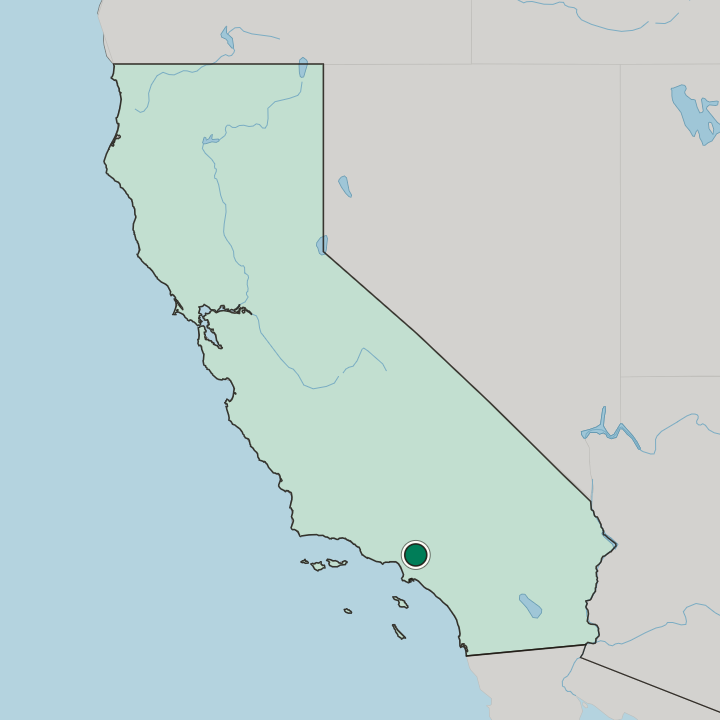
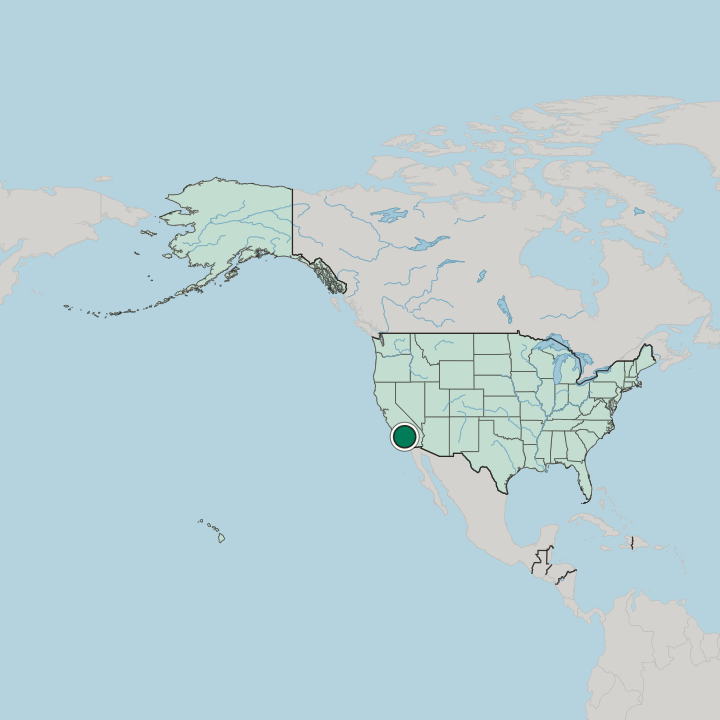
Pasadena lies in Los Angeles County, California, just northeast of Los Angeles on the floor of the San Gabriel Valley. The mountains loom close. The city sits on a gently sloping plain where the valley runs up against the foothills of the San Gabriel Mountains, which form the backdrop to almost every street.
Canyons cut down from the range toward the built-up plain, and Old Pasadena marks the historic core near the western side. Residential avenues of bungalows and gardens fill the rest of the valley floor.
What is the climate of Pasadena?
Pasadena has a warm Mediterranean climate, shaped by its sheltered spot below the San Gabriel Mountains. Summers are long, dry, and hot. The sun beats down on the San Gabriel Valley floor for months on end, and the foothills brown until the winter rains arrive to green them once more.
Snow falls only on the high peaks above the city. The gardens of Pasadena stay in leaf and bloom across much of the year.
How do you get to Pasadena?
Pasadena is easy to reach from across the region. A light-rail line runs from downtown Los Angeles up into the city, calling at stations near Old Pasadena and the civic core. Freeways ring the San Gabriel Valley and feed the streets from every direction, linking the town to the wider Los Angeles County road network.
Buses climb toward the foothills. The region's major airports lie a short drive away, putting long-haul flights within reach of the centre.
Common questions
What is the best area to stay in Pasadena?
Old Pasadena: dining and evenings out. Civic core: grand public buildings and calm. Southern bungalow streets: gardens and quiet stays. Rose Bowl neighbourhoods: families and green space.
Good for
More cities in California
Updated October 2026