United States · California
Where to Stay in Rosemead, California
Rosemead is a city in Los Angeles County, California, ringed by Alhambra, Monterey Park, San Gabriel and Temple City in the San Gabriel Valley.
Hotel links are affiliate links: booking through them may earn us a commission, at no extra cost to you. It never affects how places are ranked. How this works


Where to stay in Rosemead
How the choice of base plays out on the ground.
Rosemead keeps its beds along the arterial roads rather than in any single hotel quarter, so the useful question is which neighbour you want at the door: the Pasadena museum blocks, or the San Gabriel and Monterey Park kitchens. Both are minutes away. A room in Rosemead itself splits that difference, and it also keeps the wider San Gabriel Valley, Temple City, Arcadia, San Marino, Alhambra, inside a drive short enough to make an evening plan out of.
Pasadena suits the museum traveller. The Norton Simon Museum, the Pacific Asia Museum, the Pasadena Museum of History and the Armory Center for the Arts cluster close enough that a single day absorbs several of them, with the Rose Bowl Aquatics Center and Pasadena Presbyterian Church filling the gaps between. San Marino repays a different kind of visit, because The Huntington Library, Art Museum, and Botanical Gardens sits there with grounds that take most of a day on their own.
Arcadia has the Queen Anne Cottage and Coach Barn. Families often prefer it. Budget matters less than parking in this part of Los Angeles County.
Nearly every stay assumes a car, and the older heritage sites, Heritage Square Museum, the Lummis House, the Hale House, the Southwest Museum of the American Indian, are spread widely enough that walking between them is not the plan. Book early around the Rose Bowl calendar. Rooms in Alhambra and Monterey Park run closest to the Asian-American restaurant streets that bring many people to the valley in the first place, while a Rosemead base trades a little of that immediacy for a shorter run in every direction.
Find hotels in Rosemead
Direct booking searches for these neighbourhoods.
Rosemead
An arterial-road room here puts Temple City, Alhambra and San Gabriel inside a few minutes without paying the Pasadena rate. Lodging is scarce in this area; reserve in advance.Find hotels in RosemeadMuseum days built around the Norton Simon Museum and the Pacific Asia MuseumPasadena
The Armory Center for the Arts, the Pasadena Museum of History and the Rose Bowl Aquatics Center all fall inside one stretch of the same city.Find hotels in PasadenaA full day inside The Huntington Library, Art Museum, and Botanical GardensSan Marino
Quiet streets sit beside the Huntington grounds, with Arcadia's Queen Anne Cottage and Coach Barn a short run further out. Rooms are few around here — worth securing early.Find hotels in San MarinoHotel links are affiliate links: booking through them may earn us a commission, at no extra cost to you. It never affects how places are ranked. How this works
Things to do in Rosemead
Ranked by global recognition; descriptions from Wikidata (CC0).
Museums & Galleries
3- The Huntington Library, Art Museum, and Botanical Gardens
- Pasadena Museum of California Art
- Armory Center for the Arts
Churches & Religious Sites
3- Episcopal Church of the Ascension Heritage
- Holliston Church Heritage
- Pasadena Presbyterian Church
Stadiums & Sports
2- Pico Rivera Sports Arena
- Rose Bowl Aquatics Center
Landmarks & Notable Places
1- Henry Gage Mansion
worth knowingacross 4 categories in Rosemead
About Rosemead
What is Rosemead known for?
Asian-American communities across the San Gabriel Valley shape Rosemead's markets, kitchens and temples. Proximity does the rest. Alhambra, Arcadia, Temple City, Monterey Park, San Marino and San Gabriel all sit within a short drive, and the museums that draw visitors east of Los Angeles, the Norton Simon Museum, the Pacific Asia Museum, the Armory Center for the Arts, fall inside the same easy reach.
What are the main landmarks in Rosemead?
The heavyweight nearby is The Huntington Library, Art Museum, and Botanical Gardens, whose collections and grounds pull visitors from across Los Angeles County and absorb far more of a day than most people budget for it. Museums follow in number. The Norton Simon Museum, the Pacific Asia Museum, the Pasadena Museum of California Art and the Southwest Museum of the American Indian each hold a different collection, while the Armenian Genocide Martyrs Monument and the Finnish Folk Art Museum mark communities that settled the valley.
What is the history of Rosemead?
No charter year survives in the record used here, and Rosemead's own past is easier to read in what stands around it than in any single founding date. The San Gabriel Valley kept its older layers as houses and churches rather than as walls. Pio Pico State Historic Park preserves one of the earliest surviving domestic sites in this part of Los Angeles County, and the Henry Gage Mansion, the Stoutenburgh House and the House at 674 Elliot Drive each carry a period of building that the tract housing later covered over.
Heritage Square Museum gathers several of those saved buildings on one site. The Hale House and the Lummis House stand among them, moved rather than demolished when the streets around them changed, which is how a good deal of the valley's nineteenth-century fabric came through at all. Churches did the same work.
Holliston Church, the Episcopal Church of the Ascension, Pasadena Presbyterian Church, St. Andrew's Catholic Church, Pasadena and Holy Cross Cathedral trace congregations that arrived with successive waves of settlement, and the Armenian Genocide Martyrs Monument records a community that came from much further away. The twentieth century left odder traces. Selig Zoo belonged to an era when film and spectacle were built out here in the open, and the Southwest Museum of the American Indian was assembling collections about the region's first peoples while the orchards were still being subdivided.
Rosemead itself grew into the gap between older towns. Alhambra, San Gabriel, Monterey Park and Temple City were already named places when the streets between them filled in, and the city that resulted took its shape from that infill rather than from a single origin point. The Finnish Folk Art Museum and the Pasadena Museum of History keep the paperwork.
Where is Rosemead?
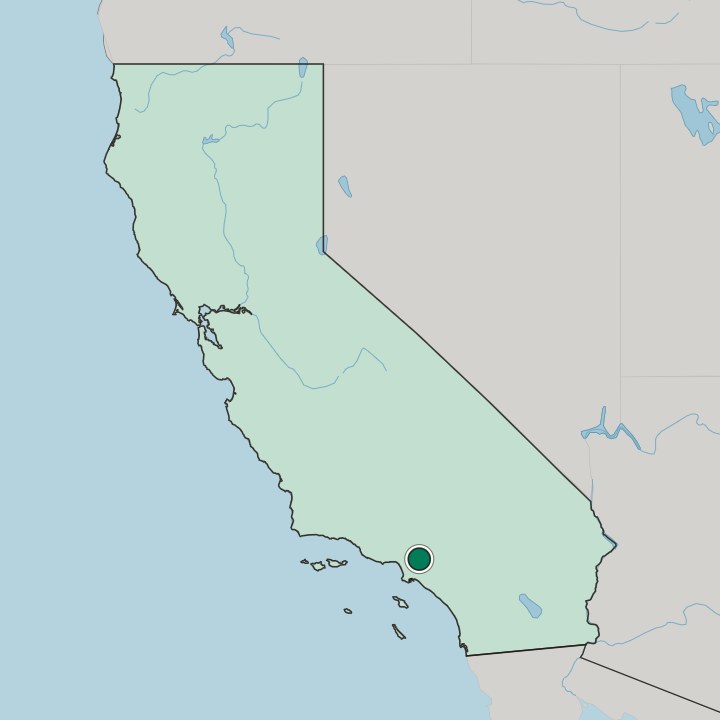
Roughly thirteen square kilometres of valley floor make up the whole municipality, which is small enough that its boundary with Temple City, San Gabriel, Monterey Park and Rosemead's other neighbours is a matter of street signs rather than open ground. The San Gabriel Valley carries it all. No coastline, no gorge.
Arcadia and San Marino close the northern side, Alhambra the western, and the built-up surface runs on without a visible break until the Los Angeles County grid changes character.
What is the climate of Rosemead?
Rosemead falls inside the subtropical belt, which sets the terms for everything done outdoors. Warmth arrives in the middle of the calendar and holds, so the long afternoons at The Huntington Library, Art Museum, and Botanical Gardens or on the Arcadia side of the valley are planned around shade and water rather than around cold. Heat, not frost, shapes the packing.
Evening cools it back.
How do you get to Rosemead?
Arrival is overwhelmingly by car. Rosemead sits inside the continuous street grid of Los Angeles County, so the approach from Pasadena, Alhambra, Monterey Park or San Gabriel is a matter of crossing a few boundary signs rather than covering any real distance, and visitors typically pick up a vehicle before they get here. Temple City and Arcadia lie just as close on the other side.
Common questions
What is the best area to stay in Rosemead?
Rosemead: Drivers who want Monterey Park kitchens and the Pasadena museum blocks equidistant. Pasadena: Museum days built around the Norton Simon Museum and the Pacific Asia Museum. San Marino: A full day inside The Huntington Library, Art Museum, and Botanical Gardens.
Good for
More cities in California
Updated October 2026