United States · Massachusetts
Where to Stay in Quincy, Massachusetts
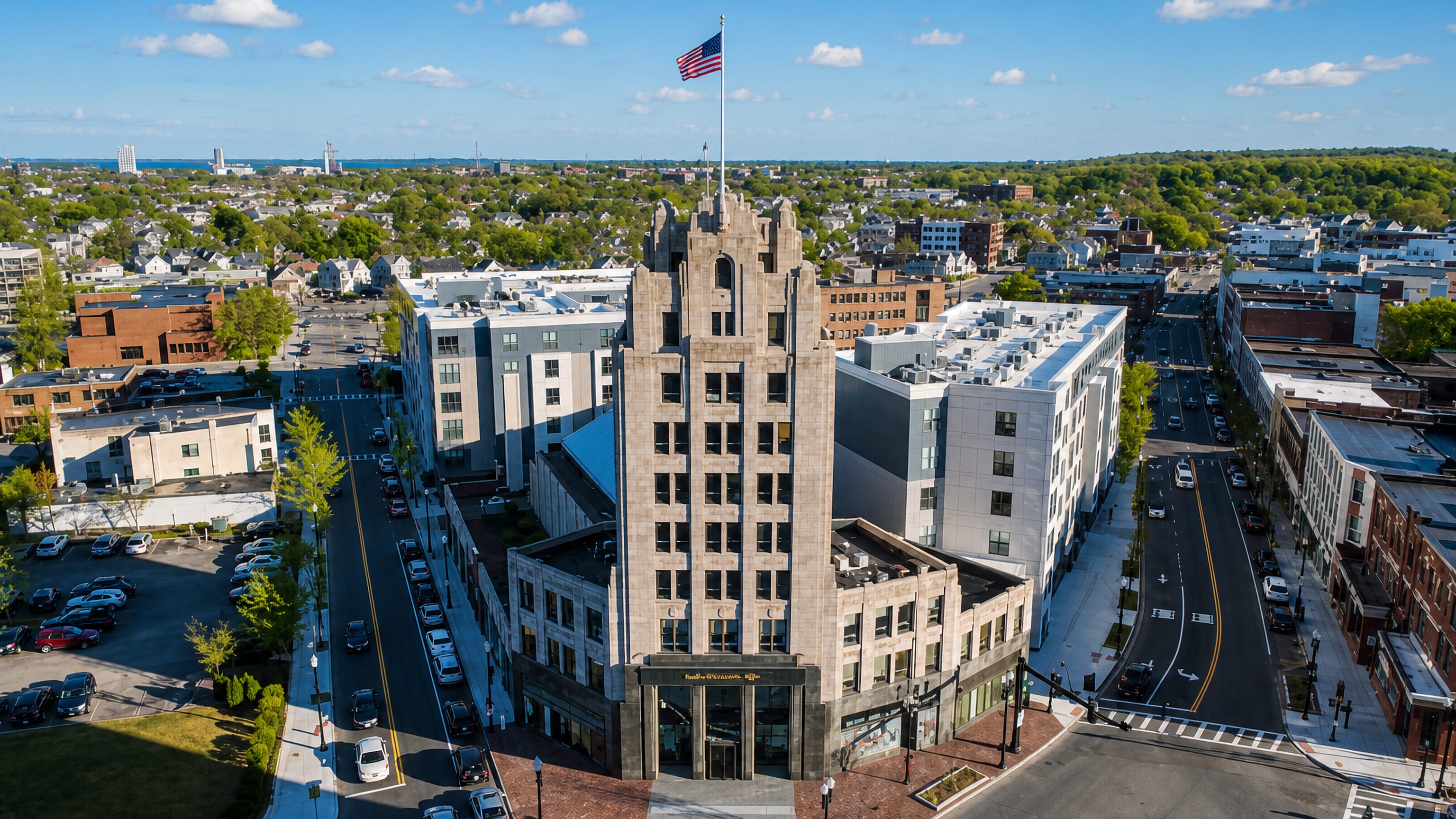
Quincy is a Norfolk County city founded in 1625, the birthplace of John Adams, of his son John Quincy Adams, and of John Hancock.
Hotel links are affiliate links: booking through them may earn us a commission, at no extra cost to you. It never affects how places are ranked. How this works


Where to stay in Quincy
How the choice of base plays out on the ground.
The Adams houses set the map. Rooms near the John Adams Birthplace and the John Quincy Adams Birthplace put a traveller inside reach of Peacefield and the United First Parish Church, which between them account for most of the reasons anyone stops in Quincy. That cluster is walkable.
Anyone here for the presidential sites books on that side and leaves the car standing. Wollaston is the residential alternative. The streets around Wollaston Congregational Church and Wollaston Unitarian Church give quieter nights and easier parking, at some cost in walking distance to the historic centre, and they suit a party staying several days rather than one.
The water side has its own case. Beds toward the Fore River Shipyard serve visitors whose target is the United States Naval Shipbuilding Museum, and they stand clear of the through roads. Boston remains the fallback, since Quincy counts as one of that city's immediate southern suburbs and a room in the larger place is never far from Norfolk County.
Find hotels in Quincy
Direct booking searches for these neighbourhoods.
Around the United First Parish Church
The United First Parish Church, the John Adams Birthplace and the John Quincy Adams Birthplace form one walking circuit, which is the reason to sleep in this part of Quincy.Find hotels in Around the United First Parish ChurchQuiet residential nights by the Wollaston Congregational ChurchWollaston
The blocks around Wollaston Congregational Church and Wollaston Unitarian Church give up the walk to the presidential houses in exchange for parking and residential calm. Few places to stay nearby — book ahead.Find hotels in WollastonTravellers whose target is the United States Naval Shipbuilding MuseumToward the Fore River Shipyard
Beds toward the Fore River Shipyard put the United States Naval Shipbuilding Museum first and the rest of Quincy a drive behind it. Rooms are few around here — worth securing early.Find hotels in Toward the Fore River ShipyardHotel links are affiliate links: booking through them may earn us a commission, at no extra cost to you. It never affects how places are ranked. How this works
Things to do in Quincy
Ranked by global recognition; descriptions from Wikidata (CC0).
Museums & Galleries
1- United States Naval Shipbuilding Museum
Churches & Religious Sites
5- United First Parish Church Heritage
- Bethany Congregational Church Heritage
- Wollaston Unitarian Church Heritage
- All Souls Church Heritage
- Wollaston Congregational Church Heritage
Landmarks & Notable Places
8- John Adams Birthplace Heritage
- John Quincy Adams Birthplace Heritage
- Dorothy Quincy Homestead Heritage
- Faxon House Heritage
- Charles E. White House Heritage
Show 3 more →
- Pinkham House Heritage
- Arthur Alden House Heritage
- Henry F. Barker House Heritage
worth knowingacross 3 categories in Quincy
About Quincy
What is Quincy known for?
John Adams and John Quincy Adams were both born in Quincy, and John Hancock, the first signer of the Declaration of Independence, came from the same Norfolk County ground. Granite did the rest. Quarries here cut the stone that went into Boston's buildings, and the yards at Fore River later carried the same industrial habit forward from sailing ships into the age of the battleship.
What are the main landmarks in Quincy?
The presidential sites come first. Peacefield, the John Adams Birthplace, the John Quincy Adams Birthplace and the United First Parish Church make up the circuit most visitors come for, and the Dorothy Quincy Homestead carries the family name the city itself bears. Shipbuilding takes the other half.
The United States Naval Shipbuilding Museum keeps the record of the Fore River yards, while All Souls Church, Bethany Congregational Church, the Wollaston Congregational Church and the Wollaston Unitarian Church stand for the parishes, and the Faxon House, the Pinkham House and the Noah Curtis House for the residential register.
What is the history of Quincy?
Quincy dates from 1625. That founding puts it among the oldest in Norfolk County, and the John Adams Birthplace and the John Quincy Adams Birthplace survive from the colonial town that grew from it. A father and a son reached the presidency from here.
John Adams and John Quincy Adams were both born in this city, Peacefield served the family as a seat, John Hancock was born here as well before signing the Declaration of Independence and governing Massachusetts, and the United First Parish Church anchors the historic centre they all knew. Granite built the following century. Quarries in Quincy cut the stone that went into the buildings of Boston, and the city produced the first commercial railroad in the country to shift it, a line laid for freight rather than for travellers.
Ships followed the stone. Sailing vessels gave way to the battleships built at the Fore River Shipyard, and the United States Naval Shipbuilding Museum now keeps that record for a city whose industry outlasted its quarries. Houses date the boom.
The Faxon House, the Beale-Rice House, the Charles Marsh House, the Charles E. White House, the Charles H. Burgess House, the Henry F. Barker House, the Arthur Alden House and the Alfred H. Richards House stand for the decades when industry paid for large private building, while Bethany Congregational Church and All Souls Church grew out of the same expansion.
Where is Quincy?
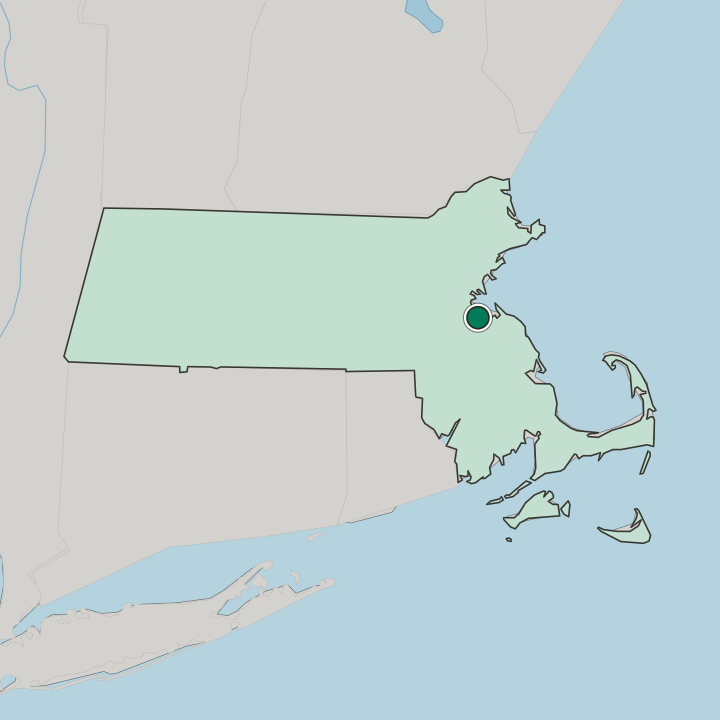
Quincy occupies Boston's southern doorstep. Its ground runs to close on seventy square kilometres, the largest city area in Norfolk County, and the built fabric takes in the historic centre, the Wollaston parishes and the shoreline at Fore River. Quarry stone underlies it.
The granite that supplied Boston came out of this ground, and the shipyard fixed the character of the water frontage that faces the rest of Greater Boston.
What is the climate of Quincy?
Water tempers the edges here. Quincy lies in the temperate band of the northern hemisphere, and the shoreline at Fore River takes a little off both the January cold and the August heat that inland Norfolk County receives in full. Snow is routine.
A traveller booking between December and March should count on it, while one arriving in high summer meets humid air that can sit over Greater Boston for days together.
How do you get to Quincy?
Boston is the way in. Quincy stands among the immediate southern suburbs of the larger city, so nearly every traveller arrives from that side and finishes the journey by road into Norfolk County. History ran the other way.
This city built the first commercial railroad in the country to carry its granite towards Boston, a line laid for stone rather than for passengers. Peacefield and the Adams birthplaces sit close enough together to see on foot once a car is parked.
Common questions
What is the best area to stay in Quincy?
Around the United First Parish Church: Visitors taking the John Adams Birthplace and Peacefield on foot. Wollaston: Quiet residential nights by the Wollaston Congregational Church. Toward the Fore River Shipyard: Travellers whose target is the United States Naval Shipbuilding Museum.
Good for
More cities in Massachusetts
Updated September 2026