United States · Massachusetts
Where to Stay in Worcester, Massachusetts
Old mill streets and the halls of the Worcester Art Museum mark Worcester, a city in Massachusetts settled in 1673.
Hotel links are affiliate links: booking through them may earn us a commission, at no extra cost to you. It never affects how places are ranked. How this works


Where to stay in Worcester
Where the beds are, and what that means for the visit.
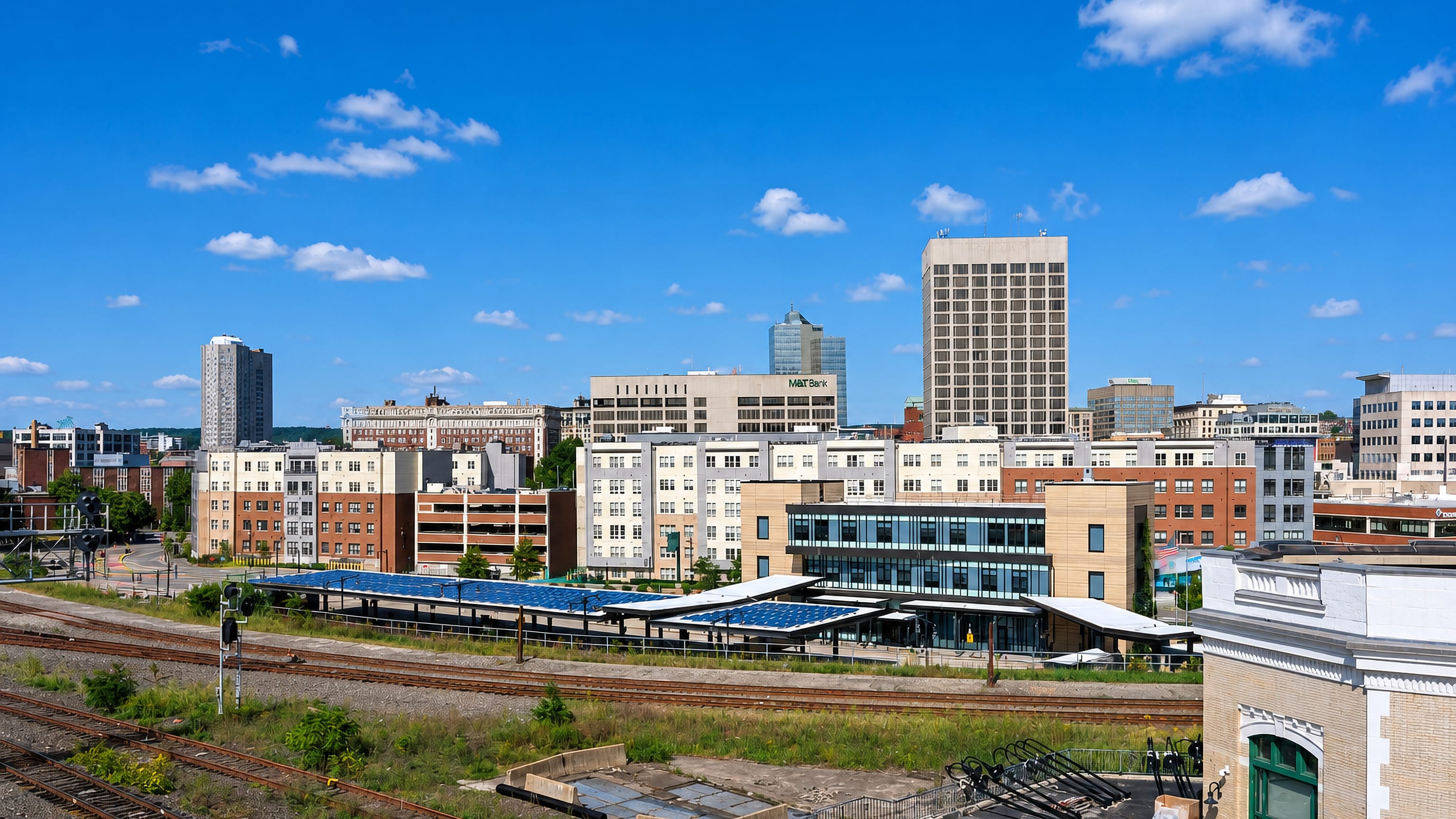
Worcester spreads across a set of low hills in Massachusetts, and where you stay depends on whether you want the museum quarter, the downtown halls, or the ballpark blocks. The centre gathers the civic streets. The centre makes an easy start for a first visit.
Travellers drawn to the collections base themselves near the Worcester Art Museum, where the EcoTarium and the science exhibits sit within reach of the older residential blocks and the Union Congregational Church. South of the centre, the newer ground around Polar Park carries the busy grain of the ballpark district. If you have come for a game, stay near Polar Park, an easy walk to the seats.
Others choose the downtown streets close to the Worcester Historical Museum and the Bigelow Monument, near the civic buildings that anchor the heart of the city. Each part of Worcester reads its own way. Where you land is up to you.
Find hotels in Worcester
Direct booking searches for these neighbourhoods.
Museum quarter
The blocks around the Worcester Art Museum set the EcoTarium and the Union Congregational Church within reach of the older residential streets of Worcester.Find hotels in Museum quarterGame days near Polar ParkBallpark district
South of the centre, the newer ground around Polar Park keeps rooms within a short walk of the seats and the surrounding blocks in Massachusetts.Find hotels in Ballpark districtCivic streets near the Worcester Historical MuseumDowntown Worcester
The downtown blocks sit close to the Worcester Historical Museum and the Bigelow Monument among the civic buildings at the heart of the city.Find hotels in Downtown WorcesterHotel links are affiliate links: booking through them may earn us a commission, at no extra cost to you. It never affects how places are ranked. How this works
Things to do in Worcester
Ranked by global recognition; descriptions from Wikidata (CC0).
Museums & Galleries
3- Higgins Armory Building Heritage
- Museo de Arte de Worcester
- Higgins Armory Museum
Churches & Religious Sites
3- Union Congregational Church Heritage
- Emmanuel Baptist Heritage
- South Unitarian Church Heritage
Castles & Historic Sites
3- Bigelow Monument
- Statue of George Frisbie Hoar
- Statue of John V. Power
Stadiums & Sports
1- Polar Park
Parks & Gardens
1- White City
Landmarks & Notable Places
8- Franklin Wesson House Heritage
- George Bentley House Heritage
- Borden-Pond House Heritage
- Amos Flagg House Heritage
- Jesse Moore House Heritage
Show 3 more →
- Patrick Murphy Three-Decker Heritage
- Alexander Marsh House Heritage
- Addison Prentiss House Heritage
worth knowingacross 6 categories in Worcester
About Worcester
What is Worcester known for?
Worcester is known for its museums and its long history as a mill city in Massachusetts. The trades built it up. Its old works gave way to the collections of the Worcester Art Museum and the science halls of the EcoTarium, while the Higgins Armory Museum and the Worcester Historical Museum keep the record of a manufacturing town that grew inland from the coast.
What are the main landmarks in Worcester?
Worcester holds landmarks that run from its museums to its churches and its ballpark. The Worcester Art Museum anchors the collections. Its galleries draw visitors inward, while the EcoTarium keeps a science campus above the streets, the Higgins Armory Museum preserves a hall of arms, Polar Park brings the crowds to its seats, and the Church of Our Savior, the Union Congregational Church, and the Bigelow Monument mark the older civic ground of Massachusetts.
What is the history of Worcester?
Worcester began as an inland settlement in 1673 on the hills of central Massachusetts, one of the harder places to hold in the early colony. Attacks emptied it twice. Only after decades of resettlement did the town take firm root, growing from a farming outpost into a market centre whose fortunes turned once the mills and machine shops arrived along its streams.
The nineteenth century made Worcester a manufacturing city, drawing workers to its wire works, foundries, and machine trades in Massachusetts. Industry paid for the halls that still stand, from the Worcester Art Museum built by the city's manufacturing wealth to the collections that became the Higgins Armory Museum and the Worcester Historical Museum. Through boom and decline the hills held the town together.
From a twice-burned frontier settlement, Worcester grew into the largest inland city of its state.
Where is Worcester?
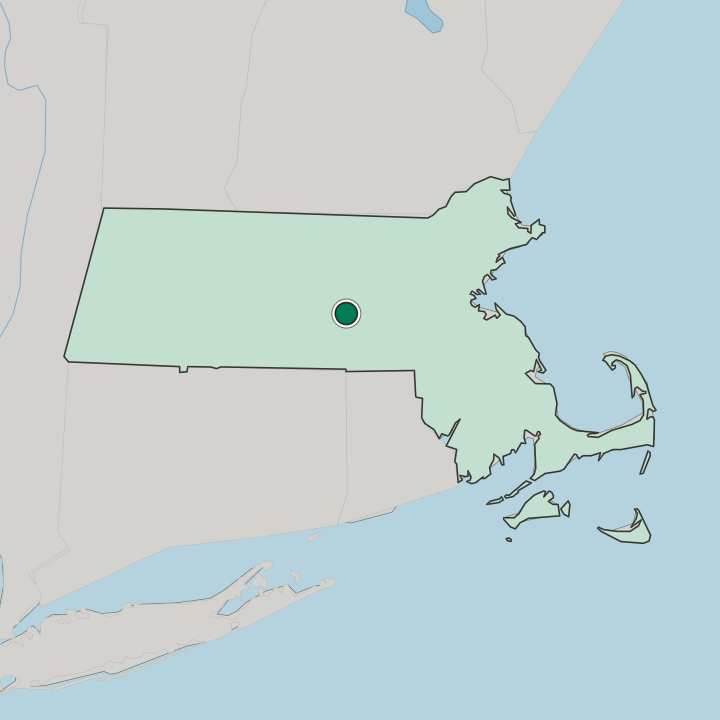
Worcester lies inland on the hills of central Massachusetts, well back from the Atlantic coast. The land is one of low rises. Wooded ridges frame the museum grounds around the EcoTarium and the eastern shore at White City, the older streets climb toward the halls of the Worcester Art Museum, and the newer ground near Polar Park spreads across the valley floor that carries the city between its hills.
What is the climate of Worcester?
Worcester has a humid continental climate, with warm summers and cold, snowy winters on the hills of Massachusetts. The cold season stretches on for months. Snow settles heavily over the higher ground and the museum grounds around the EcoTarium, while warm, humid summers bring afternoon storms, and mild springs return green to the streets near the Worcester Art Museum before the cold comes back.
How do you get to Worcester?
Worcester is reached by road and rail across inland Massachusetts. For most, the drive in is the way to Worcester. Interstate routes cross the hills toward the coast and the interior, while commuter and regional rail lines and a small regional airport tie Worcester to the wider corridors of the state, running past the halls of the Worcester Art Museum and the EcoTarium.
Common questions
What is the best area to stay in Worcester?
Museum quarter: Art and science near the Worcester Art Museum. Ballpark district: Game days near Polar Park. Downtown Worcester: Civic streets near the Worcester Historical Museum.
Good for
More cities in Massachusetts
Updated September 2026