United States · Massachusetts
Where to Stay in Cambridge, Massachusetts
Red-brick halls and courtyards define Cambridge, a university city in Massachusetts with the Harvard Art Museums and the Harvard Museum of Natural History.
Hotel links are affiliate links: booking through them may earn us a commission, at no extra cost to you. It never affects how places are ranked. How this works


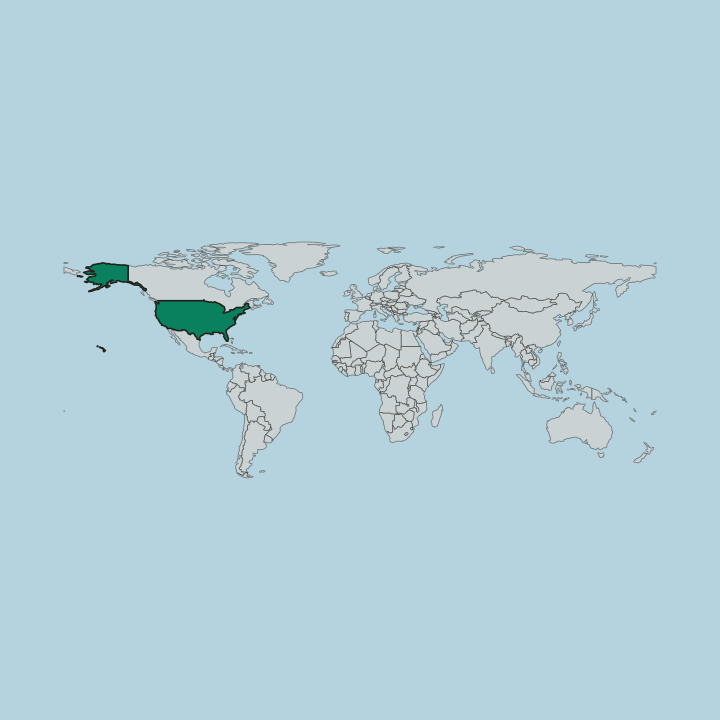
Where to stay in Cambridge
Not every neighbourhood fits every trip — here's what each one is good for.
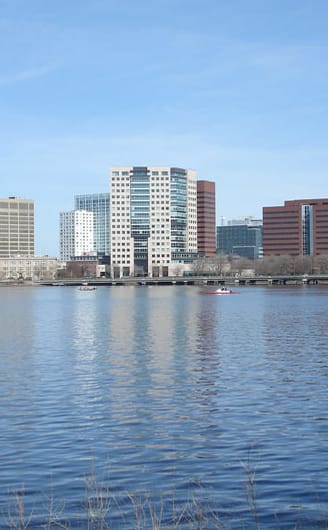
 CambridgeUnited States
Mid-Cambridge
Mid-Cambridge, also called Area 6, is a Cambridge neighbourhood bounded by Massachusetts Avenue, Prospect Street, and the Somerville border.Where to stay → CambridgeUnited States
Cambridgeport
Cambridgeport is a neighborhood of Cambridge, Massachusetts, spread between Massachusetts Avenue and the Charles River.Where to stay →Hotel links are affiliate links: booking through them may earn us a commission, at no extra cost to you. It never affects how places are ranked. How this works
Find hotels in Cambridge
Direct booking searches for these neighbourhoods.
College quarter by the Harvard Art Museums
A short walk links the Harvard Art Museums, the Fogg Museum, and the Busch-Reisinger Museum through the brick-walled college core.Find hotels in College quarter by the Harvard Art MuseumsQuiet stays near the Longfellow House-Washington's Headquarters National Historic SiteHistoric avenues near the Longfellow House
Older clapboard houses and Elmwood give the shaded streets around the Longfellow House-Washington's Headquarters National Historic Site a colonial grain.Find hotels in Historic avenues near the Longfellow HouseHotel links are affiliate links: booking through them may earn us a commission, at no extra cost to you. It never affects how places are ranked. How this works
Things to do in Cambridge
Ranked by global recognition; descriptions from Wikidata (CC0).
Museums & Galleries
3- Longfellow House–Washington's Headquarters National Historic Site Heritage
- Fogg Museum Heritage
- Harvard Art Museums
Churches & Religious Sites
4- Christ Church Heritage
- Church of the New Jerusalem Heritage
- Christ the King Presbyterian Church Heritage
- St. James Episcopal Church Heritage
Castles & Historic Sites
1- Ether Monument
Landmarks & Notable Places
4- Elmwood Heritage
- Margaret Fuller House Heritage
- Maria Baldwin House Heritage
- Urban Rowhouse Heritage
worth knowingacross 4 categories in Cambridge
About Cambridge
What is Cambridge known for?
Cambridge is known as a university city and a dense cluster of museums in Massachusetts. The Harvard Art Museums, the Fogg Museum, and the Busch-Reisinger Museum gather art and scholarship around the college quarter. Science sits beside them.
The Museum of Comparative Zoology and the Harvard Museum of Natural History hold research collections, while the Peabody Museum of Archaeology and Ethnology traces the human record across the same academic ground.
What are the main landmarks in Cambridge?
Cambridge packs its landmarks into the college quarter and the historic streets. The Harvard Art Museums, the Fogg Museum, and the Busch-Reisinger Museum lead the art collections. Science stands alongside.
The Museum of Comparative Zoology, the Harvard Museum of Natural History, and the Collection of Historical Scientific Instruments hold the research holdings, while the Peabody Museum of Archaeology and Ethnology adds its ethnographic record. Two older sites mark the colonial past, the Longfellow House-Washington's Headquarters National Historic Site and the poet's home at Elmwood.
What is the history of Cambridge?
Cambridge dates to 1630, when English settlers laid out a town on the level ground across the water from the Massachusetts coast. Scholarship arrived early. A college took root within a few years, and the town grew around learning, its later museums like the Peabody Museum of Archaeology and Ethnology and the Museum of Comparative Zoology built to hold the research the institution gathered.
The colonial town left standing houses. The Longfellow House-Washington's Headquarters National Historic Site served as a command post in the Revolutionary years and later as a poet's home, and Elmwood survives from the same era among the older avenues. Collections defined the modern city.
The Harvard Art Museums, the Fogg Museum, and the Harvard Museum of Natural History turned the college quarter of Massachusetts into a place people visit for its galleries as much as its classrooms.
Where is Cambridge?
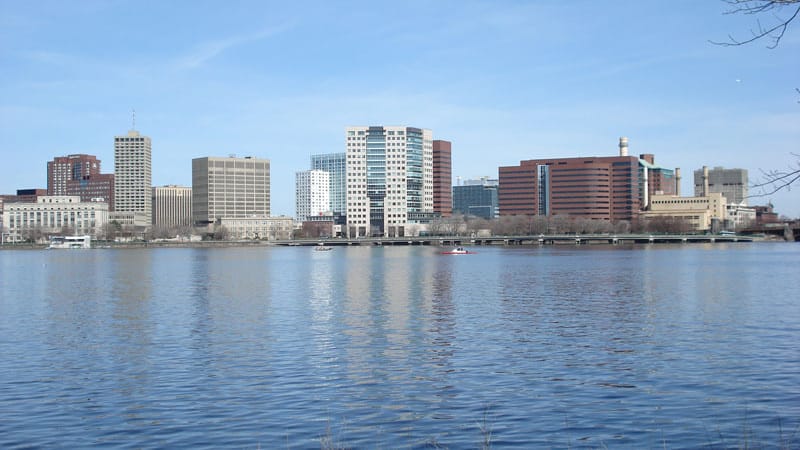
Cambridge sits on low, level ground along the water in Massachusetts, its blocks laid close and dense. Cambridge lies almost dead flat. The college quarter around the Harvard Art Museums gathers on flat streets near the shore, and the older residential avenues toward Elmwood run inland across the same even ground.
Across the water lies the wider urban spread of coastal Massachusetts.
What is the climate of Cambridge?
Cambridge has a temperate climate with cold, snowy winters and warm summers. Each season arrives with a jolt. Cold air and coastal snow settle over the college quarter through the long winter months, then give way to warm, humid summers that fill the courtyards around the Harvard Art Museums before another Massachusetts winter closes in.
Autumn brings the sharpest color of the year.
How do you get to Cambridge?
Cambridge sits on the dense road and rail network of coastal Massachusetts. Transit reaches it easily. Subway and rail lines link the city across the water to the wider region, and highways feed it from the surrounding towns, bringing visitors within a short walk of the Harvard Art Museums and the research collections at the Museum of Comparative Zoology.
Common questions
What is the best area to stay in Cambridge?
College quarter by the Harvard Art Museums: Museum stays near the Harvard Art Museums. Historic avenues near the Longfellow House: Quiet stays near the Longfellow House-Washington's Headquarters National Historic Site.
Good for
More cities in Massachusetts
Updated October 2026