United States · Massachusetts
Where to Stay in Springfield, Massachusetts
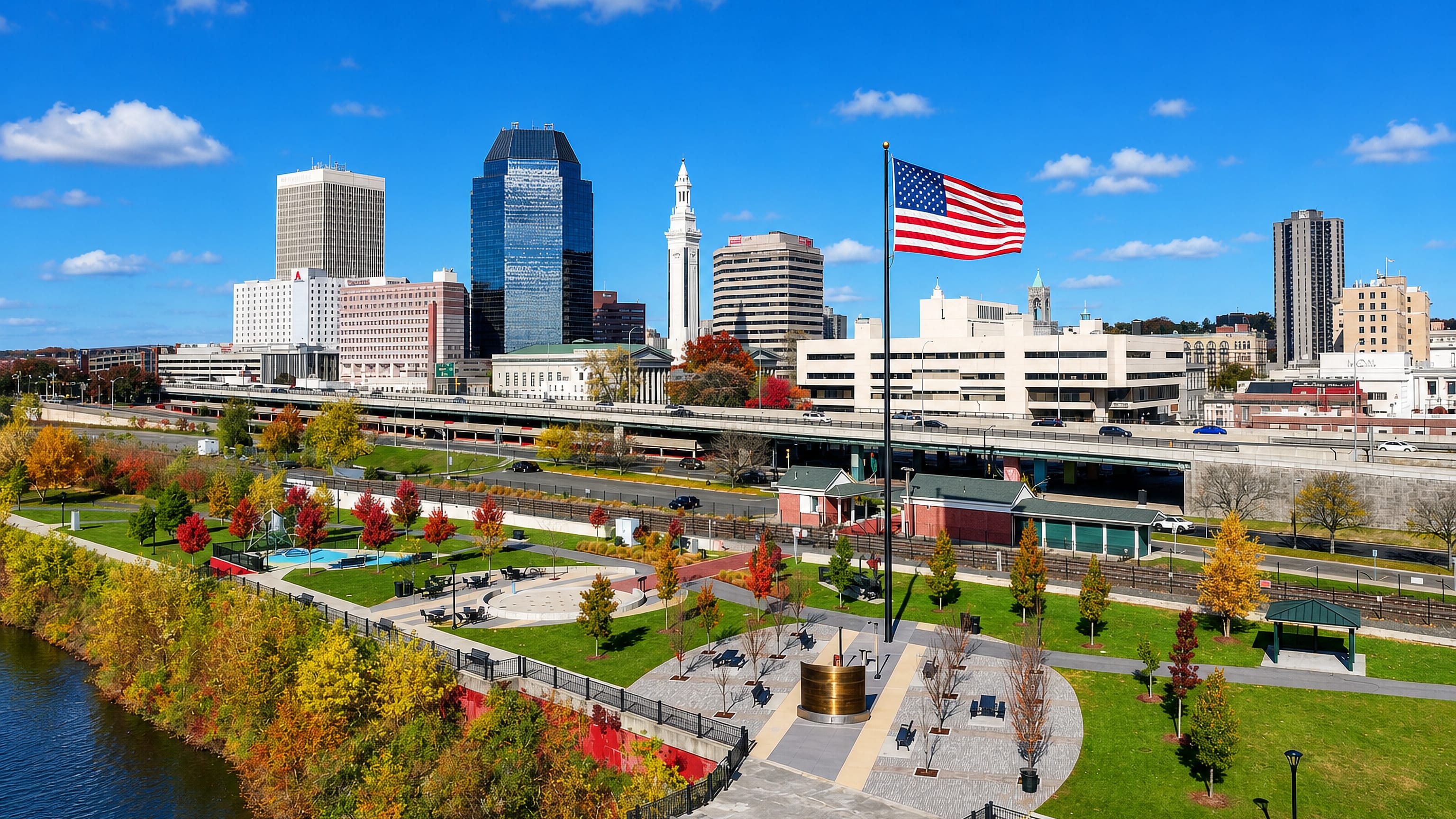
The museum quadrangle gathers under old trees at Springfield, a city in Massachusetts settled in 1636 and known for its art halls and Dr. Seuss memorials.
Hotel links are affiliate links: booking through them may earn us a commission, at no extra cost to you. It never affects how places are ranked. How this works



Where to stay in Springfield
Where the beds are, and what that means for the visit.
Springfield sorts into stay areas set around the museum quadrangle, the old meeting houses, and the wider grid in Massachusetts. The core beside the Springfield Science Museum and the Michele & Donald D'Amour Museum of Fine Arts suits travelers who want the art halls and the Dr. Seuss memorials within a short walk of the door. Base here for the museums.
A short way off, the streets near First Church of Christ, Congregational and the North Congregational Church give a quieter base among the older meeting houses and shaded lanes. Visitors travelling with children do well nearer the Amazing World of Dr. Seuss Museum and the Dr. Seuss National Memorial Sculpture Garden, where the illustrator's whimsical figures fill the museum garden. If you want the further heritage churches, the South Congregational Church and St. Joseph's Church add stops nearby.
Each pocket trades a different asset for its quiet. Choose the bed by the itinerary, and the compact grid keeps the city easy to cross between the quadrangle and the meeting houses.
Find hotels in Springfield
Direct booking searches for these neighbourhoods.
Museum quadrangle core
The Springfield Science Museum and the Michele & Donald D'Amour Museum of Fine Arts sit within a short walk, keeping the art halls and the Dr. Seuss memorials at the door.Find hotels in Museum quadrangle coreQuiet stays by the old congregational churchesMeeting-house lanes
The streets near First Church of Christ, Congregational and the North Congregational Church hold the older meeting houses on the calmer shaded lanes.Find hotels in Meeting-house lanesFamily stays by the illustrator's memorialsSeuss garden grounds
The Amazing World of Dr. Seuss Museum and the Dr. Seuss National Memorial Sculpture Garden fill the museum garden with the illustrator's whimsical figures.Find hotels in Seuss garden groundsHotel links are affiliate links: booking through them may earn us a commission, at no extra cost to you. It never affects how places are ranked. How this works
Things to do in Springfield
Ranked by global recognition; descriptions from Wikidata (CC0).
Museums & Galleries
2- Amazing World of Dr. Seuss Museum
- Michele & Donald D'Amour Museum of Fine Arts
Churches & Religious Sites
4- First Church of Christ, Congregational Heritage
- South Congregational Church Heritage
- St. Joseph's Church Heritage
- French Congregational Church Heritage
Stadiums & Sports
2- George E. Trelease Memorial Baseball Park
- Suprenant Field
Landmarks & Notable Places
1- W C A Boarding House Heritage
worth knowingacross 4 categories in Springfield
About Springfield
What is Springfield known for?
Springfield is known in Massachusetts for its cluster of museums and its Dr. Seuss heritage. The Springfield Science Museum and the Michele & Donald D'Amour Museum of Fine Arts anchor the museum grounds. The Amazing World of Dr. Seuss Museum and the Dr. Seuss National Memorial Sculpture Garden honour the illustrator born in the city, while the historic congregations of First Church of Christ, Congregational and the South Congregational Church left the meeting houses that still mark the older streets.
What are the main landmarks in Springfield?
Springfield centers its landmarks on the museum quadrangle in Massachusetts. The Springfield Science Museum is a signature hall of the grounds, standing beside the Michele & Donald D'Amour Museum of Fine Arts among the shaded lawns. The city's illustrator features strongly on the same green, honoured by the Amazing World of Dr. Seuss Museum and the whimsical bronze figures of the Dr. Seuss National Memorial Sculpture Garden.
Older worship heritage stands nearby. First Church of Christ, Congregational and the South Congregational Church mark the meeting-house streets close by.
What is the history of Springfield?
Springfield was settled in 1636 as one of the earliest colonial towns of the Massachusetts river country. The founding came early. English settlers laid out a trading plantation on the terrace above the valley, and the town grew through generations of farming, milling, and the meeting-house worship that shaped New England life.
Congregations and armouries then marked the maturing city. The worshippers who raised First Church of Christ, Congregational and the South Congregational Church left the meeting houses that still stand on the old streets, while French and immigrant communities added the French Congregational Church and St. Joseph's Church to the townscape. Culture gathered later on one green.
The Springfield Science Museum and the Michele & Donald D'Amour Museum of Fine Arts rose on the quadrangle, and the city honoured its own illustrator with the Dr. Seuss National Memorial Sculpture Garden. Each era left a building still standing near the old town green.
Where is Springfield?
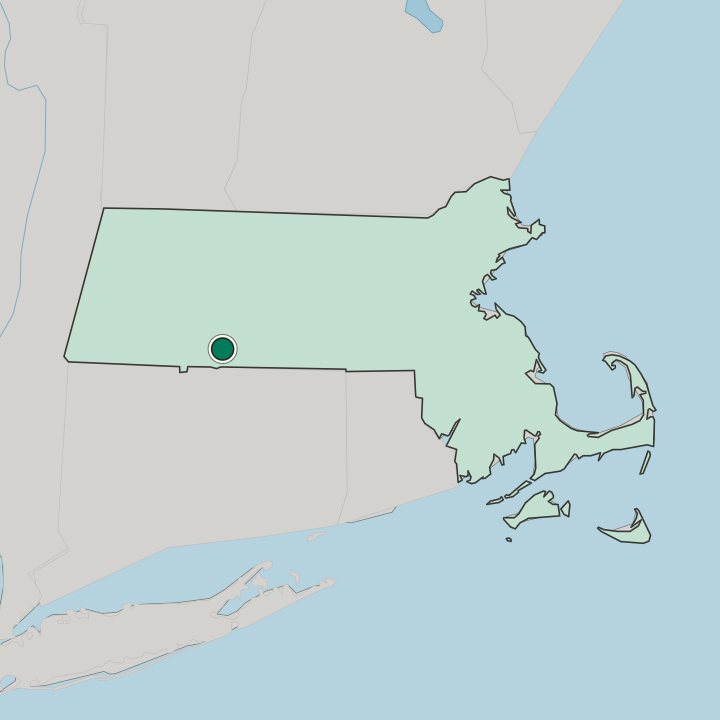
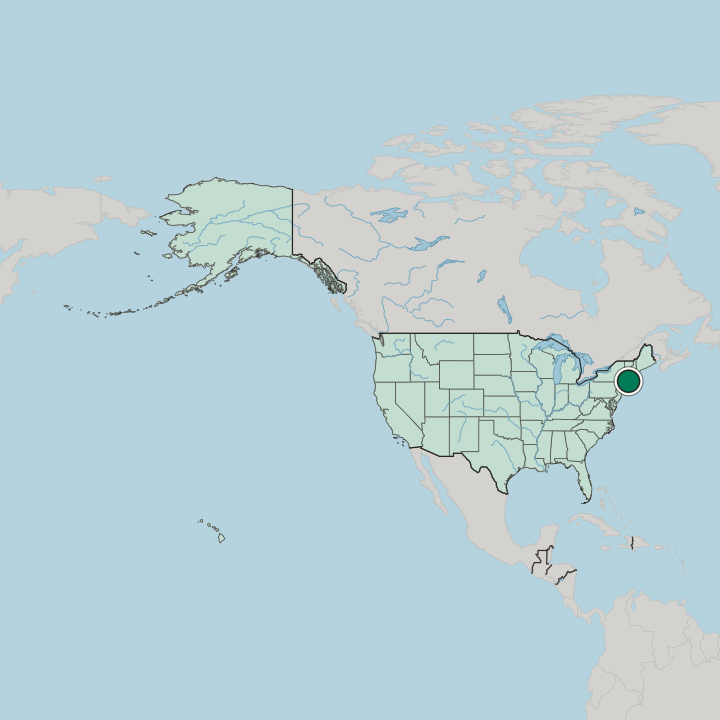
Springfield sits on a river terrace in the valley country of Massachusetts, where the land rises gently from the water to the town green. The setting is a low riverside terrace. Its historic core gathers on the quadrangle, so the Springfield Science Museum, the Michele & Donald D'Amour Museum of Fine Arts, and the Dr. Seuss National Memorial Sculpture Garden all fall within a walkable band.
The street grid then runs out across the terrace toward the meeting houses near the South Congregational Church.
What is the climate of Springfield?
Springfield has a humid continental climate typical of the river valleys of Massachusetts. Springfield sees cold, snow-filled winters. Snow settles across the terrace and the surrounding hills from late autumn into early spring, so the indoor galleries of the Springfield Science Museum and the Michele & Donald D'Amour Museum of Fine Arts carry much of the cold-season visiting.
Summers turn warm and green, with humid spells over the valley, and the shaded lawns of the Dr. Seuss National Memorial Sculpture Garden draw the warm-weather crowds.
How do you get to Springfield?
Springfield sits at a river and interstate crossing in the valley of Massachusetts, so most visitors arrive by car or by train. Roads meet here. The routes cross near the water and feed the town grid, keeping the museum quadrangle close to the exits.
From the walkable core the Springfield Science Museum, the Michele & Donald D'Amour Museum of Fine Arts, and the Dr. Seuss National Memorial Sculpture Garden all stay within an easy circuit, while drivers use the valley roads to reach the South Congregational Church and the outer residential streets beyond the green.
Common questions
What is the best area to stay in Springfield?
Museum quadrangle core: Art and Dr. Seuss stays within a short walk. Meeting-house lanes: Quiet stays by the old congregational churches. Seuss garden grounds: Family stays by the illustrator's memorials.
Good for
More cities in Massachusetts
Updated September 2026