United States · Michigan
Where to Stay in Ann Arbor, Michigan
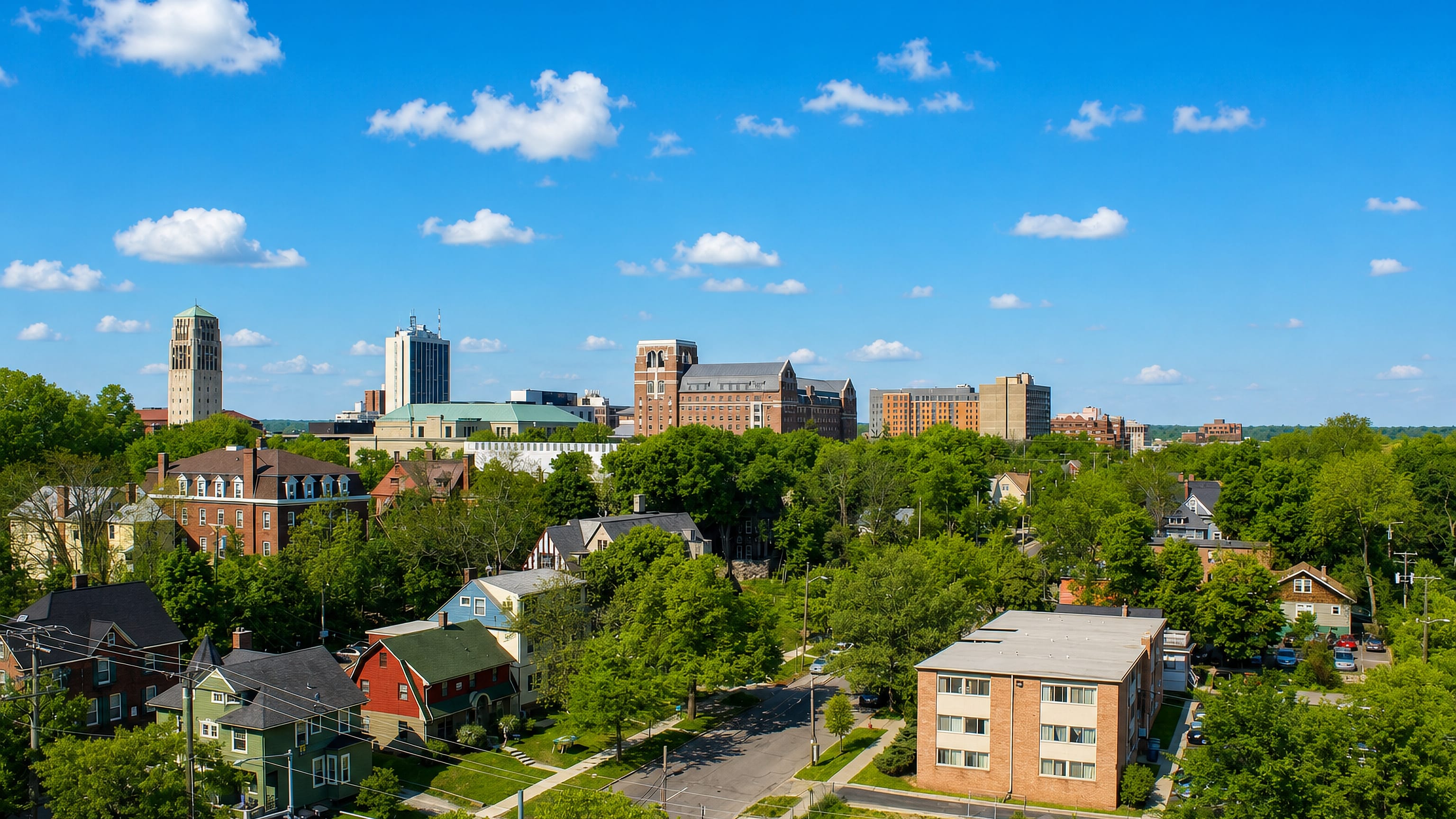
The Huron River winds through Ann Arbor, a university city in the Huron Valley of Michigan, known for the University of Michigan and its museum quarter.
Hotel links are affiliate links: booking through them may earn us a commission, at no extra cost to you. It never affects how places are ranked. How this works


Where to stay in Ann Arbor
Where visitors usually base themselves, and why.
Ann Arbor runs along the Huron River and its low valley, and where you stay depends on whether you want the campus and downtown or the quieter neighbourhoods beyond them. The walkable centre wraps the university and its galleries. The walkable centre is the easiest place to start.
Travellers drawn to the campus settle near the University of Michigan Museum of Art, where the Kelsey Museum of Archaeology and the Ann Arbor Hands-On Museum stand within a short walk of the cafes and bookshops. Away from the centre, the tree-lined streets around the Kempf House Museum keep the older residential grain of Ann Arbor. If you have come for the historic homes and the calm, base yourself near the Kempf House Museum, an easy walk from downtown.
Others choose the neighbourhoods along the Huron River toward the Leslie Science & Nature Center, greener and closer to the water in the Huron Valley. Each of Ann Arbor's neighbourhoods carries its own grain. The rest comes down to taste.
Find hotels in Ann Arbor
Direct booking searches for these neighbourhoods.
Campus and downtown
The walkable centre sets the University of Michigan Museum of Art among the Kelsey Museum of Archaeology and the Ann Arbor Hands-On Museum, close to the downtown bookshops.Find hotels in Campus and downtownOlder tree-lined homes near the Kempf House Museum in Ann ArborHistoric streets by the Kempf House
Away from the centre, the calm streets around the Kempf House Museum keep the older residential grain of Ann Arbor above the Huron River.Find hotels in Historic streets by the Kempf HouseGreener riverside near the Leslie Science & Nature CenterAlong the Huron River
Toward the Leslie Science & Nature Center, the neighbourhoods along the Huron River run greener and closer to the water in the Huron Valley.Find hotels in Along the Huron RiverHotel links are affiliate links: booking through them may earn us a commission, at no extra cost to you. It never affects how places are ranked. How this works
Things to do in Ann Arbor
Ranked by global recognition; descriptions from Wikidata (CC0).
Museums & Galleries
3- Kelsey Museum of Archaeology Heritage
- Ann Arbor Hands-On Museum Heritage
- University of Michigan Museum of Art
Churches & Religious Sites
3- Unitarian Universalist Church Heritage
- Delta Kappa Epsilon Shant
- St Andrew's Episcopal Church
Stadiums & Sports
3- Ray Fisher Stadium
- Ann Arbor Veterans Memorial Arena
- Ann Arbor Ice Cube
Landmarks & Notable Places
6- Floyd R. Mechem House Heritage
- William and Elizabeth (Bodanzky) Muschenheim House Heritage
- William Anderson House Heritage
- Henry S. Frieze House Heritage
- Robert C. and Bettie J. (Sponseller) Metcalf House Heritage
Show 1 more →
- Thomas Earl House Heritage
worth knowingacross 4 categories in Ann Arbor
About Ann Arbor
What is Ann Arbor known for?
Ann Arbor is known above all as a university city built around the University of Michigan in the Huron Valley. The campus shapes the town. Standing on the Huron River as the seat of Washtenaw County, Ann Arbor gathers a walkable downtown and a cluster of galleries around the University of Michigan Museum of Art and the Kelsey Museum of Archaeology.
What are the main landmarks in Ann Arbor?
Ann Arbor holds landmarks that span its university, its museums, and its historic homes. The University of Michigan Museum of Art anchors the campus edge. Its galleries draw students and visitors alike, while the Kelsey Museum of Archaeology keeps its antiquities, the Ann Arbor Hands-On Museum fills a downtown block, and the Kempf House Museum and the Argus Museum preserve the older Ann Arbor within Washtenaw County.
What is the history of Ann Arbor?
Ann Arbor was founded in 1824 on the Huron River in what became Washtenaw County. The river drew the first settlers. Its valley on the low ground of the Huron Valley offered water power and good land, and the settlement that grew there became the county seat, gathering the mills and the trade that moved along the river.
From that early village, Ann Arbor was remade when the University of Michigan moved to the town and set its shape for good. The campus drew scholars and grew outward, and the streets filled with the houses and halls that still stand, from the Kempf House Museum to the homes around the University of Michigan Museum of Art. Through every era the Huron River endured.
From a mill settlement of 1824, Ann Arbor grew into the university seat of Washtenaw County.
Where is Ann Arbor?
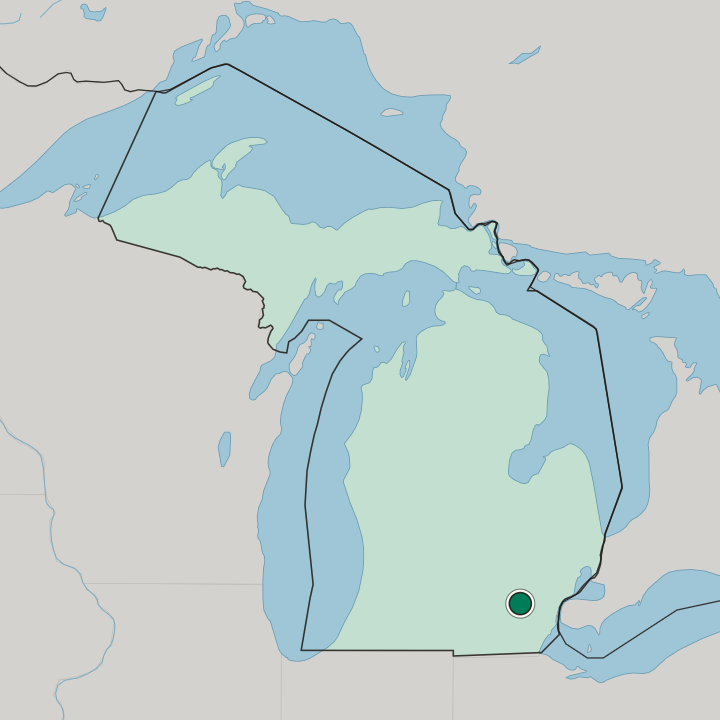
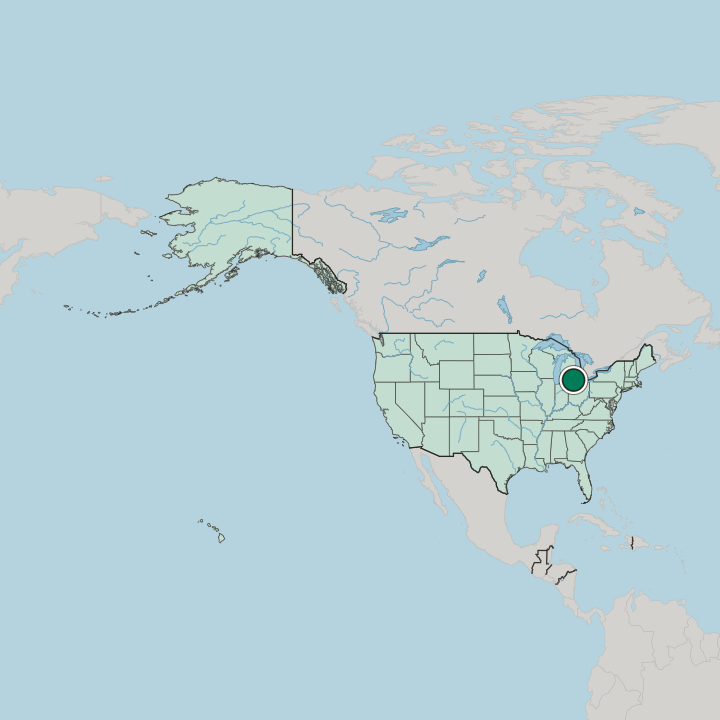
Ann Arbor lies in the Huron Valley of southern Michigan, set on the Huron River. The land rolls in low hills. The river winds through the middle of the city, the campus and downtown rise on the higher ground above it, and the wooded slopes of Washtenaw County frame the valley that carries Ann Arbor through this stretch of Michigan.
What is the climate of Ann Arbor?
Ann Arbor has a humid continental climate, with warm summers and cold, snowy winters in southern Michigan. The seasons turn hard. Warm, humid summers settle over the Huron River and its valley, while long winters bring snow to the campus and the wooded slopes of Washtenaw County, before mild springs return to the streets of Ann Arbor.
How do you get to Ann Arbor?
Ann Arbor is reached by road, rail, and air, a well-linked city in the Huron Valley of Michigan. Most travellers arrive by car or train. Interstate routes run east and west through Washtenaw County while rail lines cross the Huron River, and a nearby regional airport ties Ann Arbor to the wider country beyond the valley of Michigan.
Common questions
What is the best area to stay in Ann Arbor?
Campus and downtown: Galleries and cafes near the University of Michigan Museum of Art. Historic streets by the Kempf House: Older tree-lined homes near the Kempf House Museum in Ann Arbor. Along the Huron River: Greener riverside near the Leslie Science & Nature Center.
Good for
More cities in Michigan
Updated September 2026