United States · Michigan
Where to Stay in Troy, Michigan
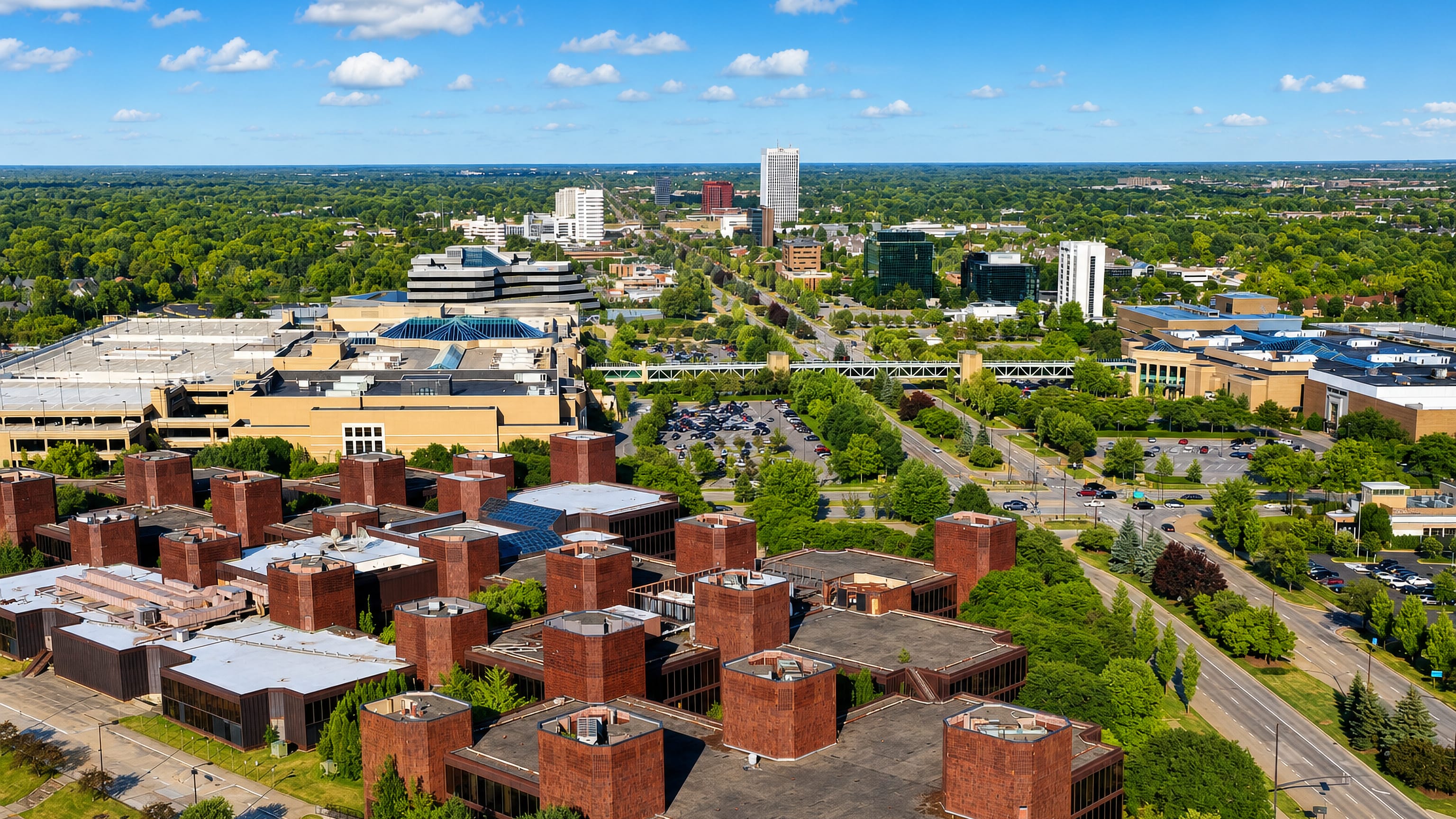
Troy is the largest community in Oakland County, a Detroit suburb where farm-era houses survive beside the Troy Museum and Historic Village.
Hotel links are affiliate links: booking through them may earn us a commission, at no extra cost to you. It never affects how places are ranked. How this works


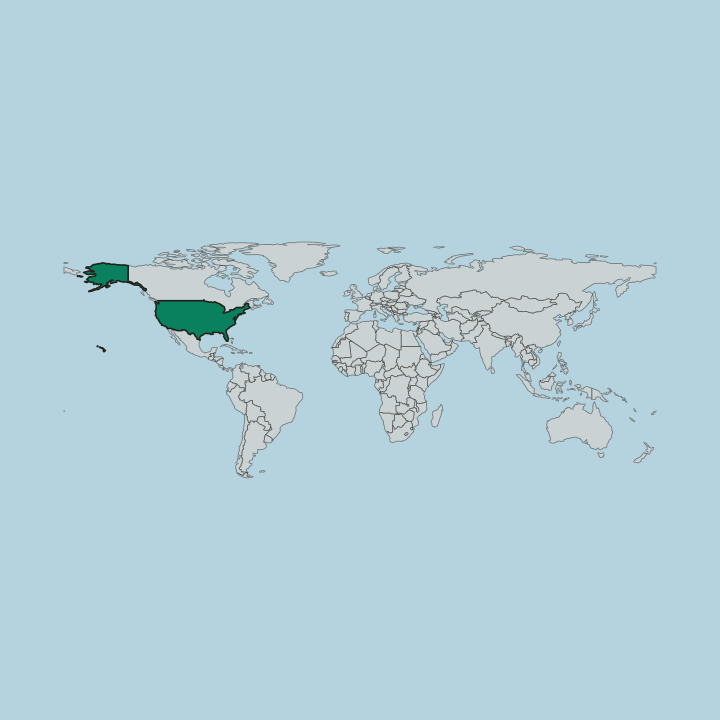
Where to stay in Troy
Where the beds are, and what that means for the visit.
A stay in Troy is a stay by the road, since the city spreads over 87 square kilometres and almost nothing sits within walking distance of anything else. The blocks near Troy Museum and Historic Village make the most rewarding base for a visitor who came for the older city, with the Caswell House and Brooks Farm close by on the same side. Mornings are easy there.
Parking costs nothing but patience, and the museum village opens onto the quieter residential streets that surround it. The sporting end is different. Rooms out near Ultimate Soccer Arenas and the Oakland University Baseball Field suit families travelling for a tournament, and the same roads run on into the rest of Oakland County.
Christ Church Cranbrook and the Saarinen House lie a short drive away for anyone whose trip is built around architecture rather than sport. Woodside Bible Church, the Barn Church and the John W. Hunter House stand between the two ends. Downtown Detroit is 15 miles off, close enough that some visitors sleep there and drive out to Troy in the morning, which works well outside the weekday peaks.
Take the museum side for history. Take the arena side for space.
Find hotels in Troy
Direct booking searches for these neighbourhoods.
Around the museum village
Troy Museum and Historic Village, the Caswell House and Brooks Farm sit on this side, the one part of Troy that rewards a walk.Find hotels in Around the museum villageTournament weekends at Ultimate Soccer ArenasThe Ultimate Soccer Arenas end
Rooms near Ultimate Soccer Arenas and the Oakland University Baseball Field give teams parking and a fast road out of Troy.Find hotels in The Ultimate Soccer Arenas endHotel links are affiliate links: booking through them may earn us a commission, at no extra cost to you. It never affects how places are ranked. How this works
Things to do in Troy
Ranked by global recognition; descriptions from Wikidata (CC0).
Museums & Galleries
1- Troy Museum and Historic Village
Churches & Religious Sites
3- Woodside Bible Church
- Barn Church
- Christ Church Cranbrook
Castles & Historic Sites
1- Holcombe Site Heritage
Stadiums & Sports
1- Oakland University Baseball Field
Landmarks & Notable Places
7- Minoru and Teruko (Hirashiki) Yamasaki House Heritage
- William Upton House Heritage
- John W. Hunter House Heritage
- Brooks Farm Heritage
- Caswell House (Troy, Michigan) Heritage
Show 2 more →
- Thomas W. and Margaret Taliaferro House Heritage
- Milo Prentice Newberry House Heritage
worth knowingacross 5 categories in Troy
About Troy
Size comes first here.
What is Troy known for?
No other community in Oakland County covers as much ground or holds as many people, and the city has kept a scattering of farm-era buildings through all of that growth instead of clearing them away. Troy Museum and Historic Village gathers the oldest of them. Brooks Farm and the Caswell House stand as separate reminders of the same period.
Sport fills the modern side, with Ultimate Soccer Arenas drawing players from across the suburbs.
What are the main landmarks in Troy?
Named houses do most of the work here. The William Upton House and the Milo Prentice Newberry House survive under the family names attached to them, and the Yamasaki House stands for a later century of the same habit. Churches follow.
Barn Church, Woodside Bible Church and Christ Church Cranbrook take that side of the list, while the Holcombe Site is kept as ground rather than as a building. Ultimate Soccer Arenas fills the modern column. The Detroit Zoo lies within a drive.
What is the history of Troy?
Farming came first on this ground. Brooks Farm and the Caswell House survive from the years when Troy was fields and scattered homesteads rather than a city, and the Troy Museum and Historic Village now gathers that period into one place where it can be read whole. The Holcombe Site records use of the land older still.
Families gave their names to the houses that outlasted them, among them the William Upton House, the Milo Prentice Newberry House and the Thomas W. and Margaret Taliaferro House. Detroit did the rest. The built-up area pushed out across Oakland County until it reached this far, 15 miles from the downtown, and the farms gave way to subdivisions and commercial strips at a pace that made Troy the largest community in the county.
Growth brought its own architecture. The Yamasaki House belongs to that later century, as do the wider halls of Woodside Bible Church, while Christ Church Cranbrook and the Saarinen House stand a short way outside the city as neighbours of the same period. Ultimate Soccer Arenas and the Oakland University Baseball Field came later again.
What survives now is a suburb with its farm record intact.
Where is Troy?
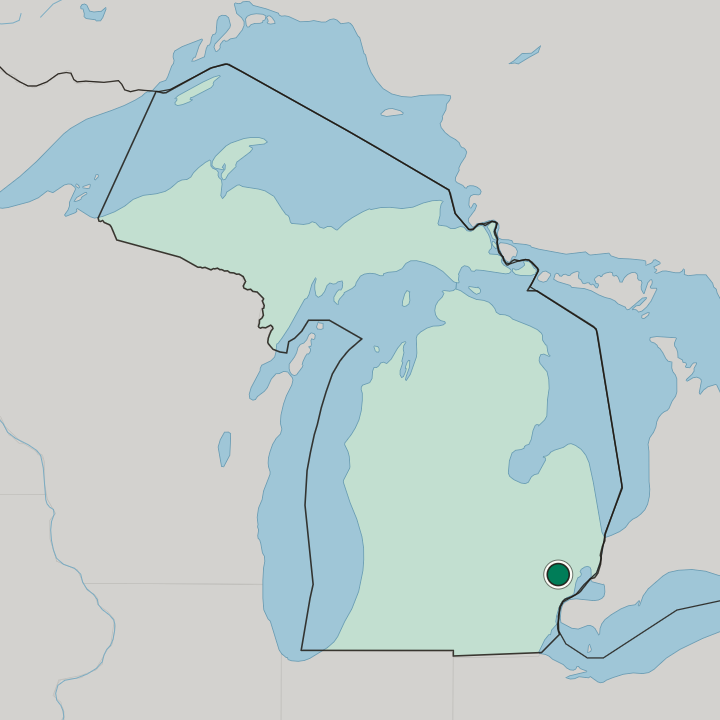
Eighty-seven square kilometres make Troy one of the widest municipalities in Oakland County, and that spread explains why the city reads as a series of separate districts strung along its main roads rather than as one centre with edges. Nothing here is compact. Downtown Detroit sits 15 miles away, with continuous suburb filling every mile of the gap.
Farmland once covered all of it.
What is the climate of Troy?
Cold months run long in Troy. The temperate seasons of this part of Michigan give the city warm and often humid summers, a winter with real snow, and two brief transitional stretches that carry most of the pleasant walking weather of the year. Indoor sport thrives on that arithmetic, which is part of why halls like Ultimate Soccer Arenas stay busy when the outdoor fields are unusable.
Summer evenings are the reward.
How do you get to Troy?
Everyone drives. The main roads through Troy run the 15 miles down to downtown Detroit in one direction and out across Oakland County in the other, and they carry a heavy commuter load at both ends of the working day. Visitors coming for a match at Ultimate Soccer Arenas or the Oakland University Baseball Field will want a car for the whole stay.
Nothing else covers this much ground.
Common questions
What is the best area to stay in Troy?
Around the museum village: Days built around Troy Museum and Historic Village. The Ultimate Soccer Arenas end: Tournament weekends at Ultimate Soccer Arenas.
Good for
More cities in Michigan
Updated October 2026