United States · Michigan
Where to Stay in Detroit, Michigan
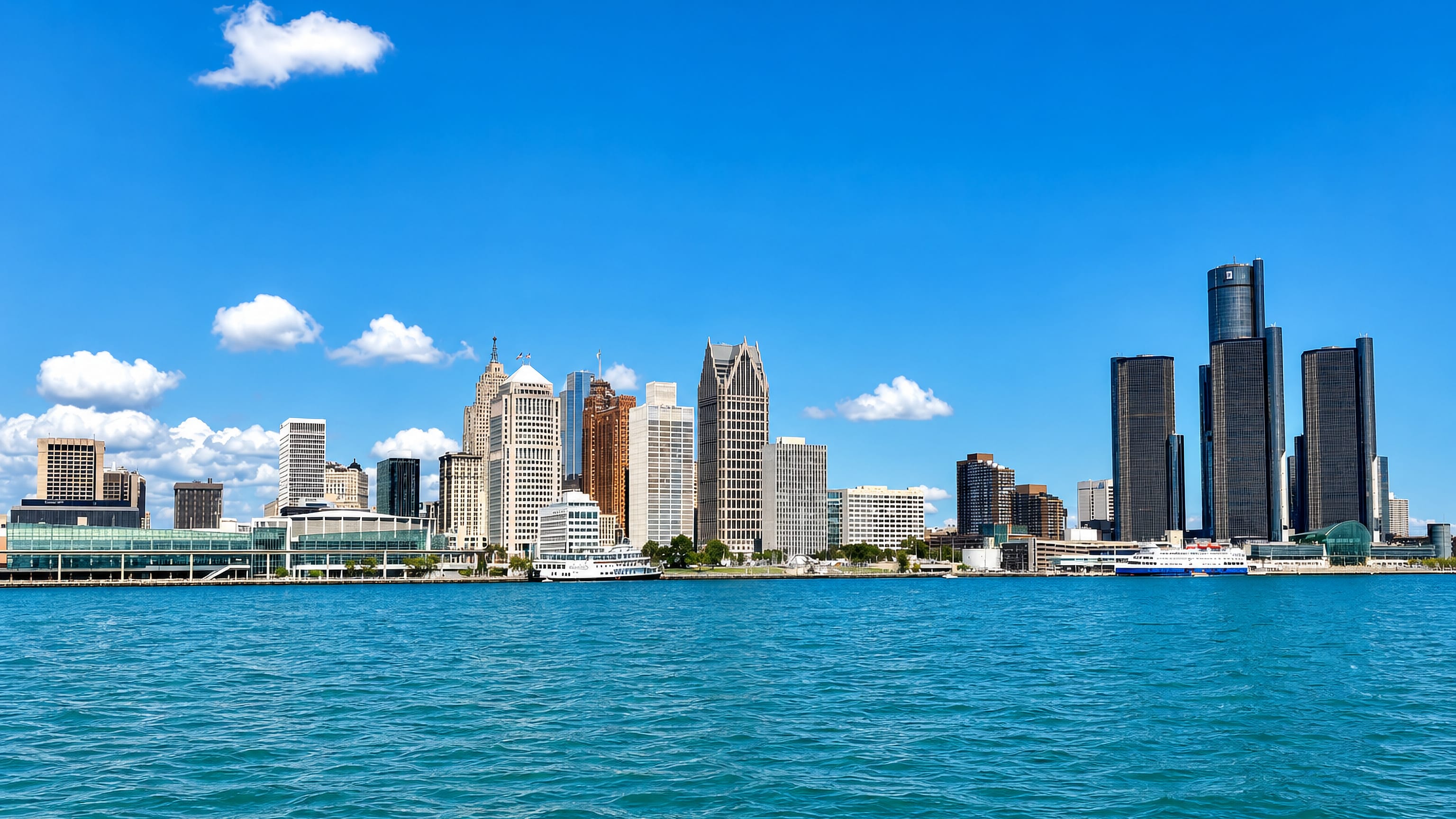
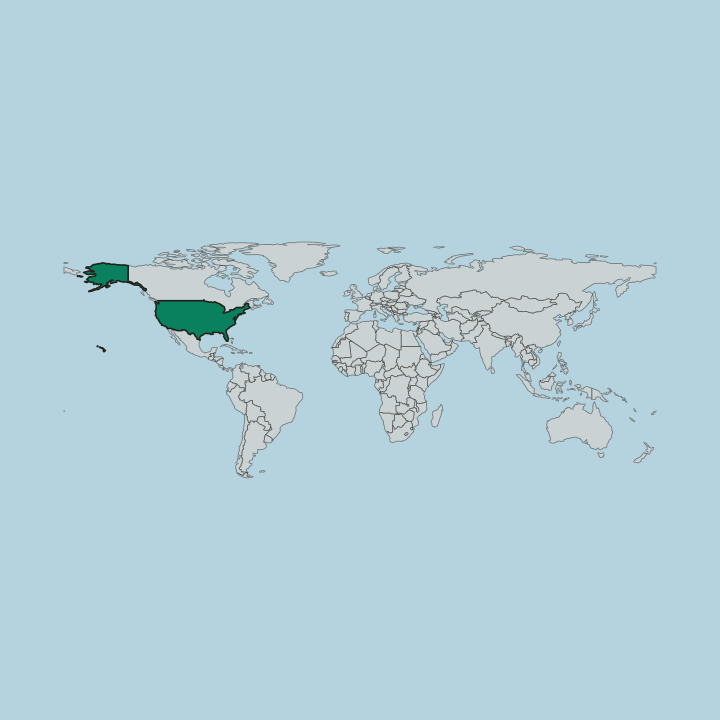
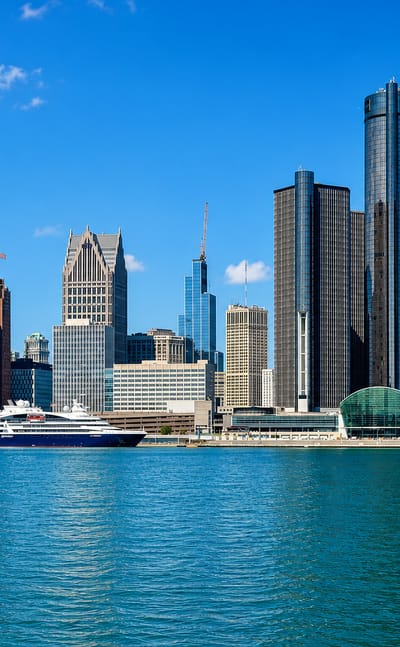
The Detroit River runs past Detroit, a city in Michigan known for the Detroit Institute of Arts and its old auto trade.
Hotel links are affiliate links: booking through them may earn us a commission, at no extra cost to you. It never affects how places are ranked. How this works


Where to stay in Detroit
Each area has its own feel; here's who each one suits.
 DetroitUnited States
Downtown Detroit
Downtown Detroit is the central district of Detroit, gathered around Little Caesars Arena and the riverfront Mariners' Church.Downtown Detroit → DetroitUnited States
Greektown
Greektown is a compact entertainment quarter of Detroit, United States, close to Little Caesars Arena.Greektown →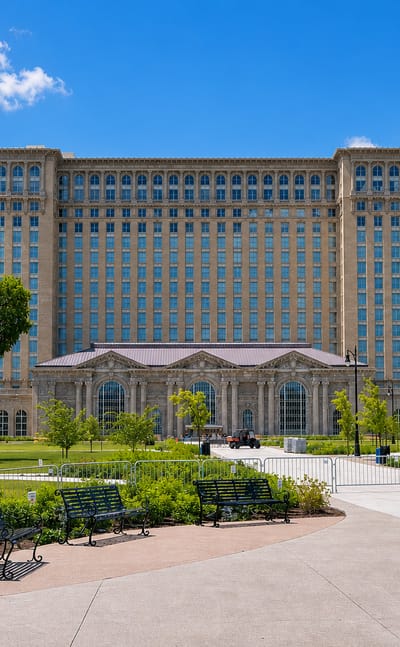 DetroitUnited States
Corktown Historic District
Corktown is Detroit's oldest extant neighbourhood, a low brick quarter in Michigan bounded by old freeways and streets.Corktown Historic District →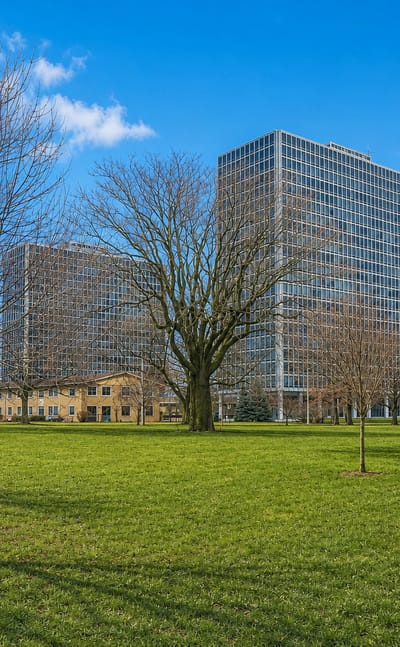 DetroitUnited States
Lafayette Park
Lafayette Park is a district of Detroit on the near east side, a planned residential quarter set apart from the towers of the wider city.Lafayette Park →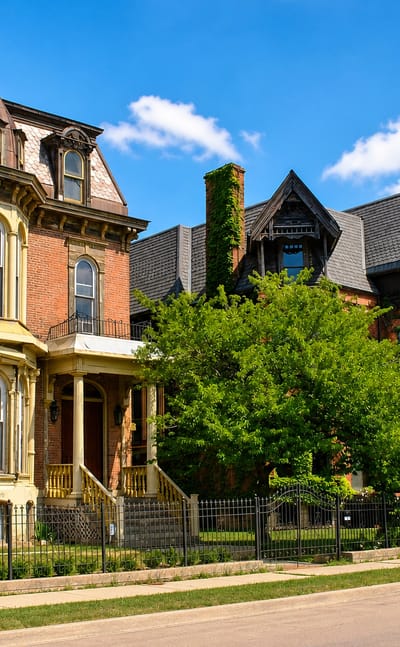 DetroitUnited States
Brush Park Historic District
Brush Park is a Victorian mansion quarter just north of downtown Detroit, edged by Woodward Avenue and famous for its restored gilded-age houses.Brush Park Historic District → DetroitUnited States
Midtown Detroit
Midtown Detroit lines Woodward Avenue between Downtown Detroit and the New Center area, anchoring the city's museum and arts district.Midtown Detroit →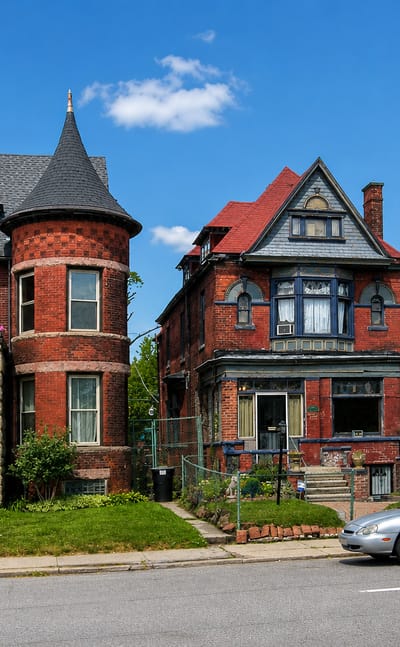 DetroitUnited States
Woodbridge Historic District
Woodbridge Historic District is a residential neighbourhood of Detroit, a quarter of Victorian-era homes near the Detroit Institute of Arts.Woodbridge Historic District →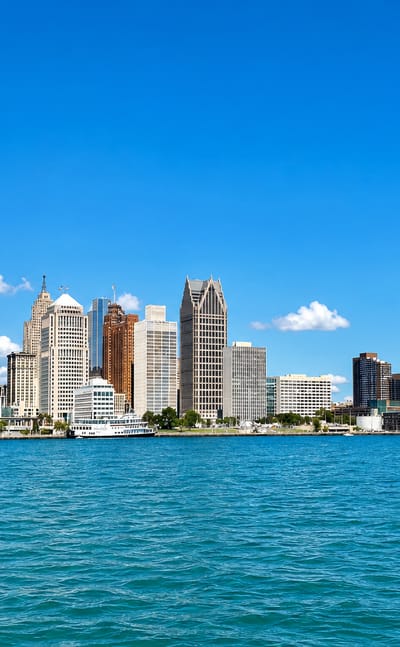 DetroitUnited States
Cass Corridor
Cass Corridor is a narrow strip of Detroit between downtown and the Cultural Center, named for Cass Avenue.Cass Corridor →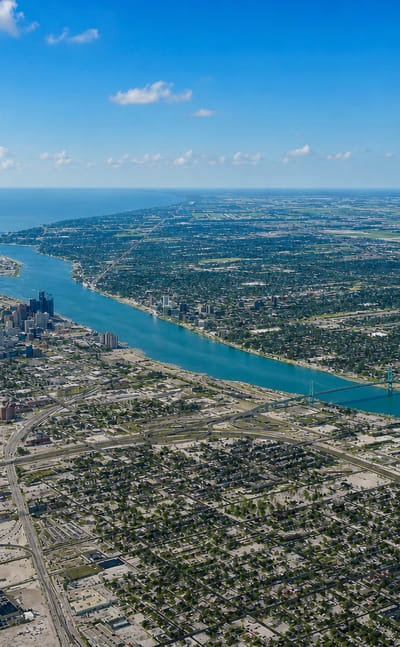 DetroitUnited States
Mexicantown
Mexicantown is a neighbourhood of Detroit, Michigan, home to the city's Mexican community along Bagley Street and Vernor Street.Mexicantown →DetroitUnited StatesIndian Village
Indian Village is a historic east-side district of Detroit, three tree-lined streets of grand early-1900s mansions near the Detroit River.Indian Village →DetroitUnited StatesDelray
Delray is an industrial riverside neighbourhood of Detroit, laid out around Most Holy Redeemer Church.Delray → DetroitUnited States
Brightmoor
Brightmoor is a residential district on the northwest side of Detroit, Michigan, platted for workers in 1922.Brightmoor →Hotel links are affiliate links: booking through them may earn us a commission, at no extra cost to you. It never affects how places are ranked. How this works
Things to do in Detroit
Ranked by global recognition; descriptions from Wikidata (CC0).
Museums & Galleries
2- Detroit Institute of Arts Heritage
- Charles H. Wright Museum of African American History
Churches & Religious Sites
8- Mariners' Church Heritage
- New Bethel Baptist Church Heritage
- Woodward Avenue Presbyterian Church Heritage
- St. Joseph Shrine, Detroit Heritage
- Most Holy Redeemer Church Heritage
Show 3 more →
- St. John's Episcopal Church Heritage
- Historic Trinity Lutheran Church Heritage
- St. Josaphat's Roman Catholic Church Heritage
Castles & Historic Sites
2- Fort Wayne Mound Site
- Statue of Alexander Macomb
Stadiums & Sports
3- Detroit Yacht Club Heritage
- Little Caesars Arena
- Bennett Park
Landmarks & Notable Places
8- Charles Trowbridge House Heritage
- Elisha Taylor House Heritage
- Frederick K. Stearns House Heritage
- Beaubien House Heritage
- Joseph Campau House Heritage
Show 3 more →
- Hudson-Evans House Heritage
- Alexander Chene House Heritage
- Alexander Chapoton House Heritage
worth knowingacross 5 categories in Detroit
About Detroit
Detroit is known for its art and its motor trade.
What is Detroit known for?
The Detroit Institute of Arts holds the great art collection of the city, and the Hilberry Theatre keeps its stage nearby. Cars built the city. Little Caesars Arena draws crowds downtown, and Mariners' Church stands by the water.
The Detroit River runs along its edge. Detroit grew on the border of Michigan and Canada.
What are the main landmarks in Detroit?
Detroit's landmarks run from art to the old riverfront. The Detroit Institute of Arts holds the great collection of the city, and the Hilberry Theatre keeps its stage. Little Caesars Arena stands downtown.
Mariners' Church and Bennett Park sit near the Detroit River, and the Ransom Gillis House keeps the look of the older streets. Fort Street Presbyterian Church marks the early city.
What is the history of Detroit?
Detroit was founded in 1701 on the Detroit River. The river drew the first settlers to the site, set on the water across from Windsor in Canada, and the town grew along the bank as trade moved up and down the river. It became the seat of Wayne County.
Over the generations that followed, the settlement grew from a river fort into a city of Michigan, and its early churches and houses filled the streets behind the water. The Beaubien House stands from those older years. Cars made the later history of Detroit.
The motor trade drew workers to the city, and the factories built its name across Michigan and beyond. Music and art followed the work that filled the city. The Detroit Institute of Arts opened its great collection, and the Hilberry Theatre kept a stage for the stories of the city.
Old churches still stand from the earlier town, among them Fort Street Presbyterian Church and Saints Peter and Paul Church. The Detroit River runs on past it all. Detroit built its name on the motor trade and the river.
Where is Detroit?
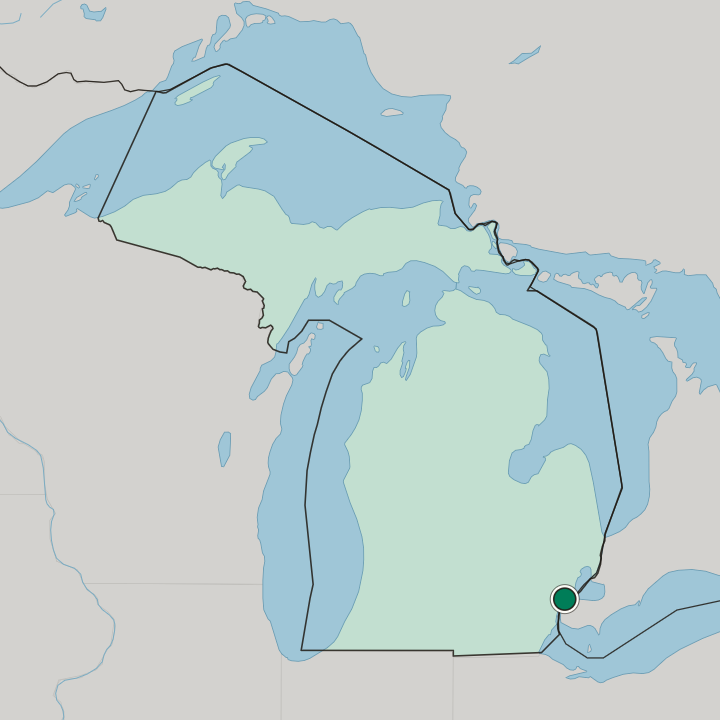
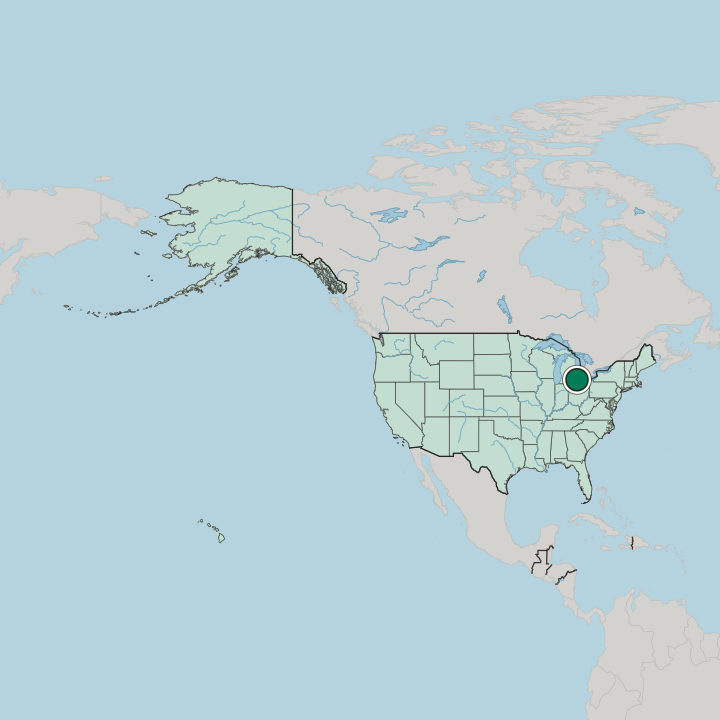
Detroit lies on the Detroit River, in Michigan, one of the states of the United States. The river forms the border with Canada, and the Canadian city of Windsor sits directly across the water. Wayne County surrounds it.
The land runs flat and low from the river into Michigan, and the border makes Detroit a meeting point of two countries.
What is the climate of Detroit?
Detroit has a temperate climate, with cold, snowy winters and warm summers. Winter grips the Detroit River for months, and ice edges the water along the border with Canada. Summers grow warm and long.
The seasons swing hard across Michigan, from deep snow to humid heat, over the streets of the old motor city.
How do you get to Detroit?
Detroit is reached by road, by air, and across the border. Highways cross Michigan and meet at the city, carrying traffic from across the United States, and bridges and tunnels cross the Detroit River to Canada. The airport lies outside the centre.
Windsor sits a short crossing away across the water. Roads bring most travellers to Detroit.
Good for
More cities in Michigan
Updated September 2026