United States
Michigan, United States — Towns & Travel Guide
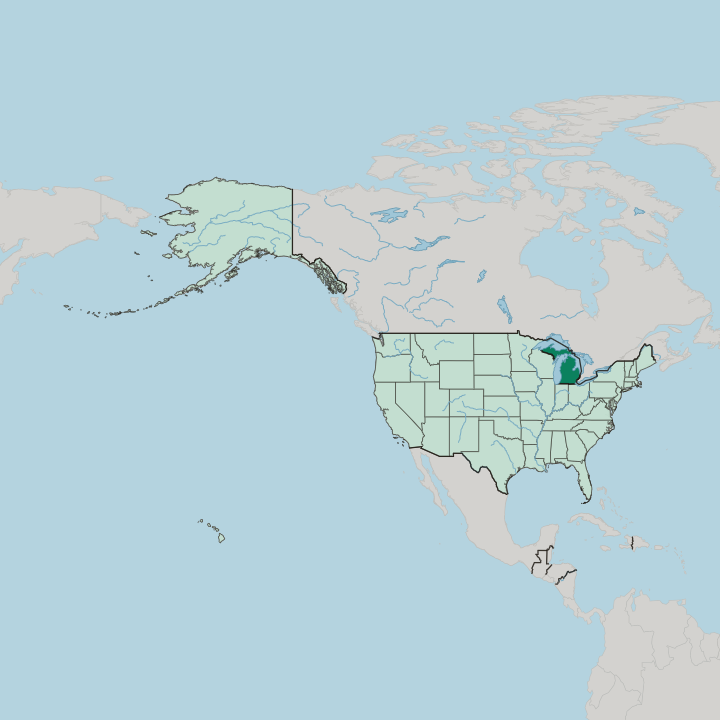
Michigan is a peninsular state of the United States in the Great Lakes region, with Detroit on its southeast corner and Lansing as its capital.
Hotel links are affiliate links: booking through them may earn us a commission, at no extra cost to you. It never affects how places are ranked. How this works


Towns & cities in Michigan
Pick a town or city — each links to where to stay.
 United States
Detroit
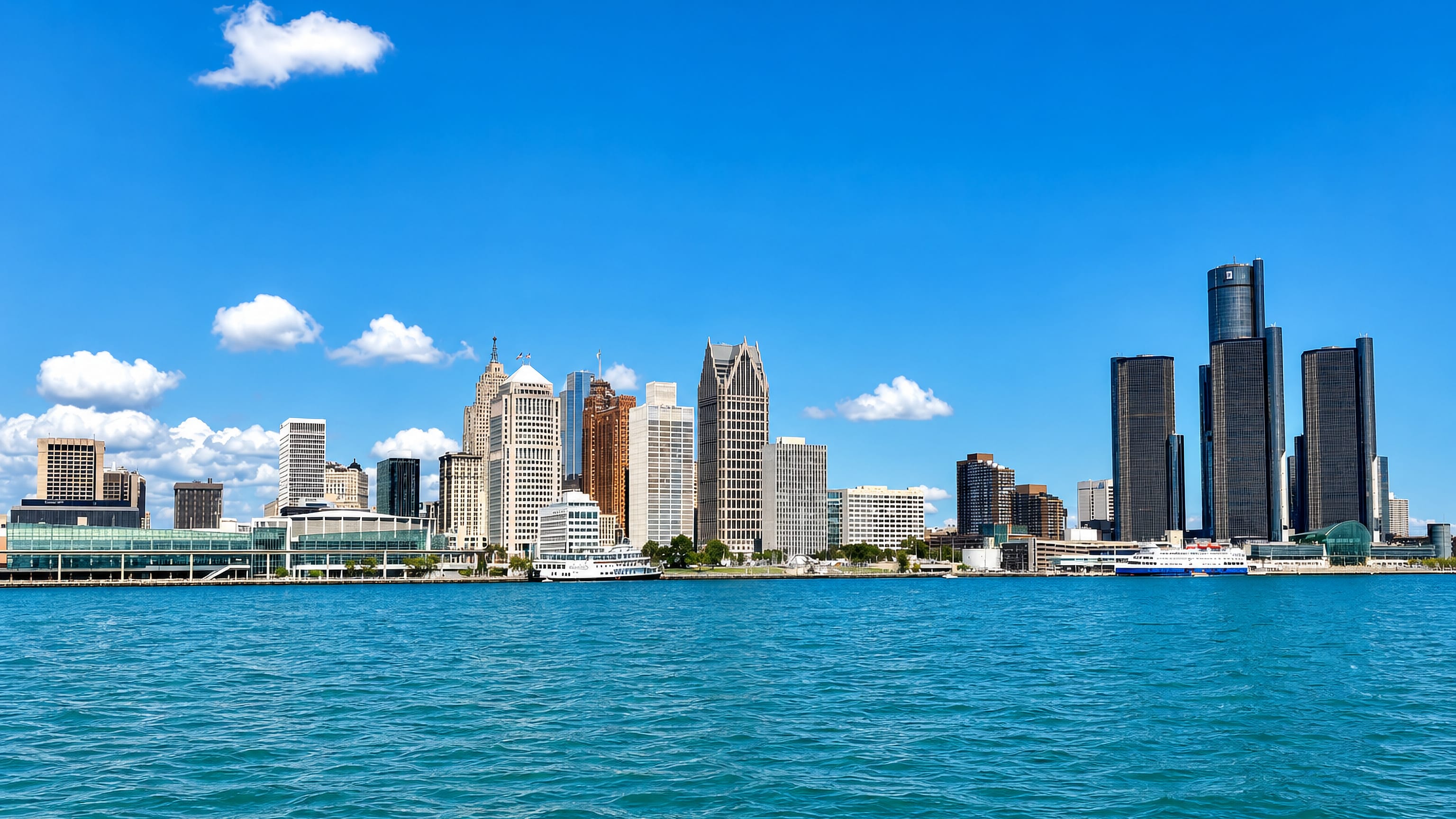
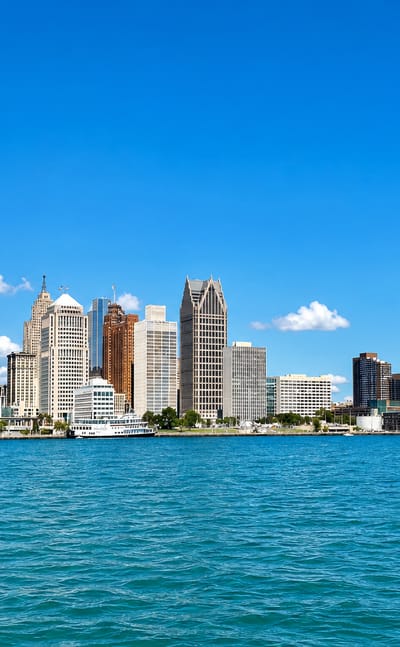
The Detroit River runs past Detroit, a city in Michigan known for the Detroit Institute of Arts and its old auto trade.Where to stay →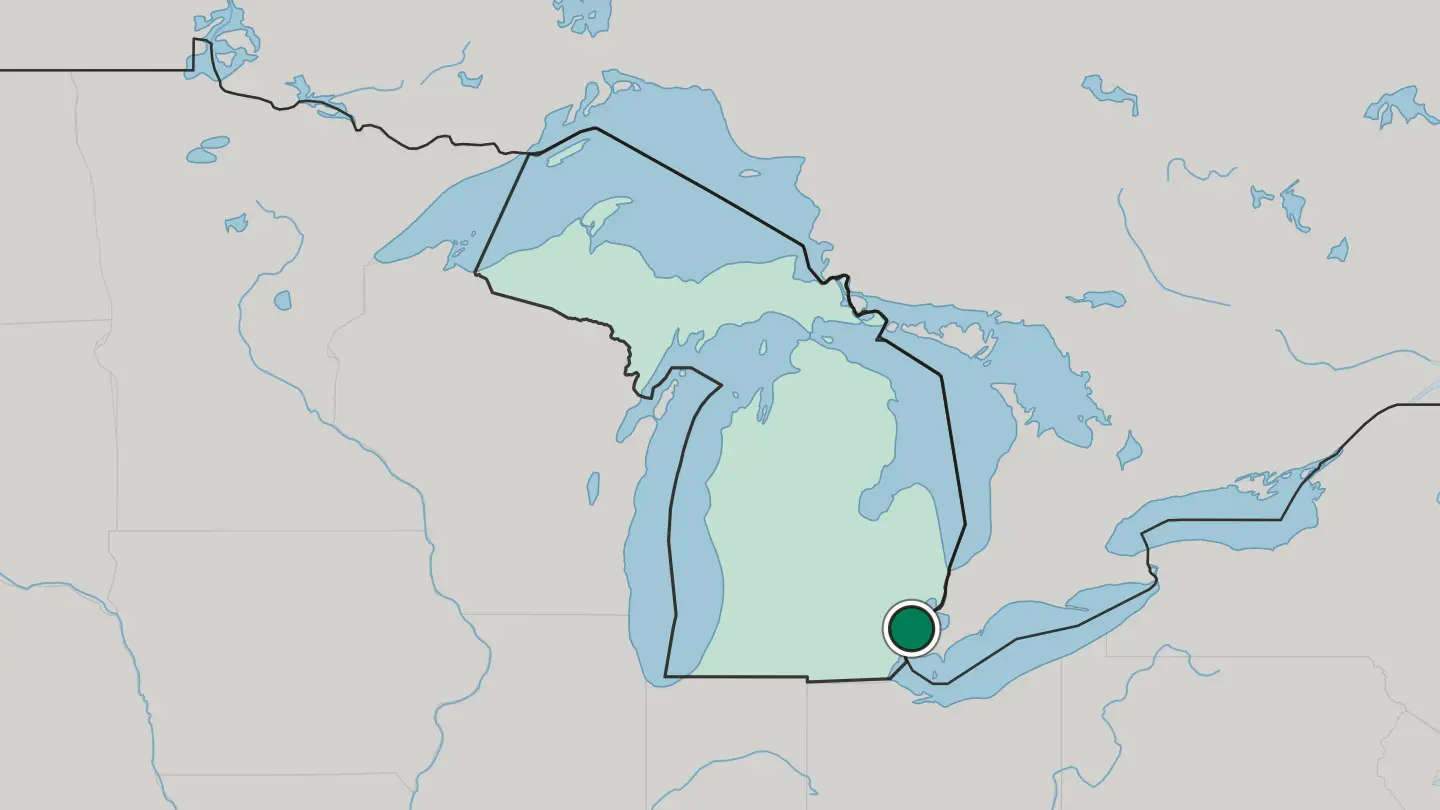
 United States
Grand Rapids
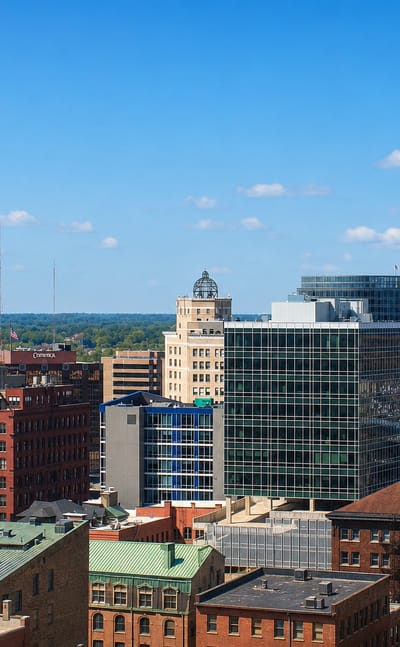
The Grand River runs over the rapids at Grand Rapids, a city in Michigan known for the Grand Rapids Art Museum and its riverside museums.Where to stay →
 United States
Warren
Warren is Detroit's largest suburb, a Macomb County city whose working life turns on the General Motors Technical Center.Where to stay → United States
Sterling Heights
Sterling Heights is a city in Macomb County, Michigan, a northern suburb of Detroit that was incorporated in 1968.Where to stay →
 United States
Ann Arbor
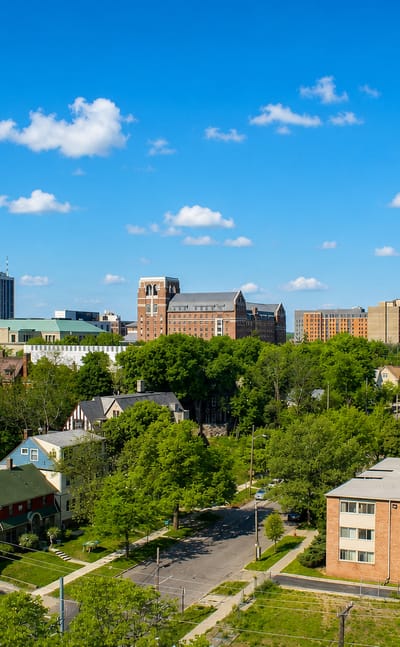
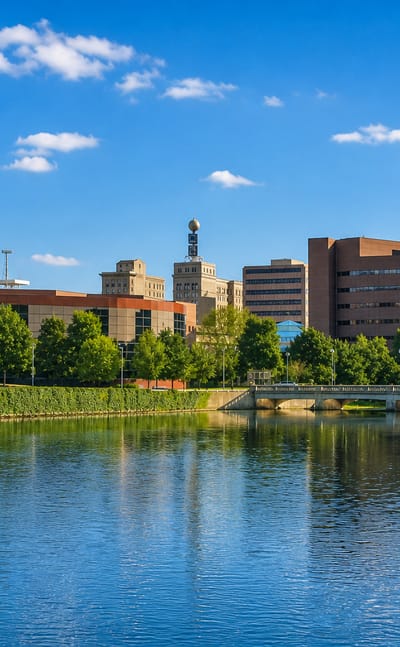
The Huron River winds through Ann Arbor, a university city in the Huron Valley of Michigan, known for the University of Michigan and its museum quarter.Where to stay →
 United States
Lansing
Lansing is the capital of Michigan, a city on the Grand River founded in 1835, known for its auto heritage and the Michigan History Museum.Where to stay → United States
Clinton Township
Clinton Township is a charter township of Macomb County, Michigan, and a northern suburb of Detroit.Where to stay →
 United States
Flint
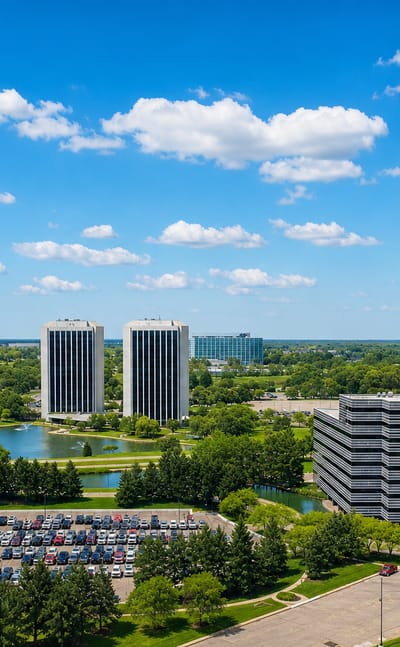
Brick factory walls and gallery halls stand together in Flint, an industrial city in Michigan, known for its auto heritage and the Flint Institute of Arts.Where to stay →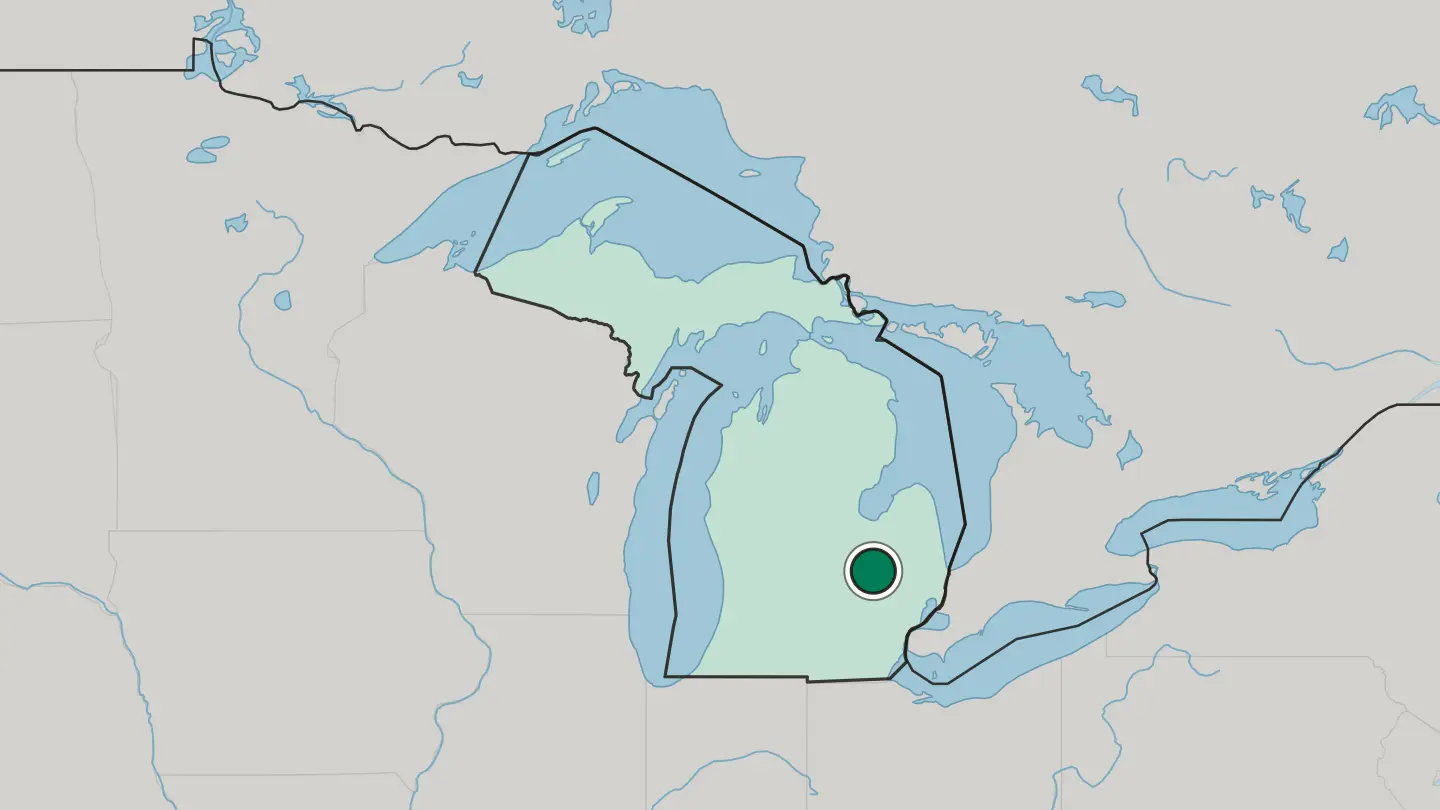
All towns & cities (20)
 United States
Dearborn
Dearborn is a city in Wayne County, Michigan, known for The Henry Ford museum and the Automotive Hall of Fame.Where to stay →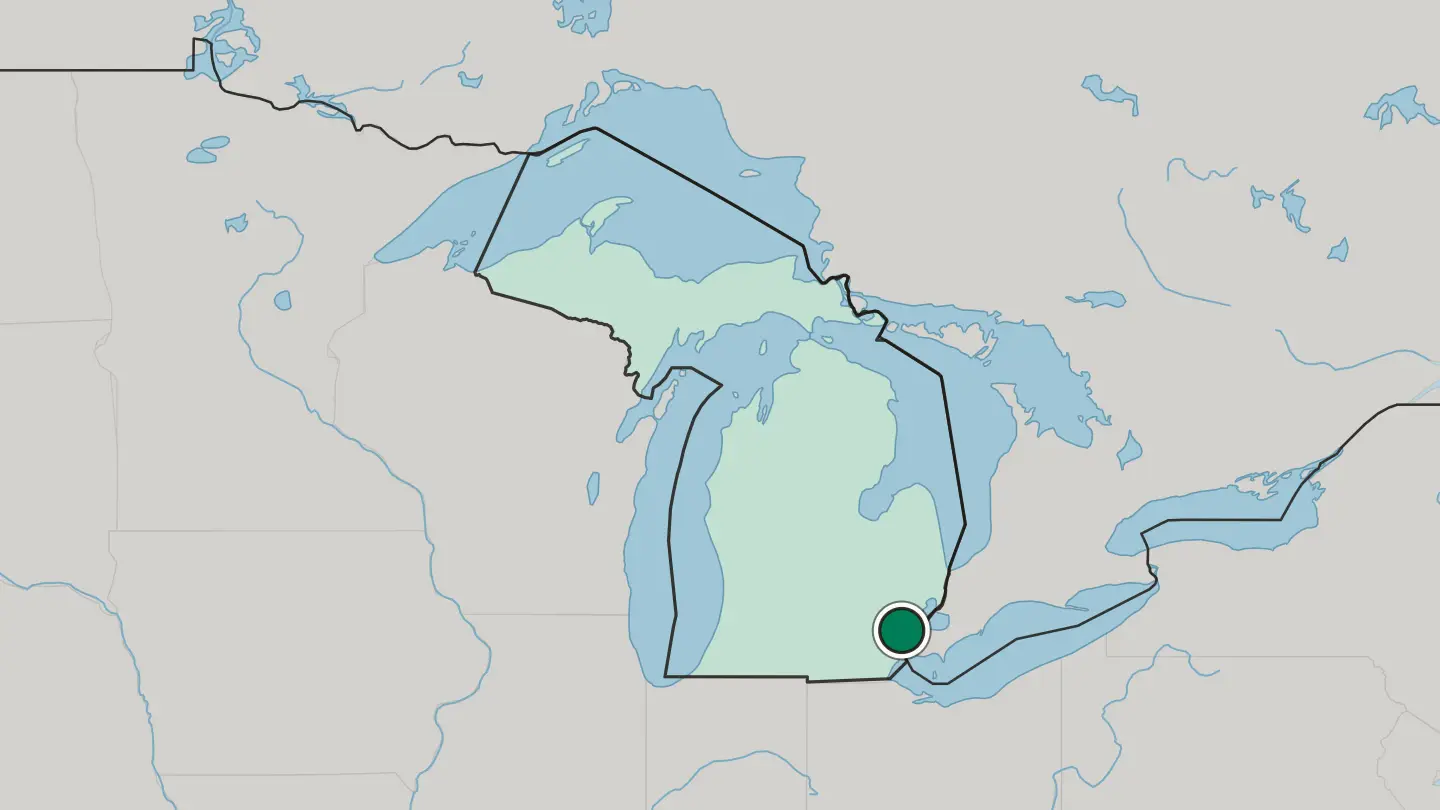
 United States
Livonia
Livonia grew out of a township of 1835 and took its city charter in 1950, a Wayne County suburb with USA Hockey Arena on its ground.Where to stay →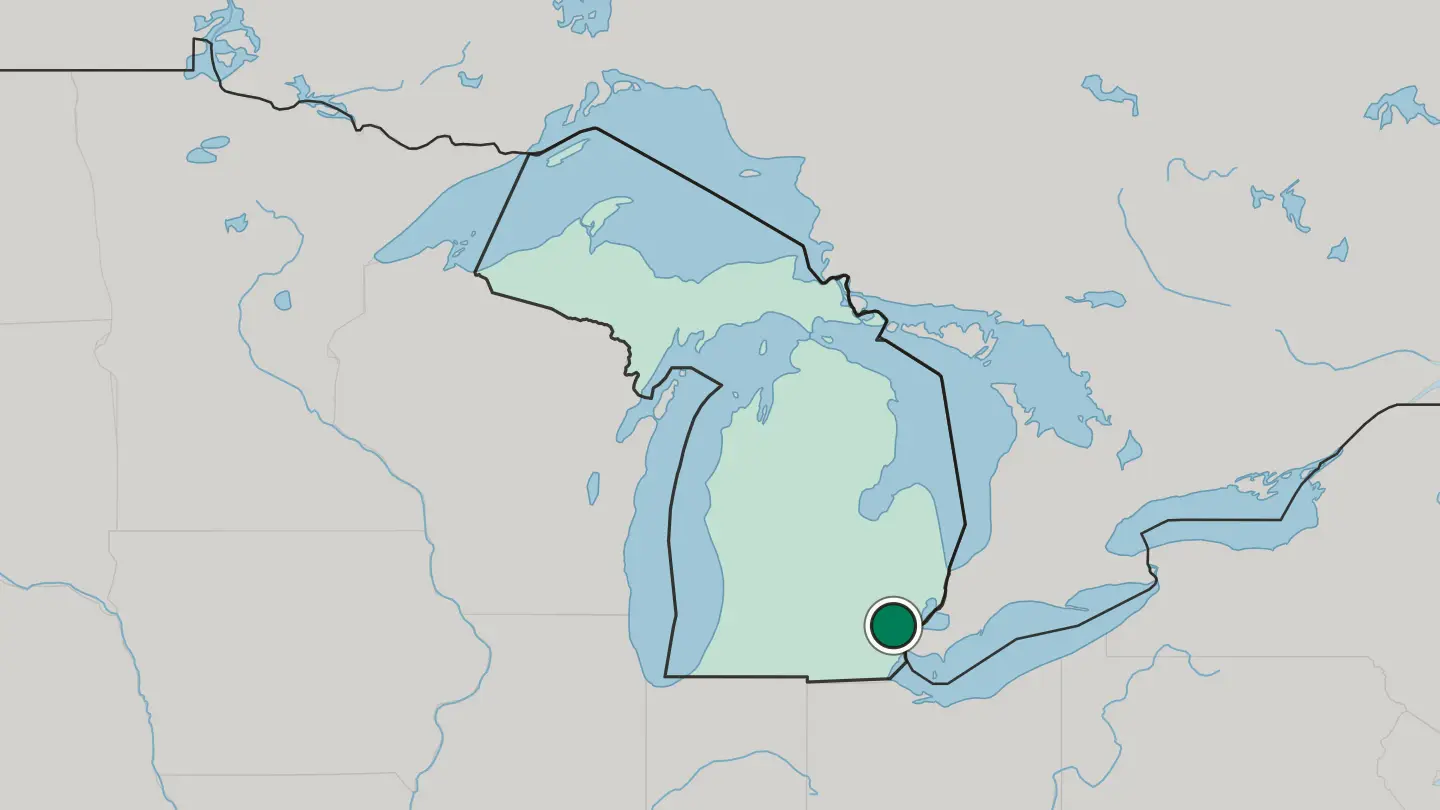
 United States
Canton
Canton is a charter township of Wayne County, Michigan, lying in the corridor between Detroit and Ann Arbor.Where to stay →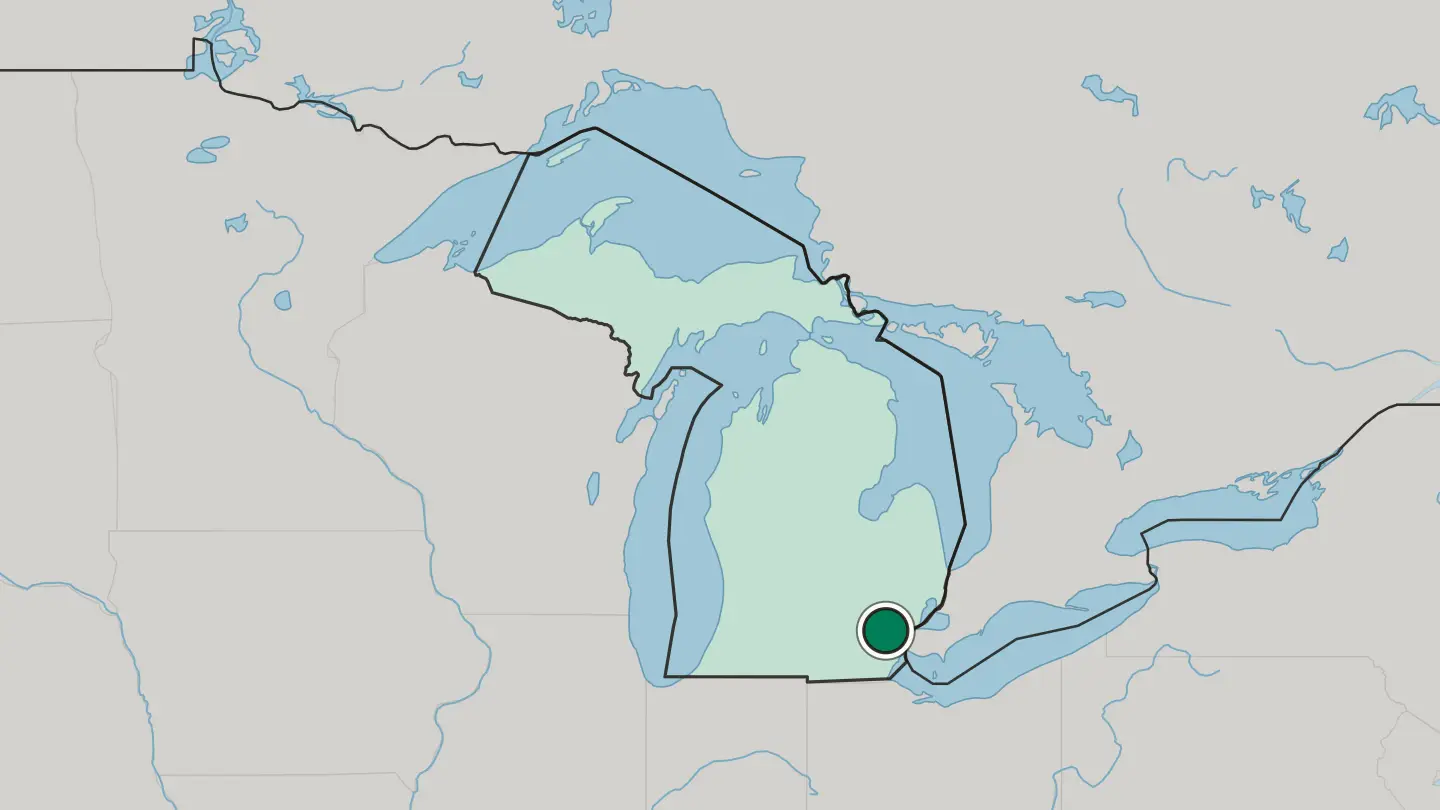
 United States
Troy
Troy is the largest community in Oakland County, a Detroit suburb where farm-era houses survive beside the Troy Museum and Historic Village.Where to stay →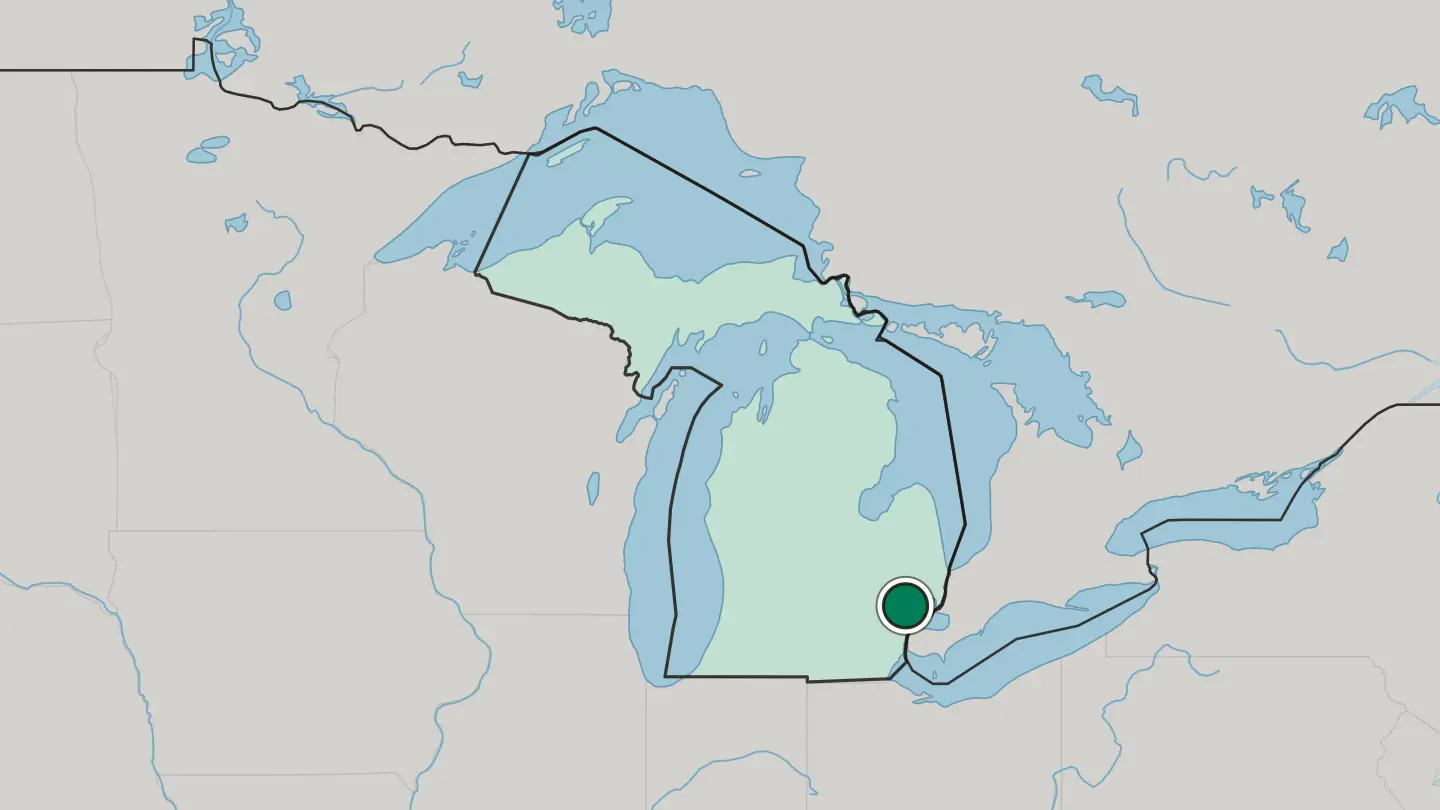 United States
Farmington Hills
Farmington Hills wraps almost entirely around the smaller city of Farmington, a suburban city in Oakland County, Michigan, outside Detroit.Where to stay →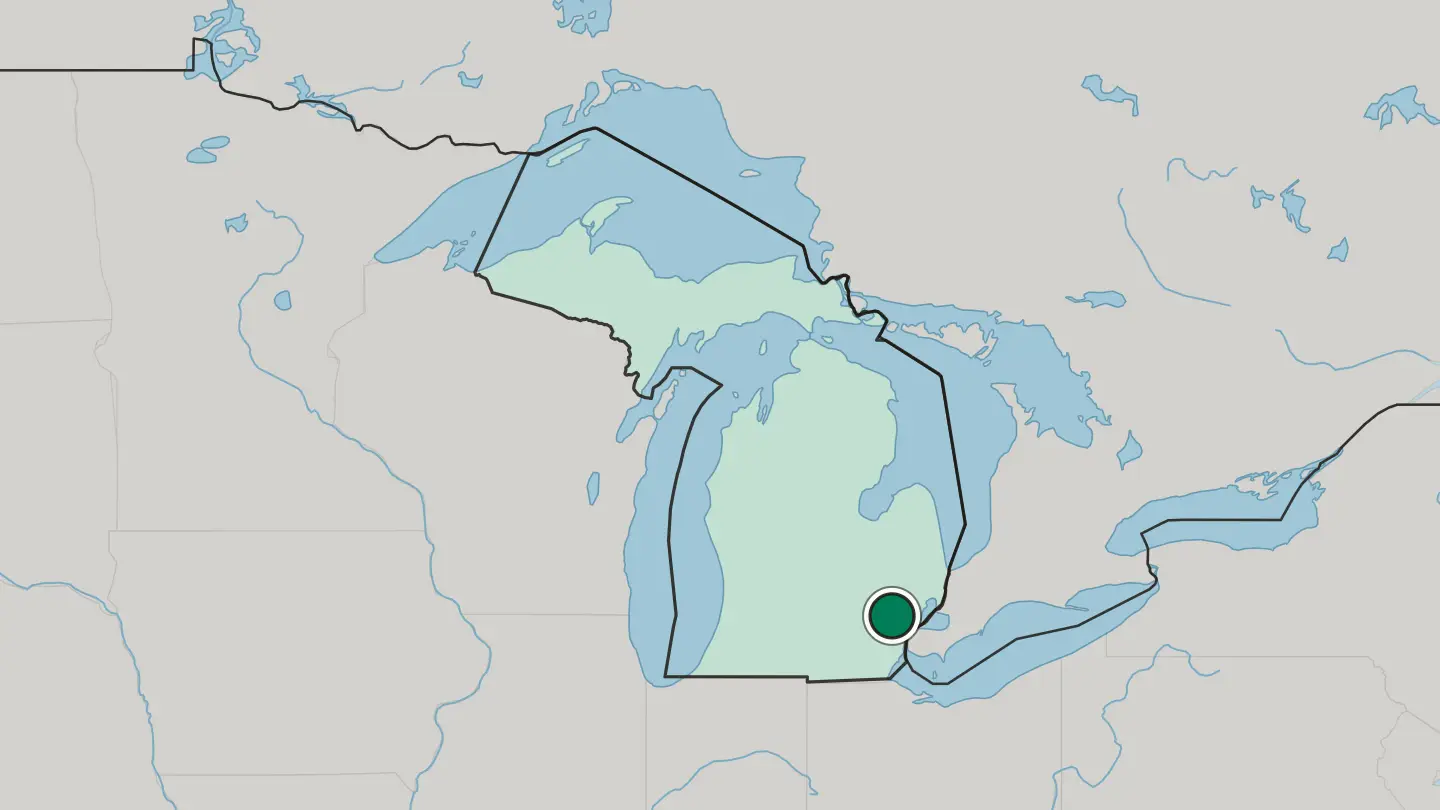
 United States
Kalamazoo
Kalamazoo, the county seat of Kalamazoo County in Michigan, keeps the Kalamazoo Institute of Arts and the Kalamazoo Valley Museum downtown.Where to stay →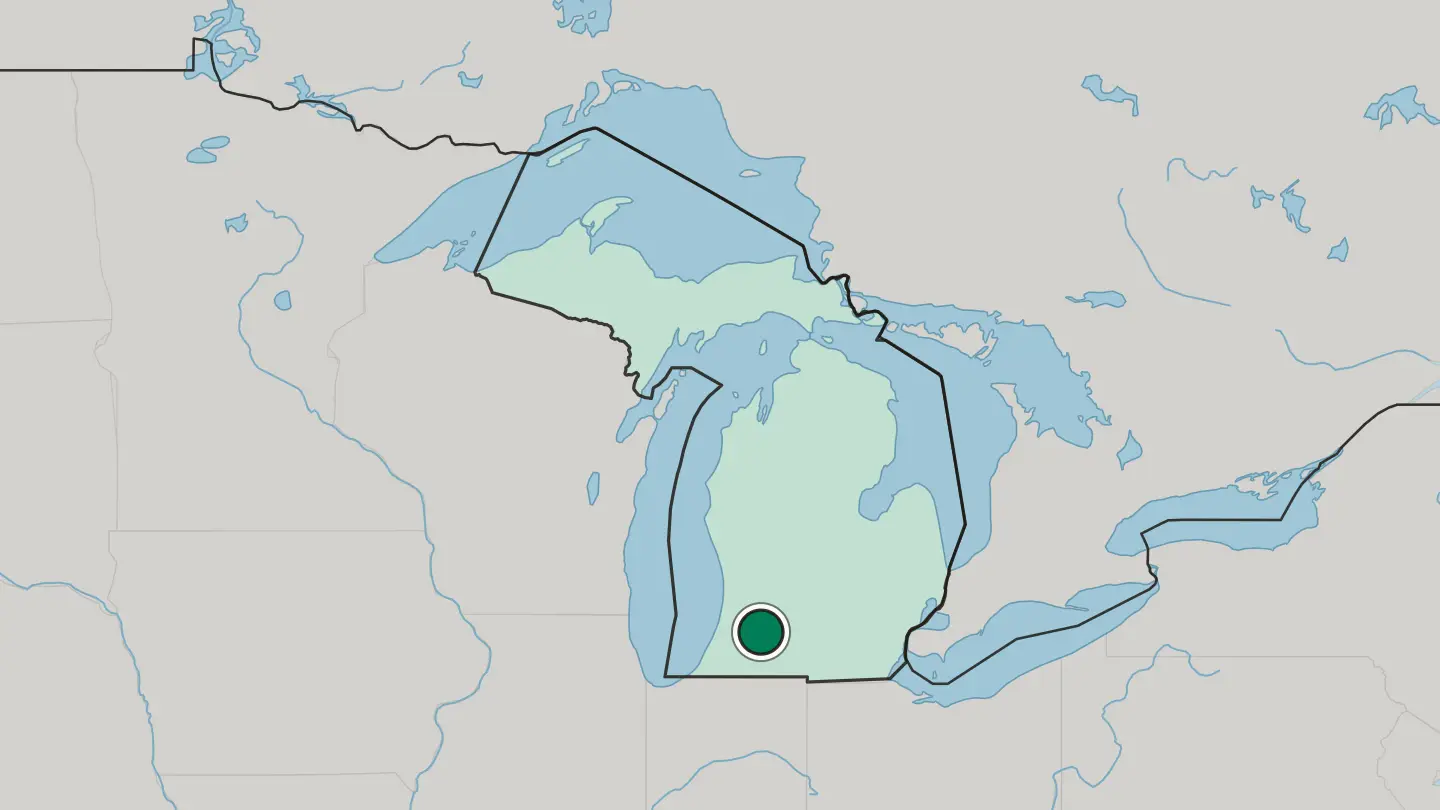 United States
Rochester Hills
Rochester Hills is a city in Oakland County, Michigan, a northern suburb of Detroit that took its present name and boundaries in 1984.Where to stay →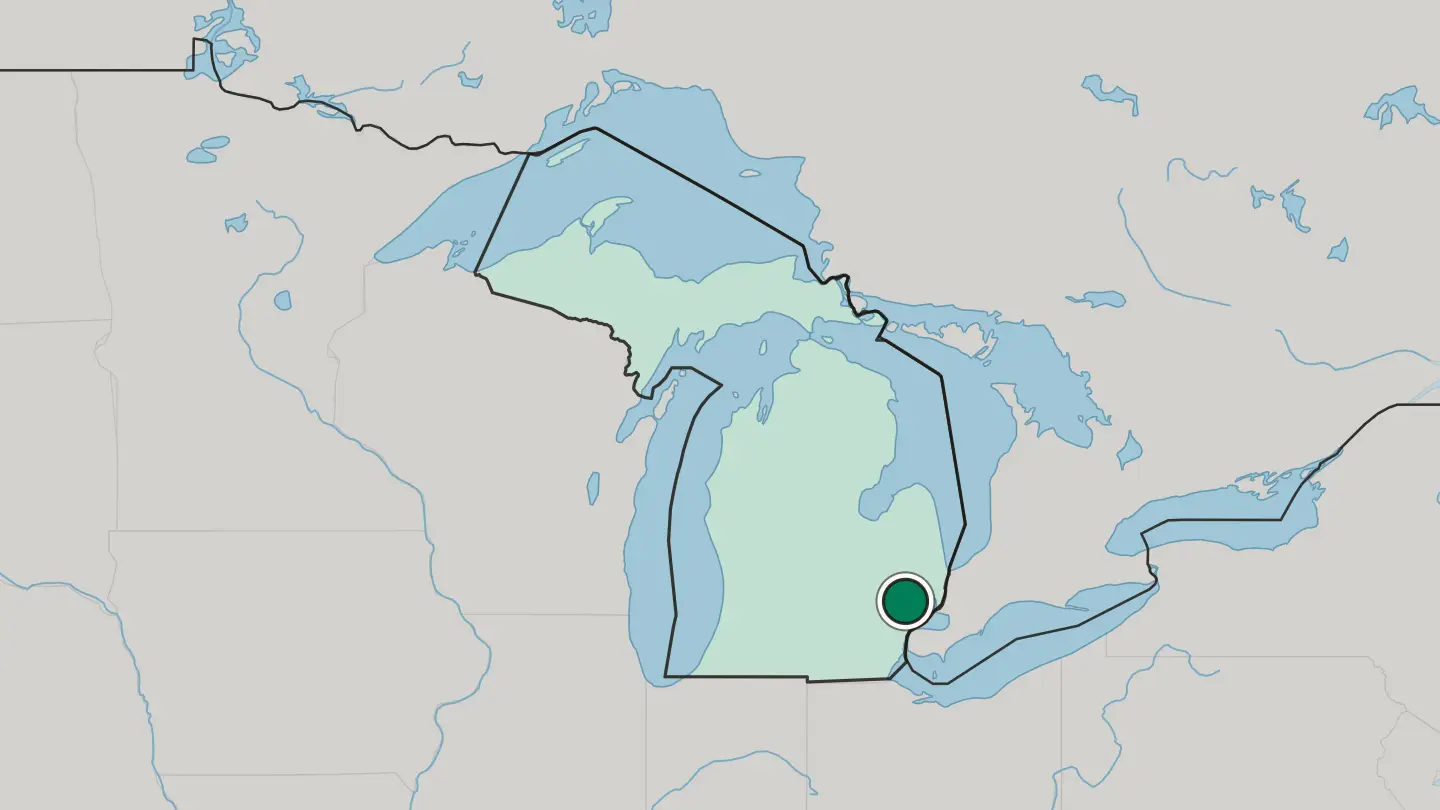
 United States
Southfield
Southfield works as one of Metro Detroit's business centres, an Oakland County suburb wrapped around the small enclave city of Lathrup Village.Where to stay →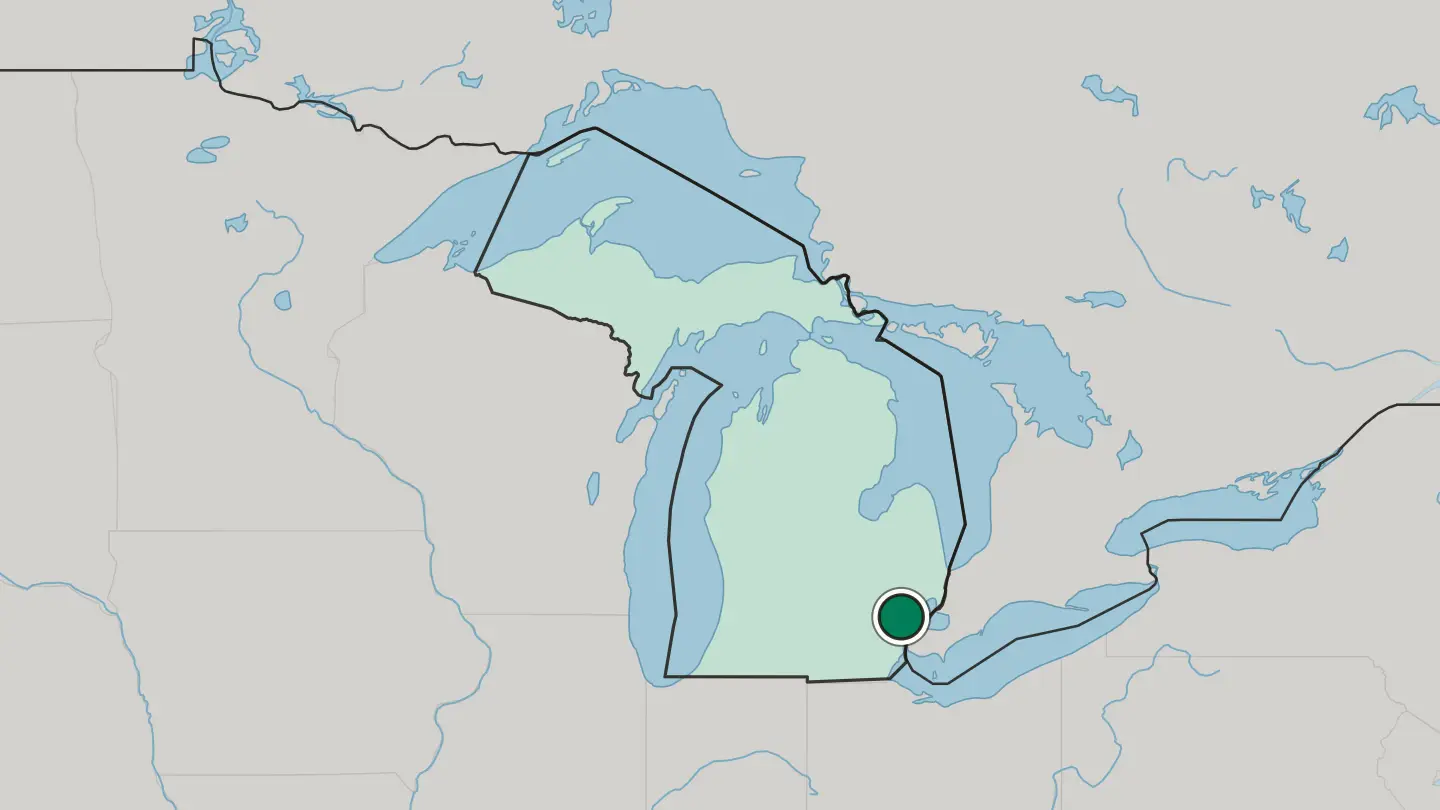
 United States
Pontiac
Pontiac, the seat of Oakland County in Michigan, keeps Pine Grove Historical Museum and the Wisner House among its older streets.Where to stay →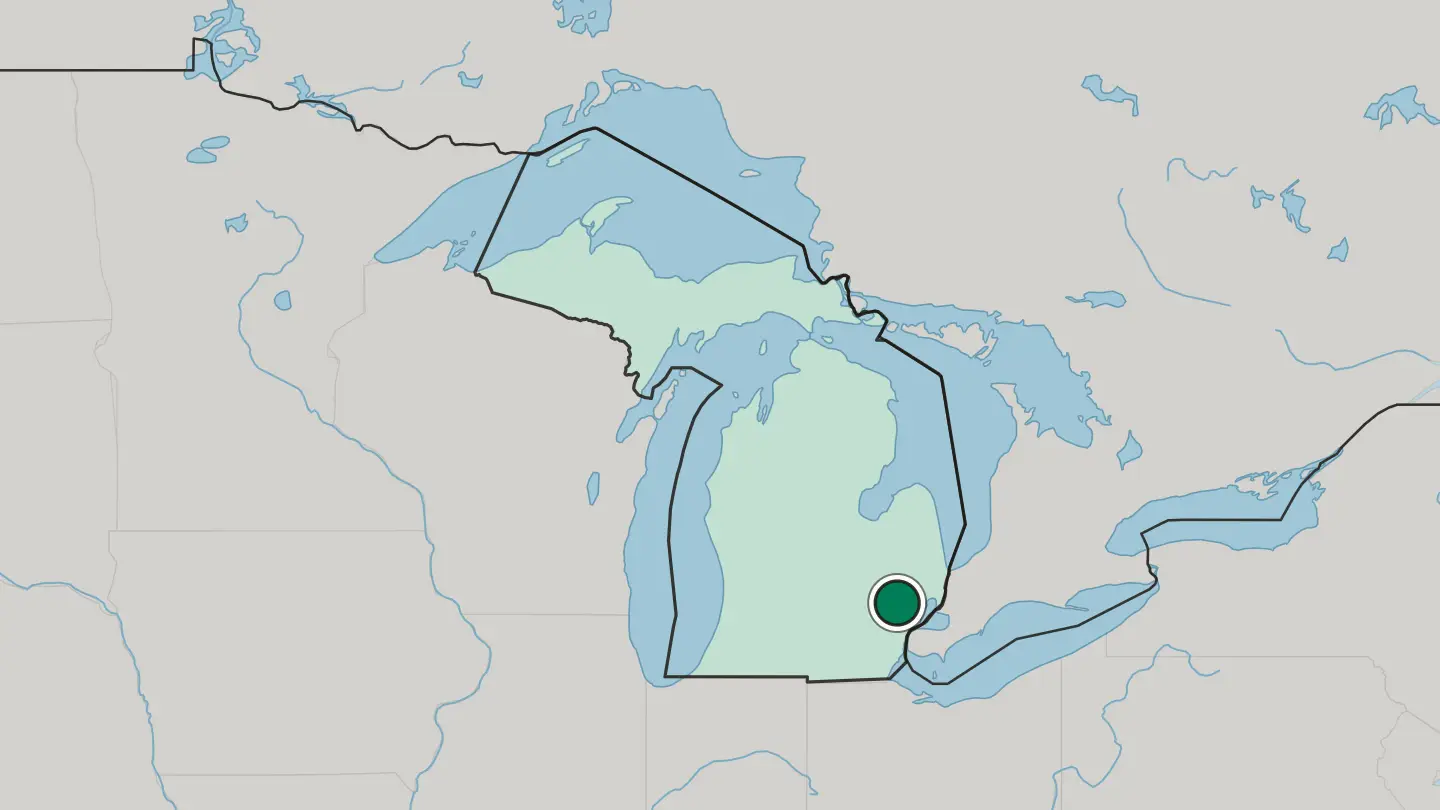
 United States
Royal Oak
The Detroit Zoo anchors Royal Oak, an inner-ring suburb in Oakland County whose downtown fills with shopping streets and bars after dark.Where to stay →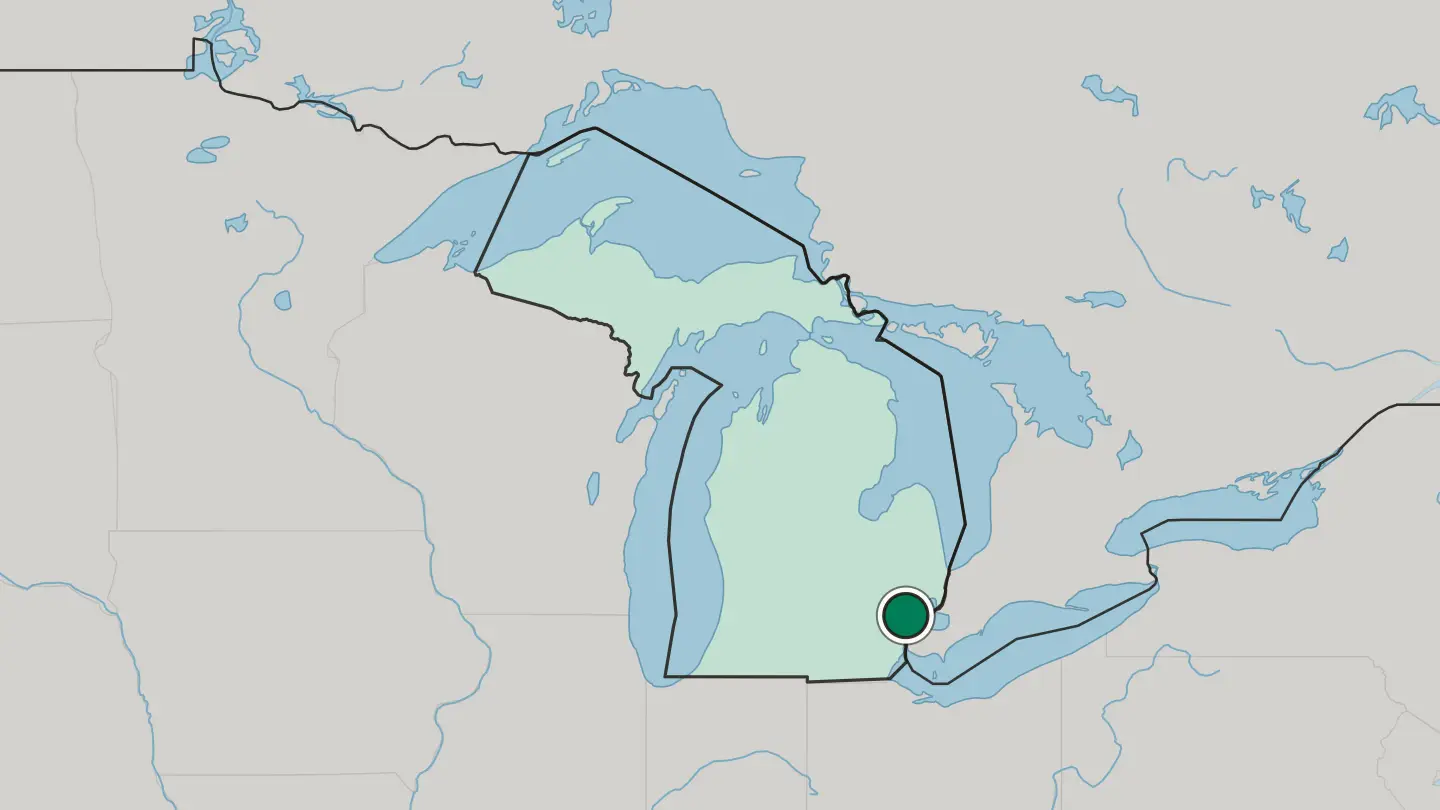 United States
Novi
Novi dates from 1832 and sits in Oakland County, Michigan, where Marvin's Marvelous Mechanical Museum keeps the city's oddest collection.Where to stay →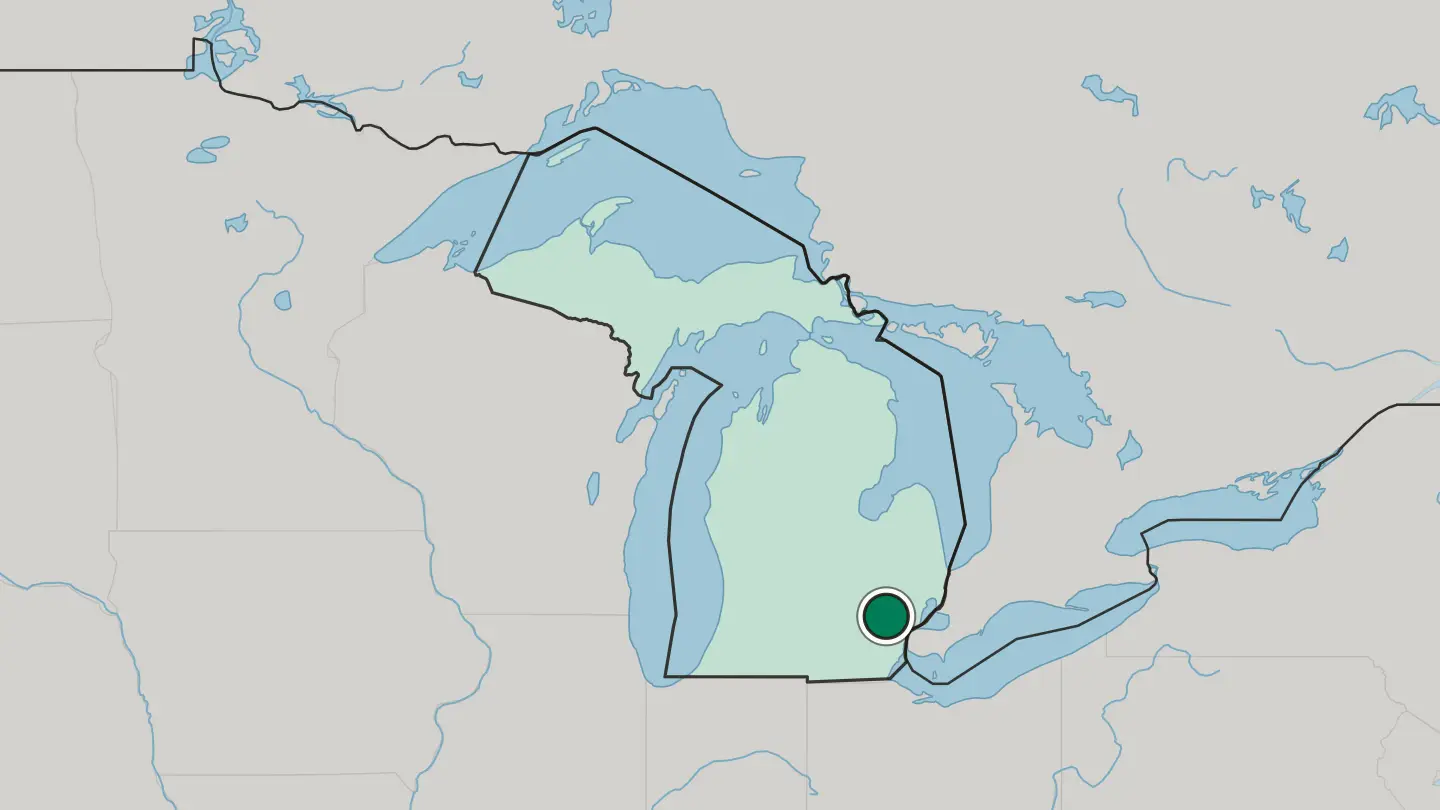 United States
Battle Creek
Battle Creek stands where the Battle Creek River joins the Kalamazoo River in Calhoun County, Michigan, the city that cereal built.Where to stay →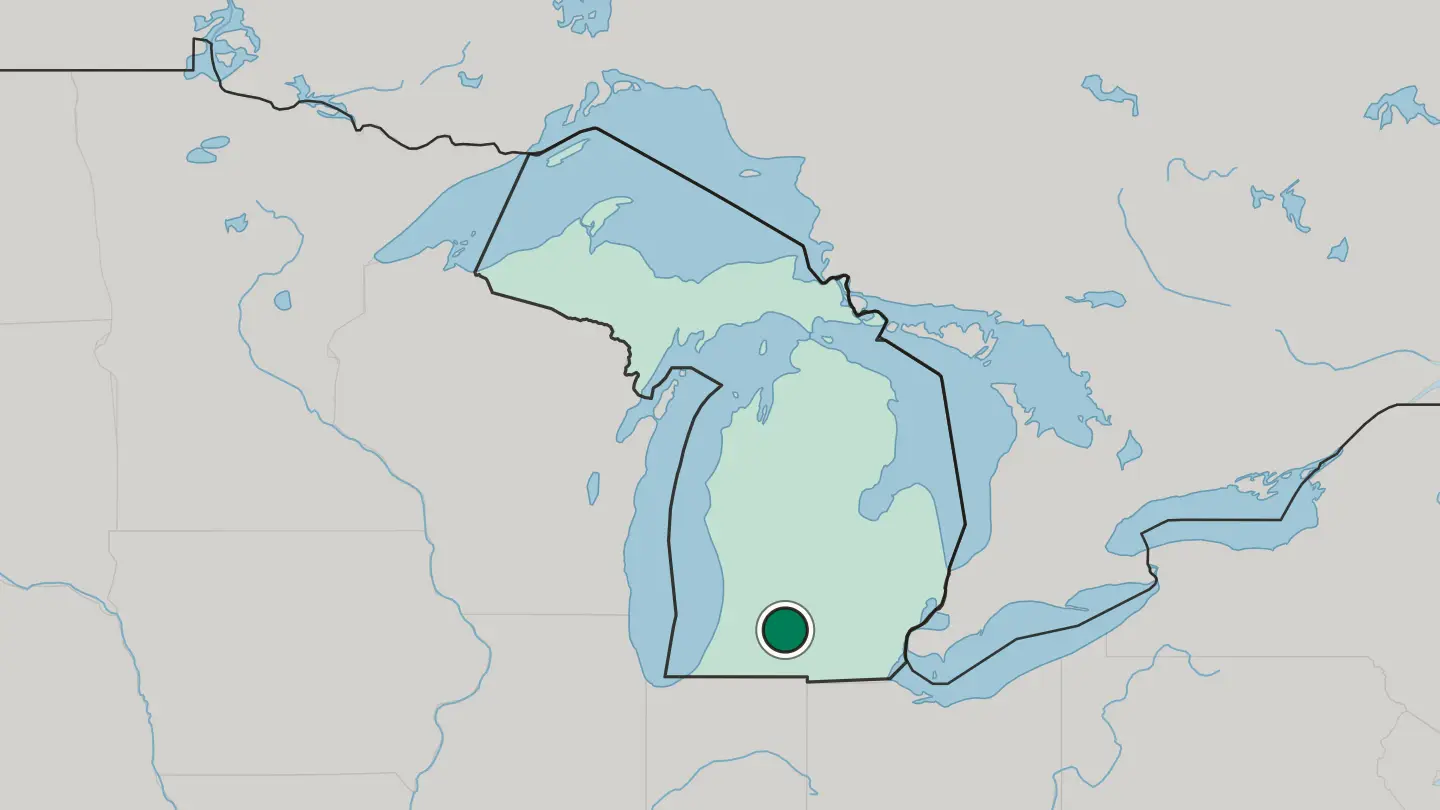
Hotel links are affiliate links: booking through them may earn us a commission, at no extra cost to you. It never affects how places are ranked. How this works
About Michigan
What is Michigan known for?
Michigan is known as the great peninsular state of the Great Lakes, a stretch of the United States nearly surrounded by fresh water. Surrounded almost wholly by the Great Lakes, Michigan is defined by fresh water. Detroit anchors the industrial southeast, while Grand Rapids, Ann Arbor, Flint, and Kalamazoo spread across the lower country and Lansing holds the seat of the state.
The lakes draw the summers.
Where is Michigan?
Michigan sits in the Great Lakes region, a peninsular state of the United States all but ringed by the fresh water of the Great Lakes. The lakes make its shape. Long arms of land reach up between the lakes, so that Michigan is nearly all coast, its peninsulas edged by water on almost every side. Minnesota lies to the northwest.
Wisconsin runs along the west, Indiana and Illinois to the southwest, and Ohio to the southeast, while the Canadian province of Ontario wraps the eastern and northern shores. Detroit holds the southern edge. The city and the wider Metro Detroit spread across the lower country, one of the larger stretches of the United States lying east of the Mississippi River, with Grand Rapids, Flint, Ann Arbor, and Kalamazoo set inland from the lakes.
Lansing sits at the centre. Muskegon stands on the lake shore. From the industrial ground around Detroit and Metro Detroit in the southeast to the long lake shores of the Great Lakes that edge the peninsulas, Michigan runs from city to water across the north of the United States.
What is Michigan like?
Michigan draws its character from the Great Lakes, a peninsular state of the United States whose people live never far from fresh water. The lakes set the seasons. Summer life turns to the shores of the Great Lakes, where lake-shore towns and the beaches of the peninsulas fill with visitors, while the winters pull people back to the cities.
Detroit gives the state its urban heart. The city and the wider Metro Detroit carry Michigan's weight of trade and working life, and Grand Rapids and Ann Arbor add their own settled culture across the lower country. Lansing holds the seat.
Between the cities and the water, the life of Michigan keeps its balance. Water is the constant. From the lake shores that ring the peninsulas to the industry of Detroit and Metro Detroit, the culture of this Great Lakes state of the United States returns again and again to the water that surrounds it.
The Great Lakes never leave the view. Muskegon and the lake towns keep the shoreline alive through the summer months, their harbours turned toward the open water of the Great Lakes.
What is the history of Michigan?
Michigan joined the United States in 1837, taking its place among the states of the Great Lakes country. The lakes drew the first growth. Settlement spread inland from the shores of the Great Lakes as Detroit grew into the state's great industrial city, and later towns like Grand Rapids, Flint, and Lansing took shape across the lower country.
That statehood year still counts.
What is the climate of Michigan?
Michigan has a temperate climate strongly marked by the Great Lakes that surround its peninsulas. Michigan's winters run long and lie thick with snow. The lakes hold their cool late into spring and their warmth into autumn, so the shores stay milder than the interior, while heavy lake-effect snow falls across the country near Grand Rapids and the western shore through winter.
By summer the two peninsulas warm through and turn green.
How do you get to Michigan?
Michigan is reached mainly through Detroit and the wider Metro Detroit in the southeast, a main entry point for the state. Roads run north and west. From Detroit, routes reach out toward Ohio and Indiana to the south, Grand Rapids and Lansing across the interior, and the long lake shores of the Great Lakes that edge the peninsulas to the north.
Water borders much of it.
Good for
More regions in United States
Updated September 2026