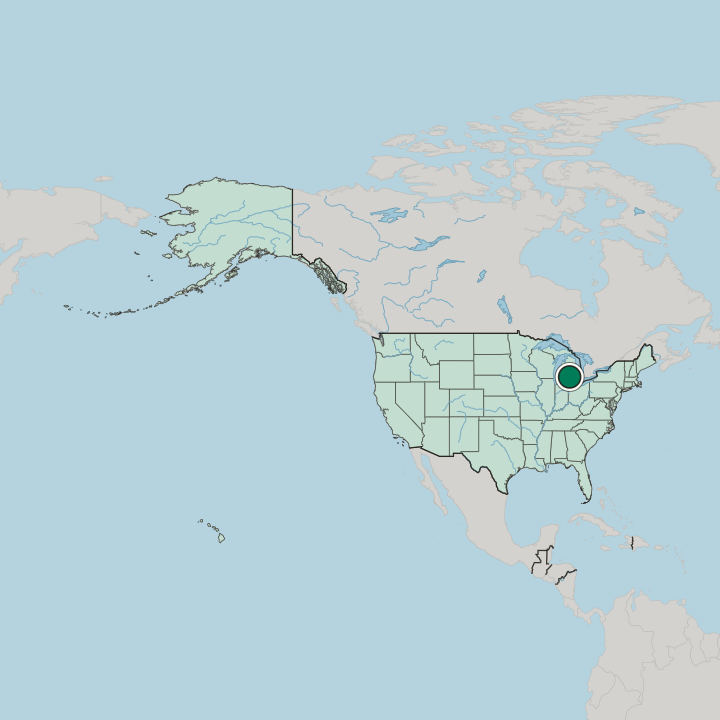
United States · Michigan
Where to Stay in Lansing, Michigan
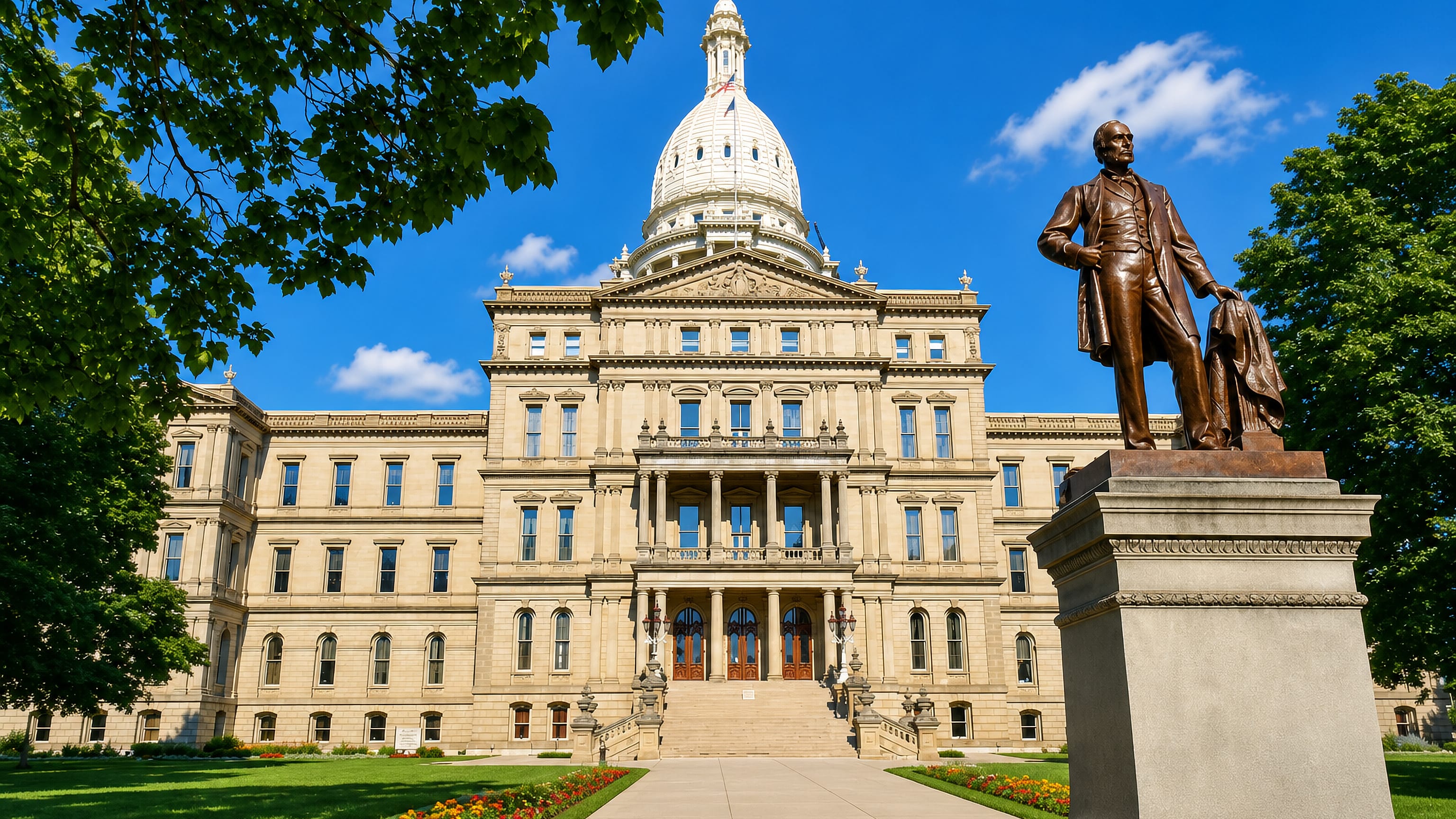
Lansing is the capital of Michigan, a city on the Grand River founded in 1835, known for its auto heritage and the Michigan History Museum.
Hotel links are affiliate links: booking through them may earn us a commission, at no extra cost to you. It never affects how places are ranked. How this works


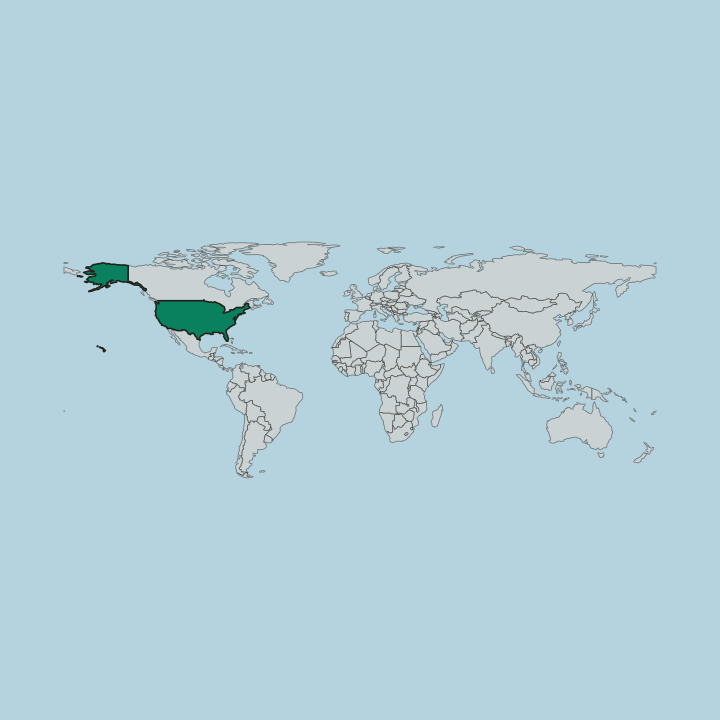
Where to stay in Lansing
The practical side of choosing where to sleep.
Where you stay in Lansing turns on downtown or the highways. The centre, near the capitol and the Grand River, puts the Michigan History Museum and the riverfront attractions within reach, and it suits anyone here for the government district or the museums. Downtown quiets after the offices close.
Rooms sit near the river and the statehouse. Out by the interstates, the newer hotels ring the edge of town. A room near the freeways trades the riverfront for easy parking and a fast drive, handier for a road trip than the downtown blocks, though the Olds Transportation Museum and the Potter Park Zoo stay a short drive off.
The highways make everything close. If you want the capitol and the museums, stay downtown; if you want the road, take a room by the interstates. Either way, Lansing is built for the car.
Find hotels in Lansing
Direct booking searches for these neighbourhoods.
Downtown Lansing
Near the statehouse and the Grand River, within reach of the Michigan History Museum and the riverfront attractionsFind hotels in Downtown LansingRoad trips wanting easy parking and fast highway accessInterstate edge
By the freeways ringing town, a short drive from the Olds Transportation Museum and Potter Park ZooFind hotels in Interstate edgeHotel links are affiliate links: booking through them may earn us a commission, at no extra cost to you. It never affects how places are ranked. How this works
Things to do in Lansing
Ranked by global recognition; descriptions from Wikidata (CC0).
Museums & Galleries
1- Michigan History Museum
Churches & Religious Sites
3- Franklin Avenue Presbyterian Church Heritage
- Central Methodist Episcopal Church Heritage
- St. Mary Church
Stadiums & Sports
1- Jackson Field
Landmarks & Notable Places
3- Smith-Turner House Heritage
- Brown-Price House Heritage
- Richard and Deborah (Brough) Glaister House Heritage
worth knowingacross 4 categories in Lansing
About Lansing
Lansing built cars and government.
What is Lansing known for?
The capital of Michigan grew on the Grand River around the state's offices and the auto works that Ransom Olds started here, and the Olds Transportation Museum keeps that industrial past. State history fills its museums. The river still runs through the core.
What are the main landmarks in Lansing?
The auto museum is the city's signature. The Olds Transportation Museum traces Lansing's part in the birth of the American car, while the Michigan History Museum lays out the state's whole past nearby. Families fill the riverfront draws.
The Impression 5 Science Center and the Potter Park Zoo sit along the Grand, and older churches like St. Mary Church mark the neighborhoods around them.
What is the history of Lansing?
Lansing was founded in 1835, in the forests of central Michigan, and grew fast once the state chose it for its capital. Government came first. It drew the first streets and the first crowds.
The town rose on the Grand River in a spot picked more for its central position than for any settlement already there, and offices and a statehouse soon filled the young capital. Lumber and the river fed the early town, floating timber down toward the mills. Industry followed government into the city.
Ransom Olds built his automobiles here, and Lansing became one of the cradles of the American car, a story the Olds Transportation Museum still tells. Churches and houses went up with the growth, among them the historic homes that survive in the older neighborhoods. The Michigan History Museum gathers the whole state's record, and the Impression 5 Science Center and Potter Park Zoo draw families to the riverfront.
Capital and factory made the city together.
Where is Lansing?
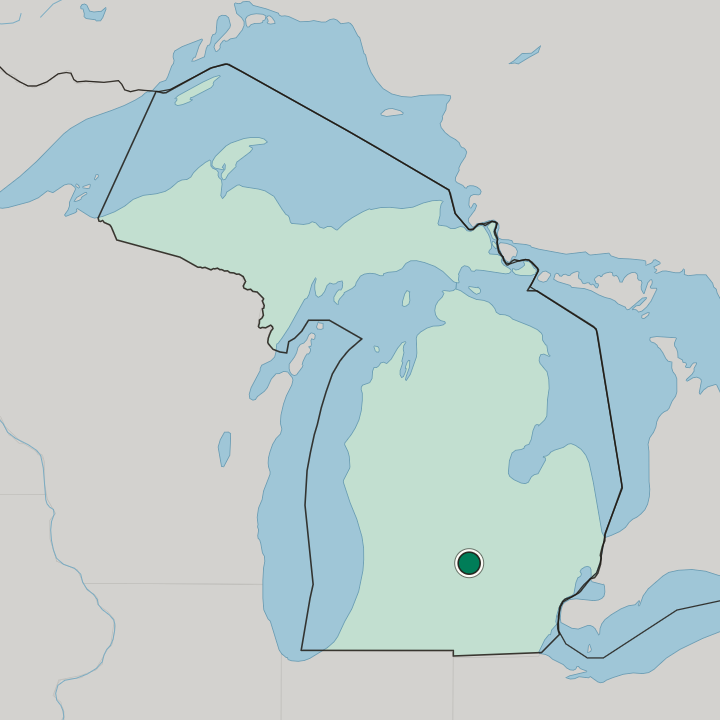
The Grand River winds through Lansing. The city spreads across south-central Michigan on the banks of the Grand, low and flat in a land of farm country and small lakes. Woodlots break the fields around it.
The rivers of the basin meet near the heart of town.
What is the climate of Lansing?
Lansing sits in the Great Lakes weather. Warm, humid summers turn to cold, snowy winters here, and lake-effect cloud grays the skies for long stretches of the year. Snow piles up from December.
Spring arrives slow and wet.
How do you get to Lansing?
Highways bring most people to Lansing. Interstates cross near the capital in south-central Michigan, and the city sits within an easy drive of the state's larger cities, while a small airport handles regional flights. Rail still stops in town.
Most arrive by car, off the freeways that ring the capital.
Common questions
What is the best area to stay in Lansing?
Downtown Lansing: Visitors here for the capitol, the river, and the Michigan History Museum. Interstate edge: Road trips wanting easy parking and fast highway access.
Good for
More cities in Michigan
Updated September 2026