United States · Michigan
Where to Stay in Flint, Michigan
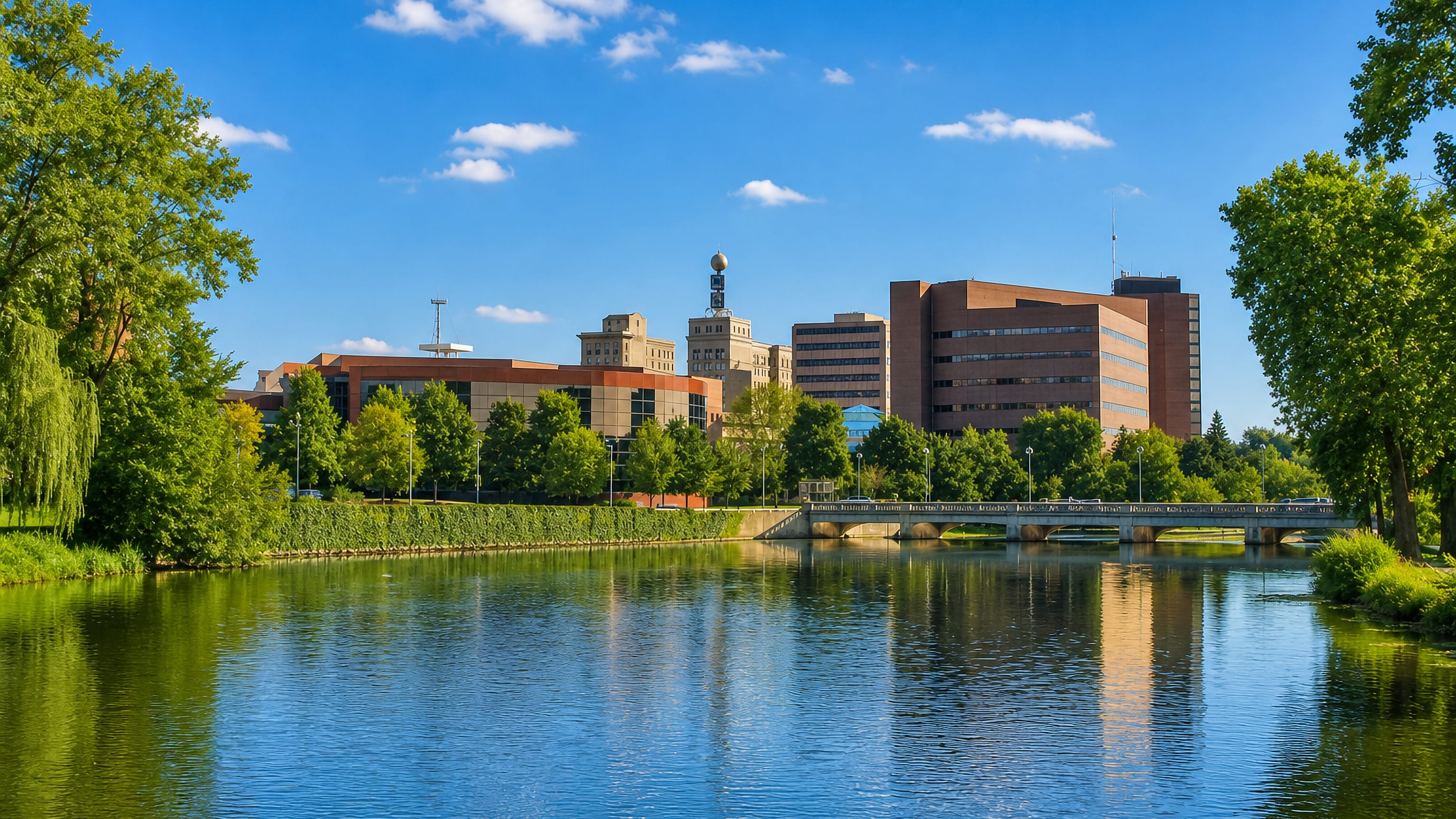
Brick factory walls and gallery halls stand together in Flint, an industrial city in Michigan, known for its auto heritage and the Flint Institute of Arts.
Hotel links are affiliate links: booking through them may earn us a commission, at no extra cost to you. It never affects how places are ranked. How this works


Where to stay in Flint
Where visitors usually base themselves, and why.
Flint arranges its lodging around a reviving downtown and the cultural district nearby, and either makes a workable base. Start downtown. The commercial core holds the older streetfronts, the colleges, and restaurants within an easy walk, and it puts a first-time visitor at the centre of the city.
St Paul's Episcopal Church and the Robert J. Whaley House stand among the historic blocks close by. Stay here if you want the walkable heart of Flint on foot. A short way off, the cultural district gathers the Flint Institute of Arts, the Sloan Museum, and the Flint Children's Museum, a quieter and greener quarter of galleries and lawns.
The Applewood estate lies at the city's edge, a further calm base among gardens. Michigan spreads flat and green around the town. That open, lake-country setting, more than any single street, colours a stay in Flint.
Find hotels in Flint
Direct booking searches for these neighbourhoods.
Downtown Flint
The reviving commercial core near St Paul's Episcopal Church and the colleges, central and on foot.Find hotels in Downtown Flintmuseums and a quieter baseThe cultural district
Galleries and lawns around the Flint Institute of Arts and the Sloan Museum, greener than the centre.Find hotels in The cultural districta calm stay among gardensNear Applewood
The Applewood estate at the edge of Flint, with its grounds and quiet, off the busier centre.Find hotels in Near ApplewoodHotel links are affiliate links: booking through them may earn us a commission, at no extra cost to you. It never affects how places are ranked. How this works
Things to do in Flint
Ranked by global recognition; descriptions from Wikidata (CC0).
Museums & Galleries
2- Sloan Museum
- Flint Institute of Arts
Churches & Religious Sites
1- St Paul's Episcopal Church
Stadiums & Sports
1- Cole Field
Parks & Gardens
1- AutoWorld
Landmarks & Notable Places
4- Michigan School for the Deaf Superintendent's Cottage Heritage
- Morris A. Knight House Heritage
- Abner C. Johnson House Heritage
- Applewood Heritage
worth knowingacross 5 categories in Flint
About Flint
What is Flint known for?
Flint is known as an automotive city in Michigan, northwest of Detroit. It was a centre of General Motors, home to the Buick World Headquarters, and a decisive site in the growth of the American labor movement. That industrial past shaped its museums.
The Flint Institute of Arts, the Sloan Museum, and the Flint Children's Museum draw on the city's culture, and Applewood, the old estate on its edge, keeps a quieter face of its history.
What are the main landmarks in Flint?
Flint's landmarks gather in its cultural district and older streets. The Flint Institute of Arts holds the city's main art collection, and the Sloan Museum and the Flint Children's Museum sit nearby. Applewood, a preserved estate with gardens, stands at the edge of town.
St Paul's Episcopal Church and the Robert J. Whaley House anchor the historic core, while the Morris A. Knight House and the Abner C. Johnson House record the city's earlier residential growth.
What is the history of Flint?
Flint was founded in 1818 as a trading settlement in Michigan, and it grew from a frontier post into an industrial city over the century that followed. Carriage-making came first, then the automobile, and Flint became a heart of the American car industry. General Motors took root here, and the Buick World Headquarters made the city a centre of the trade.
Workers poured in as the factories grew. That industry gave Flint an outsized place in national history. The city was a decisive site in the American labor movement, where the great sit-down strikes reshaped the relationship between workers and industry.
From the earlier residential town, the Robert J. Whaley House and the Abner C. Johnson House survive, and the Applewood estate records the wealth that industry brought. The Flint Institute of Arts and the Sloan Museum, endowed in the industrial decades, carry that layered story of the city forward through its galleries and collections.
Where is Flint?
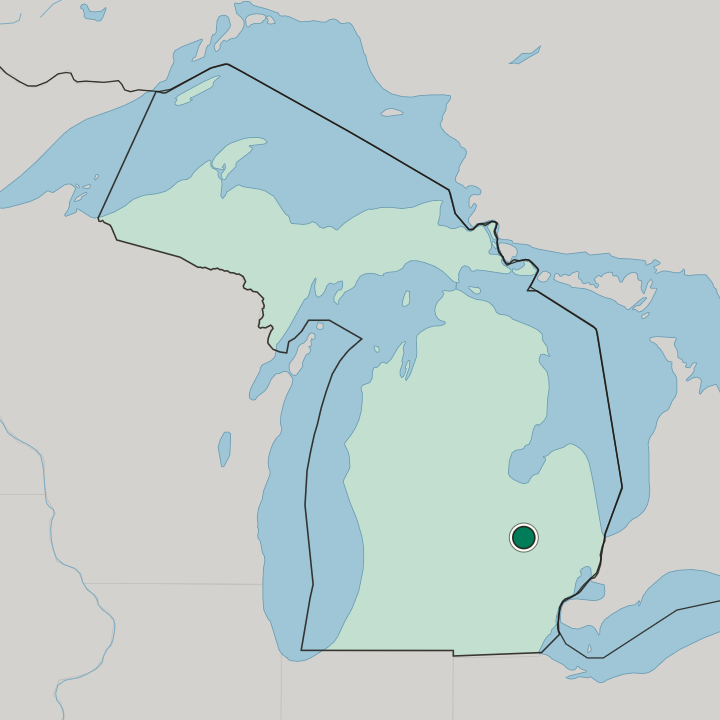
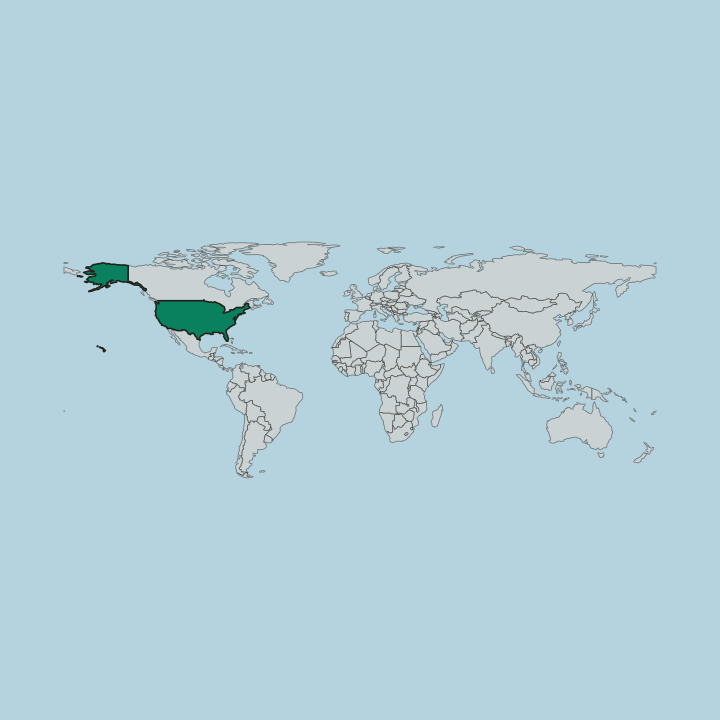
Flint lies in Michigan, northwest of Detroit on the low, level country of the state's interior. The land is gently rolling and green, and the city spreads across it from a compact downtown into wide residential districts and the industrial belts left by its factory years. Applewood and its gardens sit at the edge of that spread.
Beyond the town, the flat Michigan farmland and lake country run out for miles.
What is the climate of Flint?
Flint has a humid continental climate, with cold, snowy winters and warm summers typical of the Michigan interior. Snow falls through the long cold season and settles across the flat land around the city. In Flint the spring and autumn pass quickly and unsettled.
Summers are warm and green, drawing the city outdoors to its parks and the gardens of Applewood, a brief mild season between the colder months that shape most of the year in Flint.
How do you get to Flint?
Flint sits on the interstate corridor through the Michigan interior, reached by road from Detroit to the southeast in about an hour, with highways running out from the downtown toward the wider state and the Great Lakes country beyond. Bishop International Airport serves the city with regional flights. Rail and bus lines connect it to the surrounding towns and cities of the region.
The compact centre of Flint is walkable.
Common questions
What is the best area to stay in Flint?
Downtown Flint: first-time visitors and the walkable core. The cultural district: museums and a quieter base. Near Applewood: a calm stay among gardens.
Good for
More cities in Michigan
Updated September 2026