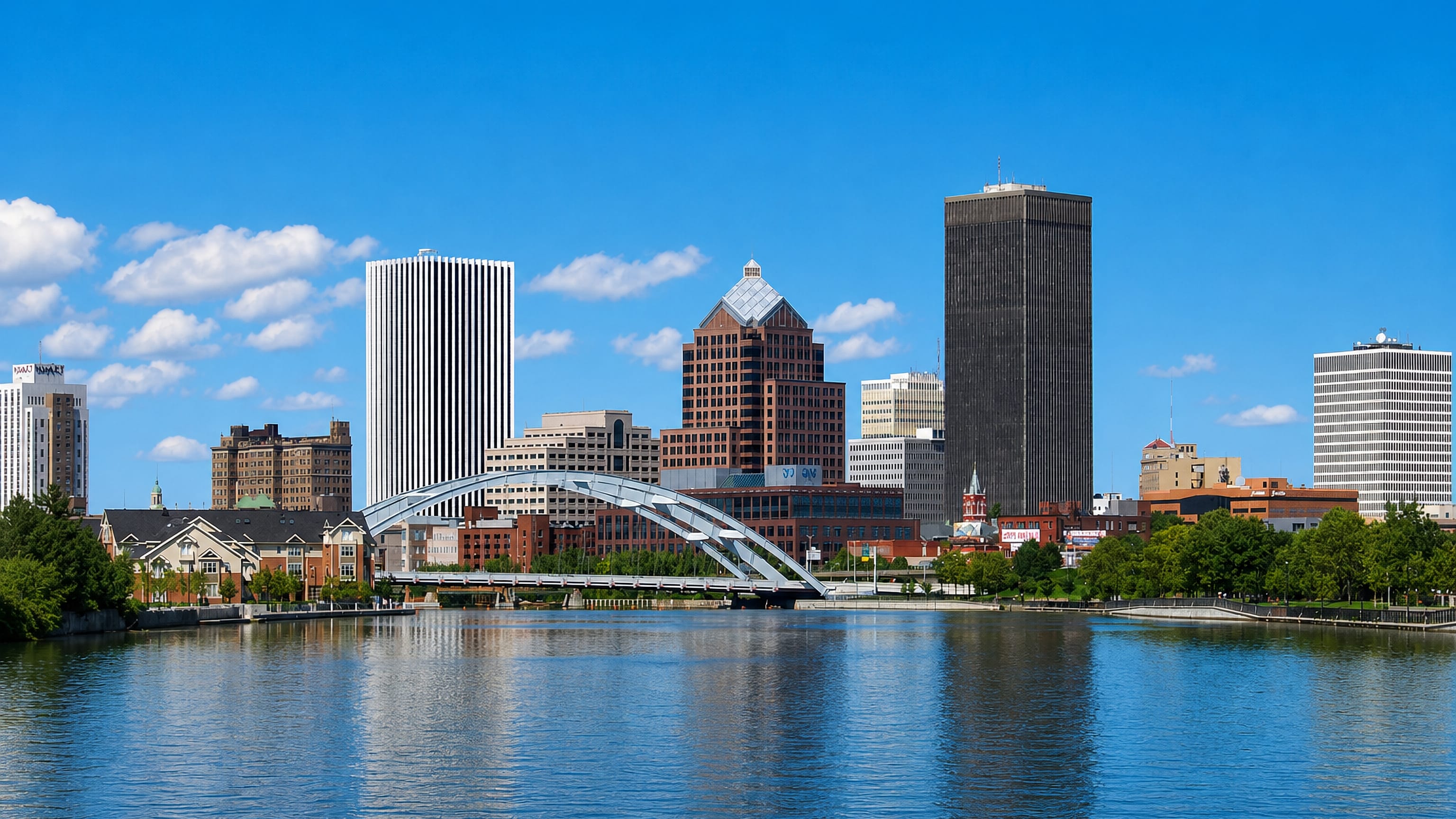
United States · New York
Where to Stay in Rochester, New York
Rochester is a city in New York, United States, known for the George Eastman Museum and the Susan B. Anthony House.
Hotel links are affiliate links: booking through them may earn us a commission, at no extra cost to you. It never affects how places are ranked. How this works


Where to stay in Rochester
The practical side of choosing where to sleep.
Rochester rewards visitors who choose a base by what they came to see. The central district around the Memorial Art Gallery and the George Eastman Museum suits travelers who want the arts circuit within a short walk and evenings close to the collections. Stay here for museums.
If your trip leans toward family attractions, the streets near The National Museum of Play put a full day of play a few blocks from the door, with room to spread out. History-minded guests do better nearer the Susan B. Anthony House, where the residential blocks stay quiet after dark and the suffrage landmark sits within easy reach. The area around the Rochester Museum and Science Center works for those pairing science galleries with the Dryden Theatre film programme.
Each pocket trades a different asset for its calm. Match the bed to the itinerary rather than to the map, and Rochester stays walkable whichever quarter you pick.
Find hotels in Rochester
Direct booking searches for these neighbourhoods.
Around the Memorial Art Gallery
The Memorial Art Gallery and George Eastman Museum sit within a short walk, keeping evenings close to the collections.Find hotels in Around the Memorial Art GalleryFamilies building a trip around one long day of playNear The National Museum of Play
The blocks by The National Museum of Play put a full day of family attractions a few minutes from the door.Find hotels in Near The National Museum of PlayHistory travelers wanting quiet residential nightsBy the Susan B. Anthony House
Streets around the Susan B. Anthony House stay calm after dark with the suffrage landmark in easy reach.Find hotels in By the Susan B. Anthony HouseHotel links are affiliate links: booking through them may earn us a commission, at no extra cost to you. It never affects how places are ranked. How this works
Things to do in Rochester
Ranked by global recognition; descriptions from Wikidata (CC0).
Museums & Galleries
3- George Eastman Museum Heritage
- Susan B. Anthony House Heritage
- The National Museum of Play
Churches & Religious Sites
8- St. Joseph's Church and Rectory Heritage
- St. Mary's Church Heritage
- First Universalist Church Heritage
- Christ Church Heritage
- First Presbyterian Church Heritage
Show 3 more →
- Immaculate Conception Church Heritage
- Saint Andrew's Episcopal Church Heritage
- Brick Presbyterian Church Complex Heritage
Castles & Historic Sites
1- Soldiers' and Sailors' Monument
worth knowingacross 3 categories in Rochester
About Rochester
What is Rochester known for?
Rochester is known for a dense cluster of museums and civic landmarks. The George Eastman Museum keeps photography and film at the center of the city's identity. Two houses hold its civic memory.
The Susan B. Anthony House recalls the suffrage campaign, while The National Museum of Play draws families toward the collections that made the place a study of childhood and design, and the Memorial Art Gallery rounds out a compact arts circuit a visitor can cross on foot.
What are the main landmarks in Rochester?
Rochester keeps its landmarks tight. The George Eastman Museum stands as the signature site, tracing the history of photography and film from a single collection that anchors the whole cultural core of the city. Nearby, the Rochester Museum and Science Center and its Dryden Theatre pair science galleries with a repertory screen.
The Soldiers' and Sailors' Monument marks the older civic ground, and Saint Michael's Church adds a spire to the streetscape. The Memorial Art Gallery completes the set.
What is the history of Rochester?
Rochester was established in 1788, one of the early planned settlements of interior New York. Civic life took shape around institutions. The Susan B. Anthony House survives as the home from which a national suffrage campaign was directed, and it remains the clearest thread of the reform movements that ran through the city's nineteenth century.
Industry followed, and the imaging and optics trade that the George Eastman Museum now records grew into the base of the local economy. Cultural institutions arrived as the city matured. The Rochester Museum and Science Center gathered the region's natural and industrial record, while the Memorial Art Gallery gave the growing city a place for painting and sculpture.
Older monuments mark the transitions. The Soldiers' and Sailors' Monument commemorates service from an earlier era, and churches such as Saint Michael's Church and the Immaculate Conception Church trace the parishes that organized immigrant neighborhoods across United States industrial cities. Each layer left a building that still stands within the compact center.
Where is Rochester?
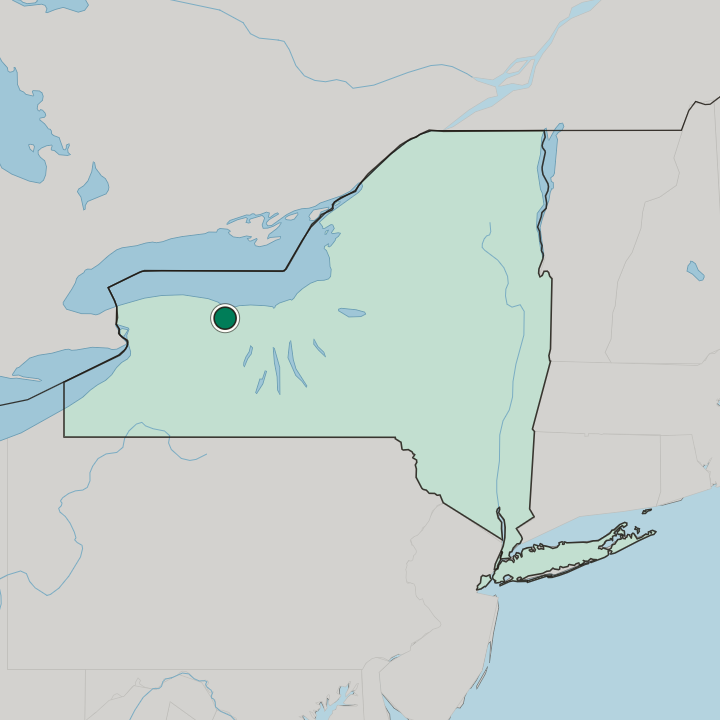
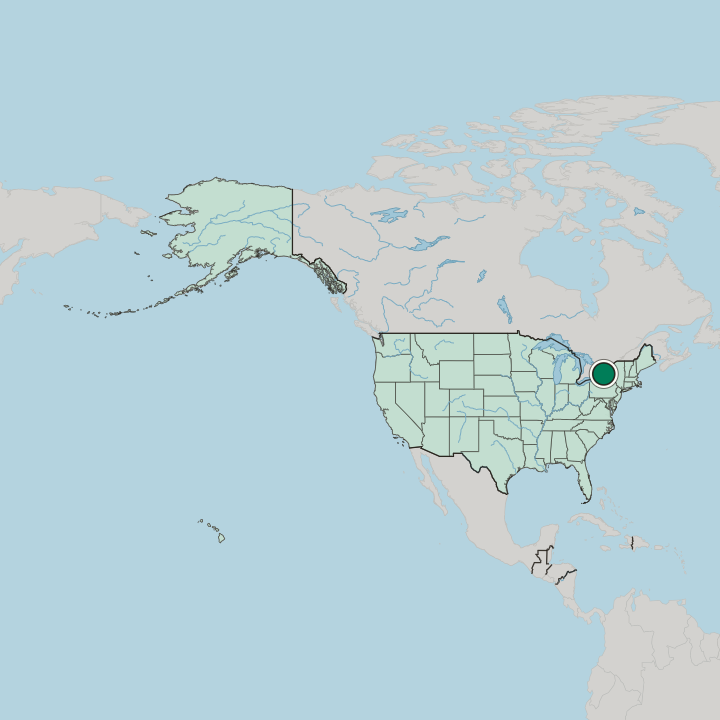
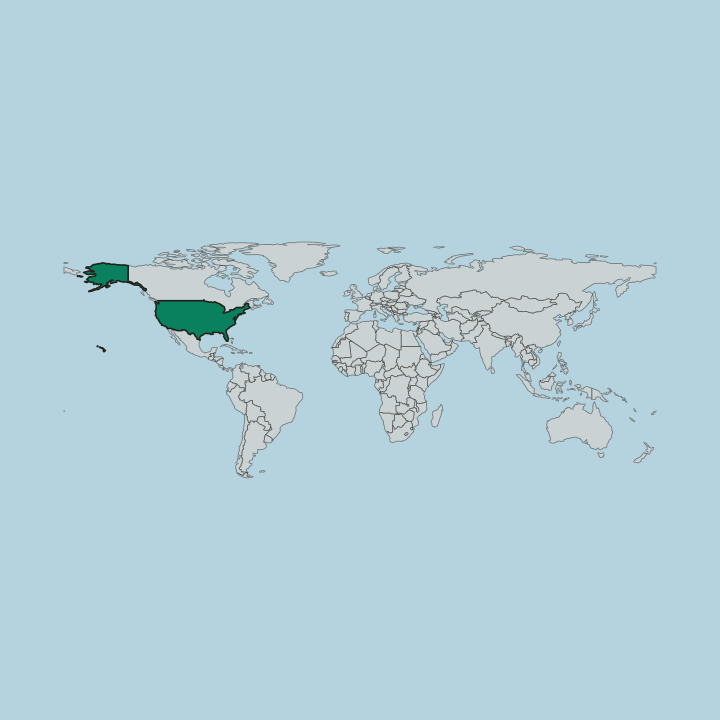
Rochester occupies a broad urban plain in New York, United States, covering roughly 96 square kilometres of built ground. The setting is temperate and inland. Its cultural core clusters tightly, so the George Eastman Museum, the Memorial Art Gallery, and The National Museum of Play all fall inside a walkable band rather than a scattered footprint.
The wider street grid extends outward from that center toward the residential blocks around the Susan B. Anthony House.
What is the climate of Rochester?
Rochester has a temperate, four-season climate shaped by its inland position in New York. Rochester's winters come cold and deep with snow. Long stretches of grey, cold-season weather settle over the city between late autumn and early spring, so galleries such as the George Eastman Museum and the Memorial Art Gallery carry much of the off-peak visiting.
Summers turn warm and green, and the walkable core near The National Museum of Play comes into its own for outdoor days.
How do you get to Rochester?
Rochester is reached through its own regional airport and the interstate corridors that cross New York. Rail and long-distance coach services stop in the city as well. Once arrived, visitors find the core compact enough to walk, with the George Eastman Museum, the Rochester Museum and Science Center, and the Memorial Art Gallery within a short circuit of one another.
Drivers use the ring roads to reach the residential streets around the Susan B. Anthony House.
Common questions
What is the best area to stay in Rochester?
Around the Memorial Art Gallery: Museum-focused first visits within a walkable arts circuit. Near The National Museum of Play: Families building a trip around one long day of play. By the Susan B. Anthony House: History travelers wanting quiet residential nights.
Good for
More cities in New York
Updated October 2026