United States · New York
Where to Stay in Utica, New York
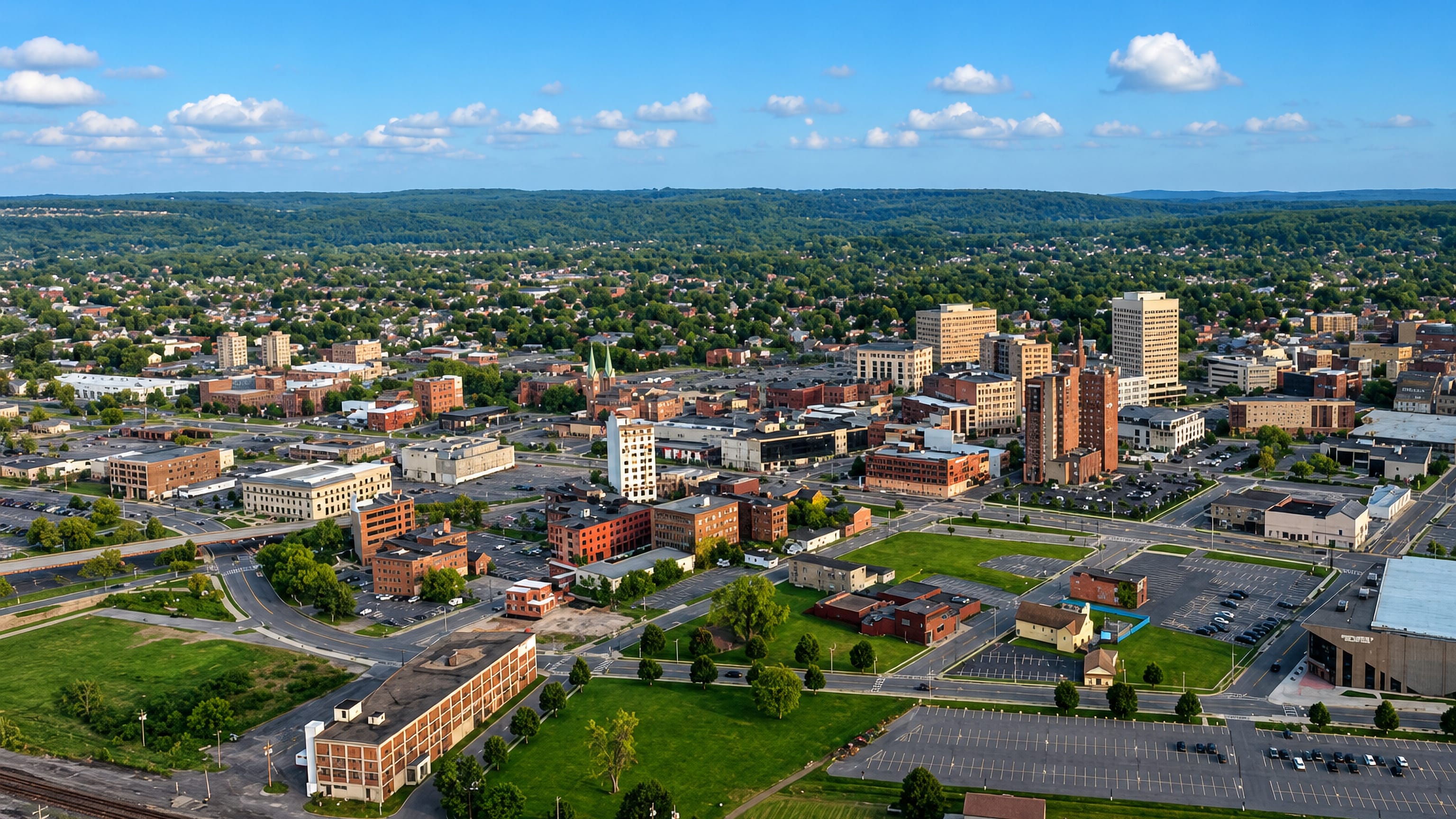
Utica is the seat of Oneida County on the Mohawk River, a Mohawk Valley city at the foot of the Adirondack Mountains.
Hotel links are affiliate links: booking through them may earn us a commission, at no extra cost to you. It never affects how places are ranked. How this works


Where to stay in Utica
Where visitors usually base themselves, and why.
Downtown Utica and the Munson-Williams-Proctor Arts Institute sit close enough that one bed covers both, which is the simplest way to take the city. The Mohawk River runs past. Beds near the Utica Memorial Auditorium put the arena, the churches of the old centre and the Utica Zoo within a short run.
Oneida County spreads well past the city limits. Utica covers about forty-four square kilometres, so the ends of it are not walkable from one another. Grace Church and the First Presbyterian Church mark the older streets.
Anyone using Utica as a mountain base will want a car, since the Adirondack Mountains begin at the city's back and the roads into them leave from the edge of the built-up ground. Rome lies nearby. The Utica-Rome metropolitan area covers Oneida and Herkimer counties, so a stay here reaches further than the city itself.
Donovan Stadium at Murnane Field draws its own nights. Syracuse is about 55 miles off and Albany about 95, which makes Utica a stop between them as much as a destination. The Children's Museum of Utica suits shorter attention spans.
Find hotels in Utica
Direct booking searches for these neighbourhoods.
Downtown by the arts institute
The Munson-Williams-Proctor Arts Institute, Grace Church and the Utica Memorial Auditorium stand within the same downtown streetsFind hotels in Downtown by the arts instituteDrivers carrying on into the Adirondack Mountains after a night in UticaThe Adirondack edge of the city
The roads for the Adirondack Mountains and the Utica Zoo both leave from this side of UticaFind hotels in The Adirondack edge of the cityHotel links are affiliate links: booking through them may earn us a commission, at no extra cost to you. It never affects how places are ranked. How this works
Things to do in Utica
Ranked by global recognition; descriptions from Wikidata (CC0).
Museums & Galleries
1- Munson-Williams-Proctor Arts Institute Heritage
Churches & Religious Sites
6- St. Joseph's Church Heritage
- First Presbyterian Church Heritage
- Grace Church Heritage
- Calvary Episcopal Church Heritage
- First Baptist Church of Deerfield Heritage
Show 1 more →
- Memorial Church of the Holy Cross Heritage
Stadiums & Sports
2- Utica Memorial Auditorium Heritage
- Donovan Stadium at Murnane Field
worth knowingacross 3 categories in Utica
About Utica
What is Utica known for?
The Munson-Williams-Proctor Arts Institute carries the cultural weight, and the Utica Zoo and the Children's Museum of Utica fill out the family end of the list. Mountains begin just beyond. Utica Memorial Auditorium and Donovan Stadium at Murnane Field take the sporting side.
The city sits at the foot of the Adirondack Mountains on the Mohawk River, which gives it both a rural and an urban setting. Oneida County looks to Utica as its seat.
What are the main landmarks in Utica?
Art comes first in Utica. The Munson-Williams-Proctor Arts Institute is the city's largest draw, and the Utica Memorial Auditorium, the Utica Zoo and Donovan Stadium at Murnane Field carry the rest of the public list. Churches account for much of what else survives.
Grace Church, Calvary Episcopal Church, Plymouth Congregational Church and the Memorial Church of the Holy Cross all stand within the city. The First Presbyterian Church and the First Baptist Church of Deerfield complete the older set. The Children's Museum of Utica sits among them.
What is the history of Utica?
Utica dates from 1734. The Mohawk River made the site, since the valley it cuts carries the route through this part of the state, and a settlement on that road had a purpose from the start. Oneida County formed around it and made Utica its seat.
Churches went up as the city filled, and Grace Church, Calvary Episcopal Church and Plymouth Congregational Church survive from those decades. The First Baptist Church of Deerfield carries a name from the older settlements around the city. The Adirondack Mountains rise behind it.
Arrivals from abroad gave Utica the cultural and ethnic mix of a much larger urban centre, which is the character the city still trades on inside a small-city frame. Rome grew up alongside. The two cities anchor the Utica-Rome metropolitan area, which takes in the whole of Oneida and Herkimer counties.
The Munson-Williams-Proctor Arts Institute keeps the art collection the city gathered. By the 2020 census Utica ranked tenth among the state's cities. New York City lies about 240 miles off, and Syracuse and Albany sit closer on either side of the valley road.
Where is Utica?
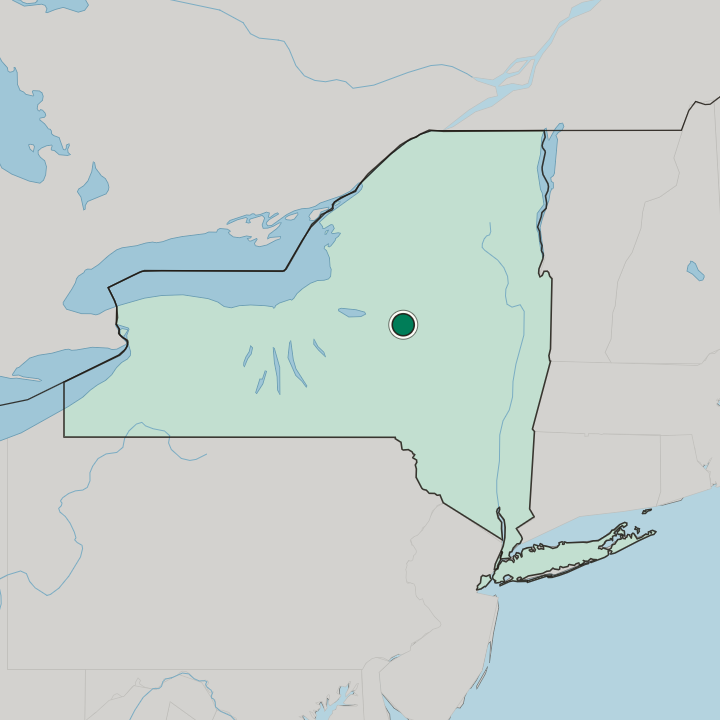
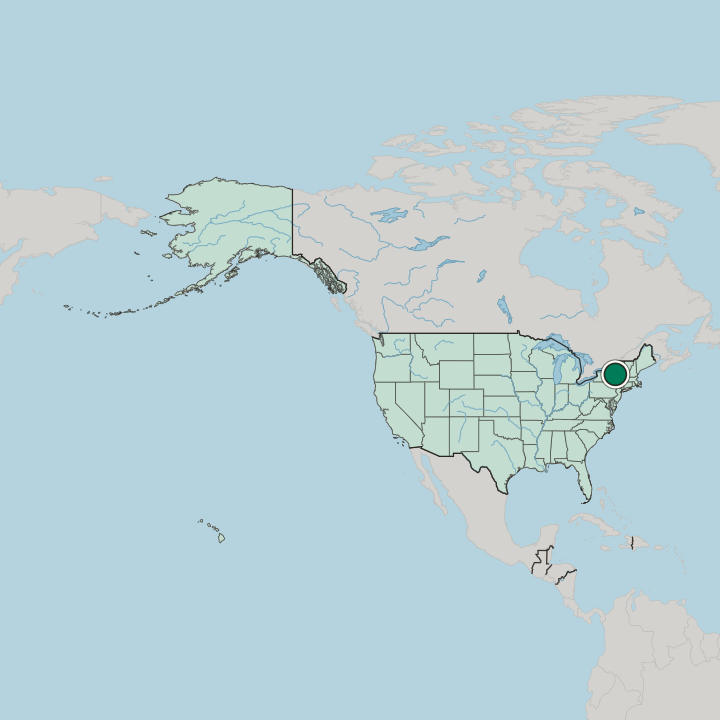
The Mohawk Valley holds Utica. The city stands on the Mohawk River at the foot of the Adirondack Mountains, spreading over about forty-four square kilometres of Oneida County between the valley floor and the rising ground behind. Utica lies about 55 miles east of Syracuse and about 95 miles west-northwest of Albany.
The Adirondack Mountains give the city its rural side, and the valley gives it the urban one.
What is the climate of Utica?
Air off the Adirondack Mountains drops into the Mohawk Valley and sits there, which is why Utica takes a harder winter than places nearer the coast. Cold runs long here. The warm months land in the middle of the year and open the mountain roads.
The Utica Zoo and the Utica Memorial Auditorium split the seasons between them.
How do you get to Utica?
The valley road does the work, running east to Albany about 95 miles off and west to Syracuse about 55, with Utica sitting on the line between them. Rome sits close by. New York City is about 240 miles off, far enough that Utica is not a day trip from it.
Roads for the Adirondack Mountains leave from the city's edge. Oneida County and Herkimer County make up the metropolitan area around both cities.
Common questions
What is the best area to stay in Utica?
Downtown by the arts institute: Visitors whose day starts at the Munson-Williams-Proctor Arts Institute. The Adirondack edge of the city: Drivers carrying on into the Adirondack Mountains after a night in Utica.
Good for
More cities in New York
Updated September 2026