United States · Tennessee
Where to Stay in Knoxville, Tennessee
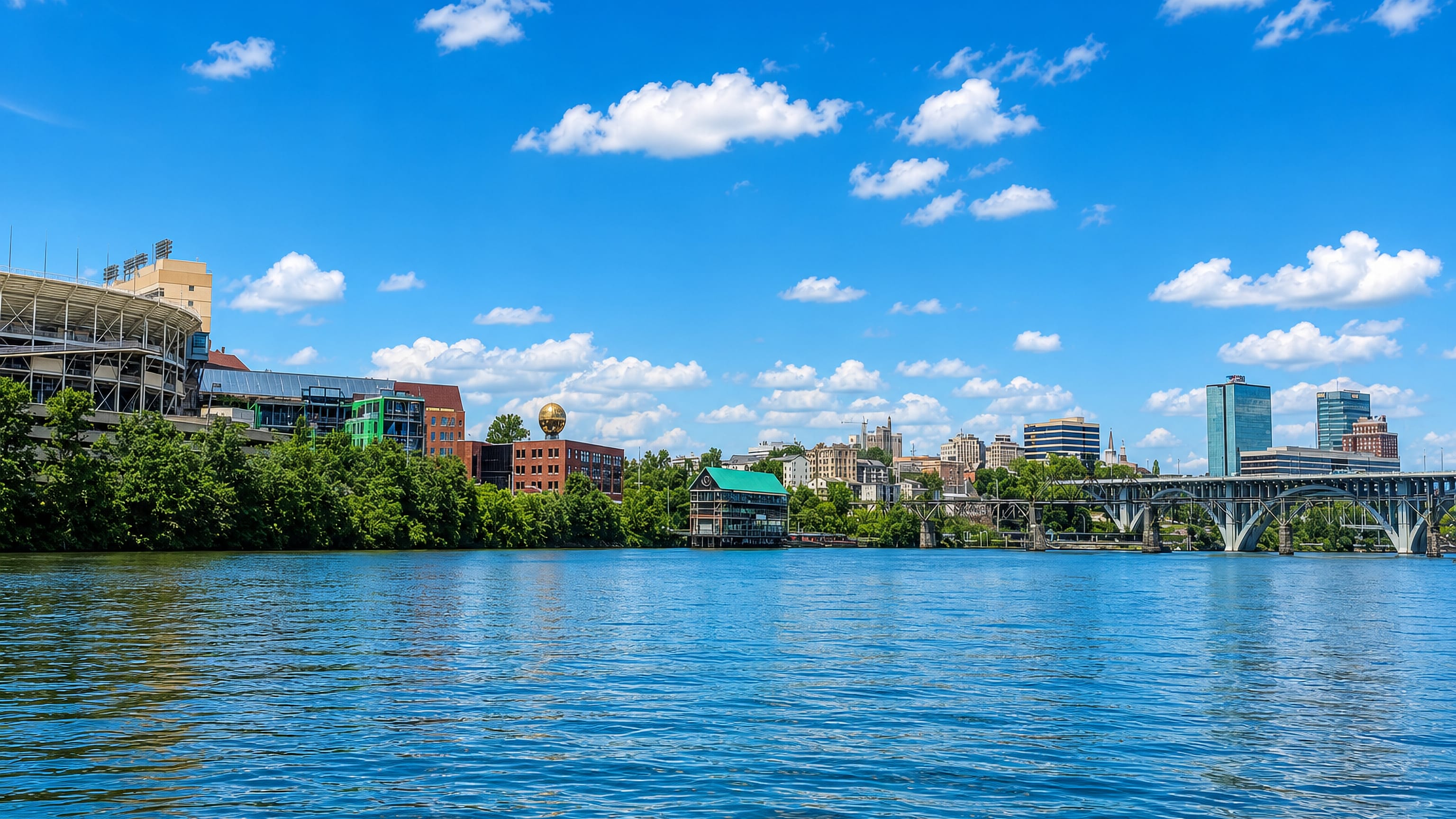
River light and ridgelines mark Knoxville, a city on the Tennessee River in East Tennessee, known for the Sunsphere and the University of Tennessee.
Hotel links are affiliate links: booking through them may earn us a commission, at no extra cost to you. It never affects how places are ranked. How this works


Where to stay in Knoxville
Where the beds are, and what that means for the visit.
Where a traveller stays in Knoxville turns on the split between the downtown core by the Tennessee River and the university campus that rises just to the west, because the museums and the old market blocks sit in the center while the college fills the ground above the river. Downtown and the campus pull different travellers. Downtown gathers the most.
Around the Sunsphere and the World's Fair Park, hotels sit within walking reach of the market square and the William Blount Mansion, and the river greenway runs close by the blocks. The campus quarter climbs the ground west of the center, where the University of Tennessee, the Frank H. McClung Museum, and the Lindsey Nelson Stadium mark the college and its game-day life, so a bed there keeps the campus on the doorstep. Rooms there fill on football weekends.
North of the center, the streets of Old North Knoxville keep their older houses a short ride from downtown, giving a quieter base among the historic blocks. Downtown, campus, and Old North each run to their own beat. A traveller who wants the museums near the door stays downtown by the Sunsphere, while the ground by the Frank H. McClung Museum suits a stay tied to the university.
Find hotels in Knoxville
Direct booking searches for these neighbourhoods.
Downtown by World's Fair Park
The center gathers hotels around the Sunsphere, the World's Fair Park, and the William Blount Mansion within reach of the river greenway.Find hotels in Downtown by World's Fair ParkBest if you want the campus at the door and don't mind football crowds filling the ground above the river.University of Tennessee campus edge
The rise west of downtown carries the University of Tennessee, the Frank H. McClung Museum, and the Lindsey Nelson Stadium across the college grounds.Find hotels in University of Tennessee campus edgeHotel links are affiliate links: booking through them may earn us a commission, at no extra cost to you. It never affects how places are ranked. How this works
Things to do in Knoxville
Ranked by global recognition; descriptions from Wikidata (CC0).
Museums & Galleries
2- Knoxville Museum of Art
- Frank H. McClung Museum
Churches & Religious Sites
3- St. John's Lutheran Church Heritage
- Trinity Methodist Episcopal Church Heritage
- Church of the Immaculate Conception
Castles & Historic Sites
3- Old North Knoxville Heritage
- University of Tennessee Agriculture Farm Mound Heritage
- Lindbergh Forest Heritage
Stadiums & Sports
2- Lindsey Nelson Stadium
- Sherri Parker Lee Stadium
Landmarks & Notable Places
8- William Blount Mansion Heritage
- Bleak House Heritage
- James Park House Heritage
- Westwood Heritage
- Craighead-Jackson House Heritage
Show 3 more →
- General John T. Wilder House Heritage
- Colonel John Williams House Heritage
- Ivan Racheff House Heritage
worth knowingacross 5 categories in Knoxville
About Knoxville
What is Knoxville known for?
Knoxville is known as a river and university city in East Tennessee, the largest city of the Grand Division and third-largest in Tennessee. Its river frames the setting. Learning and heritage shape its draw, with the University of Tennessee filling the hill above the Tennessee River, the Sunsphere left standing from the 1982 World's Fair, the Knoxville Museum of Art near the fair grounds, and the William Blount Mansion keeping the ground of the early territorial capital.
What are the main landmarks in Knoxville?
The main landmarks of Knoxville gather along the Tennessee River and the campus rise. The Sunsphere leads the skyline. It stands from the 1982 World's Fair beside the Knoxville Museum of Art, while the William Blount Mansion and the James Park House keep the ground of the early city downtown, the Frank H. McClung Museum holds its collections on the University of Tennessee campus, and White's Fort marks the site of the first settlement above the river.
What is the history of Knoxville?
Knoxville grew from a frontier fort on the Tennessee River, founded in 1786 as White's Fort drew settlers to the ground above the water in East Tennessee. The river carried its trade. The settlement rose where the flatboat routes met the Appalachian foothills, and the town became the first capital of the territory before the state took shape, with the William Blount Mansion standing from those territorial years as the home of the governor.
Houses and institutions from the founding century still stand across the center and the older neighborhoods. The James Park House and the Craighead-Jackson House keep the early downtown blocks, and the Mabry-Hazen House and Bleak House mark the ground of the Civil War years that ran through the city. The University of Tennessee crowned the hill above the river in the decades that followed, and the Sunsphere rose much later for the 1982 World's Fair, adding its tower to the skyline of Knoxville.
Where is Knoxville?
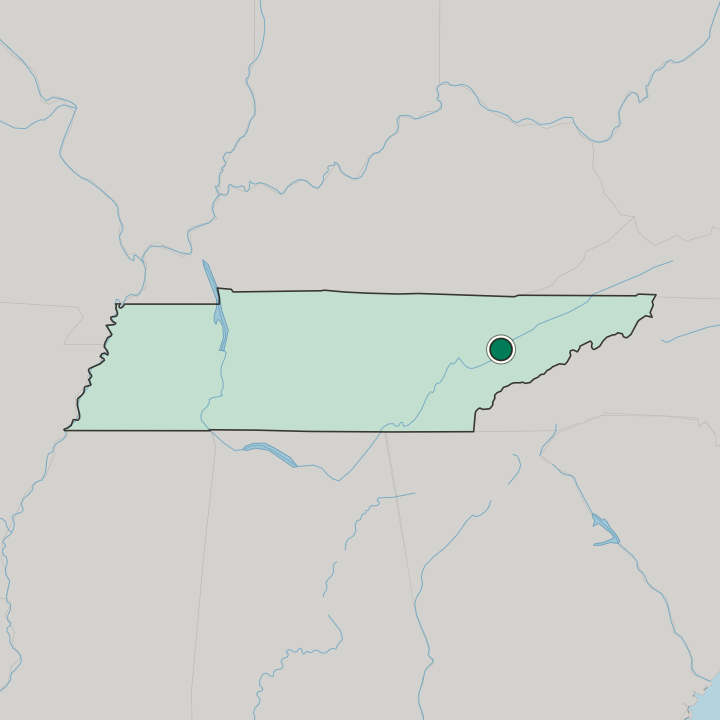
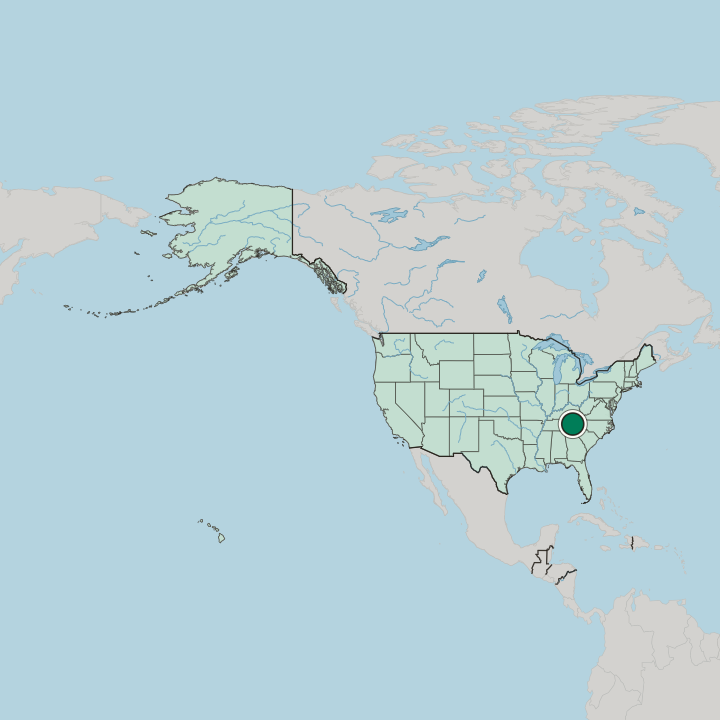
Knoxville sits on the Tennessee River in East Tennessee, where the valley floor gives way to the ridges of the Appalachian Mountains to the east. The land rolls between the ridges. The downtown blocks and the World's Fair Park stand on the ground beside the river, and the University of Tennessee campus lifts to the west, while the foothills climb toward the mountains that wall the valley on its eastern side.
What is the climate of Knoxville?
Knoxville has a humid subtropical climate in East Tennessee, with warm humid summers and mild winters. Summers run long and green. The warm months bring thunderstorms across the river valley and the Appalachian foothills, while the winters stay mild with only occasional snow on the higher ridges, and the spring brings early growth to the valley floor beside the Tennessee River.
How do you get to Knoxville?
Knoxville is reached by road, rail, and air, a hub of East Tennessee where the interstate routes cross. Most people roll into Knoxville off the interstate. The corridors meet near the city where the east-west route crosses the road running north and south, and the downtown center with the Sunsphere sits a short distance from the interchange and the river crossings into the city.
Common questions
What is the best area to stay in Knoxville?
Downtown by World's Fair Park: Best if you want the Sunsphere and the market square a short walk from bed beside the Tennessee River.. University of Tennessee campus edge: Best if you want the campus at the door and don't mind football crowds filling the ground above the river..
Good for
More cities in Tennessee
Updated September 2026