United States · Tennessee
Where to Stay in Nashville, Tennessee
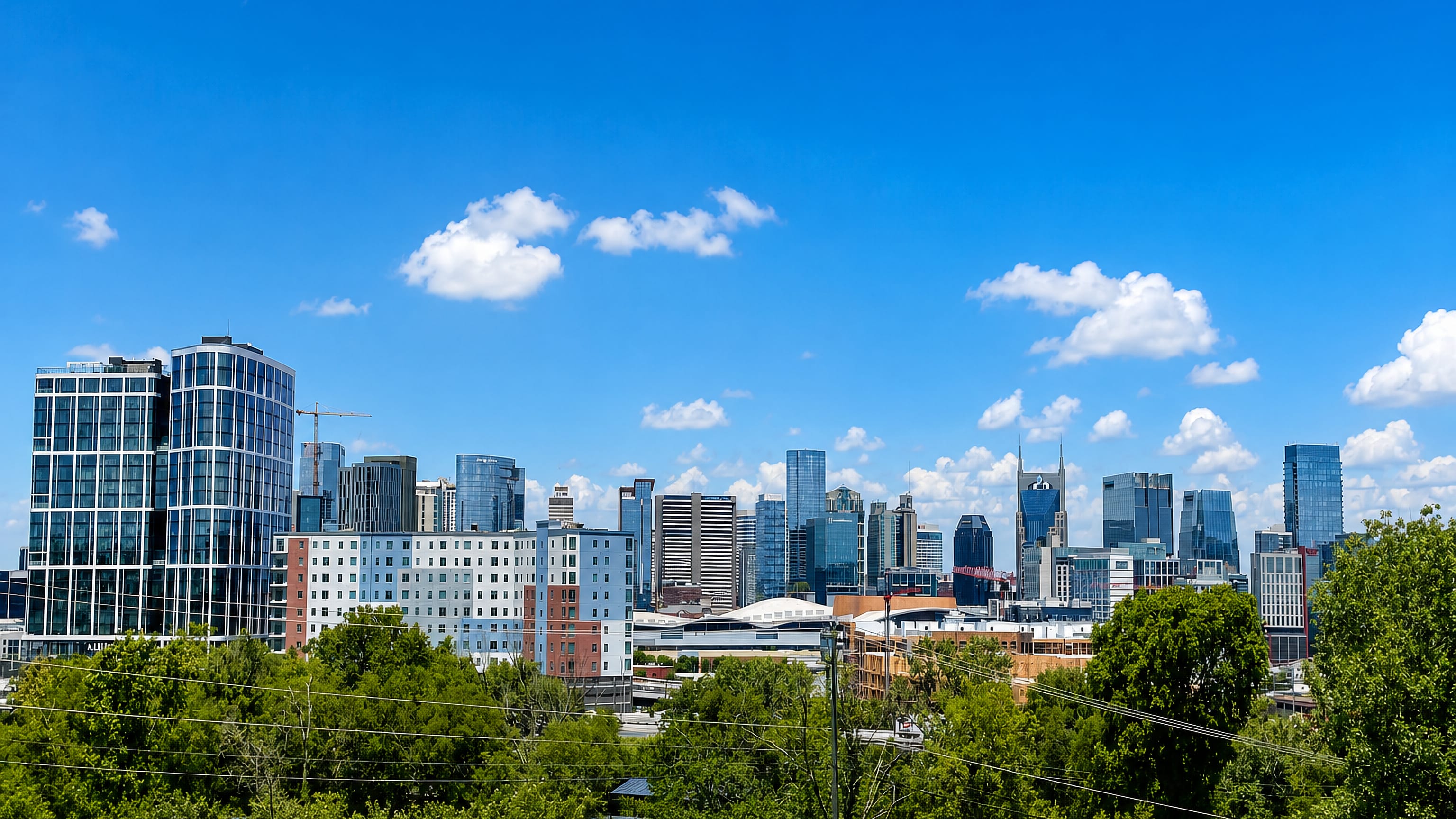
The Cumberland River winds through Nashville, the capital of Tennessee, a music city known for the Country Music Hall of Fame and Museum.
Hotel links are affiliate links: booking through them may earn us a commission, at no extra cost to you. It never affects how places are ranked. How this works



Where to stay in Nashville
The right area depends on your trip — here's what each neighbourhood is best for.
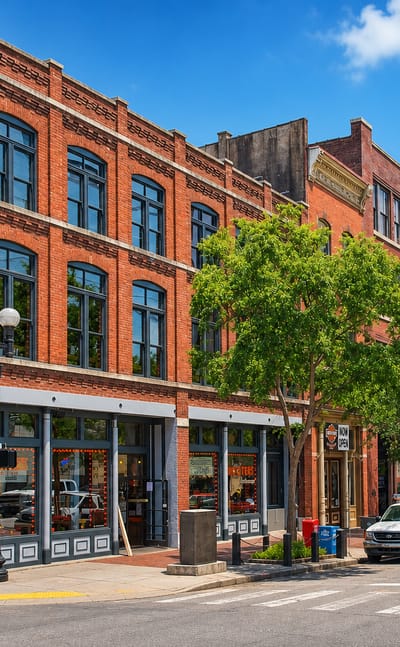
 NashvilleUnited States
Second Avenue Commercial District
Second Avenue Commercial District is a historic downtown district of Nashville, running along Second Avenue North to Broadway.Second Avenue Commercial District → NashvilleUnited States
The Gulch
The Gulch is a district of Nashville built on former railway yards, just south-west of the downtown core along the old rail corridor.The Gulch →NashvilleUnited StatesHillsboro Village
Hillsboro Village is a compact neighbourhood of Nashville, Tennessee, set beside the Vanderbilt campus.Hillsboro Village → NashvilleUnited States
East Nashville
East Nashville is a neighborhood of Nashville, east of the city center in the state of Tennessee.East Nashville →NashvilleUnited StatesGreen Hills
Green Hills is a leafy residential district of Nashville, Tennessee, gathered around Woodmont Christian Church.Green Hills → NashvilleUnited States
Inglewood
Inglewood is a residential neighbourhood of Nashville, known for the Riverwood estate and the Dr. Cleo Miller House.Inglewood →NashvilleUnited StatesDonelson
Donelson is a neighbourhood of Nashville, Tennessee, named after the city's co-founder John Donelson and home to the Grand Ole Opry.Donelson →NashvilleUnited StatesWest Meade
West Meade is a residential neighbourhood of Nashville, in the state of Tennessee.West Meade →NashvilleUnited StatesLakewood
Lakewood is a former satellite city of Nashville, Tennessee, first incorporated as Dupontonia in 1959.Lakewood →NashvilleUnited StatesOld Hickory
Old Hickory is a neighbourhood on the Cumberland River east of downtown Nashville, built as DuPont's company town.Old Hickory →NashvilleUnited StatesBellevue
Bellevue is a residential district on the western edge of Nashville, in Tennessee.Bellevue →NashvilleUnited StatesPasquo
Pasquo is a western neighbourhood of Nashville along State Route 100, at the northern end of the Natchez Trace Parkway.Pasquo →Hotel links are affiliate links: booking through them may earn us a commission, at no extra cost to you. It never affects how places are ranked. How this works
Things to do in Nashville
Ranked by global recognition; descriptions from Wikidata (CC0).
Museums & Galleries
3- Parthenon Heritage
- Frist Art Museum Heritage
- Country Music Hall of Fame and Museum
Churches & Religious Sites
8- Downtown Presbyterian Church, Nashville Heritage
- Holy Trinity Church Heritage
- Church of the Assumption Heritage
- Capers C.M.E. Church Heritage
- St. Patrick's Catholic Church and Rectory Heritage
Show 3 more →
- Lindsley Avenue Church of Christ Heritage
- First Baptist Church East Nashville Heritage
- St. Ann's Episcopal Church Heritage
Castles & Historic Sites
1- Confederate Private Monument
Stadiums & Sports
3- TNA Asylum
- Centennial Sportsplex
- E. S. Rose Park
Parks & Gardens
1- Opryland USA
Landmarks & Notable Places
8- Belle Meade Plantation Heritage
- Riverwood Heritage
- Longview Heritage
- Weakley-Truett-Clark House Heritage
- Sunnyside Heritage
Show 3 more →
- James Buchanan House Heritage
- Dr. Cleo Miller House Heritage
- Miles House Heritage
worth knowingacross 6 categories in Nashville
About Nashville
Nashville is known for music.
What is Nashville known for?
The Country Music Hall of Fame and Museum, the Johnny Cash Museum, and the Patsy Cline Museum stand among its halls, and the National Museum of African American Music records the sound of the city. The Parthenon stands among the landmarks of Nashville. Musicians made this city.
The George Jones Museum and the Frist Art Museum add to its galleries. Nashville grew on the Cumberland River as the capital of Tennessee.
What are the main landmarks in Nashville?
Nashville's landmarks run from music to marble. The Country Music Hall of Fame and Museum, the Johnny Cash Museum, the Patsy Cline Museum, and the George Jones Museum hold the sound of the city, and the National Museum of African American Music stands among them. Holy Trinity Church marks the older streets.
The Frist Art Museum and the Tennessee State Museum add their galleries, and the Adventure Science Center draws families. The Parthenon rises in stone.
What is the history of Nashville?
Nashville was founded in 1779 on the Cumberland River. The river carried the first settlers to the site, and the town grew on its banks as boats worked the water inland. It became the capital of Tennessee.
As the seat of Davidson County, the town drew government and trade to the Cumberland River, and its streets filled over the generations that followed. Churches rose early, among them the Downtown Presbyterian Church and Holy Trinity Church. The town spread from the water into the land of Tennessee, and the churches and houses of its early years still mark the older ground near the Cumberland River.
Music made the later history of Nashville. The players who shaped the sound of the city are kept in the Country Music Hall of Fame and Museum. The Johnny Cash Museum, the Patsy Cline Museum, and the George Jones Museum record the players who worked here.
Alongside them, the National Museum of African American Music records the same story from another side. Marble came too. The Parthenon rose as a landmark of the city, and the Frist Art Museum and the Tennessee State Museum followed.
The Cumberland River still runs through it all. Nashville built its name on music.
Where is Nashville?
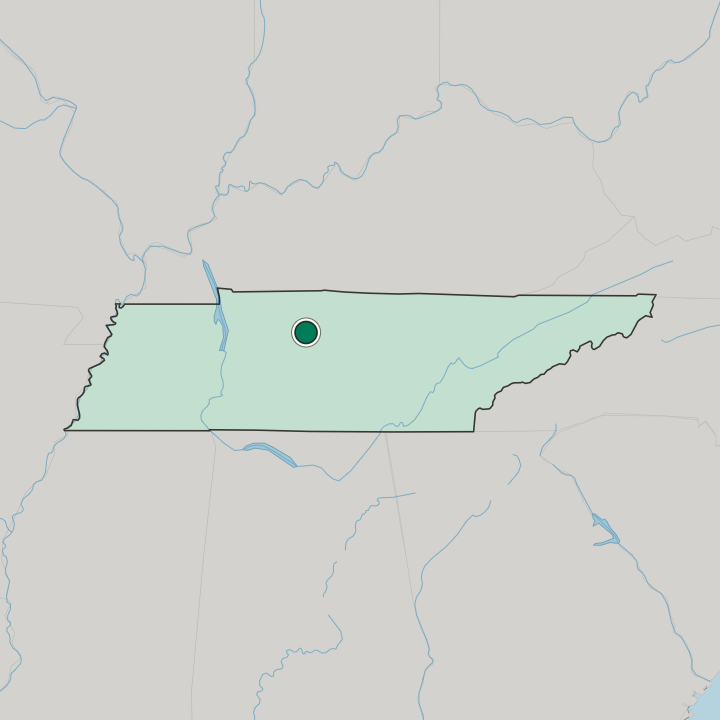
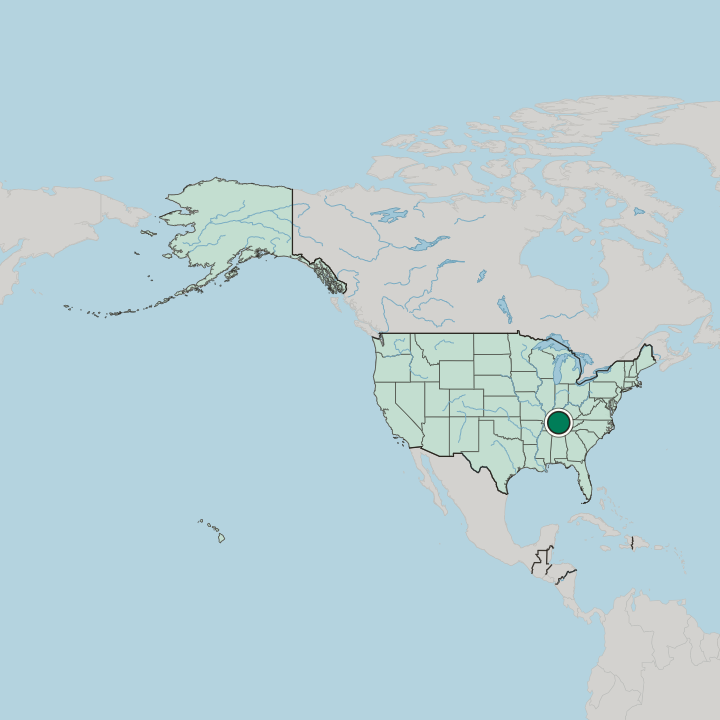
Nashville lies on the Cumberland River, in Tennessee, one of the states of the United States. The river runs through the city, past the Parthenon and the Country Music Hall of Fame and Museum. Davidson County surrounds it.
The Cumberland River bends through the centre, and the streets climb away from its banks toward the edges of the city.
What is the climate of Nashville?
Nashville has a temperate climate, with hot, humid summers and mild winters. The heat of summer hangs over the Cumberland River for months, and thunderstorms roll across Tennessee through the warm season. Spring comes early.
Snow falls now and then on the streets around the Parthenon, and winter loosens its hold quickly in this part of Tennessee.
How do you get to Nashville?
Nashville is reached by road, by air, and once by river. Highways cross Tennessee and meet at the city, carrying traffic from across the United States to the banks of the Cumberland River. The airport lies at the edge of the city.
Boats once worked the Cumberland River to the docks below the city. Roads now bring most travellers to Nashville.
Good for
More cities in Tennessee
Updated September 2026