
United States
Tennessee, United States — Towns & Travel Guide
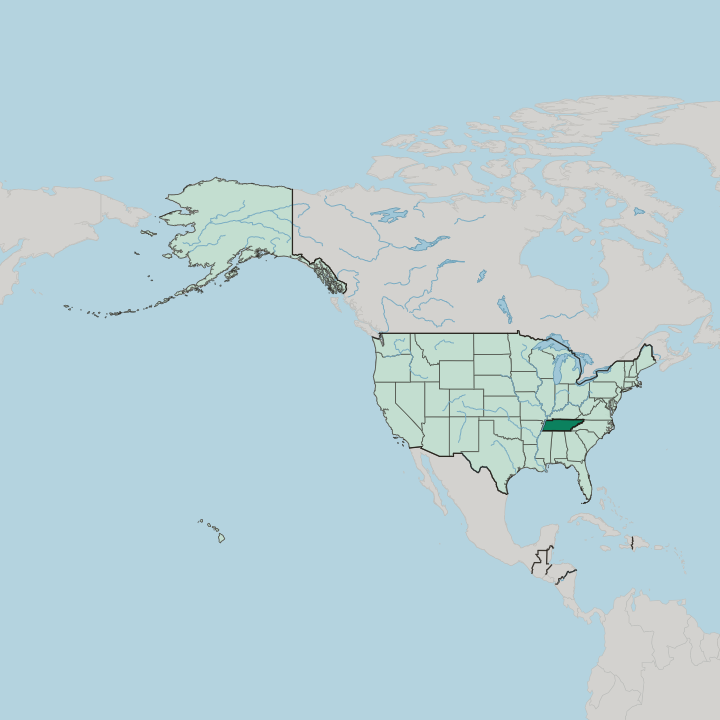
Tennessee stretches landlocked across the Southeast, bordered by Kentucky, Virginia, and North Carolina, a state that entered the United States in 1796.
Hotel links are affiliate links: booking through them may earn us a commission, at no extra cost to you. It never affects how places are ranked. How this works


Towns & cities in Tennessee
Pick a town or city — each links to where to stay.

 United States
Nashville
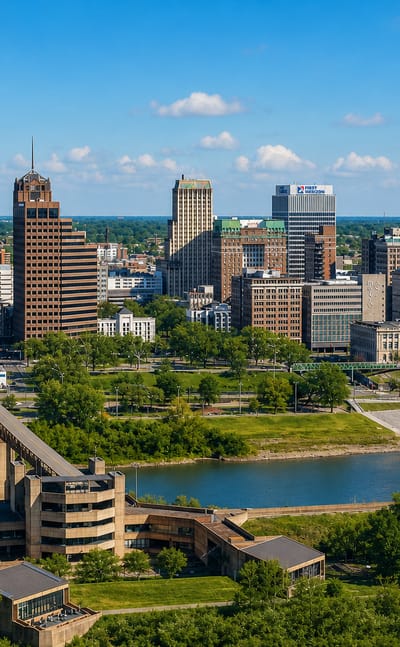
The Cumberland River winds through Nashville, the capital of Tennessee, a music city known for the Country Music Hall of Fame and Museum.Where to stay →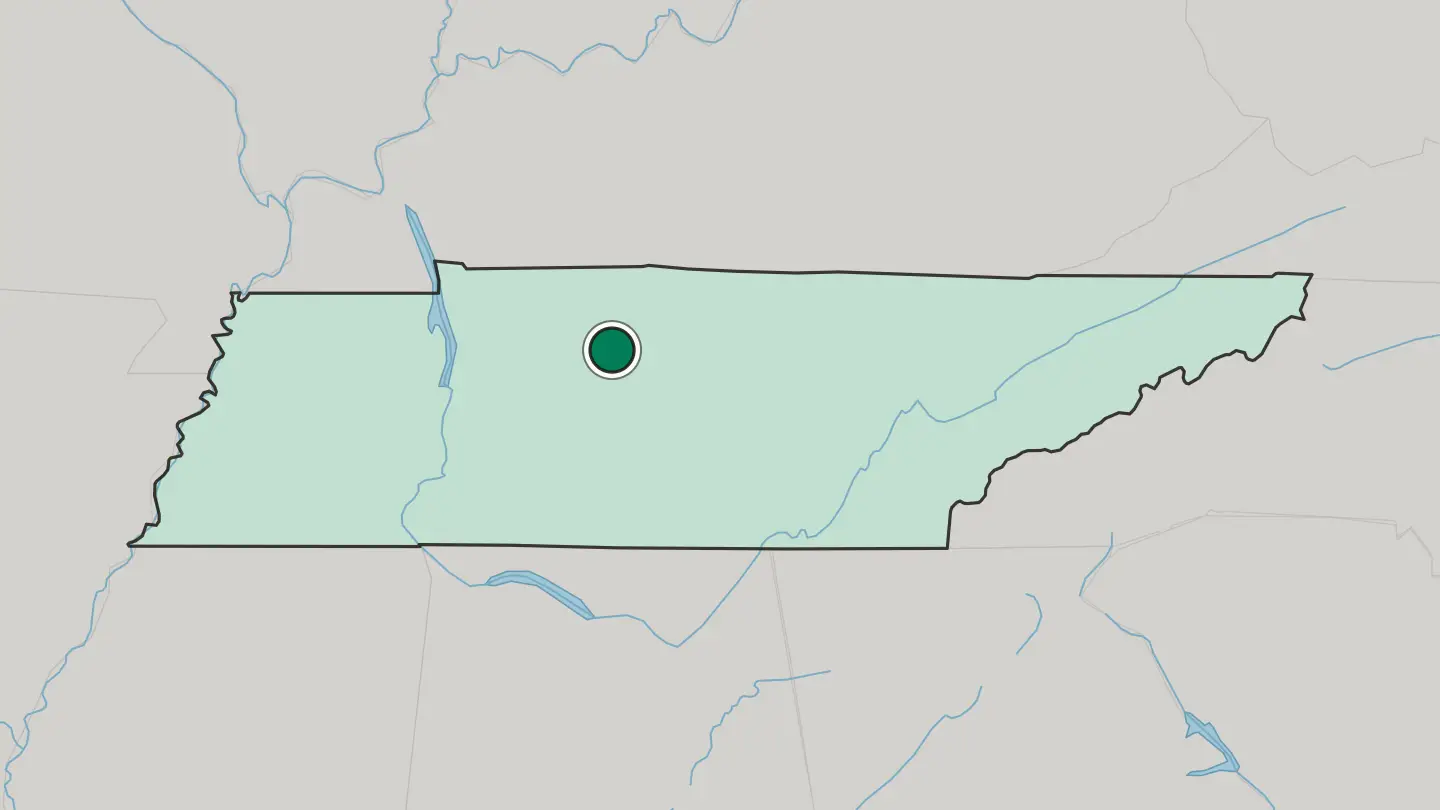
 United States
Memphis
Memphis is a music city in Tennessee on the Mississippi River, known for the Blues Hall of Fame and the National Civil Rights Museum.Where to stay →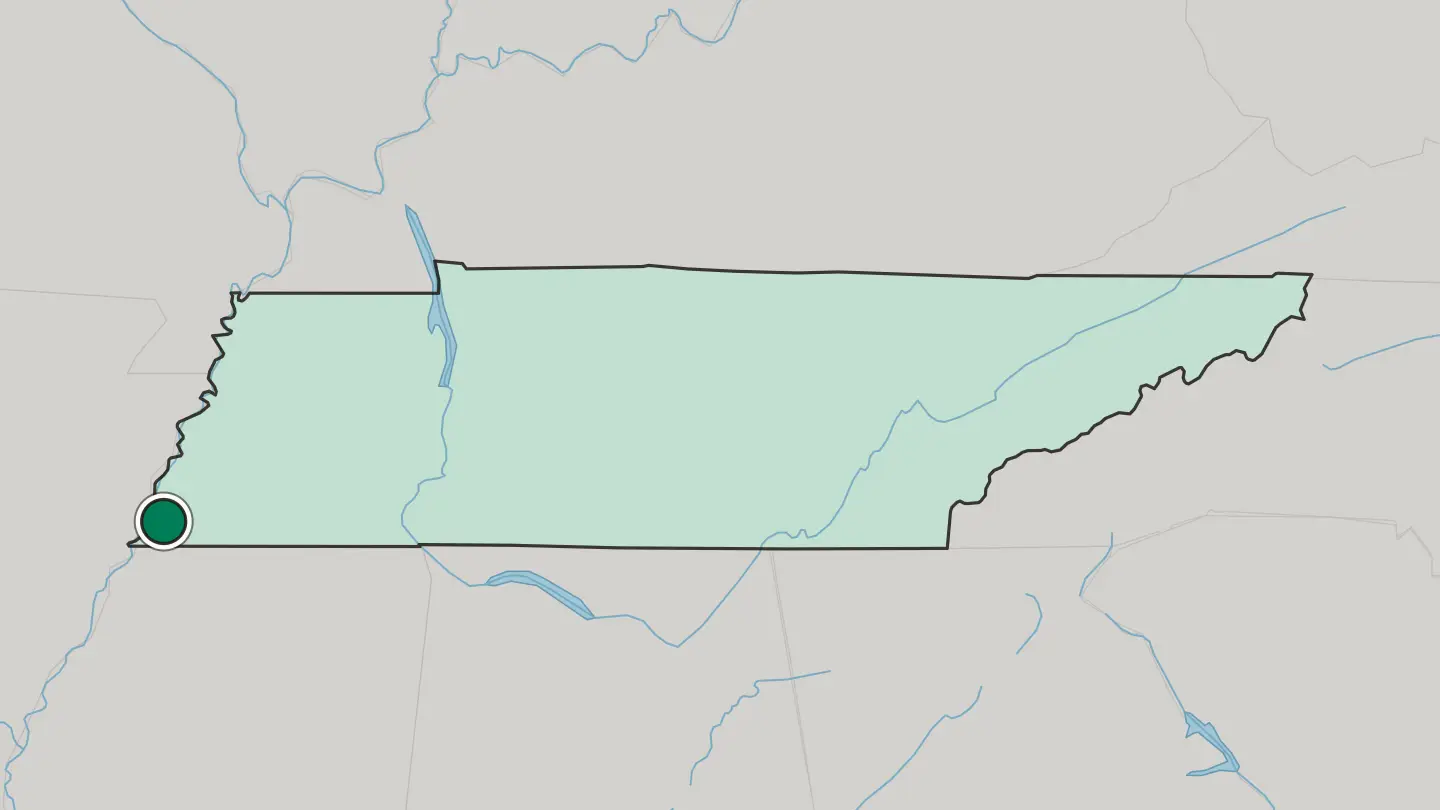
 United States
Knoxville
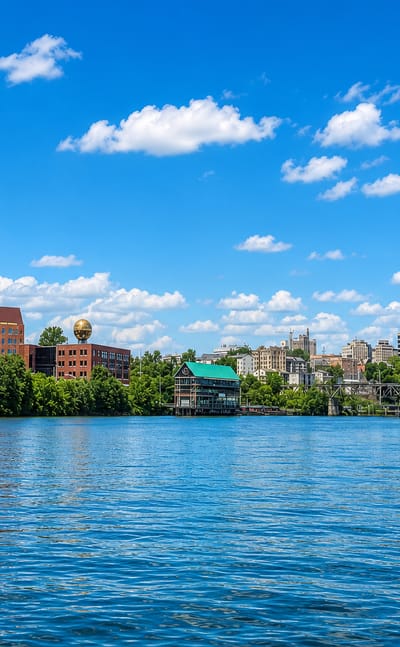
River light and ridgelines mark Knoxville, a city on the Tennessee River in East Tennessee, known for the Sunsphere and the University of Tennessee.Where to stay →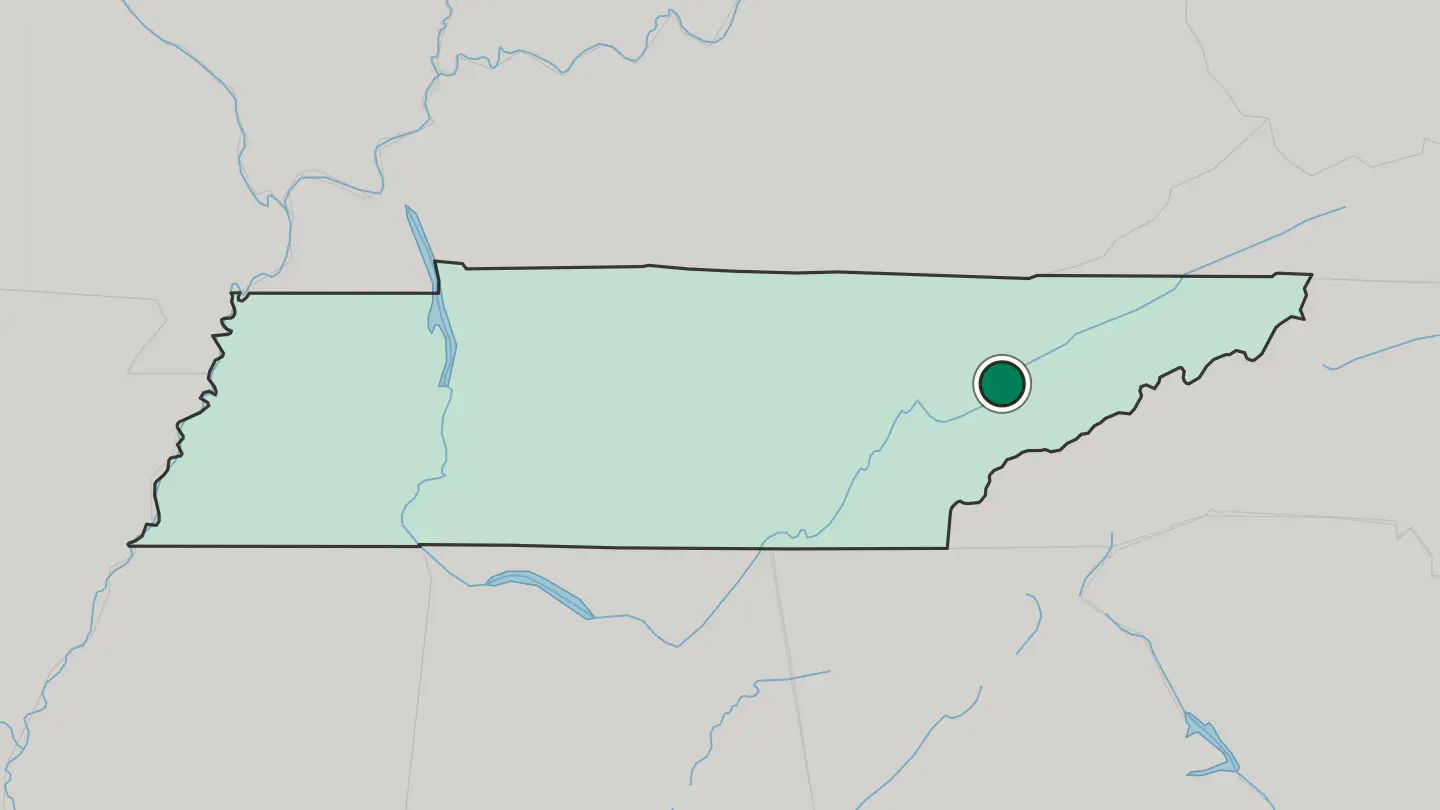
 United States
Chattanooga
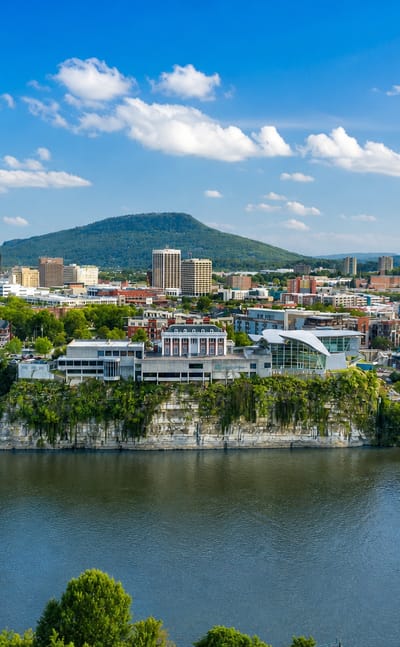
The Tennessee River bends through Chattanooga, a river city in southeast Tennessee, known for the Hunter Museum of American Art.Where to stay →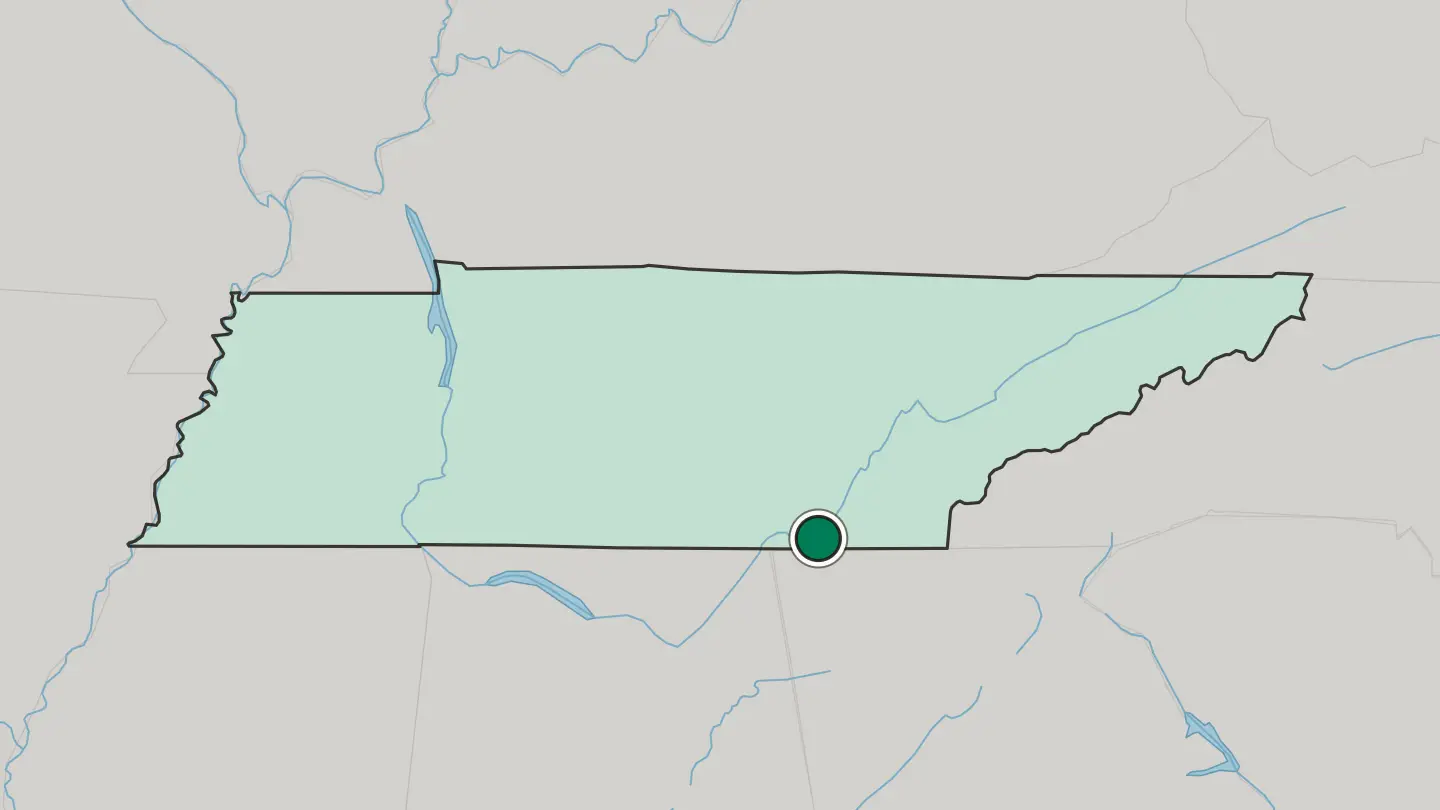
 United States
Clarksville
Clarksville is the seat of Montgomery County in Tennessee, a town of the seventeen-eighties whose churches and named houses still mark its centre.Where to stay →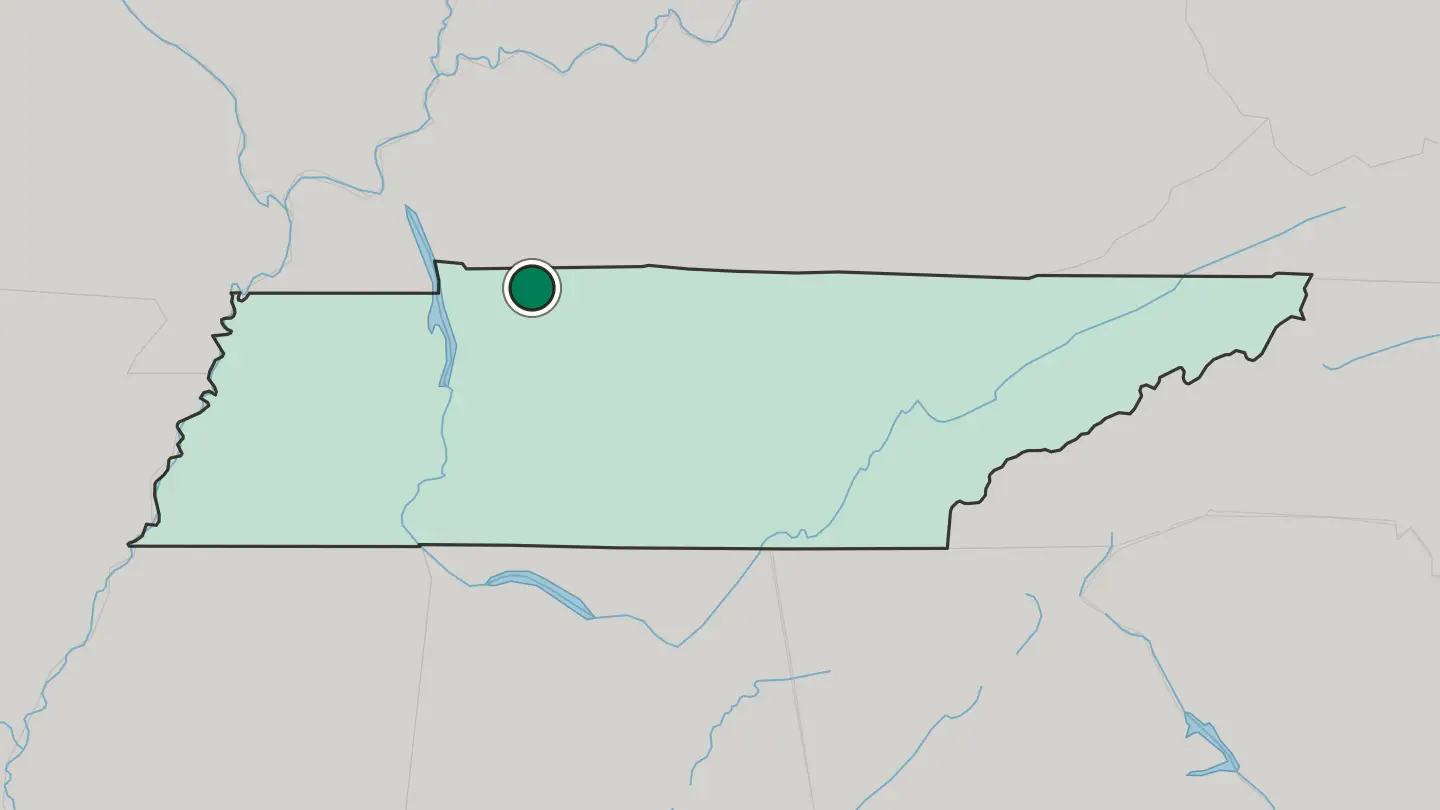
 United States
Murfreesboro
Murfreesboro, county seat of Rutherford County, holds Middle Tennessee ground southeast of Nashville.Where to stay →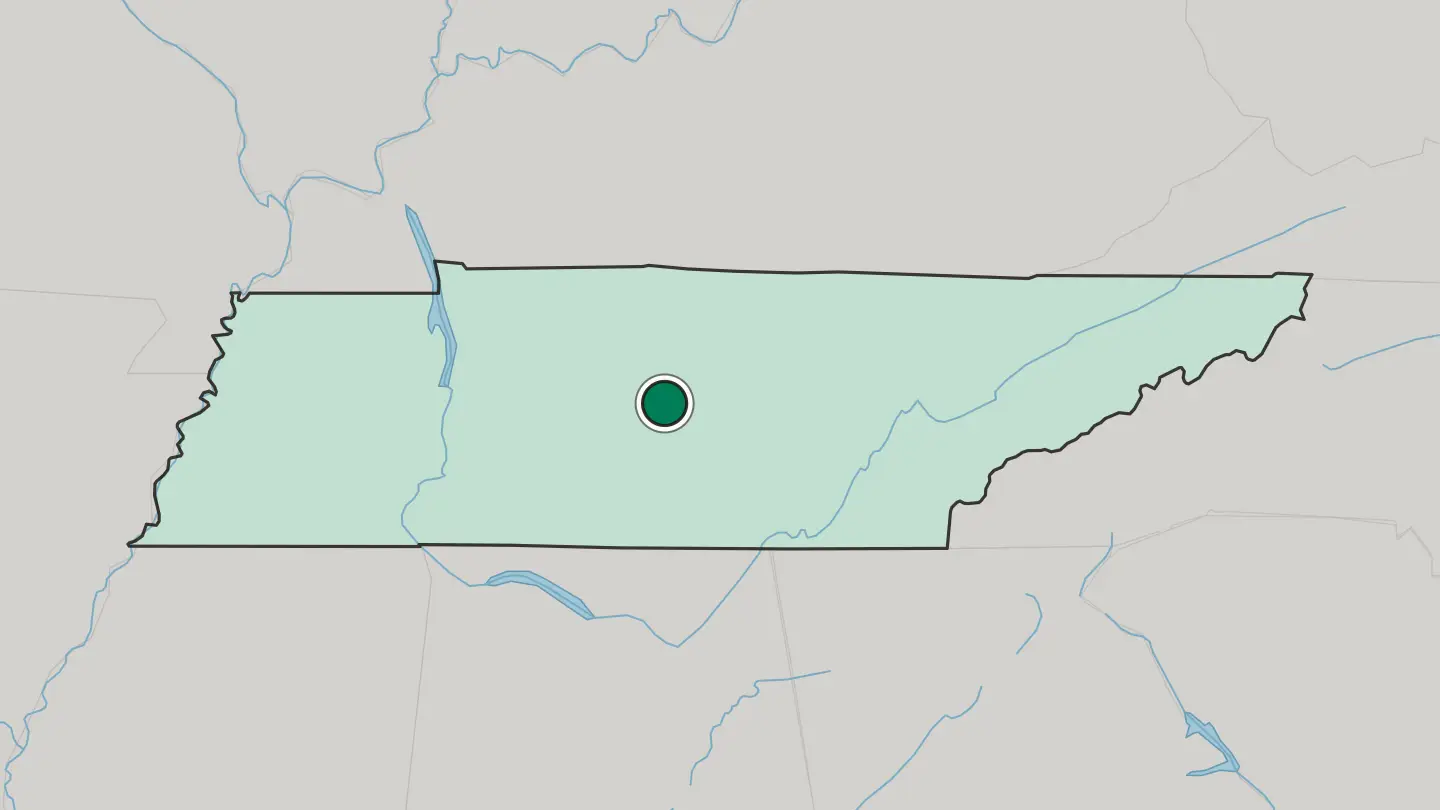 United States
Franklin
Franklin is the county seat of Williamson County, a Tennessee town of preserved houses standing about 21 miles south of Nashville.Where to stay →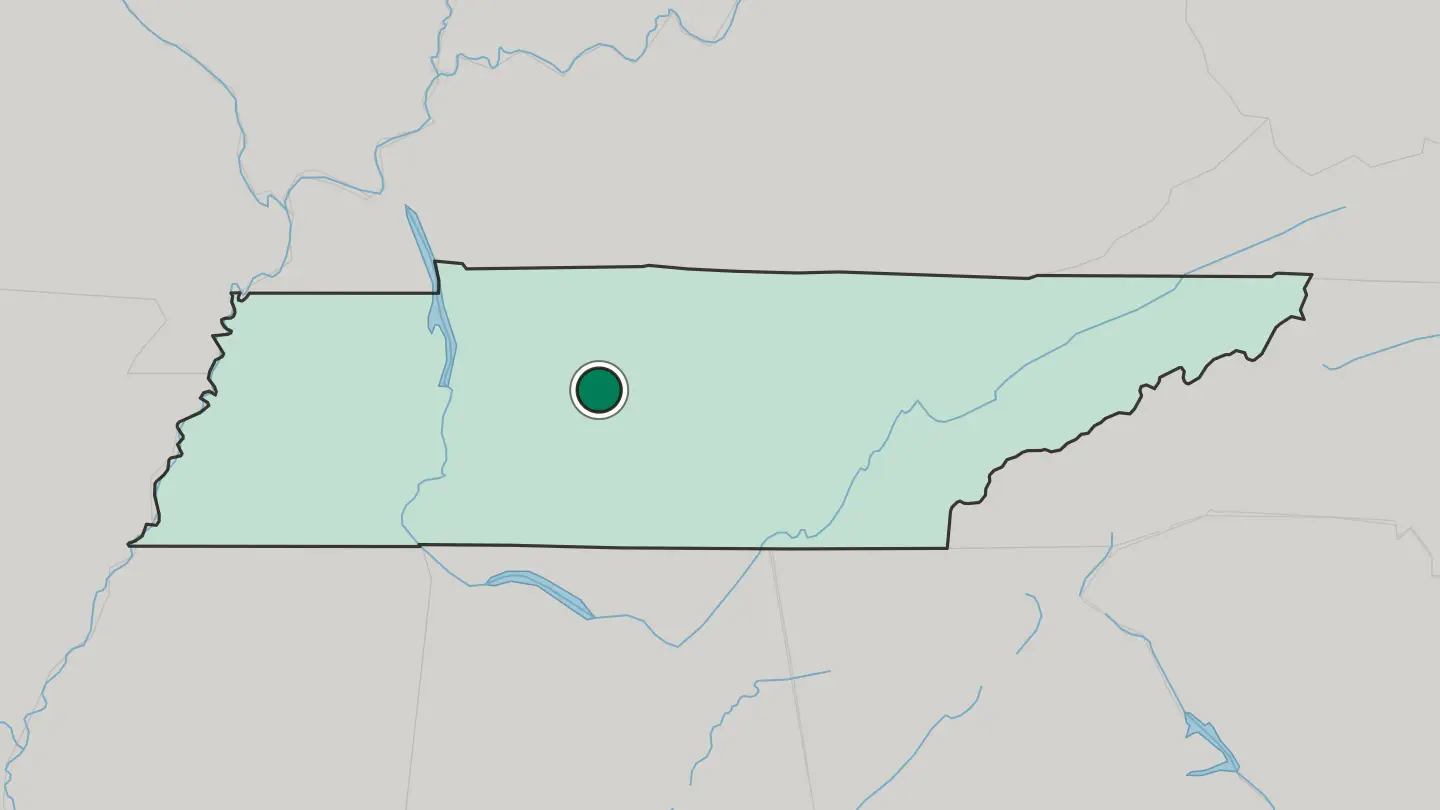 United States
Jackson
Jackson is the seat of Madison County and a rail crossroads of West Tennessee, about 70 miles east of Memphis and well southwest of Nashville.Where to stay →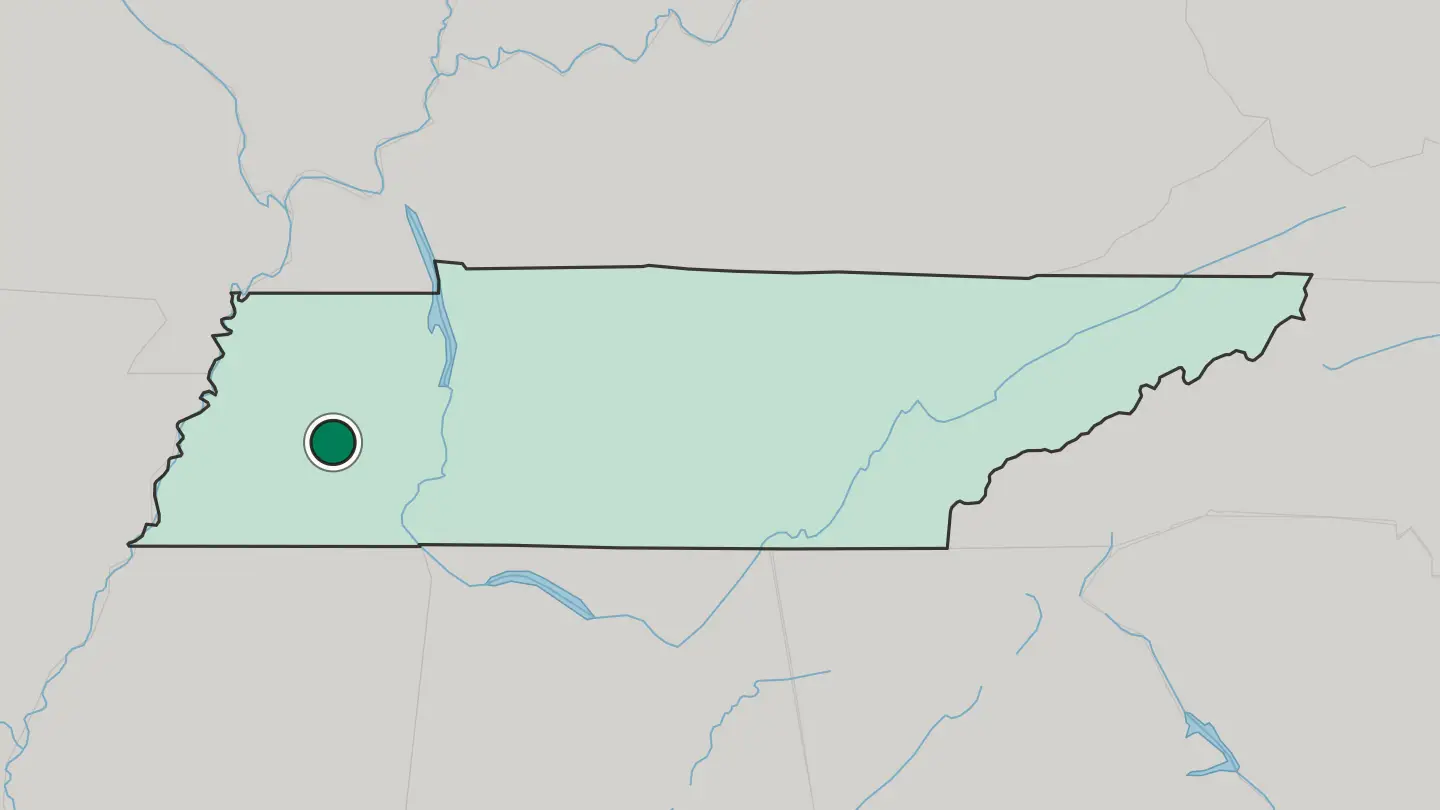
All towns & cities (11)
 United States
Johnson City
Johnson City, founded in 1856, spreads across Washington, Carter and Sullivan counties in Eastern Tennessee and heads its own metropolitan area.Where to stay →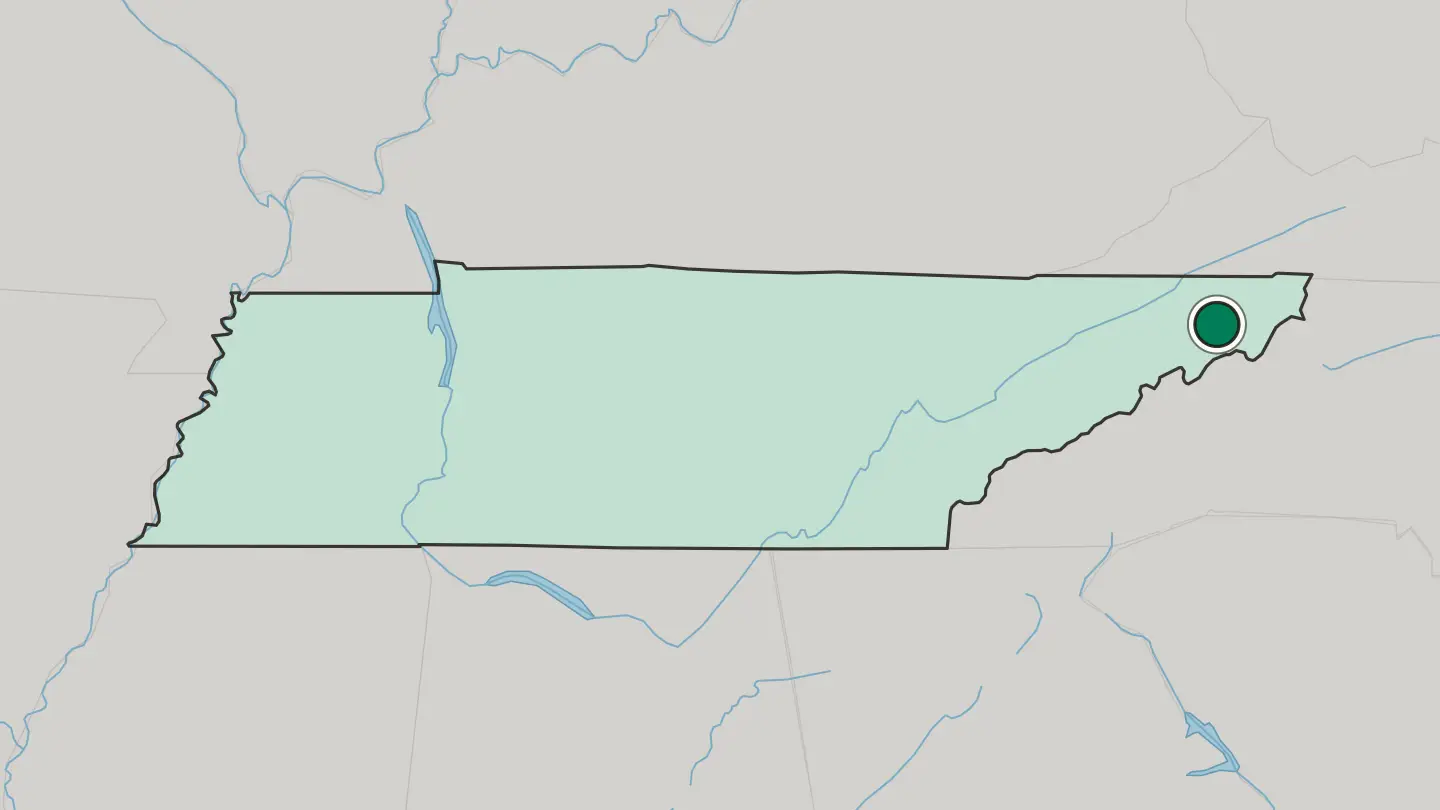 United States
Hendersonville
Hendersonville spreads along Old Hickory Lake in Sumner County, a Nashville suburb settled by Daniel Smith and known for its country-music names.Where to stay →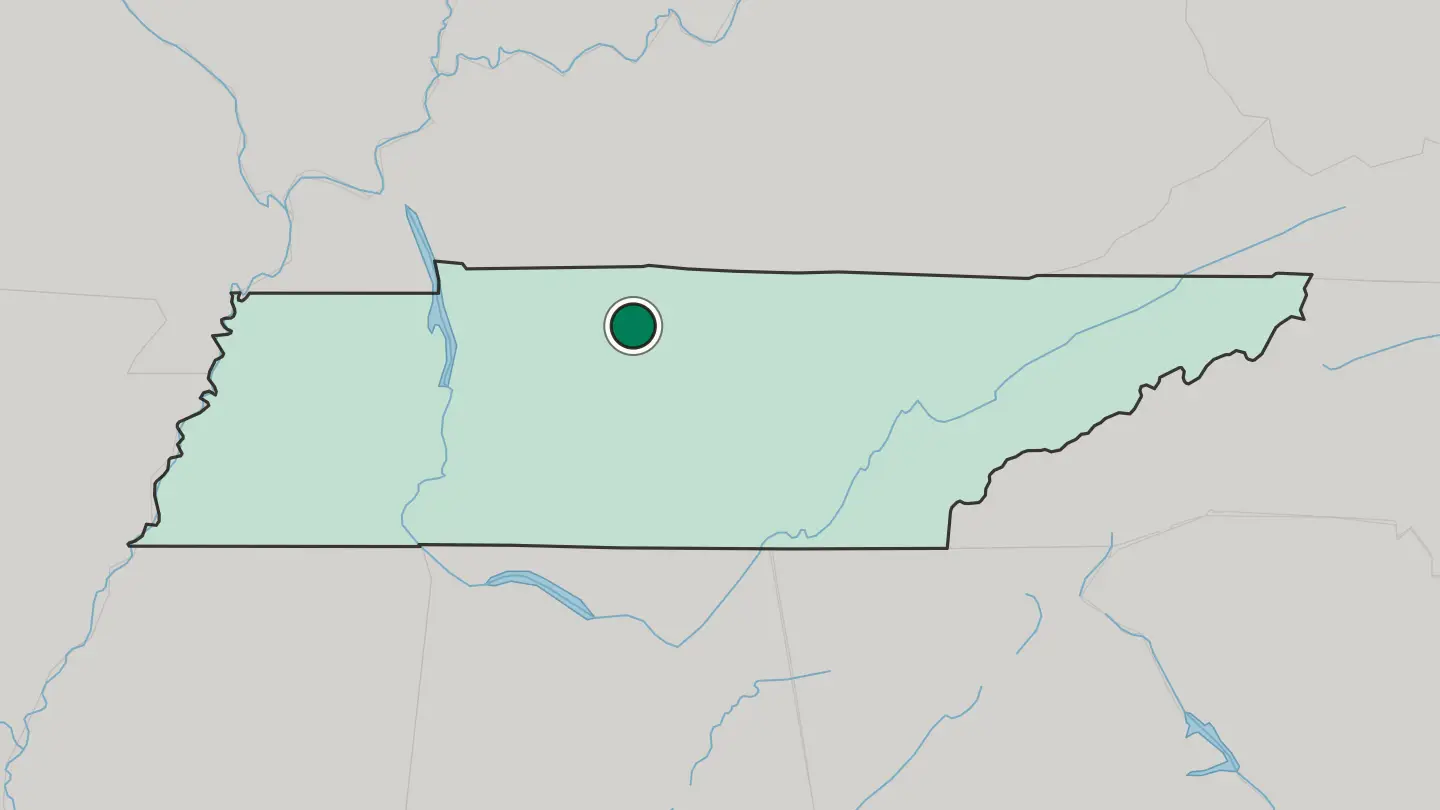
 United States
Kingsport
Kingsport stands on the Holston River in Sullivan and Hawkins counties, the largest city of the Kingsport-Bristol metropolitan area.Where to stay →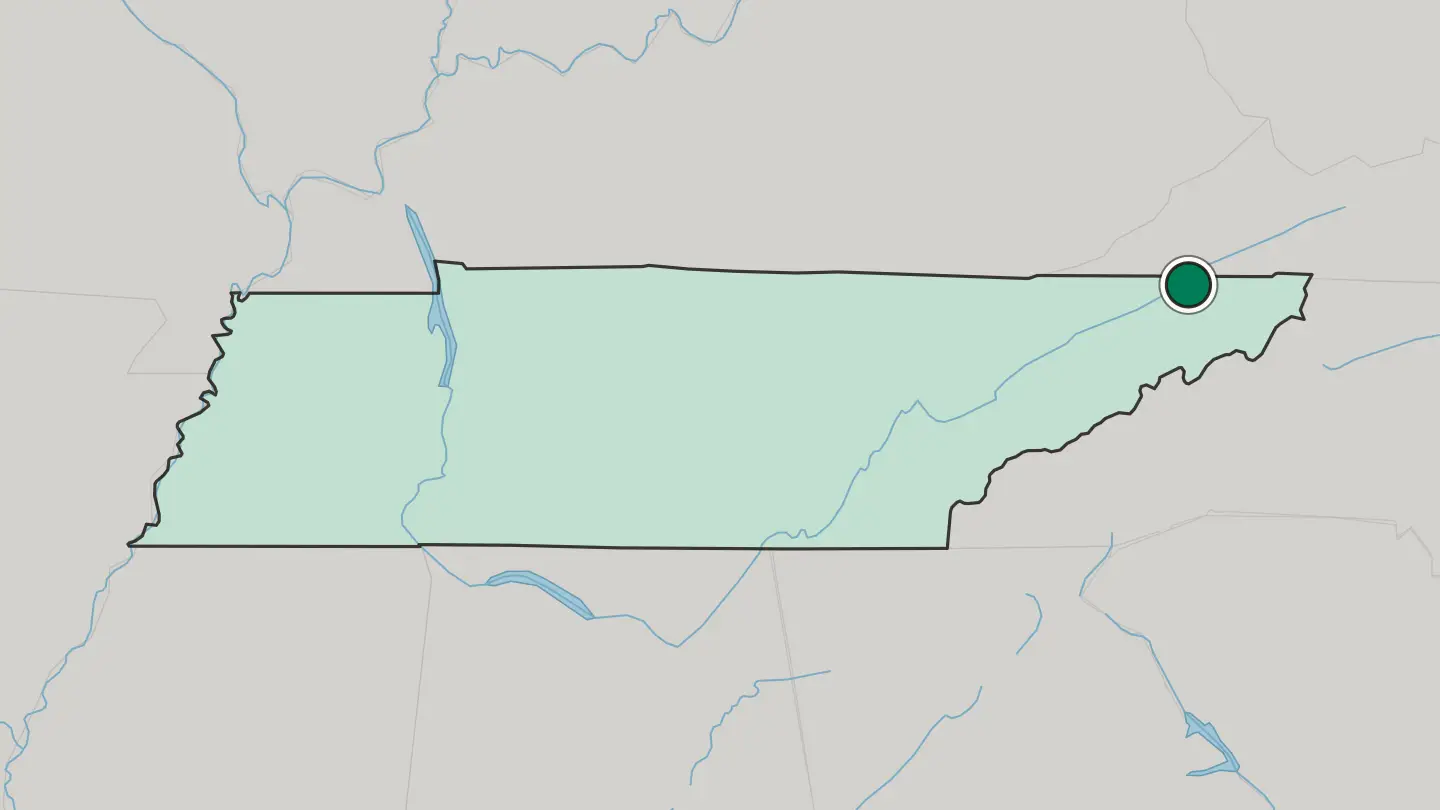
Hotel links are affiliate links: booking through them may earn us a commission, at no extra cost to you. It never affects how places are ranked. How this works
About Tennessee
What is Tennessee known for?
Tennessee is known as a landlocked state of the Southeast, ringed by eight neighbouring states. Kentucky lies to the north and Virginia to the northeast, North Carolina runs along the east, and Georgia, Alabama, and Mississippi border it to the south. Arkansas and Missouri sit to the west.
The state entered the United States in 1796. Eight states ring it.
Where is Tennessee?
Tennessee is a landlocked state in the Southeast. Kentucky lies along its northern border, and Virginia meets it at the northeast corner. To the east runs North Carolina.
Along the south lie Georgia, Alabama, and Mississippi, three states in a row. To the west, Arkansas and Missouri face Tennessee across its far edge. Salt water never reaches Tennessee.
The state reaches a great distance inland, far from any coast in every direction. The land stretches long and narrow, running west from the eastern border with North Carolina toward the western line shared with Arkansas. Eight states surround Tennessee in all.
Missouri touches only its northwest corner. The interior sits deep in the Southeast, hemmed by Kentucky, Virginia, and the southern trio of Georgia, Alabama, and Mississippi. Distances run wide here.
From the eastern edge by North Carolina to the western edge by Arkansas and Missouri, Tennessee spans the breadth of the inland Southeast, a landlocked state ringed on every side by its neighbours.
What is Tennessee like?
Tennessee carries the culture of the inland South, a landlocked state shaped by the Southeast around it. It shares the customs of the region with the eight states that ring it, from Kentucky and Virginia in the north to Georgia, Alabama, and Mississippi along the south. The Southern heritage runs strong.
Far from any coast, the state looks inward to the interior rather than out to the sea, and its neighbours set much of its tone. Tradition holds here. Life across Tennessee sits apart from the seaboard, closer in character to Kentucky and Mississippi than to the far coasts of the country.
The state joined the United States in 1796, taking root among the early Southern states of the interior. Spanish is among the languages spoken in its towns. From the eastern border with North Carolina to the western edge by Arkansas and Missouri, a broadly Southern culture runs across the whole state.
Its ways are inland ways. This landlocked heart of the Southeast keeps its own place among the states of the American South, ringed on every side yet open to none of the sea.
What is the history of Tennessee?
Tennessee entered the United States in 1796, one of the early states of the young country. Its borders were drawn against eight neighbours, from Kentucky and Virginia in the north to Georgia, Alabama, and Mississippi in the south. The Southeast took shape around it.
On its eastern side the state meets North Carolina, while its landlocked interior lies far from any coast. Arkansas and Missouri closed its western edge.
What is the climate of Tennessee?
Tennessee has a temperate climate marked by warm, humid summers across the inland Southeast. The landlocked interior heats up in the long summers, far from the cooling reach of any sea. Tennessee winters run mild and short.
Cold spells slip down from Kentucky and the north, but hard freezes rarely last across the southern half near Georgia and Alabama. Spring and autumn stretch long and mild between the seasons.
How do you get to Tennessee?
Most travellers reach Tennessee overland, since the landlocked state has no coast or seaport of its own. Interstate highways cross its borders from every side, linking it to Kentucky and Virginia in the north and to Georgia, Alabama, and Mississippi in the south. Roads run in from North Carolina to the east.
From Arkansas and Missouri, routes cross the western edge. Everything arrives by land here.
Good for
More regions in United States
Updated October 2026