United Arab Emirates
Emirate of Ras Al Khaimah, United Arab Emirates — Towns & Travel Guide
Ras Al Khaimah is the northernmost of the seven emirates of the United Arab Emirates, backed by the Al Hajar Mountains and edged by the Persian Gulf.
Hotel links are affiliate links: booking through them may earn us a commission, at no extra cost to you. It never affects how places are ranked. How this works


Towns & cities in Emirate of Ras Al Khaimah
One town here has its own guide — it links to where to stay.
 United Arab Emirates
Ras Al Khaimah
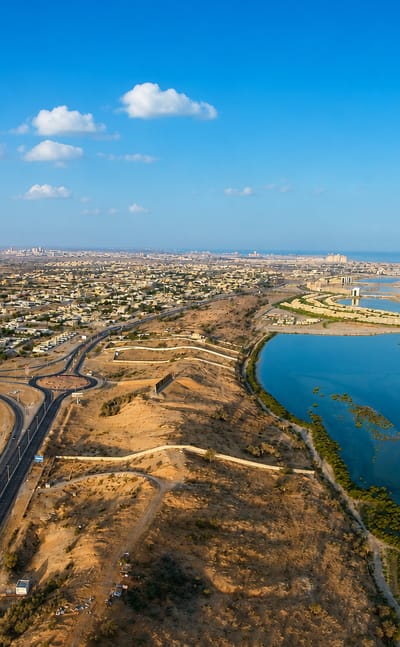
A working creek splits Ras Al Khaimah, the port city and capital of the Emirate of Ras Al Khaimah in the United Arab Emirates.Where to stay →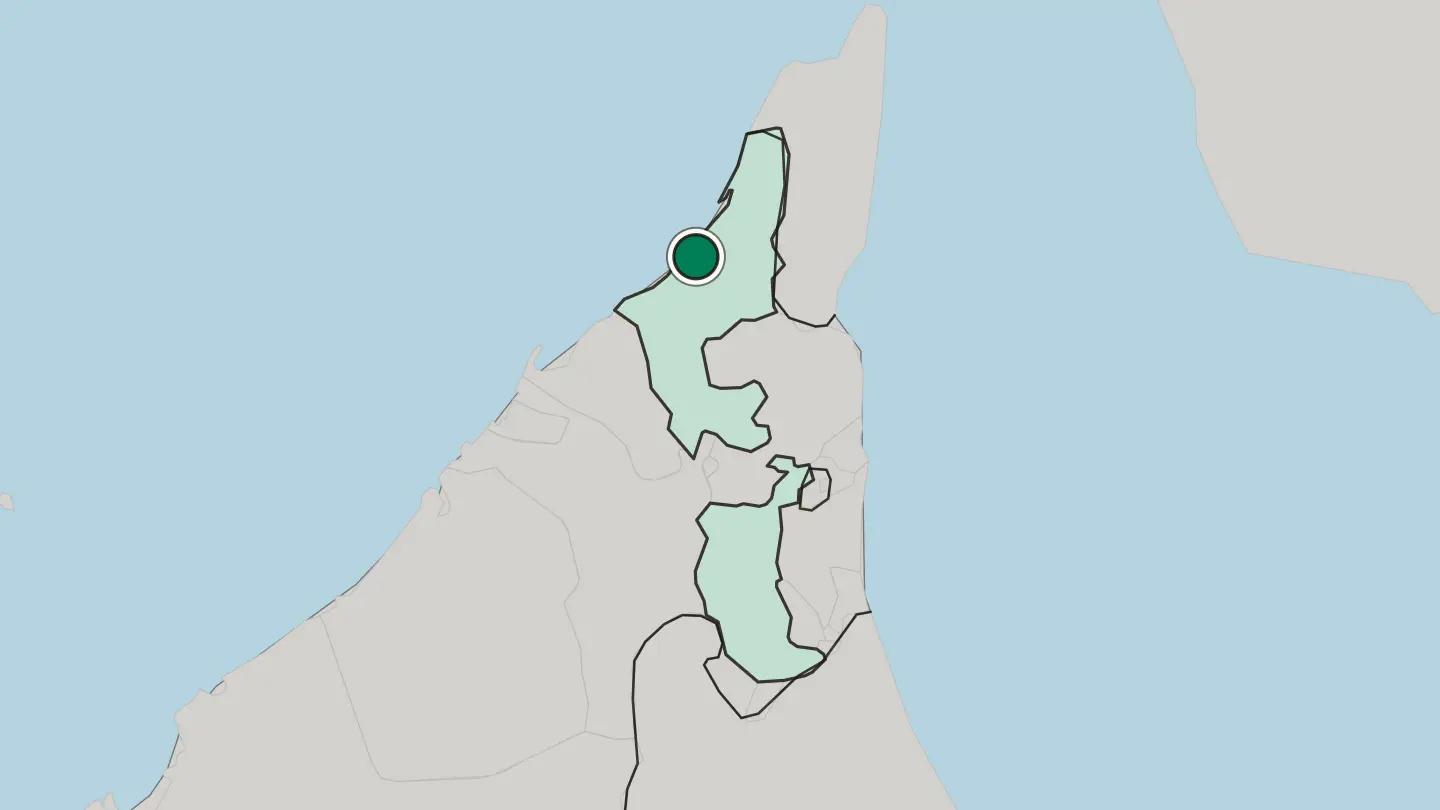
Hotel links are affiliate links: booking through them may earn us a commission, at no extra cost to you. It never affects how places are ranked. How this works
About Emirate of Ras Al Khaimah
What is Emirate of Ras Al Khaimah known for?
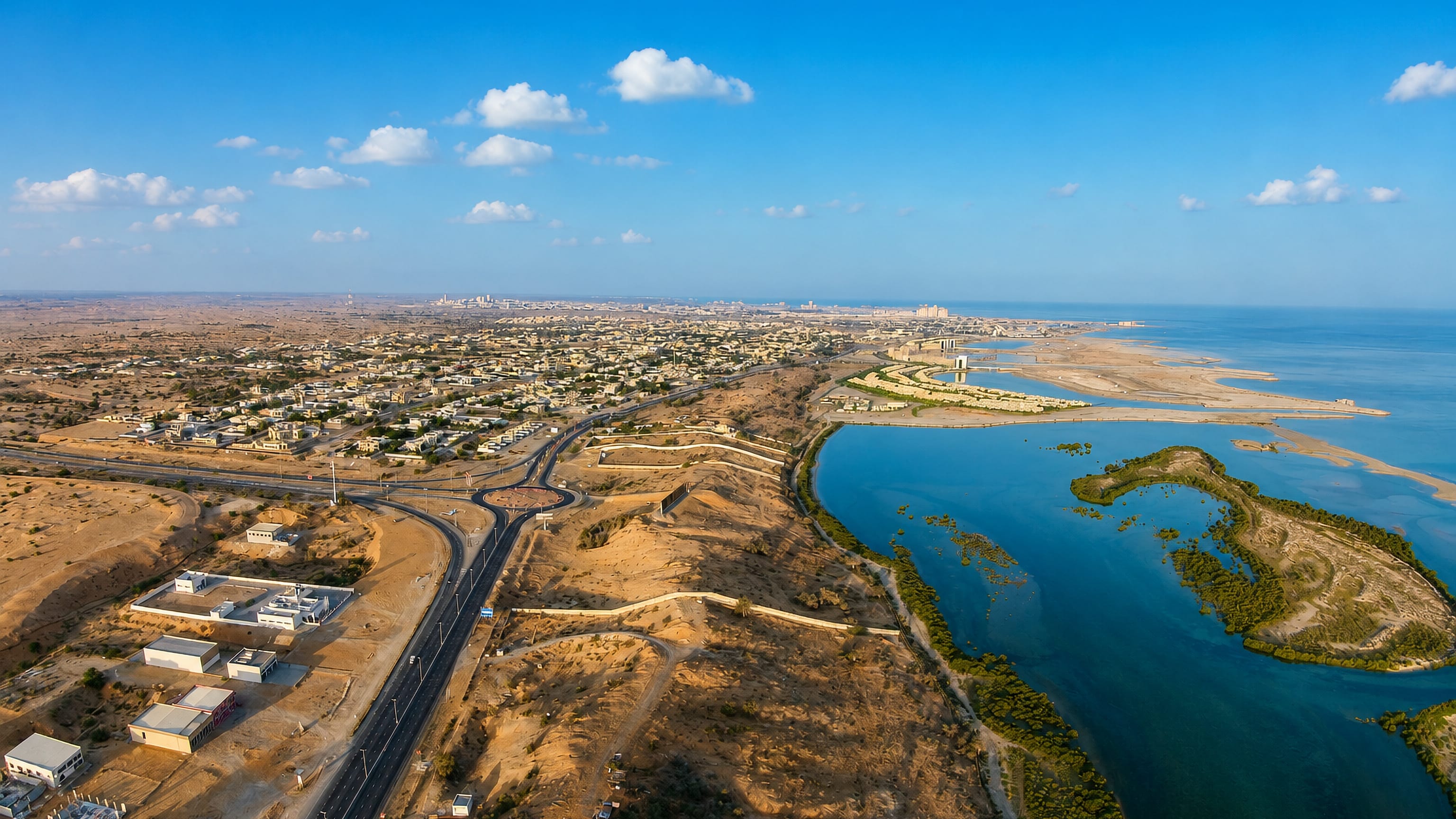
Ras Al Khaimah sits at the northern tip of the seven emirates, where the Al Hajar Mountains crowd down almost to the shore of the Persian Gulf. Jebel Jais changes everything. That peak is the highest ground in the whole United Arab Emirates.
The emirate keeps 68 km of beach along the water, most of it far quieter than the towers of Dubai an hour to the south. Underneath the modern capital lies old Julfar, a medieval trading port that once shipped pearls and ceramics across the Indian Ocean.
Where is Emirate of Ras Al Khaimah?
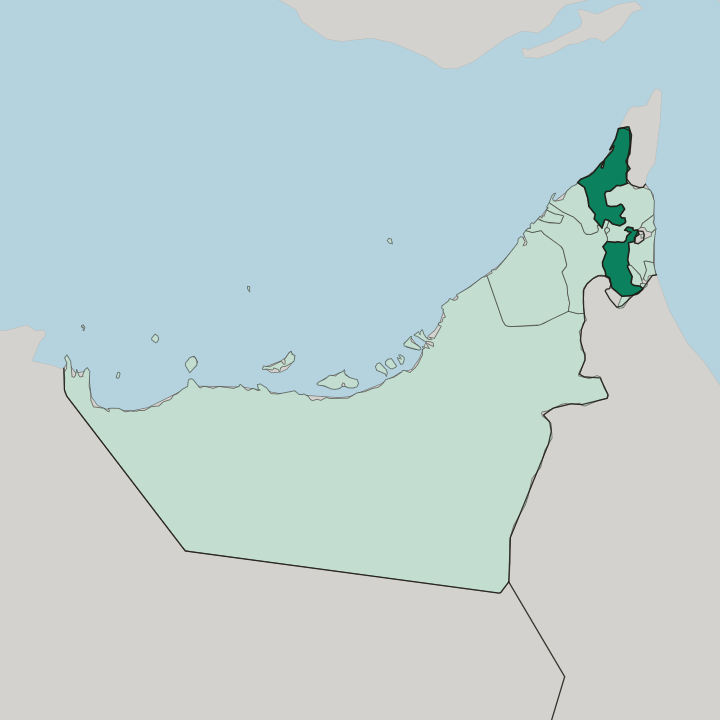
Ras Al Khaimah occupies the far north of the United Arab Emirates, sharing the Musandam Peninsula with Oman, whose exclave presses in just beyond its border. The land does something unusual for the Gulf. Behind a low coastal plain the Al Hajar Mountains rise abruptly, a wall of bare grey rock running down from Oman, and Jebel Jais lifts out of that range as the highest point anywhere in the country.
Between the mountains and the sea the plain is narrow but green by desert standards, fed by rain and by water draining out of the range, which gives the emirate the most fertile ground in the federation. Along the front lie 68 km of beach on the Persian Gulf, backed in places by dense mangrove creeks. The capital sits on one such creek.
It splits into an Old Town and the Nakheel district on either bank of the water, with the mountains at its back. Dubai lies about an hour to the south down the coast, and the border with Oman closes off the peninsula to the north and east.
What is Emirate of Ras Al Khaimah like?
Ras Al Khaimah wears its long history more plainly than its glossier neighbours. This is old ground. People have lived on this stretch of coast for something like seven thousand years, and the emirate counts a thousand archaeological sites, from the Umm Al Nar tombs of the third millennium BC to the mud-brick towers of Shimal Fort that locals call Sheba's Palace.
Julfar was the beating heart of it, a port whose shipbuilders, pearl divers and merchants tied this coast to India, Persia and China. That maritime past still shapes the place. Arabic is the everyday language, dhows still work the creek, and the fort above the old town speaks to the Qawasim who ruled the sea here.
The pace is slower than Dubai. Camel racing, date groves and the Friday market at Digdaga belong as much to the emirate's character as the new resorts strung along the Persian Gulf.
What is the history of Emirate of Ras Al Khaimah?
The Qawasim, or Al Qasimi, made this coast their base in the early eighteenth century and built a formidable maritime power along the Persian Gulf. Their reach spanned both shores. Long before them, the port of Julfar had traded pearls, ceramics and Chinese porcelain here for centuries, part of a settlement whose habitation runs back some seven thousand years.
Sheikh Saqr bin Mohammed Al Qasimi ruled the emirate for six decades. Under him Ras Al Khaimah joined the United Arab Emirates only on 10 February 1972.
What is the climate of Emirate of Ras Al Khaimah?
The climate is hot desert, blunt and unmistakable. From May to September the heat is punishing, and the dry Shamal wind pushes gritty air off the interior while humidity climbs along the Persian Gulf shore. Winters are the reward.
Between December and March the days turn mild, warm enough to swim off the beaches yet cool enough to walk the ridges of Jebel Jais without wilting. Rain falls rarely and briefly, mostly in those same winter weeks, though the runoff draining out of the Al Hajar Mountains gives the emirate the most fertile soil in the country.
How do you get to Emirate of Ras Al Khaimah?
Most arrivals drive up from Dubai. The larger city and its airports sit about an hour south along the Persian Gulf coast, and the road runs straight into Ras Al Khaimah past Al Marjan Island. The emirate has its own airport too, Ras Al Khaimah International, which handles regional and charter traffic close to the capital.
Once here, a car is near enough essential: the beaches, old Julfar and the switchback climb up Jebel Jais all lie apart from one another, spread between the water and the Al Hajar Mountains.
Good for
More regions in United Arab Emirates
Updated October 2026