Brazil · Minas Gerais
Where to Stay in Ouro Preto, Minas Gerais
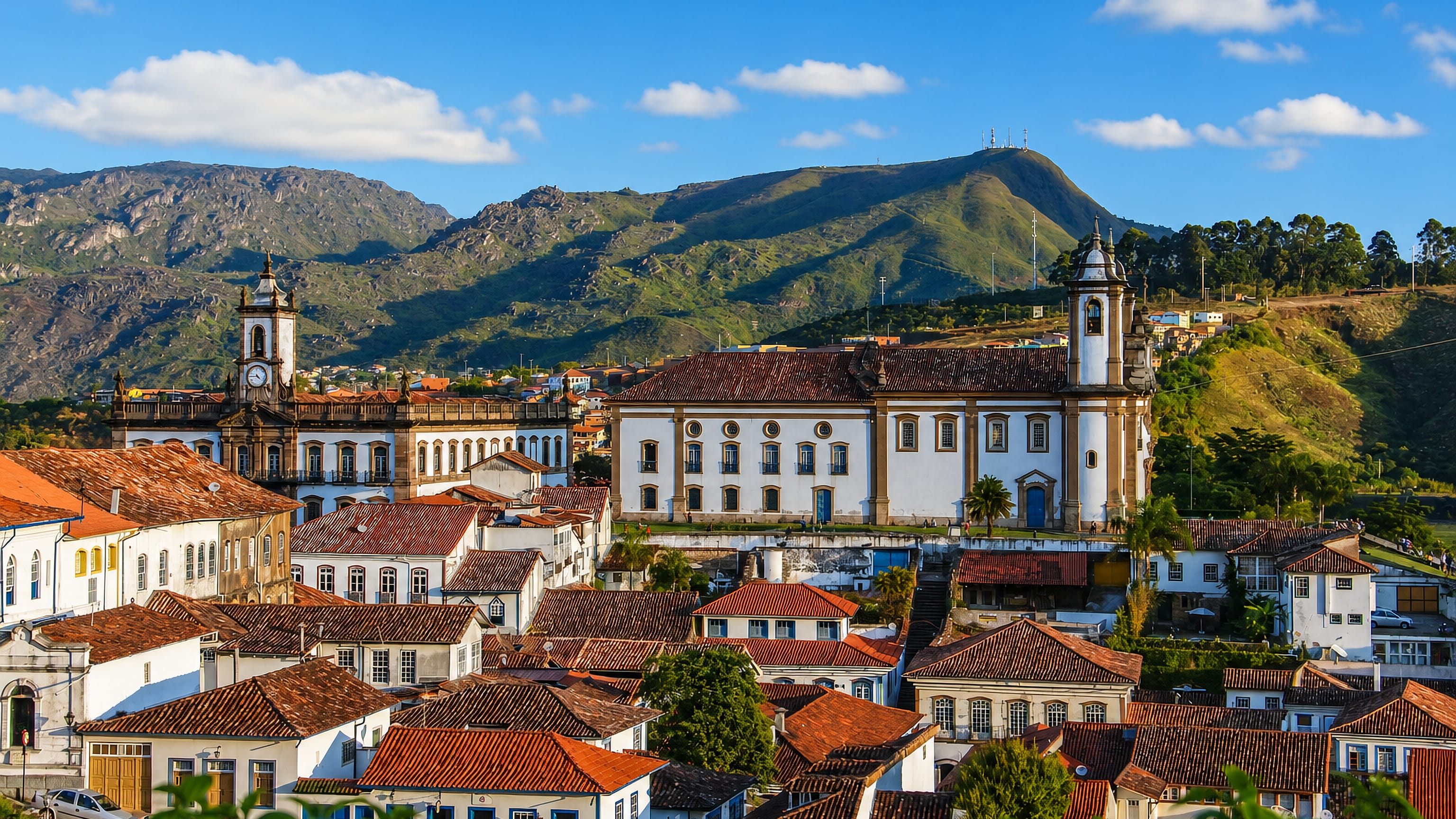
Ouro Preto, once Vila Rica, is a colonial mining town in the Serra do Espinhaço, listed by UNESCO for its Baroque architecture.
Hotel links are affiliate links: booking through them may earn us a commission, at no extra cost to you. It never affects how places are ranked. How this works


Where to stay in Ouro Preto
Where the beds are, and what that means for the visit.
The Igreja Matriz de Nossa Senhora do Pilar fixes one end of the historic centre, and rooms in the streets below it put the Museu da Inconfidência, the Casa dos Contos and the Museu de Arte Sacra do Pilar within a few minutes on foot. The ground is steep everywhere. That matters more here than in most towns, because an address chosen for its view can still mean a hard climb home after dinner, and a colonial street plan drawn long before wheeled luggage flattens itself for nobody.
Pick the address, then check the slope. Santa Efigênia stands apart from the core, gathered about the Igreja Matriz de Santa Efigênia, and a room there trades museum doorsteps for a quieter quarter of the same listed town. Mercês de Baixo is the other named quarter, holding the Church of Our Lady of Mercy and Forgiveness.
Students fill part of Ouro Preto. The Universidade Federal de Ouro Preto keeps museums of its own, the Museu da Farmácia and the Museu de Ciência e Técnica da Escola de Minas, so term-time demand runs alongside the visitors who come for the churches. Distances stay short in Ouro Preto.
Casa Guignard museum, the Museu do Oratório and the Museu Aleijadinho all sit inside the same walkable ring, which is the strongest argument for staying within the listed centre rather than out along the road.
Find hotels in Ouro Preto
Direct booking searches for these neighbourhoods.
Around the Pilar
The Igreja Matriz de Nossa Senhora do Pilar and its Museu de Arte Sacra hold this end of the centreFind hotels in Around the PilarQuieter nights a climb above the museum quarterSanta Efigênia
Gathered about the Igreja Matriz de Santa Efigênia, apart from the colonial core. Lodging is scarce in this area; reserve in advance.Find hotels in Santa EfigêniaHotel links are affiliate links: booking through them may earn us a commission, at no extra cost to you. It never affects how places are ranked. How this works
Things to do in Ouro Preto
Ranked by global recognition; descriptions from Wikidata (CC0).
Museums & Galleries
3- Museu da Inconfidência Heritage
- Casa dos Contos Heritage
- Museu do Oratório Heritage
Churches & Religious Sites
8- Church of Saint Francis of Assisi (Ouro Preto) Heritage
- Igreja Matriz de Nossa Senhora do Pilar (Ouro Preto) Heritage
- Carmine Church (Ouro Preto) Heritage
- Church of Our Lady of the Rosary Heritage
- Igreja de Nossa Senhora da Conceição Heritage
Show 3 more →
- Igreja Matriz de Santa Efigênia Heritage
- Igreja de São Francisco de Paula Heritage
- Igreja de Nossa Senhora das Mercês e Misericórdia Heritage
Castles & Historic Sites
1- Governors’ Palace Heritage
worth knowingacross 3 categories in Ouro Preto
About Ouro Preto
Baroque carried this town.
What is Ouro Preto known for?
Ouro Preto holds one of Brazil's best-preserved colonial centres, a UNESCO World Heritage Site whose churches, among them the Church of Saint Francis of Assisi, the Igreja Matriz de Nossa Senhora do Pilar and the Carmine Church, set the standard for the style across Minas Gerais. Gold came first. The Museu da Inconfidência and the Casa dos Contos keep the record of the mining capital that governed Minas Gerais from 1720 until 1897.
What are the main landmarks in Ouro Preto?
Ouro Preto's landmark list runs mostly to churches. The Church of Saint Francis of Assisi, the Igreja de Nossa Senhora da Conceição, the Igreja de São Francisco de Paula, the Igreja de São José and the Church of Our Lady of the Rosary stand alongside the Chapel of Our Lady of Sorrows, the Igreja do Bom Jesus de Matosinhos and the Igreja de Nossa Senhora das Mercês e Misericórdia. Museums answer them.
The Museu Aleijadinho, the Casa Guignard museum and the Museu do Oratório hold the art, while the Governors' Palace and the Ouro Preto Mining School carry the civic and technical side.
What is the history of Ouro Preto?
Ouro Preto began in 1711 as Vila Rica. Gold in the Serra do Espinhaço drew the settlement, and by 1720 the town was capital of Minas Gerais, a position it held until Belo Horizonte was founded in 1897 and the government moved out. The wealth went into churches.
Baroque work filled one parish after another, and the Igreja Matriz de Nossa Senhora do Pilar, the Church of Saint Francis of Assisi and the Carmine Church all survive from that century of building. Conspiracy left the deepest mark on local memory, and both the Museu da Inconfidência and the Museu Casa dos Inconfidentes take their names from it. Money had its own address.
Casa dos Contos carries the name of the counting house, and the Governors' Palace held the administration that ran the captaincy from these streets. After 1897 the capital was gone, and what stayed behind was the fabric itself, which is why UNESCO listed the whole town rather than any single monument within it. The Ouro Preto Mining School kept a working purpose alive, and the Universidade Federal de Ouro Preto still holds the Museu de Ciência e Técnica da Escola de Minas and the Museu da Farmácia in the same colonial blocks.
Aleijadinho's name is on a museum. Santa Efigênia and Mercês de Baixo grew as parishes of their own around the Igreja Matriz de Santa Efigênia and the Church of Our Lady of Mercy and Forgiveness, and both still read as separate quarters of the listed town.
Where is Ouro Preto?
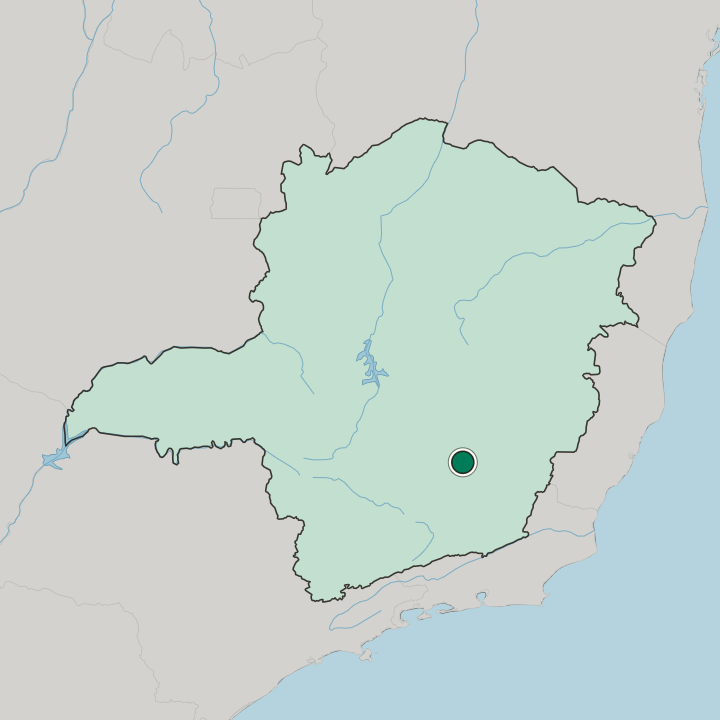
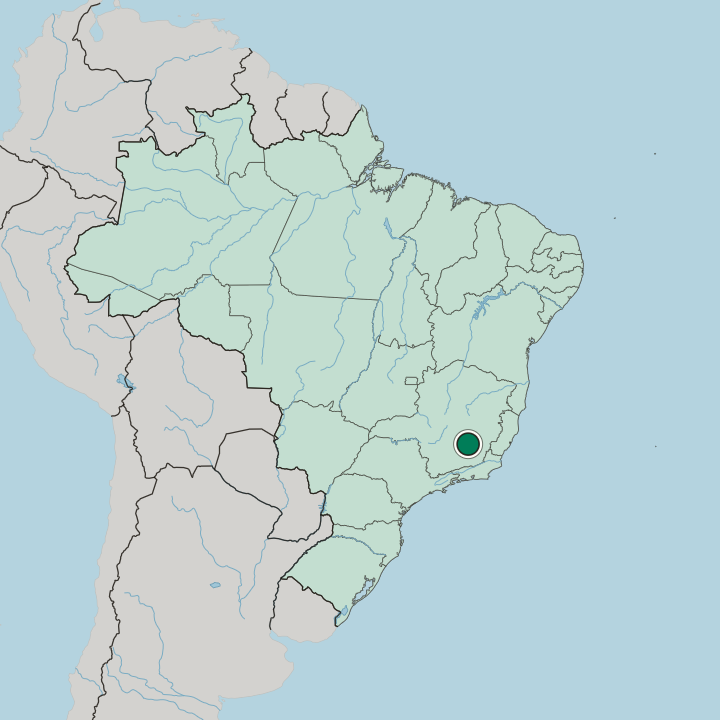
Mountains hem the town. Ouro Preto lies within the Serra do Espinhaço in central Minas Gerais, and the municipality spreads over more than a thousand square kilometres of high ground around a compact colonial core. Belo Horizonte sits beyond the ranges.
Slope governs the street plan, so the churches stand at different heights and the walk between the Igreja Matriz de Santa Efigênia and the Igreja Matriz de Nossa Senhora do Pilar is a climb rather than a stroll.
What is the climate of Ouro Preto?
The Serra do Espinhaço sets the terms. Height in those mountains tempers the tropical band that Ouro Preto sits in, so the year divides into wet and dry instead of hot and cold, and the wet half is the harder one in a town built on slopes. Steep streets take rain badly.
The dry stretch is when the churches and museums of the colonial centre are easiest to reach on foot.
How do you get to Ouro Preto?
Belo Horizonte is the way in. The state capital, founded in 1897 to take the role this town had held, is the nearest large city, and the road up into the Serra do Espinhaço from it is how most visitors reach Ouro Preto. The last stretch climbs.
Inside the listed centre a car is more nuisance than help, since the colonial streets are narrow and steep while the churches, the Museu da Inconfidência and the Casa dos Contos all lie within walking distance of each other.
Common questions
What is the best area to stay in Ouro Preto?
Around the Pilar: First stays wanting the Museu da Inconfidência and Casa dos Contos on foot. Santa Efigênia: Quieter nights a climb above the museum quarter.
Good for
More cities in Minas Gerais
Updated October 2026