Brazil · Paraná
Where to Stay in Cascavel, Paraná
Cascavel anchors its own region of Paraná, a city dating from 1952 whose parks, zoo and Monument to the Migrant record a young settlement.
Hotel links are affiliate links: booking through them may earn us a commission, at no extra cost to you. It never affects how places are ranked. How this works


Where to stay in Cascavel
The practical side of choosing where to sleep.
The Parque Municipal Danilo Galafassi and the streets around Cascavel's Art Museum divide the choice. A central room puts the art museum, the Igreja Nossa Senhora de Fátima and the Monument to the Migrant on one walk, which suits anyone with a single day and no car. The park is the other pull.
Rooms out towards the Zoológico and the Museu de História Natural trade the centre for a gate that opens onto both, and for the quieter blocks that surround the municipal grounds. Cascavel names its own region, and the beds in it are here rather than in the towns around. The municipality is large and thinly built beyond the grid.
Cascavel spreads across a wide territory, so a bed outside the built-up area means a drive back for everything, including the Parque Ecológico Municipal Paulo Gorski on its own side of town. Curitiba is not an option. The state capital lies 491 kilometres off along the freeway, far enough that day trips do not work in either direction, which leaves the city's own centre carrying the visitors. Anyone here for the zoo will want the park side, and anyone here for the collections will want the centre.
Book near one or the other.
Find hotels in Cascavel
Direct booking searches for these neighbourhoods.
The centre around the Art Museum
Cascavel's Art Museum and the Monument to the Migrant fall on the same central walkFind hotels in The centre around the Art MuseumFamilies making for the zoo and the natural history collectionBy the Parque Municipal Danilo Galafassi
The Zoológico and the Museu de História Natural share one municipal park gate on this sideFind hotels in By the Parque Municipal Danilo GalafassiMornings walking the ecological park before the drive onOut towards the Parque Ecológico Municipal Paulo Gorski
The Paulo Gorski park sits well off the centre and rooms near it are few. Beds are limited here, so book early.Find hotels in Out towards the Parque Ecológico Municipal Paulo GorskiHotel links are affiliate links: booking through them may earn us a commission, at no extra cost to you. It never affects how places are ranked. How this works
Things to do in Cascavel
Ranked by global recognition; descriptions from Wikidata (CC0).
Museums & Galleries
3- Cascavel's Art Museum
- Museu de História Natural do Parque Municipal Danilo Galafassi
- Parque Ecológico Municipal Paulo Gorski
Churches & Religious Sites
1- Igreja Nossa Senhora de Fátima Heritage
Castles & Historic Sites
1- Monument to the Migrant Heritage
worth knowingacross 3 categories in Cascavel
About Cascavel
What is Cascavel known for?
Parks carry the city's name outward. The Parque Municipal Danilo Galafassi holds both a natural history museum and a zoo, and the Parque Ecológico Municipal Paulo Gorski gives Cascavel a second green address inside the built-up ground. The rest is recent.
Municipal life dates only from 1952, and the Monument to the Migrant says plainly what built the place, with Cascavel's Art Museum and the Igreja Nossa Senhora de Fátima filling out the civic list.
What are the main landmarks in Cascavel?
Six places carry the list. The Parque Municipal Danilo Galafassi holds the Zoológico and the Museu de História Natural on one site, so a single gate covers two of them. Art has its own house.
Cascavel's Art Museum keeps that side, the Igreja Nossa Senhora de Fátima the devotional one, and the Monument to the Migrant stands for the arrivals who built the town, with the Parque Ecológico Municipal Paulo Gorski closing the list.
What is the history of Cascavel?
Cascavel is a twentieth-century city. The municipality dates from 1952, which makes almost everything standing here younger than the roads that reach it, and the settlement grew at a distance of 491 freeway kilometres from Curitiba. Migrants did the building.
The Monument to the Migrant is the city's own statement about that, a public marker to the people who came from elsewhere and stayed to make the place. Institutions followed quickly. The Igreja Nossa Senhora de Fátima gave the young town a parish church, Cascavel's Art Museum gave it a collection, and the Parque Municipal Danilo Galafassi took in both a zoo and the Museu de História Natural that shares its grounds.
Green space was written into the plan. The Parque Ecológico Municipal Paulo Gorski carries a second name from the same civic habit of honouring individuals, and the two parks between them account for most of what the municipality has set aside. Statistics arrived with the rest.
The Brazilian Institute of Geography and Statistics counts Cascavel among the larger cities of Paraná, a standing the town did not hold when it was founded.
Where is Cascavel?
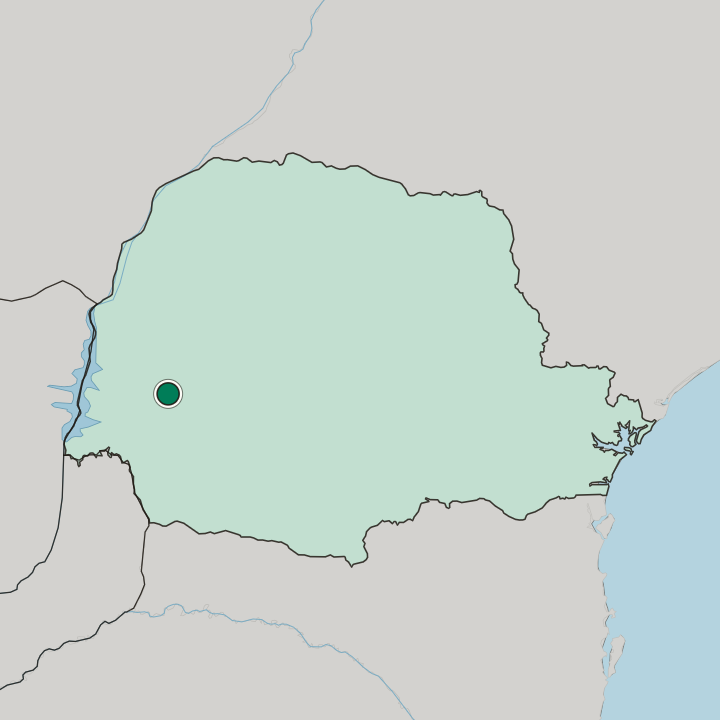
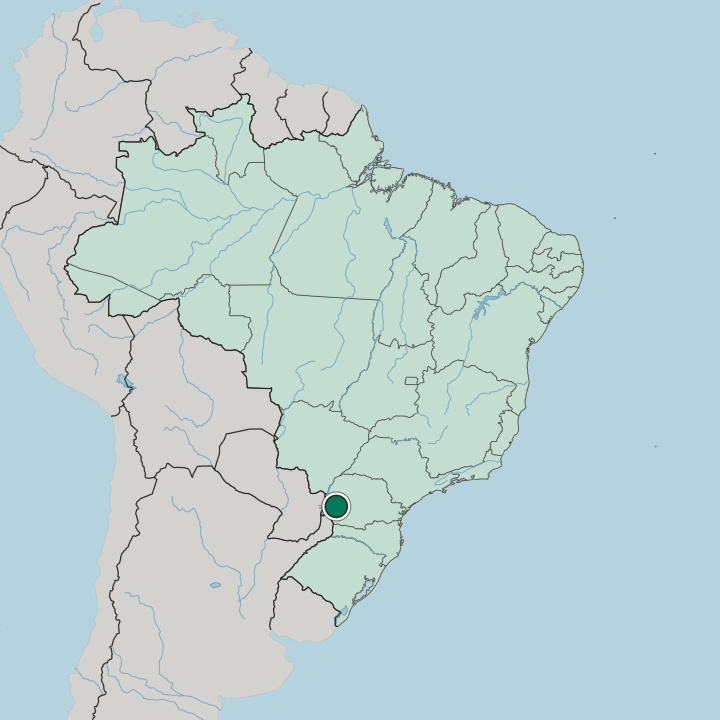
Cascavel spreads across a wide municipality in the Cascavel region of Paraná, 491 kilometres from Curitiba by freeway. Green ground is kept deliberately. The Parque Municipal Danilo Galafassi and the Parque Ecológico Municipal Paulo Gorski set aside room for a zoo, a natural history museum and walking country within the city's own limits.
The plan dates from the fifties.
What is the climate of Cascavel?
Subtropical air runs the year in Cascavel, with the heat gathering around January and the cool end arriving in July, the reverse of the northern pattern. Distance from the ocean shows. The freeway to Curitiba runs 491 kilometres, and everything between is land rather than water, so the air here answers to open country rather than to any sea.
The parks stay green through it.
How do you get to Cascavel?
Curitiba is 491 kilometres away by freeway. That road is the main approach, and the length of it explains why Cascavel serves as the centre of its own region rather than as an outpost of the state capital. Distances shape everything here.
The Cascavel region names itself after the city, and arrivals from the rest of Paraná come overland, with the freeway from Curitiba carrying the bulk of them.
Common questions
What is the best area to stay in Cascavel?
The centre around the Art Museum: One-day visits taking in the Igreja Nossa Senhora de Fátima on foot. By the Parque Municipal Danilo Galafassi: Families making for the zoo and the natural history collection. Out towards the Parque Ecológico Municipal Paulo Gorski: Mornings walking the ecological park before the drive on.
Good for
More cities in Paraná
Updated October 2026