Brazil · Paraná
Where to Stay in Foz do Iguaçu, Paraná
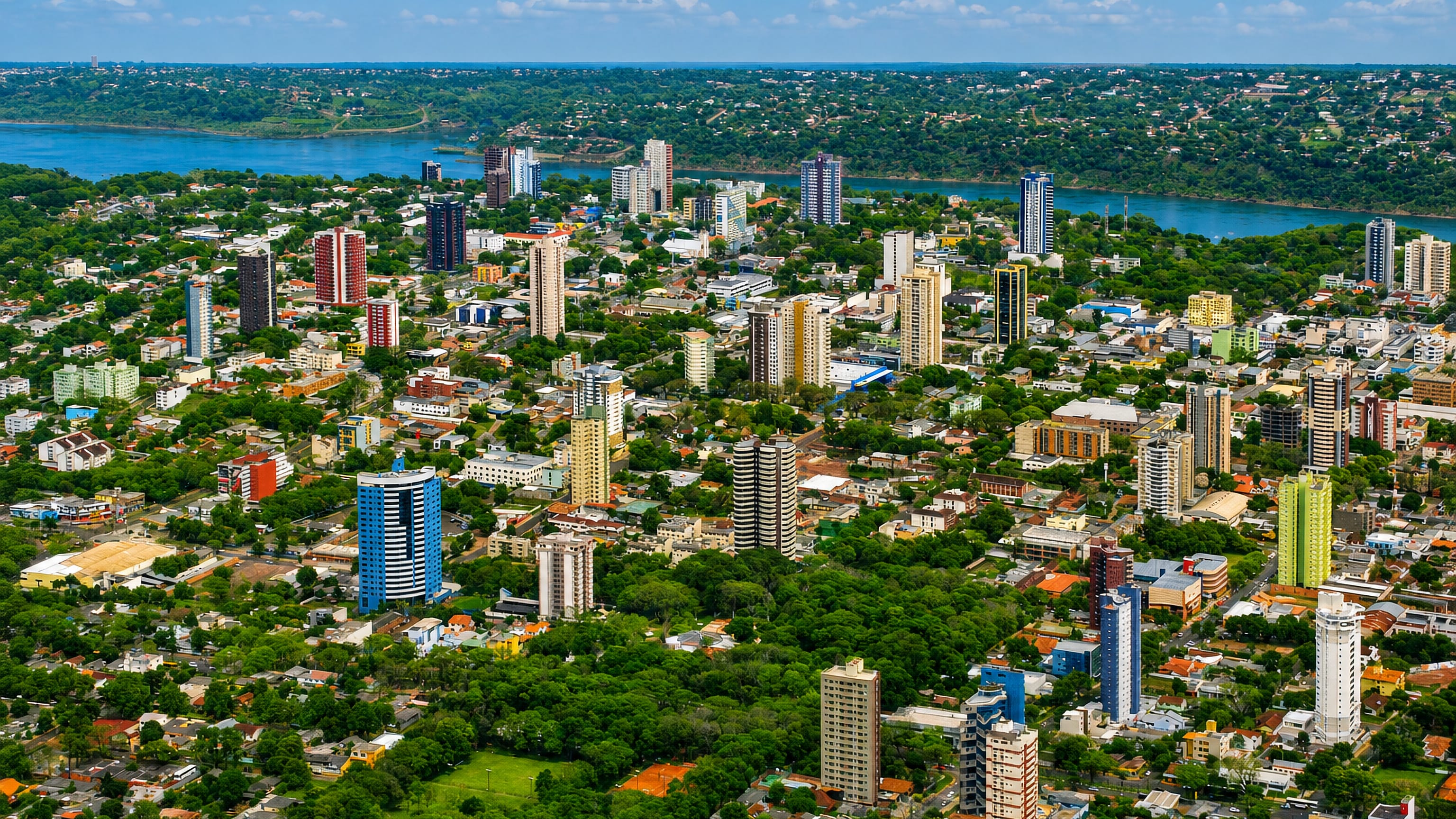
Foz do Iguaçu is the Brazilian city at the Iguaçu Falls, sharing its border corner with Ciudad del Este in Paraguay and Puerto Iguazu in Argentina.
Hotel links are affiliate links: booking through them may earn us a commission, at no extra cost to you. It never affects how places are ranked. How this works


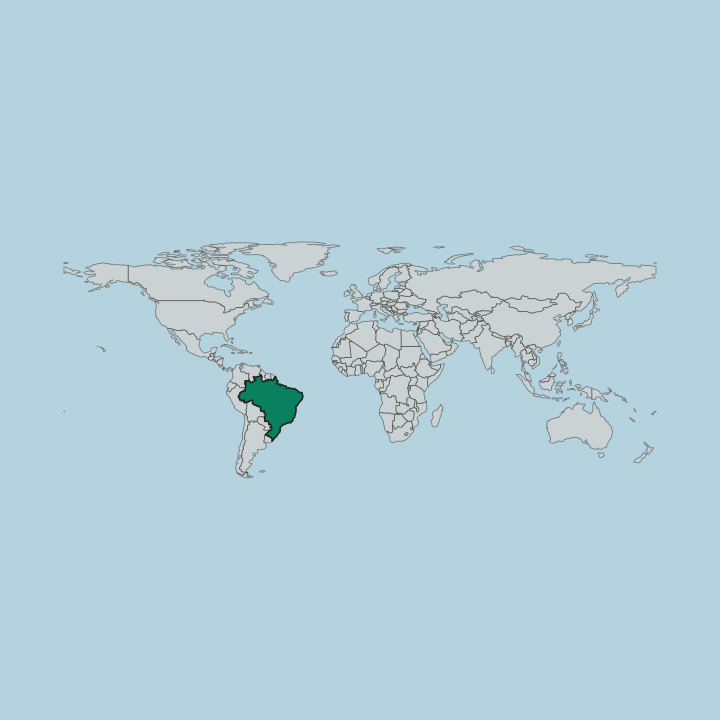
Where to stay in Foz do Iguaçu
How the choice of base plays out on the ground.
The park gate is the reference point. Rooms out along the road to Iguaçu National Park put the falls within an early start, which suits anyone who wants the cataracts before the buses arrive, and they trade the streets for the forest edge. The centre keeps the rest.
Foz do Iguaçu holds the Zoológico Bosque Guarani, the murals of Poty Lazarotto and the halls named for Costa Cavalcante and the Hotel Bourbon within its built-up ground, where beds are more numerous and easier to reach. Two other countries are within reach. Ciudad del Este lies on the Paraguayan side and Puerto Iguazu on the Argentine, and some visitors base themselves there instead, though a bed across a border adds a crossing to every day of the trip.
The Ecomuseu de Itaipu sits apart again. Anyone planning the works upstream as well as the falls will want a central address, since the museum, the Polo Astronômico Casimiro Montenegro Filho and the park lie in different directions from the middle of town. Distances add up fast here.
The municipality covers 617 square kilometres and the falls are only one corner of it.
Find hotels in Foz do Iguaçu
Direct booking searches for these neighbourhoods.
The road to Iguaçu National Park
The park entrance is the closest thing to a front door for the fallsFind hotels in The road to Iguaçu National ParkStays pairing the Zoológico Bosque Guarani with the Poty Lazarotto muralsCentral Foz do Iguaçu
The murals, the zoo and the Ginásio Hotel Bourbon all sit inside the built-up gridFind hotels in Central Foz do IguaçuVisitors giving the Itaipu works a full dayTowards the Ecomuseu de Itaipu
The Ecomuseu de Itaipu lies out on the upstream side, away from the park road. Rooms are few around here — worth securing early.Find hotels in Towards the Ecomuseu de ItaipuTrips splitting their nights with Ciudad del Este or Puerto IguazuAcross the border
Both neighbouring cities keep beds of their own, at the cost of a crossing each dayFind hotels in Across the borderHotel links are affiliate links: booking through them may earn us a commission, at no extra cost to you. It never affects how places are ranked. How this works
Things to do in Foz do Iguaçu
Ranked by global recognition; descriptions from Wikidata (CC0).
Museums & Galleries
3- Ecomuseu de Itaipu
- Memória das Cataratas
- Polo Astronômico Casimiro Montenegro Filho
Nature & Outdoors
1- Iguaçu National Park UNESCO
Stadiums & Sports
2- Gimnasio Costa Cavalcante
- Ginásio Hotel Bourbon
worth knowingacross 3 categories in Foz do Iguaçu
About Foz do Iguaçu
The falls decide everything.
What is Foz do Iguaçu known for?
Iguaçu Falls lie at the edge of the municipality inside Iguaçu National Park, and the city grew to serve the people who come for them, forming with Ciudad del Este and Puerto Iguazu one of the largest cultural tourism areas in South America. Water is not the only draw. The Ecomuseu de Itaipu explains the works upstream, the Zoológico Bosque Guarani keeps a small animal collection, and the Polo Astronômico Casimiro Montenegro Filho points visitors at the sky instead.
What are the main landmarks in Foz do Iguaçu?
Iguaçu National Park holds the falls and everything that follows from them. Memória das Cataratas keeps their record, the Ecomuseu de Itaipu deals with the works upstream, and the Zoológico Bosque Guarani and the Polo Astronômico Casimiro Montenegro Filho give the city two attractions clear of the water. Art is on the walls.
The panels and murals of Poty Lazarotto run through the streets, while the Ginásio Hotel Bourbon and the Gimnasio Costa Cavalcante stand for its halls.
What is the history of Foz do Iguaçu?
The name came before the town. Foz is the Portuguese word for the mouth or end of a river, and Iguaçu comes from the Guarani and Tupi words y and guasu, river and big, so the place was described long before it was founded in 1910. The falls did the describing.
Memória das Cataratas holds the record of how they were seen, and the Iguaçu National Park that now surrounds them turned the spectacle into protected ground. Itaipu changed the river's working life. The Ecomuseu de Itaipu takes the great works upstream as its subject, and the Polo Astronômico Casimiro Montenegro Filho carries a personal name into a second kind of public science.
Buildings mark the growth. The Ginásio Hotel Bourbon and the Gimnasio Costa Cavalcante stand among the halls the city put up as it filled, and the panels and murals of Poty Lazarotto put art on its walls. Three cities now work as one.
Ciudad del Este in Paraguay and Puerto Iguazu in Argentina sit alongside Foz do Iguaçu in what is counted among the largest cultural tourism regions in South America, and the Zoológico Bosque Guarani adds a smaller draw on the Brazilian side.
Where is Foz do Iguaçu?
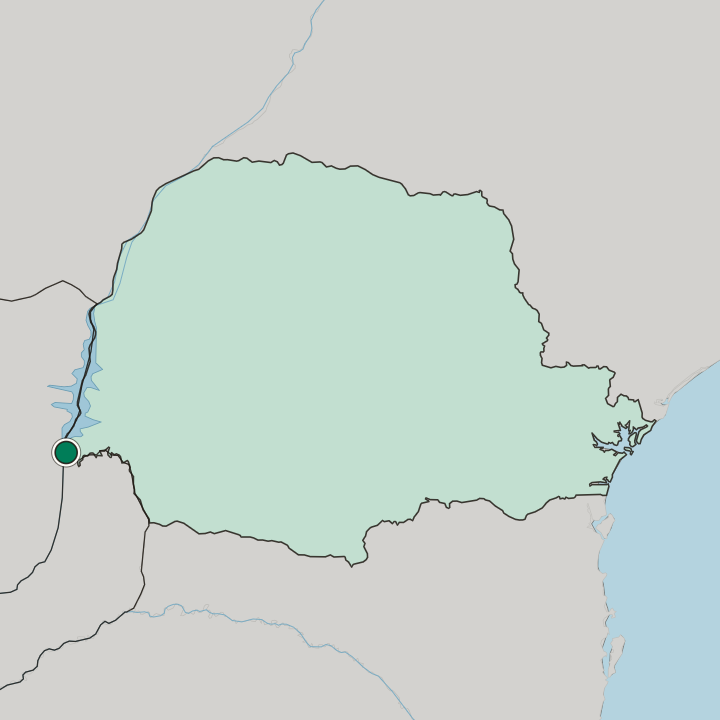
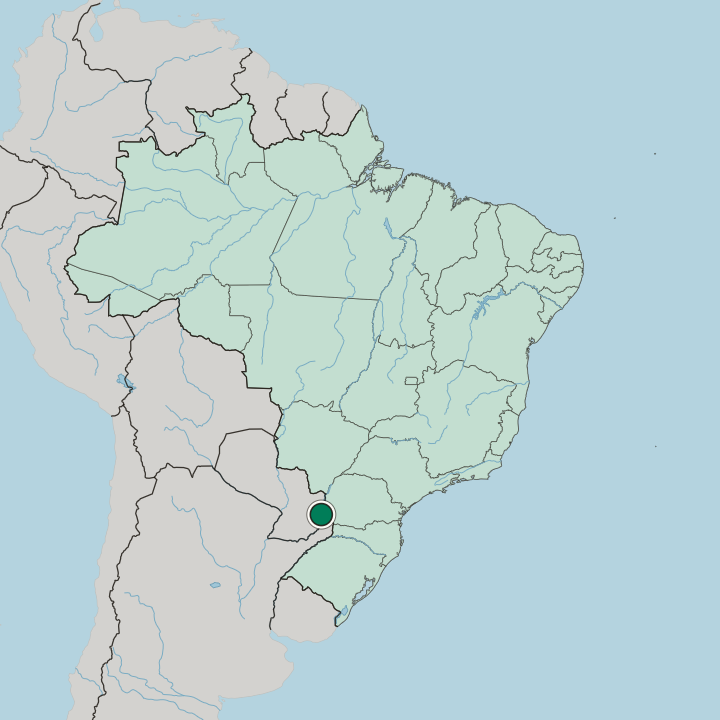
Foz means the mouth of a river, and the Iguaçu gives the city both its name and its edge, running down through Iguaçu National Park to the falls. Three countries meet at that corner. Ciudad del Este stands on the Paraguayan side and Puerto Iguazu on the Argentine, with the Brazilian municipality covering some 617 square kilometres of ground on this bank.
Guarani words name the river.
What is the climate of Foz do Iguaçu?
The river sets the terms. Iguaçu National Park keeps subtropical forest around the falls, and the wet air hanging over the cataracts belongs to the same warm and humid regime that governs the city's year. January is the hot month.
July sits at the other end of the southern year, cooler but rarely cold, and the volume in the Iguaçu rises and falls with the rain that reaches its catchment far upstream.
How do you get to Foz do Iguaçu?
Three borders make the approach unusual. Foz do Iguaçu sits at the corner where Brazilian, Paraguayan and Argentine ground come together, so arrivals cross from Ciudad del Este or Puerto Iguazu as readily as they come overland from the rest of Paraná. The falls pull traffic in.
Roads from the Cascavel region carry the domestic share, and Iguaçu National Park receives visitors from all three cities at once.
Common questions
What is the best area to stay in Foz do Iguaçu?
The road to Iguaçu National Park: Early starts at the cataracts ahead of the day buses. Central Foz do Iguaçu: Stays pairing the Zoológico Bosque Guarani with the Poty Lazarotto murals. Towards the Ecomuseu de Itaipu: Visitors giving the Itaipu works a full day. Across the border: Trips splitting their nights with Ciudad del Este or Puerto Iguazu.
Good for
More cities in Paraná
Updated October 2026