Brazil · Paraná
Where to Stay in Toledo, Paraná
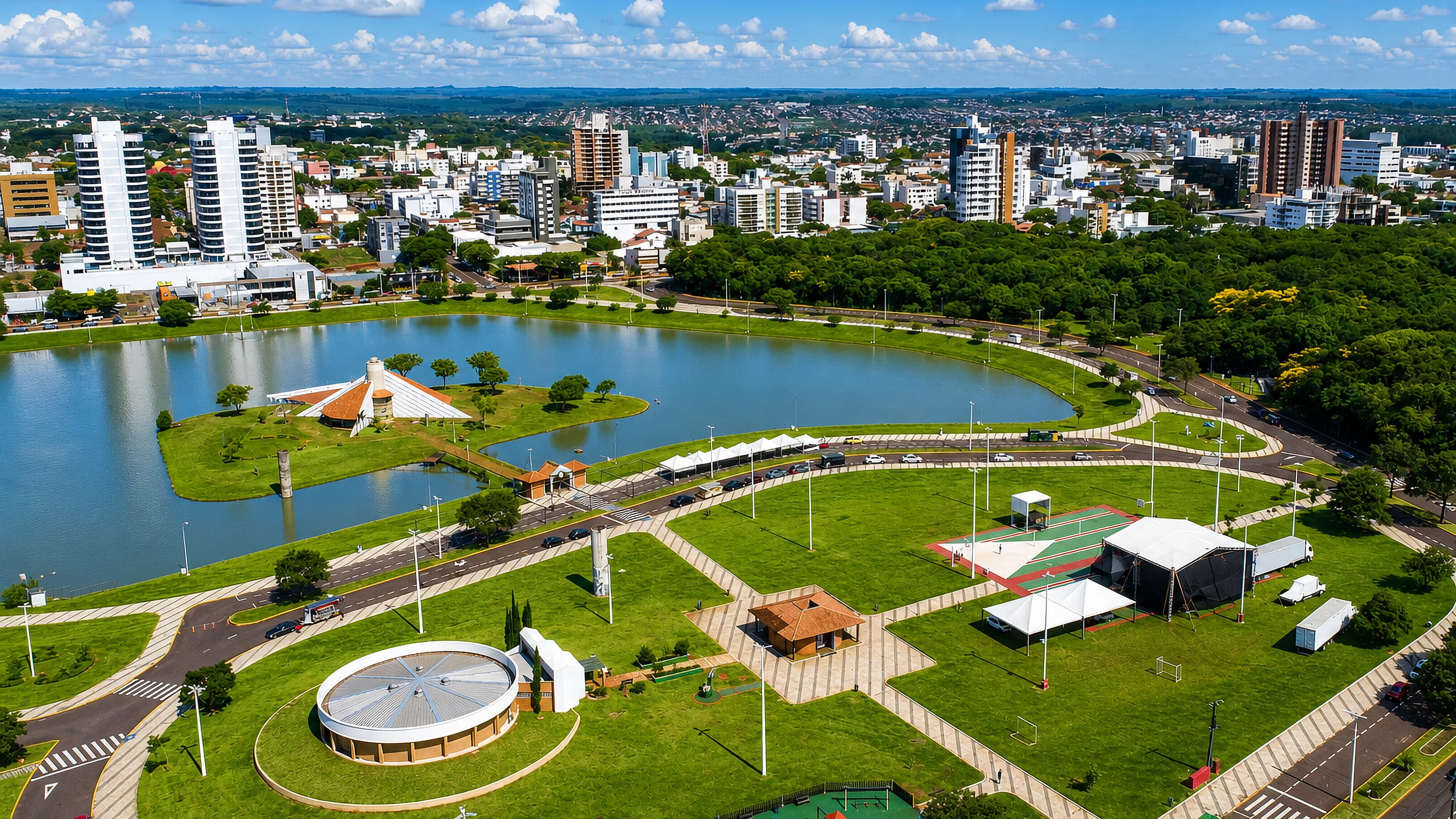
Toledo is a city of the western region of Paraná, Brazil, a farm-country municipality near Cascavel built around the Museu Histórico Willy Barth.
Hotel links are affiliate links: booking through them may earn us a commission, at no extra cost to you. It never affects how places are ranked. How this works


Where to stay in Toledo
The practical side of choosing where to sleep.
Beds gather close to the middle of Toledo. The blocks around the Museu Histórico Willy Barth carry the shops, the offices and the ordinary business of a municipality that only took its present form in 1951, and a room among them leaves very little of the town far away. Nothing here is built for crowds.
Most of what is on offer serves people with work in the fields and the trade that keeps western Paraná moving, so the standard runs plain and practical rather than decorative, and the quiet after dark is real. If you have come for the museums, this is the side to pick. The second choice sits out toward the Fórum Wilson Balão and the newer civic blocks past it.
Parking is easier there. Streets widen, the buildings thin out, and the traffic running toward Cascavel passes close enough that a room on that flank suits anyone driving on through Paraná rather than stopping for the Museu de Antigas Máquinas Manuais de Costurar and the town's other collections. A car helps out there.
Toledo is small enough that neither choice strands a visitor, and the walk from one side of the built-up part to the other is measured in minutes rather than in anything longer.
Find hotels in Toledo
Direct booking searches for these neighbourhoods.
Around the Museu Histórico Willy Barth
Toledo's civic middle, where the Willy Barth collection and the everyday shopfronts share one set of streetsFind hotels in Around the Museu Histórico Willy BarthDrivers carrying on toward Cascavel who want parking and wider streetsBy the Fórum Wilson Balão
The newer civic blocks by the Fórum Wilson Balão, quieter and easier to leave a car in than the middle of ToledoFind hotels in By the Fórum Wilson BalãoHotel links are affiliate links: booking through them may earn us a commission, at no extra cost to you. It never affects how places are ranked. How this works
About Toledo
Three museums and a courthouse mark the town.
What is Toledo known for?
The Museu Histórico Willy Barth holds the record of the settlement that took its formal shape here in 1951, while the Museu de Antigas Máquinas Manuais de Costurar keeps a gathering of hand sewing machines that few towns anywhere have bothered to assemble. Farm country surrounds all of it. The Fórum Wilson Balão stands among the civic buildings, and Cascavel sits near enough that the two towns of western Paraná work a single stretch of country between them.
What are the main landmarks in Toledo?
The Museu Histórico Willy Barth carries the town's own record. Its rooms trace the clearing and settling of this part of western Paraná, and the name on the door belongs to a figure the municipality chose to keep in front of everyone who walks in. A second museum is stranger.
The Museu de Antigas Máquinas Manuais de Costurar gathers old hand-cranked sewing machines into a collection narrow enough to be worth the detour, and the Fórum Wilson Balão anchors the civic side of Toledo.
What is the history of Toledo?
Toledo is a young municipality. Its founding year is set at 1951, which puts the formal beginning of the place in the middle of the twentieth century, recent enough that the whole plan of the town belongs to a single era rather than to layers of them. The land came first, then the streets.
What the Museu Histórico Willy Barth holds is the record of that arrival: the clearing of the country, the laying out of a grid, and the slow turn from a settlement marked on a map into a municipality with an administration of its own. Names carry the story here. The museum keeps the name of Willy Barth and the courthouse keeps that of Wilson Balão, so two of the buildings a visitor is most likely to notice are also the memorials this town has raised to the people who made it.
Cascavel lies close by. The two of them anchor a part of Paraná whose urban shape is recent, and Toledo's civic buildings, its museums and its street grid all date from that single push rather than from any older settlement underneath. Nothing here is medieval.
Even the smaller collection speaks to the same century, since the Museu de Antigas Máquinas Manuais de Costurar preserves the working tools of ordinary households rather than the relics of any court or cathedral. The record starts in 1951.
Where is Toledo?
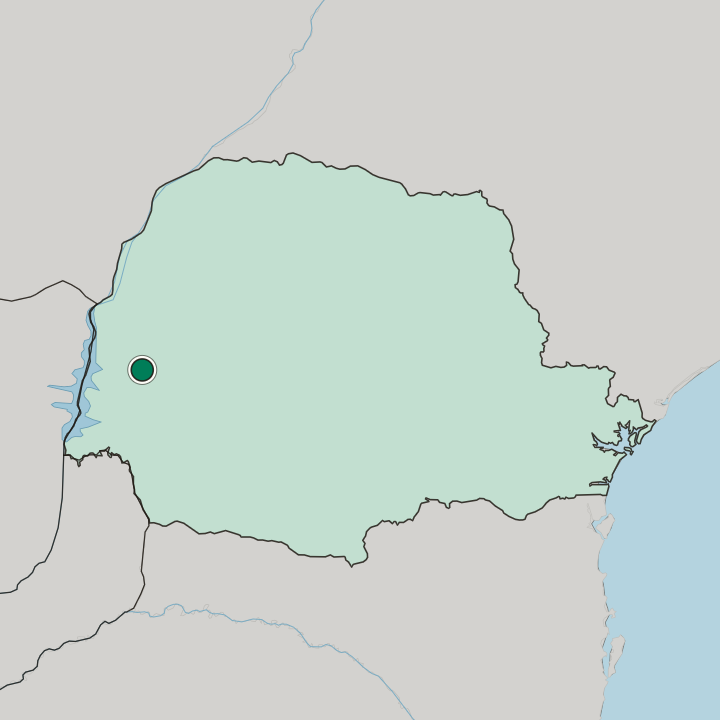
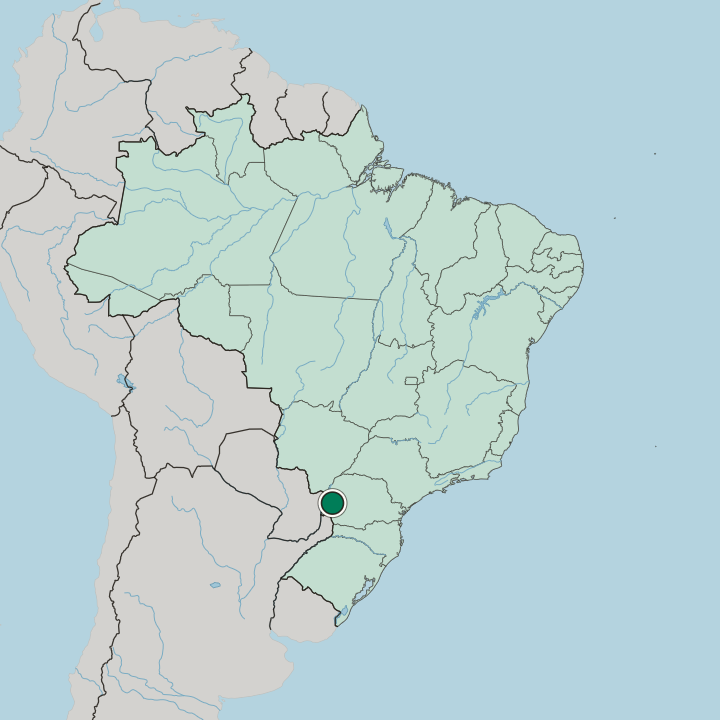
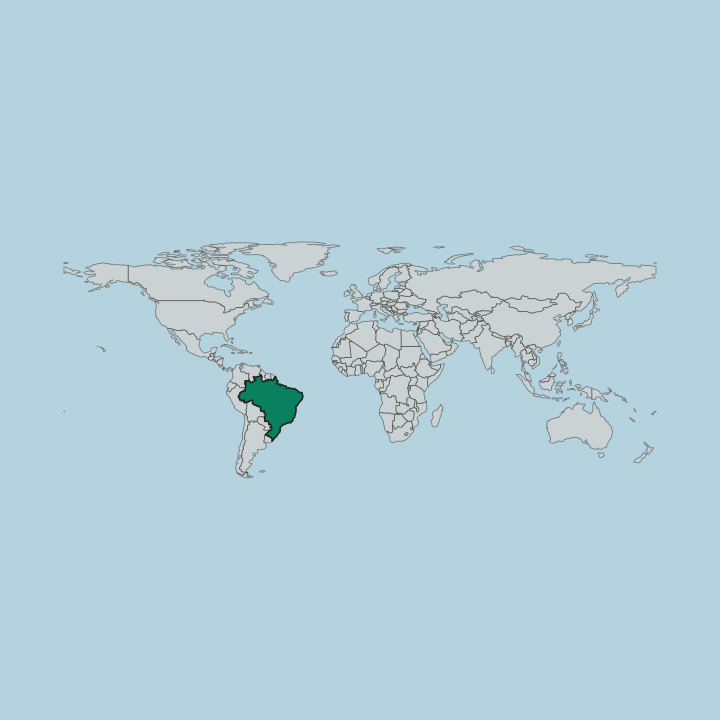
Toledo lies inland, in the western region of Paraná. Farm country runs out from the edge of the built-up streets in every direction, and the boundary of the municipality takes in far more of that open country than it does of town. Cascavel sits close by.
The grid of Toledo and the roads that run out toward it give the place its shape, and a visitor's sense of direction here comes from those roads and from the fields beyond them rather than from any coast.
What is the climate of Toledo?
Toledo lies in the subtropical band of the southern hemisphere. Warmth arrives with the turn of the year while the cooler months fall in the middle of it, which catches out anyone who reaches western Paraná from the northern hemisphere carrying the wrong expectations about what a July here will feel like. Distance from the coast tells.
Inland as it is, Toledo has no ocean near enough to hold its temperature steady through the day.
How do you get to Toledo?
Most arrivals into Toledo come by road. Cascavel lies near enough that the run between the two towns of western Paraná is a short one, and travellers arriving from elsewhere in Brazil generally finish the journey into Toledo by car or by coach rather than any other way. Driving is the norm here.
Within Toledo itself the Museu Histórico Willy Barth, the Fórum Wilson Balão and the outer blocks stand close enough together to cover on foot.
Common questions
What is the best area to stay in Toledo?
Around the Museu Histórico Willy Barth: A first night in Toledo, with the museum and the shops on the same blocks. By the Fórum Wilson Balão: Drivers carrying on toward Cascavel who want parking and wider streets.
Good for
More cities in Paraná
Updated September 2026