Brazil
Paraná, Brazil — Towns & Travel Guide
Paraná is a state in southern Brazil, where the Iguaçu Falls thunder down in some 275 cataracts and Curitiba sits high on the pine-forested plateau.
Hotel links are affiliate links: booking through them may earn us a commission, at no extra cost to you. It never affects how places are ranked. How this works


Towns & cities in Paraná
Pick a town or city — each links to where to stay.
 Brazil
Curitiba
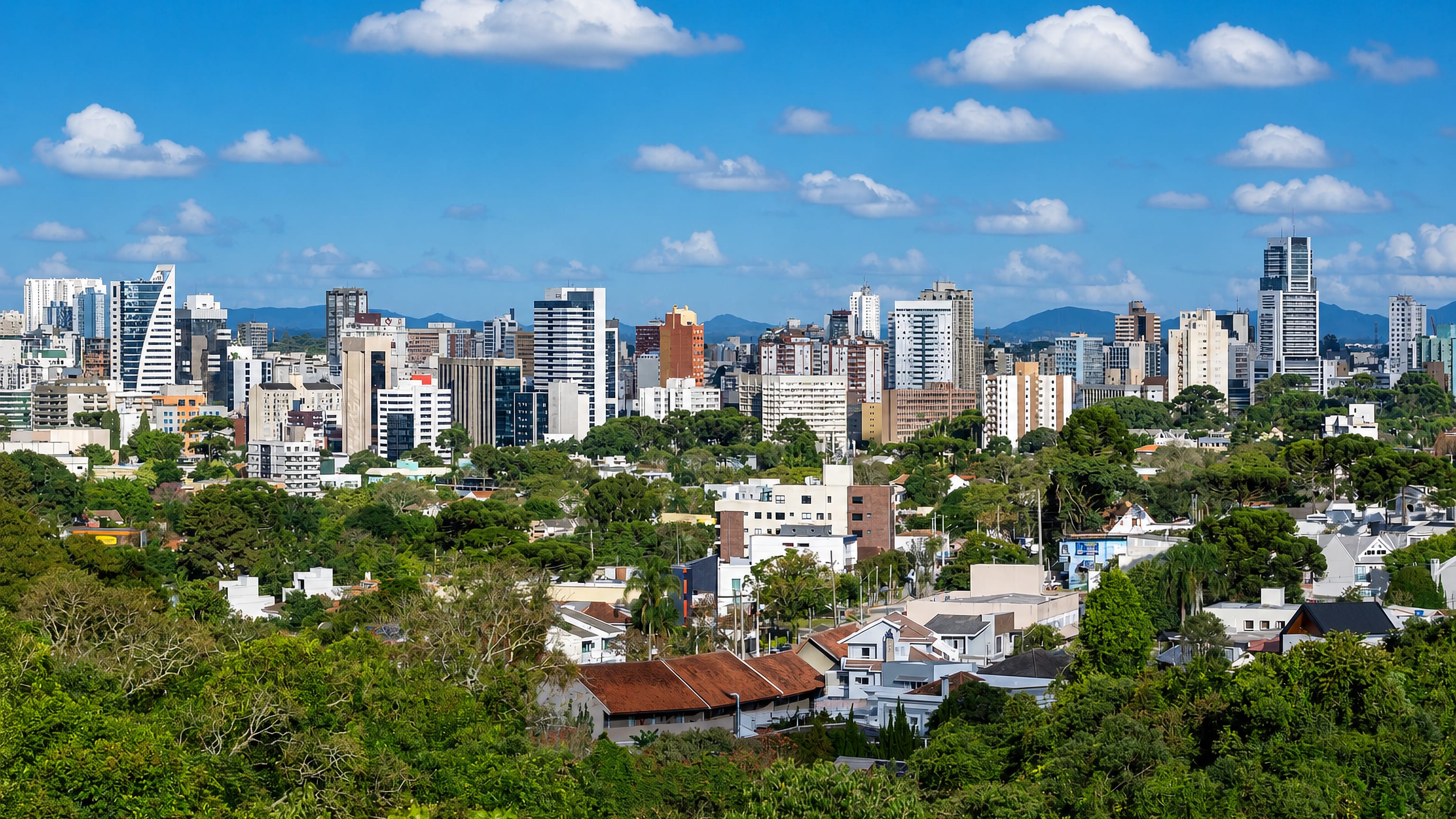
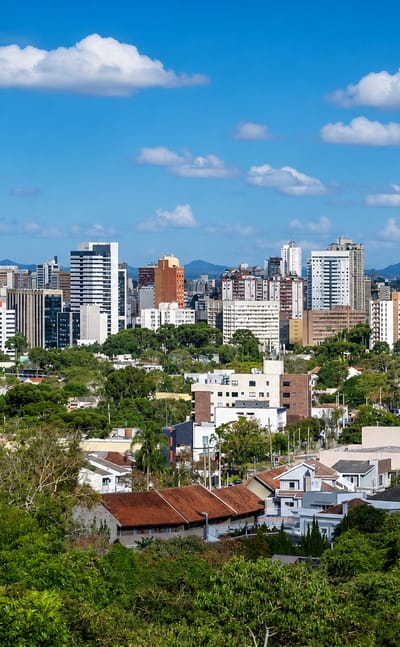
Green parks fold through Curitiba, the upland capital of Paraná in Southern Brazil, known for the eye-shaped Oscar Niemeyer Museum.Where to stay →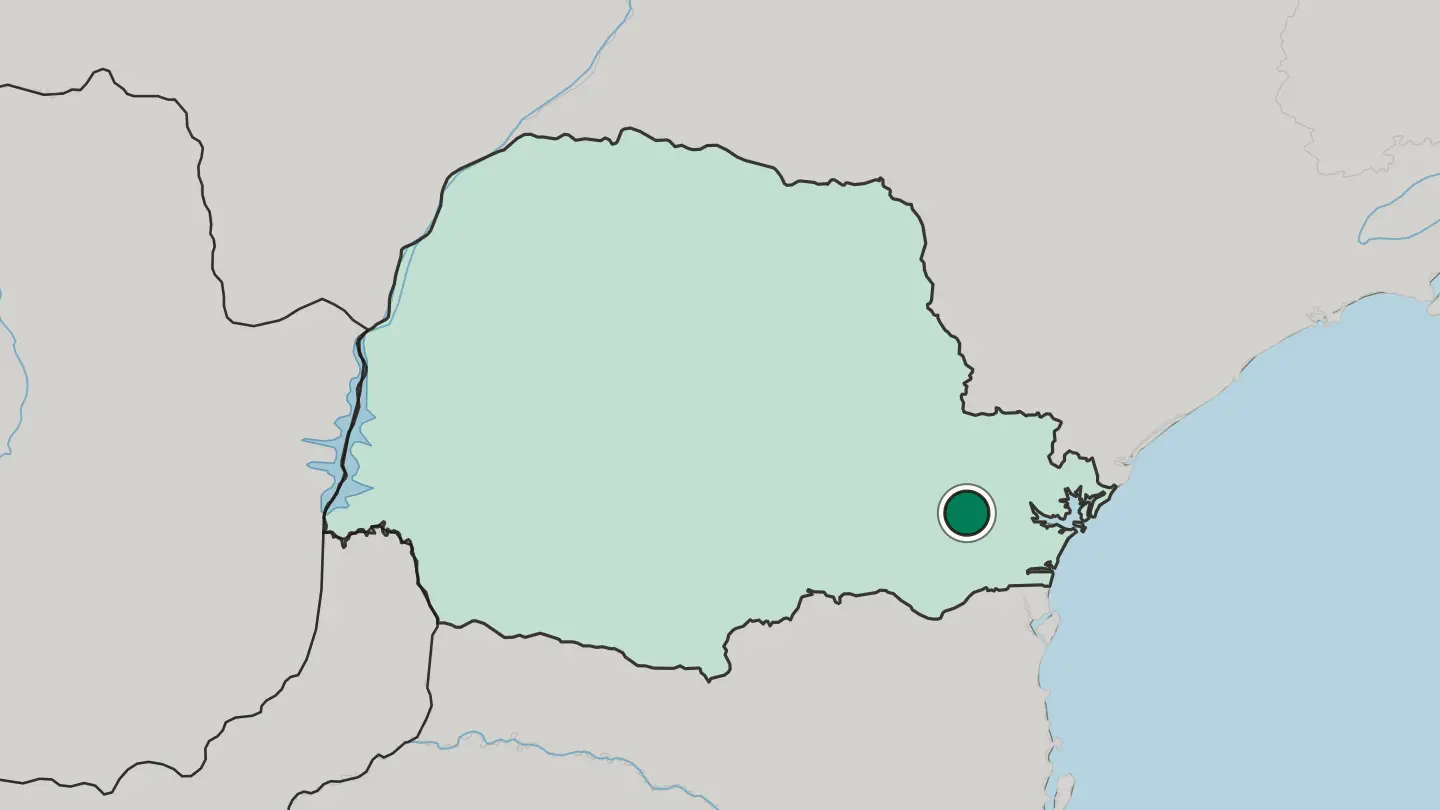
 Brazil
São José dos Pinhais
São José dos Pinhais is a Paraná municipality in the Metropolitan Region of Curitiba, founded in 1853, with the Serra do Mar along its far edge.Where to stay →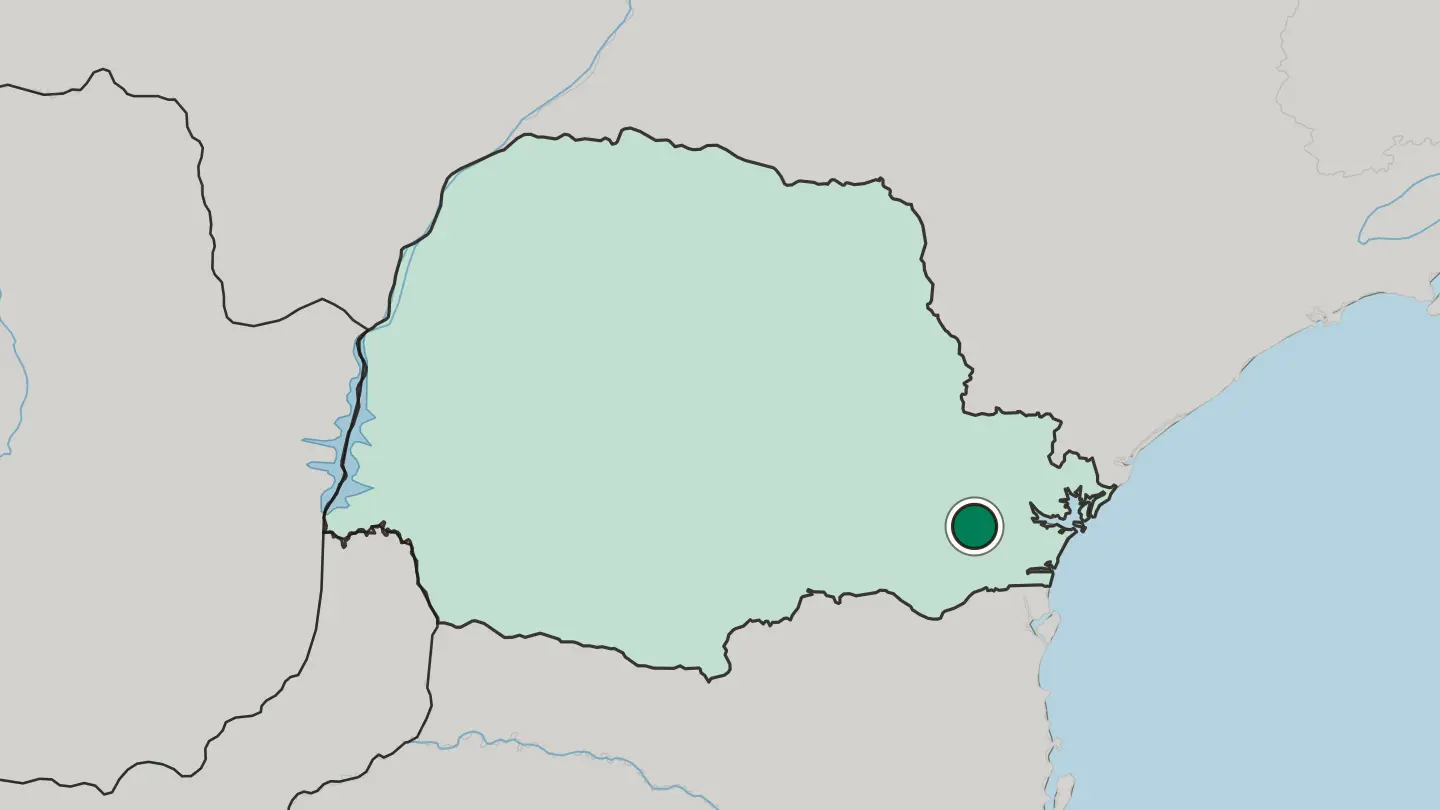
 Brazil
Maringá
Maringá is a planned city in Paraná, laid out in 1947 and crossed by the Tropic of Capricorn, with the Cathedral of Maringá at its centre.Where to stay →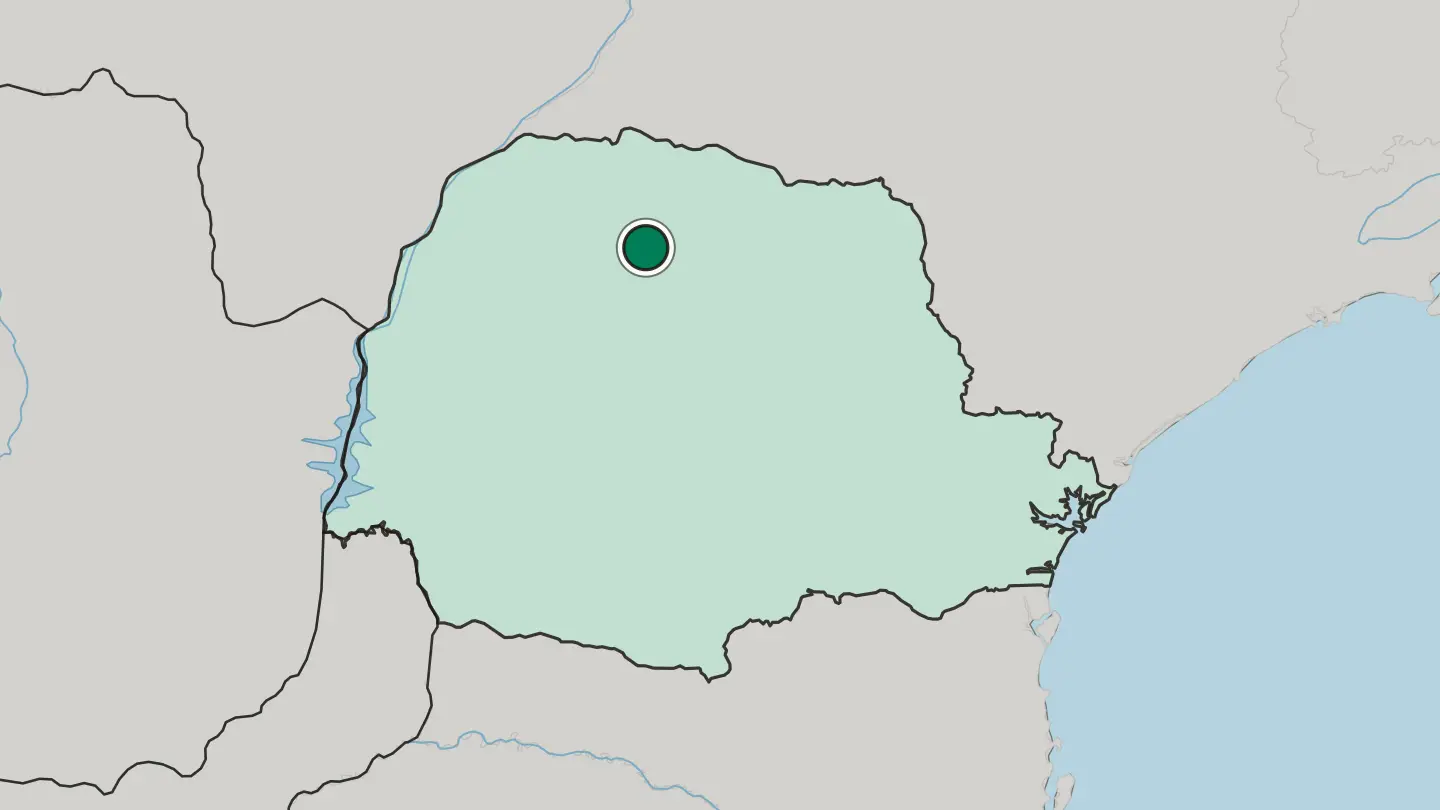
 Brazil
Ponta Grossa
Ponta Grossa is the main city of the Campos Gerais in Paraná, founded in 1823, its old parish churches and museums set around the cathedral.Where to stay →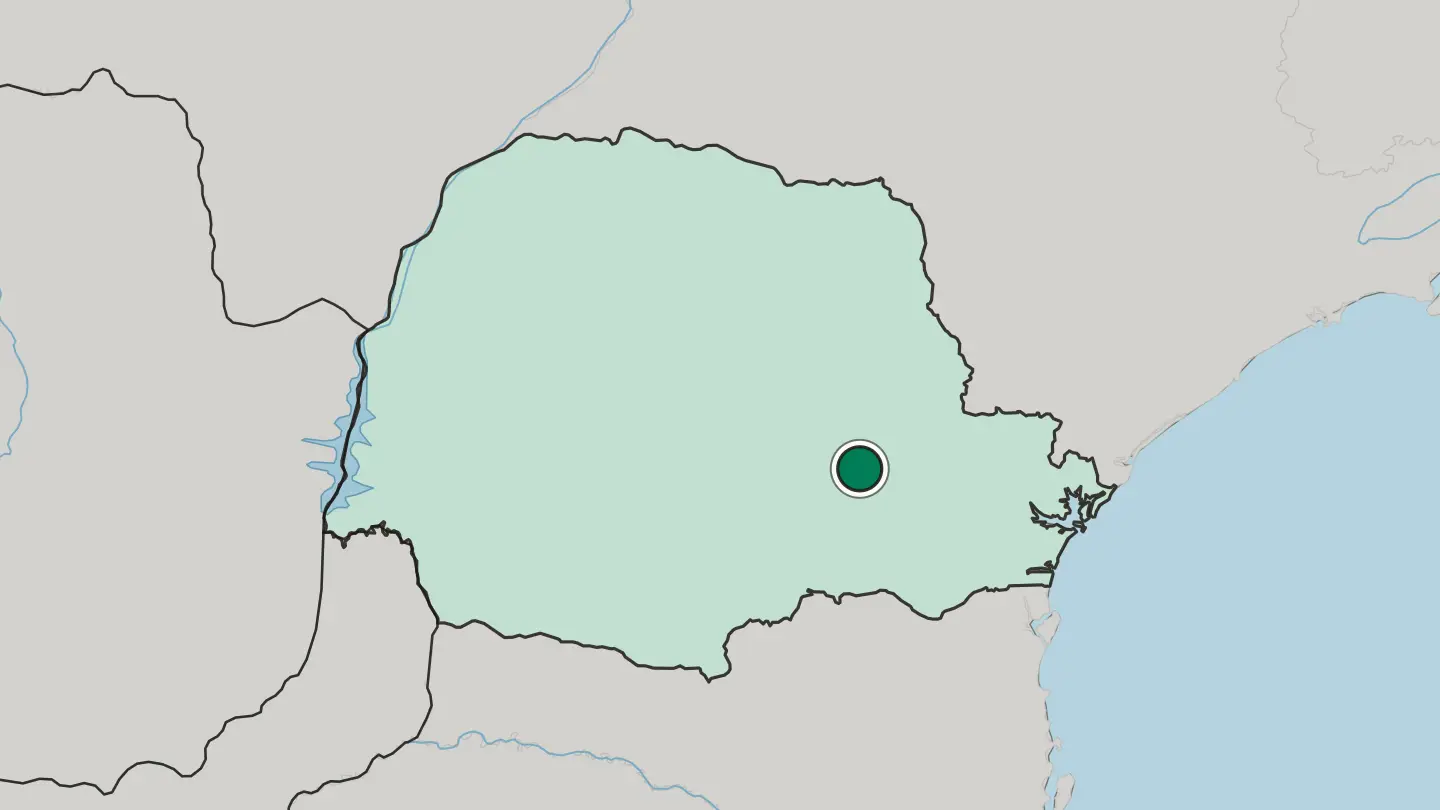
 Brazil
Foz do Iguaçu
Foz do Iguaçu is the Brazilian city at the Iguaçu Falls, sharing its border corner with Ciudad del Este in Paraguay and Puerto Iguazu in Argentina.Where to stay →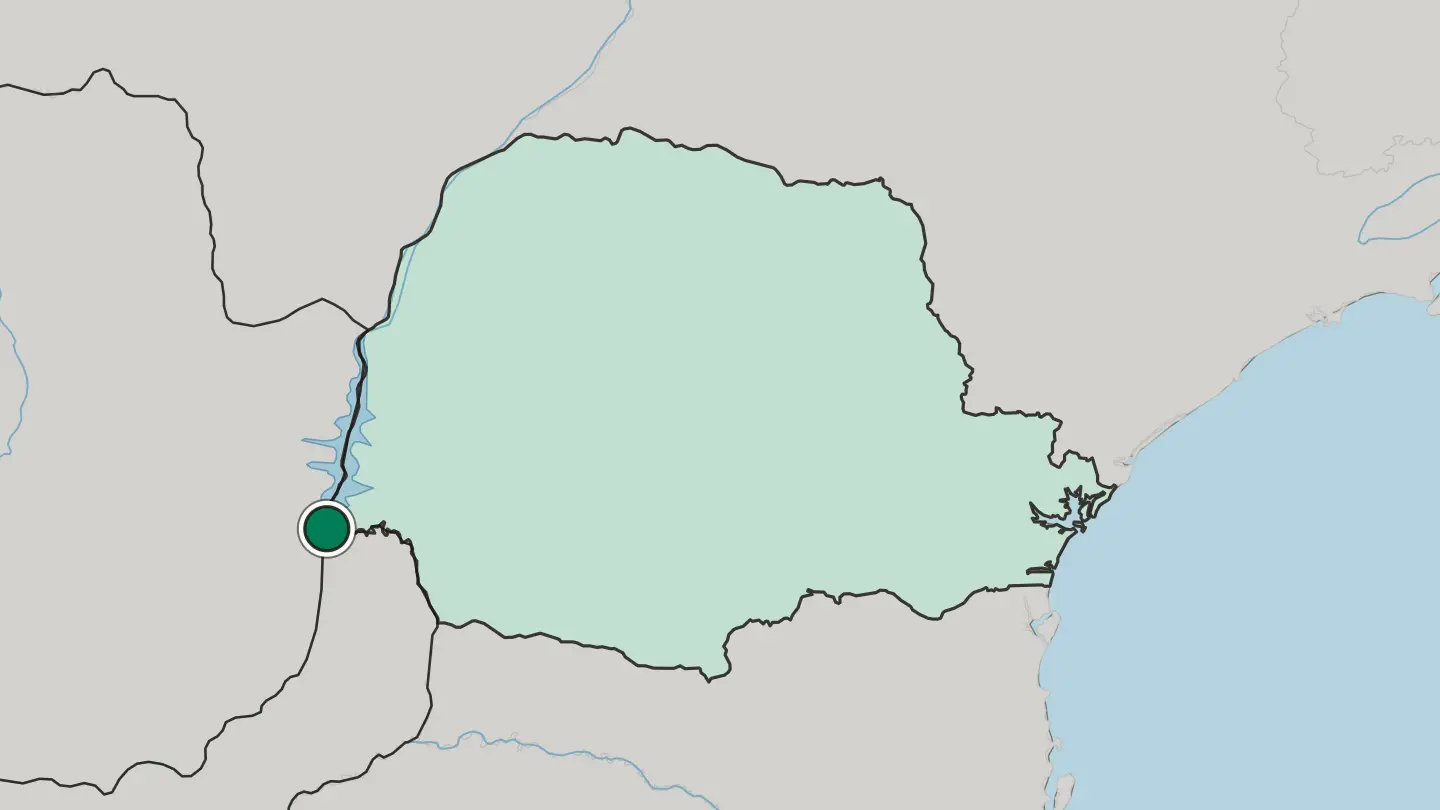
 Brazil
Cascavel
Cascavel anchors its own region of Paraná, a city dating from 1952 whose parks, zoo and Monument to the Migrant record a young settlement.Where to stay →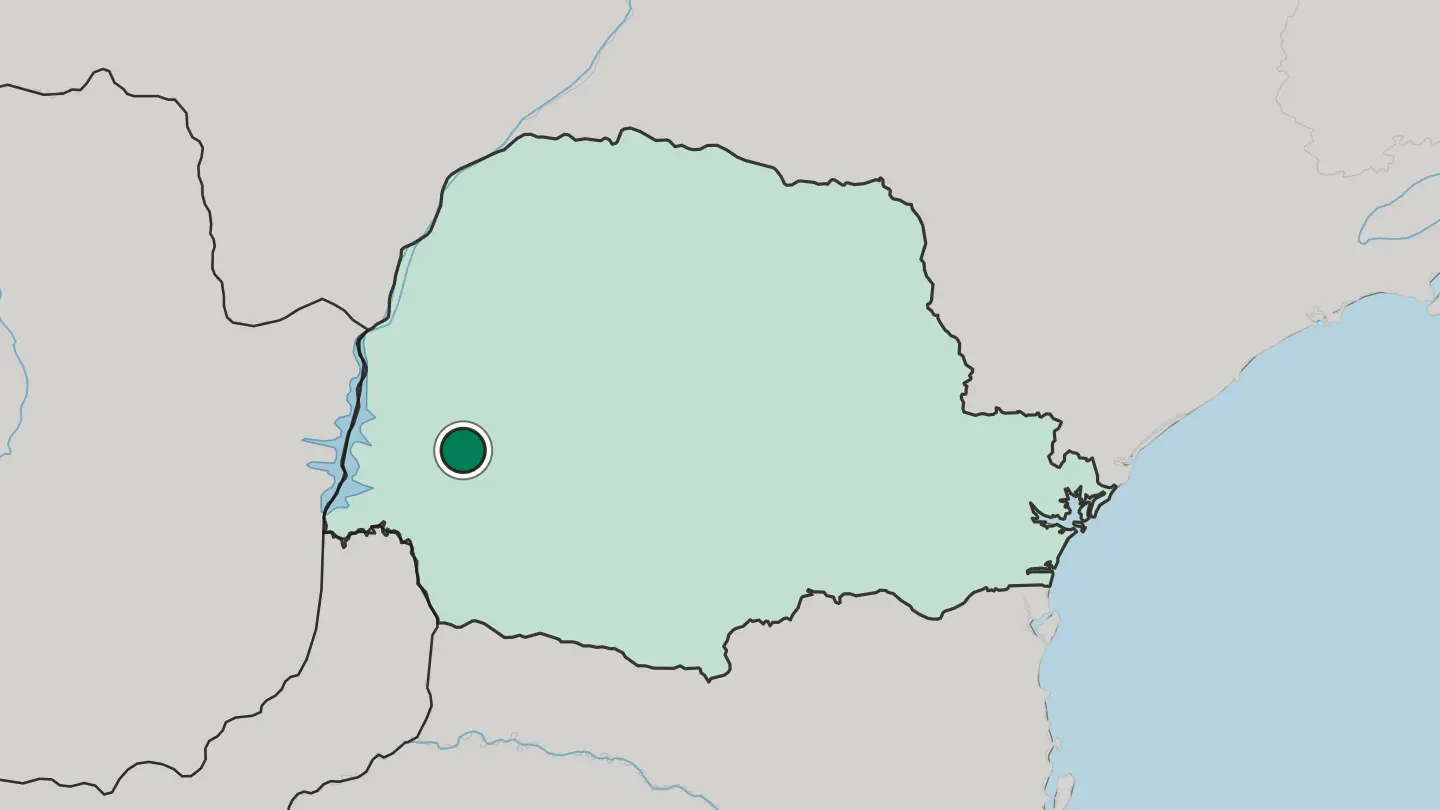
 Brazil
Guarapuava
Guarapuava is Paraná's largest municipality by area, founded in 1810 and set on the Mercosur corridor between Curitiba and Foz do Iguaçu.Where to stay →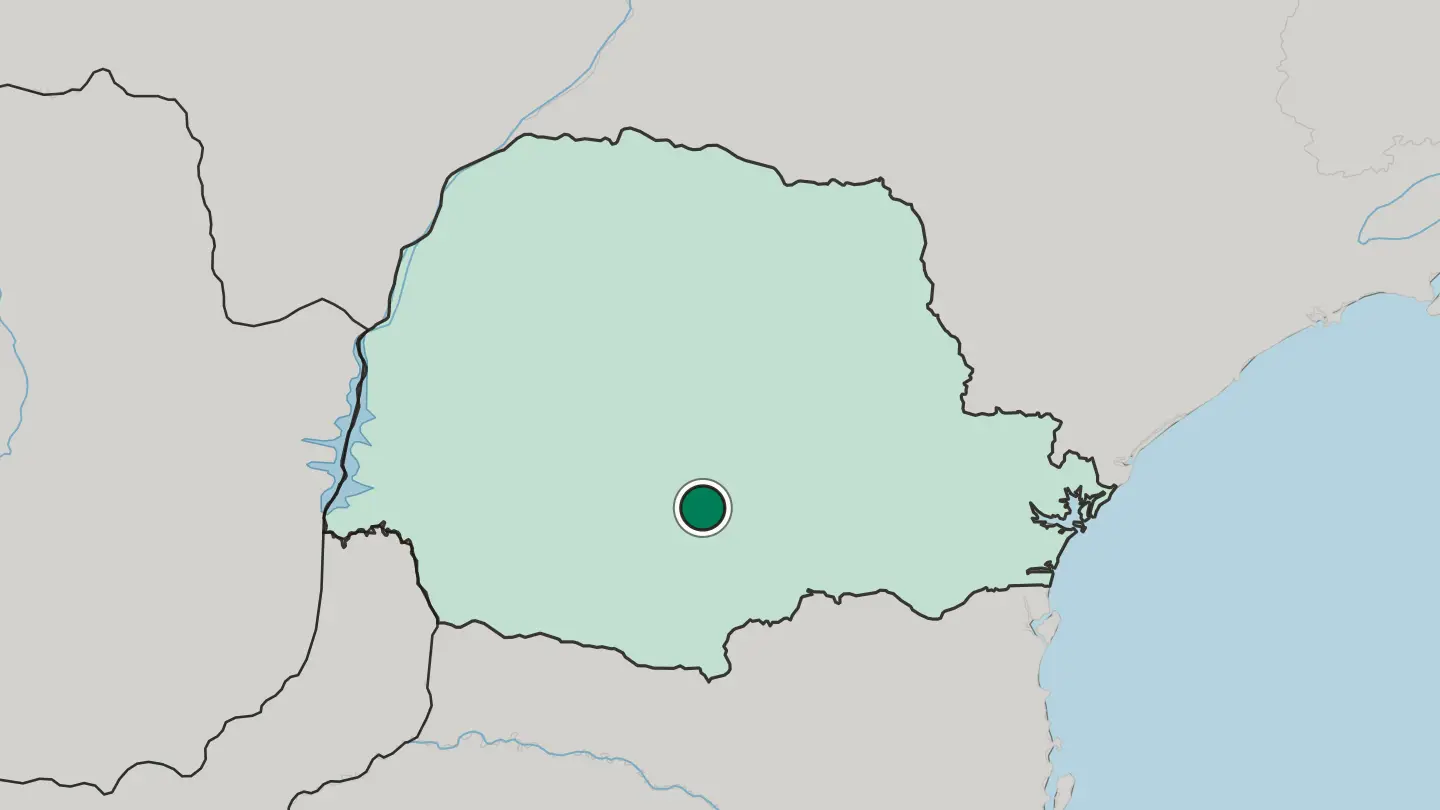
 Brazil
Paranaguá
Paranaguá is a coastal city in Paraná founded in 1648, with old brotherhood churches in its core and the Ilha do Mel state park offshore.Where to stay →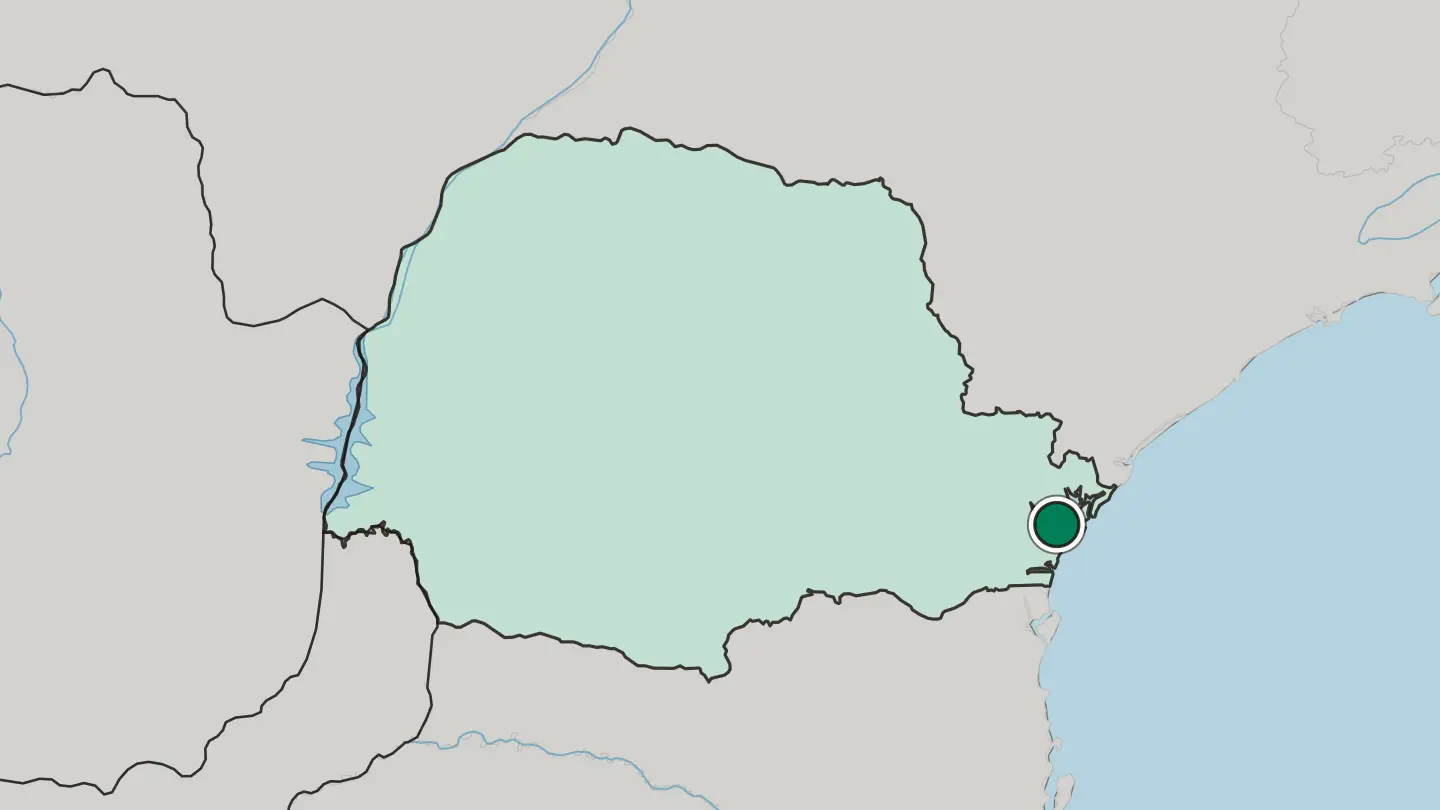
All towns & cities (10)
 Brazil
Toledo
Toledo is a city of the western region of Paraná, Brazil, a farm-country municipality near Cascavel built around the Museu Histórico Willy Barth.Where to stay →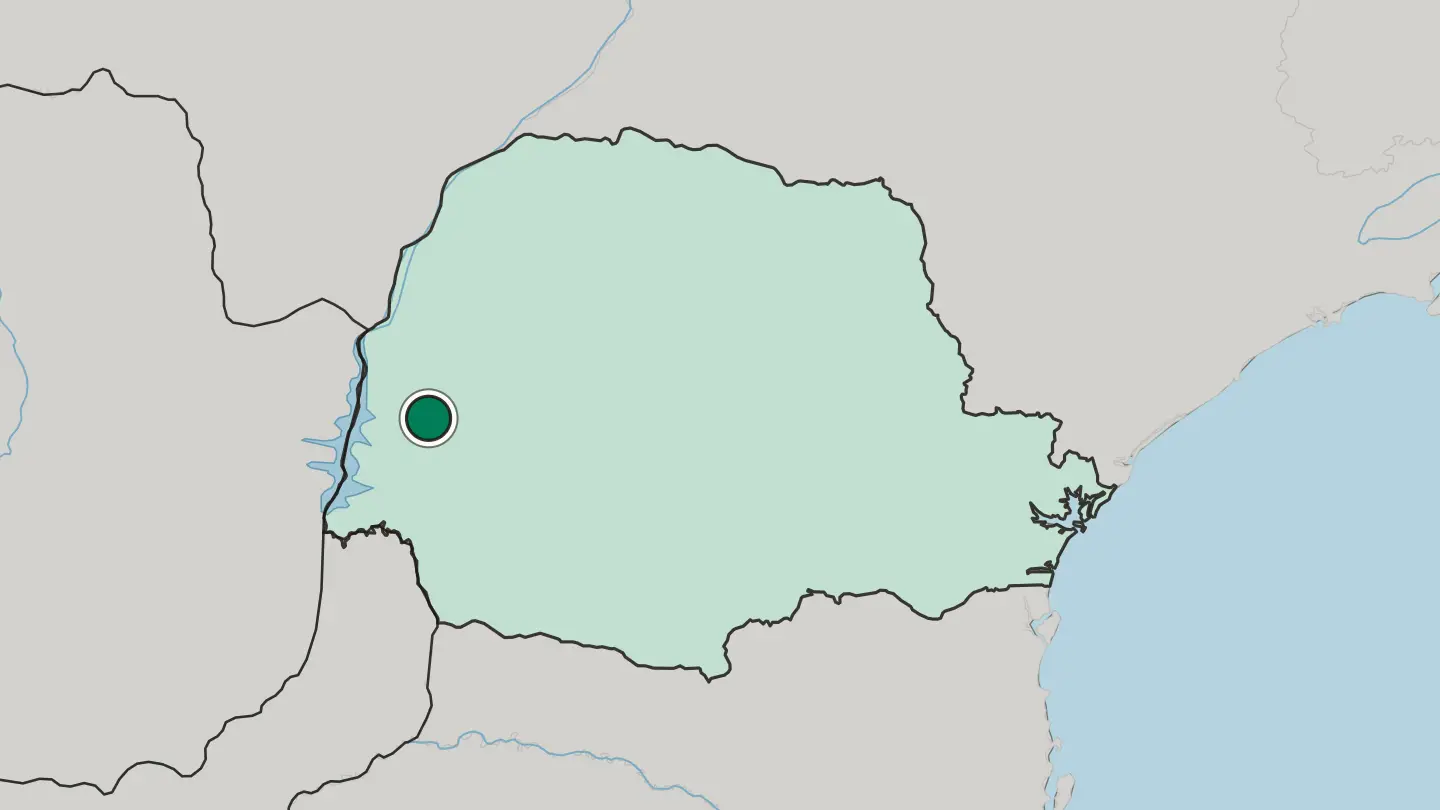
 Brazil
Pato Branco
Pato Branco is a young city in Paraná, founded in 1952, with the Historical Museum José Zanella holding its record.Where to stay →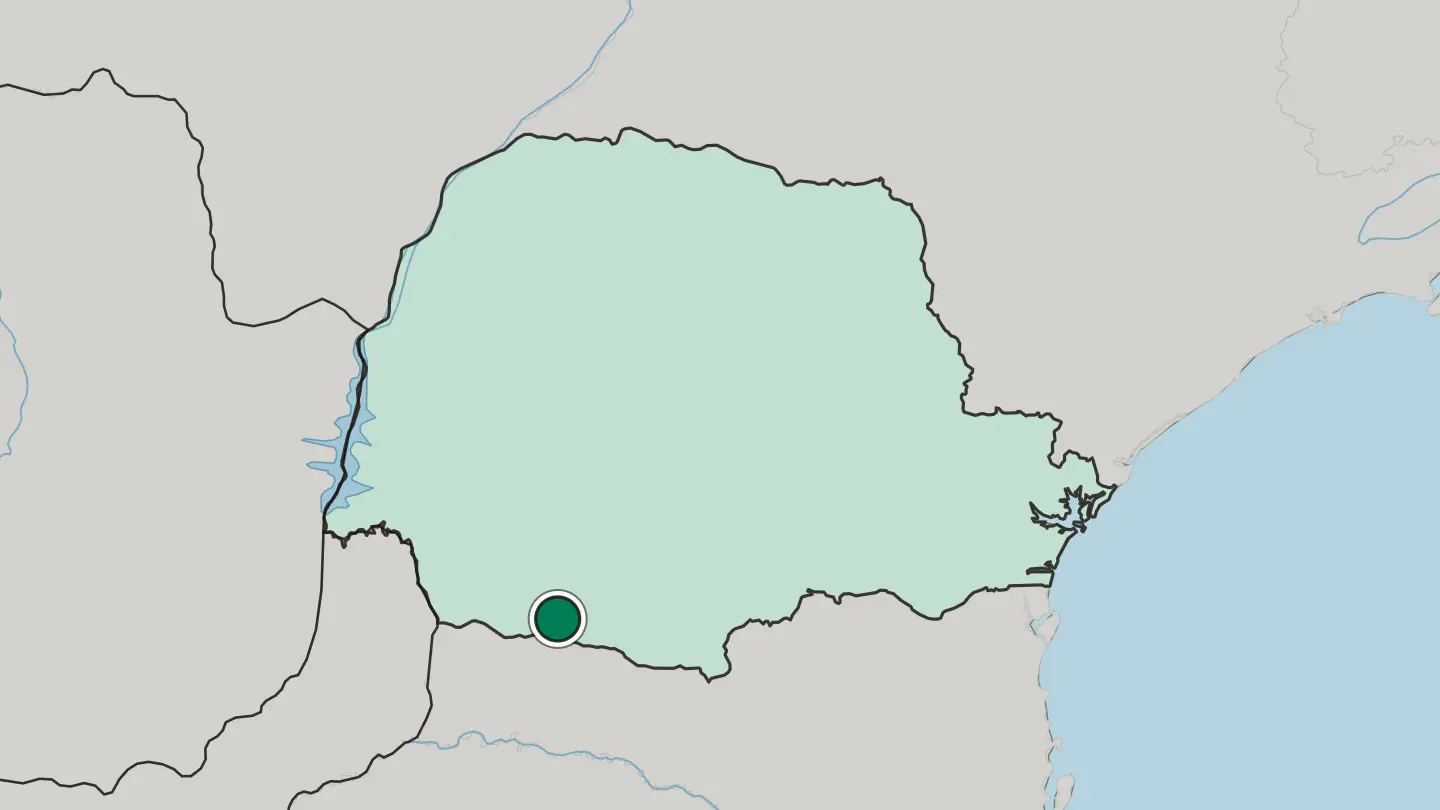
Hotel links are affiliate links: booking through them may earn us a commission, at no extra cost to you. It never affects how places are ranked. How this works
About Paraná
Paraná is best known for the Iguaçu Falls.
What is Paraná known for?
The falls sit at the state's western edge, where the Iguaçu River drops in a broad horseshoe of cataracts along the border with Argentina before it reaches the Paraná River. Curitiba anchors the state. The capital draws visitors for its bus-based transit and its parks, from the Botanical Garden to the Oscar Niemeyer Museum.
Inland, the Araucária pine gives the highlands their distinctive flat-topped canopy.
Where is Paraná?
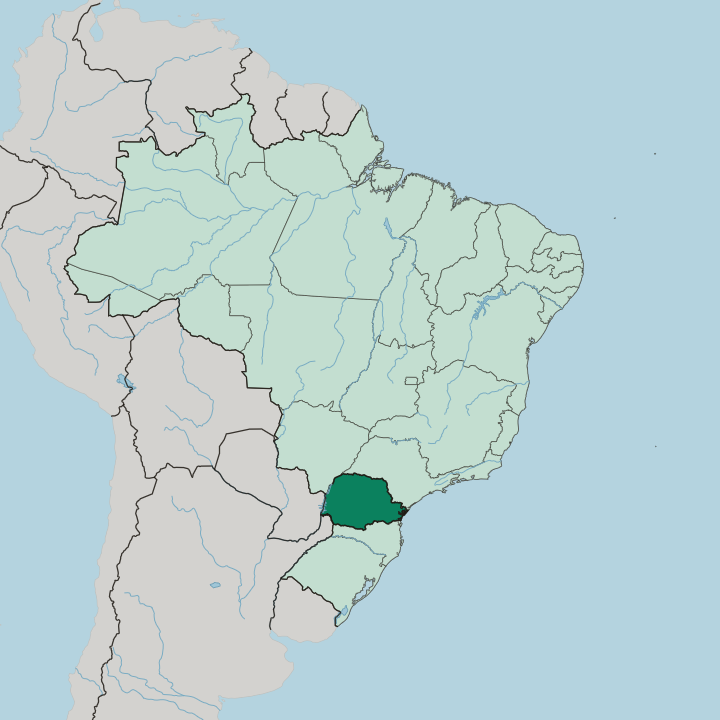
Paraná sits in southern Brazil, the northernmost of the country's three southern states. São Paulo lies to the north, Santa Catarina to the south, and the Atlantic Ocean forms the eastern edge along a short, mountain-backed coast. To the west, the Paraná River divides the state from Paraguay. The river gave the state its name.
In the language of the Tupi people it means something close to 'like the sea', and it is the second-longest river in South America after the Amazon. Most of Paraná is high plateau. West of the coast the land climbs the Serra do Mar, then rolls inland as a tableland of red soil, pine highlands and broad farm country before it falls toward the Paraná River valley.
Curitiba stands high on that plateau near the headwaters of the Iguaçu River, which runs west across the whole state to the falls, tracing the border with Argentina on its lower course. The northern strip, around Londrina and Maringá, drops to warmer, lower ground. The coast is the smallest part.
It gathers behind the Serra do Mar in the sheltered bay of Paranaguá, where Ilha do Mel guards the harbour mouth and the old port handles grain from far inland.
What is Paraná like?
Paraná was largely built by immigrants. In the decades after 1871 the thinly settled province opened colonies to European newcomers, and Polish, Ukrainian, Italian and German families took up land around Curitiba and across the highlands. Their churches, onion domes and food still mark whole towns.
Around Prudentópolis, in the centre of the state, most people trace their roots to Ukraine, and Byzantine-rite churches rise over farm villages settled from Galicia. Curitiba grew into something distinctive. The capital is known for careful city planning, a web of parks and a dedicated bus network that other cities have copied, and it carries a cooler, more European feel than most of Brazil.
The shared drink is erva-mate, brewed as a hot, bitter chimarrão passed around in the southern custom. Polish pierogi, Italian pasta and German pastry all turn up on local tables, and Curitiba fills with them at its ethnic festivals. The north tells a different story.
Londrina and Maringá were laid out as planned coffee towns in the twentieth century, their wide grid streets carved straight out of the red-earth frontier by British and Japanese-Brazilian settlers. Portuguese is the language throughout.
What is the history of Paraná?
Paraná began as part of São Paulo. The coast was settled early, when gold seekers worked the streams behind Paranaguá, but the vast interior stayed thinly held for generations. It broke away from São Paulo province in 1853, taking the name of the great river on its western border.
The Republic made it a state in 1889. Waves of European colonists and a later coffee boom in the north filled the land and turned a quiet frontier into one of Brazil's farming powerhouses.
What is the climate of Paraná?
Paraná straddles the Tropic of Capricorn, so its climate splits by altitude. On the high plateau around Curitiba the air stays cool and damp through the year, with winter frosts and, on the coldest mornings in the southern highlands, a rare dusting of snow. The north runs much warmer.
Around Londrina and Maringá the lower ground is nearly tropical, hot in summer and mild in winter, which is what let coffee take hold there. Rain falls all year, and the damp cool of the plateau is what the Araucária pine needs.
How do you get to Paraná?
Air travel does most of the work. Curitiba's Afonso Pena International Airport, out at São José dos Pinhais, is the main door into the state and links it to São Paulo and the rest of Brazil. Travellers bound for the waterfalls usually fly straight to Foz do Iguaçu instead, to the airport beside the national park.
Overland roads climb in from São Paulo. The old Serra do Mar railway still carries travellers down the mountain wall from Curitiba to Morretes and the coast, one of the finest train rides in Brazil.
Common questions
What is the best area to stay in Paraná?
Curitiba: an easy opening base for Paraná. Foz do Iguaçu: seeing the Iguaçu Falls. Ilha do Mel: car-free island beaches. Paranaguá and the coast: the colonial Atlantic port.
More regions in Brazil
Updated September 2026