Brazil · Paraná
Where to Stay in Ponta Grossa, Paraná
Ponta Grossa is the main city of the Campos Gerais in Paraná, founded in 1823, its old parish churches and museums set around the cathedral.
Hotel links are affiliate links: booking through them may earn us a commission, at no extra cost to you. It never affects how places are ranked. How this works


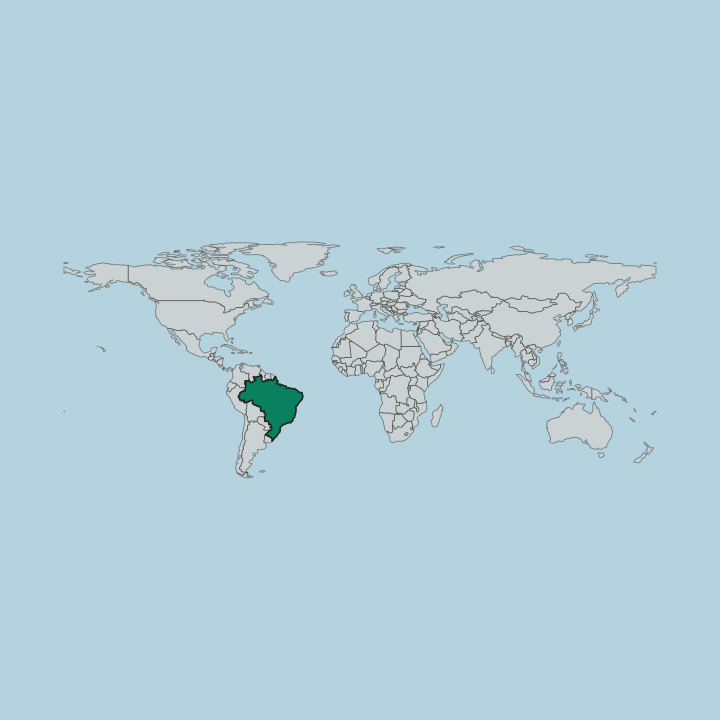
Where to stay in Ponta Grossa
Where the beds are, and what that means for the visit.
St. Ann Cathedral is the anchor for a central stay. The blocks around it put the Igreja Nossa Senhora do Rosário, the Casa da Memória Paraná and Museu Época within an easy walk, which covers most of what a short visit to Ponta Grossa is for. Two days is enough there.
Anyone with only an afternoon should take a room in that quarter and treat the cathedral as the point everything else is measured from, because the municipality beyond it is very large. The museum trail argues for a car. The Museu Campos Gerais and the Museu de Arqueologia de Ponta Grossa each sit in their own part of the city, and adding the Igreja de Nossa Senhora Imaculada Conceição and the Igreja Sagrado Coração de Jesus makes a day that no walk will cover.
Rooms are scarce past the built-up edge. The Campos Gerais opens into farm country almost immediately, so a stay out there is for people whose business is with the land rather than with the city, and Greater Curitiba is close enough that some visitors sleep there instead. Choose the cathedral blocks for a short visit.
Take a room further out only with a car.
Find hotels in Ponta Grossa
Direct booking searches for these neighbourhoods.
Around St. Ann Cathedral
Museu Época, the Casa da Memória Paraná and the Igreja Nossa Senhora do Rosário all lie within one walk of the cathedral.Find hotels in Around St. Ann CathedralWork with the farms of the Campos GeraisCampos Gerais fringe
Past the built-up edge the municipality turns to open country, and every trip into Ponta Grossa becomes a drive. Rooms are few around here — worth securing early.Find hotels in Campos Gerais fringeHotel links are affiliate links: booking through them may earn us a commission, at no extra cost to you. It never affects how places are ranked. How this works
Things to do in Ponta Grossa
Ranked by global recognition; descriptions from Wikidata (CC0).
Museums & Galleries
3- Museu Época Heritage
- Museu de Arqueologia de Ponta Grossa
- Museu Campos Gerais
Churches & Religious Sites
3- Igreja de Nossa Senhora Imaculada Conceição Heritage
- St. Ann Cathedral, Ponta Grossa
- Igreja Sagrado Coração de Jesus (Ponta Grossa)
Landmarks & Notable Places
1- Casa da Memória Paraná Heritage
worth knowingacross 3 categories in Ponta Grossa
About Ponta Grossa
Ponta Grossa belongs to the Campos Gerais.
What is Ponta Grossa known for?
That regional name covers a stretch of open country in Paraná, and the city works as its main centre, the largest place near the Greater Curitiba region and the one where the museums of the district have collected. Churches mark the older streets. St. Ann Cathedral, the Igreja Nossa Senhora do Rosário and the Igreja Sagrado Coração de Jesus stand as the parish landmarks, while the Museu Campos Gerais and the Casa da Memória Paraná hold the written record.
What are the main landmarks in Ponta Grossa?
St. Ann Cathedral holds the first rank. Below it the city keeps three more parish churches, the Igreja de Nossa Senhora Imaculada Conceição, the Igreja Nossa Senhora do Rosário and the Igreja Sagrado Coração de Jesus, each under a different patron. Four museums carry what remains.
The Museu Campos Gerais, the Casa da Memória Paraná, Museu Época and the Museu de Arqueologia de Ponta Grossa divide the region's record between them.
What is the history of Ponta Grossa?
Ponta Grossa dates from 1823. The city belongs to the Campos Gerais, and its foundation in that century gave it a nineteenth-century core that the later museums of the region were built to document. Parishes came with the town.
The Igreja de Nossa Senhora Imaculada Conceição, the Igreja Nossa Senhora do Rosário and the Igreja Sagrado Coração de Jesus each carry a dedication of their own, and St. Ann Cathedral took the senior place among them. Memory here is institutional. The Casa da Memória Paraná and the Museu Campos Gerais between them keep the documentary record of the city and of the wider region it serves, while Museu Época holds a collection of a different order.
Archaeology reaches further back. The Museu de Arqueologia de Ponta Grossa deals with the occupation of this country long before 1823, which is the part of the story no parish register covers. Ponta Grossa settled into its role as the largest city near the Greater Curitiba region and the main centre of the Campos Gerais. Brazil counts many regional seats of this kind, but each keeps its own set of names, and here they are the parishes, the Campos Gerais and the museums that record both.
Where is Ponta Grossa?
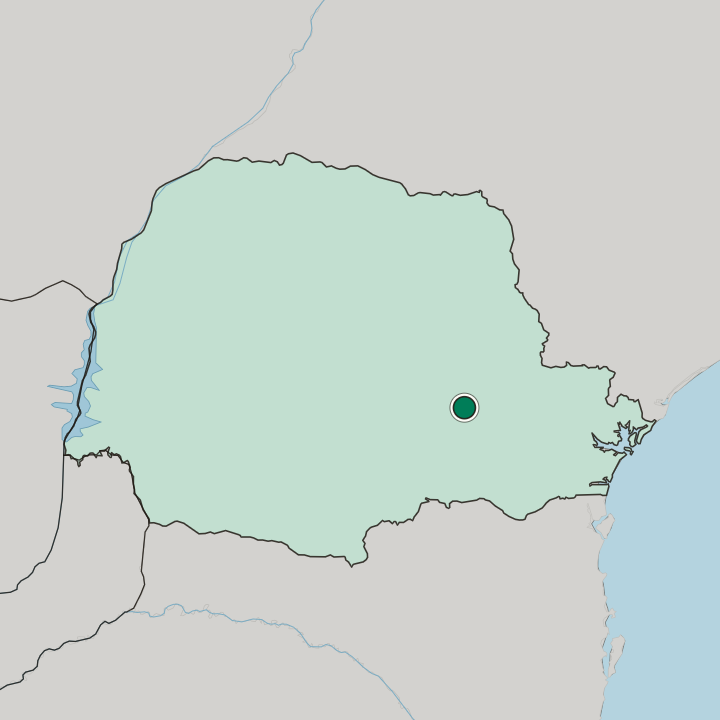
The Campos Gerais gives Ponta Grossa its ground. The municipality spreads across a large territory of that region, big enough that the built-up centre occupies only a fraction of it and the rest runs out into open country and farms. Greater Curitiba lies within reach.
Ponta Grossa stands as the largest city near the Greater Curitiba region, which leaves it serving a wide district of Paraná rather than sitting in another city's shadow.
What is the climate of Ponta Grossa?
Open country makes the weather here. Winds cross the Campos Gerais with little to break them, and Ponta Grossa takes its colder spells from that exposure as much as from anything else in the calendar. Winters bite.
A subtropical setting still keeps the warm months long, and farms across the region time their year to a growing season that stretches over the turn of the calendar.
How do you get to Ponta Grossa?
Greater Curitiba is the reference for arrivals. Ponta Grossa stands as the largest city near that region, so most approaches come overland from it and cross the open country of the Campos Gerais before the built-up area begins. The drive is straightforward.
Anyone travelling on through Paraná finds the city a natural break, since it is the biggest place for a considerable distance in any direction.
Common questions
What is the best area to stay in Ponta Grossa?
Around St. Ann Cathedral: Short visits centred on St. Ann Cathedral. Campos Gerais fringe: Work with the farms of the Campos Gerais.
Good for
More cities in Paraná
Updated October 2026