Brazil · Paraná
Where to Stay in Curitiba, Paraná
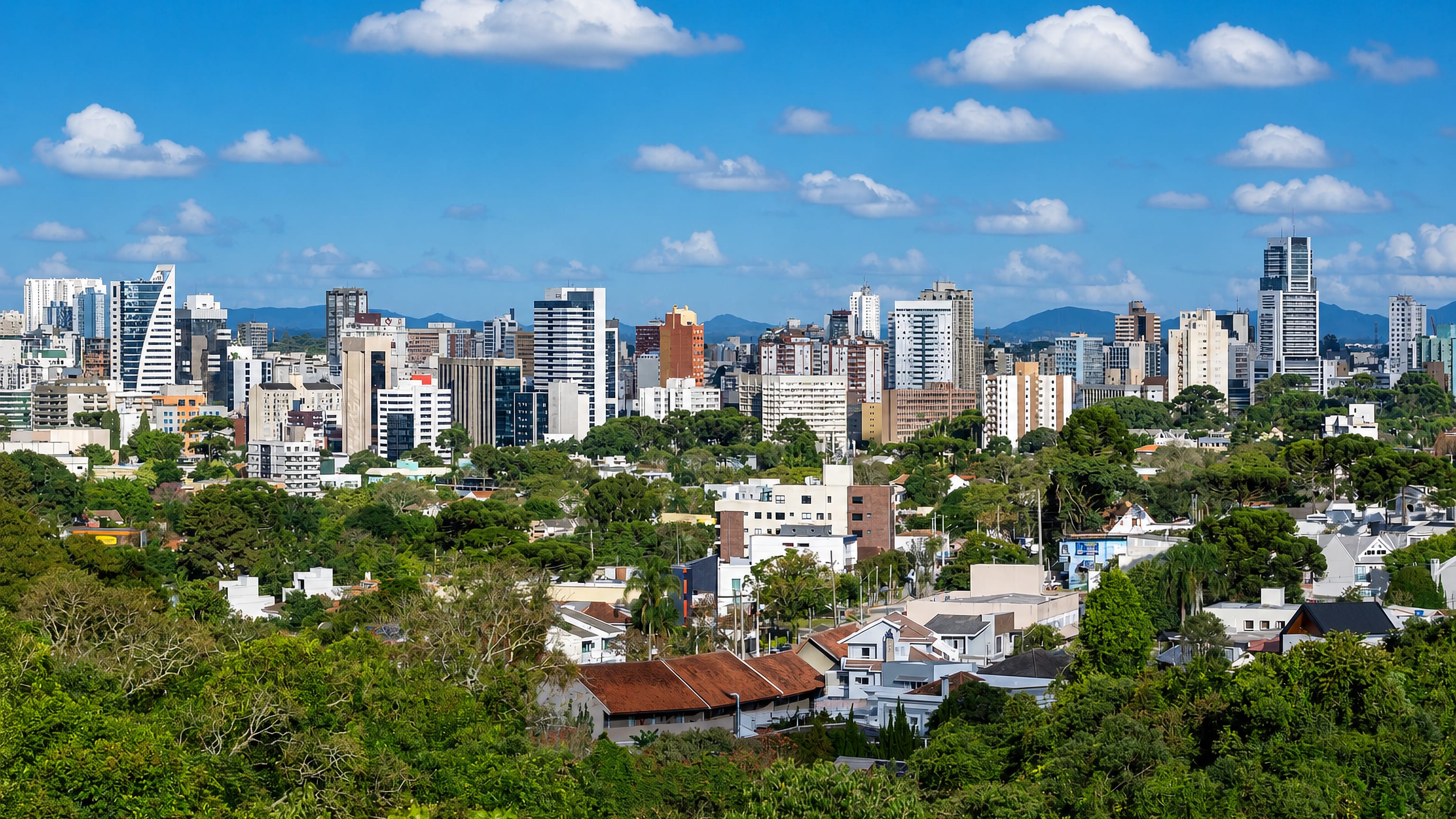
Green parks fold through Curitiba, the upland capital of Paraná in Southern Brazil, known for the eye-shaped Oscar Niemeyer Museum.
Hotel links are affiliate links: booking through them may earn us a commission, at no extra cost to you. It never affects how places are ranked. How this works


Where to stay in Curitiba
How the choice of base plays out on the ground.
Curitiba spreads across a broad plateau, and where you stay depends on whether you want the historic core or the museum and park district. The old centre, the cidade velha, holds the earliest streets, the Igreja da Ordem Terceira de São Francisco das Chagas, and the Sunday arts and crafts fair in the Largo da Saúde. This walkable heart suits travellers who want the historic city on foot.
The Museu Paranaense and the Memorial de Curitiba stand within it. North and west of the centre lies the cultural and green belt, where the Oscar Niemeyer Museum rises beside its gardens and the Bosque Alemão climbs a wooded hill. If you want the parks, the museums, and quieter streets, base yourself here.
The Museu Botânico Municipal and its glasshouse anchor the botanical garden, and the Holocaust Museum in Curitiba lies nearby. Wherever you settle, the plateau keeps the city cool and green. Parks are never far.
Find hotels in Curitiba
Direct booking searches for these neighbourhoods.
Cidade velha
The historic core keeps the Igreja da Ordem Terceira de São Francisco das Chagas, the Largo da Saúde craft fair, and the Museu Paranaense within a compact walk.Find hotels in Cidade velhaStaying by the Oscar Niemeyer Museum and Curitiba's wooded parksMuseum and park belt
The cultural district sets the eye-shaped Oscar Niemeyer Museum beside the Bosque Alemão hill and the Museu Botânico Municipal glasshouse.Find hotels in Museum and park beltHotel links are affiliate links: booking through them may earn us a commission, at no extra cost to you. It never affects how places are ranked. How this works
Things to do in Curitiba
Ranked by global recognition; descriptions from Wikidata (CC0).
Museums & Galleries
4- Museu Paranaense Heritage
- Casa Barão do Serro Azul Heritage
- Museu Alfredo Andersen Heritage
- Curitiba Station Heritage
Churches & Religious Sites
3- Igreja da Ordem Terceira de São Francisco das Chagas Heritage
- Templo Evangélico Luterano Heritage
- Igreja do Rosário (Curitiba)
Castles & Historic Sites
1- Tile panels of the 1º Centenário do Paraná
Landmarks & Notable Places
3- Casa Emílio Romani Heritage
- Casa Kirchgassner Heritage
- Casa do Barão Heritage
worth knowingacross 4 categories in Curitiba
About Curitiba
What is Curitiba known for?
Curitiba is known as the capital and largest city of Paraná, and the largest city in Southern Brazil. It sits on a high plateau in the south of the country. The Oscar Niemeyer Museum, with its curved eye-shaped tower, is the city's signature landmark, and the Museu Paranaense records the state's past.
Parks and green spaces run through the city, from the Bosque Alemão to the Museu Botânico Municipal in its botanical garden. Green defines it.
What are the main landmarks in Curitiba?
Curitiba's landmarks join colonial churches to modern architecture. The Oscar Niemeyer Museum, its main gallery a curved eye on a tall stem, is the city's best-known building and one of the most recognisable works of modern architecture anywhere in Southern Brazil. The Museu Paranaense and the Museu Botânico Municipal keep the state's history and its plants, the latter set within the botanical garden.
Old churches survive in the centre. The Igreja da Ordem Terceira de São Francisco das Chagas is among them. The Bosque Alemão and the Holocaust Museum in Curitiba round out the city's cultural map.
What is the history of Curitiba?
Curitiba was founded in 1693 as a settlement on the uplands of what is now Paraná. It began small, a colonial town on the interior high country of southern Brazil. Through the following centuries it grew into the administrative centre of the region, and when Paraná became a province and later a state of Brazil, Curitiba served as its capital, its old core filling with the churches and civic buildings that still stand in the cidade velha.
That historic centre has kept its fabric across more than three hundred years. The Igreja da Ordem Terceira de São Francisco das Chagas survives among the oldest of those buildings, marking the colonial layer of the city. Much later, the Oscar Niemeyer Museum was opened to hold art and design, a modern landmark set apart from the old streets.
Old and new stand side by side. Curitiba carried its colonial origins forward while adding the museums and monuments that record the wider story of Paraná, and the Museu Paranaense keeps that history in view.
Where is Curitiba?
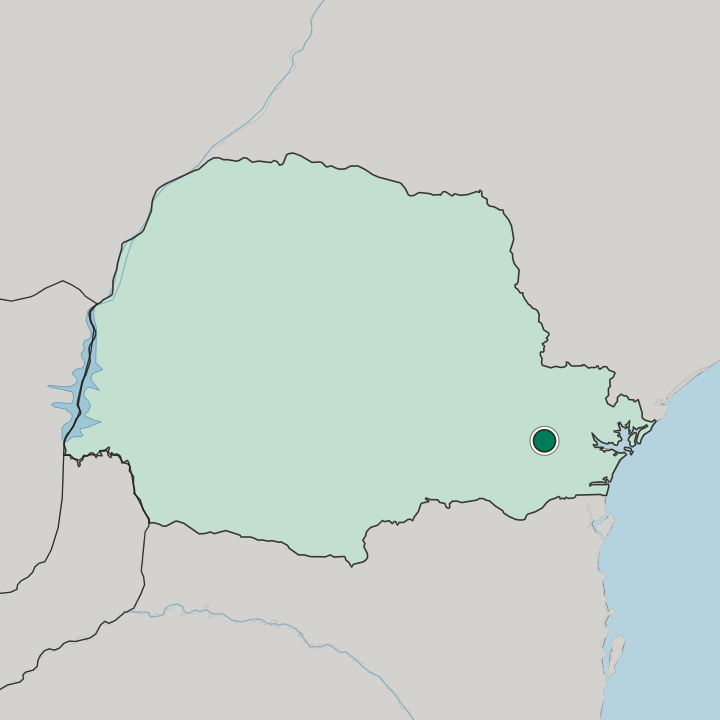
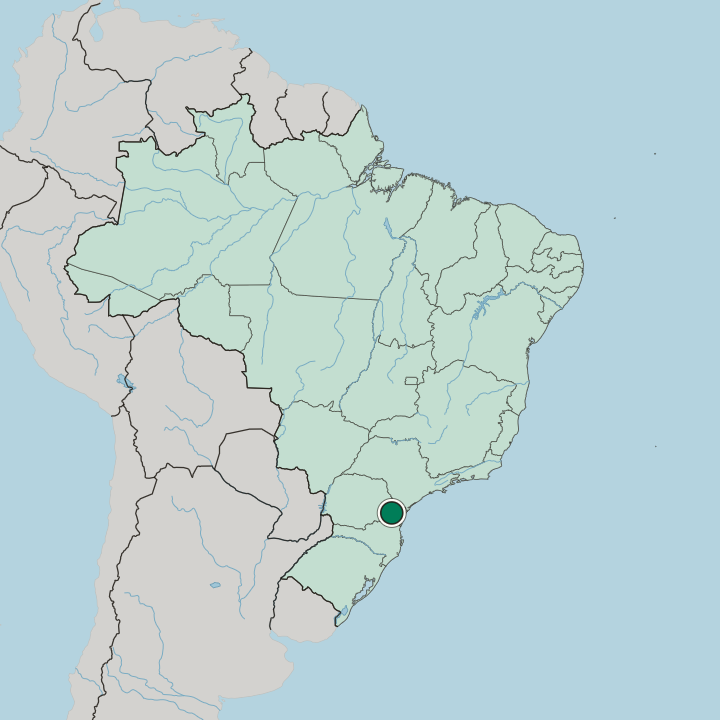
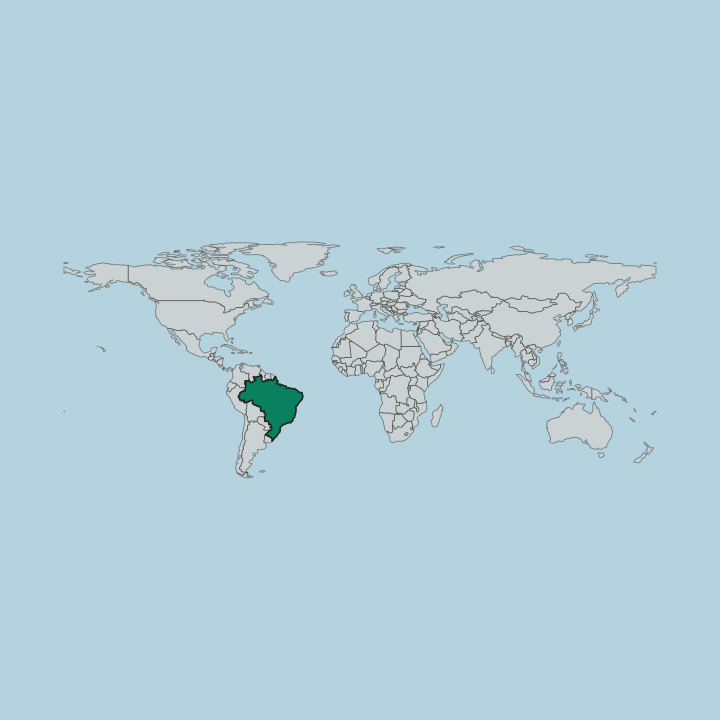
Curitiba lies inland in the state of Paraná, in Southern Brazil, set back from the ocean coast. The city sits on the interior of the state, away from the low Atlantic shoreline that runs to the east of it, in a part of the country that falls within the subtropical belt of the southern hemisphere. This inland position gives Curitiba a cooler, greener setting than the lowland cities of Brazil.
The coast lies eastward. Its interior site shapes the mild, subtropical character of the capital of Paraná.
What is the climate of Curitiba?
Curitiba has a mild subtropical climate, cooler than the coastal lowlands of Brazil because of its inland, southern setting. Summers are warm but rarely fierce, while winters turn genuinely cool for Brazil, with occasional frost across the interior of Paraná. Rain falls across the year.
Fog and cloud often settle over the city. Its southern, inland position gives Curitiba the temperate character that sets it apart from the tropical north.
How do you get to Curitiba?
Curitiba is the transport hub of Paraná, well linked by air and road. Its airport is among the busiest in Southern Brazil, and major highways connect the inland city with the coast of the state and with the larger cities of Brazil to the north, carrying travellers in from every direction. Rail lines also run toward the coast.
Roads meet here. From the centre, the museums and parks of Curitiba lie a short ride apart.
Common questions
What is the best area to stay in Curitiba?
Cidade velha: Walking Curitiba's oldest streets and the Sunday craft fair. Museum and park belt: Staying by the Oscar Niemeyer Museum and Curitiba's wooded parks.
Good for
More cities in Paraná
Updated September 2026