Switzerland · Kanton Zürich
Where to Stay in Zürich, Kanton Zürich
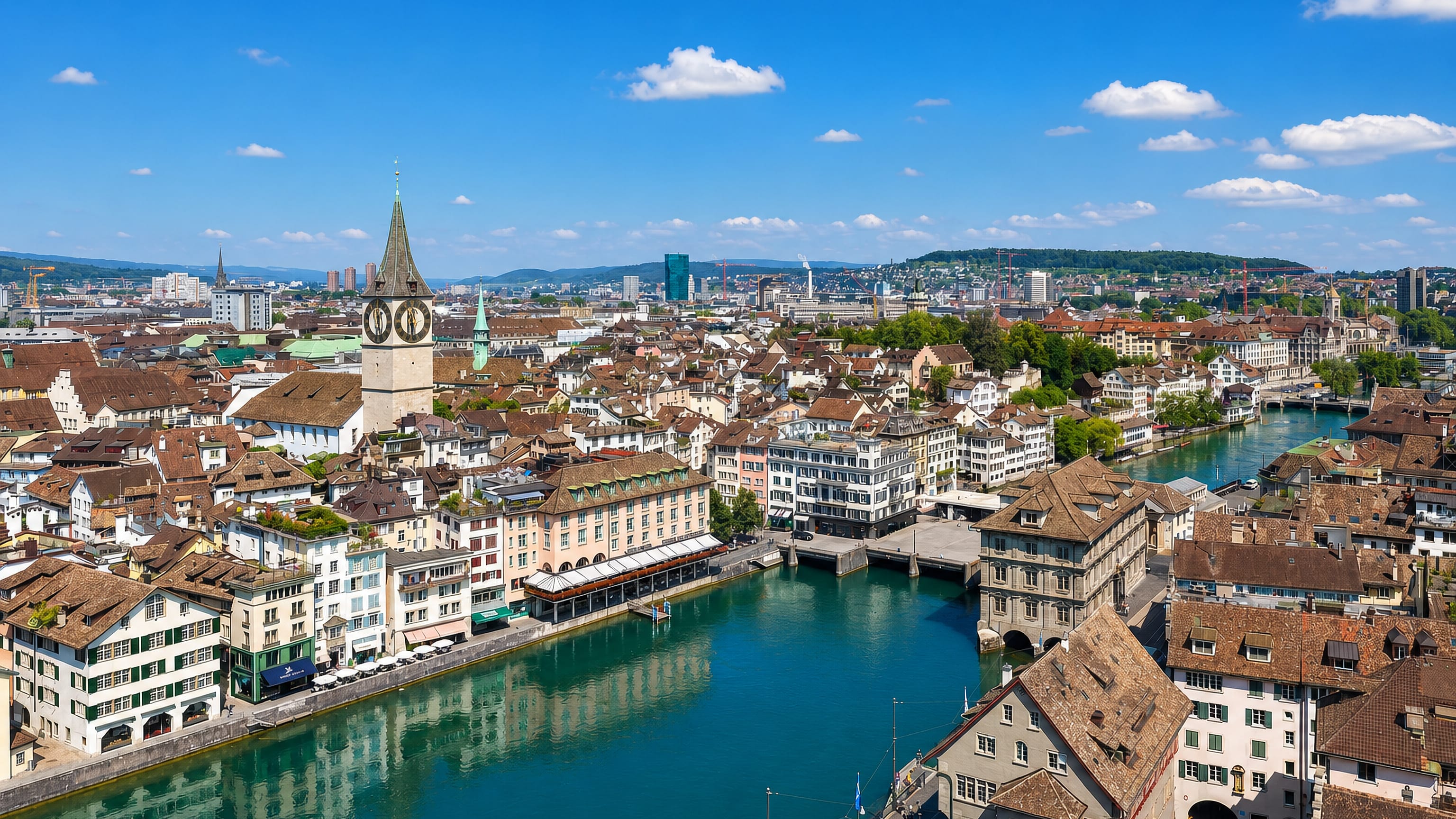
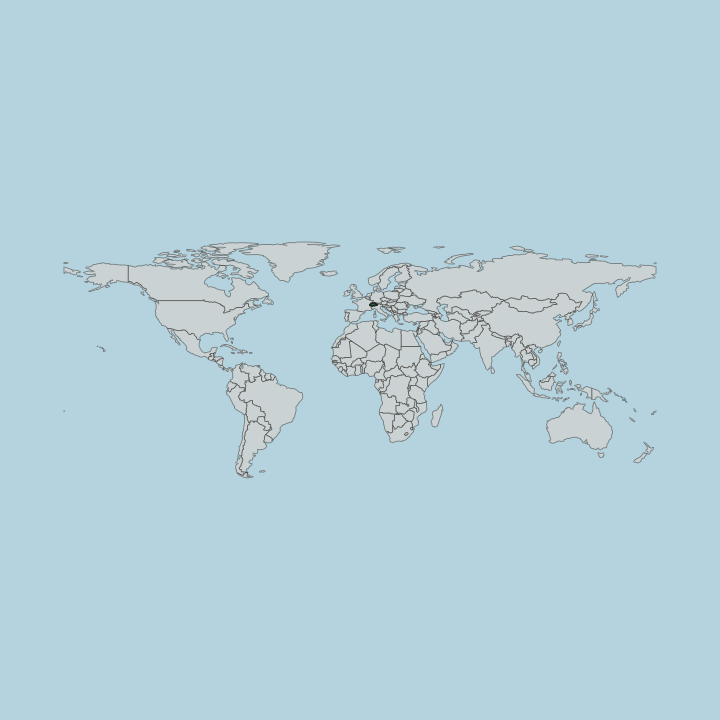
Lake Zurich narrows to its northwestern tip at Zürich, the largest city in Switzerland and the capital of Kanton Zürich, known for the Kunsthaus Zürich.
Hotel links are affiliate links: booking through them may earn us a commission, at no extra cost to you. It never affects how places are ranked. How this works


Where to stay in Zürich
Not every neighbourhood fits every trip — here's what each one is good for.

 ZürichSwitzerland
Zürich (Kreis 1)
The small central district the rest of Zürich was numbered outward from, tight enough that a tram is never neededKreis 1 →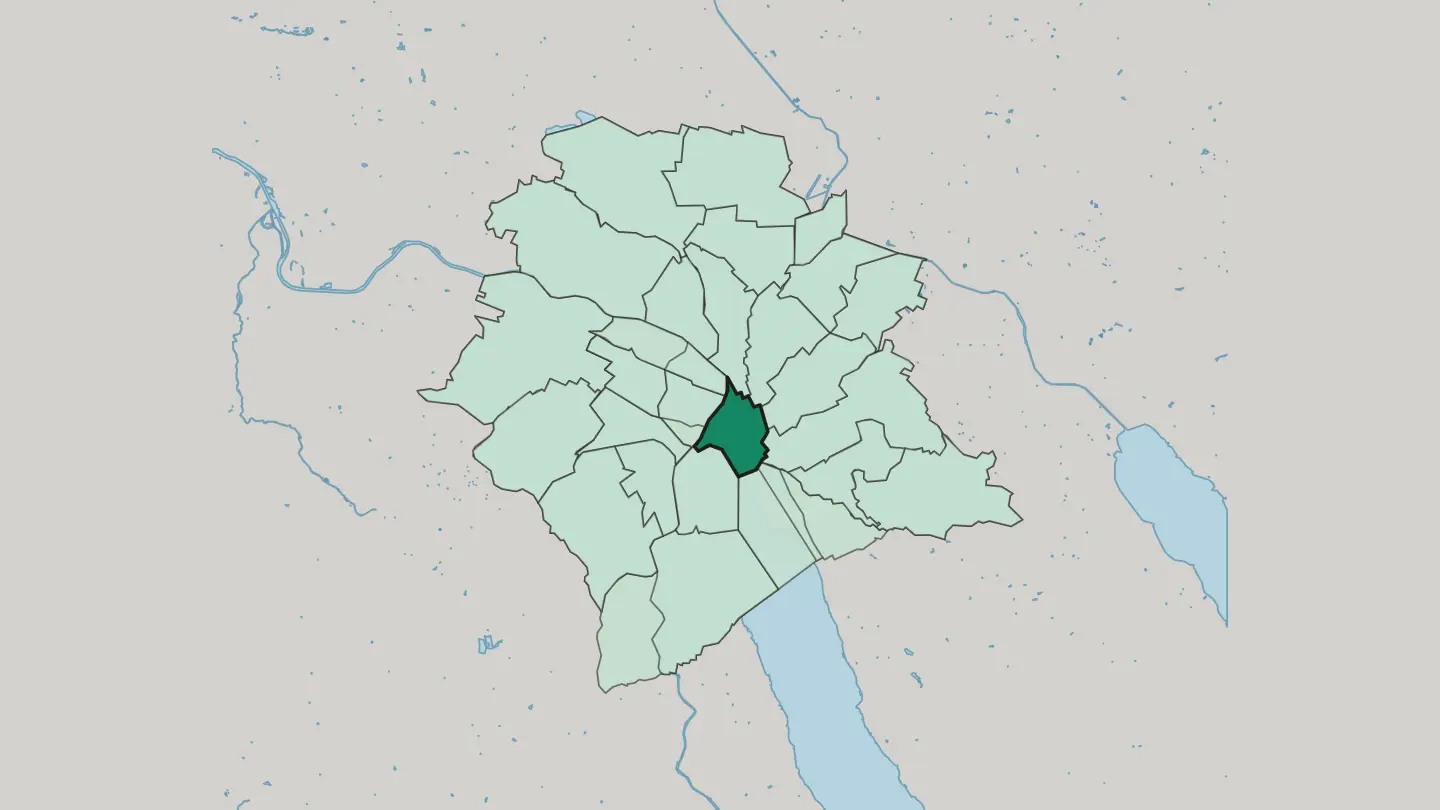
 ZürichSwitzerland
Zürich (Kreis 4) / Langstrasse
The near-in quarter of Kreis 4, one short walk from the centre and a wholly different eveningLangstrasse →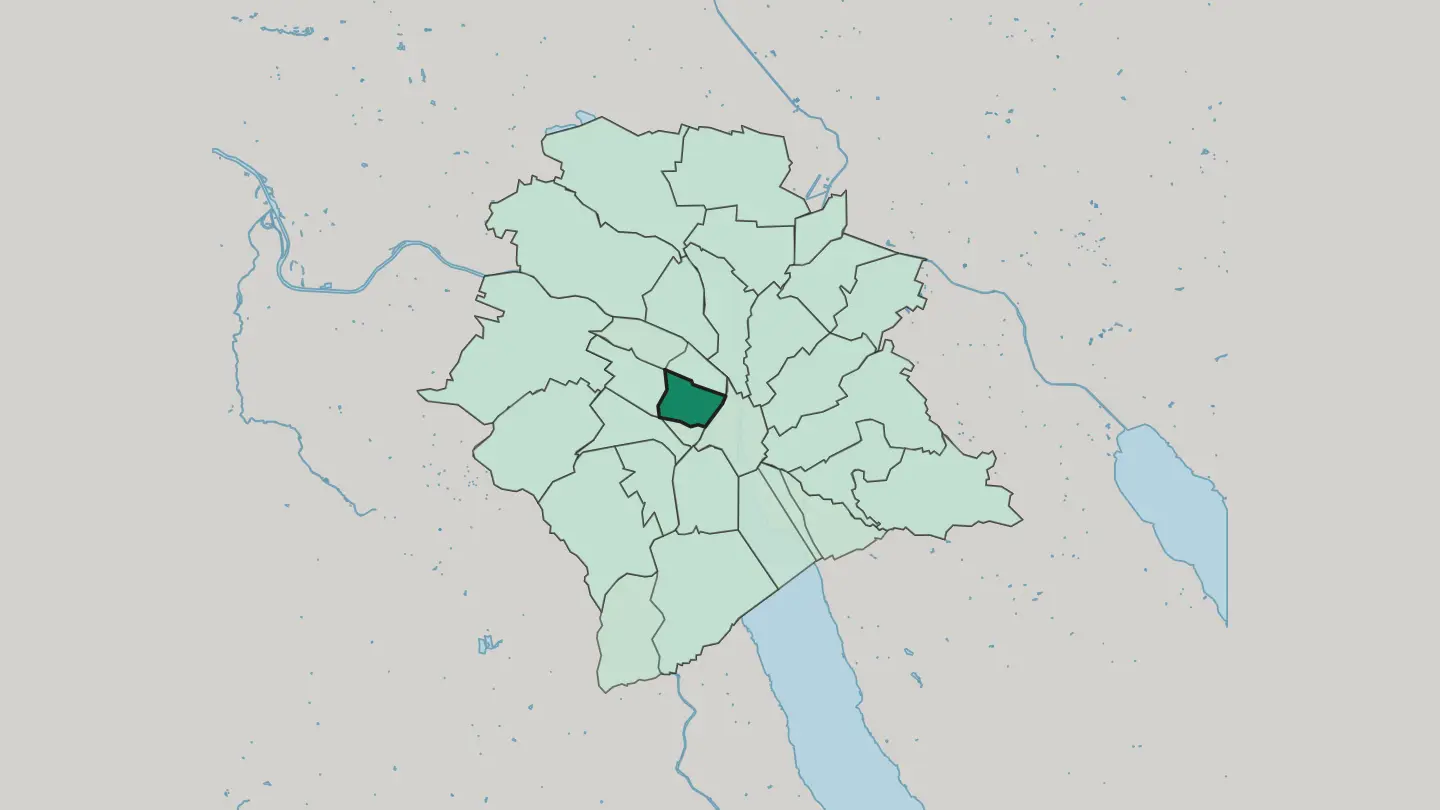
 ZürichSwitzerland
Zürich (Kreis 2) / Enge
The Kreis 2 lakeside south of the centre, where the water begins its run toward the Swiss AlpsEnge →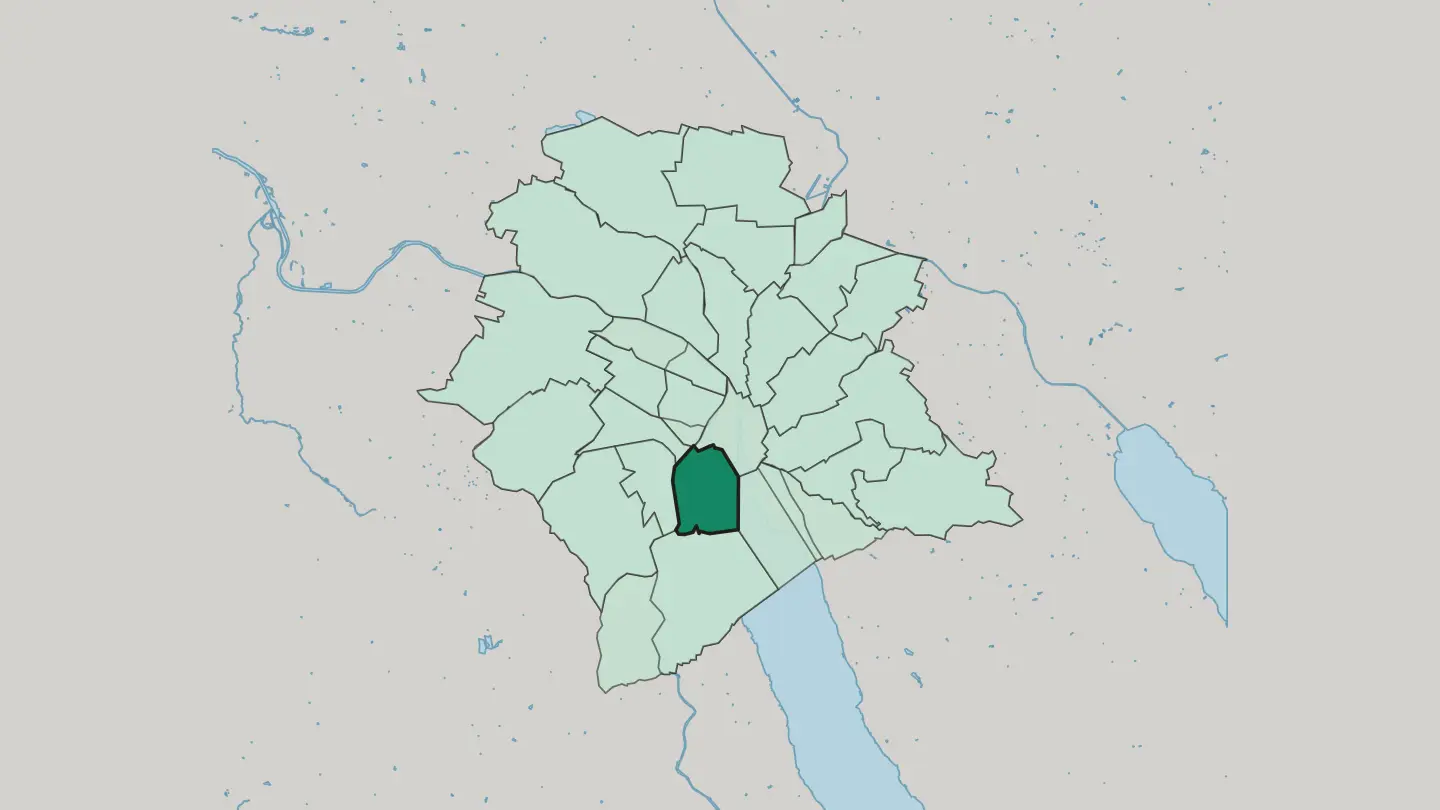
 ZürichSwitzerland
Zürich (Kreis 11) / Oerlikon
The Kreis 11 second centre, a long way north of the old town and built to its own planOerlikon →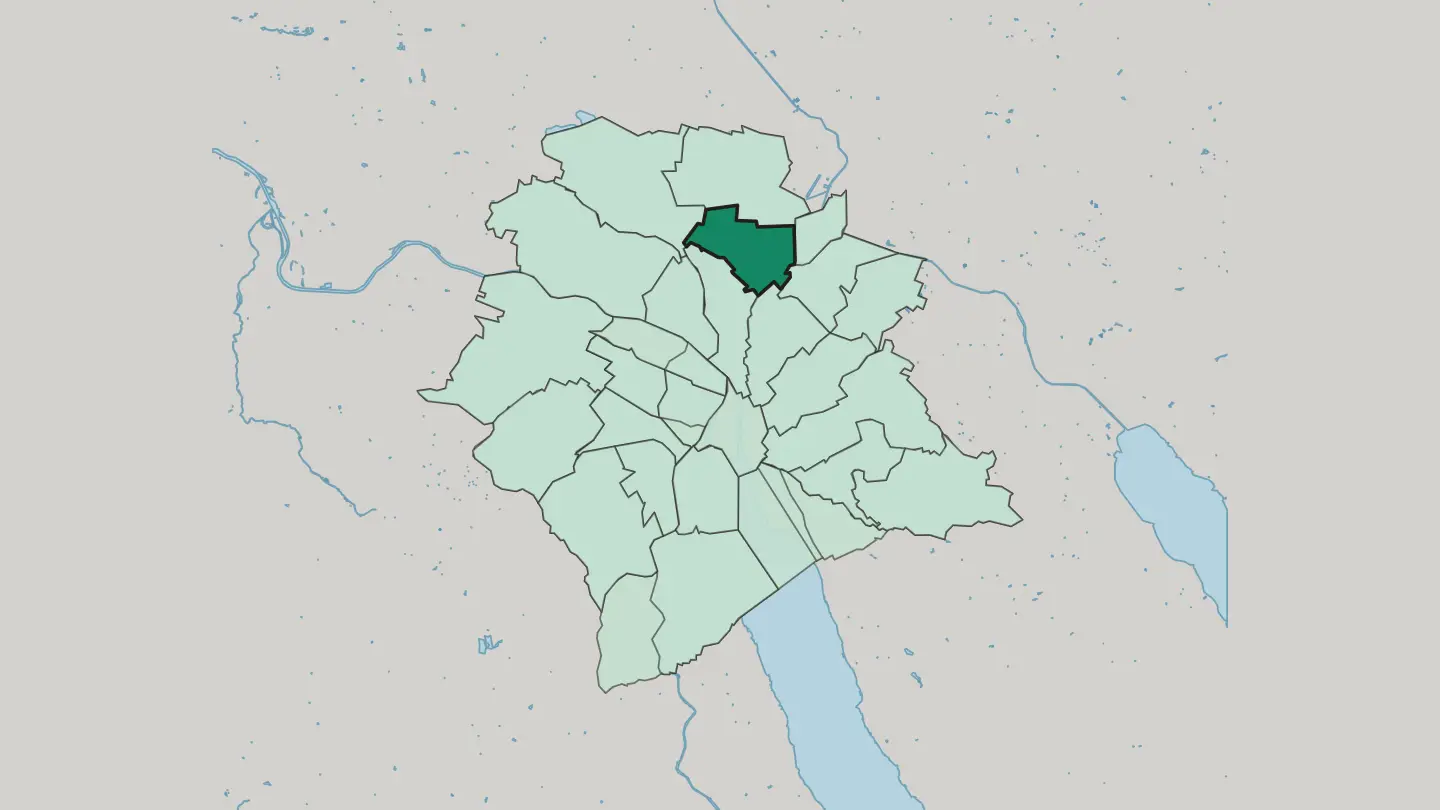
 ZürichSwitzerland
Zürich (Kreis 9) / Altstetten
The Kreis 9 quarter out west, furthest from the lake and easiest to drive intoAltstetten →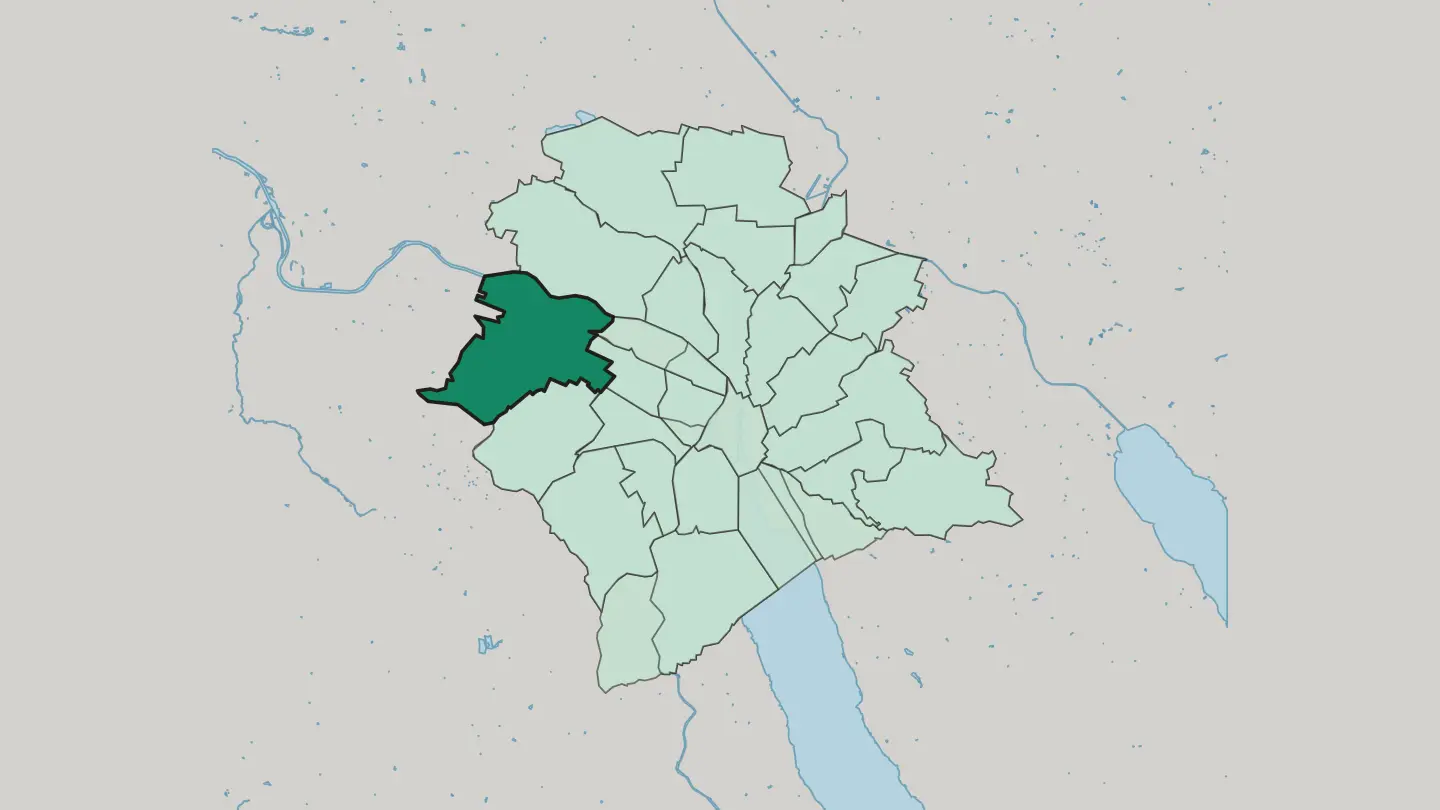
 ZürichSwitzerland
Zürich (Kreis 1) / Lindenhof
Lindenhof is the old-town hill of Zürich's Kreis 1, site of a Roman castle and a later Carolingian Kaiserpfalz above the Limmat.Where to stay → ZürichSwitzerland
Zürich (Kreis 1) / Rathaus
Rathaus is the Kreis 1 quarter of Zürich, holding the Grossmünsterkapelle, the Kronentor and the focusTerra exhibition.Where to stay →ZürichSwitzerlandZürich (Kreis 4) / Werd
Werd is one of the three quarters of Aussersihl in Zürich's Kreis 4, and it holds Haus Konstruktiv and the Wasserturm Schanzengraben.Where to stay → ZürichSwitzerland
Zürich (Kreis 4) / Aussersihl
Aussersihl is District 4 of Zürich, a single district formed from the three quarters Werd, Langstrasse and Hard.Where to stay →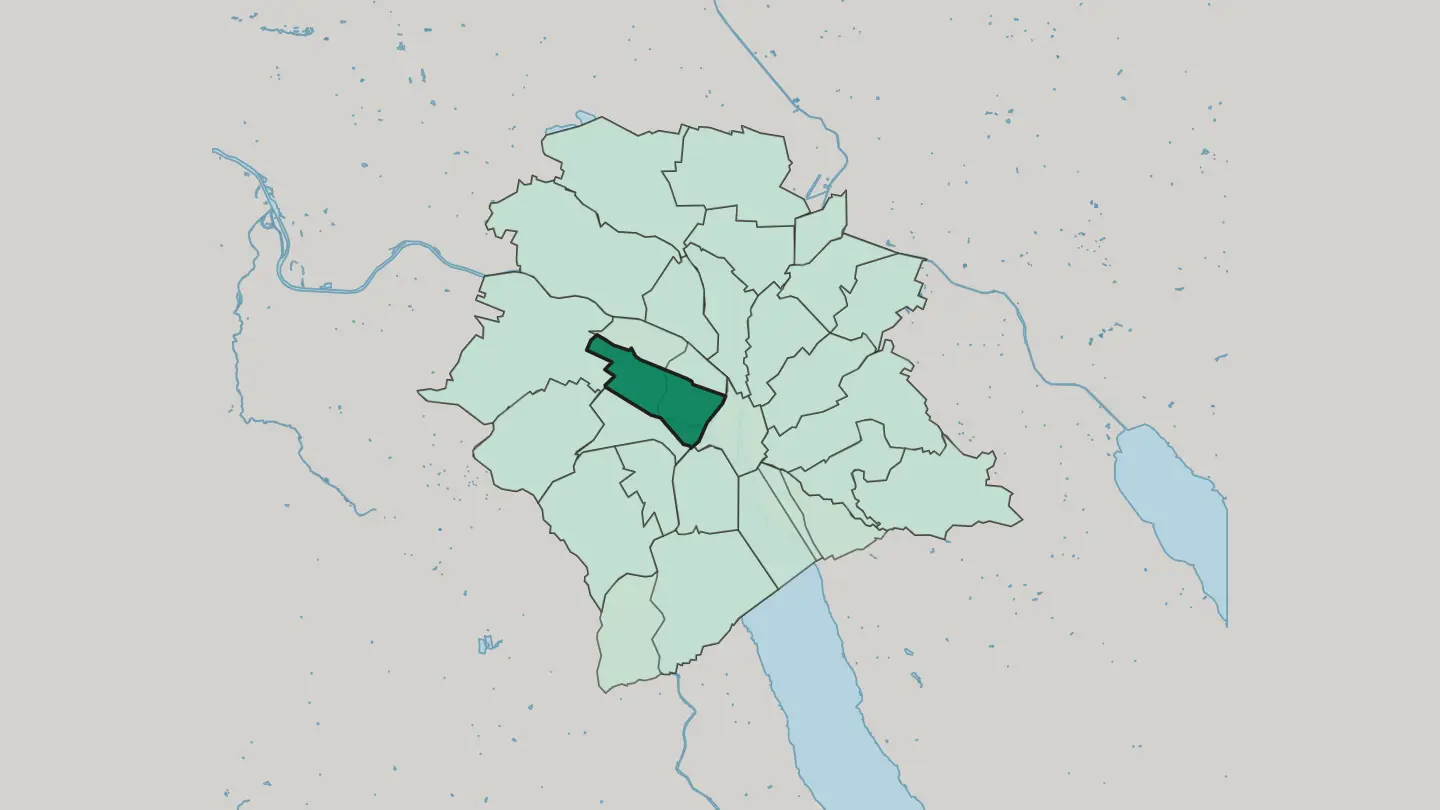
 ZürichSwitzerland
Zürich (Kreis 7) / Hottingen
Hottingen is a Zürich quarter in Kreis 7 with a literary address list, from the Literaturhaus Zürich to the Zürich James Joyce Foundation.Where to stay →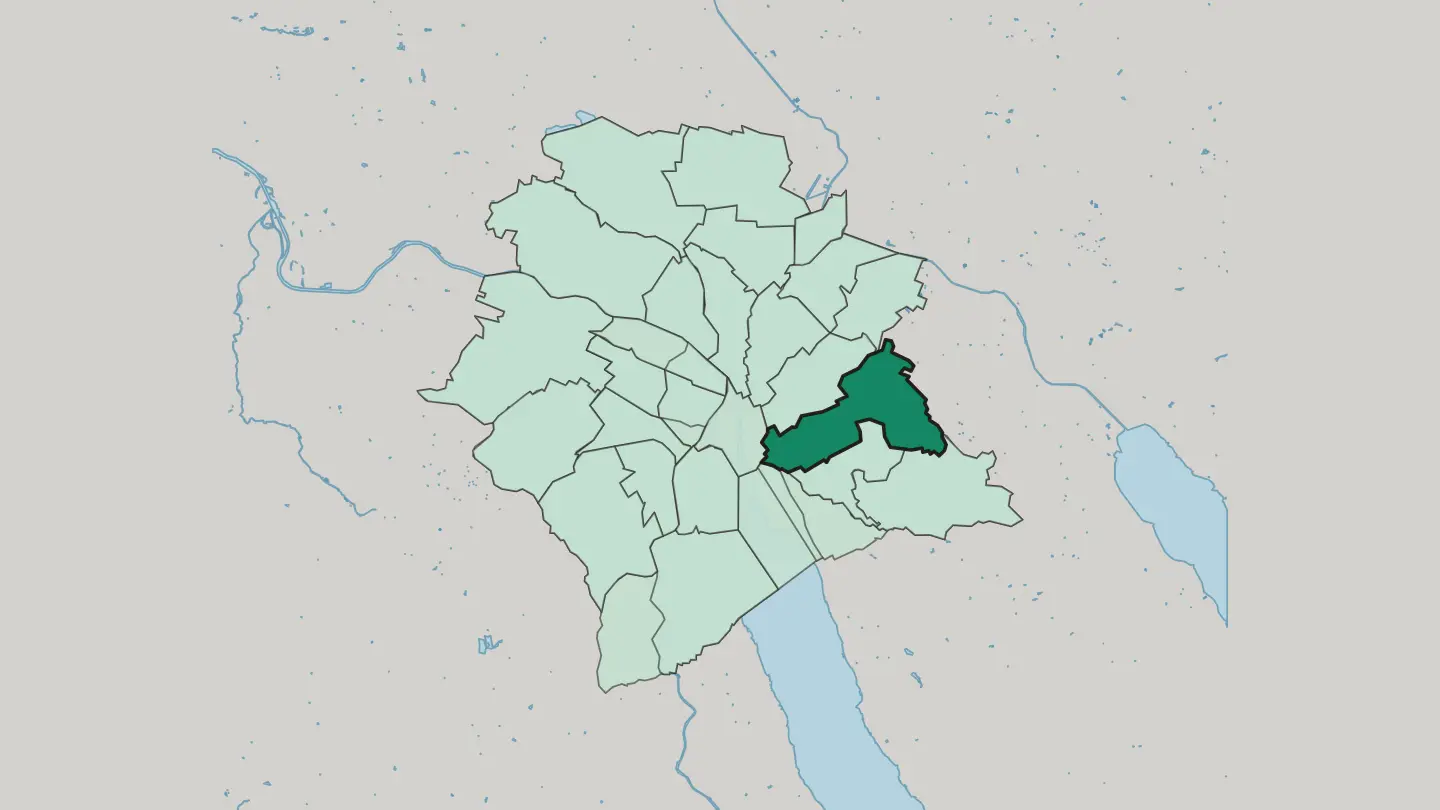
 ZürichSwitzerland
Zürich (Kreis 6) / Oberstrass
Oberstrass is a quarter of Kreis 6 in Zürich, close to the Zentralbibliothek Zürich and the university museums of the Swiss city.Where to stay →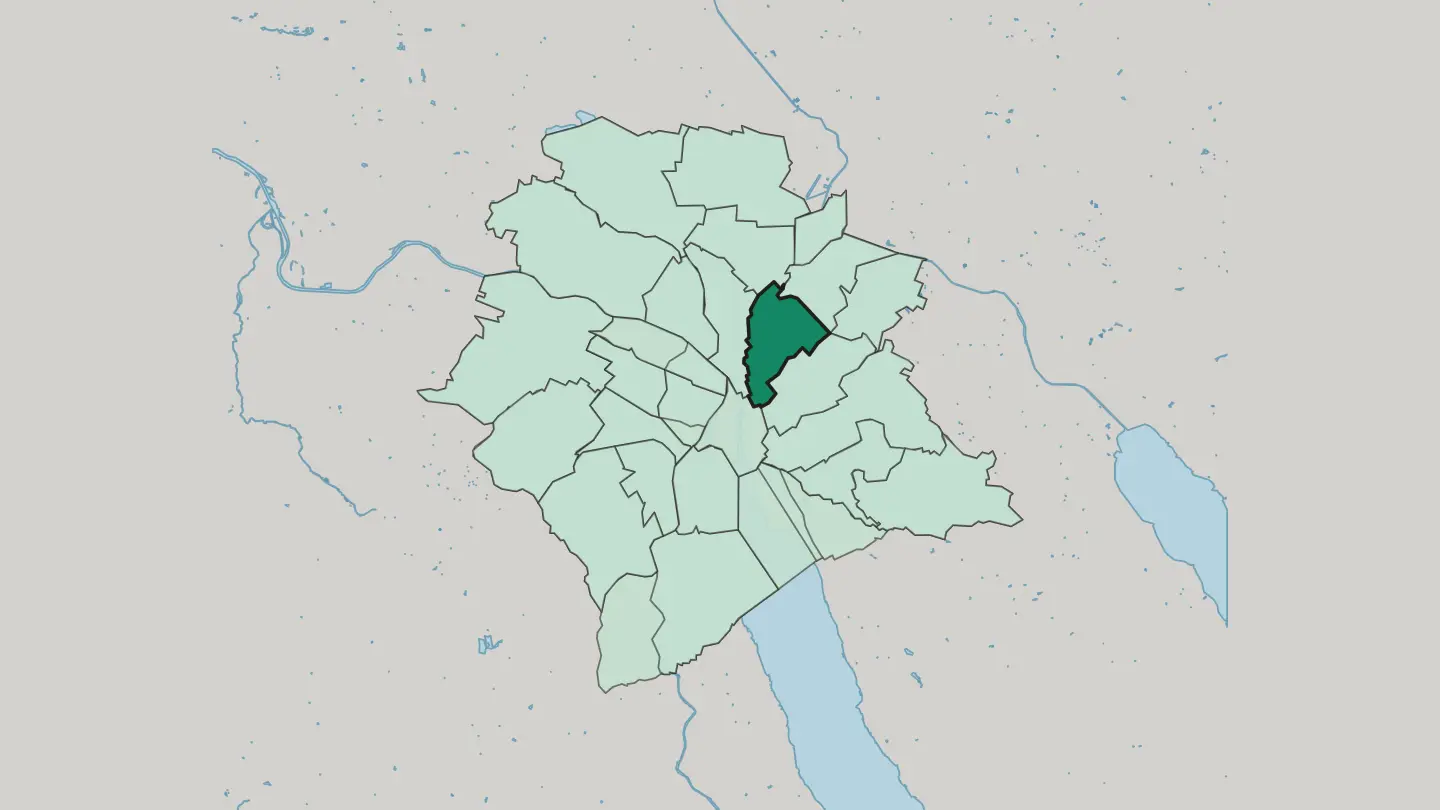
 ZürichSwitzerland
Zürich (Kreis 5) / Gewerbeschule
Gewerbeschule is a quarter of the Industriequartier in Zürich, with the Swiss National Museum, Haus Konstruktiv and Liebfrauenkirche close by.Where to stay →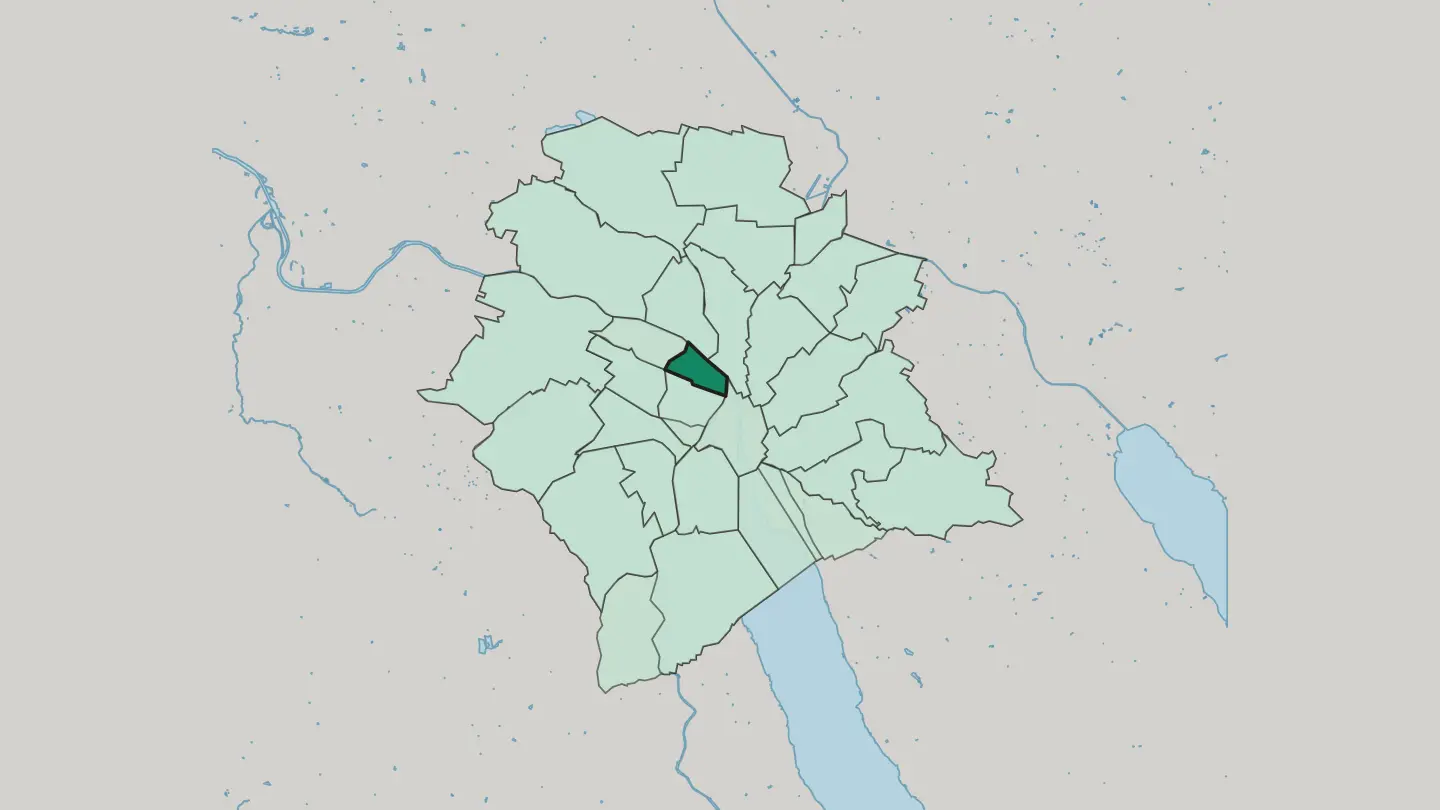
All neighbourhoods (45)
 ZürichSwitzerland
Letten
Letten is a district of Zürich, on the right bank of the Limmat.Where to stay → ZürichSwitzerland
Zürich (Kreis 8) / Seefeld
Seefeld is a quarter of Kreis 8 in Zürich, marked by the Pavillon Le Corbusier and a cluster of small artist museums.Where to stay → ZürichSwitzerland
Zürich (Kreis 7) / Fluntern
Fluntern is a quarter of Kreis 7 in Zürich, self-governing until 1893 and part of the city ever since.Where to stay →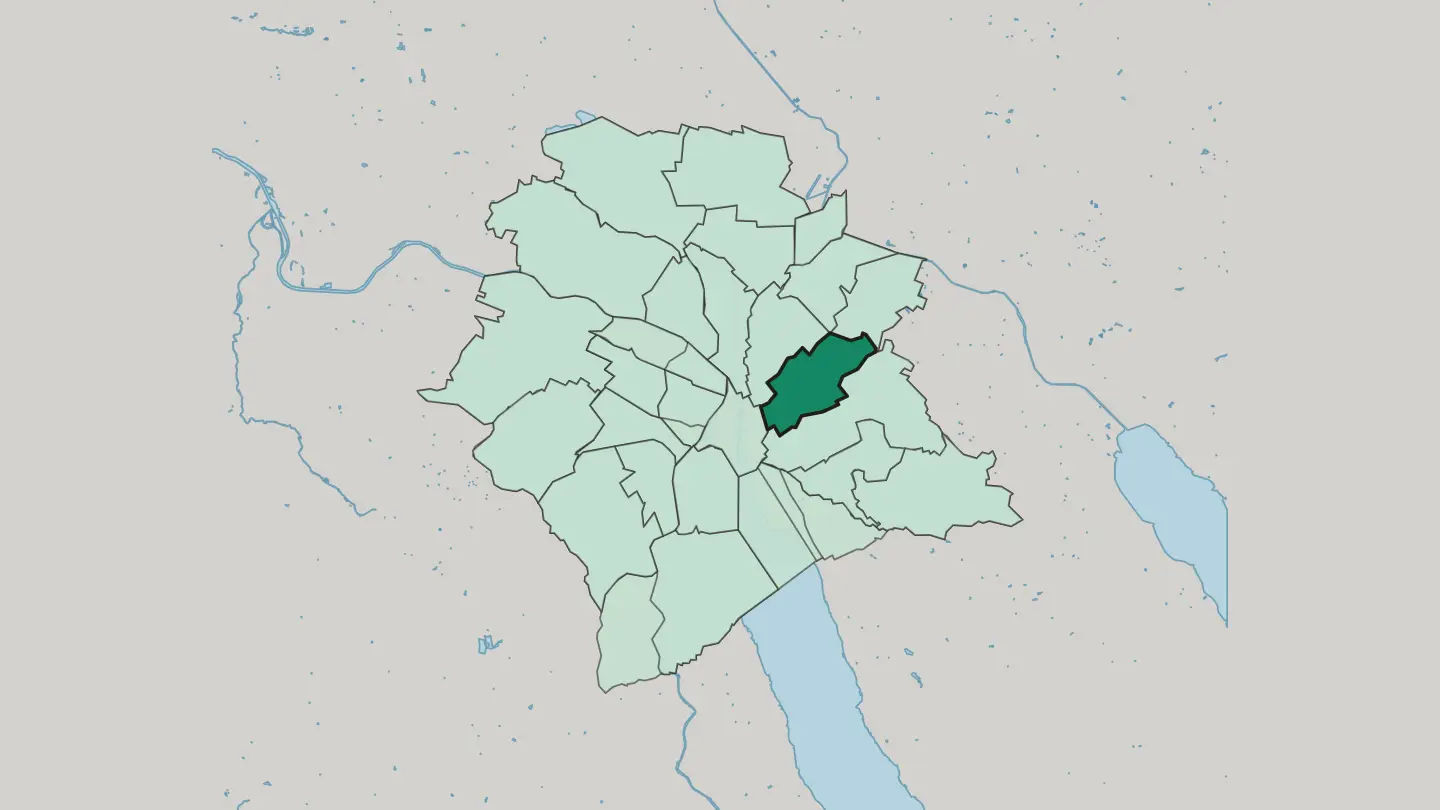
 ZürichSwitzerland
Zürich (Kreis 8) / Mühlebach
Inside Kreis 8, Mühlebach is the Zürich quarter whose list runs from the Rebekka-Brunnen to the Löwendenkmal and the Helmhaus.Where to stay →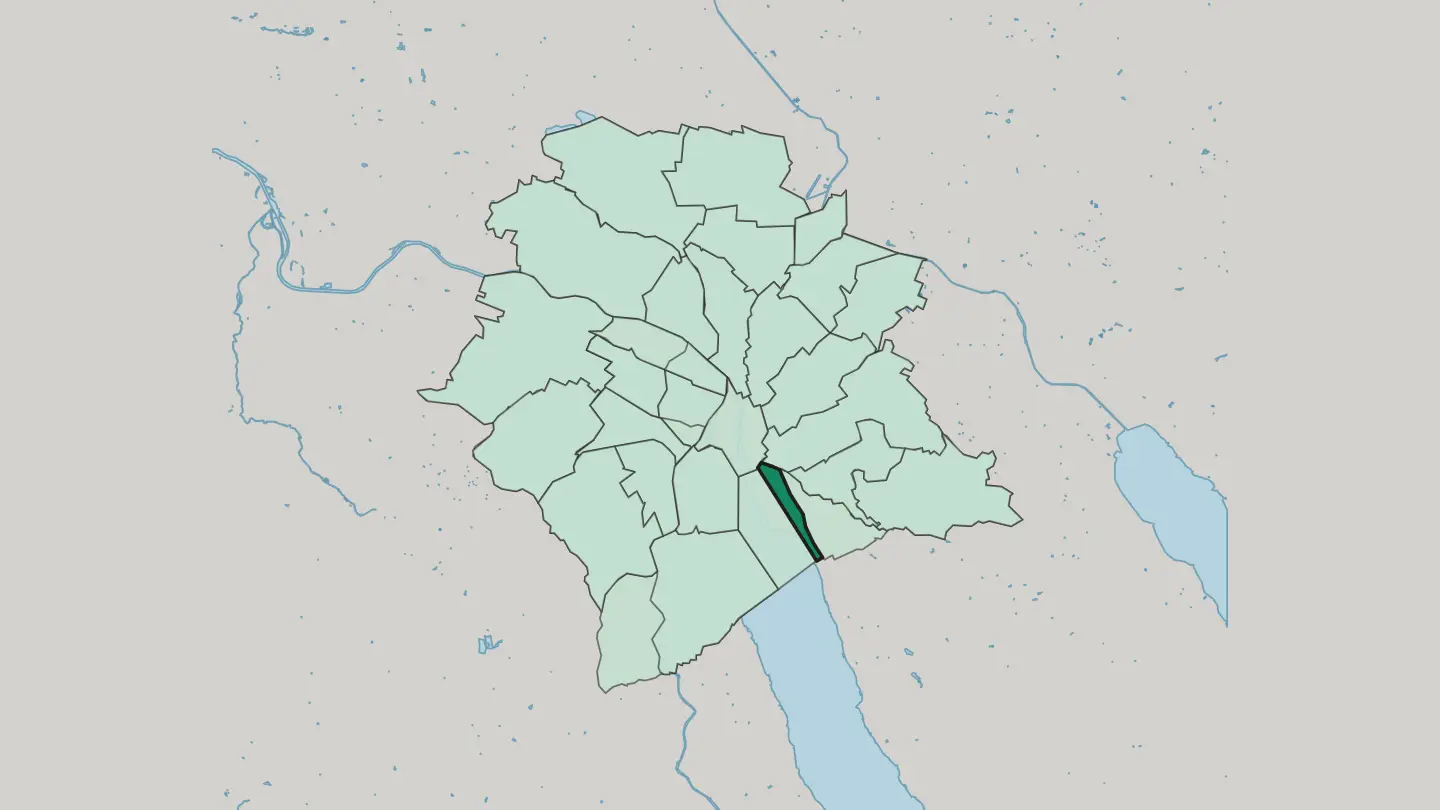
 ZürichSwitzerland
Zürich (Kreis 3) / Sihlfeld
Sihlfeld is a quarter of Zürich's Kreis 3 (Wiedikon), formed not from an old municipality but when the Statistical Office divided Wiedikon into three.Where to stay →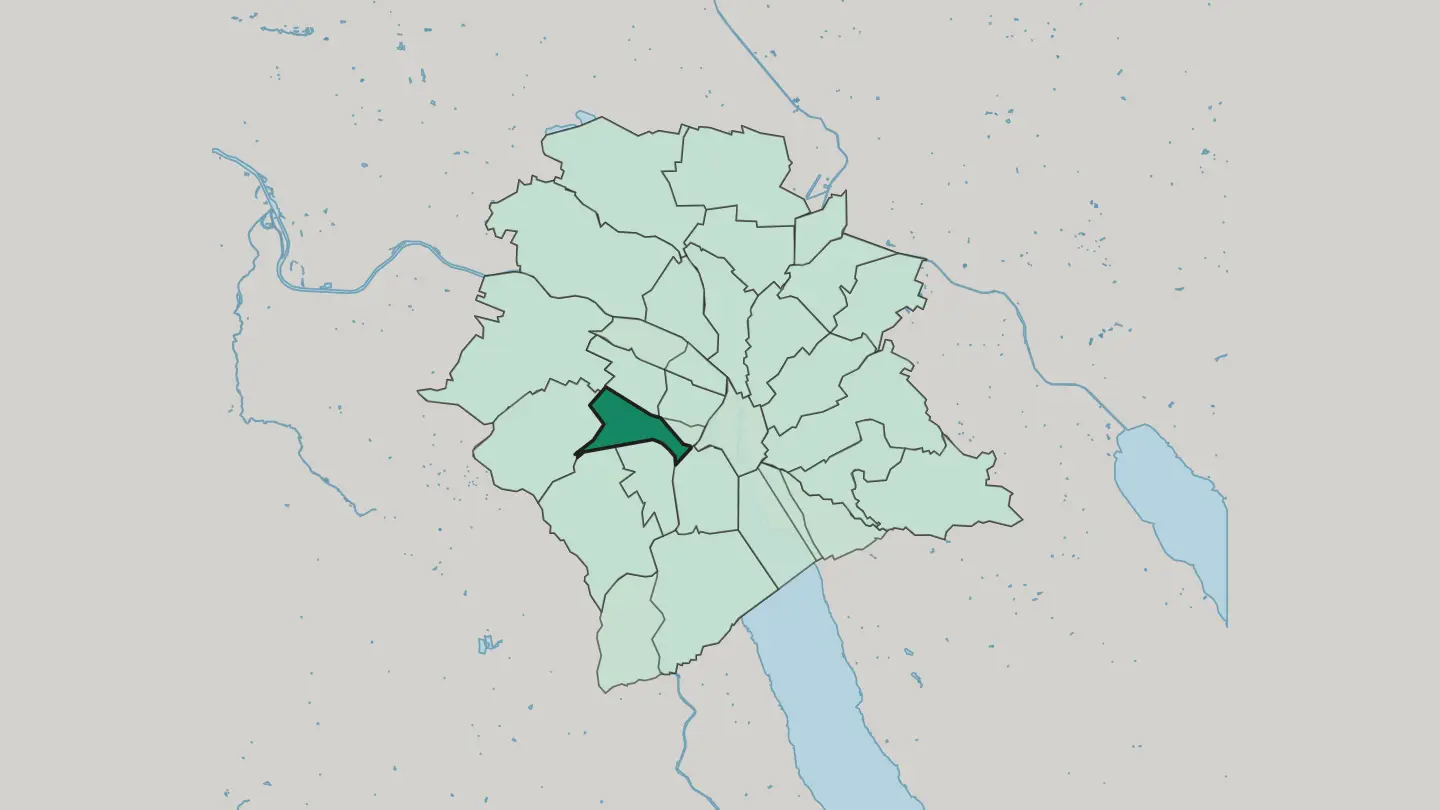
 ZürichSwitzerland
Zürich (Kreis 6) / Unterstrass
Unterstrass, a municipality of its own until Zürich took it in in 1893, is a quarter that forms the city's Kreis 6 together with Oberstrass.Where to stay →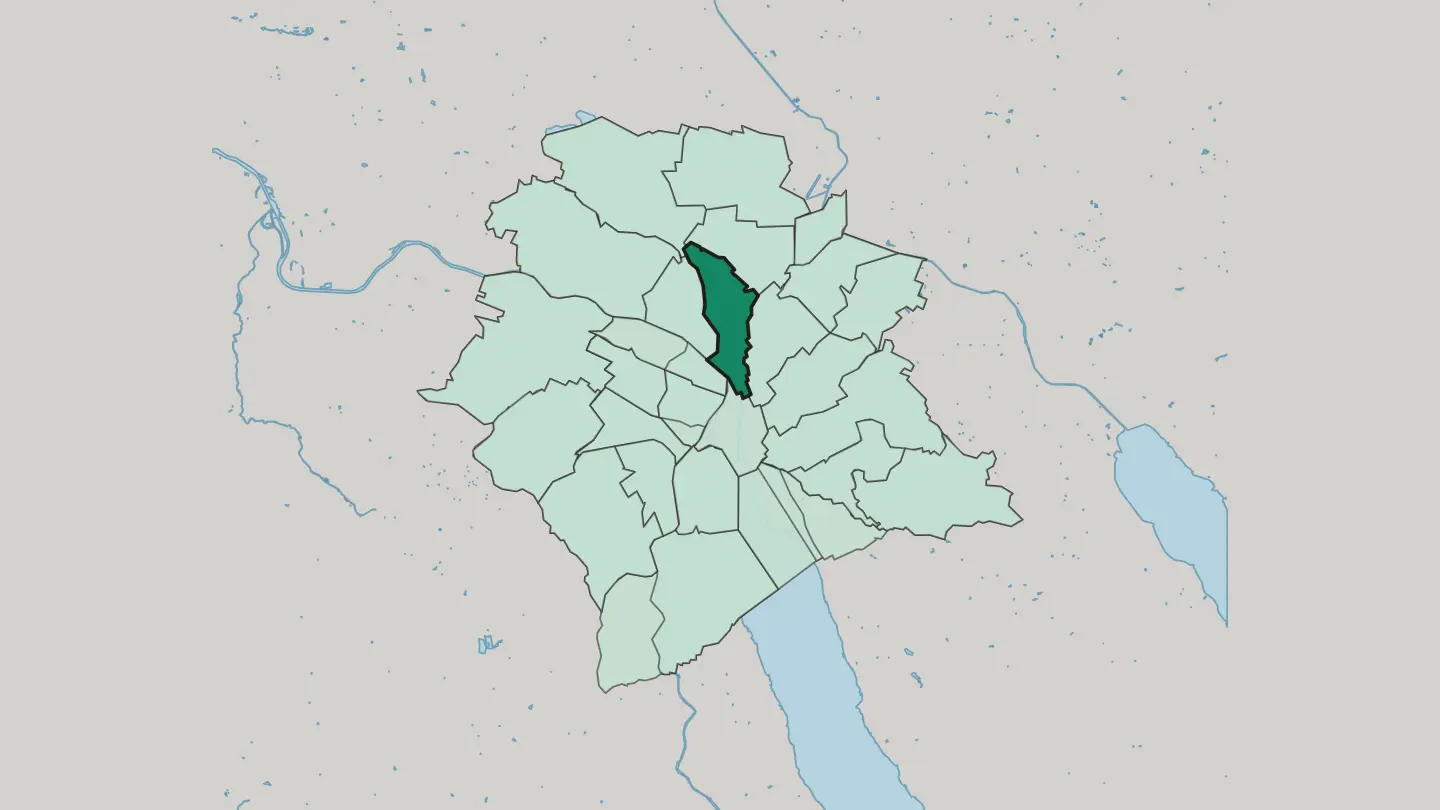
 ZürichSwitzerland
Zürich (Kreis 4) / Hard
Hard is a quarter of District 4 in Zürich, with Puls 5, the Maag Halle and the Kunsthalle Zürich among the addresses on its list.Where to stay →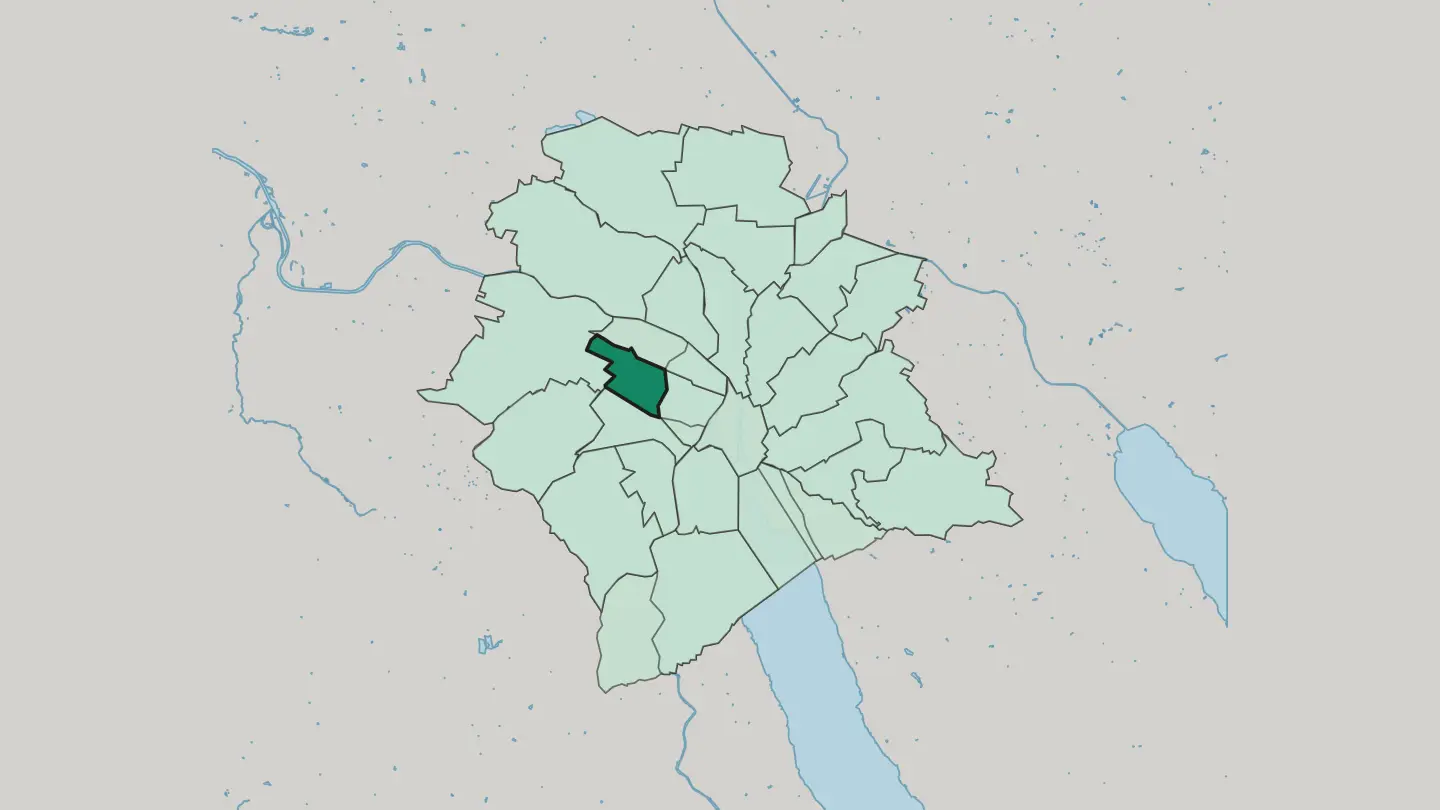 ZürichSwitzerland
Zürich (Kreis 6)
Zürich (Kreis 6) runs north of the old town in the Swiss city of Zürich, with the MoneyMuseum and the Martin Luther Church inside it.Where to stay →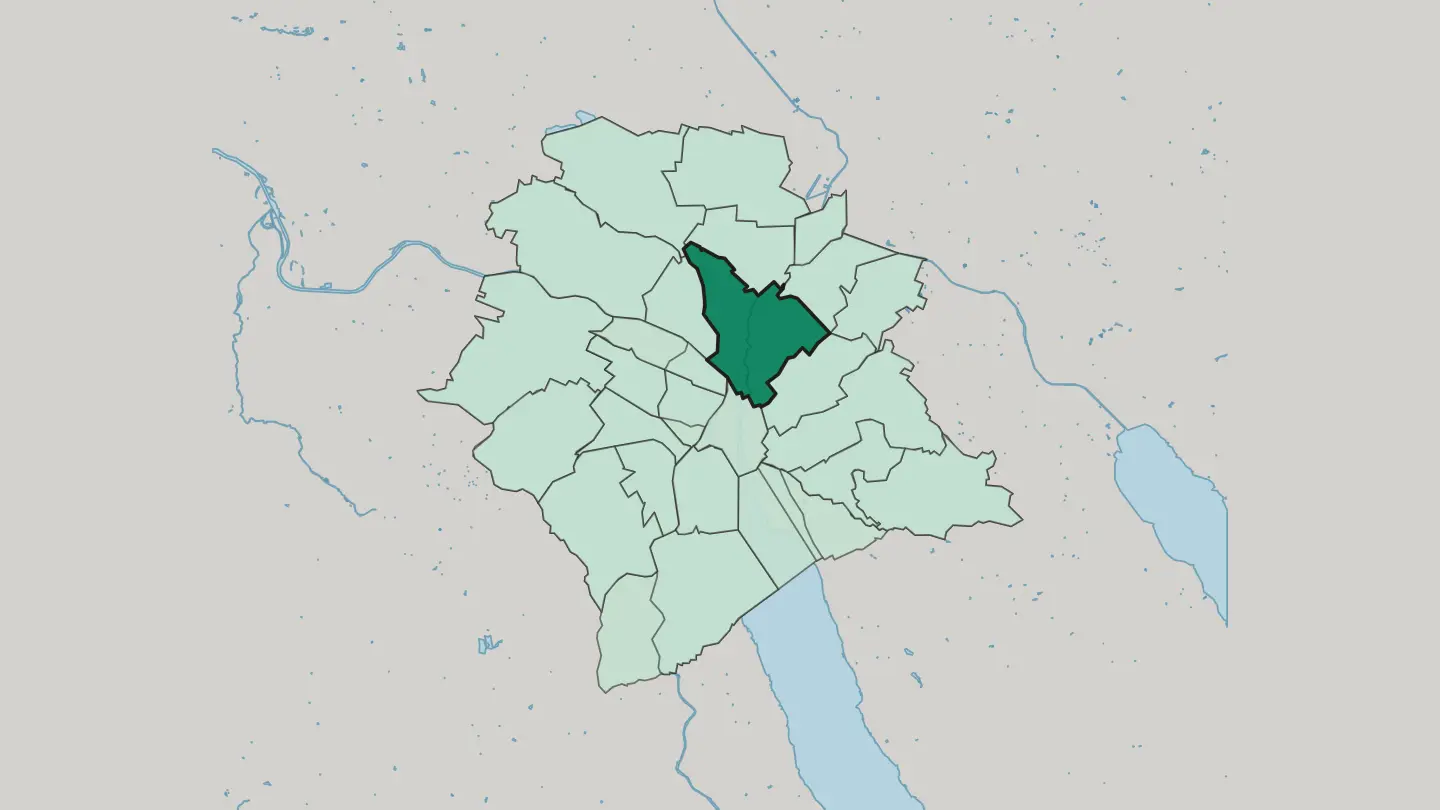
 ZürichSwitzerland
Zürich (Kreis 3)
A Zürich district recorded under the name Wiedikon, with the Zwinglikirche, Sportanlage Sihlhölzli and Don Bosco Zürich among its landmarks.Where to stay →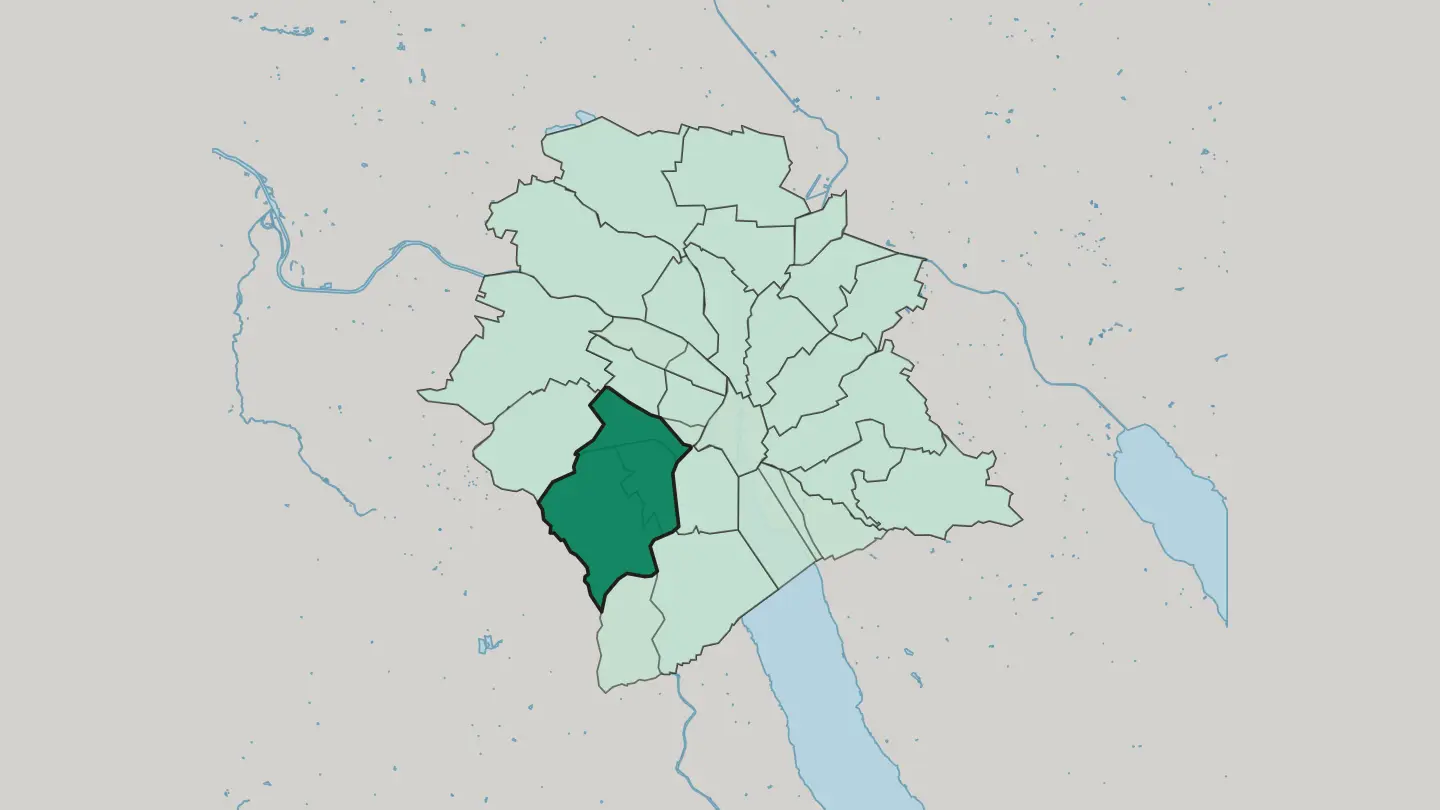
 ZürichSwitzerland
Zürich (Kreis 5)
Kreis 5, the Industriequartier, is a city district of Zürich along the Limmat, split for statistics into the quarters of Gewerbeschule and Escher Wyss.Where to stay →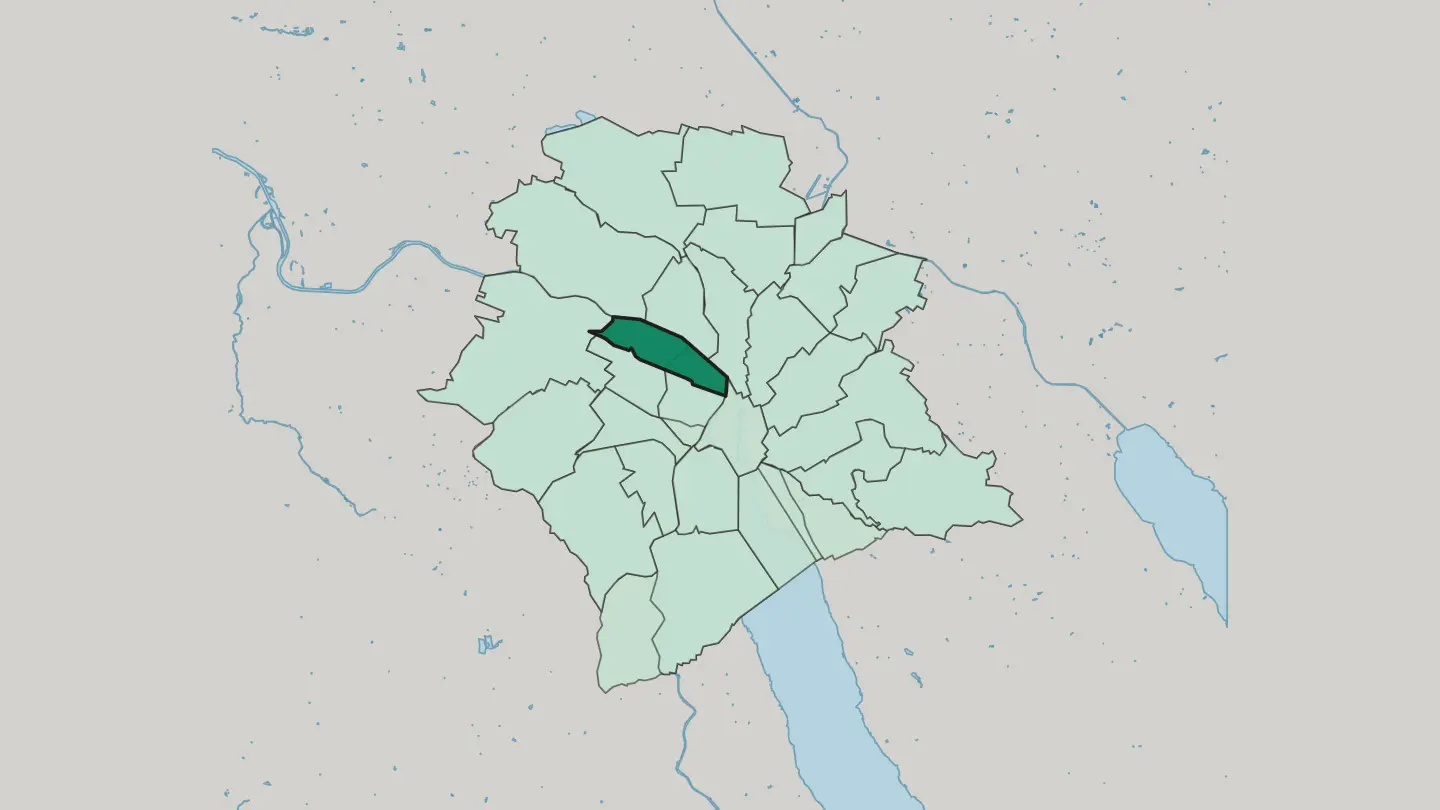 ZürichSwitzerland
Zürich (Kreis 3) / Alt-Wiedikon
Alt-Wiedikon is a quarter in district 3 of Zürich, close to Museum Rietberg, the Zwinglikirche and the Sportanlage Sihlhölzli.Where to stay →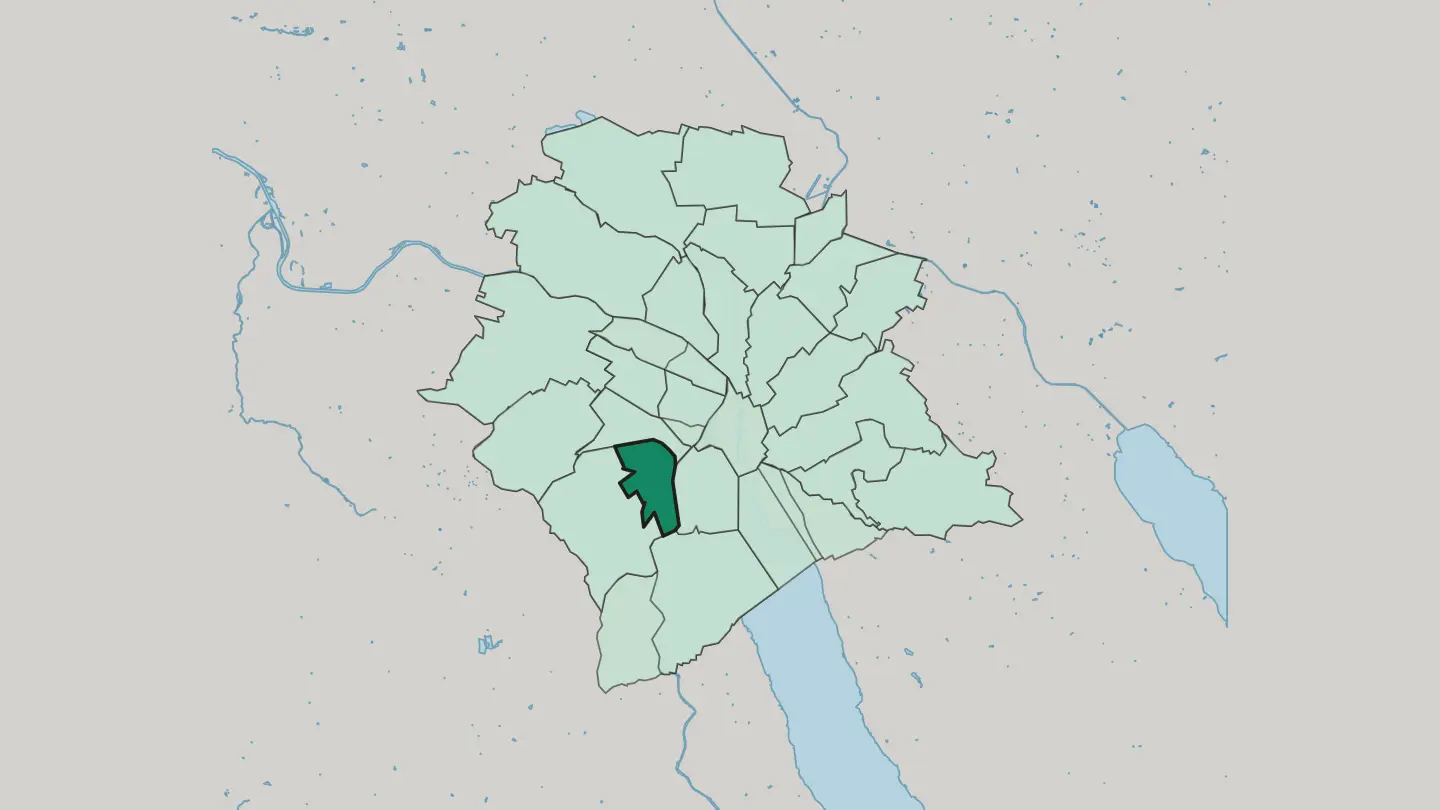 ZürichSwitzerland
Zürich (Kreis 7) / Hirslanden
Kreis 7 in Zürich takes in Hirslanden, a quarter whose recorded landmarks run to galleries, ateliers and churches.Where to stay →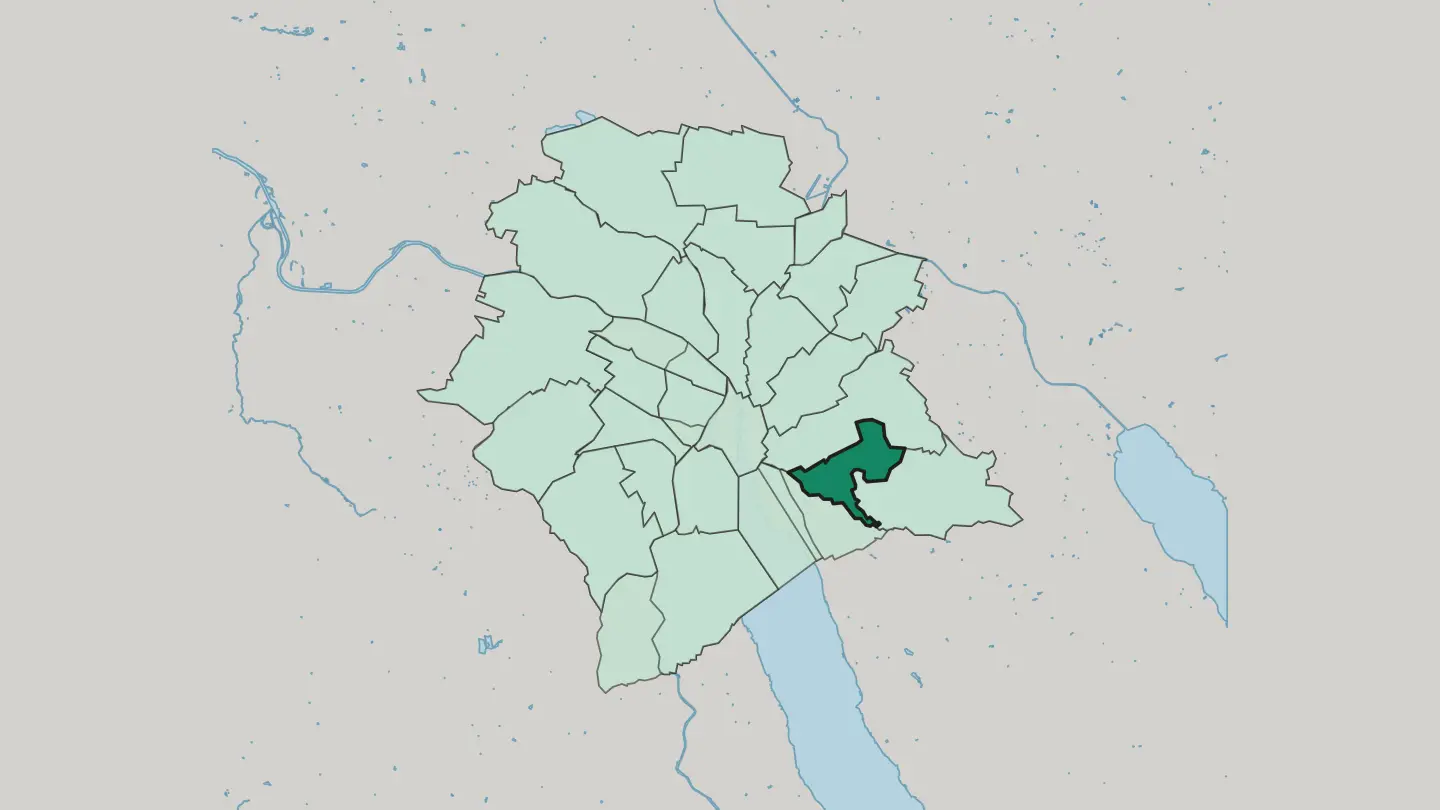
 ZürichSwitzerland
Zürich (Kreis 10) / Wipkingen
Wipkingen sits in district 10 of Zürich, a quarter whose landmark list runs from the Kunsthalle Zürich to the Pauluskirche.Where to stay →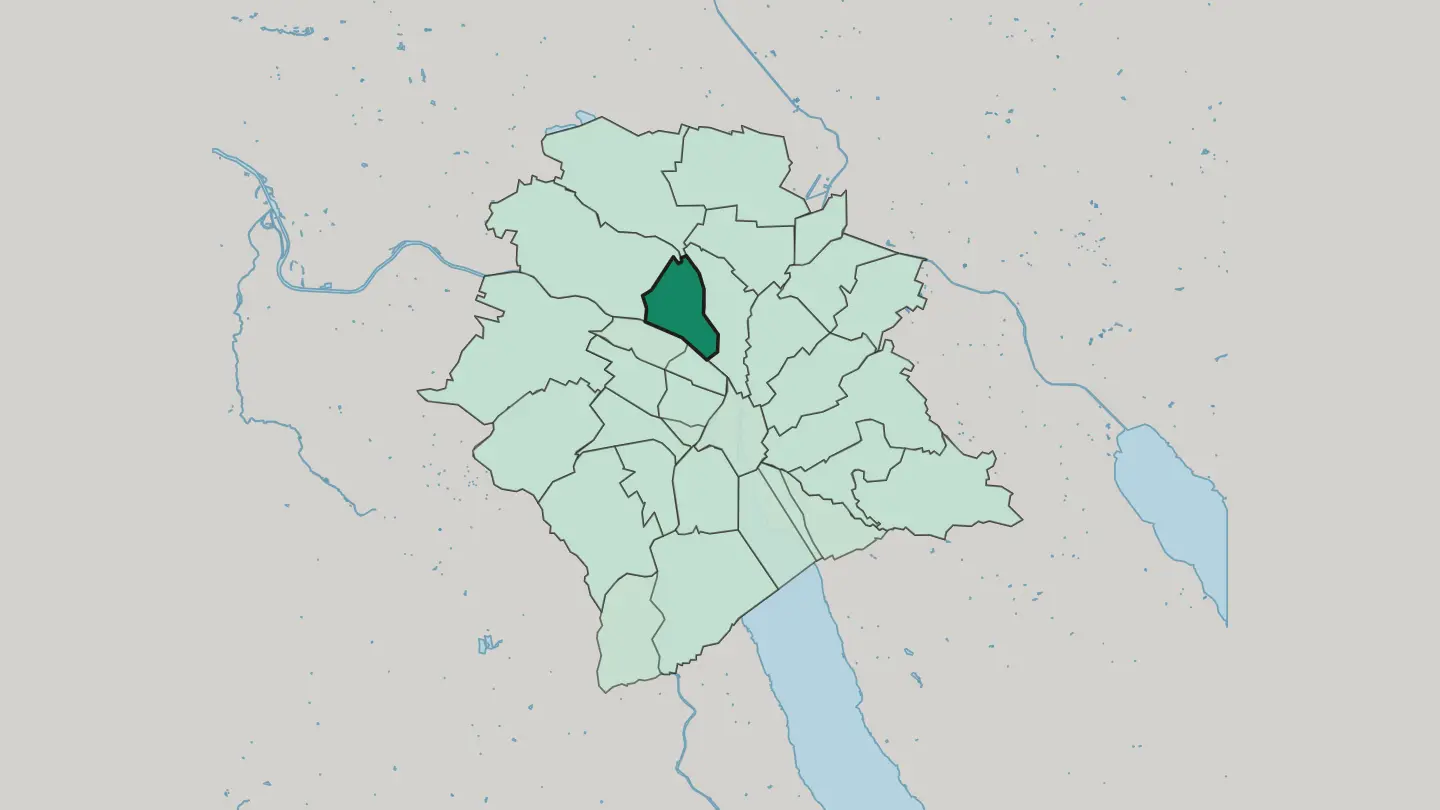 ZürichSwitzerland
Zürich (Kreis 5) / Escher-Wyss
Escher Wyss is a quarter of Kreis 5 in Zürich, centred on Escher-Wyss-Platz and holding Puls 5, the MuDA and the Swiss Finance Museum.Where to stay → ZürichSwitzerland
Zürich (Kreis 8) / Weinegg
Weinegg is a quarter of Kreis 8 in Zürich, where the Zurich Tram Museum, the North America Native Museum and the Kirche Balgrist share a few streets.Where to stay → ZürichSwitzerland
Zürich (Kreis 8)
Kreis 8 is the Zürich district also called Riesbach, taking in Seefeld, Mühlebach and Weinegg along the Lake Zürich shore.Where to stay →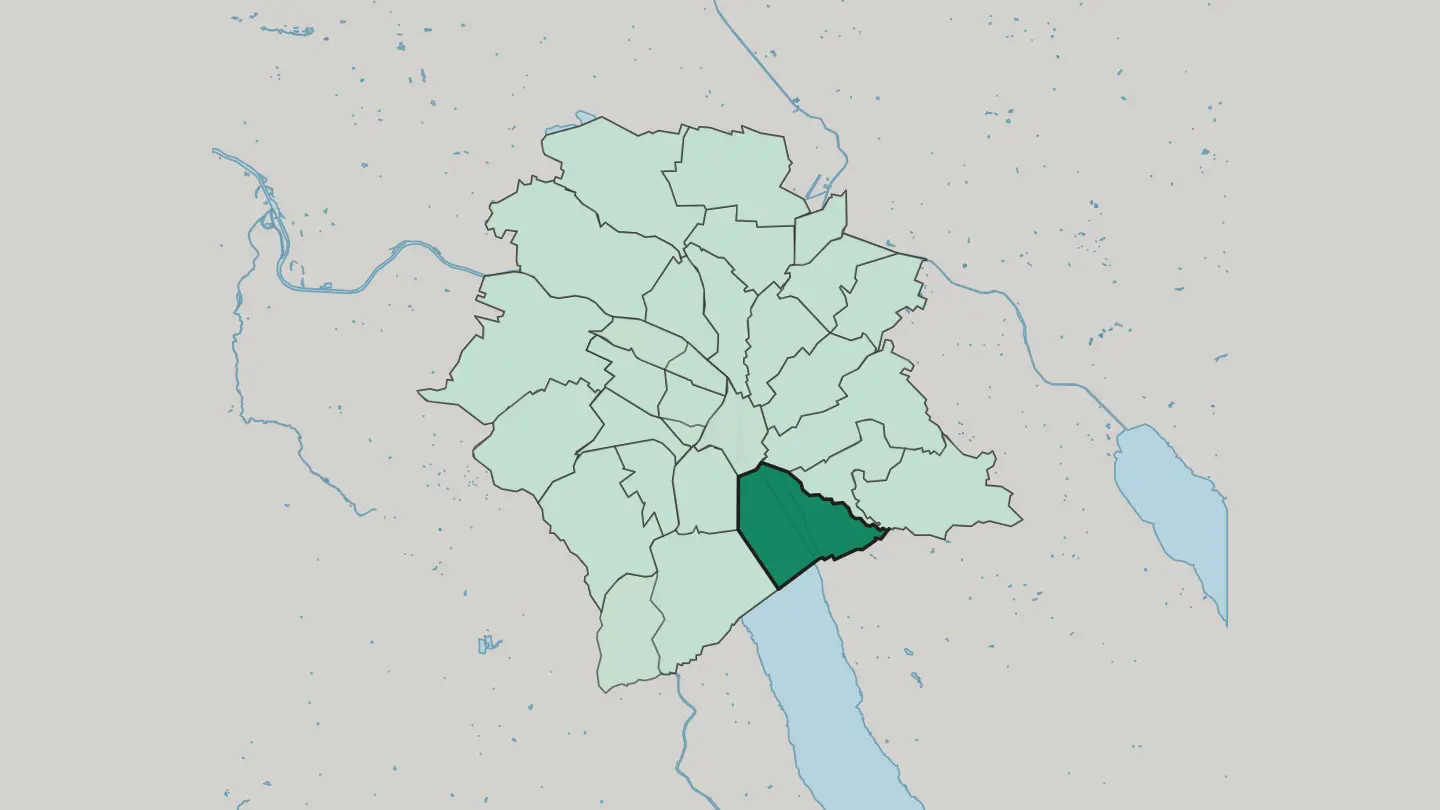 ZürichSwitzerland
Zürich (Kreis 7)
Zürich (Kreis 7) lies east of the old town in the Swiss city of Zürich, and Zürich Zoo sits inside it.Where to stay →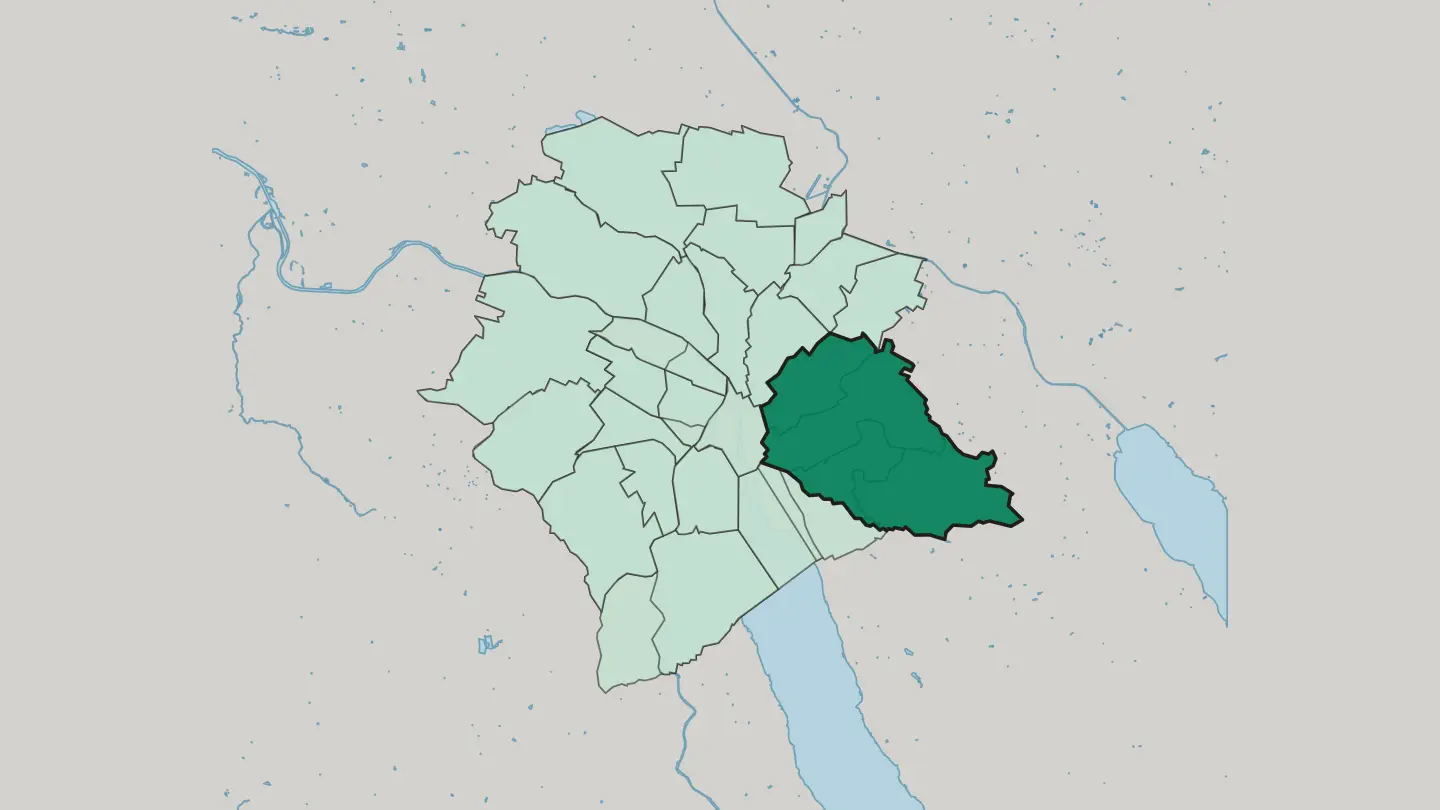
 ZürichSwitzerland
Zürich (Kreis 3) / Friesenberg
Friesenberg is a Zürich quarter at the foot of the Uetliberg, part of the old municipality of Wiedikon that became district 3.Where to stay →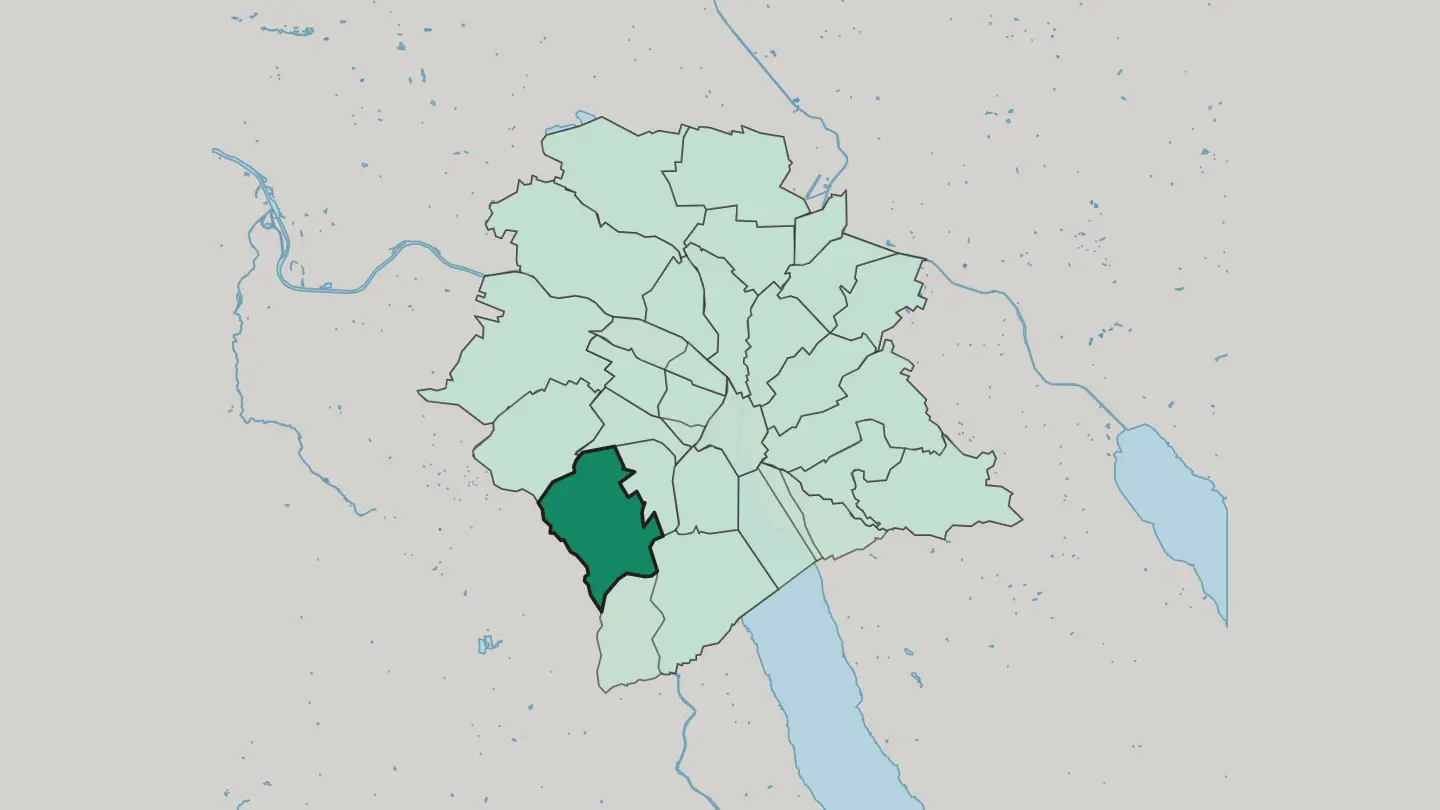
 ZürichSwitzerland
Zürich (Kreis 2) / Wollishofen
A former municipality merged into Zürich in 1893, and a quarter of Kreis 2 in the eastern foothills of Uetliberg.Where to stay →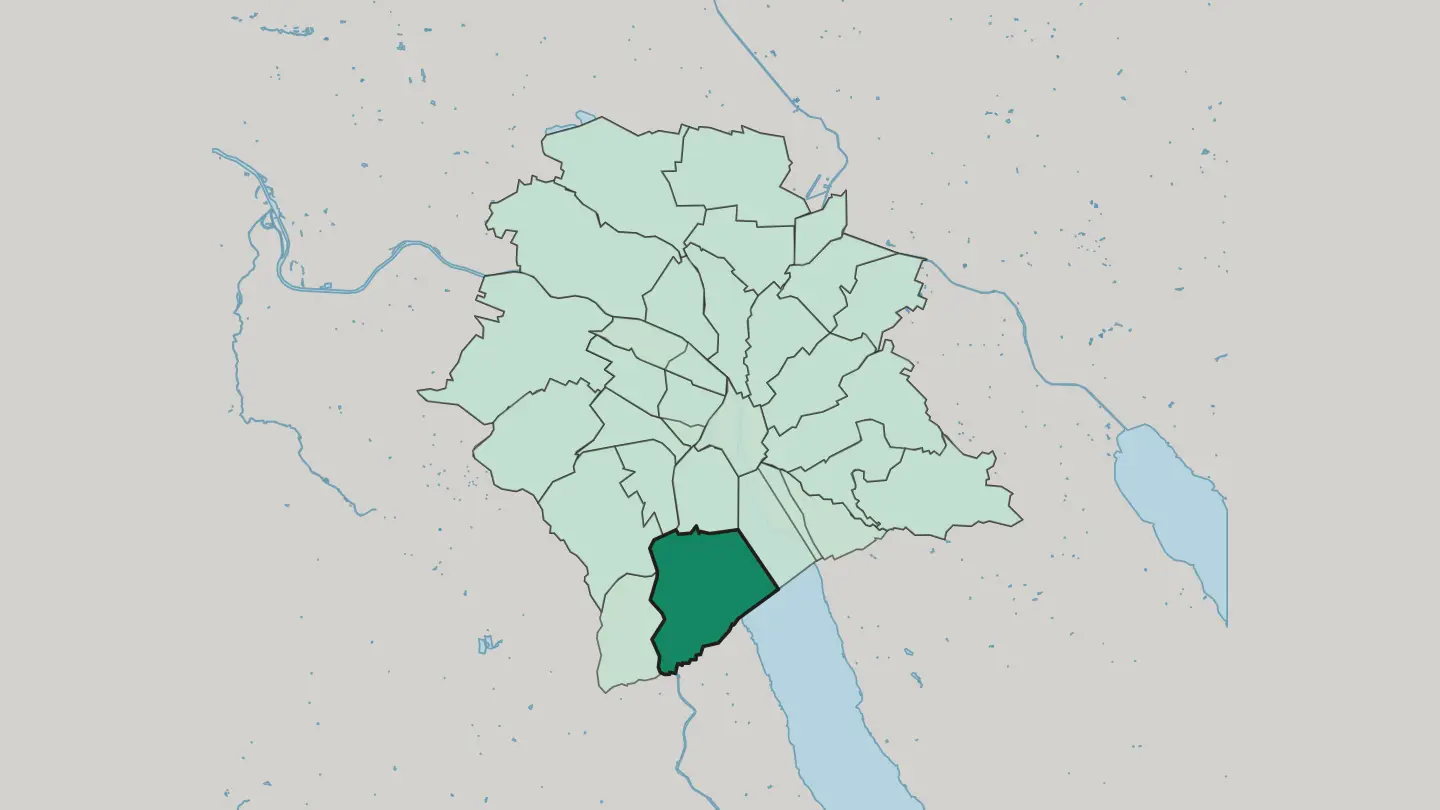 ZürichSwitzerland
Zürich (Kreis 3) / Friesenberg (Siedlung)
Friesenberg is a Zürich district at the foot of the Uetliberg, part of Wiedikon until that municipality joined the city in 1893.Where to stay → ZürichSwitzerland
Zürich (Kreis 10) / Höngg
A quarter of district 10 in Zürich, Höngg keeps Heilig Geist, the Swiss Finance Museum and the MuDA among its addresses.Where to stay →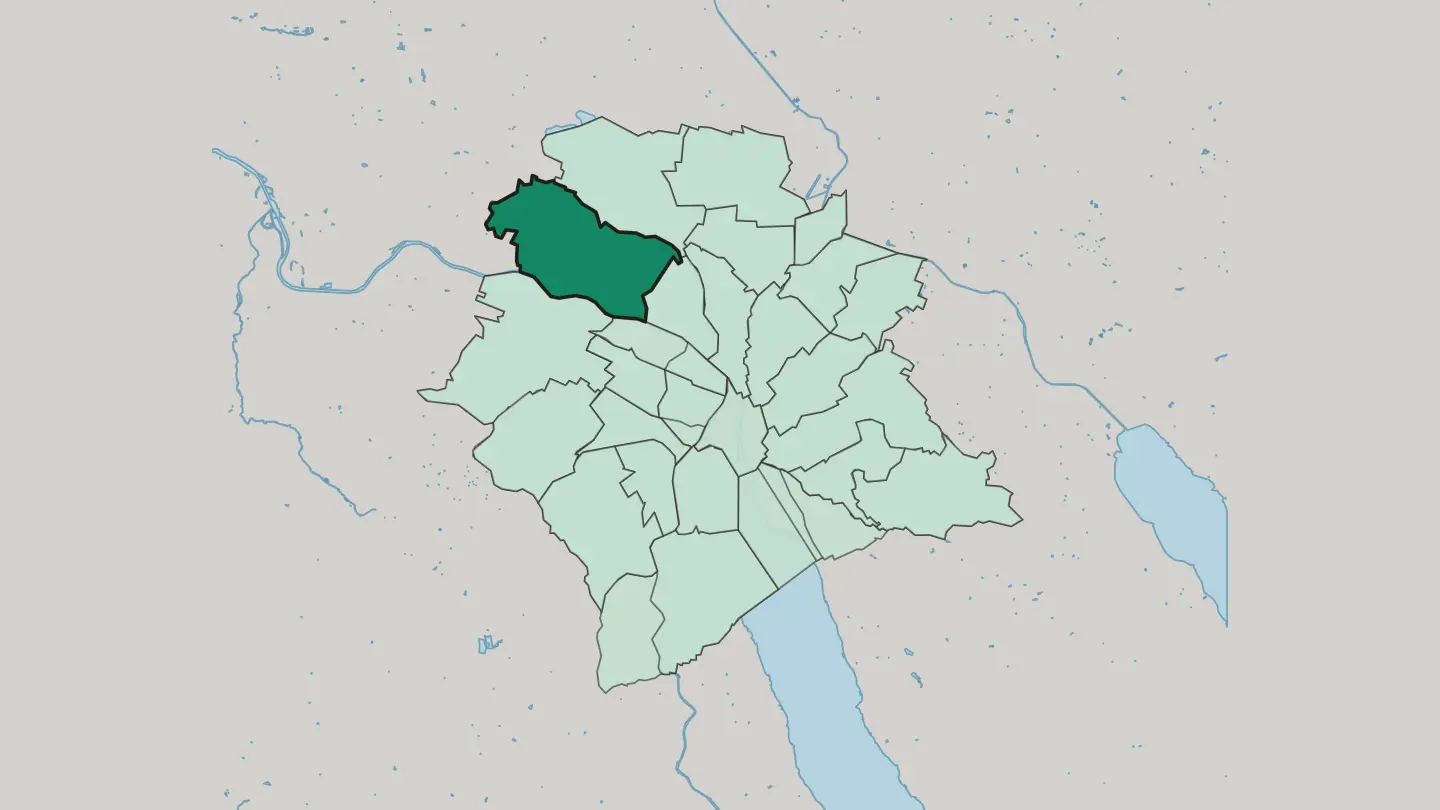
 ZürichSwitzerland
Zürich (Kreis 7) / Witikon
Witikon, in Kreis 7, is one of the residential quarters of Zürich, with the Neue Kirche Witikon as the landmark carrying its name.Where to stay →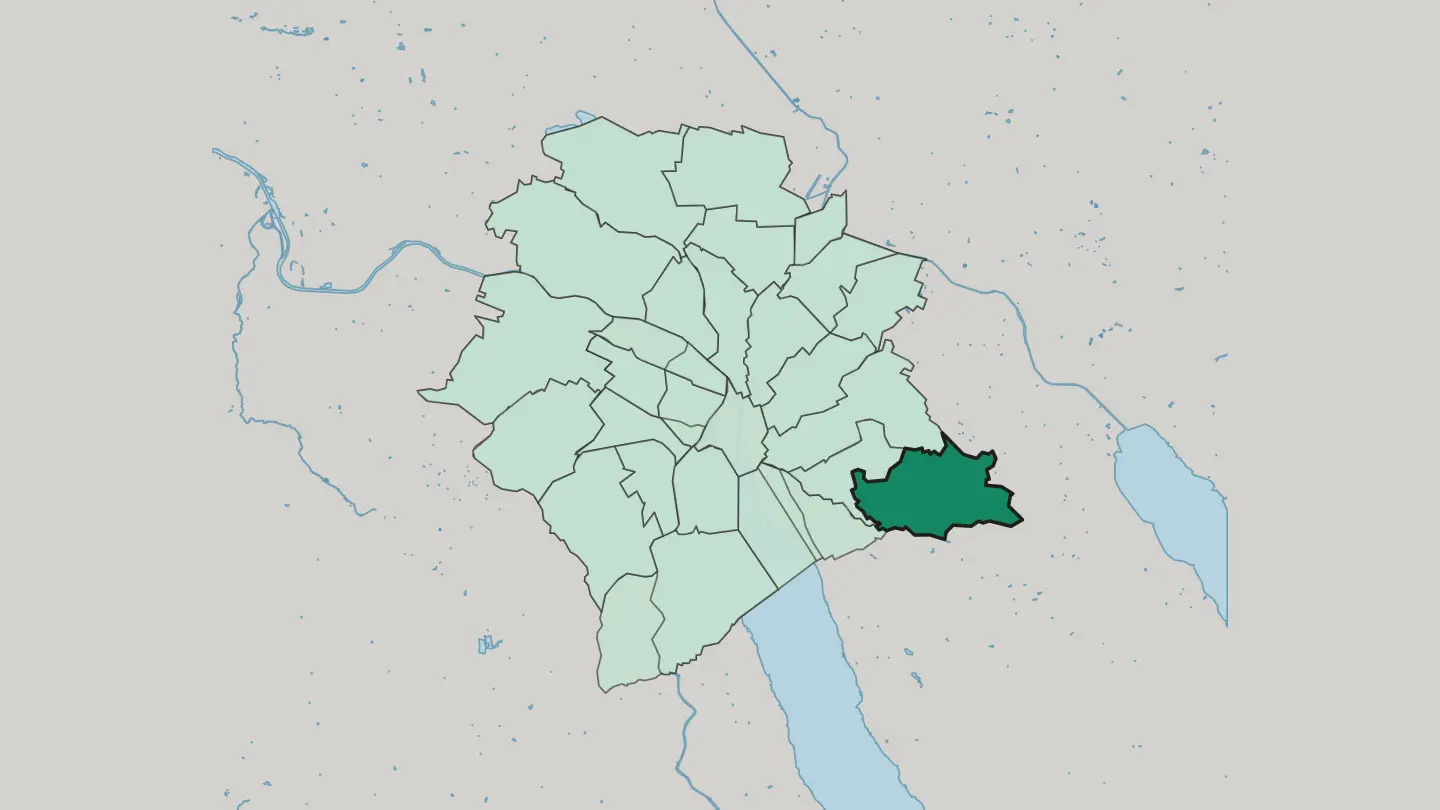
 ZürichSwitzerland
Zürich (Kreis 12)
Zürich's district 12 covers under six square kilometres and reaches the record under the name Schwamendingen, with three churches to its list.Where to stay →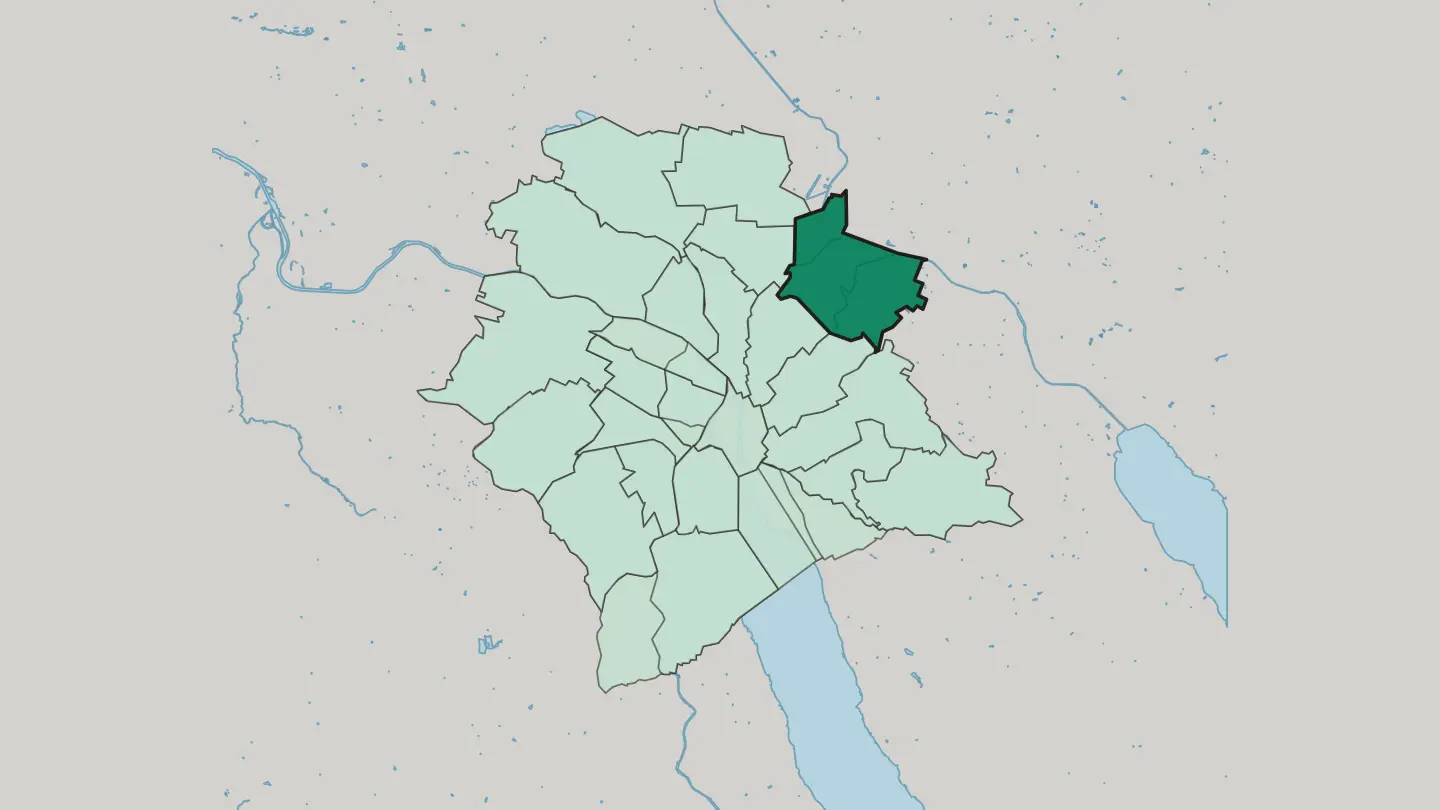 ZürichSwitzerland
Zürich (Kreis 12) / Saatlen
A quarter of Zürich's Kreis 12, lying on the Glatt Valley floor alongside Schwamendingen Mitte and Hirzenbach.Where to stay →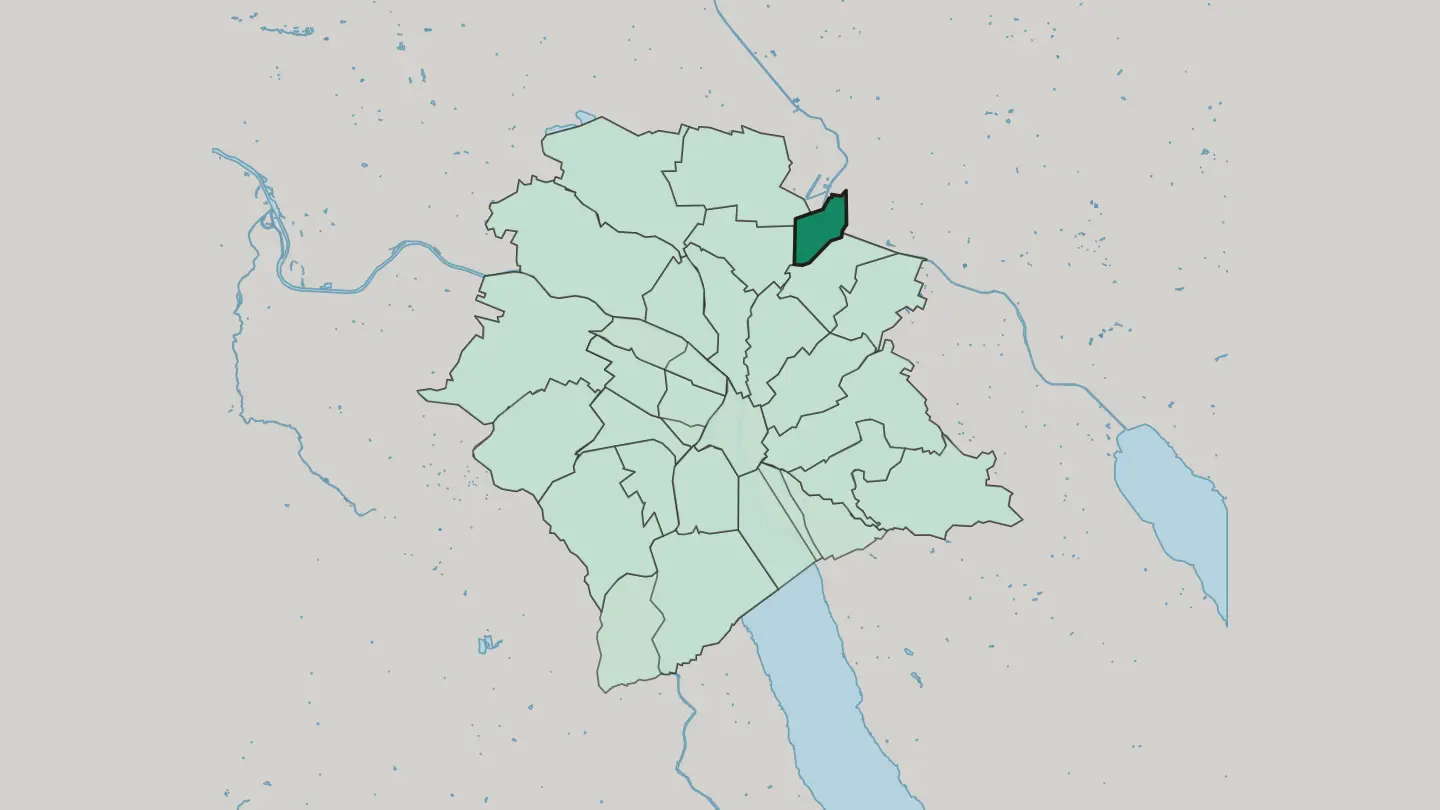 ZürichSwitzerland
Zürich (Kreis 9) / Albisrieden
A quarter inside Zürich's district 9, Albisrieden carries the Alte Kirche Albisrieden and shares its ward with Altstetten.Where to stay →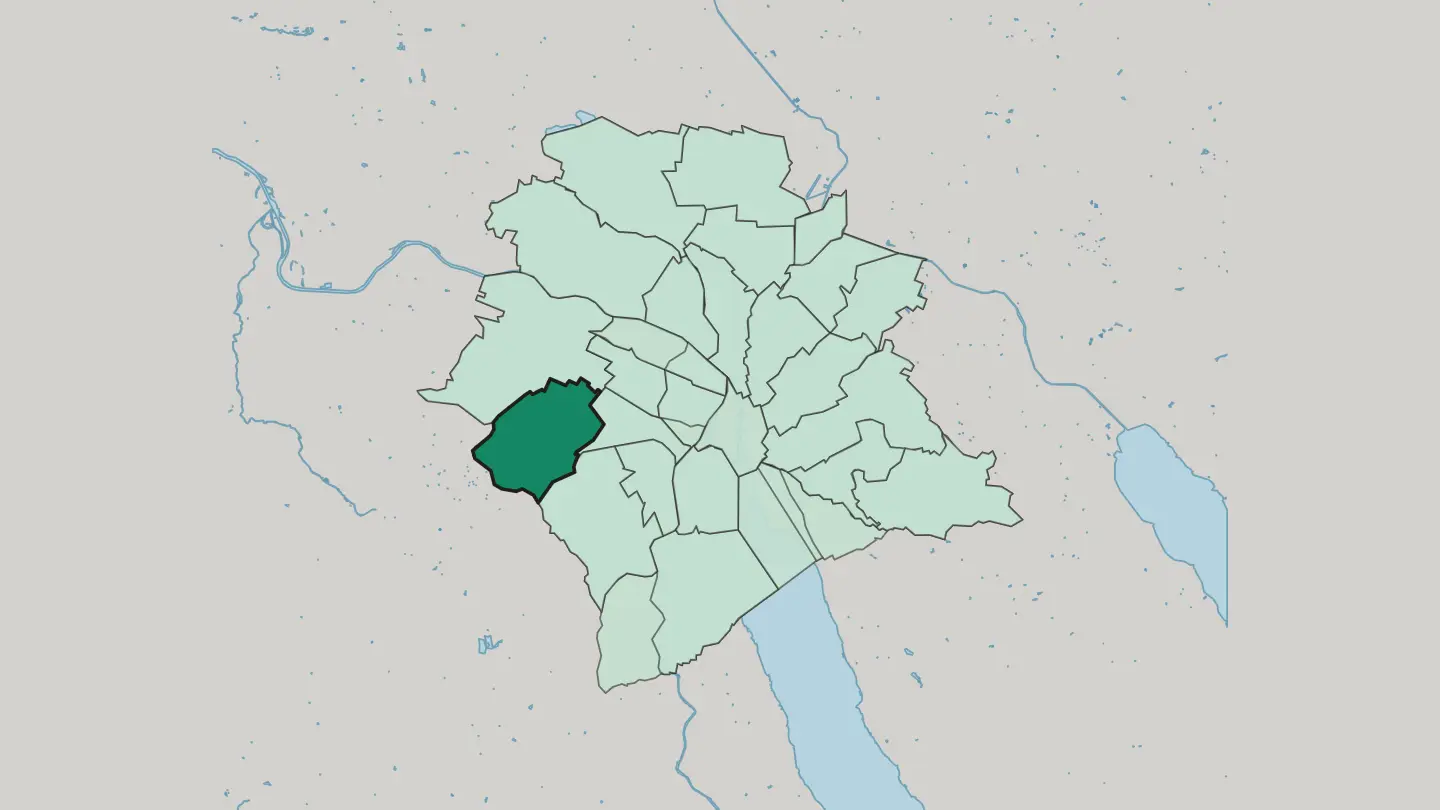 ZürichSwitzerland
Zürich (Kreis 2)
A Zürich district on the western side of Lake Zurich, holding Manegg Castle, the Shedhalle and Kirche Leimbach.Where to stay →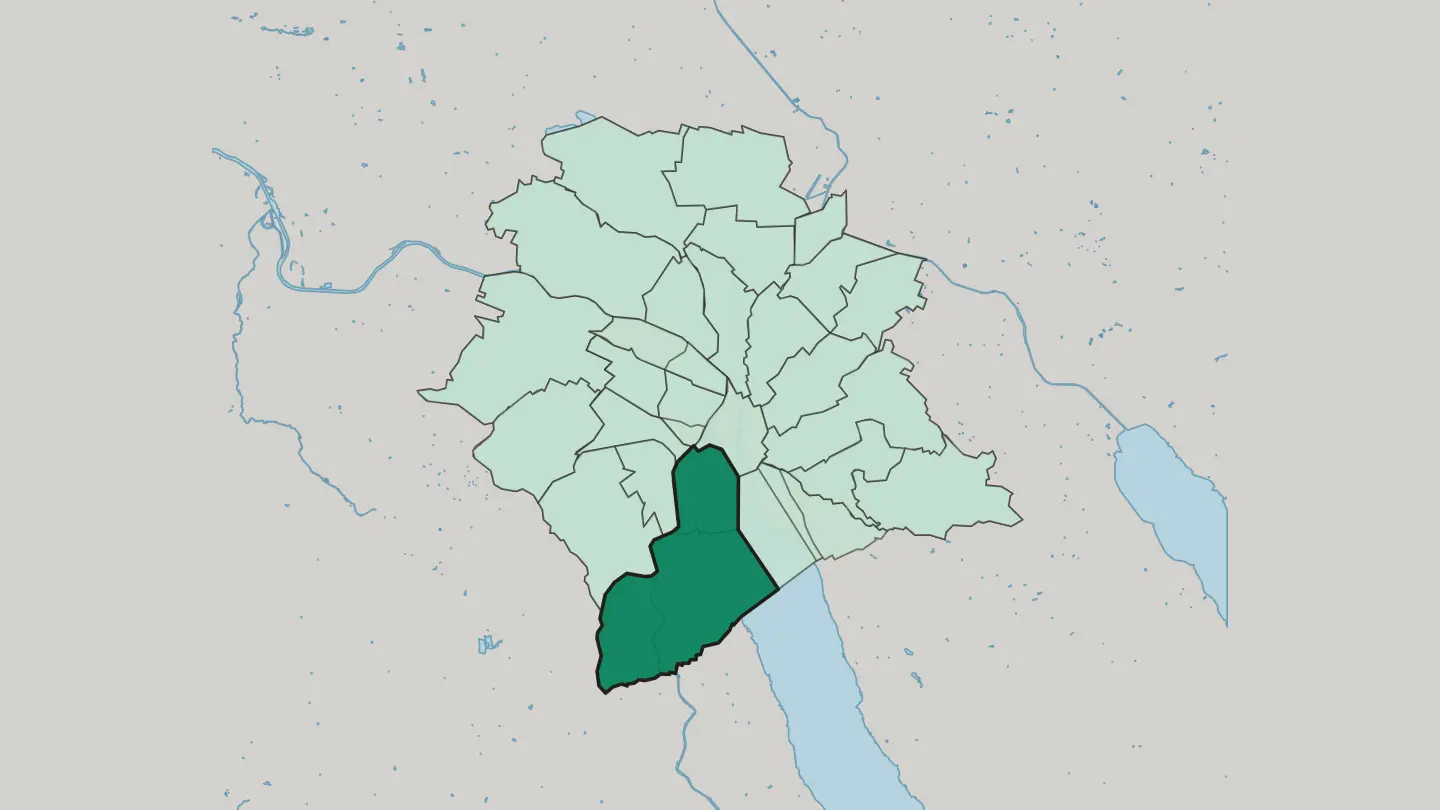 ZürichSwitzerland
Zürich (Kreis 12) / Schwamendingen-Mitte
A Glatt Valley quarter inside Zürich's Kreis 12, with Sportzentrum Heerenschürli and Stefanskirche Hirzenbach among its fixed points.Where to stay →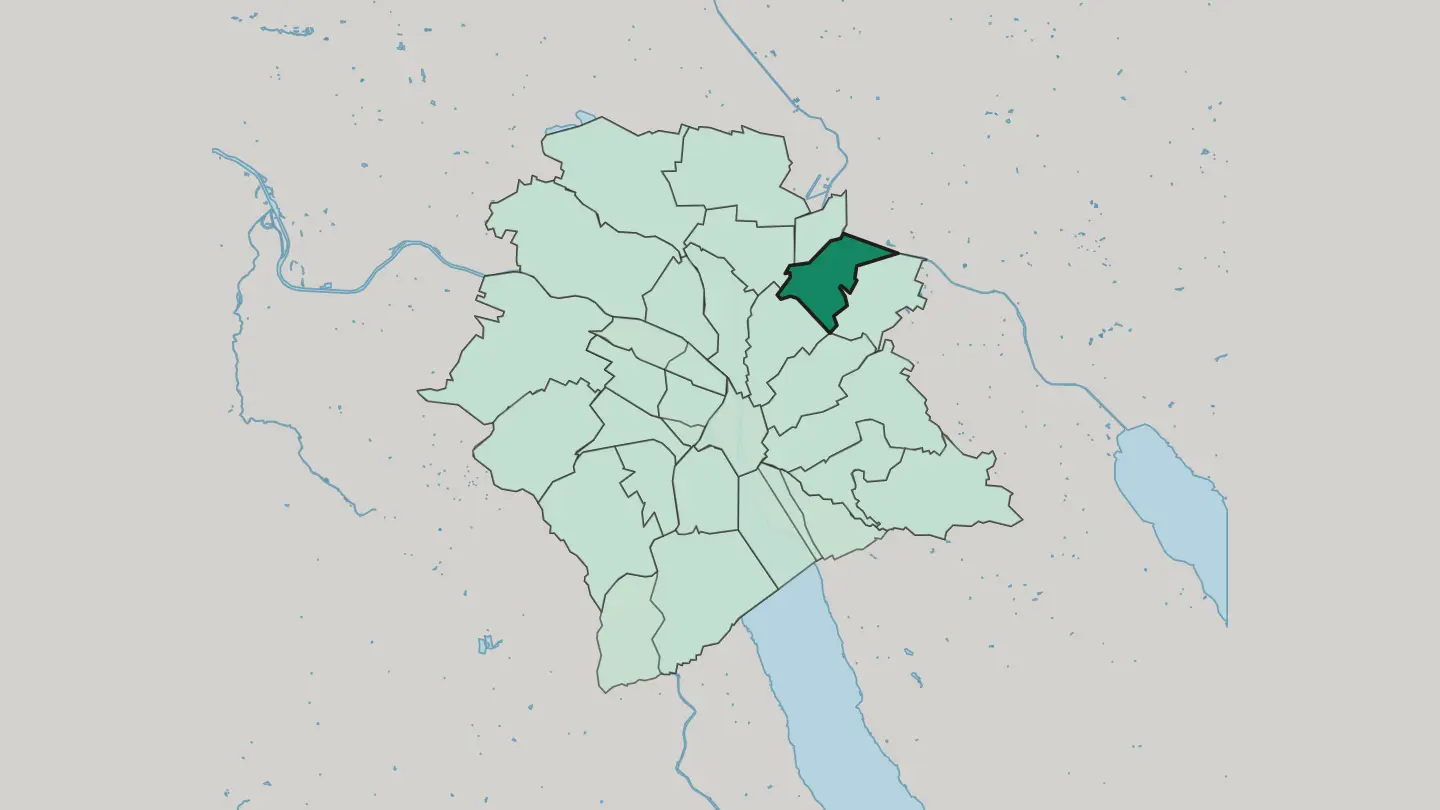 ZürichSwitzerland
Zürich (Kreis 9)
Zürich (Kreis 9) is a district of the Swiss city of Zürich, formed from the quarters of Albisrieden and Altstetten.Where to stay →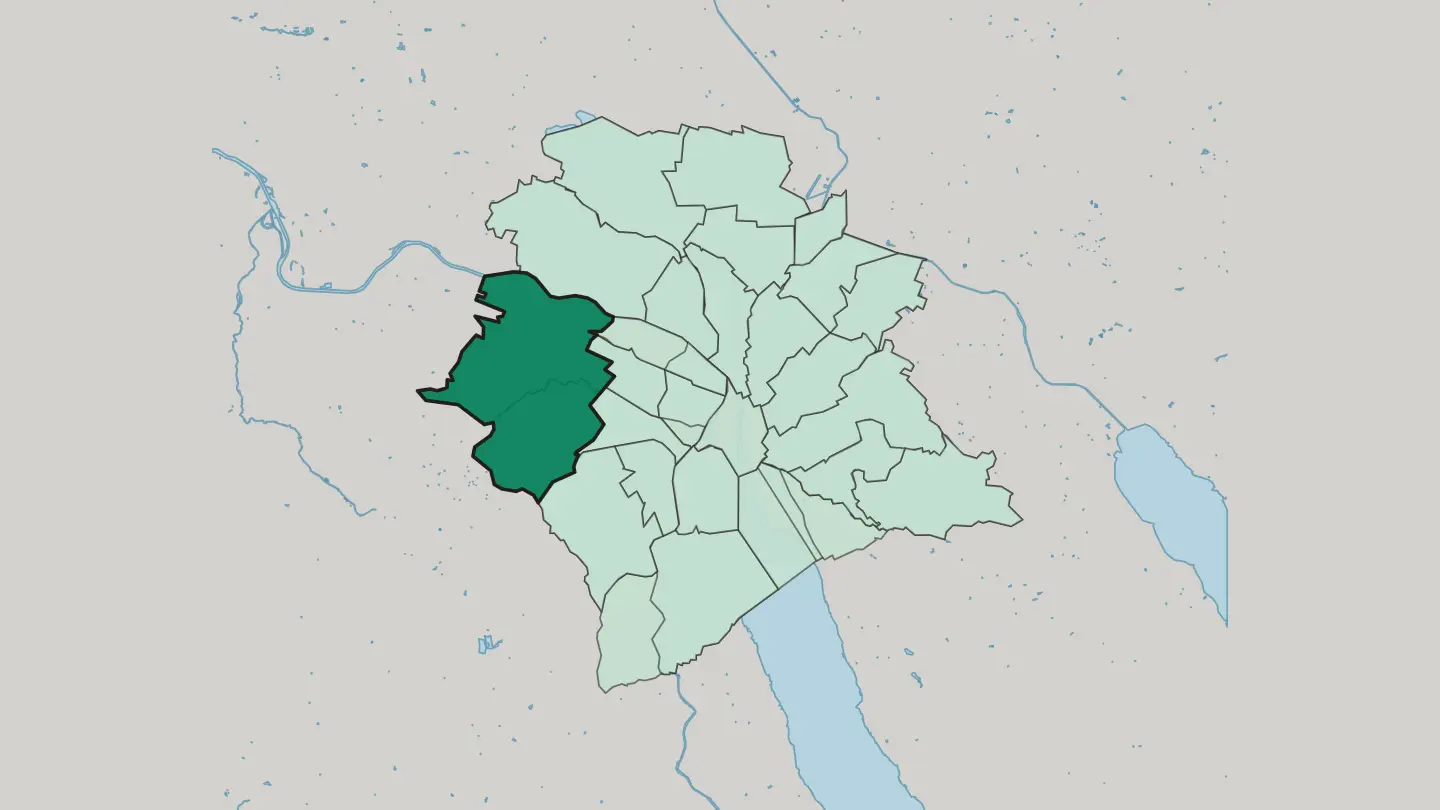 ZürichSwitzerland
Zürich (Kreis 10)
Kreis 10 is a district of Zürich, holding the Findlingsgarten Kappenbühl, the gta Archives and an iron age burial mound at Heizenholz.Where to stay →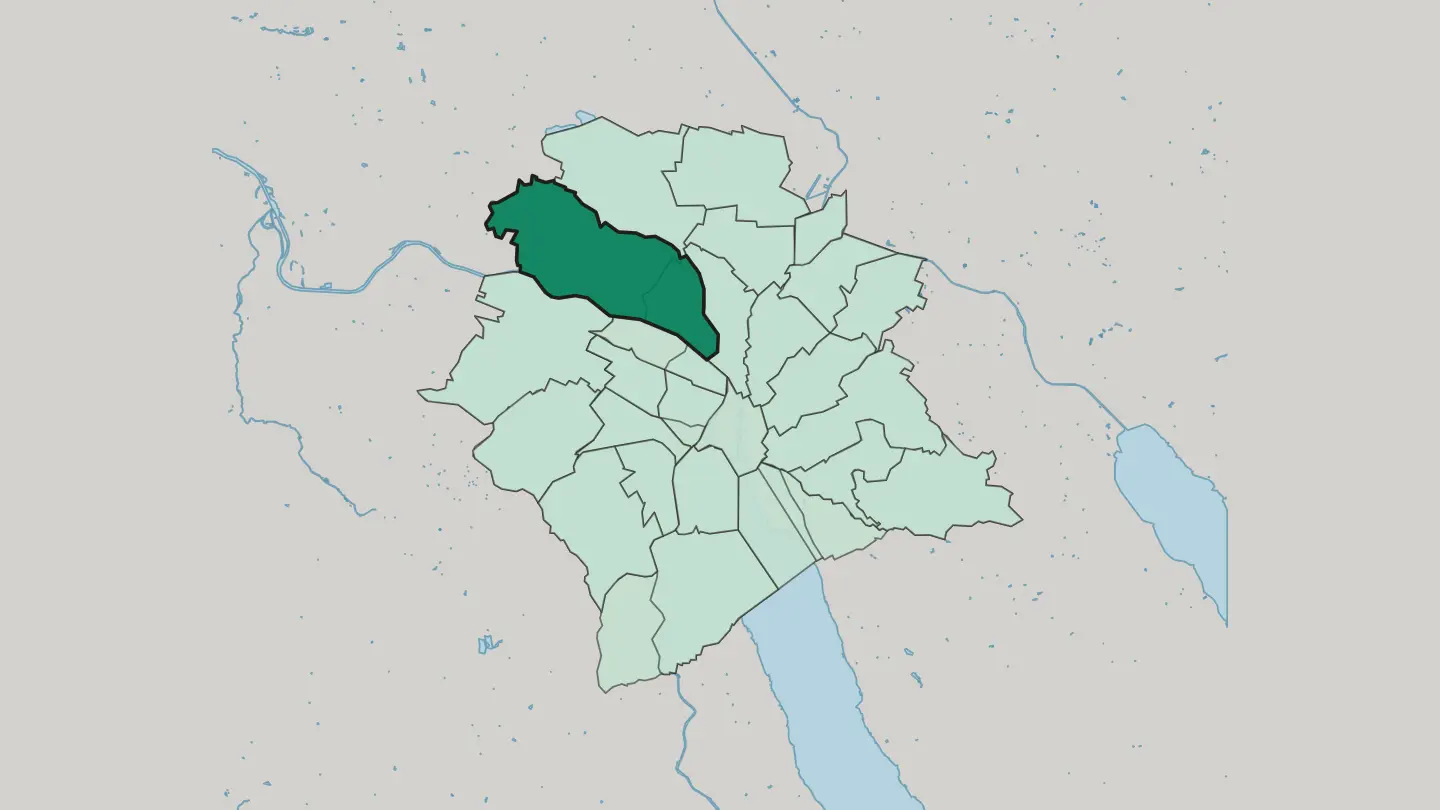
 ZürichSwitzerland
Zürich (Kreis 12) / Hirzenbach
Hirzenbach is a Glatt Valley quarter in Zürich's district 12, listing Stefanskirche Hirzenbach and the Sportzentrum Heerenschürli among its fixtures.Where to stay →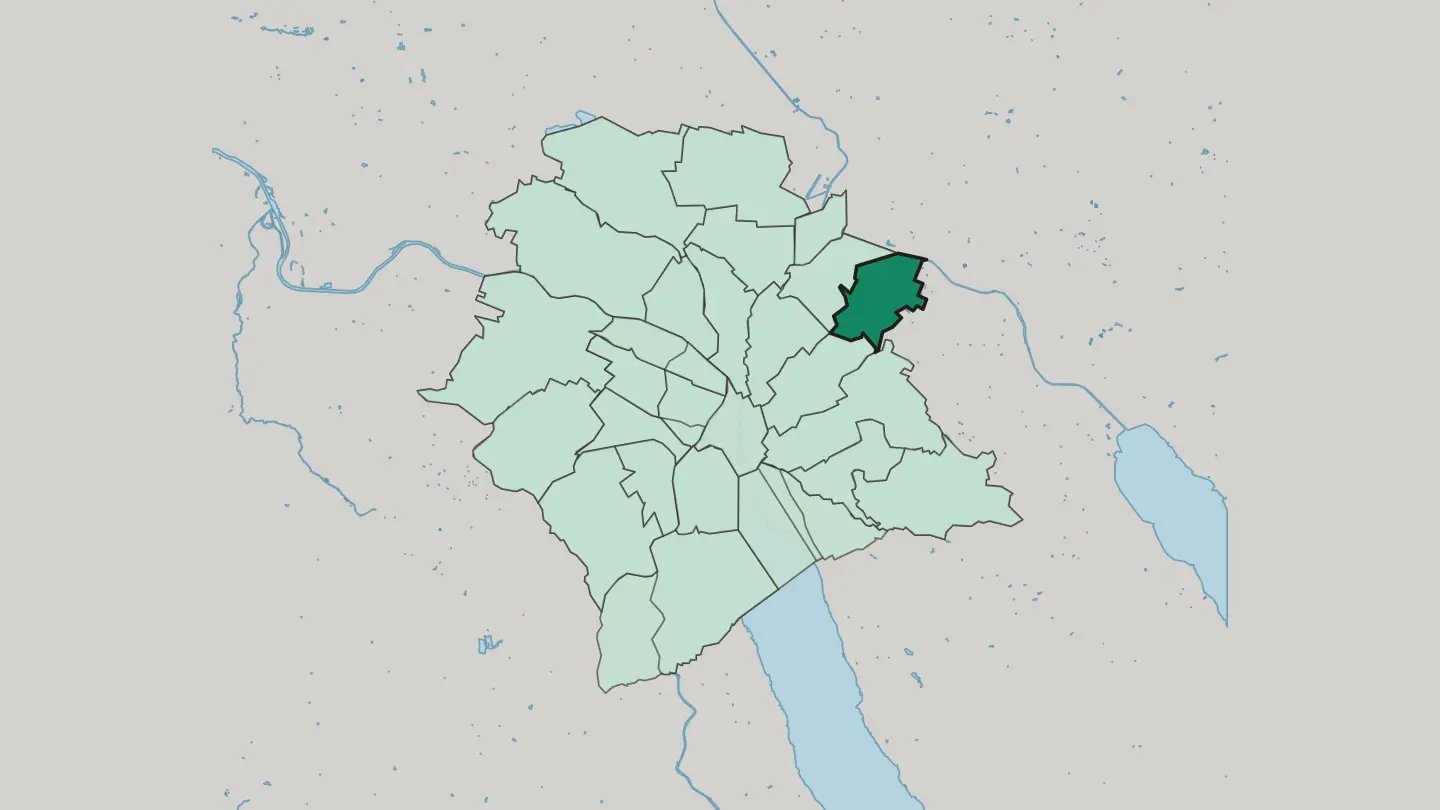 ZürichSwitzerland
Zürich (Kreis 11) / Seebach
A Glatt Valley quarter of Zürich's district 11, Seebach keeps the Alte Kirche Seebach among the few named fixtures its record carries.Where to stay →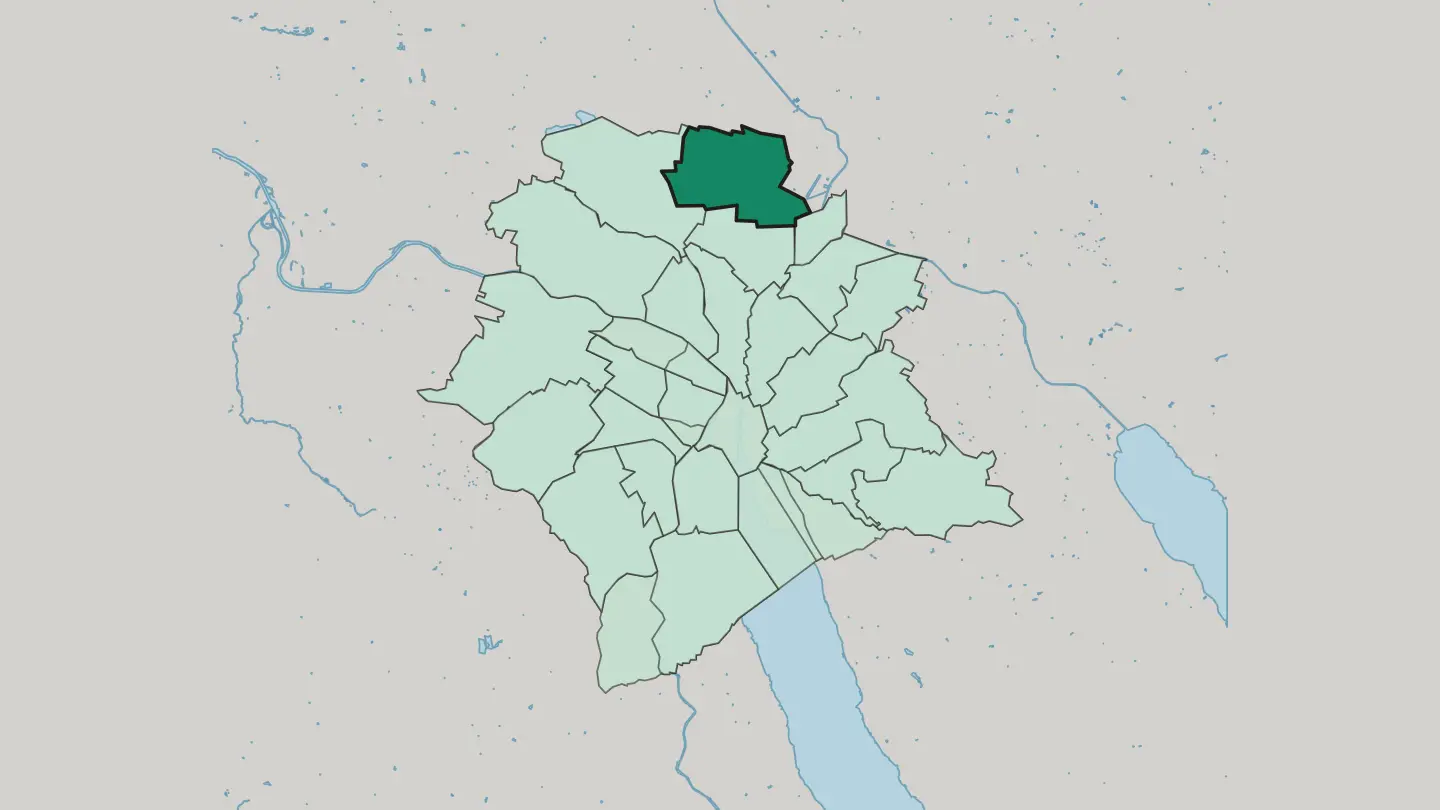 ZürichSwitzerland
Zürich (Kreis 11)
A numbered city district of Zürich, Kreis 11 gathers parish churches, the Fliegerstein marker and the Schweizer Fernsehen DRS site under one label.Where to stay →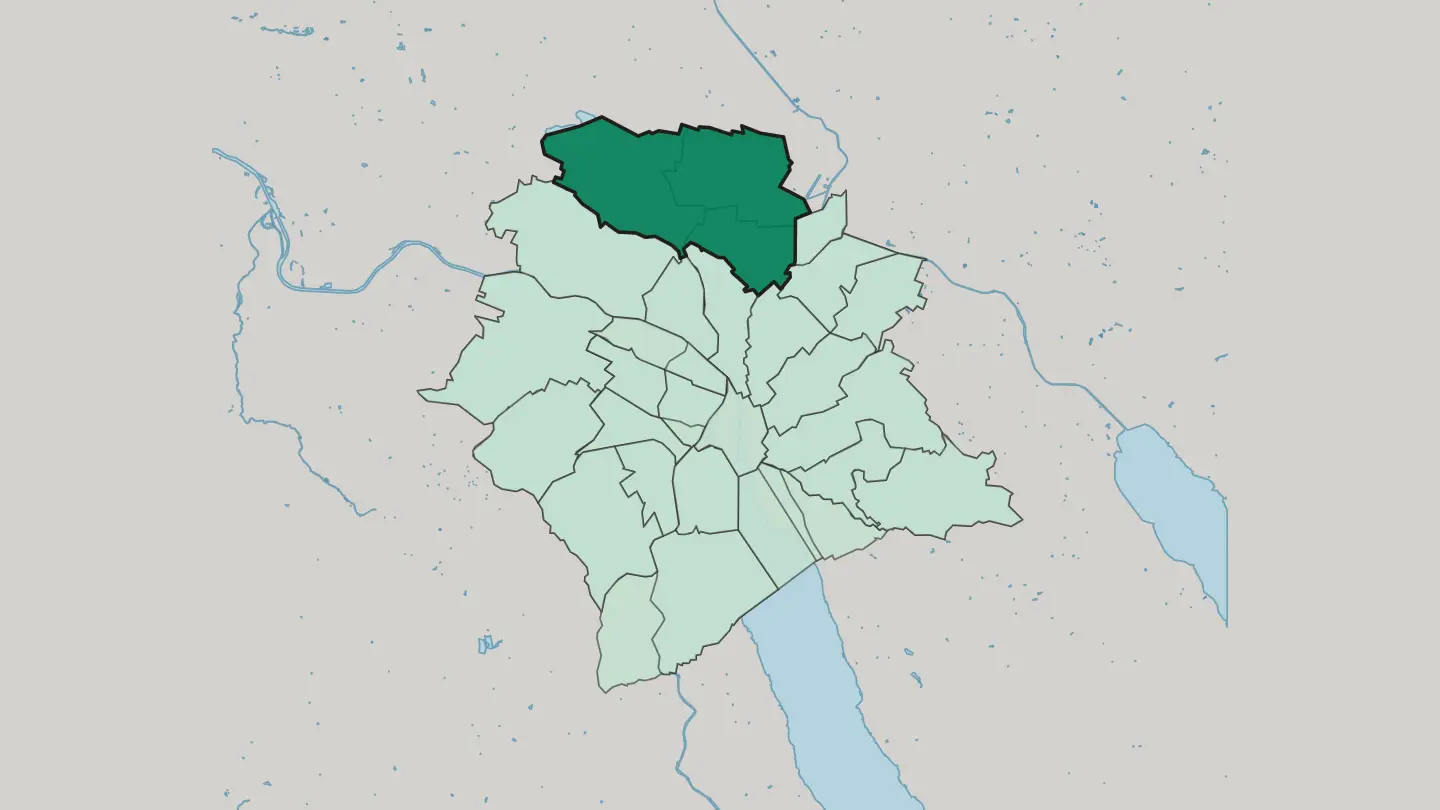 ZürichSwitzerland
Zürich (Kreis 11) / Affoltern
Affoltern is a quarter of district 11 in Zürich, lying in the Glatt Valley, with the gta Archives among the few named addresses on its ground.Where to stay →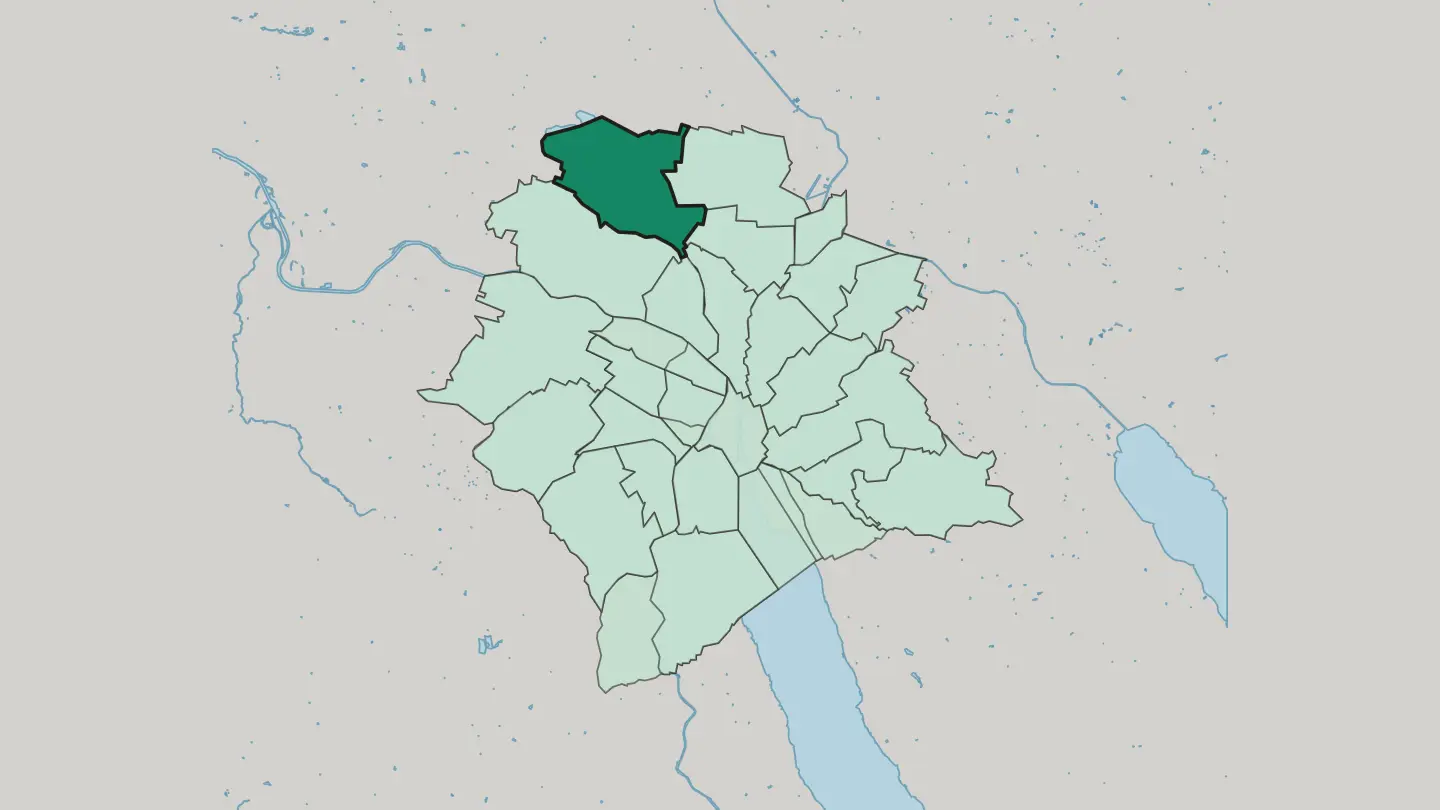
Hotel links are affiliate links: booking through them may earn us a commission, at no extra cost to you. It never affects how places are ranked. How this works
Things to do in Zürich
Ranked by global recognition; descriptions from Wikidata (CC0).
Museums & Galleries
8- Kunsthaus Zürich Heritage
- National Museum Zurich Heritage
- Foundation E.G. Bührle Collection Heritage
- Zentralbibliothek Zürich Heritage
- Museum Rietberg Heritage
Show 3 more →
- Migros Museum of Contemporary Art Heritage
- museum of wax moulages Heritage museum collection in the city of Zurich
- Thomas Mann Archives Heritage archives in the city of Zurich
Churches & Religious Sites
8- St. Peter Heritage
- Wasserkirche Heritage
- preachers church Heritage
- Liebfrauenkirche Heritage
- Kirche Enge Heritage
Show 3 more →
- St. Jakob church Heritage
- Maria Lourdes Zürich Heritage
- cloister of the former Barfüsser monastery Heritage convent
Castles & Historic Sites
8- Manegg Castle Heritage
- Zürich–Enge Alpenquai Heritage UNESCO World Heritage Site
- Löwendenkmal Heritage
- Heizenholz iron age burial mound Heritage burial mounds in Höngg in the city of Zurich
- Altstadt / Limmat / beim Rathaus, bronze- und eisenzeitliche Flussfunde Heritage
Show 3 more →
- Flussfunde Heritage
- Seeufersiedlung Heritage archaeological site in Affoltern
- lakeside settlement Heritage archaeological site in Regensdorf in the canton of Zurich
Stadiums & Sports
4- Sportanlage Sihlhölzli
- Sportzentrum Heerenschürli Sport venue in Zurich
- Sportanlage Allmend Brunau
- Kunsteisbahn Oerlikon ice sport venue in Zurich
Parks & Gardens
3- Botanical Garden of the University of Zurich Heritage
- Sukkulenten-Sammlung Zürich Heritage
- Gustav-Ammann-Park Heritage
Landmarks & Notable Places
3- Warenhaus Jelmoli, Ohmstrasse Heritage
- Uetliberg TV-tower tower
- TBZ Turm
worth knowingacross 6 categories in Zürich
About Zürich
What is Zürich known for?
Zürich is the largest city in Switzerland and an international financial centre, and the museums are where a good deal of that money ended up. The Kunsthaus Zürich, Museum Rietberg and the Swiss National Museum anchor the rest. St. Peter and the Wasserkirche are older than all of them.
Lake Zurich starts at the city and runs south-east toward the Swiss Alps, whose ski resorts pull a great deal of traffic straight through Zürich without stopping.
What are the main landmarks in Zürich?
Zürich keeps its landmarks in ones and twos rather than in one set piece. St. Peter and the Wasserkirche are the old church pair, the Kunsthaus Zürich and the Kunsthalle Zürich are the two art houses, and the Swiss National Museum holds the country's own record. The Zürich Zoo sits apart from those.
Museum Rietberg, the Museum of Design, the FIFA Museum and the Pavillon Le Corbusier scatter the rest across the city, and the Botanical Garden of the University of Zurich takes a corner of it.
What is the history of Zürich?
Zürich begins as Turicum, a Roman settlement dated to about 200, and that name has outlasted every language spoken here since. Rome withdrew. What replaced it was written in stone rather than on paper, in the church towers a medieval town raised and rebuilt: St. Peter above the lanes, and the Wasserkirche out on its own toward the water.
Each one marks a parish with money behind it. The modern city is the same instinct in another form, because a place that grew into an international financial centre put its surplus into institutions rather than into palaces. Books and manuscripts went into the Zentralbibliothek Zürich.
The Swiss National Museum, built to hold the country's own record, gave the Confederation one roof for its past, while the Kunsthaus Zürich, the Kunsthalle Zürich and the Foundation E.G. Bührle Collection turned private fortunes into public walls. Then the twentieth century laid down a thinner layer on top of that one. The Pavillon Le Corbusier arrived under an architect's name, the Swiss Film Archive began keeping what the country had shot, and the Zürich James Joyce Foundation put a writer's name on a Zürich address.
Turicum is still down there, and the modern name grew out of it.
Where is Zürich?
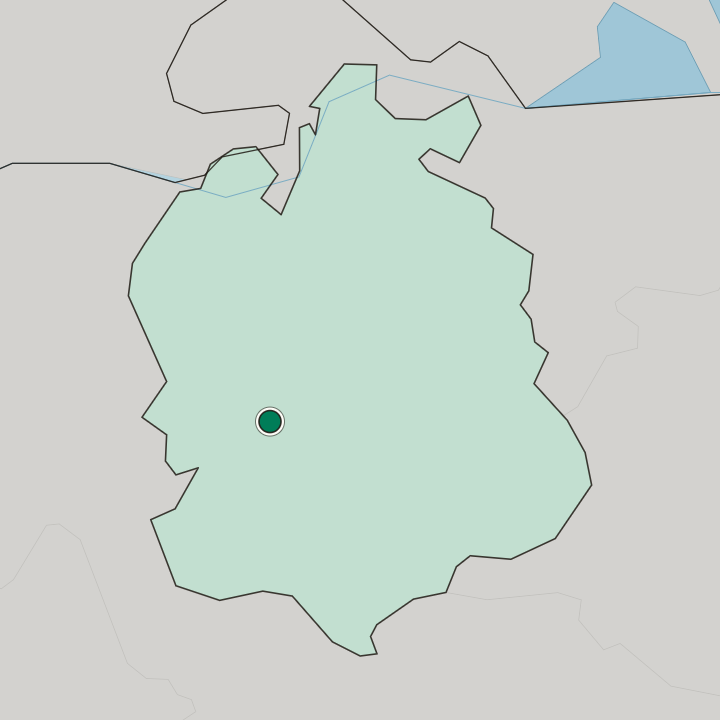
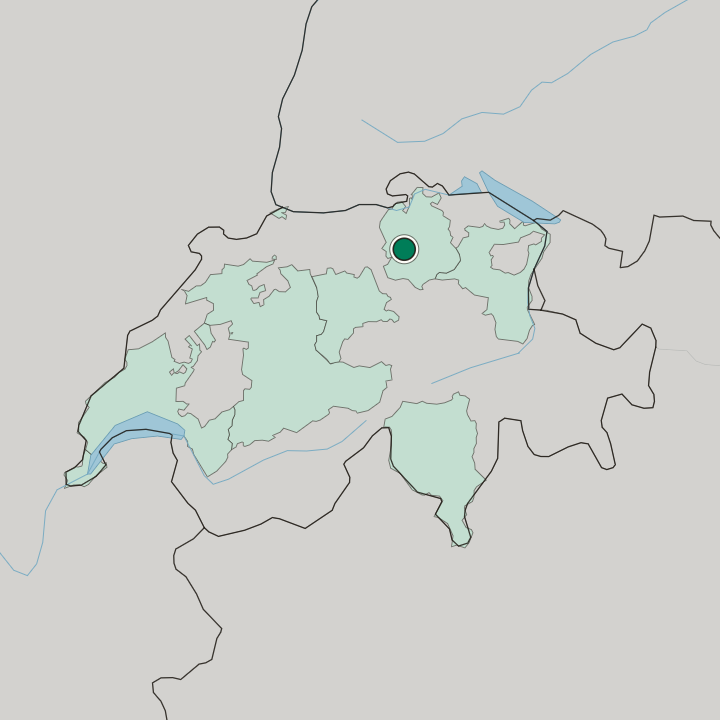
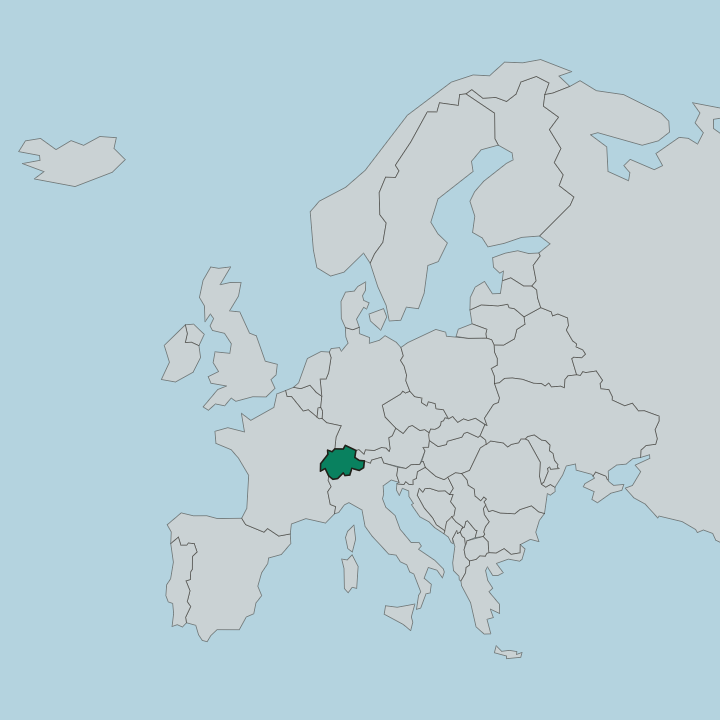
Zürich stands at the northwestern tip of Lake Zurich, in north-central Switzerland. The lake does the orienting. The water runs south-east out of the city, and the districts on either side of it, Kreis 2 to the west and Kreis 8 to the east, follow it out of town.
Kanton Zürich takes its name from the city and surrounds it. The Swiss Alps rise further south, close enough that their ski resorts count as part of what Zürich offers and far enough that the city itself sits on open ground.
What is the climate of Zürich?
Zürich lies in the temperate band, and Lake Zurich takes the edge off both ends of the year. Warmth arrives without ferocity. Winter is properly cold, but the deep snow belongs to the Swiss Alps rather than to the lake shore, which is why the ski resorts near the city are a journey out and not a view from the window.
Enge and the other lakeside quarters stay walkable through most of it.
How do you get to Zürich?
Zürich is where the Swiss network folds together. Railways, roads and air traffic all run through the city, and Zurich Airport carries most of what arrives from outside the country. The main railway station handles the rest.
Trains leave it for the whole of Switzerland and for the cities past the border, and the trams cover the ground inside the city that the trains do not. The Zurich Tram Museum keeps the cars that used to.
Common questions
What is the best area to stay in Zürich?
Kreis 1: Old-town churches and the reading rooms of the Zentralbibliothek Zürich at the end of the street. Langstrasse: A working street west of the old town rather than a view of it. Enge: Waking up on the western shore of Lake Zurich. Oerlikon: Northern ground, a calmer street and a car that fits somewhere. Altstetten: Space on the western edge for anyone who does not intend to walk in.
Good for
Another city in Kanton Zürich
Updated October 2026