China · Guangdong
Where to Stay in Dongguan, Guangdong
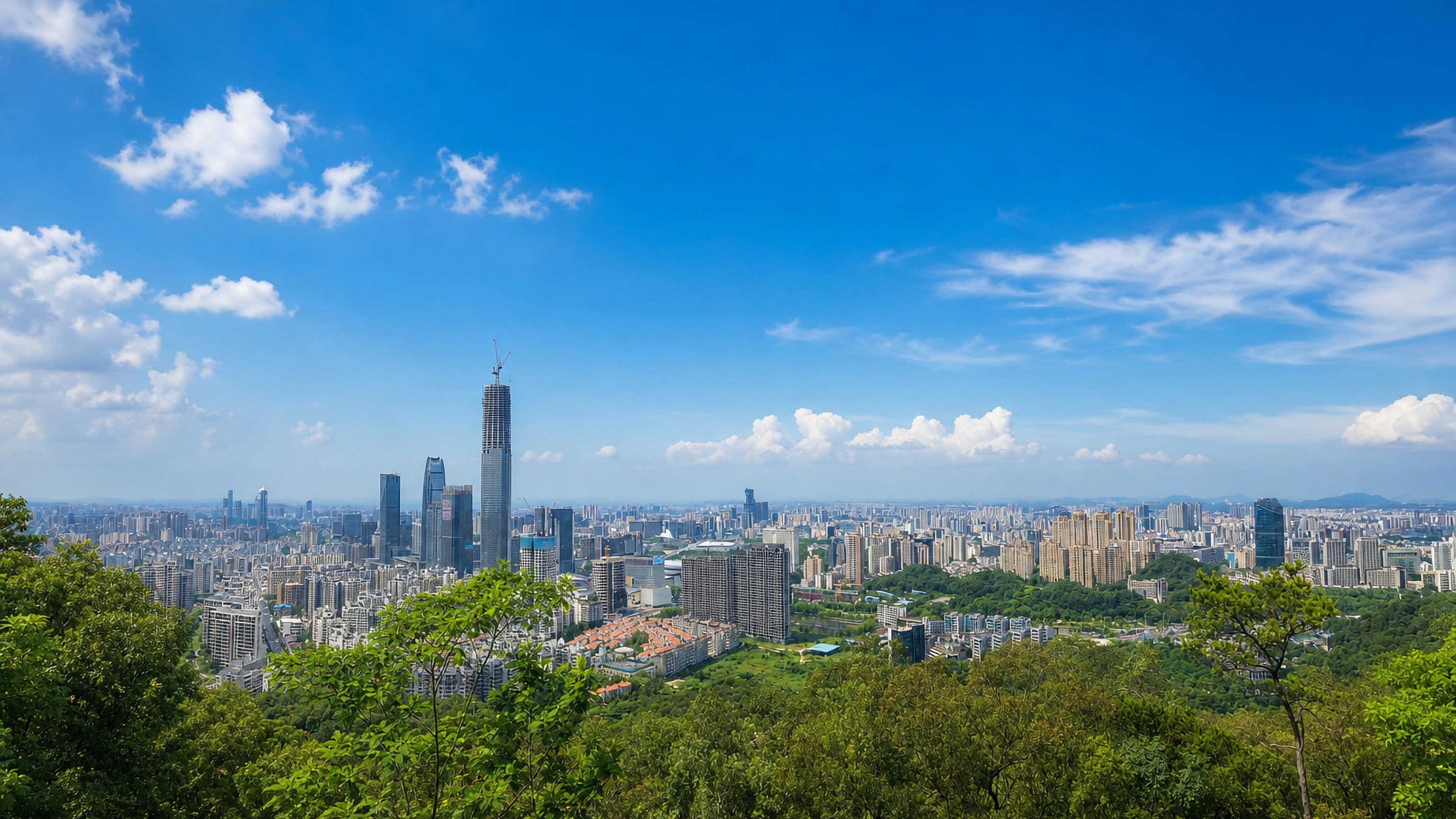
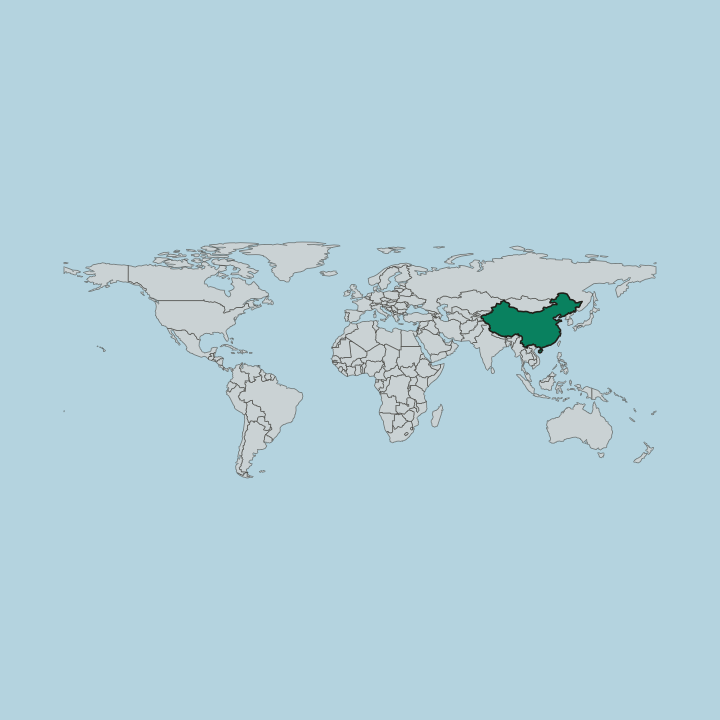
Factory towns crowd the Pearl River at Dongguan, an industrial city in central Guangdong known for the classical garden of Keyuan and the Humen Batteries.
Hotel links are affiliate links: booking through them may earn us a commission, at no extra cost to you. It never affects how places are ranked. How this works


Where to stay in Dongguan
Where the beds are, and what that means for the visit.
Dongguan spreads its beds across a cluster of towns rather than one dense core, so where you stay depends on why you came. The Guancheng district holds the old city centre, near Dongguan Museum and the garden of Keyuan, and it suits you if you want streets to walk and the historic heart on your doorstep. Nancheng sits just south as the newer commercial centre, a grid of towers, malls, and business hotels close to the Dongguan Basketball Center.
Humen lies west toward the Pearl River. Rooms there put you near the Humen Batteries and the river-mouth forts, a base for anyone tracing the Opium War coast. Songshan Lake occupies the green middle of the city, a landscaped district of lakes and research parks where the Boxes Art Museum and quieter hotels gather away from the factory grid.
Shilong stands to the northeast by the old Canton-Kowloon Railway, near its South Bridge. Beds run plentiful across the manufacturing towns, though rooms fill fast when trade fairs draw buyers to the delta.
Find hotels in Dongguan
Direct booking searches for these neighbourhoods.
Guancheng
The old city core around Dongguan Museum and the classical garden of Keyuan.Find hotels in Guanchengbusiness and shoppingNancheng
The newer commercial grid of towers and malls near the Dongguan Basketball Center.Find hotels in NanchengOpium War coastHumen
Riverside town by the Humen Batteries and the Pearl River forts.Find hotels in Humenquieter lakeside staysSongshan Lake
Landscaped research-park district around the Boxes Art Museum and the lake.Find hotels in Songshan LakeHotel links are affiliate links: booking through them may earn us a commission, at no extra cost to you. It never affects how places are ranked. How this works
About Dongguan
What is Dongguan known for?
Dongguan is known as a manufacturing city of the Pearl River Delta, packed between Guangzhou to the north and Shenzhen to the south. Its name carries weight in Chinese history. The Humen Batteries and the Site of Lin Zexu's Opium Destruction stand at the river mouth where the Opium War began, and the classical garden of Keyuan preserves an older Cantonese refinement.
Basketball fills the calendar too, drawn to the Dongguan Basketball Center. Songshan Lake anchors a newer district of research parks and the Boxes Art Museum.
What are the main landmarks in Dongguan?
Dongguan keeps its landmarks close to the river and the old town. The Humen Batteries and the Site of Lin Zexu's Opium Destruction guard the Pearl River mouth, where Weiyuan Fort still holds its guns above the water. In the centre, the garden of Keyuan ranks among the finest classical gardens of Guangdong, and the Jin'aozhou Pagoda rises in brick over the town.
Older still is the Haogang Midden Site. Dongguan Museum and the Boxes Art Museum of Songshan Lake gather the city's collections.
What is the history of Dongguan?
Dongguan's history reaches back to the shell mounds of the delta. The Haogang Midden Site and the Cuntou Site mark early coastal settlement long before the town took its walls, on the low ground where the Pearl River spreads toward the sea. Salt, pearls, and river trade sustained the county through the imperial centuries, and the merchant families who prospered built refined homes and gardens, of which Keyuan survives as the great example.
The city's name entered world history at the river mouth. In 1839 the commissioner Lin Zexu destroyed confiscated opium at Humen, and the Humen Batteries and Weiyuan Fort were raised to defend the delta against the warships that soon came. That war opened the coast.
Republican-era prosperity left the Zhongshan Road building cluster and the South Bridge of the Canton-Kowloon Railway at Shilong, while the villages of Nanshe and Tangwei kept their old ancestral halls. War returned in the twentieth century, and the hills at Dalingshan sheltered a resistance base. Decades later the delta's factories transformed the county into one of southern China's great manufacturing cities.
Where is Dongguan?
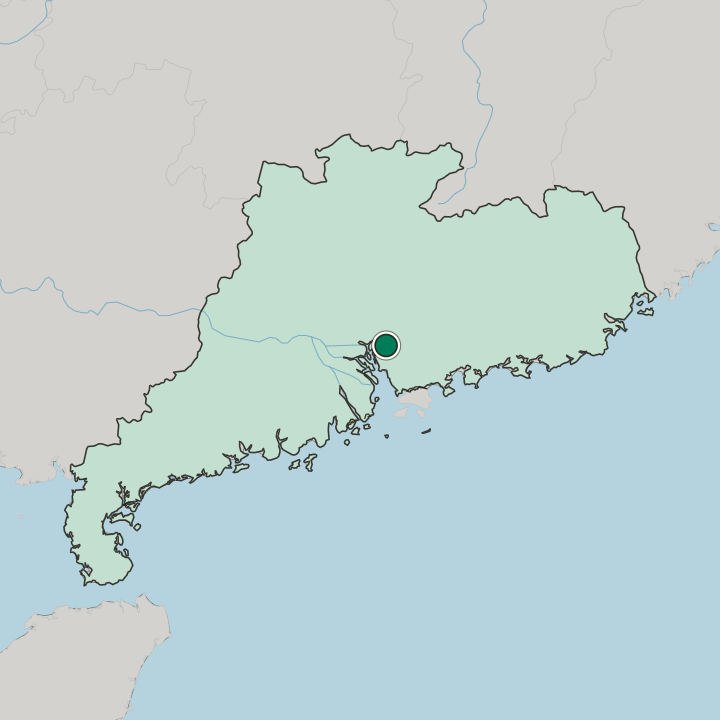
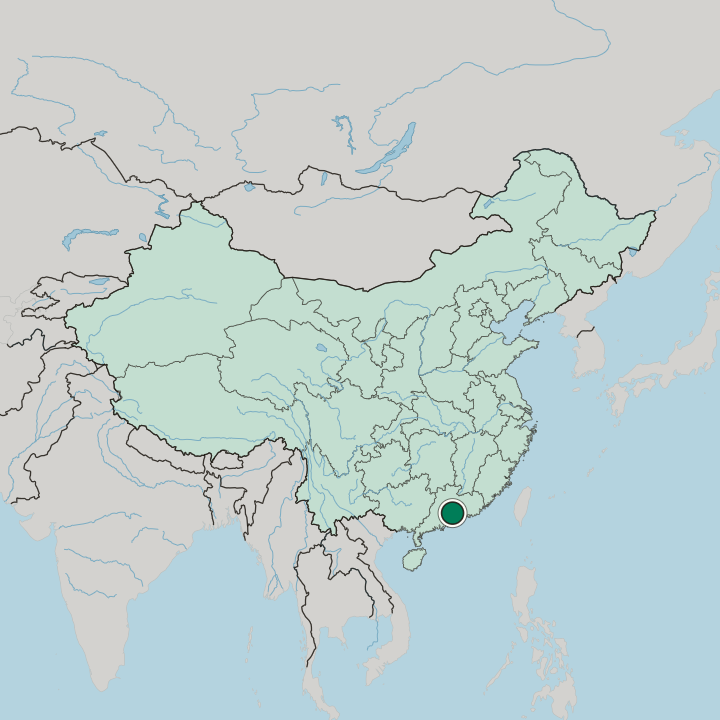
Dongguan lies in central Guangdong, on the low delta where the Pearl River widens toward the South China Sea. Guangzhou borders it to the north and Shenzhen to the south, with Huizhou to the northeast, so the city sits at the heart of the Pearl River Delta conurbation. The land is flat and worked.
Rivers, channels, and reclaimed fields run between the manufacturing towns, and only low hills such as Dalingshan and the landscaped ground around Songshan Lake break the plain that carries the delta's dense industrial sprawl toward the coast.
What is the climate of Dongguan?
Dongguan has a warm, humid subtropical climate typical of the Pearl River Delta. Summers are long, hot, and wet. The monsoon carries heavy rain and the threat of typhoons off the South China Sea from late spring through autumn, keeping the delta green and the rivers full.
Winters stay short and mild, cooler and drier but rarely cold, with grey damp spells drifting over Guangdong. Spring brings a humid haze to the low ground around the Pearl River.
How do you get to Dongguan?
Dongguan sits astride the busy rail and road corridor between Guangzhou and Shenzhen. Fast trains stop here. The intercity line and the wider high-speed network link the city to both neighbours and onward across Guangdong, while the old Canton-Kowloon Railway still runs through Shilong past its historic South Bridge.
Expressways thread the manufacturing towns together, and ferries and bridges cross the Pearl River to the western delta. The major airports of Guangzhou and Shenzhen lie a short drive to either side.
Common questions
What is the best area to stay in Dongguan?
Guancheng: historic old-city walkers. Nancheng: business and shopping. Humen: Opium War coast. Songshan Lake: quieter lakeside stays.
Good for
More cities in Guangdong
Updated September 2026