China · Guangdong
Where to Stay in Shenzhen, Guangdong
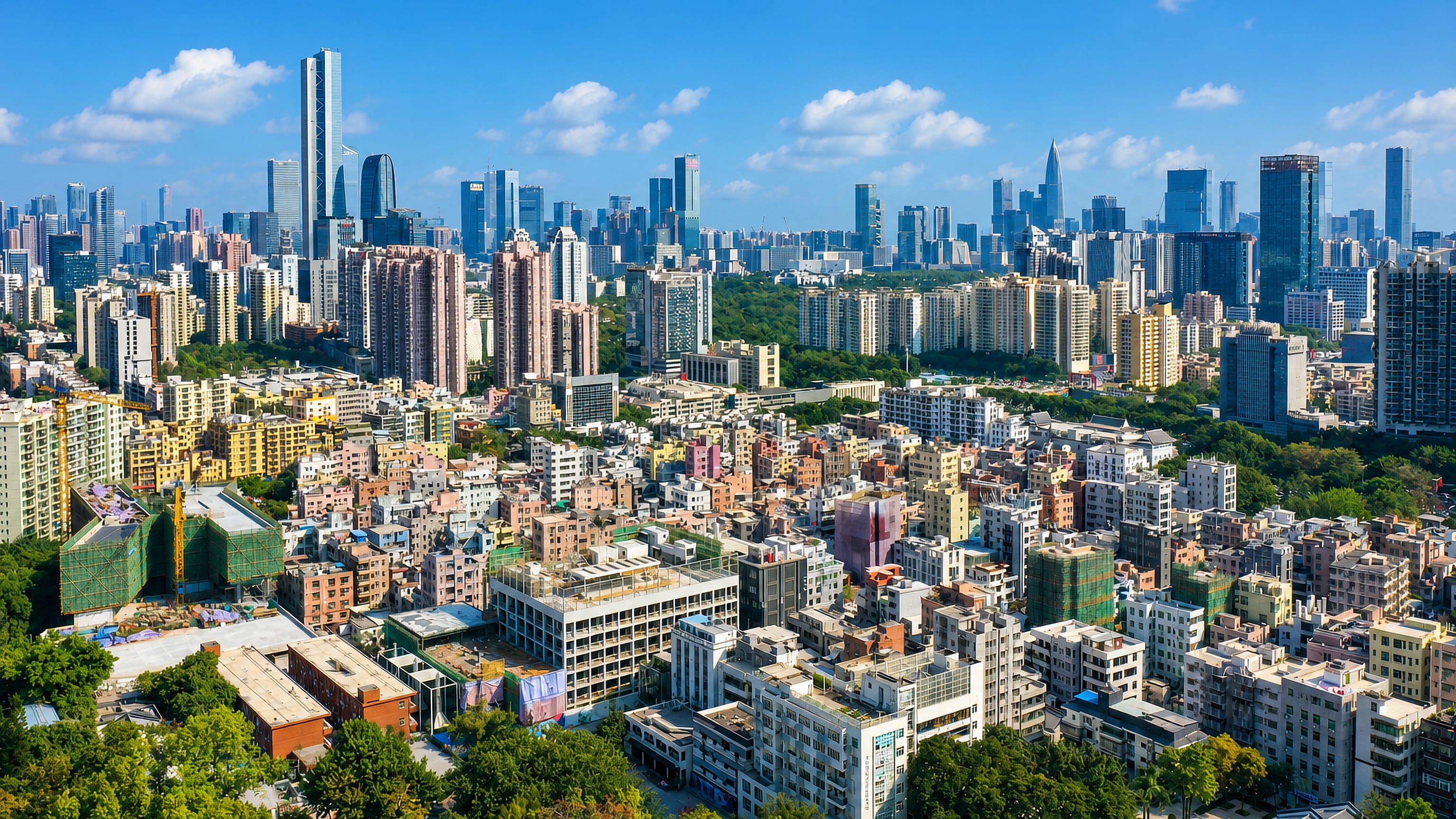
Shenzhen rises on the east bank of the Pearl River estuary beside Hong Kong, a special economic zone in Guangdong known for enterprise and towers.
Hotel links are affiliate links: booking through them may earn us a commission, at no extra cost to you. It never affects how places are ranked. How this works


Where to stay in Shenzhen
Not every neighbourhood fits every trip — here's what each one is good for.

 ShenzhenChinaa central civic base among museums and metro
Futian
government towers, the Shenzhen Museum, and the Guan Shanyue Art Museum around a green axisFutian → ShenzhenChina
Luohu District
older commercial streets at the Hong Kong border crossing, full of markets and mallsLuohu District →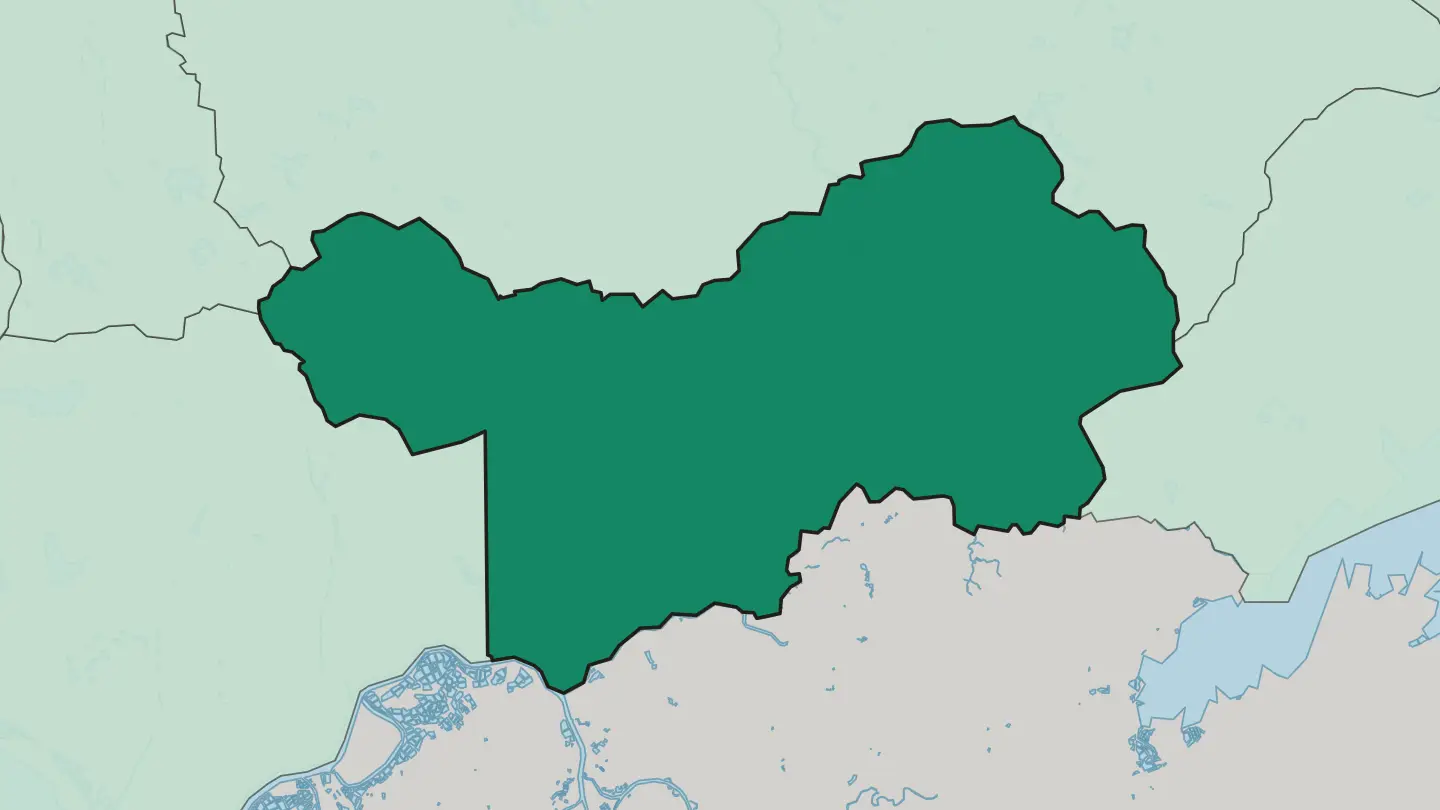
 ShenzhenChina
Longhua District
Longhua District is an inland district of Shenzhen, built around the Shenzhen North railway hub and the vast Foxconn works at Longhua.Where to stay → ShenzhenChina
Guangming
Guangming is a north-western district of Shenzhen in Guangdong, a hillier, greener quarter set apart from the dense core.Where to stay → ShenzhenChina
Yantian District
Yantian District is a coastal borough of Shenzhen, China, home to the Minsk carrier museum.Where to stay → ShenzhenChina
Nanshan District
Nanshan District is a coastal district of Shenzhen holding the Shekou peninsula and the Sea World Culture and Arts Center.Where to stay → ShenzhenChina
Bao'an District
Bao'an District is a western district of Shenzhen holding the Bao'an Sports Center and reaching to the Pearl River shore.Where to stay → ShenzhenChina
Longgang District
Longgang District is an eastern district of Shenzhen, home of the Longgang museum of Hakka culture.Where to stay →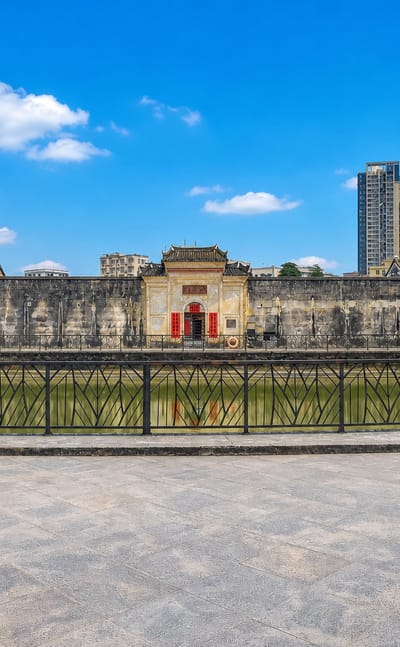 ShenzhenChina
Pingshan District
Pingshan District is an eastern district of Shenzhen, carved from Longgang District.Where to stay →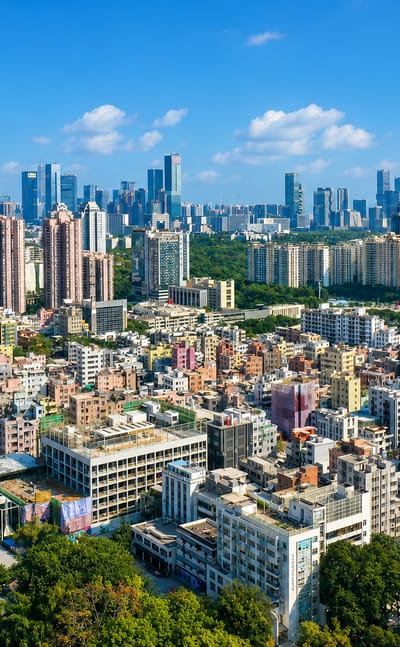 ShenzhenChina
Dapeng New District
Dapeng New District is Shenzhen's peninsular borough, drawn in 2011 around the walled Dapeng Fortress that gave the city its old name.Where to stay →ShenzhenChinaShenshan Special Cooperation Zone
Shenshan Special Cooperation Zone is an administrative area of Shenzhen set apart on the Guangdong coast, run jointly with Shanwei.Where to stay →ShenzhenChinaXin'angucheng
Xin'angucheng (Xin'an Ancient City) is a historic old-town neighbourhood of Shenzhen, China, carrying the old Xin'an name.Where to stay →Hotel links are affiliate links: booking through them may earn us a commission, at no extra cost to you. It never affects how places are ranked. How this works
Find hotels in Shenzhen
Direct booking search for this neighbourhood.
Hotel links are affiliate links: booking through them may earn us a commission, at no extra cost to you. It never affects how places are ranked. How this works
Things to do in Shenzhen
Ranked by global recognition; descriptions from Wikidata (CC0).
Museums & Galleries
3- Shenzhen Museum
- Museum of Contemporary Art & Planning Exhibition, Shenzhen
- Sea World Culture and Arts Center
Churches & Religious Sites
1- Christian Shenzhen Church
Stadiums & Sports
2- Bao'an Sports Center
- Longhua Cultural and Sports Center
Parks & Gardens
1- Minsk World
worth knowingacross 4 categories in Shenzhen
About Shenzhen
What is Shenzhen known for?
Shenzhen is China's boomtown of technology and trade, a special economic zone that grew from farmland into a metropolis of glass towers. Enterprise drives it. The electronics markets of the tech district, remembered in the HQB Museum, feed factories and designers across Guangdong and beyond.
The Shenzhen Museum and the Guan Shanyue Art Museum give the young city its cultural anchor. Ambition set the pace.
What are the main landmarks in Shenzhen?
Shenzhen keeps its landmarks in a young, museum-led core. The Shenzhen Museum traces the city's leap from market town to metropolis, while the HQB Museum tells the story of its electronics trade. The Guan Shanyue Art Museum and the Museum of Contemporary Art & Planning Exhibition, Shenzhen show its art and its plans.
Christian Shenzhen Church stands among the towers. Everything here feels new.
What is the history of Shenzhen?
Shenzhen began as a modest market town on the border with Hong Kong, a cluster of fishing and farming villages by the Pearl River estuary. For most of its past it drew little notice, overshadowed by the older ports downstream in Guangdong. The border changed that.
Chosen as a special economic zone, the town became a testing ground for open trade, and workers streamed in from across China to build it. Growth came faster than anyone planned. Within a generation, farmland gave way to factories, then to the electronics stalls remembered in the HQB Museum and the glass towers of a full-scale metropolis.
Migrants made the city. Engineers, designers, and entrepreneurs from every province turned Shenzhen into a workshop for the world, wiring its trade to neighbouring Hong Kong and the ports of the Pearl River estuary. Older market lanes and temples were swallowed by the grid, though a few survive among the towers.
The Shenzhen Museum records that leap, and the Guan Shanyue Art Museum shows the culture that followed the money. A young city keeps its short story close.
Where is Shenzhen?
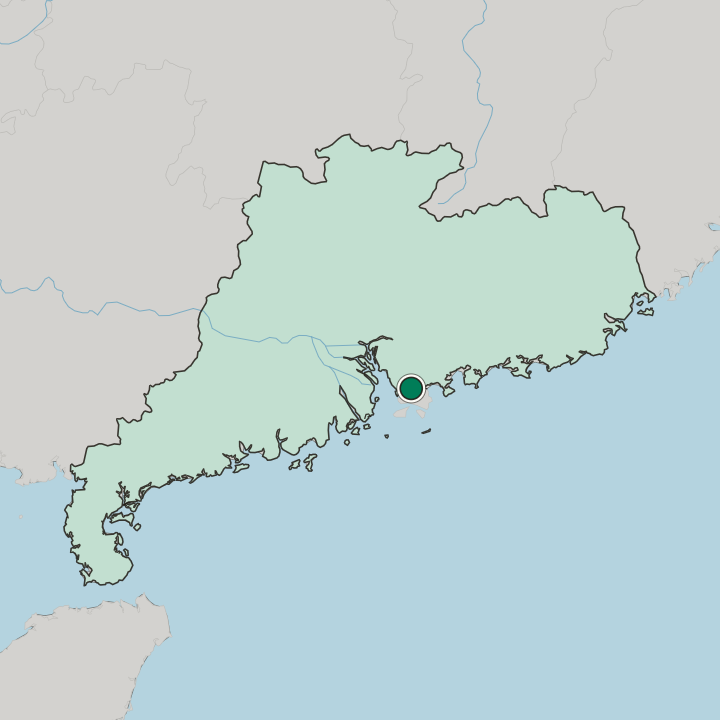
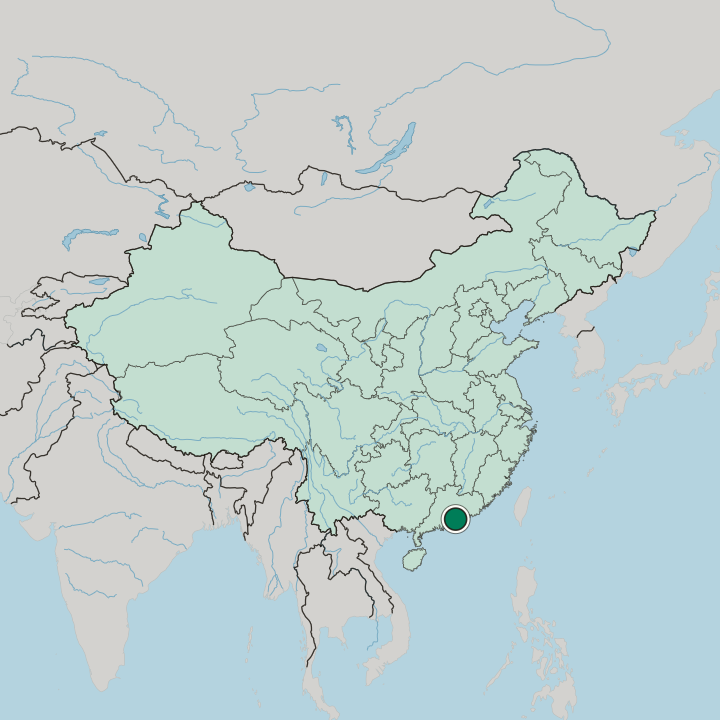
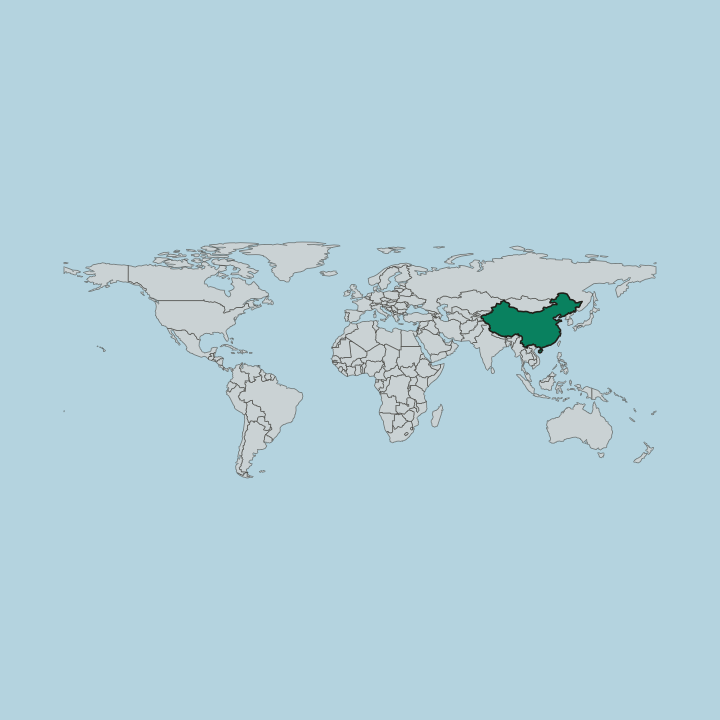
Shenzhen lies on the east bank of the Pearl River estuary, where the delta widens into the sea. Hong Kong presses against it to the south, with Dongguan to the north, Huizhou to the northeast, and Macau across the water to the southwest. Low green hills break up the built-up plain, and a long shoreline of bays edges the estuary.
Guangdong surrounds the city inland. The bay defines it.
What is the climate of Shenzhen?
Shenzhen has a humid subtropical climate on the warm edge of the tropics. Rain rules the summer. Long hot months arrive with the monsoon, and typhoons blow in off the Pearl River estuary and the sea beyond Hong Kong from summer into autumn.
Winters stay short, dry, and mild. The bay keeps the air soft.
How do you get to Shenzhen?
Shenzhen is reached by air, high-speed rail, sea, and the land crossings from Hong Kong. Trains arrive from across the country at the main stations. Ships call at the Port of Shenzhen, a major container harbour on the Pearl River estuary that ships goods out to every continent.
Border checkpoints link the city to Hong Kong for foot and rail passengers. A vast metro carries the rest.
Common questions
What is the best area to stay in Shenzhen?
Futian: a central civic base among museums and metro. Luohu District: cross-border shoppers off the Hong Kong train. The estuary shore: newer high-rise hotels with bay views.
Good for
More cities in Guangdong
Updated September 2026