China · Guangdong
Where to Stay in Zhaoqing, Guangdong
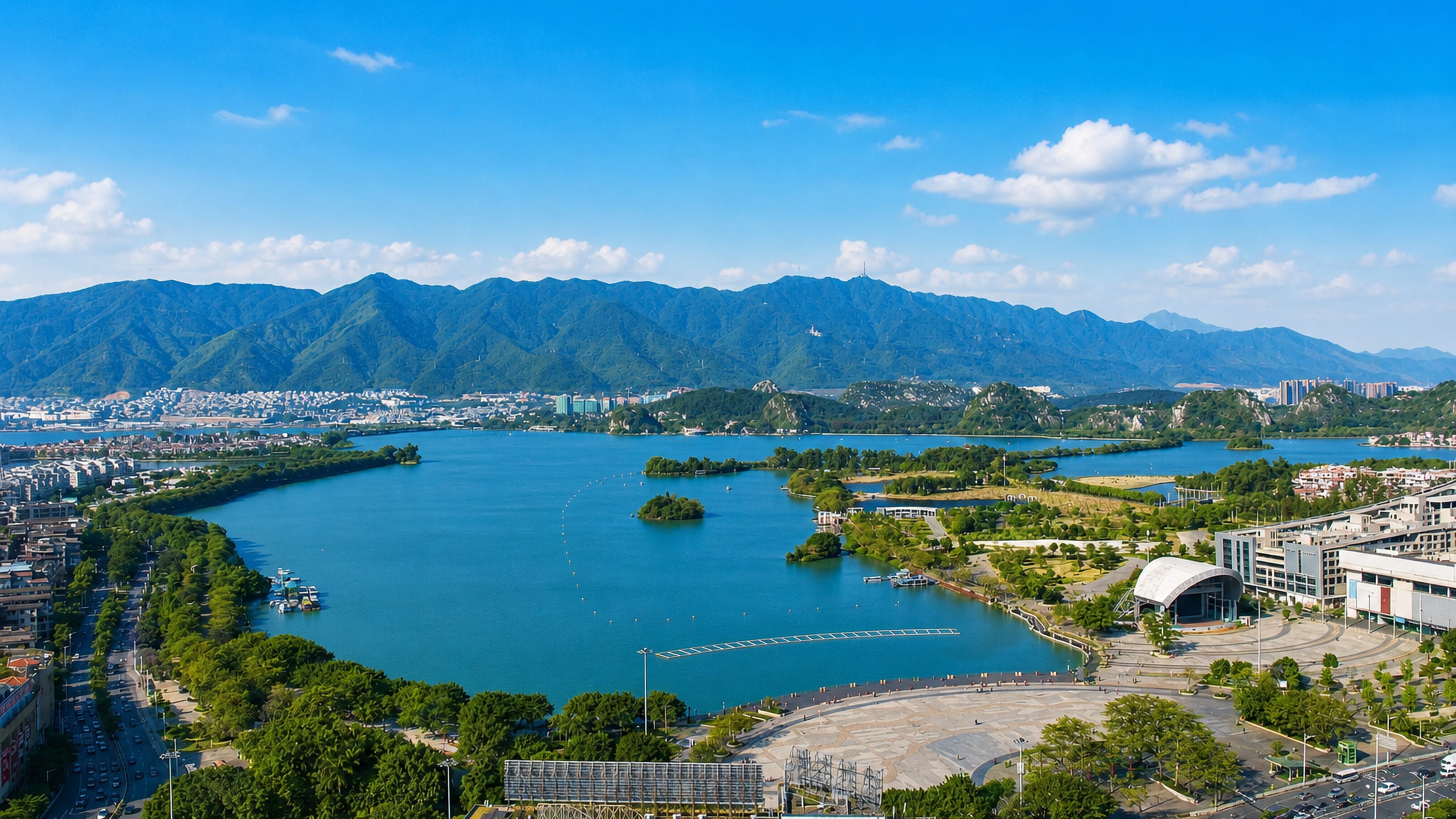
Zhaoqing, romanized also as Shiuhing, is a Guangdong prefecture-level city whose Seven Star Crags rise from the Xinghu Scenic Area.
Hotel links are affiliate links: booking through them may earn us a commission, at no extra cost to you. It never affects how places are ranked. How this works


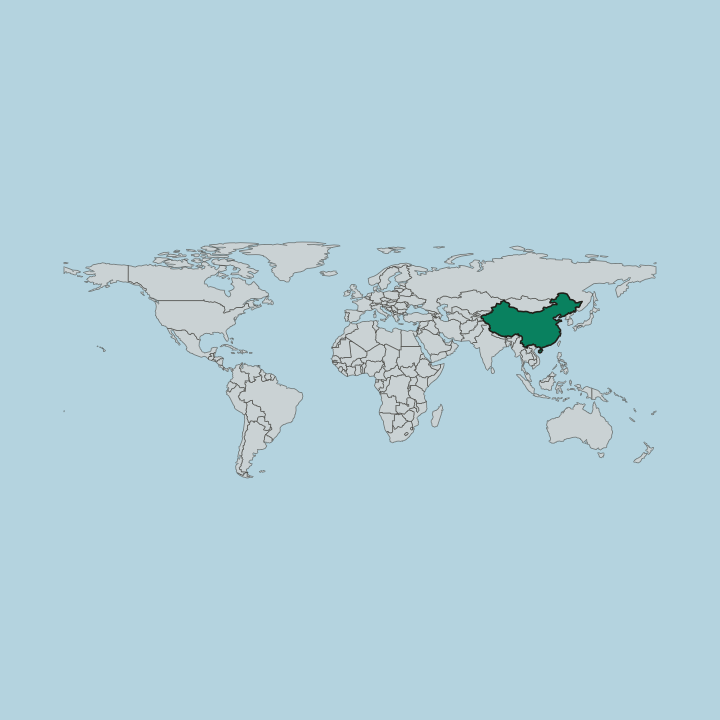
Where to stay in Zhaoqing
How the choice of base plays out on the ground.
Duanzhou carries the seat. Rooms there put the City Walls of Zhaoqing and Yuejiang Lou inside an ordinary walk, and the flat ground of the old town makes it the easiest half of the prefecture to cover without transport. The Xinghu Scenic Area pulls the other way.
Anyone here for the Seven Star Crags gains from sleeping near the park rather than in the commercial streets, since the crags and the Inscriptions on precipices of Qixing Yan reward an early start before the day warms. Dinghu and Gaoyao widen the choice. Both belong to the same built-up area as Duanzhou, and both sit nearer the forested mountains that ring the seat, which suits a stay built around walking instead of around temples and walls.
Sihui lies out in the delta. It counts within the Pearl River Delta, as do the southern districts of the prefecture, so a room there trades scenery for the road network. Deqing is a day trip, not a base.
Deqing Confucian Temple and Yuecheng Longmu Zumiao stand well beyond the built-up area, and most visitors keep Duanzhou or Guangzhou behind them and return the same evening rather than hunt for beds in the countryside. Mei'an Temple and Huangyan dong sit on that same rural side of Zhaoqing.
Find hotels in Zhaoqing
Direct booking searches for these neighbourhoods.
Duanzhou
The flat prefectural seat, with Yuejiang Lou and the old walled ground in the same few streetsFind hotels in DuanzhouEarly starts on the Seven Star CragsXinghu Scenic Area
Park-edge ground under the crags carrying the Inscriptions on precipices of Qixing Yan. Few places to stay nearby — book ahead.Find hotels in Xinghu Scenic AreaStays aimed at the forested mountains behind the seatDinghu and Gaoyao
Built-up ground sharing Duanzhou's urban area but sitting closer to the mountain edgeFind hotels in Dinghu and GaoyaoHotel links are affiliate links: booking through them may earn us a commission, at no extra cost to you. It never affects how places are ranked. How this works
About Zhaoqing
Limestone made the reputation.
What is Zhaoqing known for?
The Xinghu Scenic Area gathers the Seven Star Crags and their water into one park at the edge of Duanzhou, and the Inscriptions on precipices of Qixing Yan record the visitors who cut their words straight into that rock. Qingyun Temple stands among the crags. Clean air and thickly forested mountains set Zhaoqing apart from Guangzhou and Shenzhen, the far larger neighbours it shares a province with.
What are the main landmarks in Zhaoqing?
Temples account for most of the roster. Qingyun Temple stands among the Seven Star Crags in the Xinghu Scenic Area, Mei'an Temple keeps ground of its own, and Deqing Confucian Temple and Yuecheng Longmu Zumiao lie out in the wider prefecture rather than in the seat. Two civic survivors remain.
The City Walls of Zhaoqing and Yuejiang Lou belong to Duanzhou, while the Inscriptions on precipices of Qixing Yan and Huangyan dong belong to the limestone itself.
What is the history of Zhaoqing?
Walls came first in the record. The City Walls of Zhaoqing enclose the ground the prefectural seat grew out of, and Yuejiang Lou survives beside them as the other civic building of that older Duanzhou, kept standing long after the defences around it stopped serving any purpose. Even the name has two versions.
Shiuhing is the same city under an older romanization, which is how the place appears in a good deal of writing about Guangdong. Religion left the wider trail. Qingyun Temple, Mei'an Temple, Deqing Confucian Temple and Yuecheng Longmu Zumiao are spread across the prefecture rather than clustered in the seat, the pattern of a long-settled countryside in which each town holds its own institution instead of deferring to one centre.
The limestone keeps its own archive. Visitors cut the Inscriptions on precipices of Qixing Yan into the Seven Star Crags over many generations, so the rock above the Xinghu Scenic Area carries a written layer that no building here matches, and Huangyan dong opens into the same karst. Modern administration drew the outlines that remain.
Duanzhou, Dinghu and Gaoyao were bound into a single built-up area, Sihui and the southern districts were counted into the Pearl River Delta, and Deqing stayed beyond both while Guangzhou and Shenzhen grew into something Zhaoqing never became.
Where is Zhaoqing?
Flat ground, then sudden rock. The prefectural seat is fairly level apart from the Seven Star Crags, and thickly forested mountains stand just outside its limits, a contrast the Xinghu Scenic Area exists to frame. Paddies and aquaculture ponds fill the outskirts.
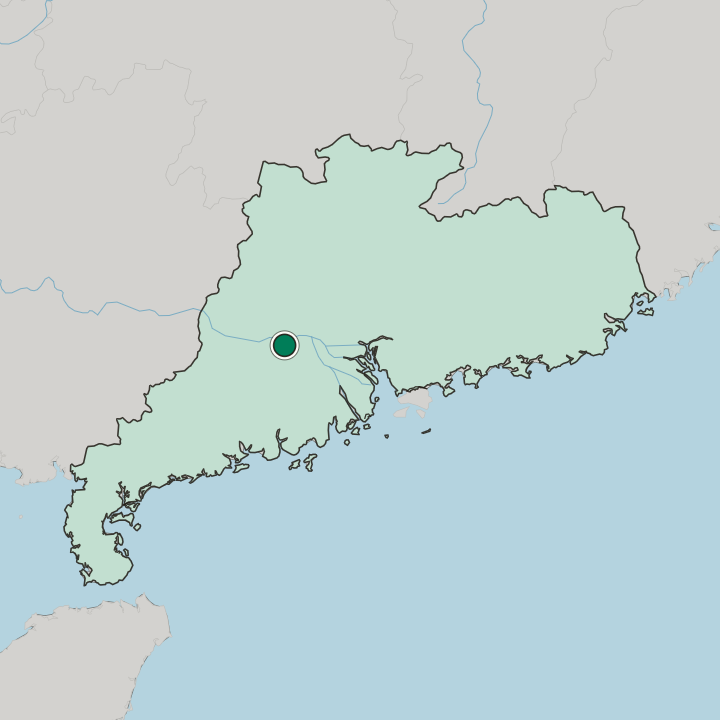
Duanzhou, Dinghu and Gaoyao make up the built-up area, while Sihui and the southern districts of the prefecture belong to the Pearl River Delta and Deqing lies beyond all of it.
What is the climate of Zhaoqing?
The forested mountains hold the wet. Zhaoqing lies within the tropical band, so the rains that keep the paddies and aquaculture ponds outside Duanzhou in water also leave the Seven Star Crags slick and the paths through the Xinghu Scenic Area heavy underfoot. Air quality is the local boast.
Heat carries further over the delta ground around Sihui than it does against the hills behind Dinghu and Gaoyao.
How do you get to Zhaoqing?
Guangzhou is the practical door. Zhaoqing lies near that far larger city, and most arrivals pass through it before reaching Duanzhou, which holds the prefectural seat and nearly all of the rooms. Distances open out afterwards.
Dinghu and Gaoyao share the built-up area, but Sihui sits away in the Pearl River Delta and Deqing is a separate run again, so pairing Deqing Confucian Temple with Yuecheng Longmu Zumiao in one day needs the timetable checked first.
Common questions
What is the best area to stay in Zhaoqing?
Duanzhou: Walkers who want the City Walls of Zhaoqing on the doorstep. Xinghu Scenic Area: Early starts on the Seven Star Crags. Dinghu and Gaoyao: Stays aimed at the forested mountains behind the seat.
Good for
More cities in Guangdong
Updated September 2026