China · Guangdong
Where to Stay in Jieyang, Guangdong
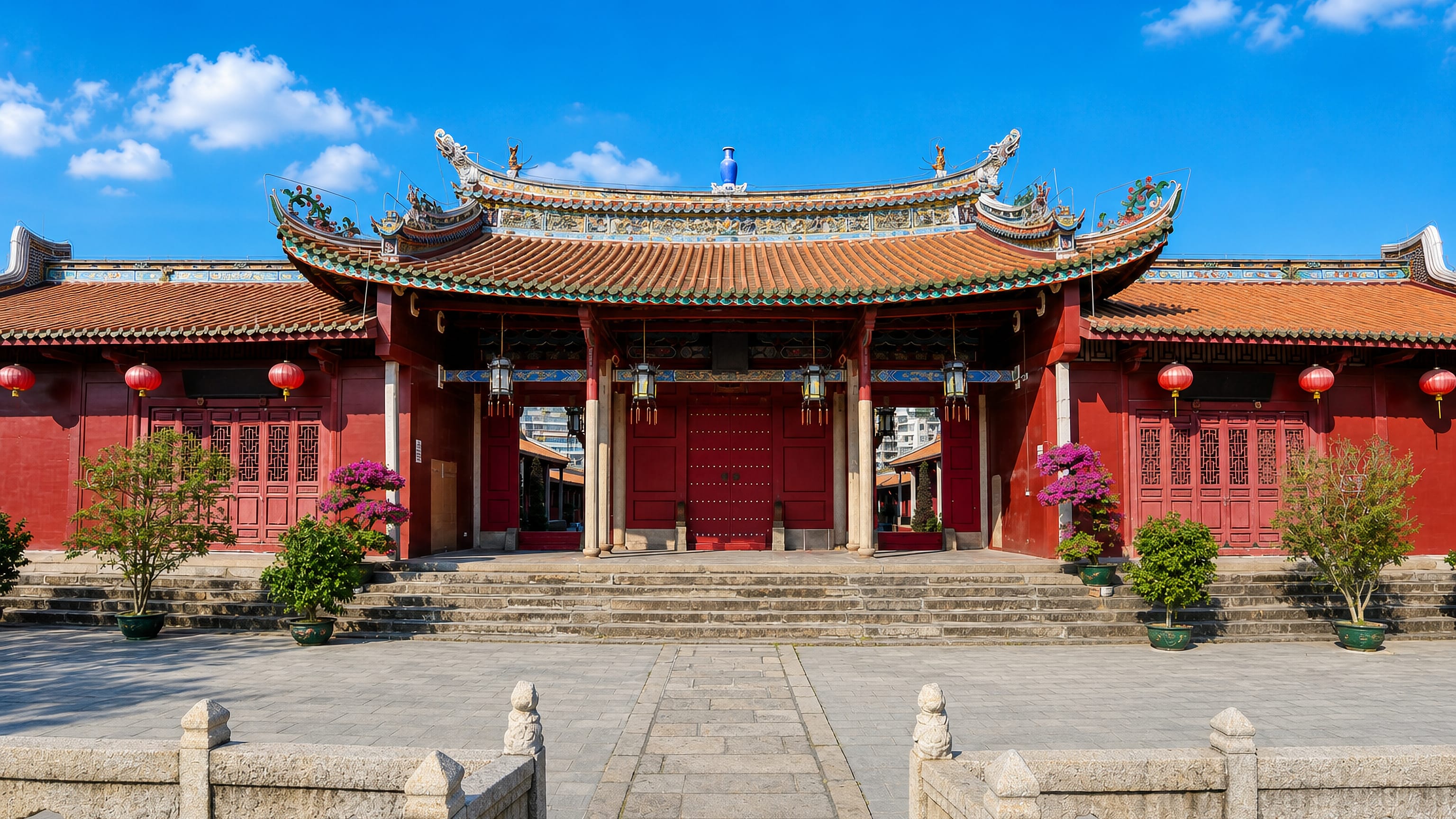
Jieyang is a prefecture-level city in eastern Guangdong, a Chaoshan town of temples, arcades and old alleys rather than tall buildings.
Hotel links are affiliate links: booking through them may earn us a commission, at no extra cost to you. It never affects how places are ranked. How this works


Where to stay in Jieyang
The practical side of choosing where to sleep.
The old city decides it. Jieyang's alleys, arcades and temples belong to the old city, and a room inside that grid turns the whole visit into walking rather than driving. Nothing here is tall.
Low buildings keep the streets legible on foot, so the difference between one address and another is measured in a couple of minutes rather than in a change of neighbourhood. Jieyang Tower is the other fixed point, and a base within reach of it gives a traveller a landmark to steer by in a city where the low roofline hides the usual orientation cues. Temples set the rhythm of a day.
Gurong Wumiao, the Jieyang Chenghuang Miao and the Jieyang Confucian Temple are scattered across the city rather than gathered into one quarter, so a day in Jieyang becomes a series of short hops rather than a single loop. Food is the second argument. Chaoshan cooking is why many people come at all, and the local specialities are easiest to find where the arcades are rather than out along a modern road.
Drivers have a different calculation. Anyone arriving from Shantou, Chaozhou, Meizhou or Shanwei may prefer a room with parking and accept the walk in, since the old city was laid out long before cars and shows it in every lane.
Find hotels in Jieyang
Direct booking searches for these neighbourhoods.
The old city alleys
Jieyang's alleys and arcaded shopfronts are the reason to come, and a room among them puts Gurong Wumiao and the Jinxianmen Gate Tower within a walk instead of a drive.Find hotels in The old city alleysSlow starts built around the Jieyang Museum rather than the temple circuit.Near the Jieyang Museum
The Jieyang Museum gathers the city's collections under one roof, so a room within reach of it suits a visitor whose day begins indoors before the arcades and alleys fill up. Beds are limited here, so book early.Find hotels in Near the Jieyang MuseumHotel links are affiliate links: booking through them may earn us a commission, at no extra cost to you. It never affects how places are ranked. How this works
About Jieyang
No tall buildings interrupt it.
What is Jieyang known for?
Jieyang keeps a low skyline, and what fills it instead are temples scattered across the city, arcaded shopfronts with a southern character and alleys that cut through the old quarter. Chaoshan Min is spoken here. That sets Jieyang apart from the Yue speakers next door, and the same distinctiveness runs through the food, which is the other reason people make the trip.
What are the main landmarks in Jieyang?
Temples come first. The Jieyang Confucian Temple, the Jieyang Chenghuang Miao and Gurong Wumiao anchor the city's religious architecture, while Shiguang Church adds a different tradition to the same streets. Two towers stand out.
Jieyang Tower and the Jinxianmen Gate Tower are the built markers a visitor navigates by, and the Former Residence of Ding Richang and the Jieyang Museum carry the city's human record indoors.
What is the history of Jieyang?
Jieyang belongs to Chaoshan before it belongs to Guangdong. The city sits inside the Chaoshan region of eastern Guangdong, a cultural block whose people speak Chaoshan Min rather than the Yue of their neighbours, and that division is older than any provincial administration. Language is the proof.
A traveller who crosses into Jieyang from a Yue-speaking prefecture hears the change immediately, and the characters Jieyang City name a place that has kept its own speech through every reorganisation of the coast. Emigration is the other thread. Jieyang is historically important as the hometown of many overseas Chinese in Southeast Asia, and that outward movement is a large part of how the city is remembered beyond Guangdong.
Ding Richang left a house behind. The Former Residence of Ding Richang is preserved as one of the few private buildings on the city's list rather than a temple or a gate. Public buildings did better.
The Jieyang Confucian Temple, the Jinxianmen Gate Tower and the Jieyang Chenghuang Miao carried civic and religious functions that outlasted individual fortunes, and their survival is why a low-rise city near the South China Sea still reads as an old one.
Where is Jieyang?
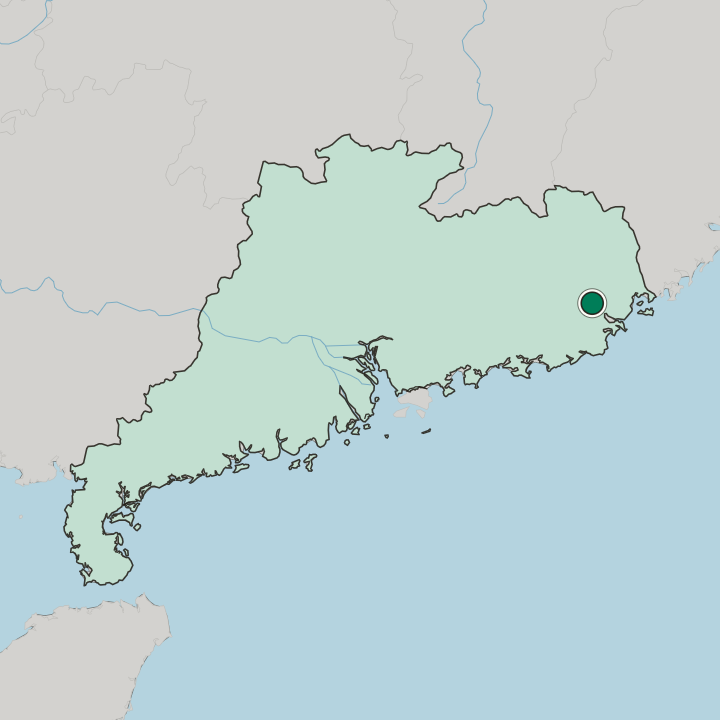
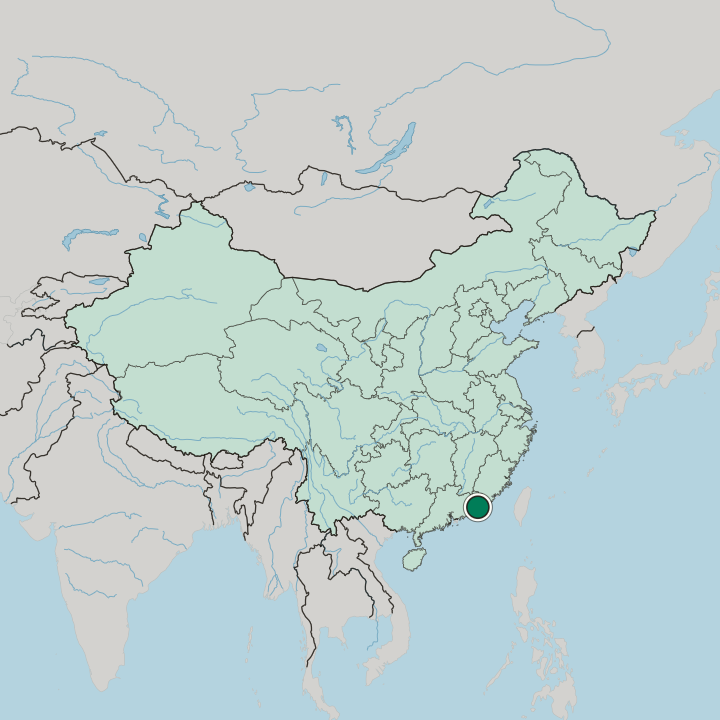
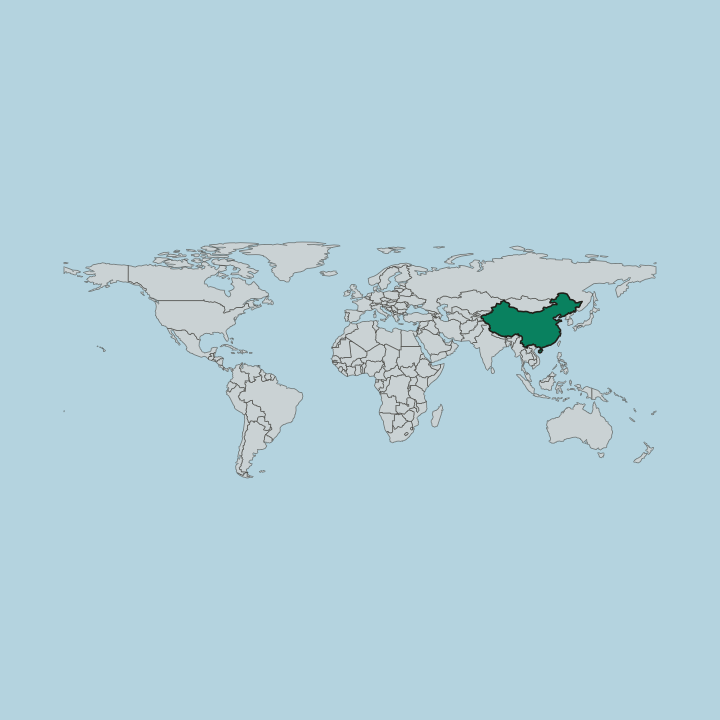
Four prefectures and one sea enclose it. Jieyang borders Shantou to the east, Chaozhou to the northeast, Meizhou to the north and Shanwei to the west, while its southern edge looks out to the South China Sea. The prefecture is compact.
Inside those limits the old city holds the alleys and arcades, and the rest of eastern Guangdong's Chaoshan country runs on around it.
What is the climate of Jieyang?
The South China Sea does the regulating. Jieyang's southern edge opens to it, so the subtropical year arrives damp rather than dry, and the difference between a comfortable month and an oppressive one is mostly a question of how much moisture the sea is pushing inland. Timing a visit means timing the rain.
Anyone walking the alleys and arcades of the old city will notice that the shade they provide is not decoration, since the covered fronts are the practical answer to both sun and rain.
How do you get to Jieyang?
Neighbours supply most arrivals. Roads from Shantou, Chaozhou, Meizhou and Shanwei converge on Jieyang, which makes the city an easy addition to a run through the Chaoshan region rather than a destination reached on its own. The sea is close.
Once a traveller is inside the old city, the alleys take over, and the Jinxianmen Gate Tower and Jieyang Tower serve as the markers by which a first walk is navigated.
Common questions
What is the best area to stay in Jieyang?
The old city alleys: Walkers who want Gurong Wumiao, the arcades and the Jinxianmen Gate Tower on one slow morning.. Near the Jieyang Museum: Slow starts built around the Jieyang Museum rather than the temple circuit..
Good for
More cities in Guangdong
Updated September 2026