China · Guangdong
Where to Stay in Guangzhou, Guangdong
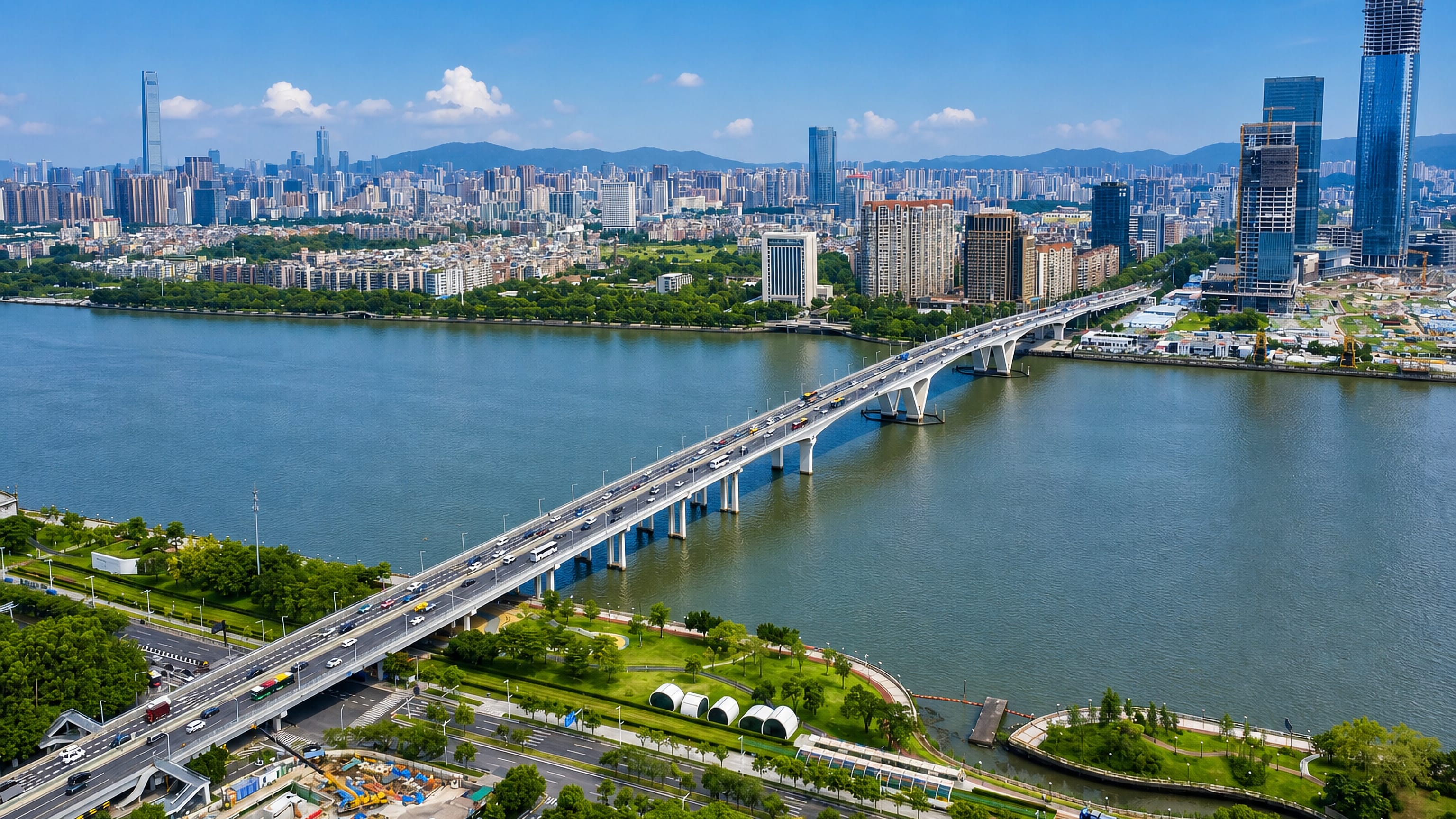
Guangzhou lines the Pearl River, the old port of Canton and capital of Guangdong, known for the Chen Clan Academy and Sacred Heart Cathedral.
Hotel links are affiliate links: booking through them may earn us a commission, at no extra cost to you. It never affects how places are ranked. How this works


Where to stay in Guangzhou
Each area has its own feel; here's who each one suits.

 GuangzhouChina
Yuexiu District
Yuexiu District is the old civic heart of Guangzhou, wrapped around the ancient Site of Nanyue Kingdom Palace.Where to stay →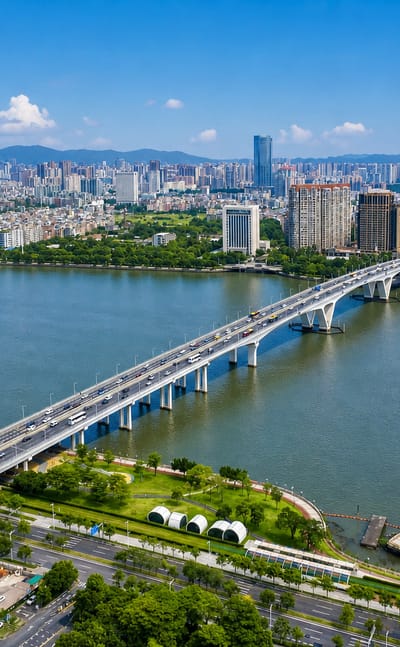 GuangzhouChina
Liwan District
Liwan District is an old quarter of Guangzhou, split by the Pearl River into Xiguan and Fangcun.Where to stay → GuangzhouChina
Haizhu District
Haizhu District is Guangzhou's island borough on the Pearl River, home of Sun Yat-sen University and Haizhu Wetland.Where to stay →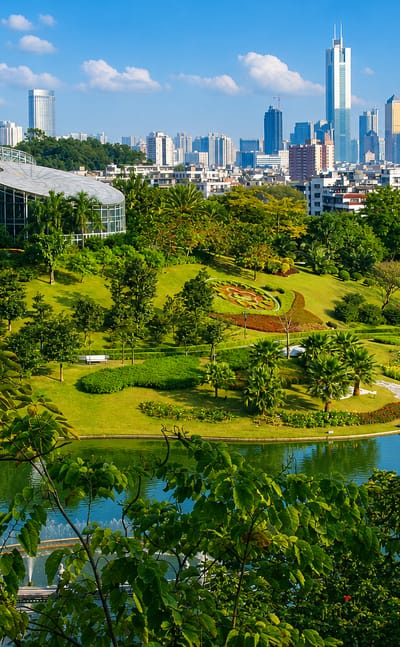 GuangzhouChina
Baiyun District
Baiyun District (Baiyun) is a large northern borough of Guangzhou, spread across roughly 665 square kilometres.Where to stay → GuangzhouChina
Tianhe District
Tianhe District is the commercial heart of Guangzhou, an eastern district set back from the Pearl River around Zhujiang New Town.Where to stay →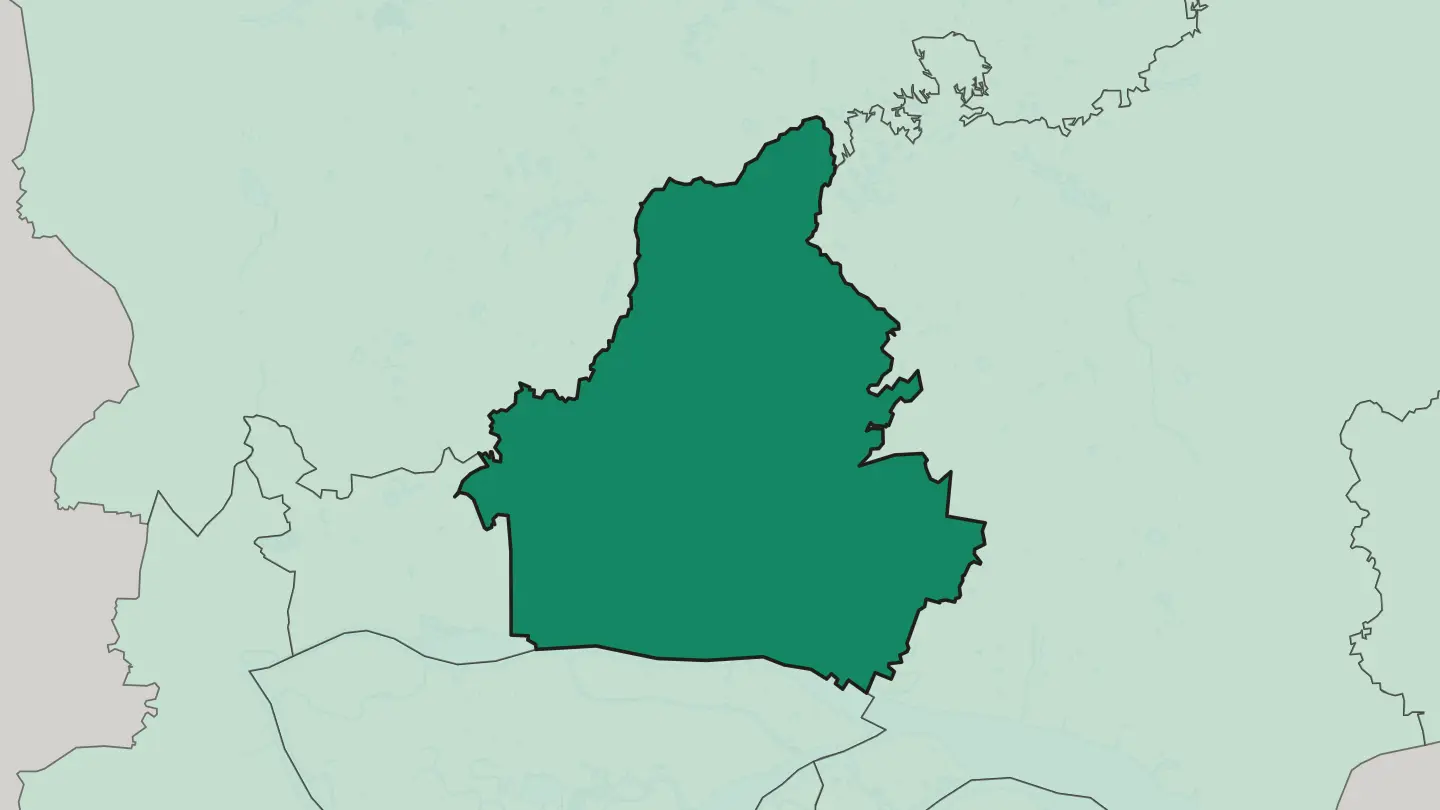
 GuangzhouChina
Huangpu District
Huangpu, once romanised as Whampoa, is an urban district of Guangzhou that took in the former Luogang District in 2014.Where to stay →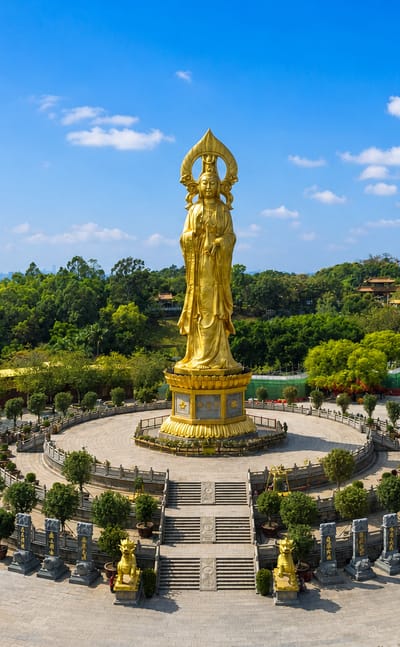 GuangzhouChina
Panyu District
Panyu is a southern district of Guangzhou, holding Chimelong, Lotus Hill and the classical Yuyin Garden.Where to stay → GuangzhouChina
Huadu District
Huadu District is an outer district of Guangzhou, in Guangdong, spread across the northern reaches of the city.Where to stay → GuangzhouChina
Nansha District
Nansha is Guangzhou's southernmost district, spread across the Pearl River mouth around Nansha Port and Tianhou Palace.Where to stay → GuangzhouChina
Conghua District
Conghua District is the northernmost district of Guangzhou, in Guangdong, out among the hills beyond the city.Where to stay → GuangzhouChina
Zengcheng District
Zengcheng District is the easternmost district of Guangzhou, in Guangdong, far out beyond the inner city.Where to stay →Hotel links are affiliate links: booking through them may earn us a commission, at no extra cost to you. It never affects how places are ranked. How this works
Find hotels in Guangzhou
Direct booking searches for these neighbourhoods.
Shamian Island
the old concession sandbar with Shamian Christian Church and colonial shophouses along the Pearl RiverFind hotels in Shamian Islandheritage streets away from the towersDongshan
low early-1900s villas and Christ Church Dongshan under the treesFind hotels in Dongshanfirst-timers near the main sightsThe old town
walking distance to Sacred Heart Cathedral, the Guangzhou Museum, and the Pearl River quaysFind hotels in The old townHotel links are affiliate links: booking through them may earn us a commission, at no extra cost to you. It never affects how places are ranked. How this works
Things to do in Guangzhou
Ranked by global recognition; descriptions from Wikidata (CC0).
Museums & Galleries
3- Chen Clan Academy Heritage
- Memorial Museum of Generalissimo Sun Yat-sen's Mansion Heritage
- Site of Palace and Garden, Nanyue King Museum
Churches & Religious Sites
3- Sacred Heart Cathedral Heritage
- Christ Church Dongshan Heritage
- Our Lady of Lourdes Chapel
Castles & Historic Sites
1- Site of Nanyue Kingdom Palace
worth knowingacross 3 categories in Guangzhou
About Guangzhou
What is Guangzhou known for?
Guangzhou is the historic port of Canton, capital of Guangdong and a famed terminus of the maritime Silk Road. Trade shaped everything. The Pearl River carried its commerce to the wider world, and the old waterfront still holds Shamian Island and the Canton Custom House.
Cantonese opera and Cantonese cooking flavour daily life, while the Chen Clan Academy displays the region's woodcarving and ceramics. Commerce and craft run deep.
What are the main landmarks in Guangzhou?
Guangzhou spreads its landmarks from the ancient palace grounds to the waterfront. The Chen Clan Academy and the Temple of the Five Immortals show the region's craft and its old temples. Along the river stand Shamian Christian Church, the Canton Custom House, and Sacred Heart Cathedral.
The Nanyue King Museum and the Site of Nanyue Kingdom Palace uncover a kingdom that ruled here two thousand years ago. Deep roots, many faiths.
What is the history of Guangzhou?
Guangzhou grew from the seat of the ancient Nanyue Kingdom, whose palace ground still lies beneath the modern streets at the Site of Nanyue Kingdom Palace. That kingdom ruled more than two thousand years ago. Its rulers left tombs and treasures displayed at the Nanyue King Museum, among the oldest relics found in the city.
The Pearl River made the rest. As Canton, the port became a great terminus of the maritime Silk Road, drawing traders from across Asia and then the merchant fleets of Europe. For centuries the port faced outward.
Western powers took a foothold on Shamian Island, where the concession left churches, banks, and the Canton Custom House along the water. The Chen Clan Academy rose later as a clan school and ancestral shrine for the wider Chen family. Revolution came next.
The Memorial to the Shakee Massacre records a deadly day in the city's early protests, and the Memorial Museum of Generalissimo Sun Yat-sen's Mansion preserves the mansion of Sun Yat-sen. The Guangdong Museum of Revolutionary History keeps that record. Through every era the Pearl River kept the port alive.
Where is Guangzhou?
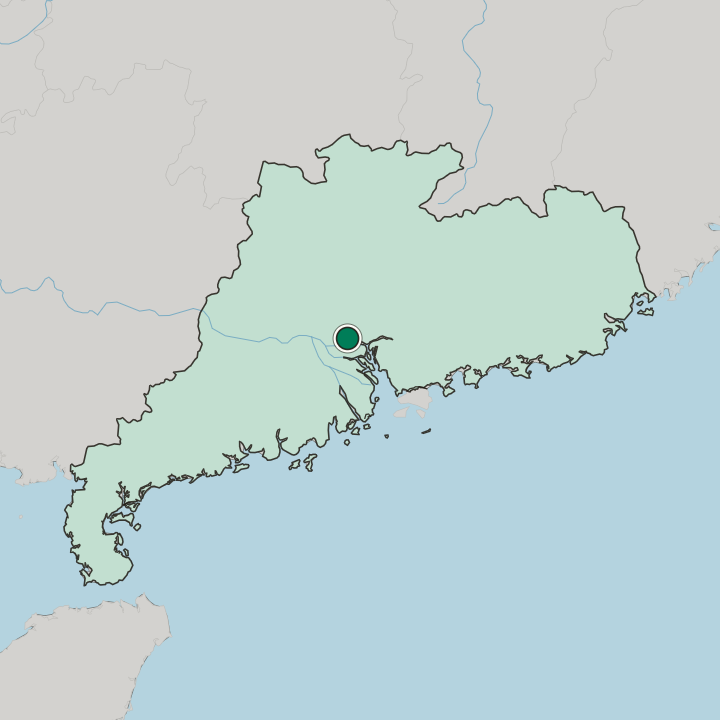
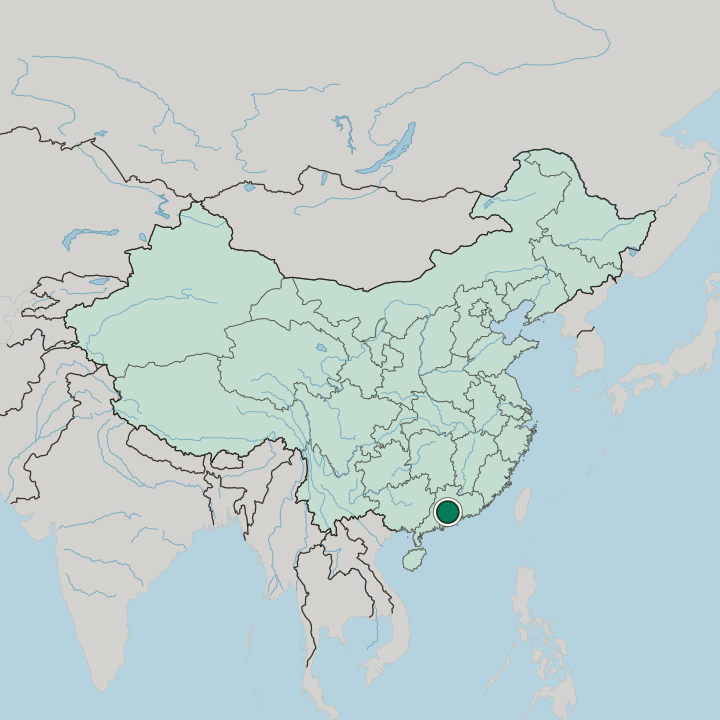
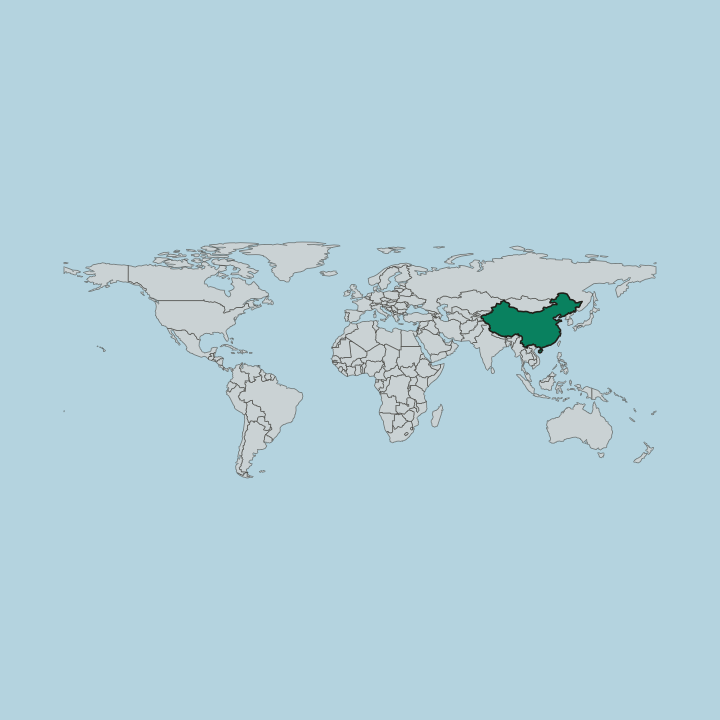
Guangzhou stands on the Pearl River, at the head of the delta that opens toward the sea. The city sits well upriver from Hong Kong and Macau, where the Pearl River fans out into a maze of channels, islands, and reclaimed farmland. Low hills rise behind it, and the warm delta plain spreads toward the coast.
Guangdong, the surrounding region, wraps the city on every side. The Pearl River threads through the city. Its channels reach the sea.
What is the climate of Guangzhou?
Guangzhou has a warm, humid subtropical climate at the edge of the tropics. Heat lingers most of the year. Long summers turn hot and wet under the monsoon, and typhoons can sweep across Guangdong and up the Pearl River delta in the late-summer months.
Winters stay short and mild, rarely truly cold. The growing season barely pauses.
How do you get to Guangzhou?
Guangzhou is reached by air, high-speed rail, river, and road, a hub of the whole delta. Trains pour in from every direction, a heritage recalled at the Guangzhou Railway Museum. The Pearl River still works.
Ocean ships load at the delta ports downstream, where the river opens toward the sea and the routes that once carried the Silk Road trade. From the airports on the plain, a dense metro threads the city together.
Common questions
What is the best area to stay in Guangzhou?
Shamian Island: a calm historic base by the water. Dongshan: heritage streets away from the towers. The old town: first-timers near the main sights.
Good for
More cities in Guangdong
Updated September 2026