China · Guangdong
Where to Stay in Shaoguan, Guangdong
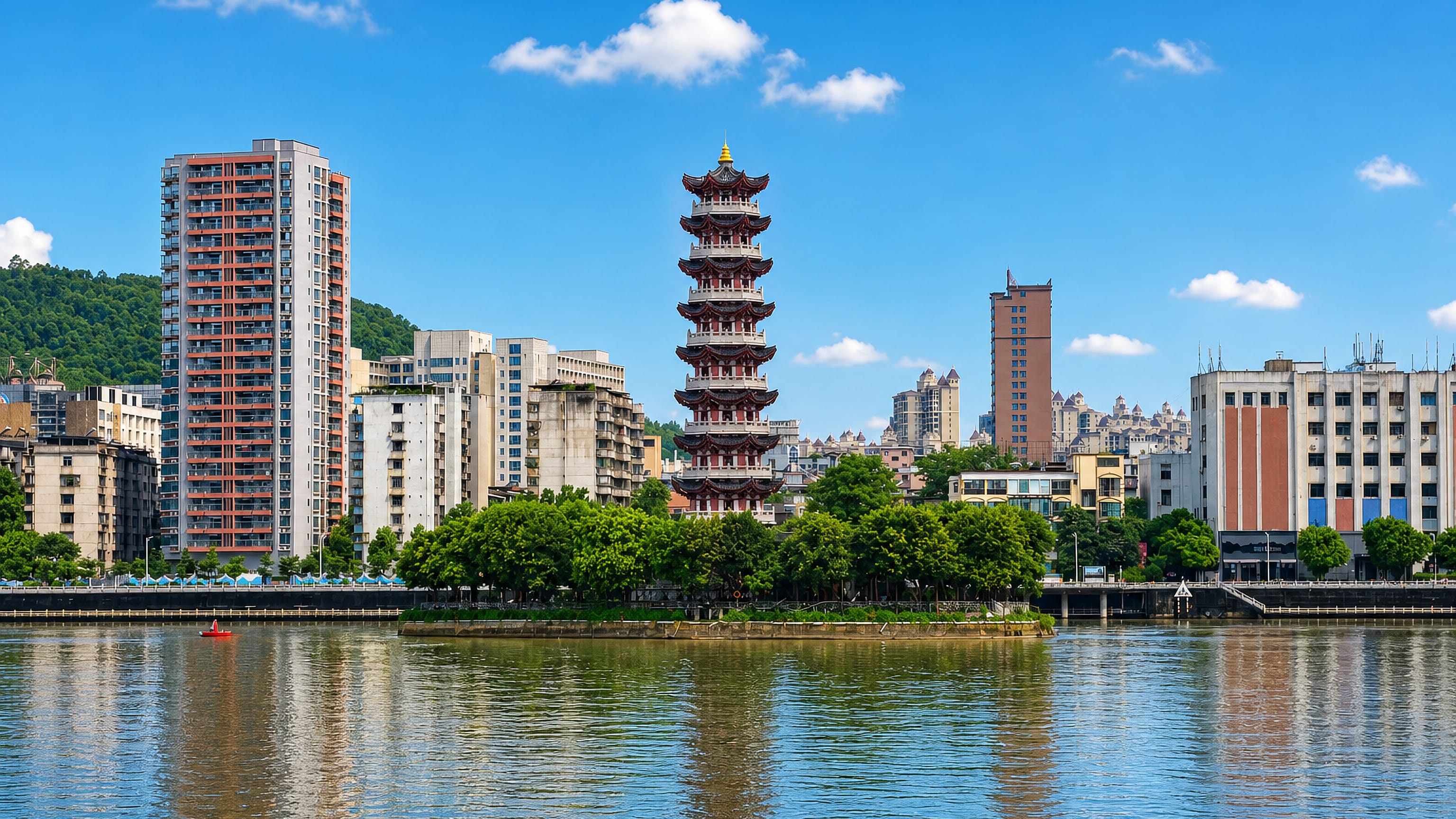
Shaoguan is a prefecture-level city in Guangdong, China, set among the Mount Danxia landforms and holding the remains of the Zen patriarch Huineng.
Hotel links are affiliate links: booking through them may earn us a commission, at no extra cost to you. It never affects how places are ranked. How this works


Where to stay in Shaoguan
Where the beds are, and what that means for the visit.
Three districts hold the beds. The built-up part of Shaoguan is Zhenjiang together with Wujiang and Qujiang, and a room in any of them keeps meals, transport and errands within reach of a short walk rather than a drive into the hills. Zhenjiang is the older core.
Wujiang and Qujiang spread out from that core, and the practical question between them is how much distance a guest wants from the busiest streets. Sanying Pagoda and the Pagoda of Yunlong Temple are the two pagodas on the city's list. Mount Danxia changes the calculation.
Reaching it means a genuine drive. Visitors coming for that landform, and for the inscriptions cut into its precipices, do better choosing a bed for the trip out than for the urban districts. Nanhua Temple and Yunmen Temple pull the same way.
Hot springs are the other reason to sleep beyond the districts, and Mantang Wei, Changweicun Weiwu and Shuangfeng Zhai sit out in the same wider prefecture that reaches to Hunan and Jiangxi. Ruyuan carries its own entries, the Xijing Ancient Road among them, and a stay planned around those belongs at that end of the prefecture rather than in Zhenjiang.
Find hotels in Shaoguan
Direct booking searches for these neighbourhoods.
Zhenjiang
The oldest of the three urban districts, and the one most travellers mean when they say they are staying in ShaoguanFind hotels in ZhenjiangRooms a little off Zhenjiang's busiest streets, still inside the built-up cityWujiang
The district spreading out from Zhenjiang across the same continuous urban ground, sharing the city's servicesFind hotels in WujiangDrivers setting out for Nanhua Temple and the hot springs before seeing the city itselfQujiang
The third of Shaoguan's urban districts, the outermost of the built-up trio and the quickest to leave by roadFind hotels in QujiangTrips built around the Danxia landform and the inscriptions cut into its precipicesThe Mount Danxia side
Beds out toward Mount Danxia, chosen for the cliffs and the old crossings rather than for Zhenjiang's streets. Few places to stay nearby — book ahead.Find hotels in The Mount Danxia sideHotel links are affiliate links: booking through them may earn us a commission, at no extra cost to you. It never affects how places are ranked. How this works
About Shaoguan
Mount Danxia gives the city its shape.
What is Shaoguan known for?
Nanhua Temple and Yunmen Temple carry the Buddhist side, and the mummified remains of the sixth Zen patriarch Huineng are held in the city. Hot springs draw people out of the districts. The Yao are one of the prefecture's larger communities, and Shixia Site and Maba Man Site record habitation here long before any of that.
What are the main landmarks in Shaoguan?
The list here is long for a prefecture this size. Mount Danxia leads it, with the inscriptions on precipices of Mount Danxia recorded separately, and Nanhua Temple and Yunmen Temple giving the Buddhist entries alongside Sanying Pagoda and the Pagoda of Yunlong Temple. Older ground is registered too.
Shixia Site and Maba Man Site cover the earliest layers, Mantang Wei, Changweicun Weiwu and Shuangfeng Zhai stand for the built settlements of the countryside, and the Xijing Ancient Road in Ruyuan records a route through.
What is the history of Shaoguan?
Maba Man Site is the oldest mark. That site and the Shixia Site put people in this part of Guangdong long before any temple or pass was built, and both are recorded under Shaoguan rather than under a neighbouring prefecture. Zen arrived later.
Huineng, the sixth patriarch of Zen Buddhism, is remembered here through his mummified remains, and Nanhua Temple and Yunmen Temple are the two houses the city's Buddhist history rests on. Sanying Pagoda and the Pagoda of Yunlong Temple stand on the same register. The passes did the connecting.
The Xijing Ancient Road in Ruyuan is recorded as heritage, and such routes marked the ways over the hills toward Hunan to the northwest and Jiangxi to the northeast. Hot springs belong to the same broken country those routes had to cross. Settlement followed those lines.
Mantang Wei, Changweicun Weiwu and Shuangfeng Zhai are the surviving named sites of that older countryside, and the Yao remain one of the larger communities across the prefecture. The modern shape is a trio. Zhenjiang, Wujiang and Qujiang make the urban districts of a prefecture-level city that the province also knows as Yuebei.
Where is Shaoguan?
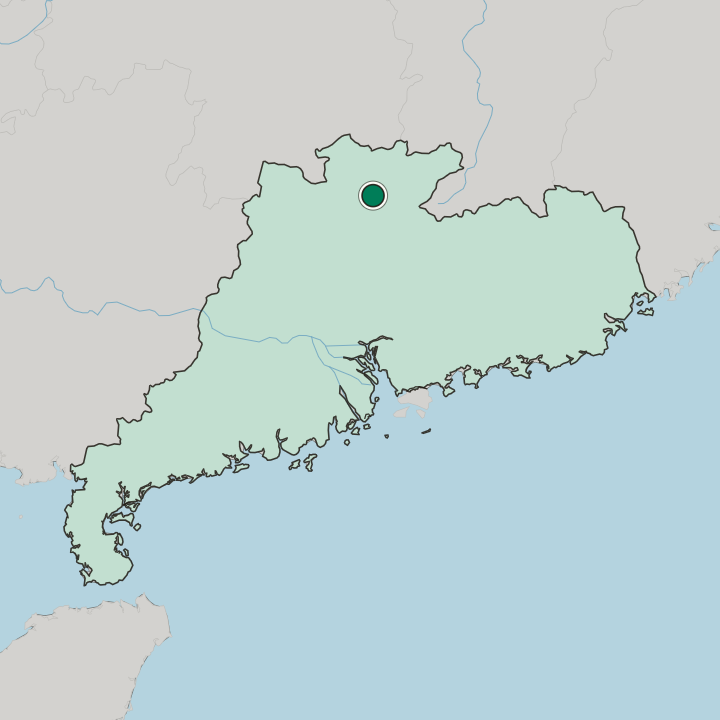
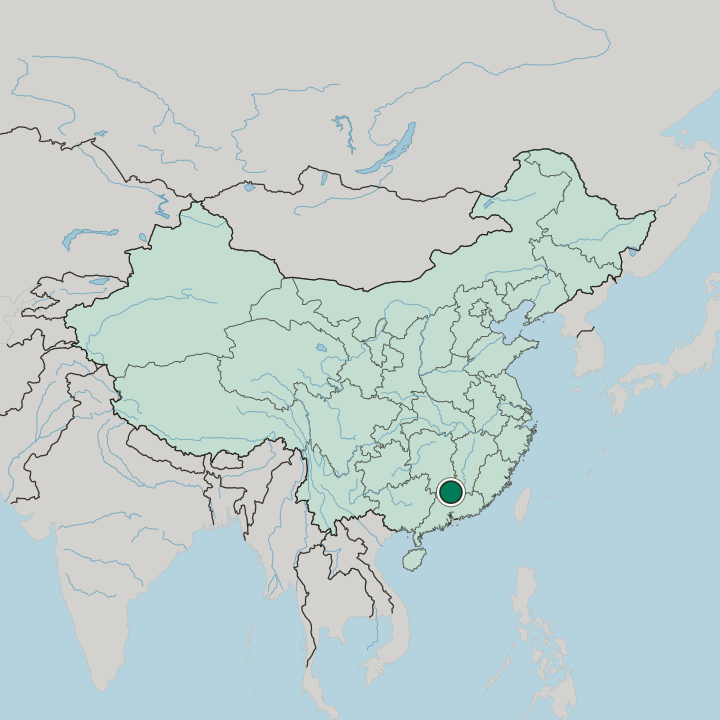
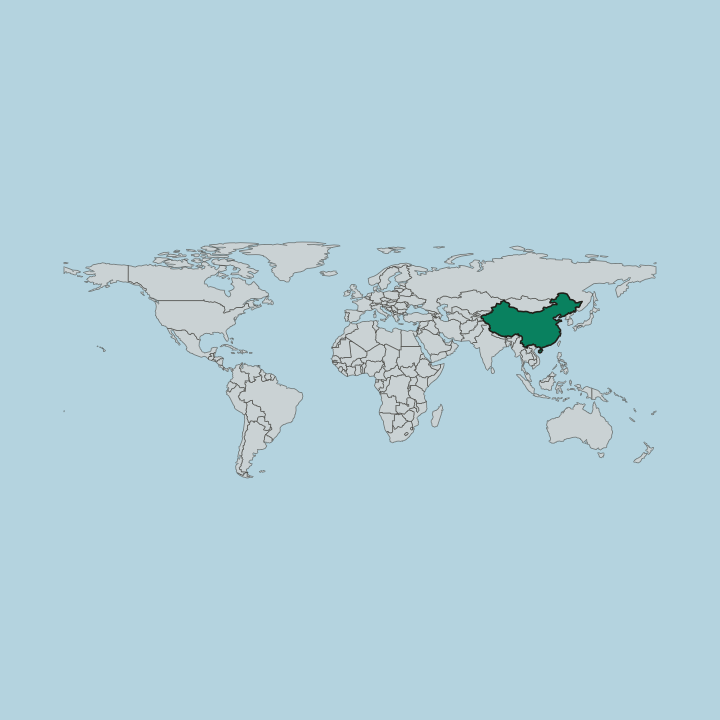
Shaoguan sits inland, with Hunan beyond the hills to the northwest and Jiangxi to the northeast, and the built-up districts occupying only a small share of a prefecture that runs to a very large area. Mount Danxia is the landform that gets named. Rivers and low mountains fill the rest, and hot springs surface across the same ground.
Yuebei is the name the province uses for this corner.
What is the climate of Shaoguan?
Subtropical, and a long way inland. Shaoguan sits in the northern hemisphere within that warm band, but the prefecture climbs toward Hunan and Jiangxi, so the hill country holds conditions the built-up districts of Zhenjiang, Wujiang and Qujiang do not. Height is the variable that matters.
Visitors for the hot springs and for Mount Danxia feel that difference more than the calendar, since the ground rises beyond the built-up districts.
How do you get to Shaoguan?
Approaches follow old lines. The Xijing Ancient Road in Ruyuan marks one of the historic crossings between Guangdong and the provinces beyond, with Hunan to the northwest and Jiangxi to the northeast. Arrivals land in Zhenjiang, Wujiang or Qujiang.
Those three districts are where the roads of Shaoguan converge, and everything else, Mount Danxia, Nanhua Temple, the hot springs, is a trip out from them.
Common questions
What is the best area to stay in Shaoguan?
Zhenjiang: Short stays that want the older core of Shaoguan on foot. Wujiang: Rooms a little off Zhenjiang's busiest streets, still inside the built-up city. Qujiang: Drivers setting out for Nanhua Temple and the hot springs before seeing the city itself. The Mount Danxia side: Trips built around the Danxia landform and the inscriptions cut into its precipices.
Good for
More cities in Guangdong
Updated September 2026