China · Hēilóngjiāng
Where to Stay in Hegang, Hēilóngjiāng
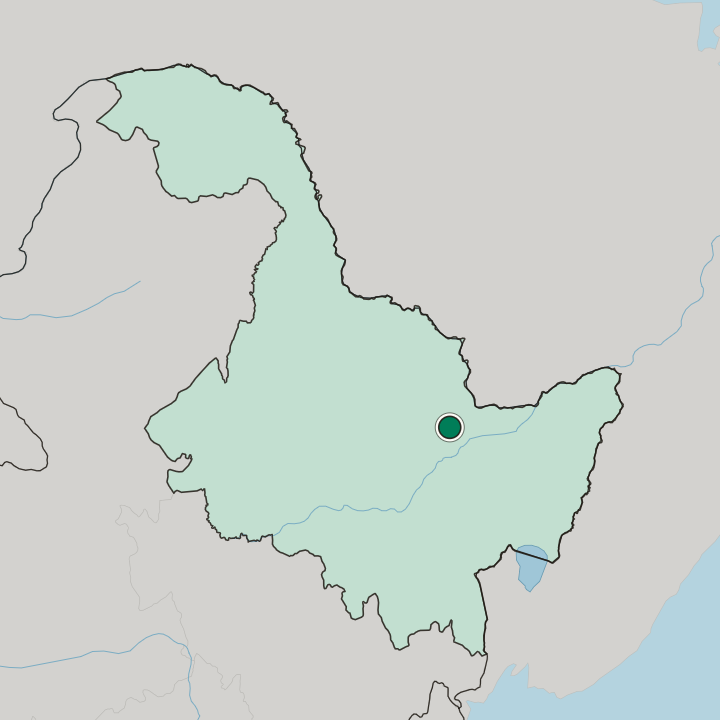
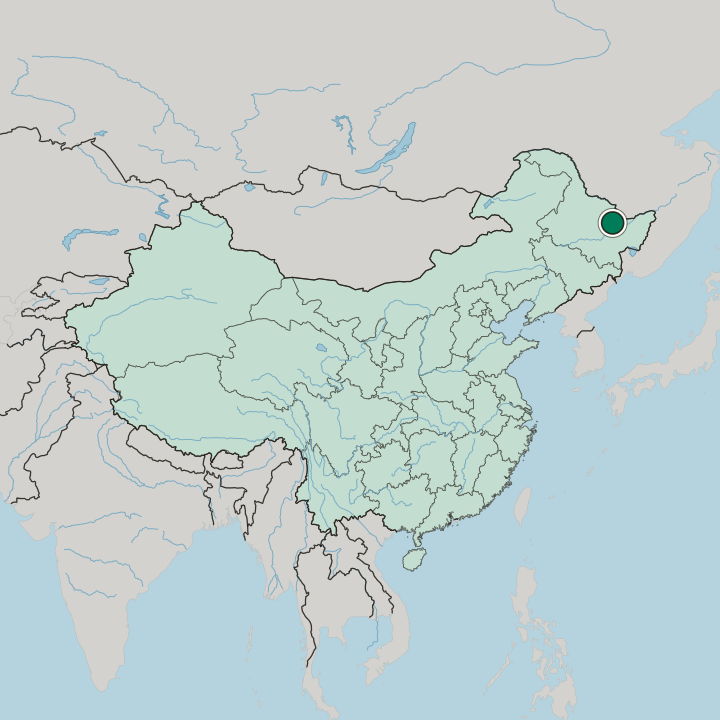
Hegang is a prefecture-level city of Heilongjiang province, China, one of the country's principal coal producers, set in the Lesser Khingan Range.
Hotel links are affiliate links: booking through them may earn us a commission, at no extra cost to you. It never affects how places are ranked. How this works


Where to stay in Hegang
Where visitors usually base themselves, and why.
Hegang runs on six urban districts. That structure matters for a stay, because the built-up part is not one continuous centre and a room in the wrong district can put the whole of a working visit on the road each morning. Coal set the pattern.
The city grew as a producer rather than as a market town, so its districts follow the workings instead of a single square, and choosing between them is a question of which end of the city the trip belongs to. Hegang was founded in 1906, and the districts carry that short history plainly, since nothing here predates the mining by much except the two ruined sites out in the range. The ruins argue for the edge.
Aolimi City Ruins and Zhongxing City Ruins are the only heritage entries in the register, and a bed nearer them saves a long approach through country the Lesser Khingan Range breaks up. Rivers bound the options. If you are crossing toward Jiamusi over the Songhua River, or heading for the Amur River and the Jewish Autonomous Oblast of Russia beyond it, the district nearest that road decides the night before comfort does.
One district, one purpose.
Find hotels in Hegang
Direct booking searches for these neighbourhoods.
The Songhua crossing districts
The part of Hegang's six urban districts lying closest to the river bank that faces JiamusiFind hotels in The Songhua crossing districtsVisits pairing Aolimi City Ruins with Zhongxing City RuinsOut by Aolimi City Ruins
The range country beyond the coal workings, nearest Hegang's only two recorded ruin sites. Lodging is scarce in this area; reserve in advance.Find hotels in Out by Aolimi City RuinsWork trips tied to the industry that made the cityThe coalfield districts
The working end of Hegang, where the mining begun after 1906 laid out the streetsFind hotels in The coalfield districtsHotel links are affiliate links: booking through them may earn us a commission, at no extra cost to you. It never affects how places are ranked. How this works
About Hegang
Coal is the plain answer.
What is Hegang known for?
Hegang ranks among the principal coal-producing cities of China, and the industry is what made a prefecture-level city out of a place that took its modern form only after 1906. The ruins are the counterweight. Aolimi City Ruins and Zhongxing City Ruins are the two named heritage sites, and they stand in country the Lesser Khingan Range shapes, between the Songhua River and the Amur River.
What are the main landmarks in Hegang?
Two names carry the whole register. Aolimi City Ruins and Zhongxing City Ruins are what Hegang records as heritage, and both are sites rather than standing buildings, which sets the expectation for anyone arriving with a monument in mind. Coal accounts for the rest.
The working landscape of the prefecture is the industry itself, spread through six urban districts and the country the Lesser Khingan Range holds around them.
What is the history of Hegang?
The ruins come first in the record. Aolimi City Ruins and Zhongxing City Ruins are the two sites the prefecture registers, and both stand for settlement in this part of the Lesser Khingan Range well before any of the mining began. Then 1906.
Hegang dates its founding to that year, which puts the city's own history inside a single century and ties its beginning to the working of coal rather than to a market, a garrison or a temple. The ruins carry no date in the register, so their span stays open. Rivers fixed the position.
The Songhua River runs to the south with Jiamusi on the far bank, and the Amur River runs to the north with the Jewish Autonomous Oblast of Russia beyond it, so the city grew inside a frame that two rivers and an international boundary had already drawn. Coal did the rest. Hegang became one of the principal coal-producing places in China, and the six urban districts making up the built-up area are the shape that industry left behind.
Its official written form is Hegang City. That name and the founding year of 1906 are close to the whole documentary record, with the two ruined cities standing in for everything that came before them. Beyond that, the record falls silent.
Where is Hegang?
Two rivers and a range set the limits. Hegang lies in the Lesser Khingan Range, with the Songhua River to the south and the Amur River to the north, and the second of those doubles as the boundary with the Jewish Autonomous Oblast of Russia. Jiamusi faces it across the water.
The prefecture's administrative area runs far past the six urban districts holding the built-up part, taking in a great deal of the hill country the range throws up.
What is the climate of Hegang?
Hegang belongs to the temperate band. Warm months fall in the middle of the calendar and cold ones at either end, the ordinary northern sequence, and the slopes of the Lesser Khingan Range give that sequence something to work on. The rivers mark it too.
Anyone timing a visit to the Aolimi City Ruins, or a crossing toward the Songhua River, will find the middle of the year the more workable half.
How do you get to Hegang?
Jiamusi is the near neighbour. It sits across the Songhua River to the south, which makes that crossing the usual land approach into Hegang from the rest of Heilongjiang province. The Amur River closes the other side.
Beyond it lies the Jewish Autonomous Oblast of Russia, so routes here work along the rivers rather than through them, and a plan for reaching the six urban districts starts from the Jiamusi side.
Common questions
What is the best area to stay in Hegang?
The Songhua crossing districts: Stays that use the Songhua River crossing toward Jiamusi each day. Out by Aolimi City Ruins: Visits pairing Aolimi City Ruins with Zhongxing City Ruins. The coalfield districts: Work trips tied to the industry that made the city.
More cities in Hēilóngjiāng
Updated September 2026