
China · Hēilóngjiāng
Where to Stay in Qiqihar, Hēilóngjiāng
Qiqihar is an old city on the Nen River in western Heilongjiang, in the far northeast of China, famous for its cranes.
Hotel links are affiliate links: booking through them may earn us a commission, at no extra cost to you. It never affects how places are ranked. How this works


Where to stay in Qiqihar
The practical side of choosing where to sleep.
A stay in Qiqihar hinges on the downtown around Longsha Park. The streets around Longsha Park and the mosque keep the shops, the market, and the parks within reach, and staying downtown suits anyone here for the city. The streets are quiet in the cold.
Rooms sit near the park and the centre. Out toward Zhalong and the marshes, the land opens into wetland and reeds. A room near the reserve trades the city for the cranes, the birdwatching, and the wide marsh plain.
The frozen wetlands stretch past the edge. If you want the city, stay in the centre; if you want the cranes, take a room near Zhalong. Either way, the marshes are close at hand.
Find hotels in Qiqihar
Direct booking searches for these neighbourhoods.
The centre
Around Longsha Park and the Bukui Mosque, within reach of the marketFind hotels in The centreStays wanting the cranes and the marshesNear Zhalong
Toward the Zhalong reserve, by the wetlands and the birdwatchingFind hotels in Near ZhalongHotel links are affiliate links: booking through them may earn us a commission, at no extra cost to you. It never affects how places are ranked. How this works
About Qiqihar
Qiqihar is known for the cranes of Zhalong.
What is Qiqihar known for?
On the marshes east of the city, the great Zhalong reserve shelters the rare red-crowned crane, a bird of legend and long life, and each year the flocks gather on the wetlands. An old Chinese-style mosque stands in the town. Cranes and marsh mark the city.
What are the main landmarks in Qiqihar?
The Zhalong reserve is the great draw near Qiqihar. Its vast marshes east of the city shelter the red-crowned crane and clouds of waterbirds, the emblem of the region, on the wetland plain. A grand mosque stands in the town.
The old Bukui Mosque, built in the Chinese style, rises in the centre, while Longsha Park and the old railway buildings mark the city.
What is the history of Qiqihar?
Qiqihar rose as a frontier fortress of the northeast. In the seventeenth century the Qing built a walled garrison here on the Nen River to guard the far border against the Russians, and the town became the seat of the whole region of Heilongjiang. Peoples met on the plain.
Manchu, Daur, and Mongol lived and traded here, and a Chinese-style mosque served the Muslim Hui who came to the frontier town. The railway remade the city. When the Russians drove their great railway across Manchuria, Qiqihar grew as a station town and an industrial city of the plain, though the capital later moved away to Harbin.
The marshes kept their wild birds. Nearby the vast wetland of Zhalong became a refuge for the red-crowned crane, and Qiqihar took the crane as its emblem and its pride. The flocks still gather on the marshes.
Qiqihar guards its cranes and its plain on the Nen.
Where is Qiqihar?
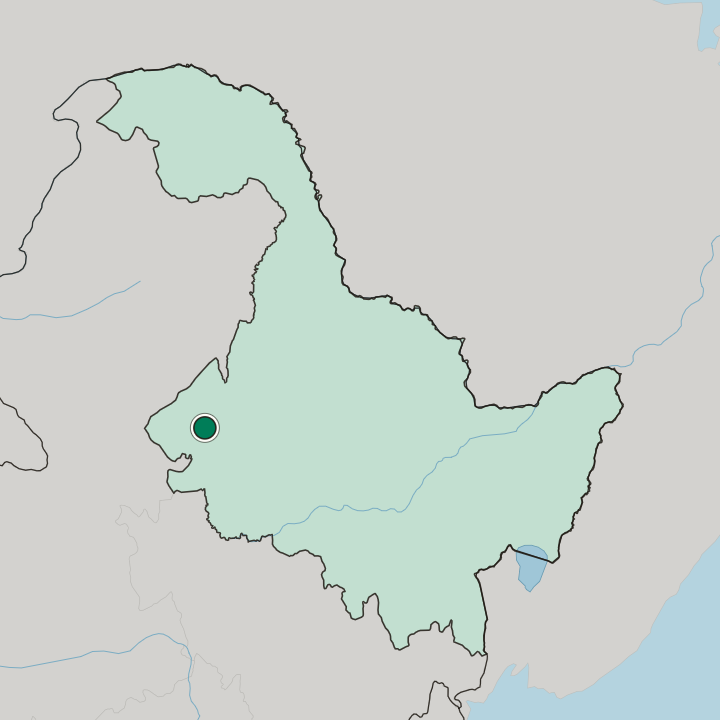
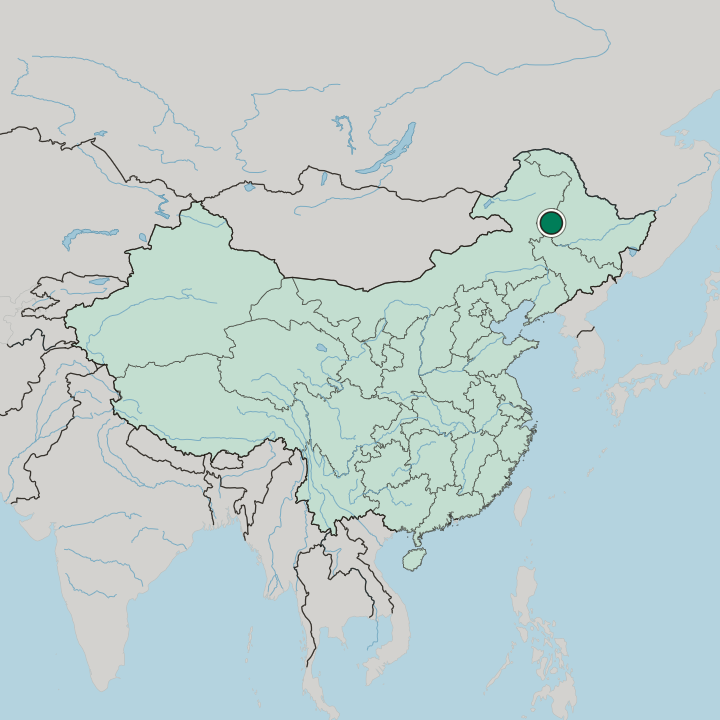
Qiqihar lies on the Nen River in the far northwest of Heilongjiang. The city sits on the flat Songnen plain, among marshes, lakes, and grassland, in the cold heart of the northeast of China, near the border country. Wide wetlands stretch around the town.
The great plain rolls away to the north.
What is the climate of Qiqihar?
Qiqihar has a harsh, cold continental climate. Long, bitter winters freeze the plain for months, and the summers turn warm and green on the marshes, with most rain falling in the short summer. Ice locks the rivers deep in winter.
The cranes come with the spring thaw.
How do you get to Qiqihar?
Qiqihar lies in the west of Heilongjiang in the far northeast of China. Trains and an airport link the city to Harbin and the wider country across the plain, and the old railway lines cross the region. Buses fan out to the smaller towns of the Heilongjiang plain.
Most arrive by rail across the northeast.
Common questions
What is the best area to stay in Qiqihar?
The centre: Visitors here for the parks, mosque, and shops. Near Zhalong: Stays wanting the cranes and the marshes.
Good for
More cities in Hēilóngjiāng
Updated September 2026