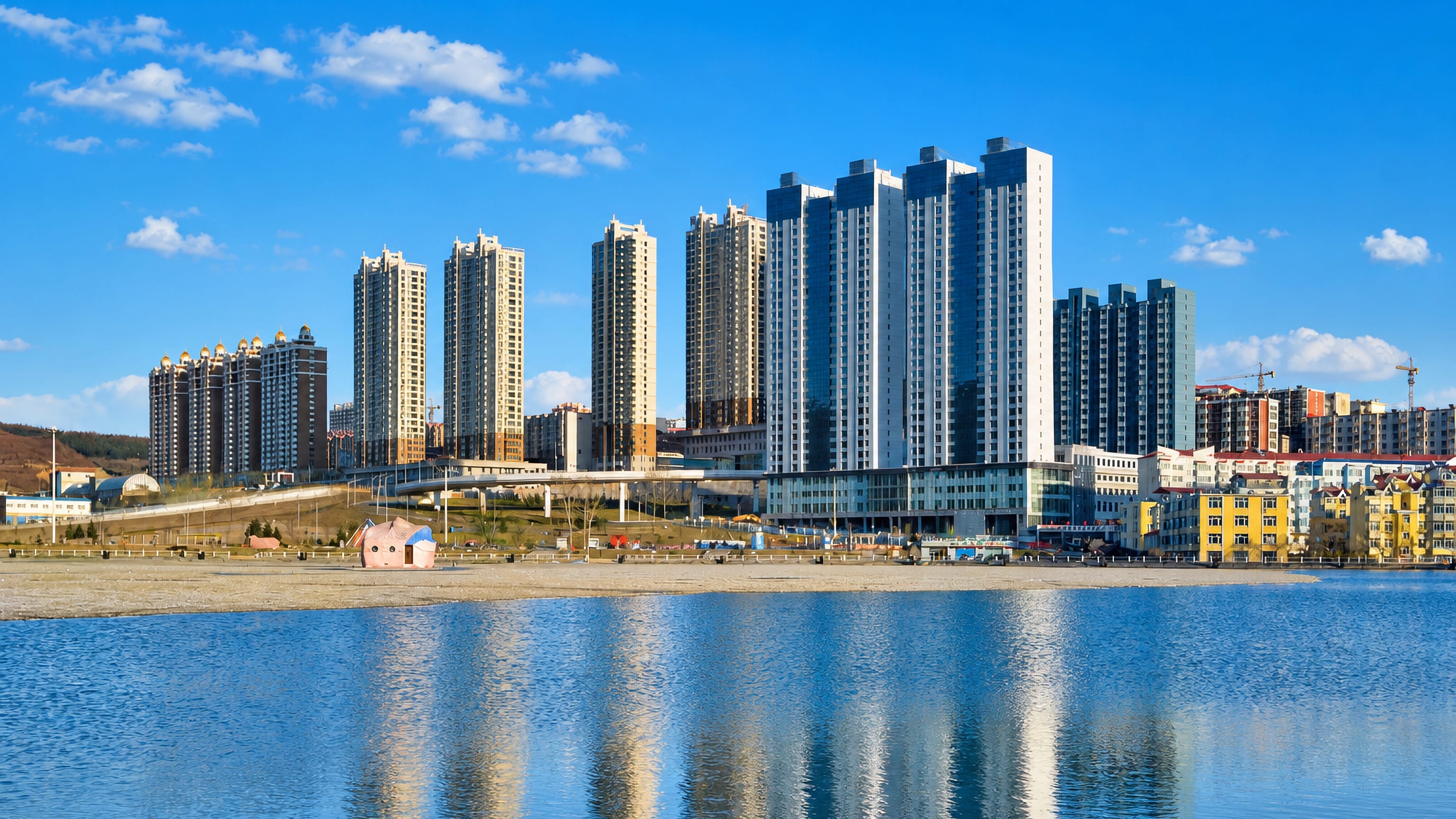
China · Hēilóngjiāng
Where to Stay in Suifenhe, Hēilóngjiāng
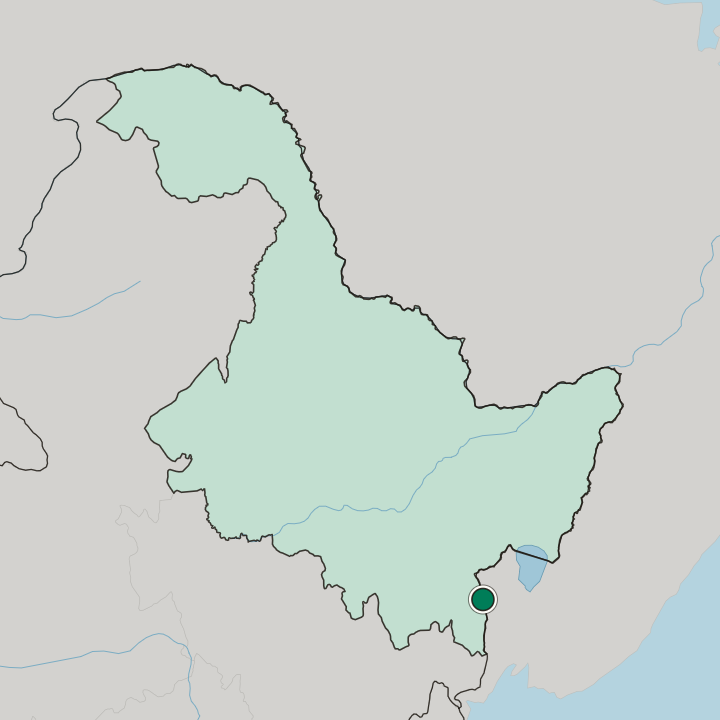
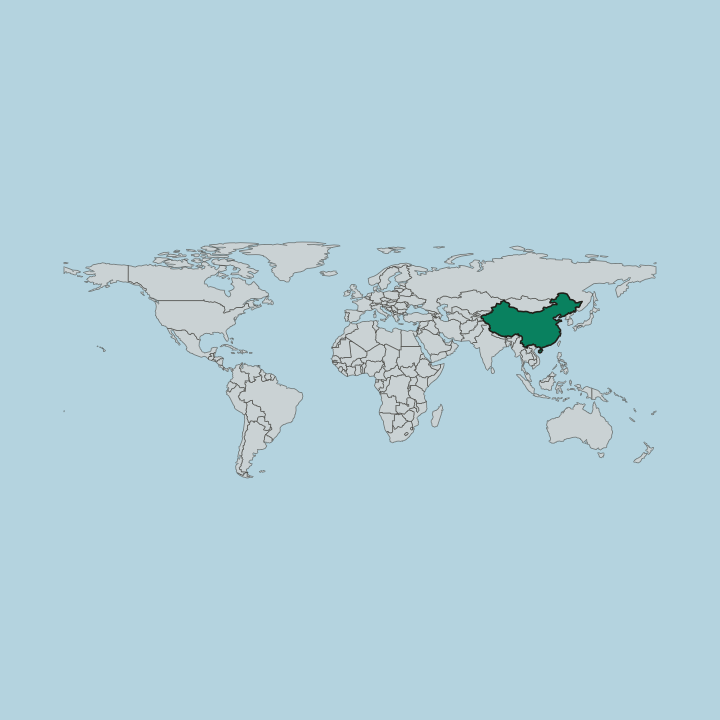
Suifenhe is a county-level city in Hēilóngjiāng, China, at the point where the former Chinese Eastern Railway crosses the boundary into Russia.
Hotel links are affiliate links: booking through them may earn us a commission, at no extra cost to you. It never affects how places are ranked. How this works


Where to stay in Suifenhe
How the choice of base plays out on the ground.
The station side is the obvious base. Suifenhe is a small county-level city rather than a spread-out prefecture, so almost everything worth walking to sits within the blocks the Chinese Eastern Railway laid out, and a room there covers the whole of it. St Nicholas church marks the older streets.
Choosing that side buys quiet, since the crossing traffic bound for Pogranichny keeps to its own approaches and the church quarter stays off them. You can cross the whole place on foot. A border crossing sets its own clock.
Anyone moving on to Primorsky Krai or continuing to Vladivostok gains from sleeping close to the boundary, because the first move of the day is a queue rather than a journey and the difference is measured in hours. Rooms out that way are fewer. The old Suifenhe Railway Station is the landmark most travellers actually use, and standing beside it makes the geography of the crossing obvious in a way no map does. Mudanjiang is the alternative for anyone treating Suifenhe as a day out rather than a stop, since the prefecture-level city inland has the deeper choice of beds.
Three named sites do not fill two days.
Find hotels in Suifenhe
Direct booking searches for these neighbourhoods.
Around the old Suifenhe Railway Station
The blocks around Suifenhe Railway Station hold the railway-era fabric and the platforms in the same few streetsFind hotels in Around the old Suifenhe Railway StationWalking Suifenhe's railway architecture without the crossing trafficThe St Nicholas church streets
St Nicholas church anchors the older part of Suifenhe, set back from the approaches that carry vehicles toward PogranichnyFind hotels in The St Nicholas church streetsFirst-thing formalities on a morning bound for Primorsky KraiToward the Pogranichny boundary
Beds nearest the line shorten the opening hour of any day continuing through Pogranichny toward Vladivostok. Lodging is scarce in this area; reserve in advance.Find hotels in Toward the Pogranichny boundaryHotel links are affiliate links: booking through them may earn us a commission, at no extra cost to you. It never affects how places are ranked. How this works
About Suifenhe
The railway made this a crossing point.
What is Suifenhe known for?
Suifenhe stands where the former Chinese Eastern Railway reaches the boundary with Russia, and Pogranichny in Primorsky Krai sits on the other side of the line, with Vladivostok reachable beyond it. Trade across that boundary shapes the town more than any monument does. What monuments there are came with the track: the Buildings of the Chinese Eastern Railway, St Nicholas church, and the old Suifenhe Railway Station that stood in service from 1899 until 2015.
What are the main landmarks in Suifenhe?
Three named sites, all of them railway-era. The Buildings of the Chinese Eastern Railway form the group, St Nicholas church stands as a single entry within that fabric, and the Suifenhe Railway Station of 1899 completes the short list. Nothing older appears on the record.
The interest lies in the architecture a frontier line left behind rather than in anything the ground held before it.
What is the history of Suifenhe?
Nobody wrote down a founding year here. The town's beginning is instead tied to a line of track: the Chinese Eastern Railway reached this point and crossed the boundary here, and the station that opened in 1899 fixed the settlement in place around it. Its buildings survive as a group.
The Buildings of the Chinese Eastern Railway are listed together, and St Nicholas church stands among the fabric that the railway era left behind. That first station worked until 2015. Suifenhe Railway Station served from 1899 to 2015 before its role passed on, and the older structure counts among the city's named heritage rather than among its working infrastructure.
Administration came from Mudanjiang. The city holds county-level rank inside Hēilóngjiāng, and Mudanjiang Prefecture-level City has charge of it, an arrangement that keeps a border town of modest area under a larger inland authority. Official use writes the name Suifenhe City.
The Suifen River supplied that name long before any railway reached this ground, and the same word covers a river, a city and a crossing into Primorsky Krai. Pogranichny faces it across the boundary. Vladivostok lies beyond, and the crossing here is the Chinese approach to that Russian port.
Where is Suifenhe?
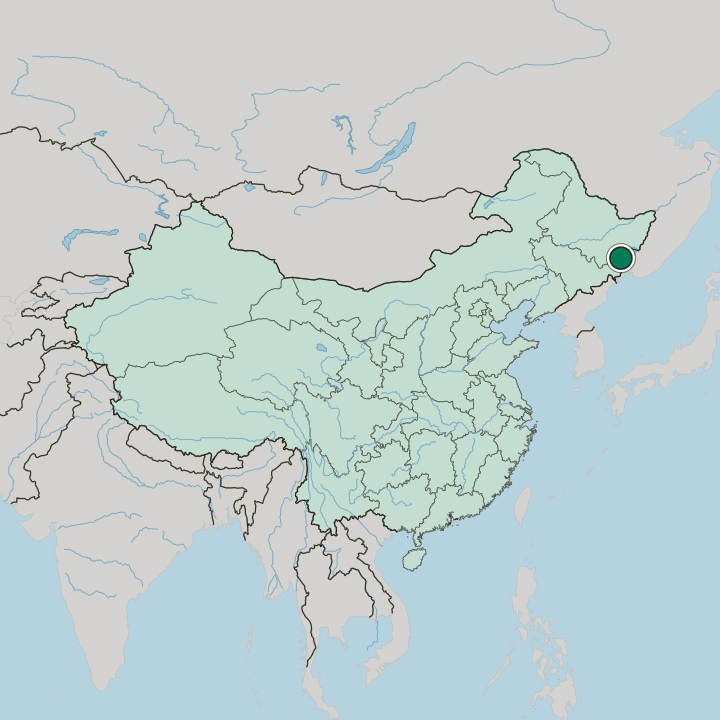
Suifenhe shares its name with the Suifen River. The city covers a small area for a Chinese city, a compact wedge of Hēilóngjiāng pressed against the boundary with Russia and separated from Pogranichny in Primorsky Krai by little more than the rail crossing. Mudanjiang administers the whole of it from further inland.
Vladivostok lies out beyond that crossing.
What is the climate of Suifenhe?
The Suifen River gives the city its name and its water. Suifenhe falls in the temperate band of the northern hemisphere, so its warm weeks gather in the middle of the calendar rather than at either end of it. That ordering matters at a land boundary.
Open ground around the old Suifenhe Railway Station and the Buildings of the Chinese Eastern Railway gives little shelter, so the gap between the mid-year weeks and the edges of the year is felt standing still.
How do you get to Suifenhe?
The Chinese Eastern Railway alignment is the reason for the town. Track through Suifenhe reaches the boundary and continues to Pogranichny in Primorsky Krai, which makes this a rail crossing first and a road one second. Vladivostok lies onward from there.
Mudanjiang is the inland reference point, because the prefecture-level city that administers Suifenhe sits well back from the boundary itself.
Common questions
What is the best area to stay in Suifenhe?
Around the old Suifenhe Railway Station: Early departures and a close look at the Buildings of the Chinese Eastern Railway. The St Nicholas church streets: Walking Suifenhe's railway architecture without the crossing traffic. Toward the Pogranichny boundary: First-thing formalities on a morning bound for Primorsky Krai.
Good for
More cities in Hēilóngjiāng
Updated September 2026